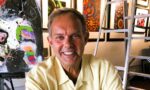



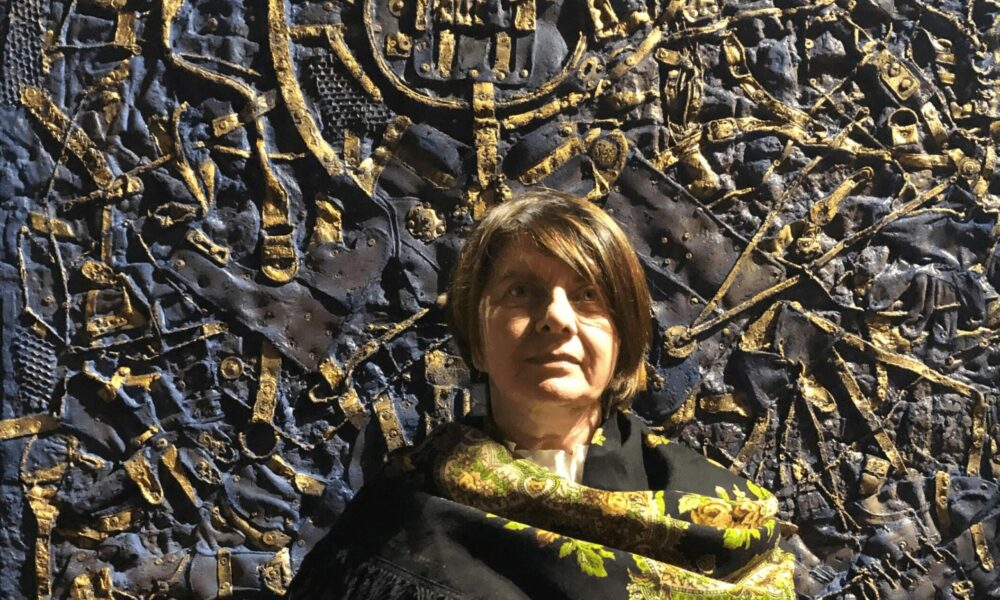
Today, we’d like to introduce you to Ekaterina Khromin.
Hi Ekaterina, we’d love to start by hearing your story.
It’s been a wild, winding road. On August 9, 1990, as we prepped our artworks for the Nachamkin Gallery exhibition in New York, we were tangled in disbelief—could we make it out of the country?
The tension spiked with an unexpected ring from the phone company. We joked nervously about the KGB listening in, but when the technician showed up, we feared it wasn’t just about our faulty line. His every glance seemed to echo our whispered conversations, and we braced for an apartment raid at any moment.
In Soviet Russia, the state championed Social Realism—the picture-perfect portrayal of a utopian society brimming with patriotic fervor and blissful citizens. But beneath this glossy veneer simmered a potent undercurrent of dissent: the Nonconformist movement.
We were those artists who dared to peel back the curtain, revealing the raw, unvarnished truths of life under the regime. We weren’t just artists painting pictures but voicing a silent rebellion. Through the strokes of cubism, the bold lines of surrealism, or the vivid chaos of abstraction—styles deemed dangerous and subversive by the government—we championed the freedom of thought.
Imagine the courage it took to create under such scrutiny, where every brushstroke could be seen as an act of defiance. The fear of prosecution was a constant shadow, looming over every creative decision. It wasn’t just about making art; it was about preserving the essence of who you were, your unedited voice, in a time when such authenticity could cost you everything.
With our paintings locked in a container and our hearts heavy, we faced the uncertainty of seeing our daughters, Sylvia and Polina, after what would be four long years. The wait to reunite felt like an eternity. A sliver of hope shone through only after gaining our “Extraordinary Ability in Art” status and providing reassurance of education in Art Conservation during an interview at the Moscow American Embassy and proving that we could be financially independent.
Our break came when we placed an ad in the New York Times about art restoration services. Two days later, a former émigré contacted us. His referral sparked a chain reaction—suddenly, art dealers, collectors, and auction houses knew our name, and our Fine Art Conservation company took off. Meanwhile, I was cracking the language barrier with classes at Columbia University, finally able to grasp the subway chatter and the buzz of Manhattan streets.
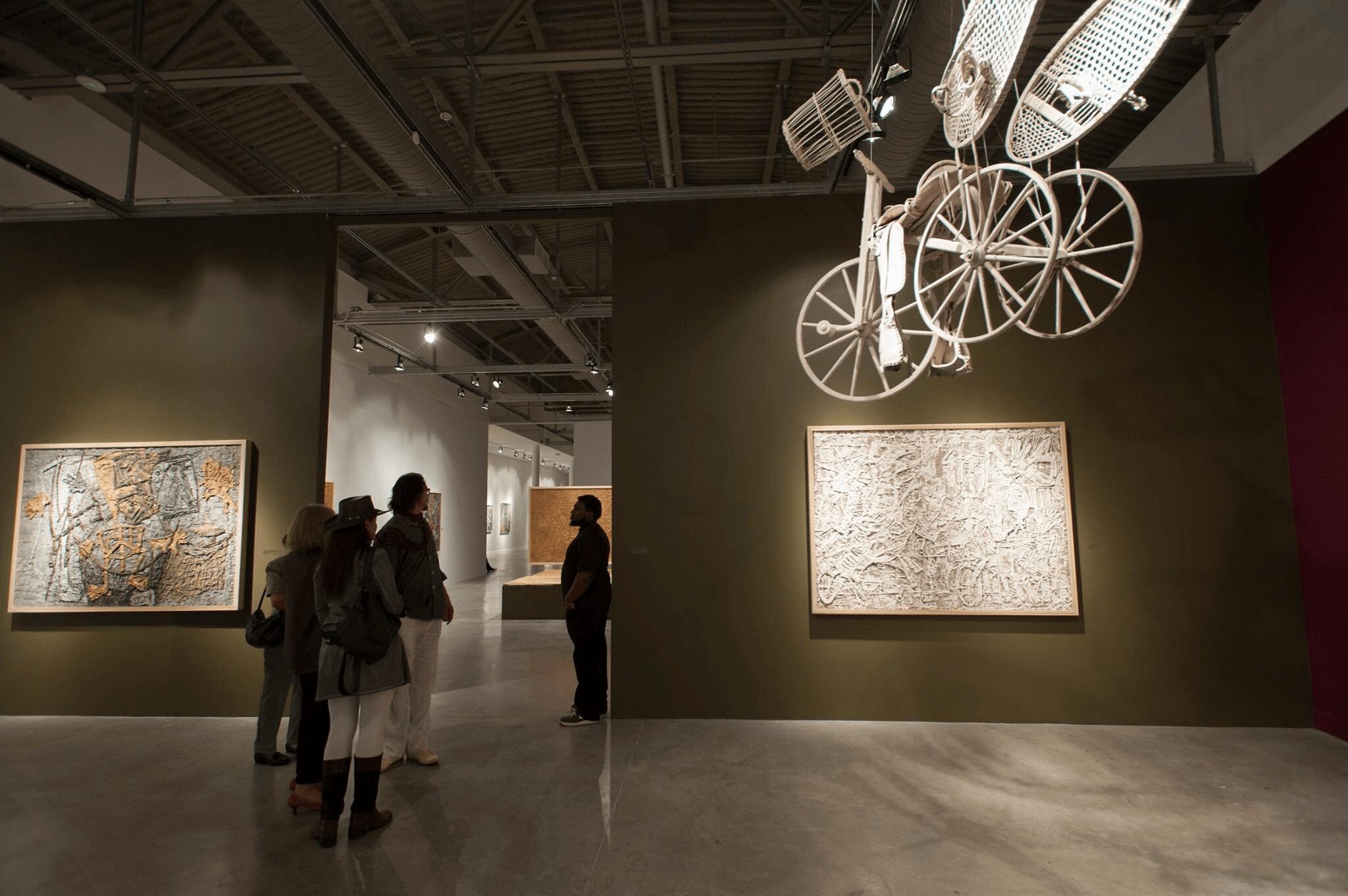
Our art evolved, too. We developed Synergism, an innovative blend of sculpture and painting, which slowly carved its niche in the gallery scene and permanent museum collections. Over time, Victor’s and my creations found a home at the MEAD Museum in Amherst, MA, and in the permanent collection of TMORA Museum in Minneapolis. As our daughters grew and ventured into college, we weathered our most challenging storms.
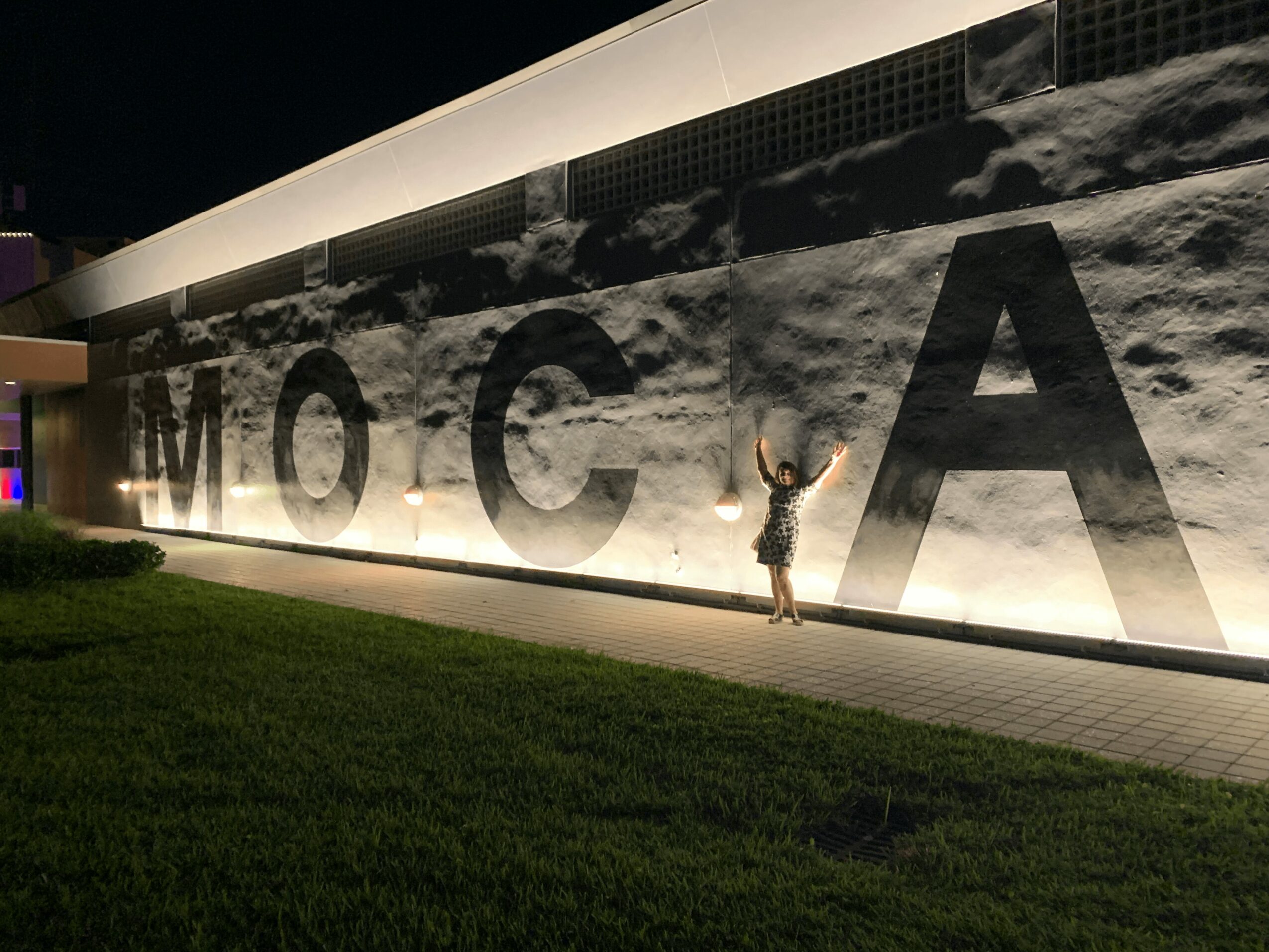
But life threw more curves. I was setting up a prestigious exhibit at the Museum of Contemporary Art in North Miami when I lost Victor. Suddenly, I was navigating both the exhibition and my grief alone.
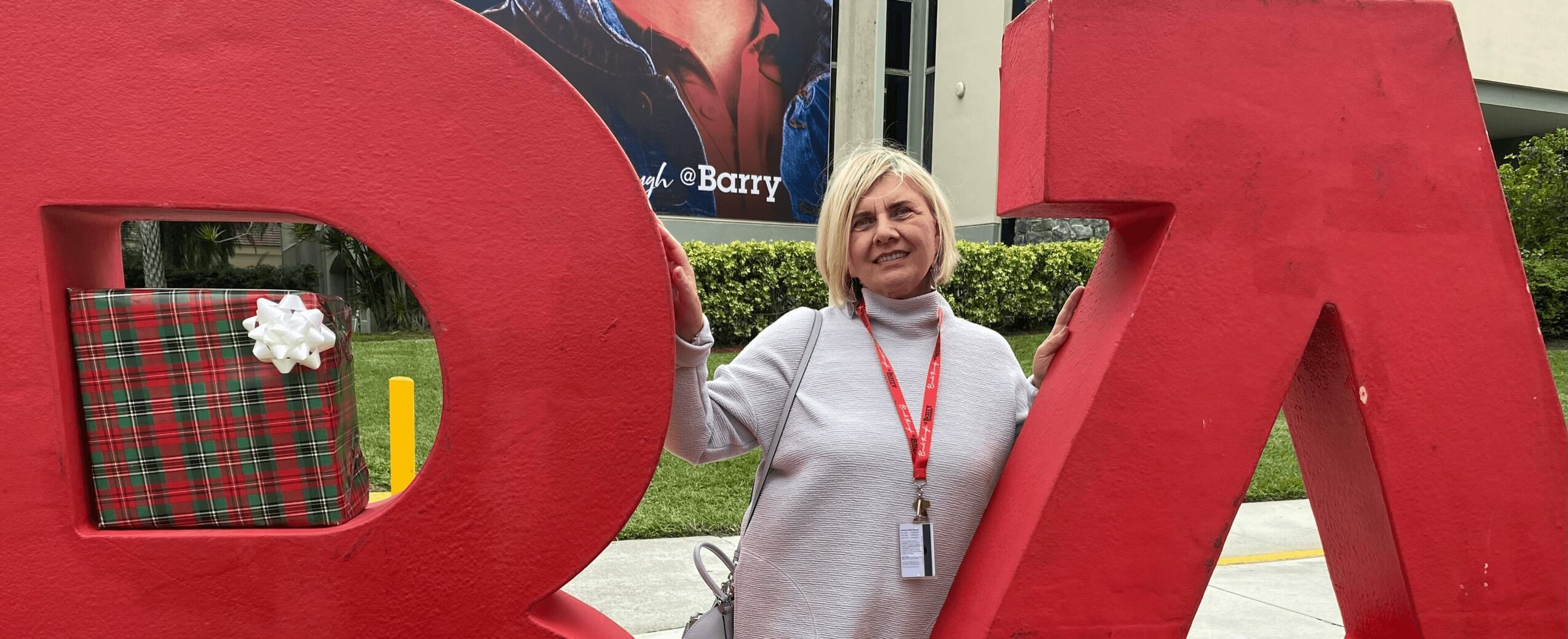
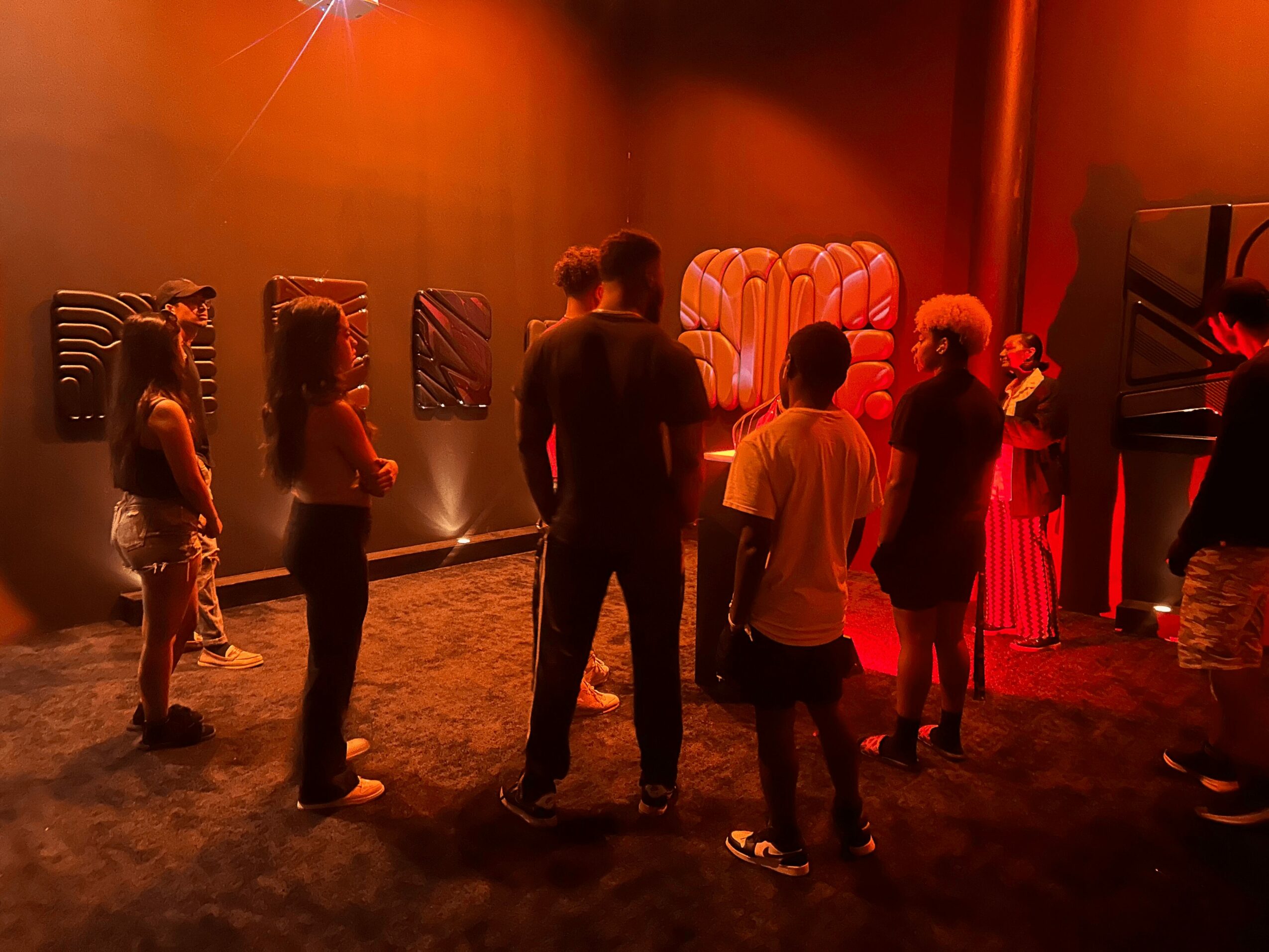
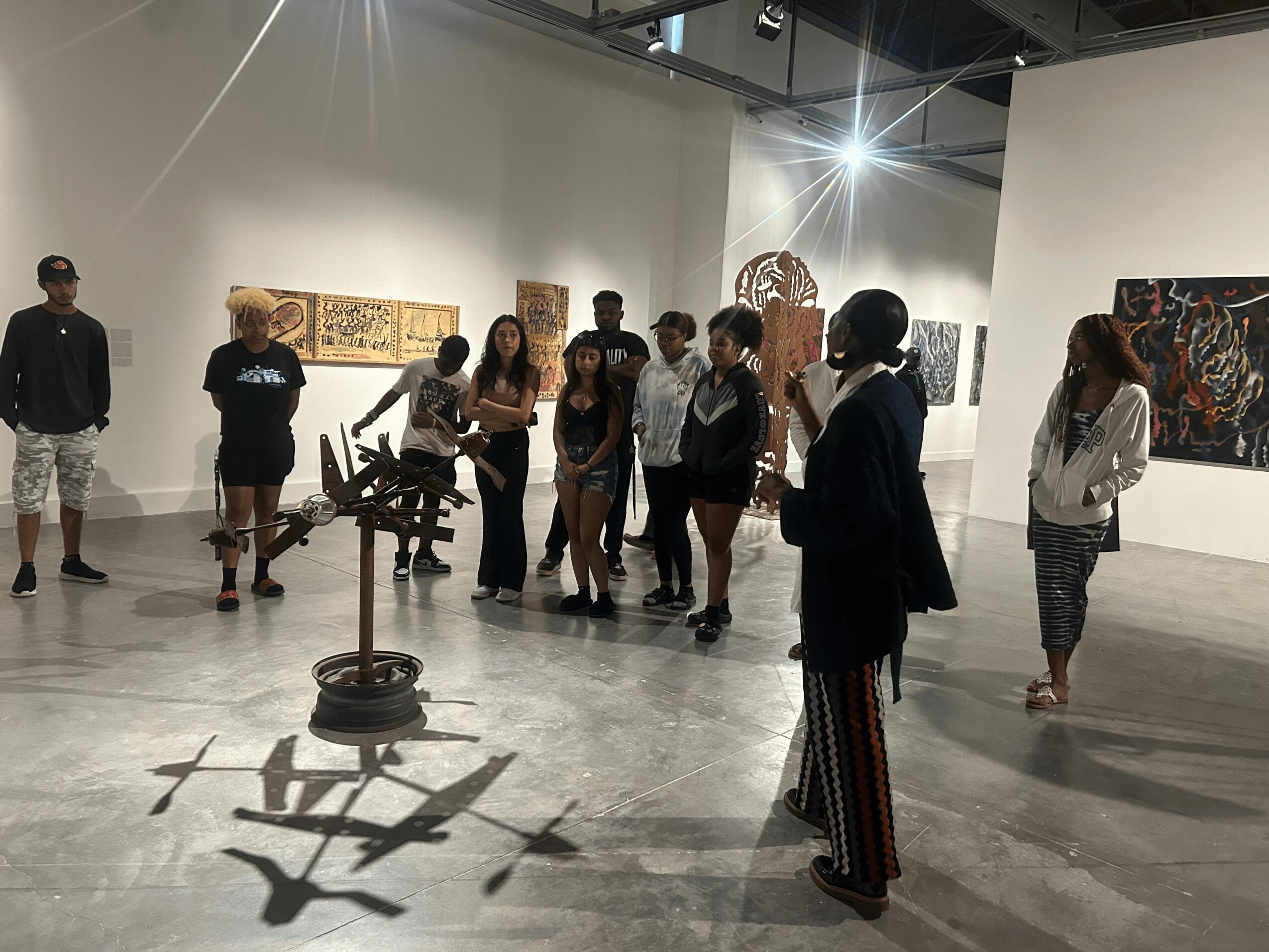
Finding a new purpose, I embraced teaching at Barry University. It differed from my days teaching fresh out of the Imperial Academy of Art in St. Petersburg, Russia. Many of my students were the first in their families to attend college, and few had ever stepped foot in an art museum. The spark of curiosity and awe during our trip to an African American Art lecture at the MOCA was palpable. Their excitement and heartfelt thanks reassured me—I was right where I needed to be.
In our Art Restoration and Conservation classes, I vowed to teach my students to spot fakes. Armed with black lights, we examined paintings on wood and canvas, uncovering hidden repaints and alterations. Their written reports buzzed with enthusiasm. The air was electric with discovery, a reminder of the transformative power of art.
Would you say it’s been a smooth road, and if not, what are some of the biggest challenges you’ve faced along the way?
Every step, every challenge, every breakthrough has been a testament to resilience, the kindness of strangers, and the relentless pursuit of art. I am eternally grateful for this journey, for these experiences, and for every person who’s been a part of my story.
I fell in love with Barry University’s quiet hallways. The air of knowledge was invigorating, and I liked everything about my new occupation. I could see the effects of my lectures, the short videos we watched, our heated discussions, and the numerous questions that arose and could be answered. Biography suddenly made sense and deciphered the enigma of the artist’s life.
I strive to be more than just an educator; I aim to be a source of inspiration. I tell my students that the sky’s the limit and their potential is boundless. Seeing their eyes light up their minds engage—fills me with joy and reaffirms my path. It feels right to share what I know, igniting that fire within them. They are the burgeoning elite, the future sculptors of our society, and I am here to hand them the tools.
Thanks – so, what else should our readers know about your work and what you’re currently focused on?
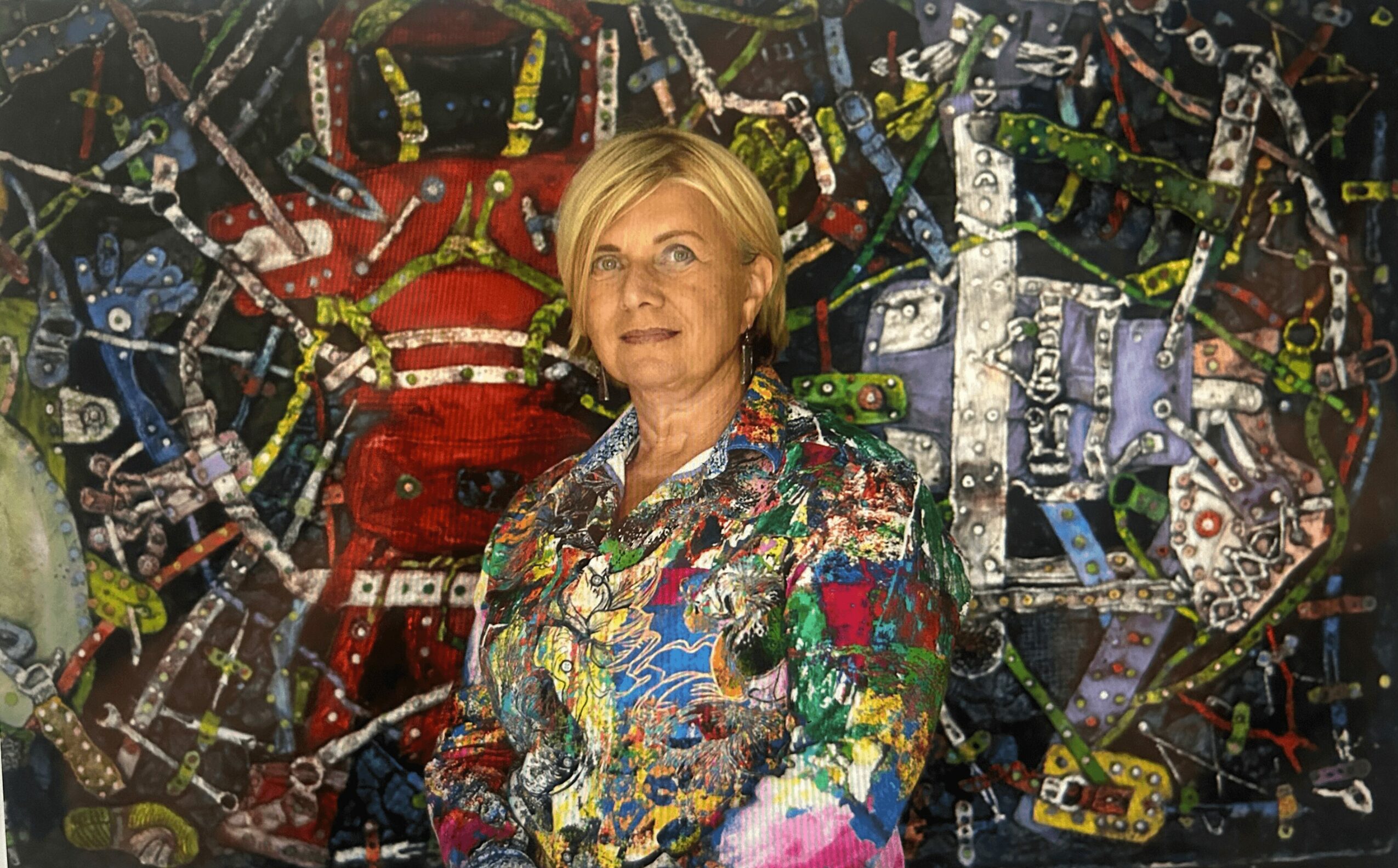
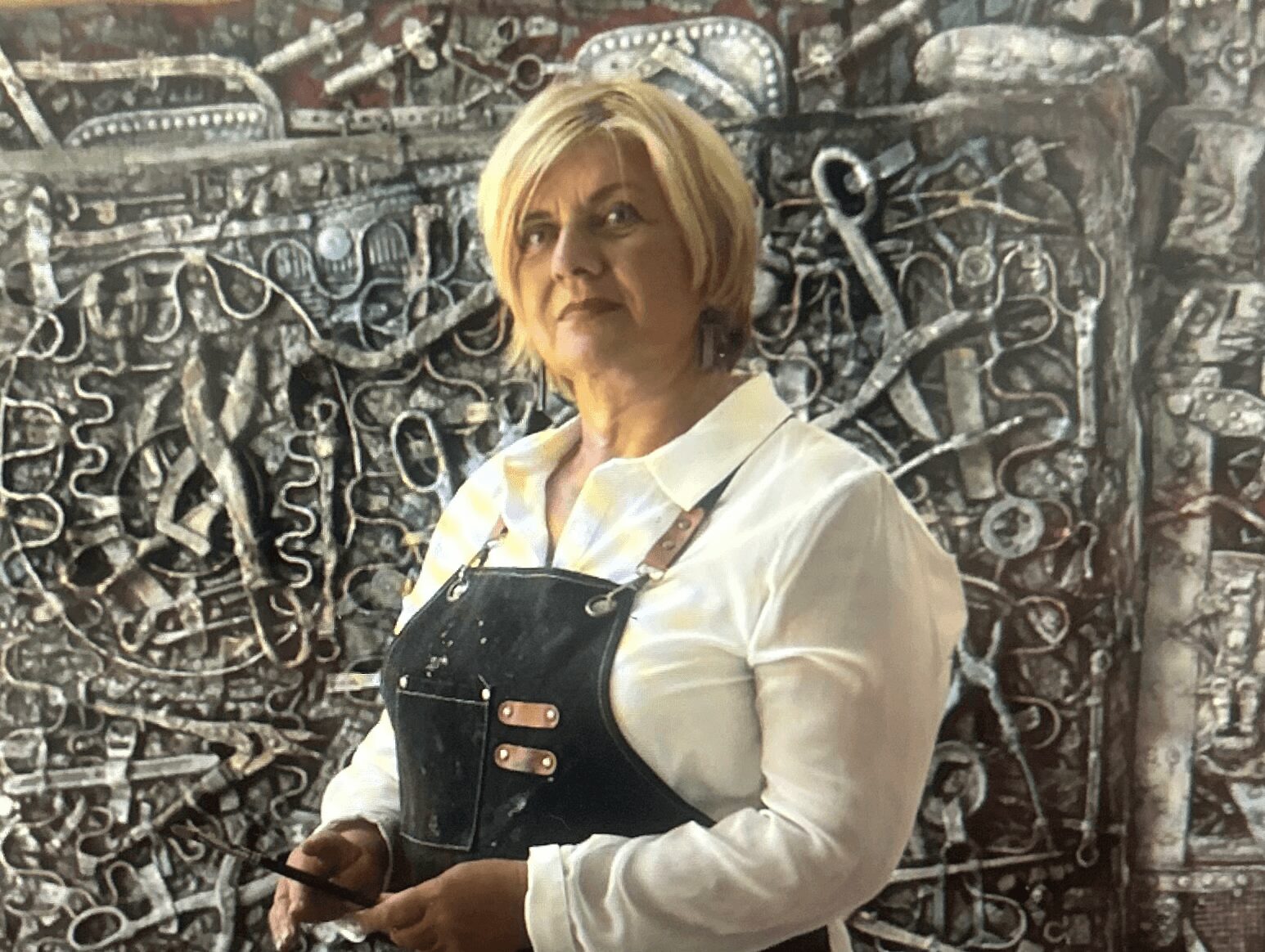
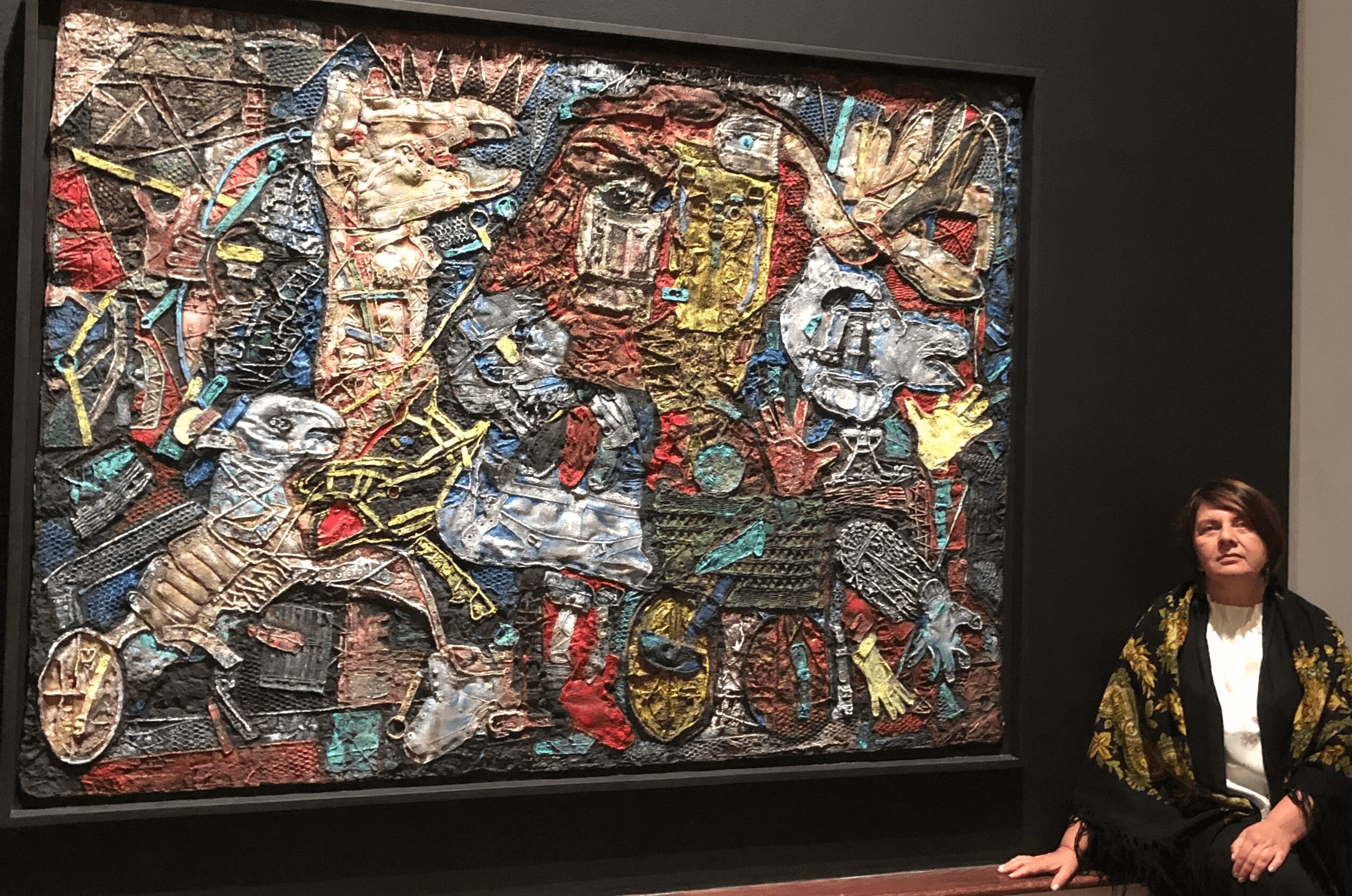
My bas-reliefs on canvas compositions are fingerprints of the life of my generation. My creative process started with examining and dissecting different types of discarded objects and creating base-relief compositions from fragments of pieces of trash. My composition will then be placed in a silicon mold, and later, the relief from the composition will be integrated with a canvas on a hot vacuum table.
In my reliefs, I combine objects with different histories, purposeful uses, and materials. I am working on developing a new perspective in the category of Fine Art by employing a combination of traditional art methods such as drawing, sculpture, painting, and collage in my creative process to bring unique works of art into being. The best way to describe the character of my craft is the word “Synergism,” when the sum of the whole created system in the art image is greater than the sum of its separate parts.
By combining several conventional fine art mediums, I am developing new art objects with the complexity of texture and harmony. Using everyday household discarded and useless things, I am exploring their ambiguous meaning, creating an abstract relief on the canvas surface and destroying all recognizable and semantic meaning of the individual elements in a mosaic-like composition.
Contact Info:
- Instagram: Katerina Khromin
- Facebook: Katerina Khromin
- Linkedin: EKATERINA KHROMIN
- Youtube: https://www.youtube.com/watch?v=RoMR6rVxGmY