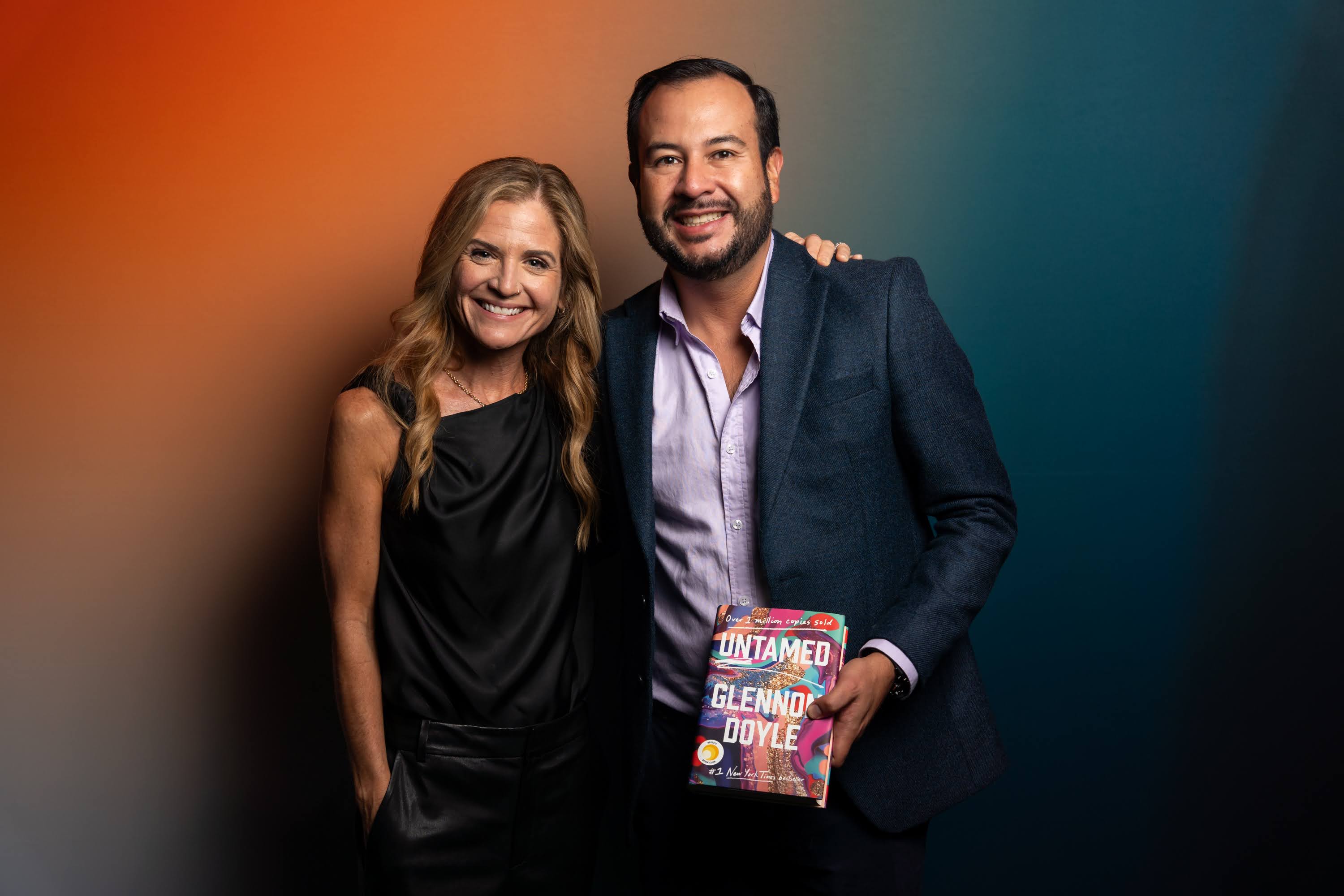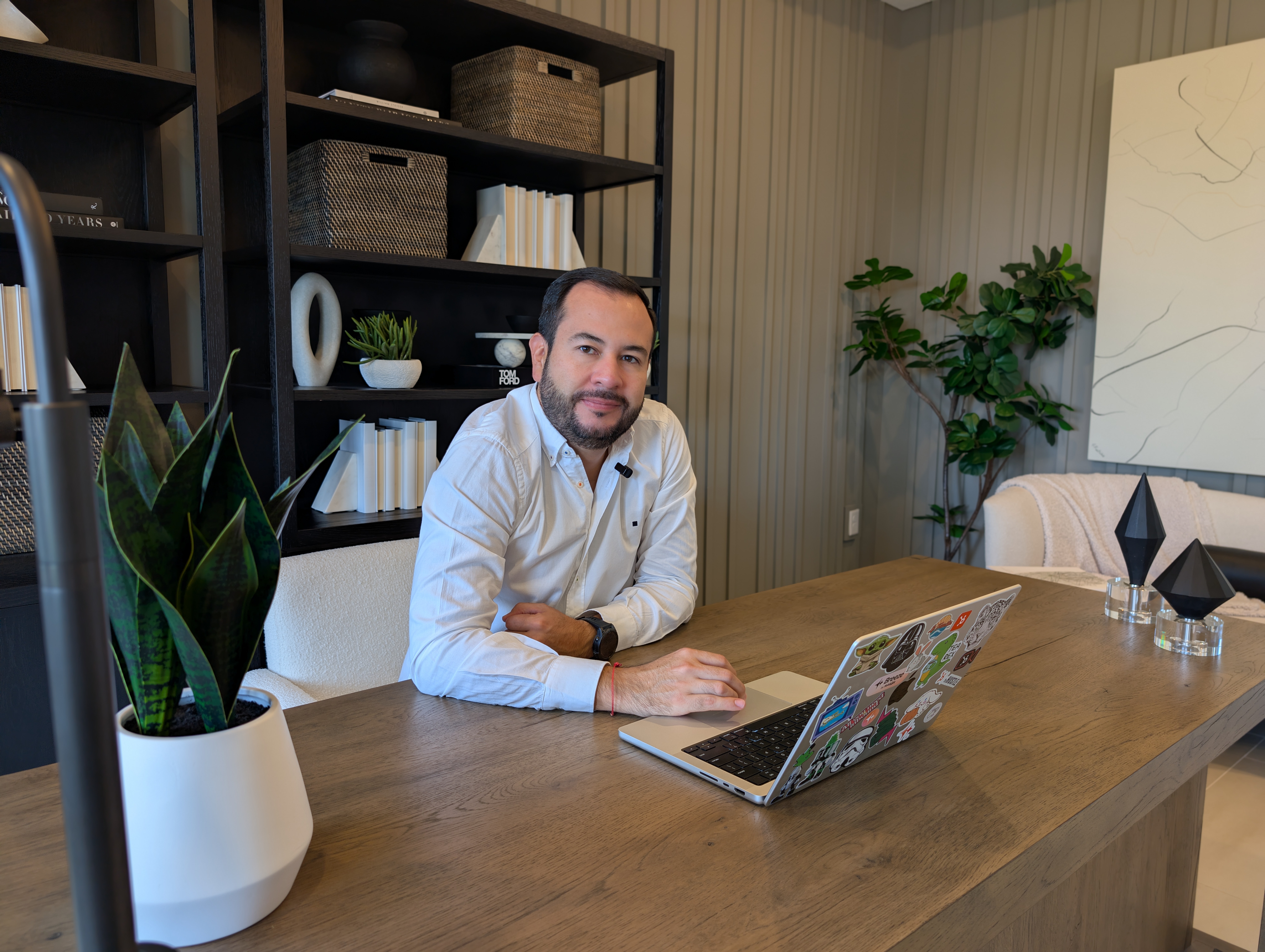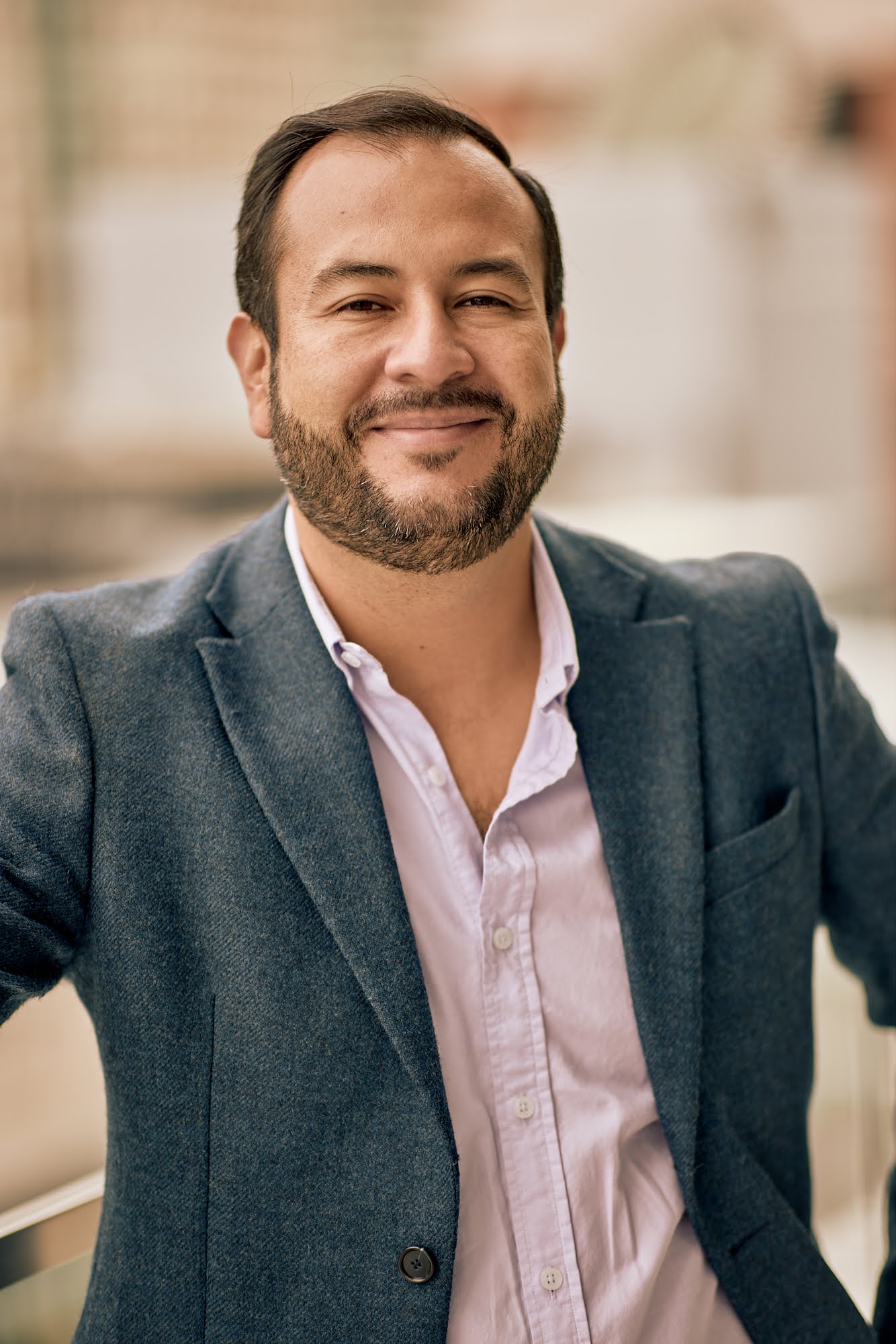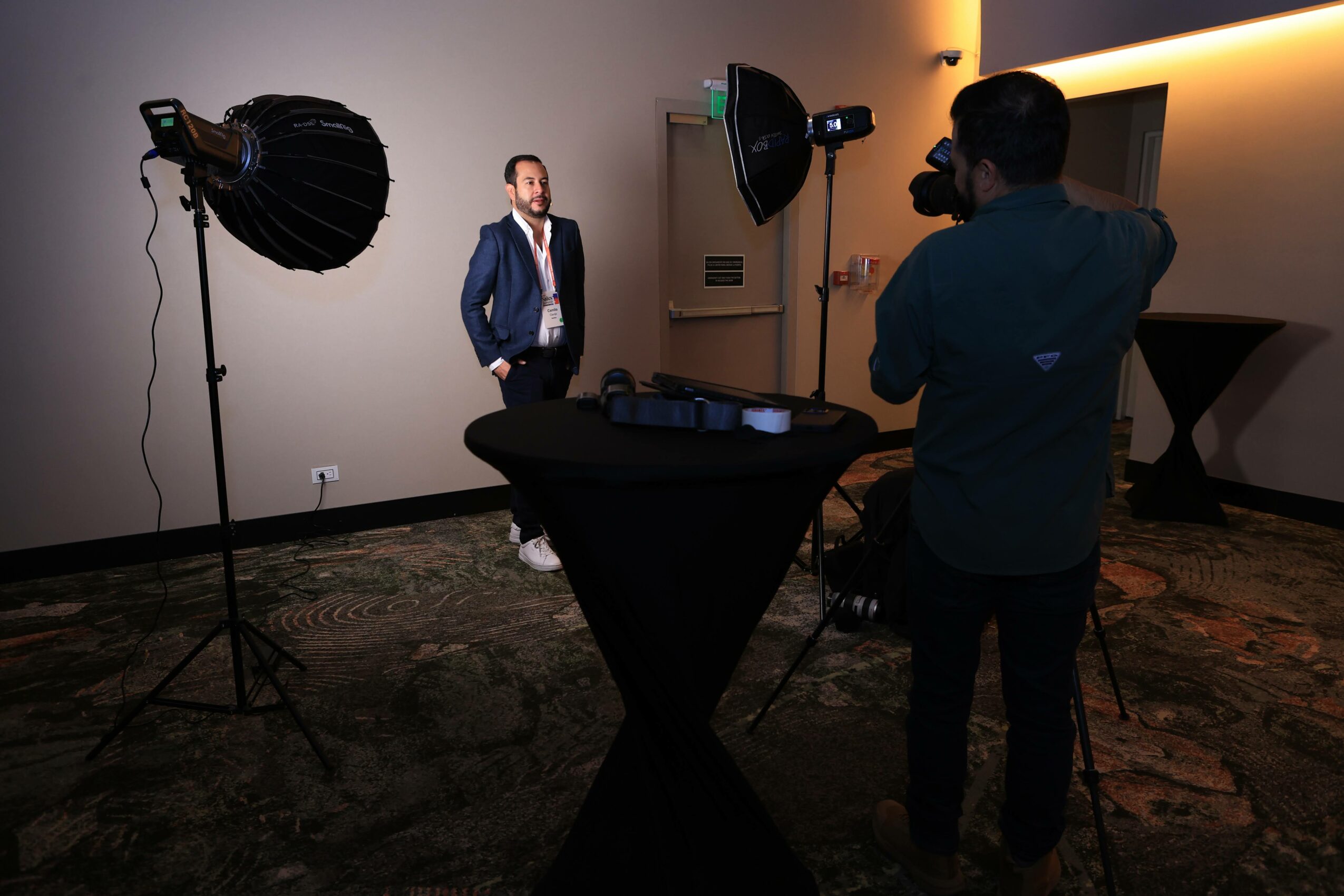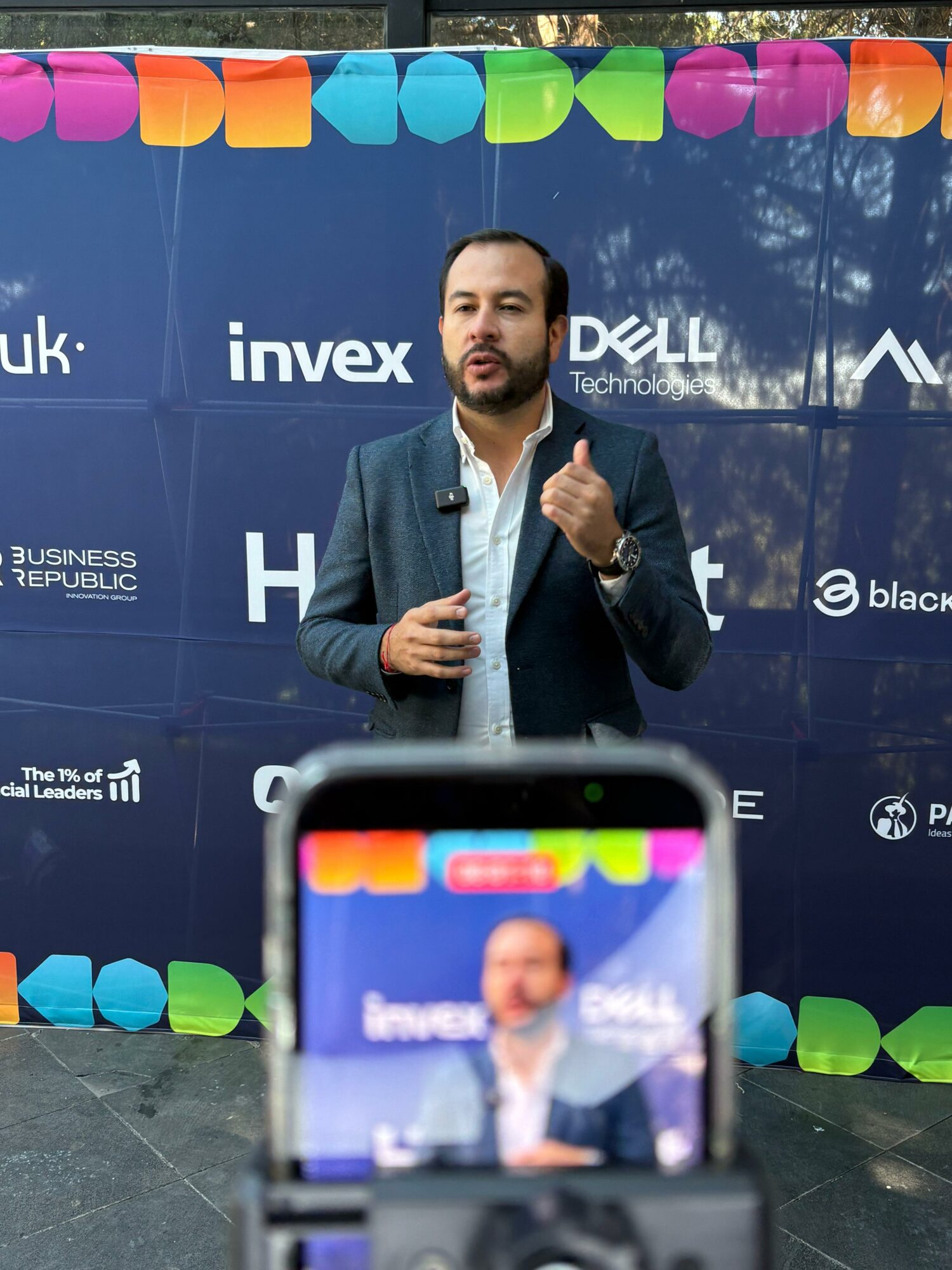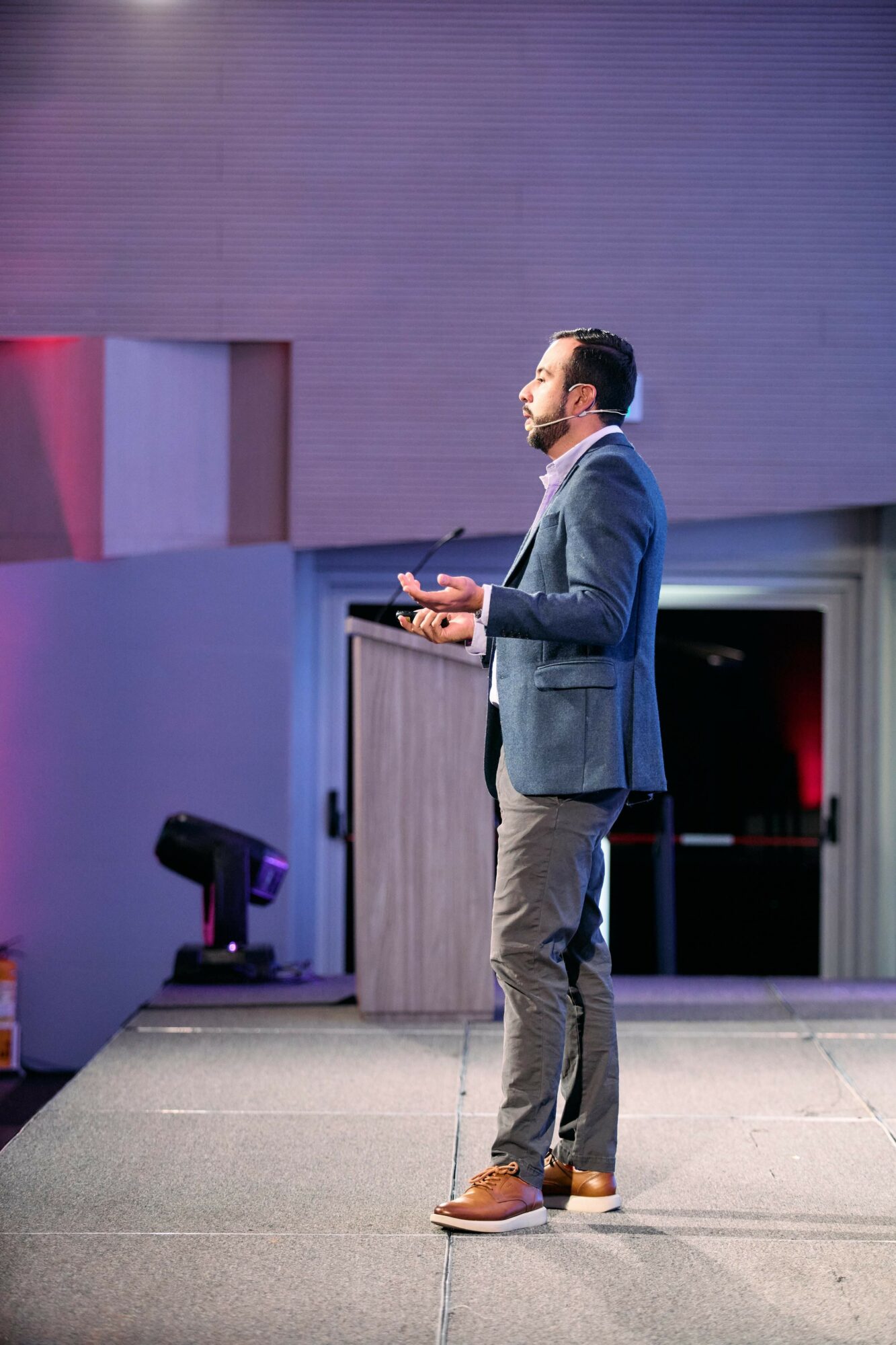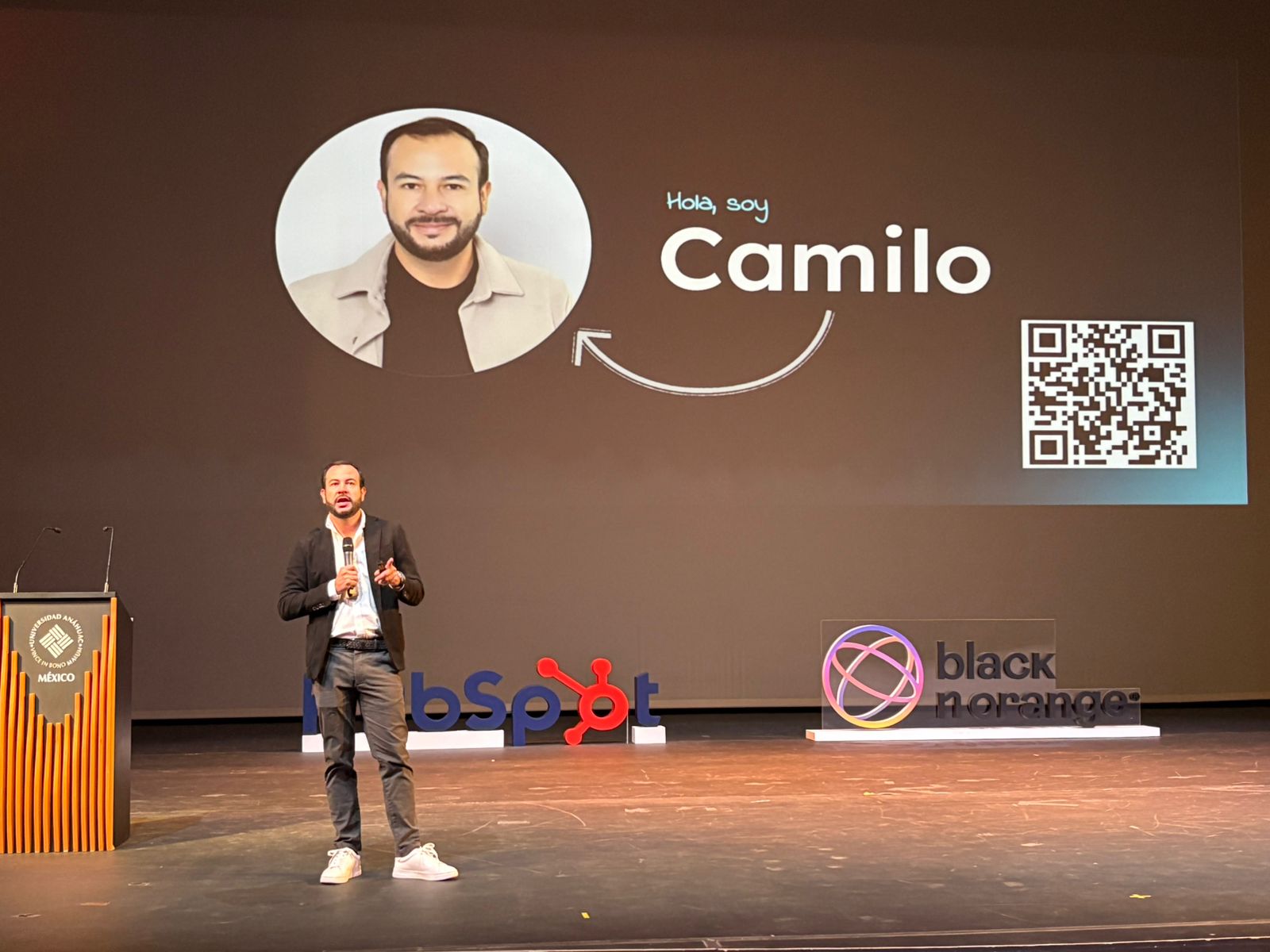





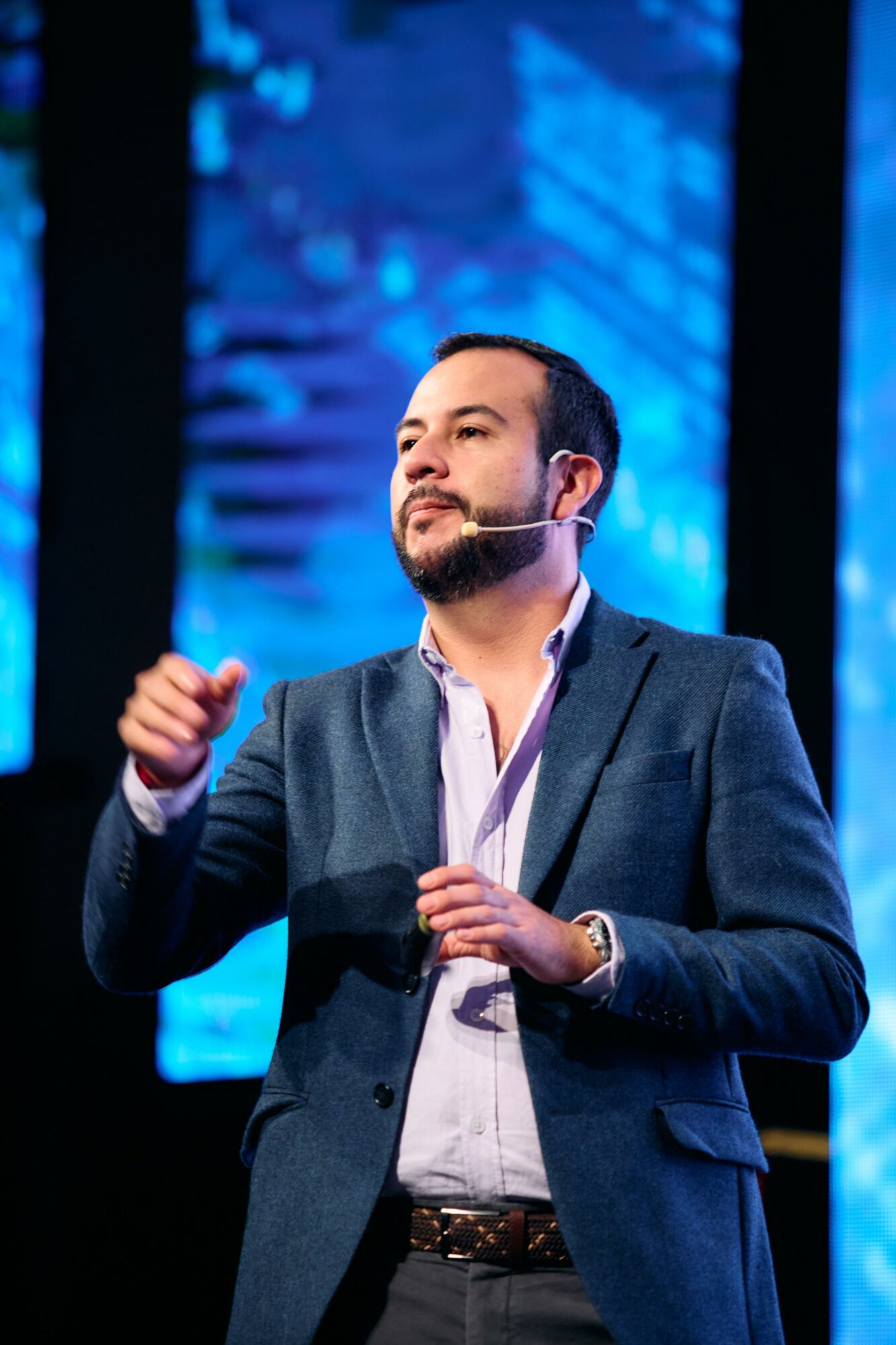
Today we’d like to introduce you to Camilo Clavijo.
Hi Camilo, so excited to have you on the platform. So before we get into questions about your work-life, maybe you can bring our readers up to speed on your story and how you got to where you are today?
I grew up believing that selling was something you did to people. It took me twenty years to learn it’s actually something you do with them.
I started at IBM in Colombia, then Chile, learning the craft the old-fashioned way: knocking on doors, missing quotas, and being mentored by people who cared more about my growth than my numbers. From there I joined Aconex, an Australian startup, where I was handed Latin America and almost no resources. I had to build the business model from scratch. That season taught me something I still carry: you don’t need permission to build something meaningful. You just need to start.
Google Cloud came next, and it stretched me in ways I didn’t expect. I was the first Google Cloud salesperson in Chile, then moved to Southern California to sell to companies like Starbucks, Intel, and Southwest Airlines, and eventually to Austin, Texas, where I led a remote team of American sales professionals. Leading in a culture that wasn’t my own, in a language that wasn’t my first, with a team that didn’t owe me anything, that’s where I stopped being a seller who managed people and became a leader who happened to know how to sell.
Then came HubSpot. I joined when our LATAM operation had 35 employees and left when we’d grown it to over 600 people and $170 million in recurring revenue, with the best employee NPS in the company globally. On paper, it was the peak. In real life, it was the moment I had to make the hardest decision of my career.
I walked away.
Not because I was burned out, and not because I’d stopped loving the work. I walked away because I realized I’d spent two decades teaching teams that the person comes before the number and I owed it to myself to live that, not just preach it. My life isn’t worth less than a sales quota. Neither is yours.
Today I do three things: I speak on stages across Latin America and the US about what B2B sales actually looks like in the age of AI, I consult with companies that want to grow without breaking their people in the process, and I coach a small group of leaders one-on-one work I do under the Jay Shetty methodology, because I believe the inner game matters as much as the outer one.
Where I am today isn’t a destination. It’s a quieter, more honest version of where I’ve always been: a guy from Colombia who loves this craft, who’s been lucky enough to learn it inside some of the best companies in the world, and who wants to spend the rest of his career proving that you can build something extraordinary without sacrificing who you are to get there.
Can you talk to us a bit about the challenges and lessons you’ve learned along the way. Looking back would you say it’s been easy or smooth in retrospect?
If anyone tells you their road to leadership was smooth, they’re either lying or they haven’t traveled far enough yet.
My early years in sales were humbling in a way I’m grateful for now, but didn’t enjoy at the time. I missed quota. I lost deals I was sure I’d win. I sat in meetings where I didn’t understand half of what was being said and had to learn, quietly, on my own time, so no one would notice. The hardest part wasn’t the failure. It was the loneliness of it. Sales is a profession where everyone celebrates the closed deal and no one talks about the twelve that didn’t close before it.
But the deepest struggle of my life had nothing to do with a job. I lost my mom when I was in my early twenties, and there’s no career milestone, no number on a board, no stage I’ve ever stood on that has filled that absence. I still miss her. I think I always will. What that loss taught me, painfully and slowly, is that time is the only thing you can’t negotiate for. Everything I’ve built since then, every decision I’ve made about how to lead and how to live, has been shaped by that truth. You can earn money back. You can rebuild a career. You cannot get a single day with the people you love returned to you.
Moving to Chile in my twenties was another kind of struggle. I left everything I knew in Colombia to start over in a country where I had no network, no family, and no shortcuts. I learned then that resilience isn’t a personality trait. It’s a muscle you build by doing hard things on purpose.
Then came the United States. Selling at Google Cloud in Southern California, and later leading a team in Austin, Texas, tested me in ways my résumé doesn’t capture. I was a Colombian leader managing American sales professionals in their own market, in their own language. There were moments I questioned whether I belonged in the room. I had to earn trust I couldn’t assume, and I had to do it without losing who I was in the process. That season taught me that authenticity isn’t a luxury. It’s actually your competitive advantage, especially when you’re the outsider.
The hardest professional struggle, though, came later. By the time I was running HubSpot’s LATAM operation, I had everything I’d worked twenty years to build. The title, the team, the numbers, the recognition. And I was tired in a way that no vacation could fix. I had to ask myself an uncomfortable question. Am I still here because this is who I am, or because I’m afraid of who I’d be without it?
Walking away from HubSpot was the most public, and most personal, professional decision of my career. I left a company I loved, working with people I respected, at the top of a number that took years to build. There was no crisis. No scandal. Just a quiet conviction that my life couldn’t keep being measured in quarters. Maybe my mom had something to do with that too. When you’ve already learned that time runs out, you stop spending yours on things that aren’t worth it.
The months that followed weren’t glamorous. Reinventing yourself in your forties, after decades of being defined by a corporate title, is its own kind of vertigo. I had to learn to introduce myself without a logo behind my name. I had to build an audience from scratch. I had to figure out, all over again, who I was when no one was paying me to be someone.
What I’ve learned through all of it is something I wish someone had told me at twenty-five. The struggles don’t go away as you grow. They just get more interesting. And the people who make it furthest aren’t the ones who avoid the hard moments. They’re the ones who stop pretending those moments aren’t happening.
Can you tell our readers more about what you do and what you think sets you apart from others?
I help companies sell more without breaking the people who do the selling.
That’s the shortest version. The longer one is that I work at the intersection of three things most people treat as separate: revenue, leadership, and humanity. I do three things, and they’re all expressions of the same belief. I speak, mostly to audiences of sales leaders in Latin America and the United States, because I think this profession deserves a more honest conversation than the one it’s having. I consult with companies, because ideas without execution are just opinions, and I’d rather be useful than admired. And I coach executives one on one, under the Jay Shetty certification, because somewhere along the way I realized that the people making the biggest decisions in our industry are often the loneliest ones in the building. That work matters to me in a way the stages and the contracts don’t quite capture.
What I specialize in is the part of sales that nobody wants to talk about. Everyone obsesses over the seller and the strategy. Almost no one invests in the middle manager, the sales director, the person caught between a CEO who wants more revenue and a team that wants more support. That gap is where deals get lost, where talent burns out, and where culture dies quietly. I’ve lived inside that gap for two decades. I know what it costs, and I know how to fix it.
What I’m known for, more than anything, is a framework I call the Five As. Activate, Learn, Analyze, Accelerate, and Appreciate. It came out of twenty years in the field, not out of a textbook. It’s the way I taught my teams to sell at HubSpot, where we grew from thirty five employees to over six hundred and built a business of one hundred seventy million dollars in recurring revenue, with the best employee engagement score in the company globally. The Five As are simple enough to remember on a Monday morning and deep enough to hold up under pressure on a Friday afternoon. That balance is the work of a lifetime.
What I’m most proud of is harder to put on a slide. It’s the messages I still receive from people who worked with me ten or fifteen years ago, telling me about the promotion they just got, the team they’re now leading, the company they finally launched. I’m proud of the careers, not the quotas. The numbers were just the receipts.
I’m also proud of the decision I made to leave HubSpot at the top, voluntarily, because I believed my life shouldn’t be measured by a quarterly forecast. That choice cost me something, and it gave me something more valuable in return. It gave me the moral authority to walk into a room of executives and tell them the truth about what this work really costs, and what it really gives back, when you do it well.
What sets me apart is probably the same thing that took me the longest to embrace. I’m not the loudest voice in the room. I’m not selling a shortcut. I don’t have a hack, a script, or a seven step formula that will make your sales team suddenly perform. What I have is twenty years of doing this work inside four tier one companies, across three countries, with teams that ranged from two people to six hundred. I’ve sold to Starbucks and to startups. I’ve led Americans in Austin and Colombians in Bogotá. I’ve built pipeline in English and closed deals in Spanish. That breadth doesn’t make me special. What it gives me is something rarer than expertise. It gives me perspective. And in a profession drowning in noise, perspective is what people are actually hungry for.
The world doesn’t need another sales guru. It needs more leaders who remember that the person in front of you, whether they’re your customer or your employee, is always the point. Everything else is just the score.
What are your plans for the future?
The honest answer is that I’m building something slower than I used to, and more lasting than anything I’ve built before.
For most of my career, the future was a number. A quota, a target, a milestone someone else had set and I was responsible for hitting. That game taught me a lot, and I’m grateful for it. But the future I’m building now is different. It isn’t measured in quarters. It’s measured in the kind of work I want to be doing ten years from now, and the kind of person I want to be while I’m doing it.
In the near term, I’m focused on three things. The first is taking the Five As, the framework that came out of my two decades in the field, and turning it into a book. Not because the world needs another sales book, but because I believe the conversation about commercial leadership in Latin America deserves a serious one, written by someone who actually built and lost and rebuilt the thing he’s writing about. The second is expanding my work as a speaker into the markets where I think this conversation matters most right now, which means more stages in Mexico, more events in the United States, and a deeper presence in the cities where Latin American business is actually being shaped. The third is launching a digital program that can reach the people who will never be able to hire me as a consultant, but who deserve access to the same thinking. I came up in a country where access to world class business education was a privilege. I’d like to be part of changing that.
The bigger change, though, isn’t on the calendar. It’s internal. I’m planning to keep saying no to things that look like growth but feel like erosion. I’m planning to keep choosing the conversations that nourish me over the ones that just inflate me. I’m planning to spend more time with my family, because they’re the reason any of this matters in the first place, and because I learned early in life that nobody gets a refund on the time they didn’t take.
What I’m most looking forward to is something quieter than a plan. I want to keep being useful. I want to keep being surprised. I want to be in the room, ten years from now, with a leader who’s facing the same crossroads I once faced, and to be the person who tells them the truth they need to hear. If the work I’m doing now lets me earn that seat at that table, then everything else, the books, the stages, the platforms, will have been worth it.
The biggest change in my life already happened the day I decided that my success would be measured by something other than a number on a board. Everything I’m planning now is just me, finally, living in that decision.
Pricing:
- For a Consulting/advising on your sales process I do $500 USD per hour
- A conference cost is $10.000 USD
Contact Info:
- Website: https://camiloclavijo.com/
- Instagram: https://www.instagram.com/camiloclavijov/
- LinkedIn: https://www.linkedin.com/in/cclavijo2/
- Youtube: https://www.youtube.com/@CamiloClavijov