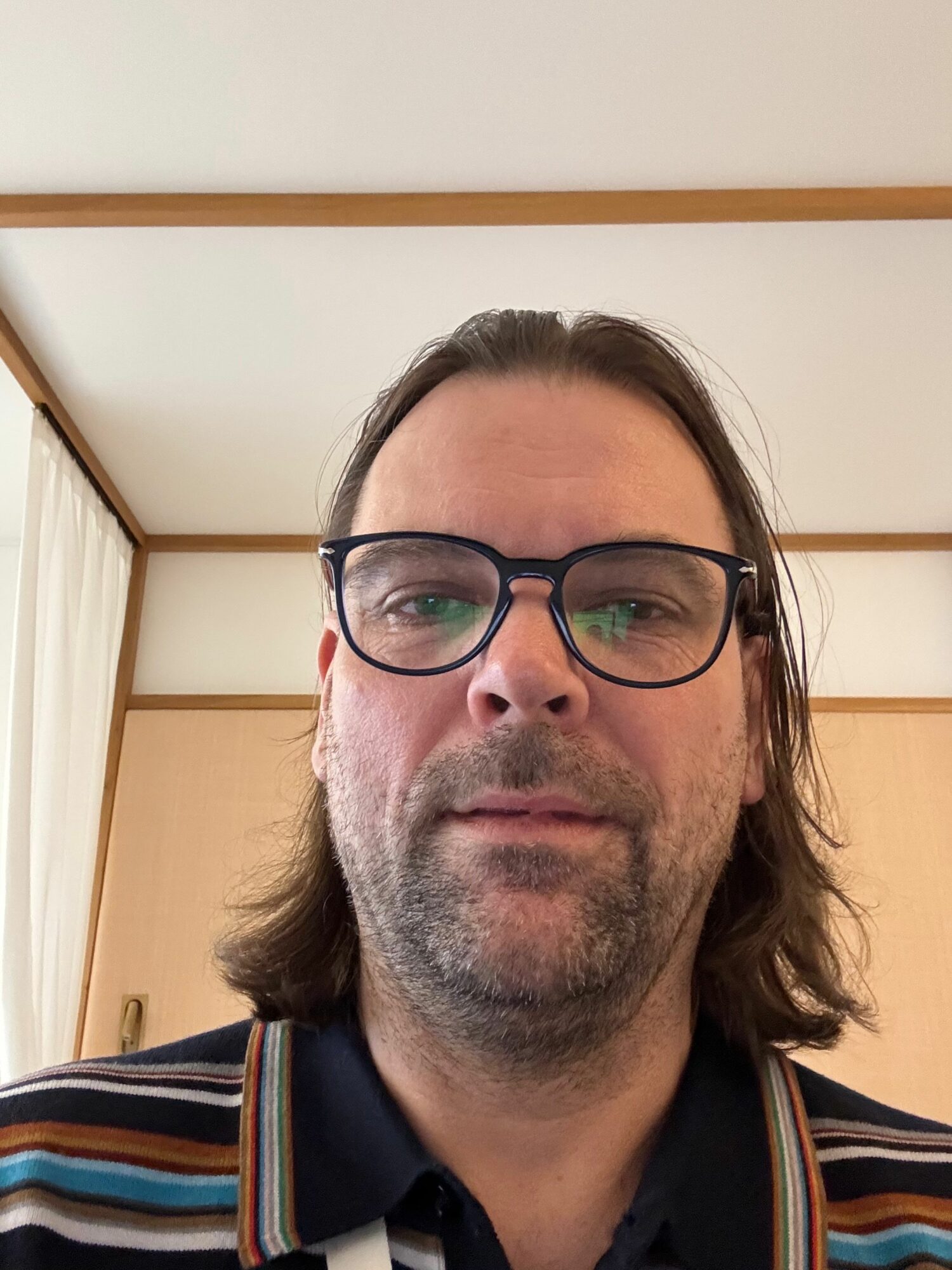




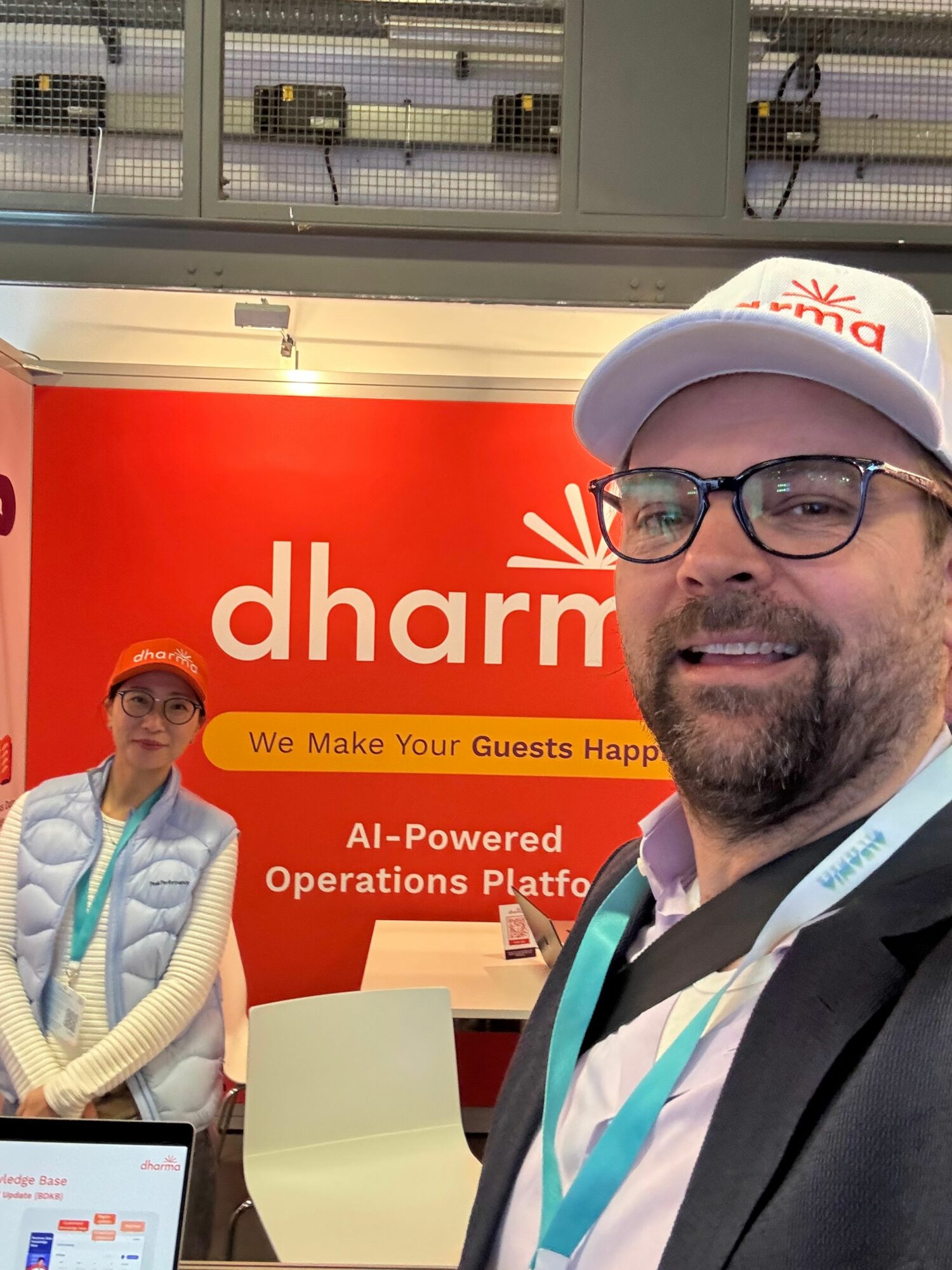
Today we’d like to introduce you to Toivo E Halvorsen.
Alright, so thank you so much for sharing your story and insight with our readers. To kick things off, can you tell us a bit about how you got started?
Dharma Home Suites was co-founded in New York in 2008 by Toivo Halvorsen as a boutique corporate housing and premium short-term rental company. Beginning in the New York metropolitan area, the company focused on providing fully furnished, high-quality apartment stays built around comfort, reliability, and service. Over time, Dharma Home Suites expanded across key East Coast markets and became a recognized provider of upscale, apartment-style accommodations for both business and leisure travelers, including participation in Airbnb’s professional co-host and management programs.
In 2021, following the pandemic, Dharma was restructured while continuing to operate Dharma Home Suites as its guest-facing stay brand. At the same time, the company launched a dedicated technology and services entity. This platform is now responsible for managing all Dharma Home Suites apartments and also serves external clients such as Starwood Capital and Weichert Corporate Housing. The restructured Dharma operates as a hospitality technology and services company, delivering operations software and full-service management solutions for hotels, vacation rentals, corporate housing, and hybrid hospitality portfolios. Its core mission is to help owners and operators streamline daily operations, elevate guest experiences, and drive revenue growth through a combination of AI-enabled technology and hands-on operational expertise.
We all face challenges, but looking back would you describe it as a relatively smooth road?
Has it been a smooth road?
No, it definitely hasn’t been a smooth road. Like most hospitality businesses, Dharma has gone through several cycles, shocks, and reinventions since its early days.
What were some of the struggles along the way?
In the early years, the biggest challenge was scale and capital. Building a boutique hospitality brand in New York during and after the 2008–2009 financial crisis meant operating with very limited margins, learning by doing, and constantly balancing growth with operational discipline. As the business expanded, complexity increased quickly — managing multiple buildings, cities, regulations, and partners exposed how fragile manual processes could be.
The pandemic was the most defining challenge. Overnight, demand disappeared, fixed costs remained, and the traditional hospitality playbook no longer applied. That period forced hard decisions, restructurings, and a fundamental rethink of how the company operated. Out of that disruption came Dharma’s pivot toward building its own technology and centralized operating platform, not just to survive, but to run more resilient, scalable operations going forward.
Throughout the journey, there were also ongoing challenges around regulation, labor, and maintaining service quality at scale. Each phase required adaptation, and in many ways the business you see today is the result of lessons learned the hard way — through cycles, setbacks, and constant iteration rather than smooth, linear growth.
As you know, we’re big fans of Dharma . For our readers who might not be as familiar what can you tell them about the brand?
Dharma was founded in New York in 2008 with minimal personal savings, at the height of the financial crisis, and grew from a small short-term rental operation through hands-on execution, learning the business from the ground up, and building trust with guests, landlords, and partners—without outside capital. Today, Dharma operates and supports boutique hotels, aparthotels, vacation rentals, and corporate housing portfolios, while also providing hospitality technology and full-service management solutions to third-party owners and institutional clients, including Starwood Capital and Weichert Corporate Housing. We specialize in complex, multi-unit hospitality environments where operational consistency, guest experience, and execution at scale are critical. What sets Dharma apart is that we are operators first—our operating model and technology were built by running real hotels and apartments, solving real operational challenges, and refining systems in live environments—resulting in a resilient platform that has endured multiple market cycles and continues to operate Dharma Home Suites as our guest-facing stay brand.
Risk taking is a topic that people have widely differing views on – we’d love to hear your thoughts.
I tend to view risk as deeply subjective. What feels risky to one person may feel entirely rational to another, depending on life stage, responsibilities, health, and perspective. At its core, most risk is tied to fear — and if you strip it all the way back, fear is often linked to our most basic concern: survival. Time, money, health, reputation — they’re all expressions of that same underlying vulnerability.
From that perspective, I don’t think of myself as a reckless risk-taker, but I have taken meaningful risks. Starting Dharma in 2008, during the financial crisis, with very limited personal capital was a risk — financially and emotionally. Later, continuing to operate through the pandemic and choosing to restructure rather than shut down was another. Those decisions came with real costs: long hours, personal stress, uncertainty, and the toll that running a business can take on your health and personal life.
Over time, my relationship with risk has evolved. I’ve learned to distinguish between existential risk — the kind that threatens your health, integrity, or ability to recover — and calculated risk, which is part of building anything meaningful. I’m willing to risk money, time, and comfort, but I’ve become far more cautious about risking my health or core values. Experience teaches you that no opportunity is worth permanent damage.
Ultimately, I try to approach risk with awareness rather than bravado. The goal isn’t to eliminate fear — that’s impossible — but to understand it, respect it, and decide consciously what you’re willing to trade in pursuit of something you believe in. For me, risk isn’t about chasing adrenaline; it’s about choosing which fears you can live with, and which ones you can’t.
Contact Info:
- Website: https://www.dharma-grp.com/en-us
- LinkedIn: https://www.linkedin.com/in/toivohalvorsen/
- Other: https://www.linkedin.com/company/dharma-grp/?viewAsMember=true