





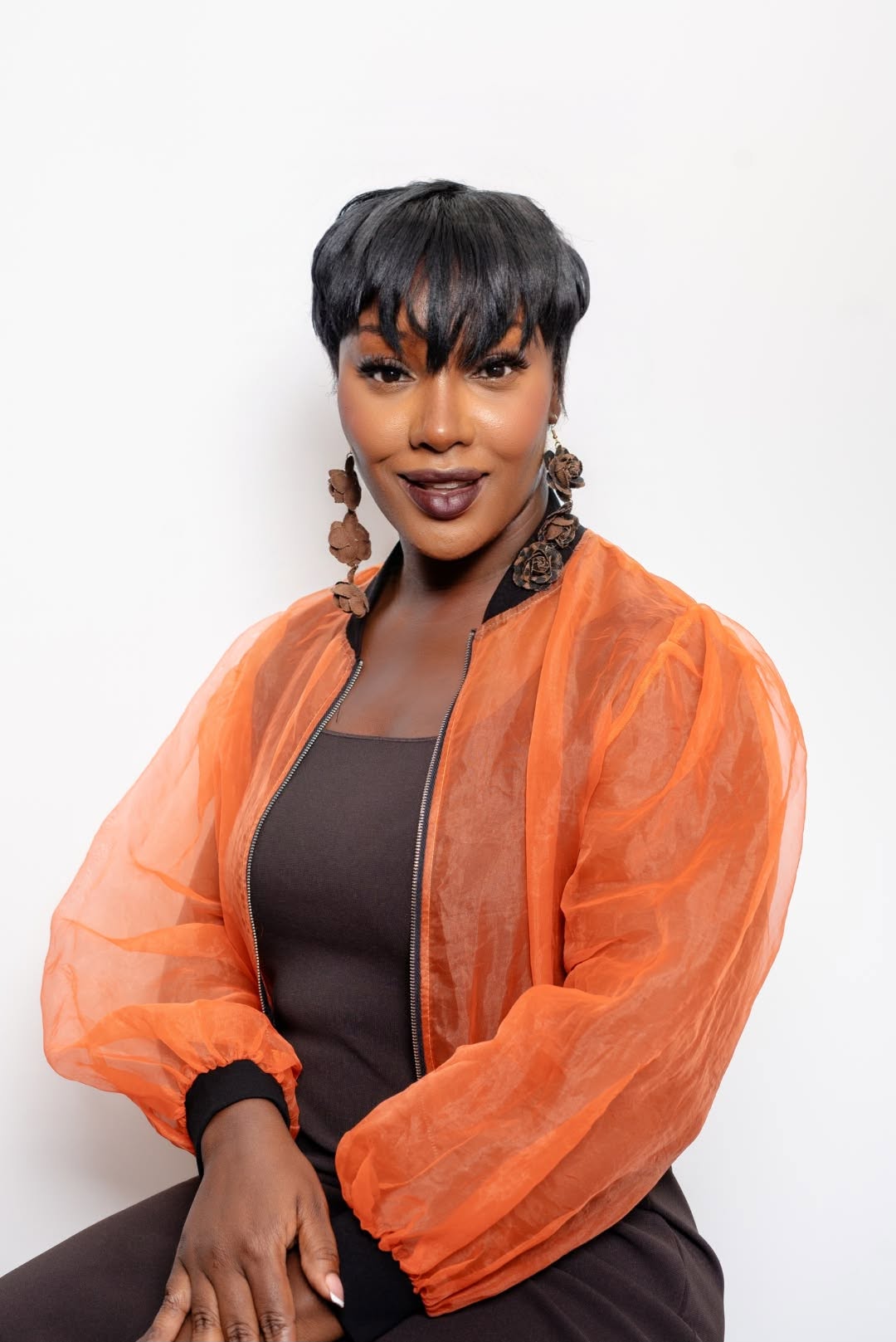
Today we’d like to introduce you to Myya Passmmore.
Hi Myya, we’d love for you to start by introducing yourself.
My career has always lived at the intersection of communications, community, and public impact.
I started my career in marketing and communications, eventually founding my own firm, which grew into Culture 44, a strategic communications and public affairs company. Over the past 14 years, I’ve advised CEOs, elected officials, government agencies, advocacy organizations, and mission-driven organizations through high-stakes moments or when they needed an integrated communications plan. My work has included public affairs, crisis communications, media strategy, storytelling, community engagement, and helping organizations communicate complex issues in ways that move people to action or simply tell a brand story.
But over time, I realized that the work I found most meaningful wasn’t simply helping organizations tell their stories. It was helping communities tell their own stories and have a greater voice in the decisions affecting where they live.
That realization has increasingly shaped the work I do in Miami Gardens. Through my Reclaim Miami Gardens advocacy brand, my licensed real estate background, and my work with creating the Venetian Gardens Community Board, I’ve been focused on community building, neighborhood advocacy, and creating opportunities for residents and small businesses to become more informed, connected, and engaged in the future of their community.
For me, communications and community development are deeply connected. A community that can articulate its story, identify its priorities, build relationships, and advocate effectively has greater power to influence what happens around it.
Today, I see my work as bringing those two worlds together: using the strategic communications skills I’ve built over my career to help organizations communicate with purpose, while also helping communities organize, build relationships, and advocate for the places they call home.
That’s really the evolution of my work, from communicating for organizations to helping build the conditions for communities to communicate, organize, and create change for themselves.
I’m sure it wasn’t obstacle-free, but would you say the journey has been fairly smooth so far?
It definitely has not been a smooth road, and I think that is part of what has shaped me as both a communications strategist and a community builder.
I’ve worked through crises where the stakes were high, dealt with significant pushback and bullying from elected officials and decision-makers, and experienced what it feels like when community concerns don’t prevail in a public or legislative vote. There have been moments when residents raised legitimate concerns about community health, development, and industrial encroachment, only to come up short at the council or decision-making table. El Dorado’s industrial rezoning victory in Miami Gardens is one example that reminded me that doing the right work on the behalf of residents does not always mean getting the outcome you want immediately.
But I’ve learned that comes with the territory. You have to be able to take a difficult moment, understand what happened, learn from it, and keep moving.
That philosophy has also shaped my professional communications work. My clients have consistently been able to land on the positive side of news stories, respond quickly and strategically during crises, and communicate clearly who they are, what they represent, and why their work matters. In high-pressure situations, clarity and preparation can make all the difference.
In my community work, every “no,” every setback, and every challenge has pushed us to go one step further. It has made us more proactive about research, transparency, leadership, and making sure residents have the information they need to participate meaningfully in decisions affecting their neighborhoods.
Rather than waiting for someone else to solve the problems we see, we’re increasingly focused on doing the work we want to see ourselves. That means researching issues, building relationships, bringing residents together, creating solutions, and developing a vision for what our communities can become.
That approach is now evolving into resident-led revitalization efforts throughout Miami Gardens. For me, that’s the most important lesson: setbacks can either stop you or sharpen your strategy. I’ve chosen to let them sharpen mine.
Thanks – so what else should our readers know about Culture 44?
At Culture 44, we help organizations communicate when what they have to say matters.
We are a full-service communications firm specializing in strategic communications, public affairs, media relations, crisis and rapid response, community engagement, and advocacy. We help organizations tell their stories, promote important work, navigate challenging moments, and connect with the people who matter most, whether that’s through the media, in the community, or both.
What makes Culture 44 different is our expertise in multicultural communications. We understand that reaching diverse audiences requires more than translating a message. It requires understanding people, communities, culture, and what motivates them to listen, engage, and act. We know how to make complex issues clear, relevant, and meaningful to the audiences we serve.
We work with governments, nonprofits, healthcare organizations, corporations, educational institutions, developers, advocacy organizations, and mission-driven organizations on everything from public health and infrastructure to education, community development, community initiatives, and policy.
We’re proud to be the firm organizations can call when they have something important to say or something important happening. From a major announcement or community initiative to a media opportunity, crisis, or rapid-response moment, Culture 44 brings the strategy, relationships, and communications expertise to help clients be heard, build trust, and move important work forward.
What do you like and dislike about the city?
What I like most about Miami: I love that Miami is a city built from different places, cultures, languages, and experiences. Our diversity is one of our greatest strengths. We may come from very different backgrounds, but we often want many of the same things: safe neighborhoods, clean parks, good schools, opportunity, a place we can afford to call home, and communities where our families can thrive.
Miami is also still growing and figuring itself out. We have 34 municipalities, each with its own identity, leadership, history, and challenges. That complexity can be difficult to navigate, but I also think it is what makes Miami so interesting. There is still so much room to shape what this city becomes.
What I like least: I think sometimes we live in silos. People are working incredibly hard just to keep up, and when you’re constantly hustling, creating community can become another thing on the to-do list instead of something you get to experience.
Miami is a place people come from all over the world to slow down, enjoy the sunshine, go to the beach, and experience the quality of life. Yet sometimes the people who live here rarely get the chance to pause and enjoy those things themselves.
I think that’s one of the opportunities in front of us: creating more moments and community development where people can actually feel connected to the places they call home. We need more opportunities to come together, know our neighbors, celebrate our differences, build community, and work toward the things we share.
Miami has tremendous potential. We’re still becoming. And I think the exciting part is that we have a chance to help shape what that looks like.
Contact Info:
- Website: https://www.Culture44.com
- Instagram: https://www.instagram.com/myyapassmore/
- Facebook: https://www.facebook.com/Culture44Agency/
- LinkedIn: https://www.MyyaPassmore.com
- Youtube: https://www.youtube.com/@Culture44Agency
- Other: https://www.ReclaimMiamiGardens.com