





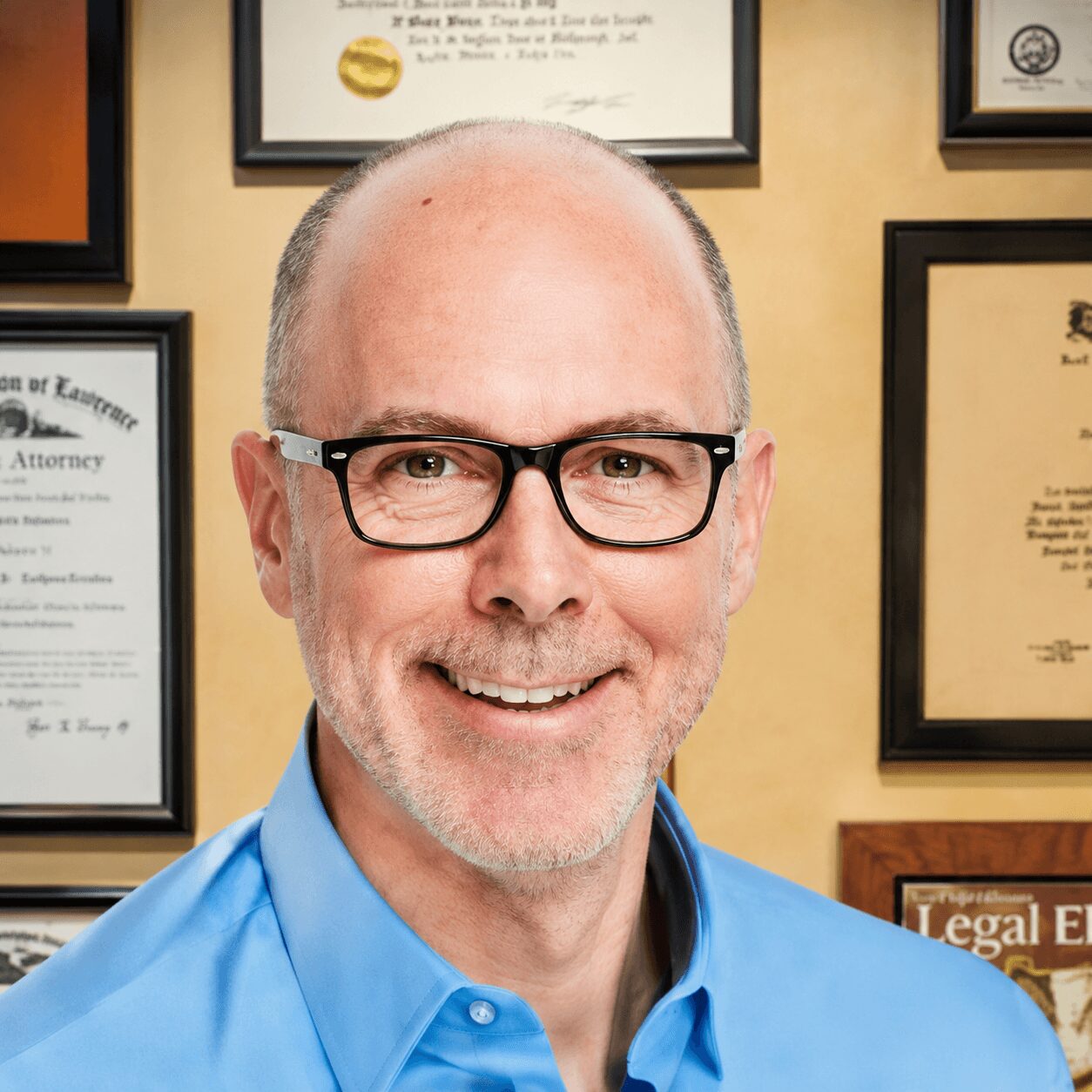
Today we’d like to introduce you to David Edelstein.
Hi David, we’re thrilled to have a chance to learn your story today. So, before we get into specifics, maybe you can briefly walk us through how you got to where you are today?
I started interning at the Public Defender’s Office while I was still in law school, and out of everything I tried, that was the work that held me. It was tangible. It was about human beings going through the worst stretch of their lives, and about whether you could do anything to help. Compare that to business law, accounting for lawyers, or trusts and estates. Those are fine subjects. They just never grabbed me the way a courtroom did, and neither did the standard path of going to a firm as a junior associate.
So after graduation I took a job as an Assistant Public Defender with Miami-Dade. My plan was to stay two or three years, get in front of juries, then figure out the rest. I stayed three and a half. Something about sitting next to a person on the worst day of their life, being the one voice in the room whose whole job is to be on their side, matched how I’m wired. I never seriously looked at the other side of the aisle after that.
When I opened my own firm, I widened the practice. State court, federal court, appeals. I’ve had cases from Key West to Jacksonville, and at one point I had open files in six Florida counties. The federal work has taken me much farther than that, from Portland, Oregon to New York City. I’m also a member of the bar in Kentucky, my home state.
The mix shifts over the years, which tells you something about what’s going on in the world. When the housing market blew up, mortgage fraud took over a big chunk of the practice. I represented first-time buyers who lost their life savings and then had a prosecutor asking to put them in prison, while the banks that fed the whole thing got called “victims.” Lately it’s PPP fraud. The government pushed enormous sums of COVID aid out the door in a hurry, with almost no screening on the front end, and now the prosecutions are pouring in on the back end. Drug cases have always been there, and Florida’s trafficking statutes still let a person face a three-year minimum mandatory over four pills of oxycodone. I handle a lot of domestic violence cases, which are their own category. Those come with an arrest, a no-contact order, and a family turned upside down within about twelve hours, often over an argument that got loud. Then there’s shoplifting, which surprises people. I’ve represented teachers, medical students, bank officers. Most of them can’t tell you why they did it. They’re just humiliated.
Two things about my clients that don’t make it into the TV version. First, a lot of them made a mistake and are not criminals in any sense worth the word; part of my job is convincing them they’ll live through this, because there are usually ways to handle a case so it doesn’t follow someone for forty years. Second, some of them didn’t do it. That happens more than the public believes. A witness gets it wrong, a person calls the police in anger and later can’t walk it back, a detective decides early who’s guilty and stops looking. Those cases are why the presumption of innocence has to mean something in practice, not only on a jury instruction sheet.
I also spent time as the criminal law consultant on CSI: Miami, making sure the pleadings and the courtroom talk were right. Creative license won most arguments, as you’d expect, but they cared about getting it close.
Thirty-odd years in, the goal hasn’t changed: keep my client out of jail, and keep the conviction off the record. The advice I’d give anyone is to call a lawyer early. People want to treat an investigation like a bad dream that will be gone in the morning. It won’t be. Almost every case I’ve salvaged, I salvaged because somebody picked up the phone before things got worse.
Alright, so let’s dig a little deeper into the story – has it been an easy path overall and if not, what were the challenges you’ve had to overcome?
I don’t think any professional who runs their own practice would say that it’s been a smooth road. Of course there have been struggles along the way. It’s only natural, and all part of the learning process.
You have to learn how to run a business, administer, and market (all the things they don’t teach you in law school) while simultaneously being able to represent your clients, which is always your primary responsibility.
Without getting into details, there have been all kinds of professional and business struggles, as well as life struggles, which everyone deals with.
The important thing is that you learn from them, gain experience, and come out on the other side stronger and with a better understanding of how to confront similar situations in the future. Life, as we all know, is a journey, and there’s a constant feedback loop.
If there’s one thing, though, that I would highlight (something I’ve learned) is that it’s important to have balance in your life.
Your work isn’t everything. It’s not what defines who you are as a human being. It’s certainly a big part of it, but you can’t ignore your health, your emotions, and your relationships.
Great, so let’s talk business. Can you tell our readers more about what you do and what you think sets you apart from others?
Please tell us more about your business. What do you do, what are you known for, and what sets you apart?
I run The Edelstein Firm in Miami. It’s a criminal defense practice, state and federal, and I’ve been doing this for more than thirty years. I started as an Assistant Public Defender in Miami-Dade. That’s where I learned the work, and honestly that’s where I learned which side of the courtroom fit me.
These days a lot of what comes through my door falls into a few buckets: domestic violence cases, gun charges, federal fraud and white-collar matters in the Southern District of Florida, and cases where a criminal charge threatens somebody’s immigration status. That last category is the one people underestimate. A plea that looks like a bargain in state court can end up costing someone their green card, their job, their family. I’ve seen it happen to people who thought they’d handled it.
What sets me apart? I’m the one who does the work. You hire me, you get me. There’s no associate you’ve never met showing up at your arraignment, no case manager returning your calls. I answer my own phone. Clients have my cell. When you’re under investigation or you’ve just been arrested, the worst part is the not knowing, and you shouldn’t have to wait three days for somebody to explain what’s happening to you.
The other thing is speed. The key to defending a criminal case is being proactive. People want to stick their heads in the sand and hope the whole thing turns out to be a bad dream. It never is. The window where a defense lawyer can actually change the outcome — before charges get filed, before somebody gives a statement they can’t take back — is usually early, and it closes fast.
What are you most proud of?
That most of my clients aren’t criminals. They’re people who made a mistake, or got caught up in something, or in plenty of cases did nothing wrong at all. Being arrested is traumatic no matter how it shakes out. Your reputation, your career, your family, sometimes your ability to stay in this country — all of it’s suddenly up in the air. A big part of my job is getting people to stop beating themselves up long enough to help me fight the case. We’re all human. We all make mistakes.
I’m also proud that I’ve kept my rating. Martindale-Hubbell has me AV Preeminent, which is peer-reviewed, and I’ve been listed by Florida Trend and the South Florida Legal Guide in criminal defense over the years. Those come from other lawyers and judges, so they mean something to me. Early in my career I also consulted for CSI: Miami on courtroom procedure and legal pleadings, which was a lot of fun, though real criminal court moves considerably slower than television.
What do you want readers to know?
Call a lawyer before you talk to anybody. That’s the whole thing. People think if they just explain themselves to the detective, the misunderstanding clears up and everyone goes home. It doesn’t work that way. Being investigated isn’t the same as being convicted, and there are usually ways to handle a case so it doesn’t follow you for the rest of your life. The window for that closes fast.
Alright so before we go can you talk to us a bit about how people can work with you, collaborate with you or support you?
The fastest way to reach me is by phone: (305) 538-4545. The website is miami-criminal-lawyer.net. Whether you’ve been arrested, gotten a target letter, or just had a detective ask you to come in and talk, that’s the moment to call. Don’t wait to see how it plays out.
Contact Info:
- Website: https://www.miami-criminal-lawyer.net/
- Instagram: http://www.linkedin.com/in/miamicriminallawyer
- Facebook: https://www.facebook.com/miami.criminal.defense.lawyer
- LinkedIn: http://www.linkedin.com/in/miamicriminallawyer
- Twitter: https://twitter.com/david_edelstein