



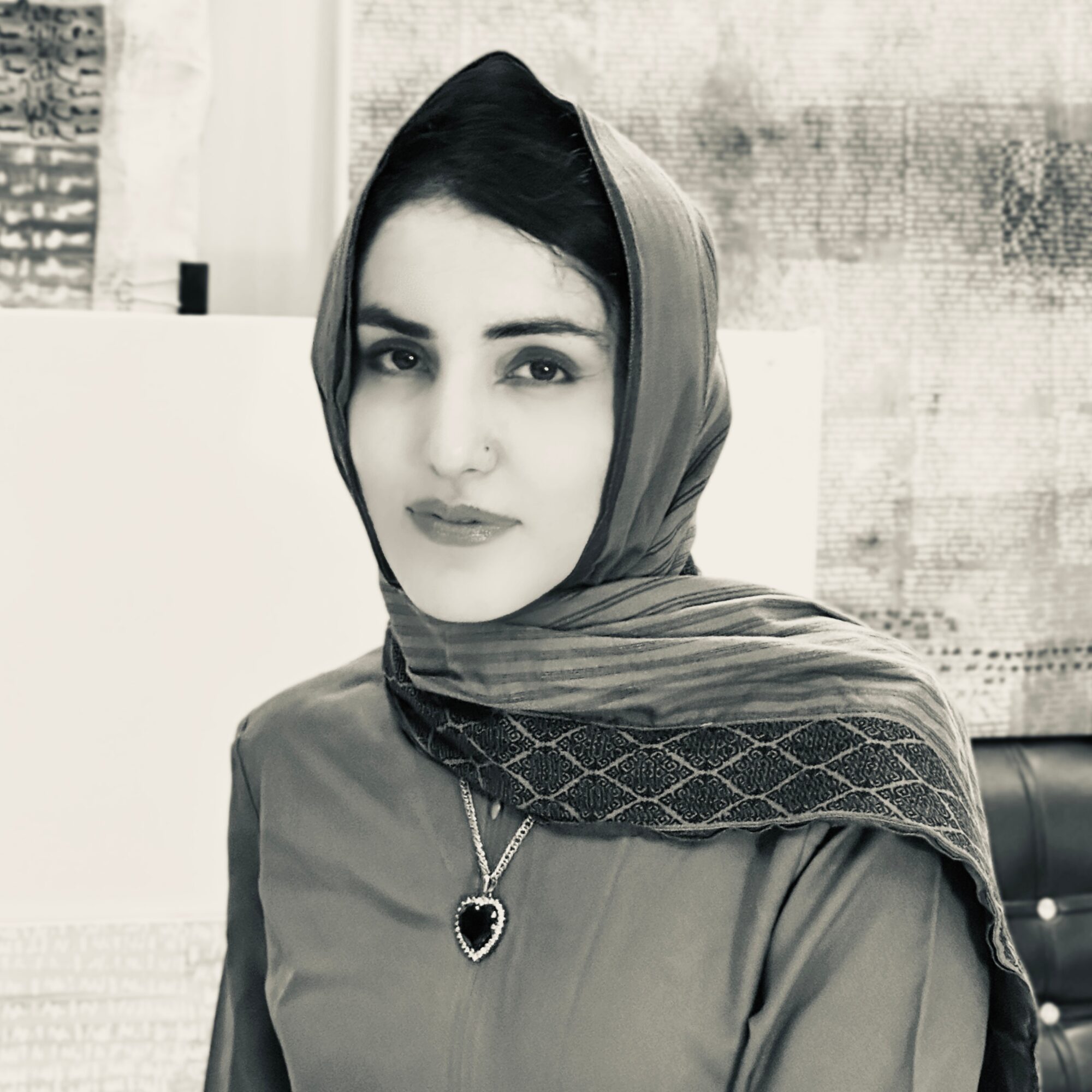
Today we’d like to introduce you to Mariya Shaikh.
Alright, so thank you so much for sharing your story and insight with our readers. To kick things off, can you tell us a bit about how you got started?
My journey began in Sindh, Pakistan, where I grew up surrounded by a culture rich in craftsmanship, storytelling, colours, and traditions. I have always been fascinated by the way people express their identities through art, particularly through textiles, patterns, and handmade objects. What started as a personal curiosity gradually became the foundation of my artistic and academic life.
I studied Textile Design at the University of Sindh, graduating with distinction. During those years, I began questioning something that still influences my work today: Why do we often separate art from craft when both carry extraordinary knowledge, creativity, and human experience?
This curiosity encouraged me to explore painting, textile experimentation, traditional techniques, and conceptual art. I started exhibiting my work while developing my own artistic language, one that connects cultural memory with contemporary expression. My work has since travelled through exhibitions and creative projects in Pakistan and internationally.
Alongside my artistic practice, I found another passion: teaching. In 2018, I joined the University of Sindh, where I began working with emerging artists and designers. Teaching completely changed how I understood creativity. I realised that art education is not simply about transferring skills; it is about helping someone discover their own way of thinking.
To deepen this understanding, I pursued a Master’s degree in Art Education at Beaconhouse National University, graduating with distinction. My research focused on how interdisciplinary approaches, curriculum development, and experimental teaching methods can transform the design classroom. Over the years, I have had the privilege of mentoring hundreds of students and supporting their journeys from initial ideas to research-based creative projects and exhibitions.
Another important chapter was establishing VersatilebyMS, my independent creative venture. Through this platform, I began exploring how traditional textile knowledge could find new life through contemporary fashion, design, and artistic storytelling. For me, it has never been just about creating products. It is about preserving the human stories, skills, and cultural histories that exist behind them.
There have also been moments of international encouragement that have meant a great deal to me. Being selected for an artist residency at the Virginia Center for the Creative Arts in the United States, participating in an Art South Asia Project initiative in Hong Kong, and receiving the Collector’s Choice Award in Harvard Square were meaningful milestones. More recently, my selection for the forthcoming Florence Biennale 2027 has opened another exciting chapter.
Of course, the journey has not always been easy. Building an independent artistic practice while teaching, researching, and managing creative projects requires patience, persistence, and a willingness to begin again. Coming from a region where traditional craftsmanship is deeply valued but creative opportunities can be limited, I have learned to create possibilities rather than simply wait for them.
Today, I see myself working between several interconnected worlds: contemporary art, textile heritage, education, research, and creative entrepreneurship. I do not consider these separate careers. Each one informs the other.
What continues to motivate me is the possibility of making art that carries meaning beyond the surface, while creating opportunities for others to explore their own creativity.
I am proud of the journey so far, but I still feel that I am at the beginning of discovering what my practice can become. And perhaps that is what I love most about being an artist: there is always another question to ask, another material to explore, and another story waiting to be told.
Can you talk to us a bit about the challenges and lessons you’ve learned along the way. Looking back would you say it’s been easy or smooth in retrospect?
I would not say it has been a smooth road, but I have come to appreciate that some of the most meaningful parts of my journey have grown out of its challenges.
One of the biggest struggles has been finding my place as an artist while coming from a region where art and traditional craftsmanship are deeply rooted in everyday life, yet the opportunities to develop an independent contemporary artistic career are not always easily accessible.
Growing up in Sindh, I witnessed extraordinary creative knowledge being passed from one generation to another, particularly through textiles, embroidery, and handmade traditions. However, I also noticed how often these practices were seen simply as craft rather than recognised for their artistic, intellectual, and cultural value. This became both a personal challenge and an important question within my research and artistic practice.
Another challenge has been balancing several responsibilities. I am an artist, educator, researcher, and creative entrepreneur, and each role requires a different kind of commitment. There have been times when I was preparing exhibitions, guiding students through their final thesis projects, conducting academic research, and managing my own creative work simultaneously. Finding time and resources for my personal artistic practice has not always been easy.
Financial limitations have also been a reality, particularly when pursuing international opportunities. Being selected for an exhibition, residency, or creative programme is exciting, but selection does not always mean that the opportunity is financially accessible. Travel, accommodation, materials, and participation costs can become significant barriers, especially for independent artists working outside major international art centres.
I have also experienced the challenge of being taken seriously across different disciplines. When you work between fine art, textile design, education, and fashion, people sometimes expect you to choose one identity. But I have never believed that creativity needs to exist within such strict boundaries. It took time to become confident in the idea that my interdisciplinary approach was not a weakness, but one of the most meaningful aspects of my work.
Teaching has helped me navigate many of these challenges. Working with young artists reminds me that uncertainty is a natural part of the creative process. I often encourage my students to experiment, question established ideas, and trust their individual perspectives. Over time, I realised that I needed to offer myself the same encouragement.
There have certainly been disappointments, unanswered applications, missed opportunities, and moments when progress felt slower than I had hoped. But I have learned not to measure my journey only through exhibitions, awards, or international recognition.
For me, success also means continuing to create, remaining curious, sharing knowledge, and finding ways to make artistic opportunities more accessible to others.
Looking back, I think the greatest lesson has been resilience. I have learned that an artistic career is rarely a straight path. Sometimes you have to build your own spaces, create your own opportunities, and continue believing in ideas long before anyone else recognises their value.
And I am still learning how to do that every day.
Appreciate you sharing that. What else should we know about what you do?
My professional life has never been limited to one creative identity. I am a visual artist, textile designer, researcher, educator, and the founder of VersatilebyMS. Although these roles may appear different, they are deeply connected through one belief: art is not simply something we create; it is a way of preserving knowledge, expressing identity, and understanding the world around us.
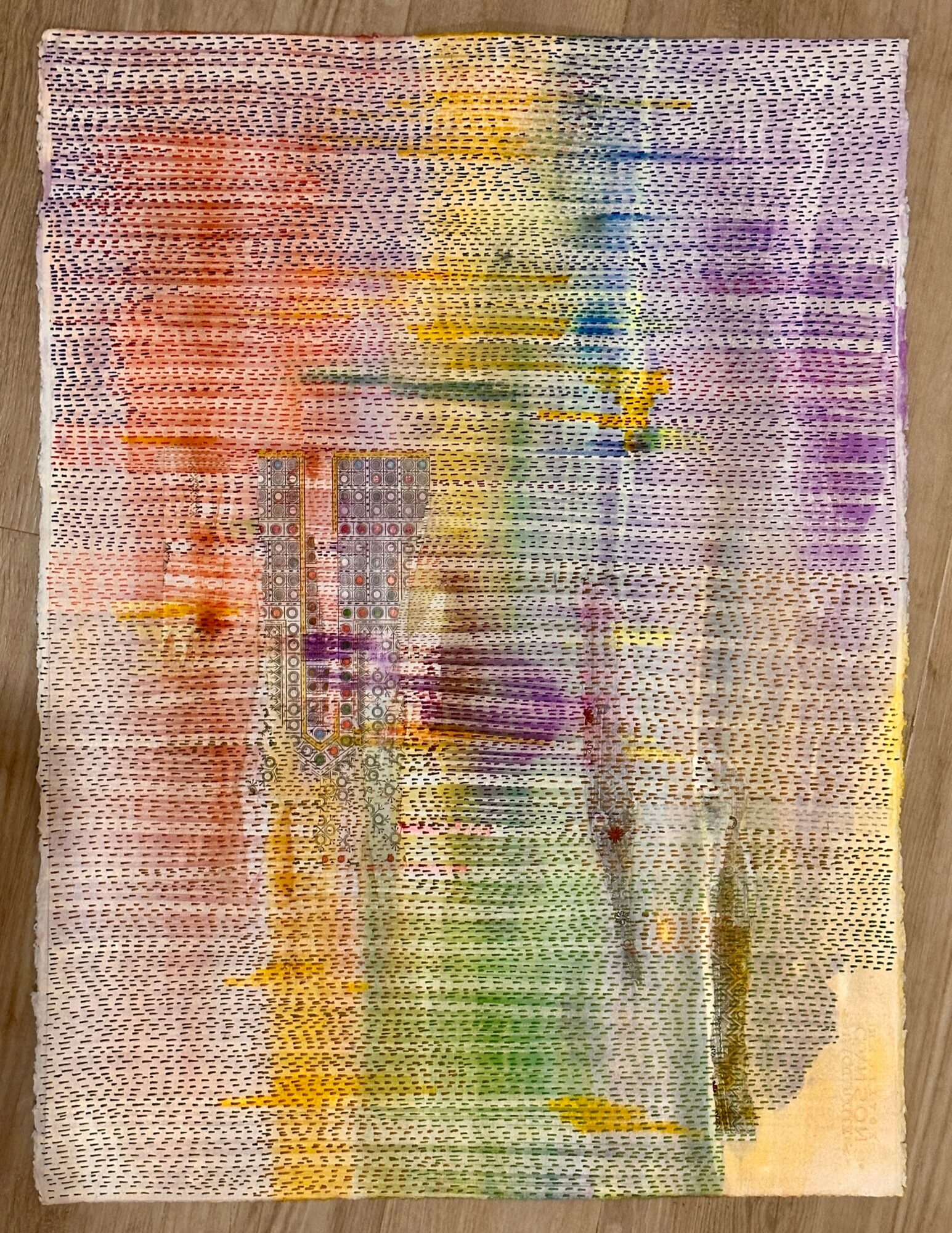
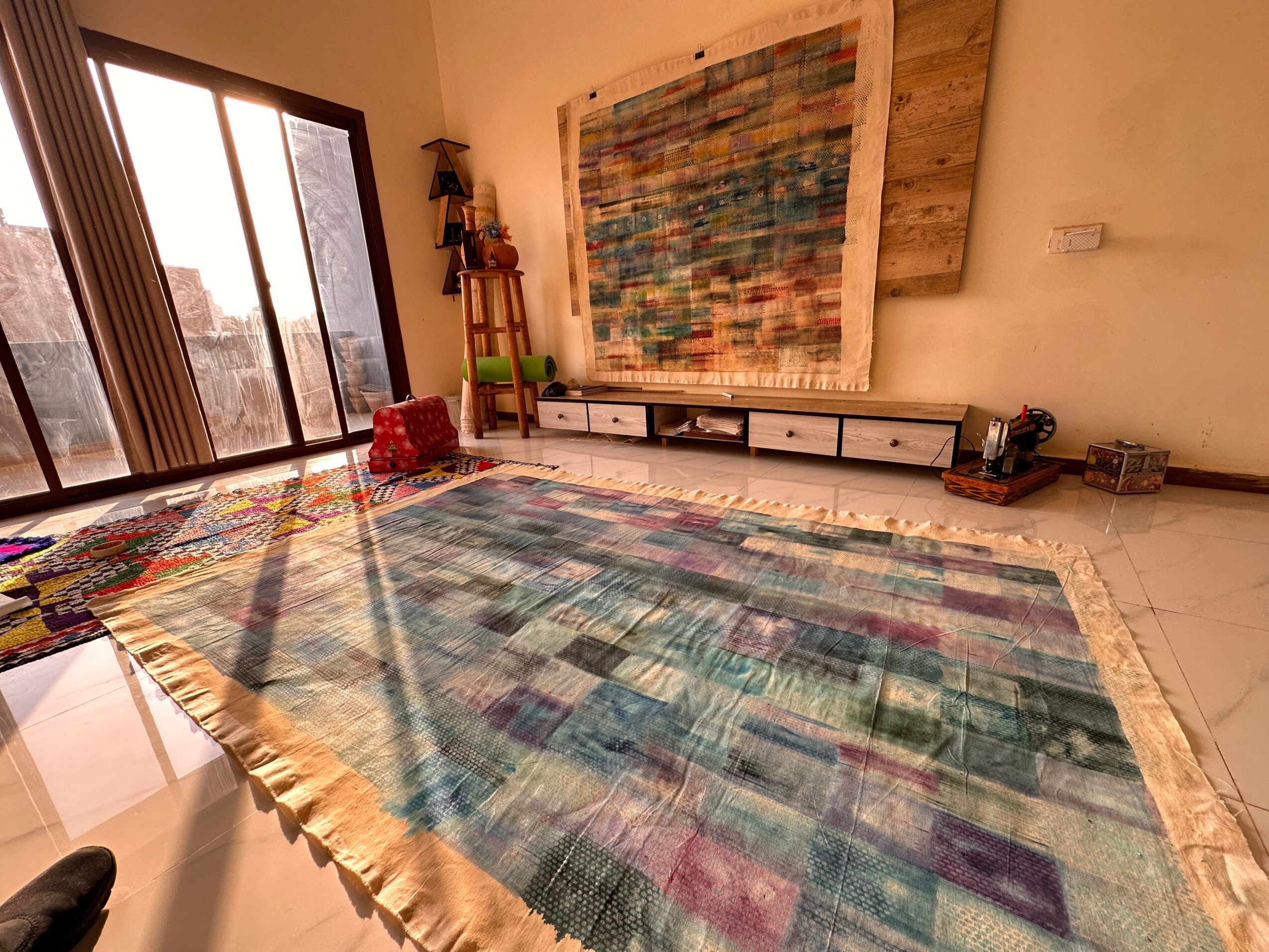
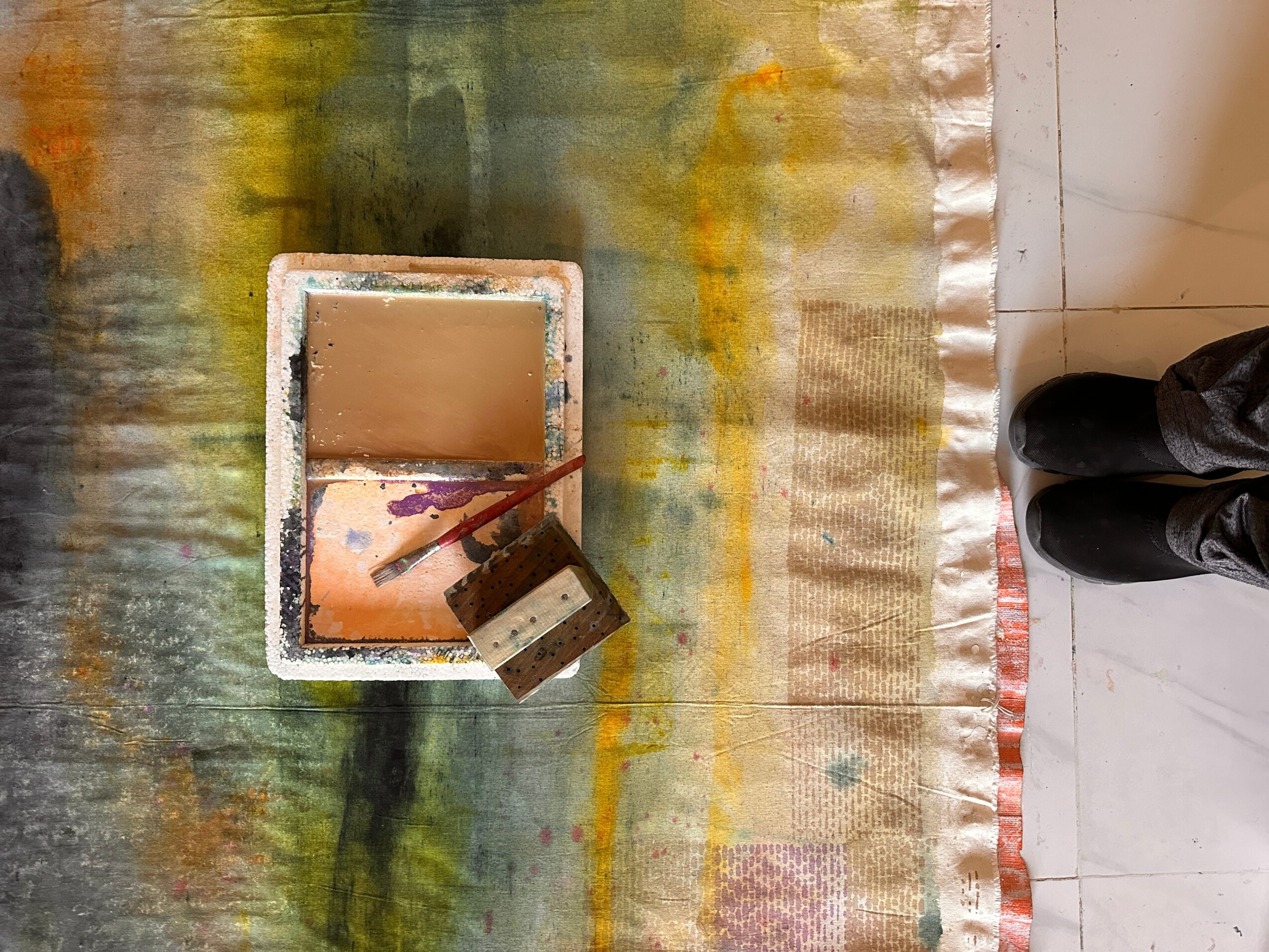
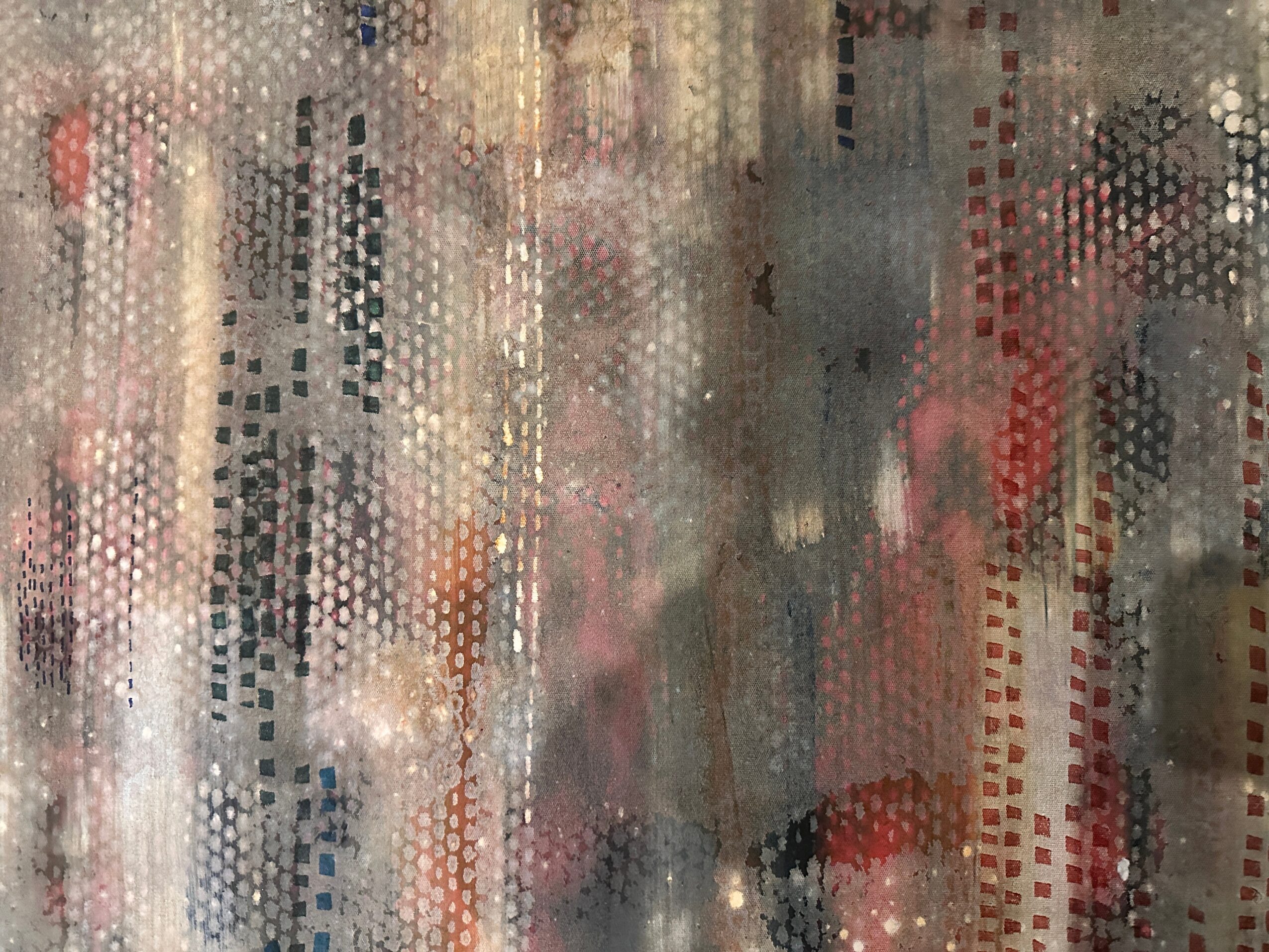
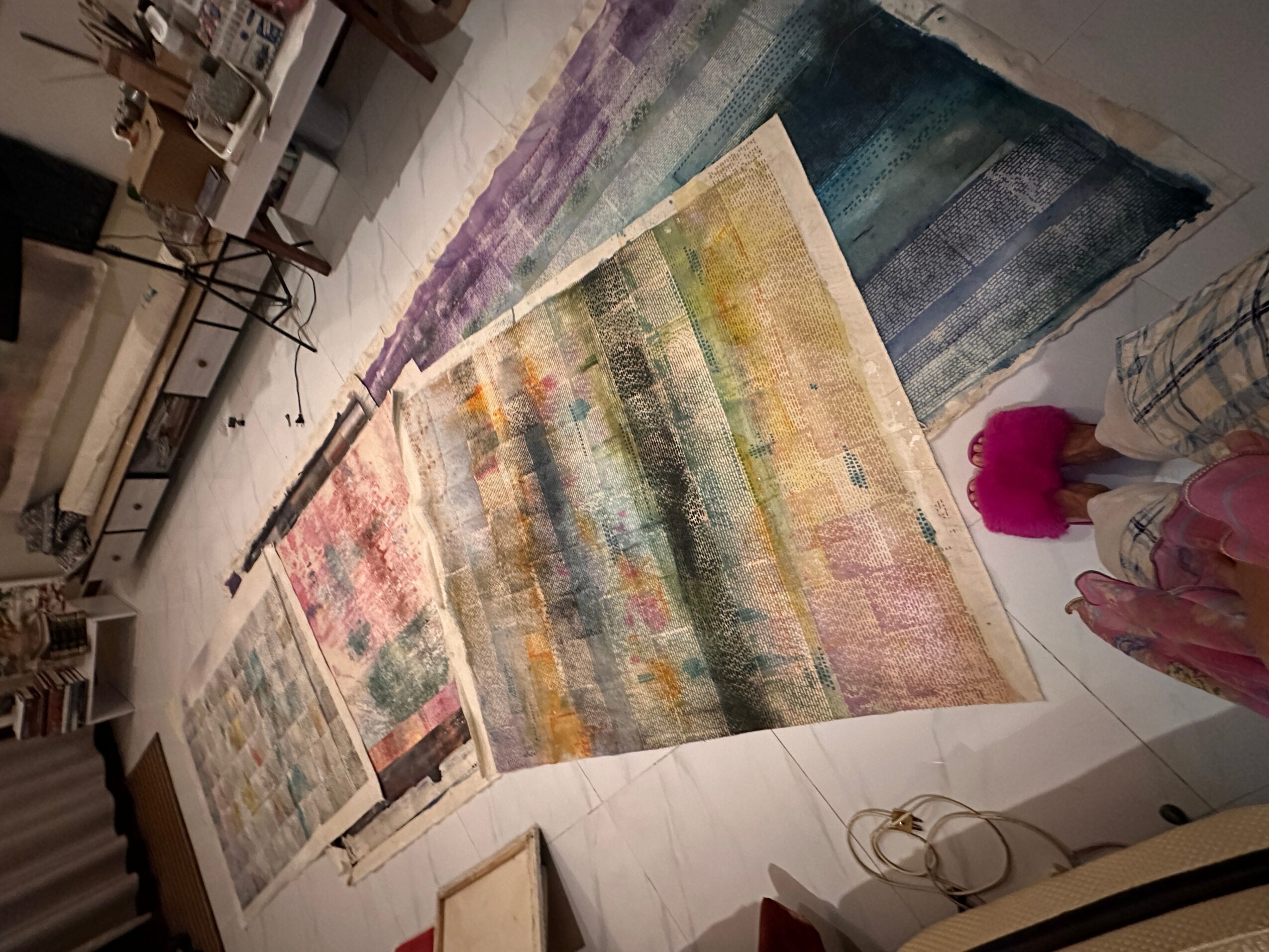
As a visual artist, my practice moves between contemporary painting, textile-based experimentation, material research, and conceptual expression. I am particularly interested in cultural memory, spirituality, identity, and the relationship between traditional craftsmanship and contemporary art. I often work with layered surfaces, geometric structures, repetition, colour, and textures that reference textile traditions. These elements allow me to explore how personal experiences and inherited histories can exist within a single artwork.
One question that continues to influence my practice is why certain creative expressions are recognised as fine art while others are categorised as craft. Growing up in Sindh, I encountered remarkable artistic knowledge in embroidery, weaving, and traditional textile-making. I have always felt that these practices deserve recognition not only for their beauty but also for the intellectual and cultural knowledge they carry.
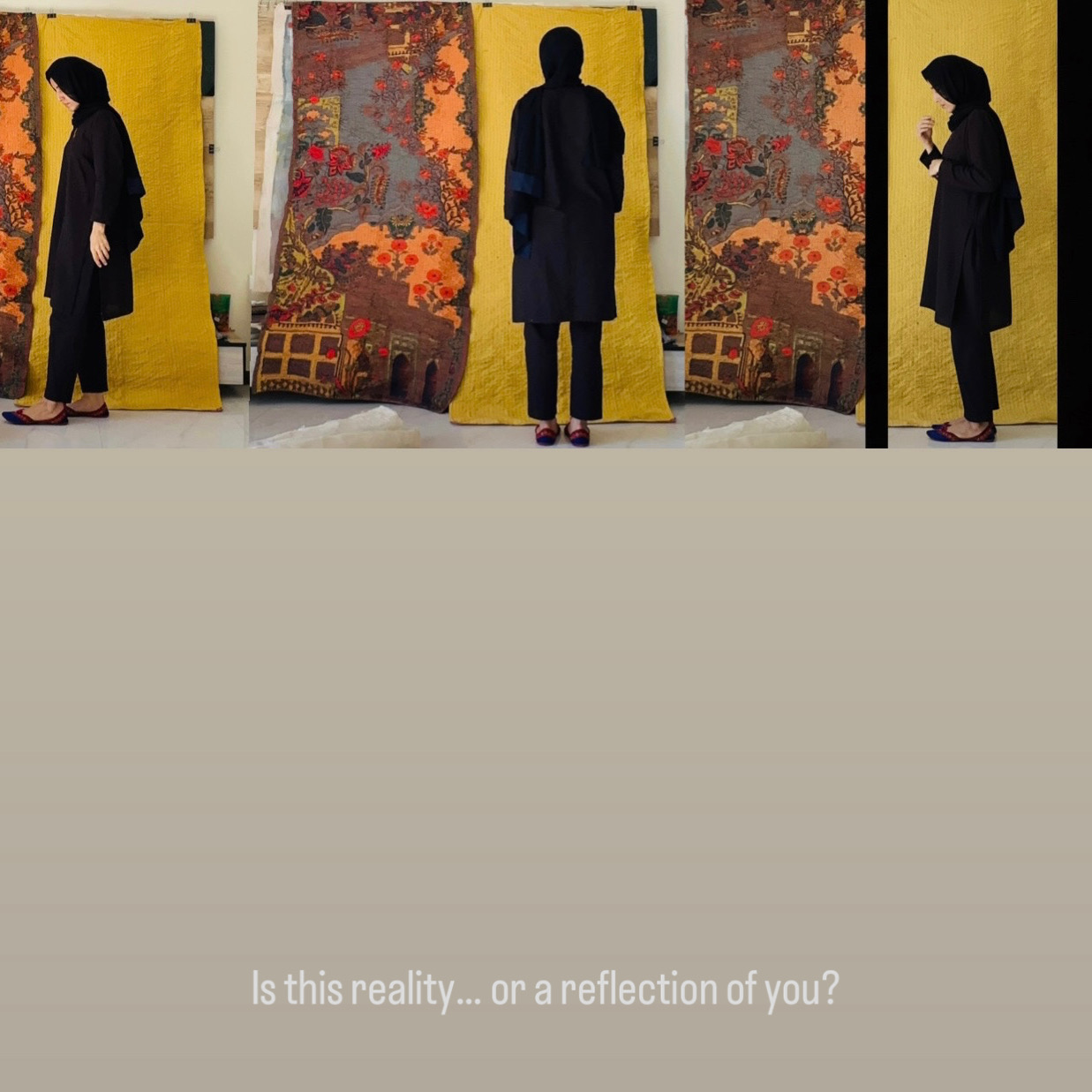
This perspective also shaped my decision to establish **VersatilebyMS**, a creative fashion and textile venture connecting heritage craftsmanship with contemporary design. Through the brand, I explore the idea that a garment can be more than something we wear. It can become a canvas for storytelling, a reflection of cultural identity, and an artistic object in its own right. Some of our creations are developed as singular pieces, allowing each design to retain its individuality rather than becoming part of mass production.
Alongside my independent practice, I have been working in higher education since 2018, teaching and mentoring emerging artists and designers at the University of Sindh. My academic work focuses on studio-based learning, conceptual development, interdisciplinary research, and the relationship between traditional knowledge and contemporary design education.
Over the years, I have had the privilege of guiding more than 350 student thesis projects and contributing to academic exhibitions and creative research initiatives. This remains one of the most rewarding parts of my career. Seeing a student move from uncertainty to discovering an original artistic voice is an achievement that cannot be measured through awards alone.
My research also extends into academic writing. I have published studies exploring the relationship between art and craft, the visual heritage of historic architecture, and the intersection of tradition and modernity in contemporary Pakistani art. For me, research and artistic practice are inseparable. Research gives my work depth, while making allows me to explore questions that words cannot always answer.
I have also been fortunate to receive international recognition. My artistic journey includes a fully funded residency at the Virginia Center for the Creative Arts in the United States, participation in an Art South Asia Project research initiative in Hong Kong, and the Collector’s Choice Award in Harvard Square, USA, where my artwork was selected for a permanent collection. I have also been selected for the forthcoming Florence Biennale in Italy in 2027.
These opportunities are meaningful to me, particularly because I come from a region whose artistic traditions deserve greater visibility in international conversations. However, what makes me most proud is not any single exhibition or recognition. It is the fact that I have continued building a practice that remains connected to where I come from while allowing me to engage with the wider world.
I think what sets my work apart is the way I move between different disciplines without treating them as separate territories. I approach painting with the sensitivity of a textile designer, fashion with the curiosity of a visual artist, research with the imagination of a maker, and teaching with the belief that creativity should remain open to questioning and experimentation.
I am not particularly interested in producing work simply because it is visually attractive or commercially successful. I want to understand what lies beneath its surface: the memory of a material, the story behind a pattern, the knowledge of the person who made it, and the emotions that connect people to objects.
Today, my focus is on continuing to develop this dialogue between art, education, cultural heritage, and contemporary design. I hope to build more international collaborations, expand the creative possibilities of VersatilebyMS, and contribute to conversations that give traditional artistic knowledge the recognition it deserves.
Above all, I want my work to remind people that creativity does not have to choose between the past and the future. Sometimes, the most meaningful new ideas begin by looking more carefully at what we have inherited.
Do you have any memories from childhood that you can share with us?
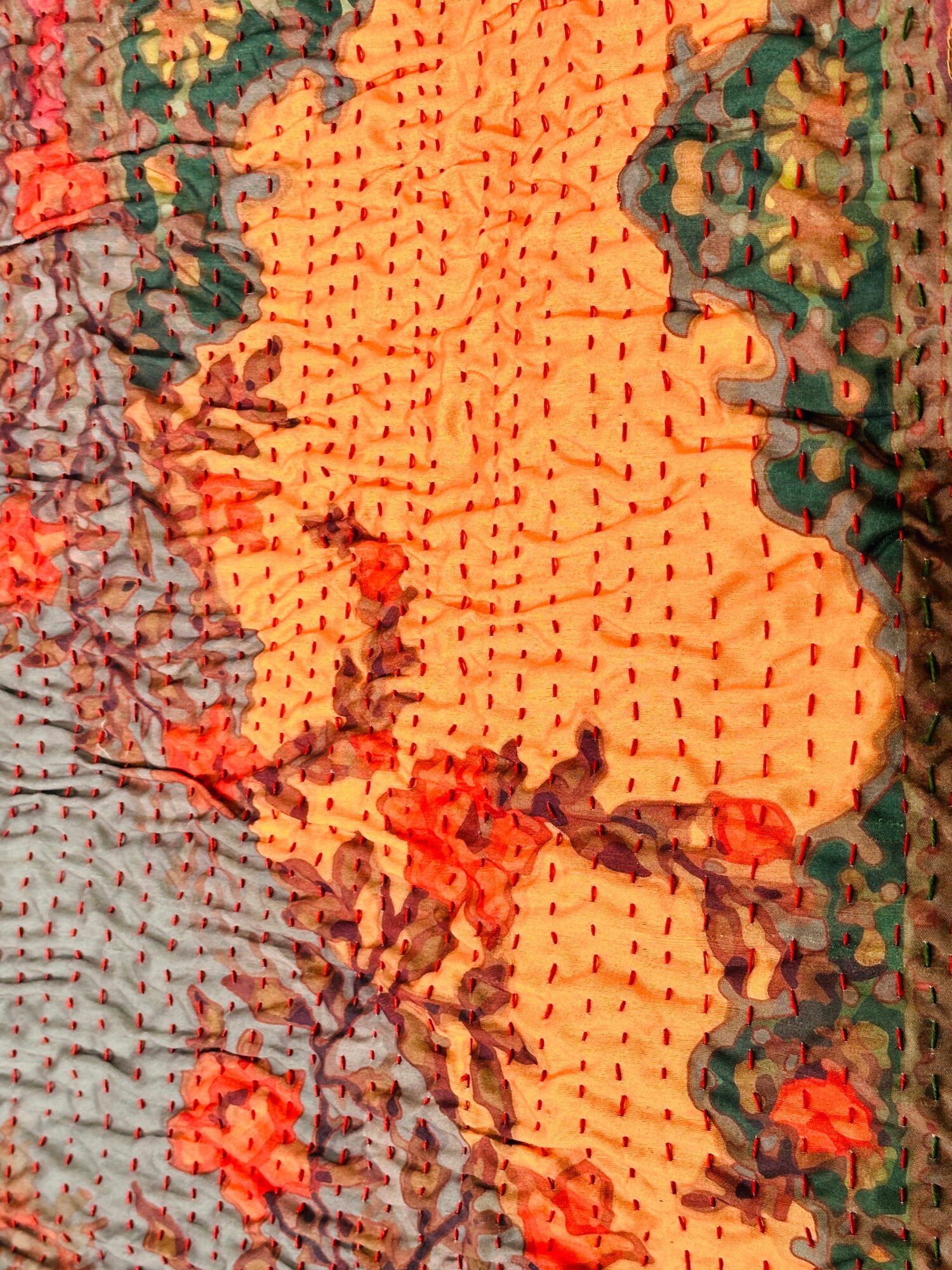
One of my favourite childhood memories is watching the women artisans who would gather at our village home in Sindh to make traditional quilts, known as *Rilli*. I still remember how they would sit together for hours, surrounded by colourful pieces of fabric, cutting, arranging, stitching, and slowly transforming small fragments into beautiful patterns.
As a child, I was completely fascinated by this process. I would spend hours sitting near them, watching their hands move, observing how they combined colours and shapes, and listening to their conversations as they worked. What amazed me most was how naturally they created such intricate designs, often without sketches or formal planning.
My curiosity did not end at our home. I would also wander around the village, visiting these women’s homes to see where they worked, how they organised their materials, and what other things they created in their own spaces. I wanted to understand everything about their creative world, even though, at that age, I did not have the words to explain why it interested me so much.
Looking back, I realise those women were among my earliest art teachers, although they probably never knew it. They taught me about colour, composition, patience, collaboration, and the beauty of making something by hand, simply through allowing me to observe them.
Today, as a visual artist, textile designer, and educator, I can see how deeply those childhood experiences shaped my creative identity. Long before I entered an art school or learned the language of design, I was already learning from the women of my village.
That memory remains especially precious to me because it reminds me that my artistic journey did not begin in a classroom or gallery. It began at home, among pieces of fabric, conversations, laughter, and the extraordinary creativity of women whose work carried generations of knowledge.
Contact Info:
- Website: https://www.mariyashaikh.com
- Instagram: https://www.instagram.com/mariyashaikhartbook/ + https://www.instagram.com/mariyashaikh.educator/
- Facebook: https://www.facebook.com/mariyashaikh20/
- LinkedIn: http://linkedin.com/in/mariya-shaikh/
- Other: https://www.versatilebyms.com