


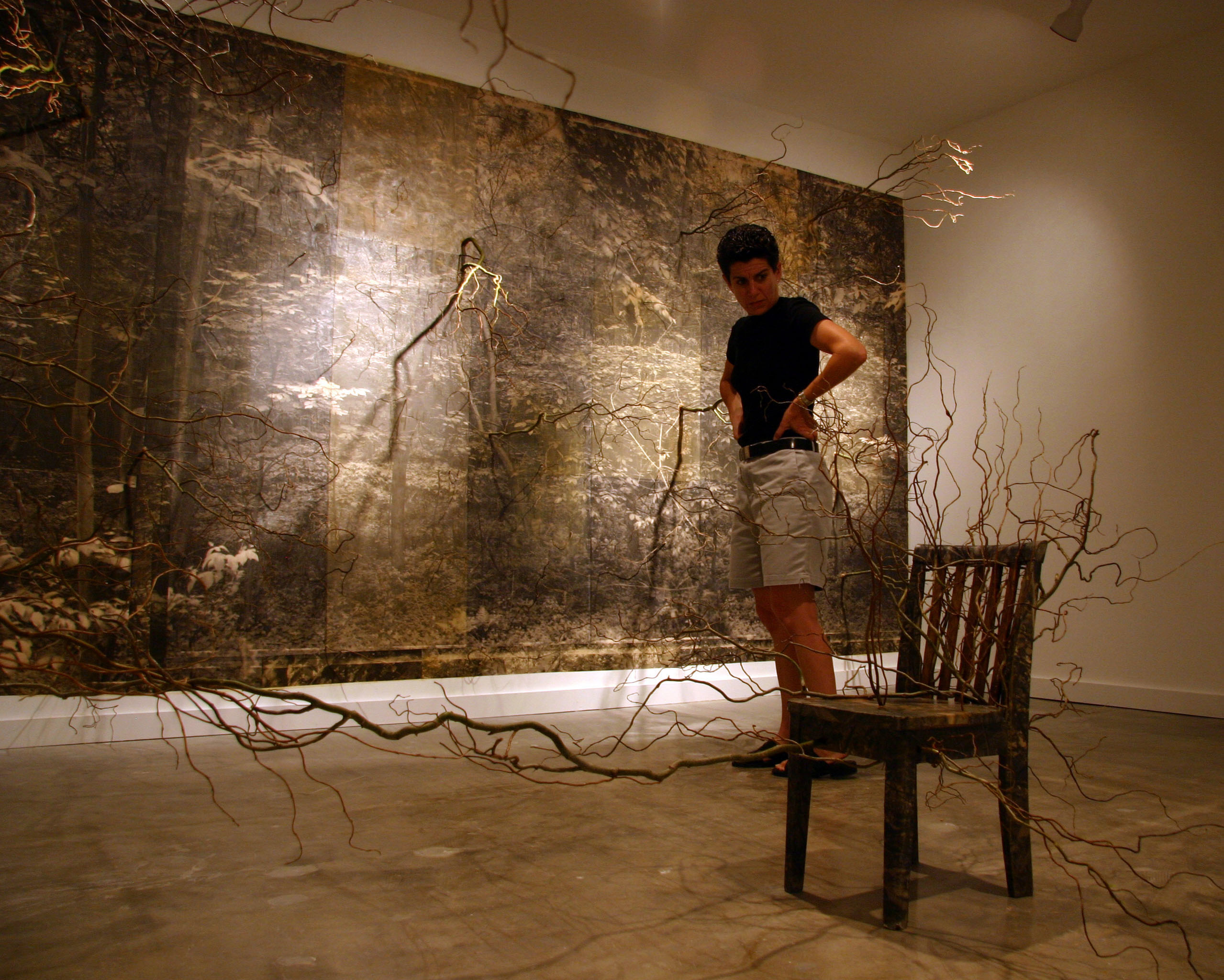
Today we’d like to introduce you to Maria Martinez-Cañas.
Hi Maria, so excited to have you on the platform. So before we get into questions about your work-life, maybe you can bring our readers up to speed on your story and how you got to where you are today?
My parents were collectors of Latin American and Cuban art, so I grew up surrounded by art. Many times I have said that the best art education I had was at our home in Puerto Rico. This had a direct impact into the way that I looked at things and related to them. Growing up with works by Jesús Rafael Soto, Rogelio Polesello, Roberto Matta, José Luis Cuevas, Amelia Peláez, Wifredo Lam, Carlos Mérida, among many, many others, gave me an extraordinary insight into the work of modernist artists during my artistic formative years. Classical music also had a big presence in our home as my father played the violin. There were music and art gatherings at our home and I was able to meet some extraordinary musicians and visual artists.
The way I came into photography was because I became fascinated with a camera my mother had taken out of Cuba when we left as exiles. I asked her if she would allow me to clean it – any excuse to be able to touch it and “play” with it – I taught myself how to use it and developed my first roll of film at the age of 8 years old. That beautiful Rolleiflex Twin-Lens camera is still with me.
From then on, photography has been a constant in my life. I had my first exhibition at the Galeria Aboy in San Juan, Puerto Rico, on November 10th, 1977. I was seventeen years old. It never occurred to me at that time that I would eventually become an artist. I was very fortunate to have parents that loved art and were very involved with it. They supported me in my curiosity towards the medium of photography.
Would you say it’s been a smooth road, and if not what are some of the biggest challenges you’ve faced along the way?
Gender identity has been crucial, as this is where I have found my greatest “wars”. And yes, I feel that I have had limitations placed upon me due to being female. The struggles encountered through the years have made me resilient and determined. The constant struggles to prove my worth have made me stronger and continue, in many ways, to keep me always looking forward. I came to understand, through the years, that the things I can’t control need to be dealt with in creative ways – that I just need to keep going. Always forward.
I have seen a lot of changes through the years – when you work this long doing the same thing, that happens. But the art world remains the same: women artists are still underrepresented and undervalued. There is still much to do and much to struggle with.
Alright, so let’s switch gears a bit and talk business. What should we know about your work?
In my history as an artist, I have been enchanted by things that tell me a story. First, by Archeology and its power to study human activity through the recovery and analysis of material culture. And second, by the medium of Photography, and its ability to talk back to us, to represent in its exact reality a truth and at the same time: in its ability to represent in its exact reality, also, a lie.
By experimenting with different and unconventional processes, I reflect on the closely related subjects of archive and memory. This often results in an examination of both the human need for ‘conclusive’ stories and the question whether anecdotes ‘fictionalize’ history.
My works are not meant to show the complete ‘picture’. There are stories and objects that are hidden. They are the results of my own interpretation, without being hindered by a historical reality. By examining the ambiguity and origination via retakes and variations, I try to increase the dynamic between the ‘viewer’ (public?) and myself, by objectifying emotions and investigating the duality that develops through different interpretations.
Before we let you go, we’ve got to ask if you have any advice for those who are just starting out?
I grew up at a time when “validation” in the art world came after working a long time as an artist. The attention to youth didn’t exist – everything took time and effort. You understood that in order to get anywhere you needed to be in the studio and work, work, work – that things would eventually happen by doing that – because displine was in many ways more important than networking. We live in very different times today.
As a teacher, I try to make my students understant that if they don’t believe in their work, no one will. That hasn’t changed. It can be nurtured, but it is our responsibility to our work, to what we believe in, that should be the defining drive to continue, no matter what the “flavor of the month” of the art world is….
Contact Info:
- Website: https://www.mariamartinez-canas.com
- Instagram: @mphotogram
- Facebook: https://www.facebook.com/maria.martinez.canas.2025
- Twitter: @mphotogram
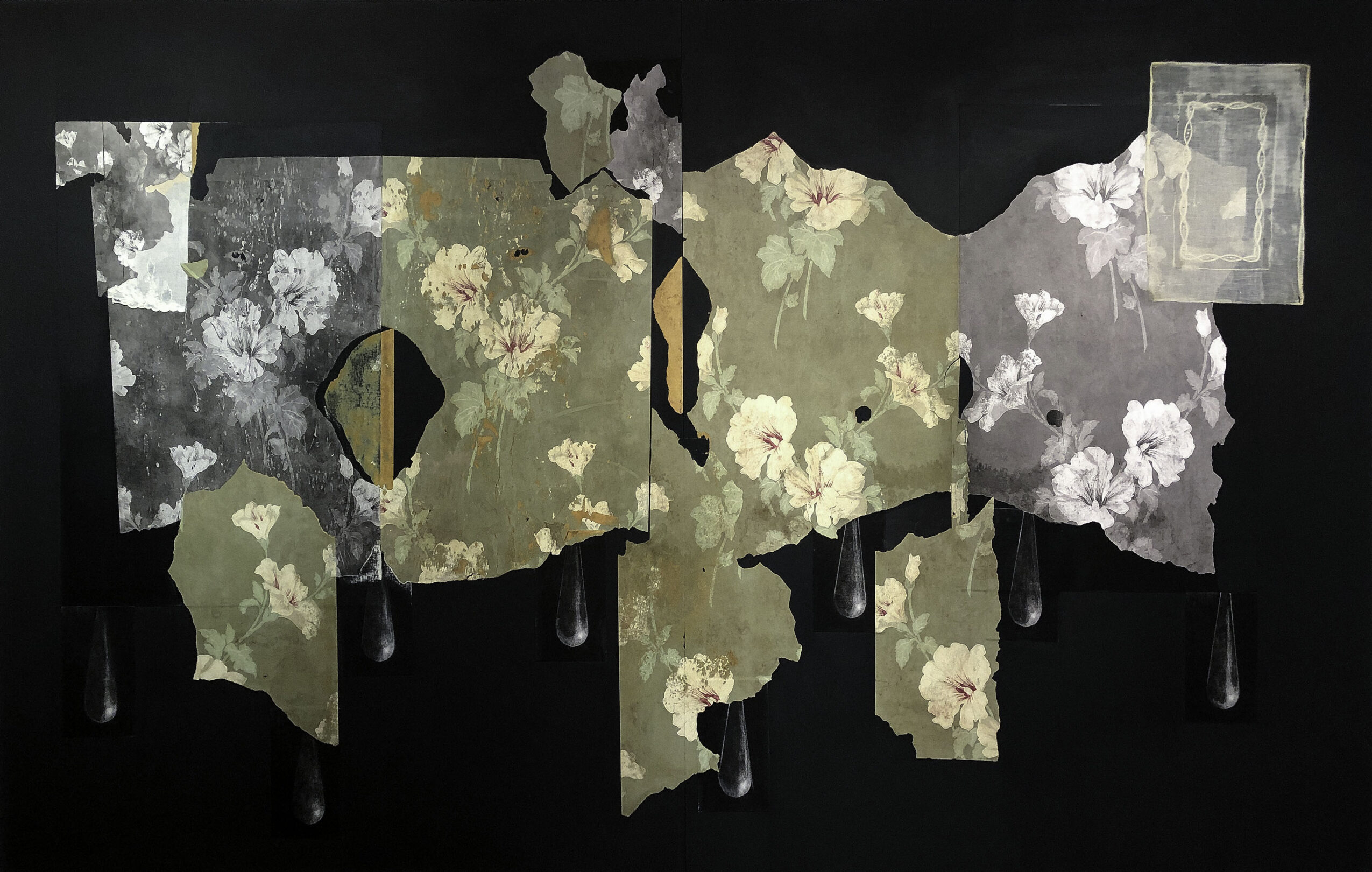
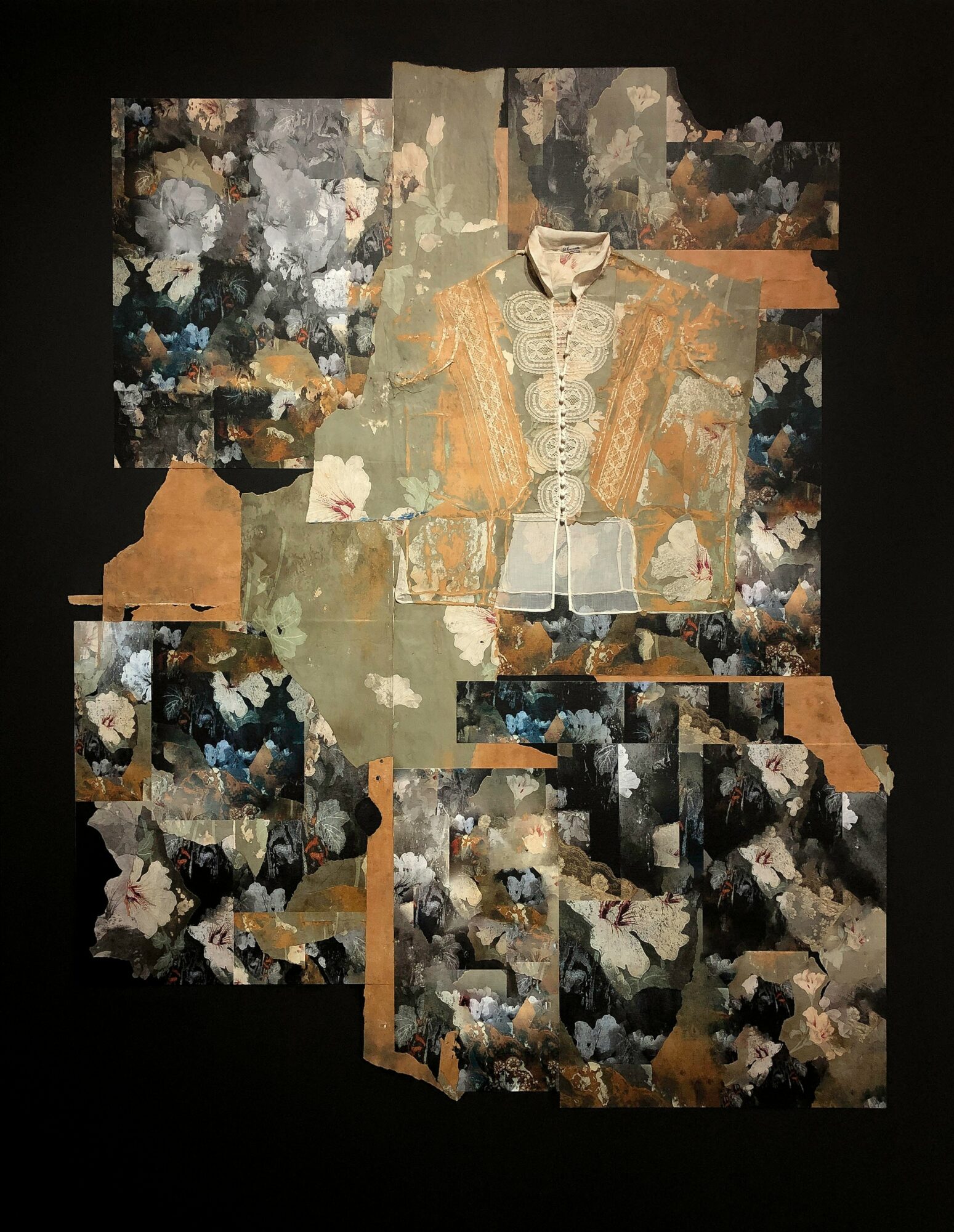
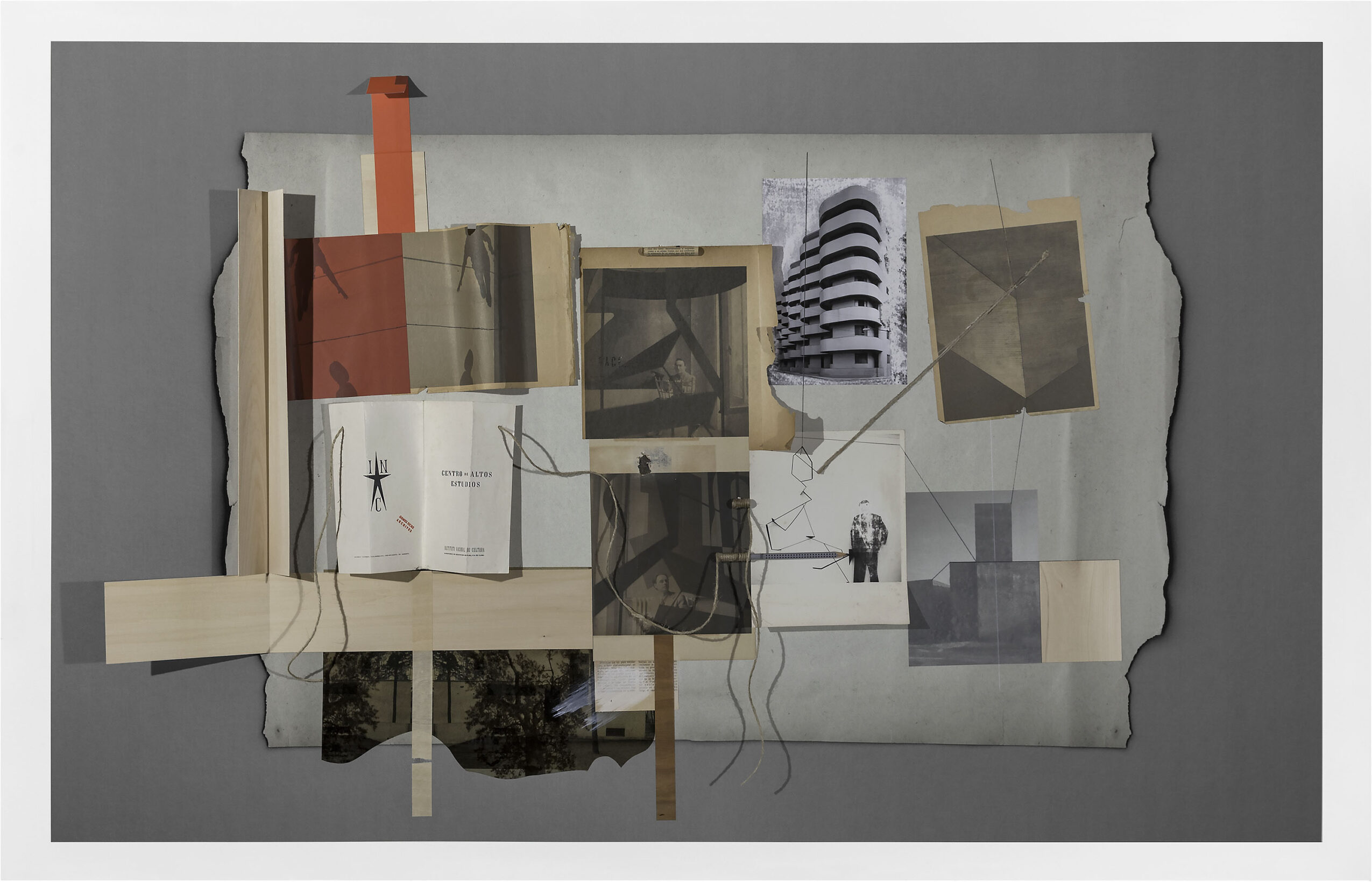
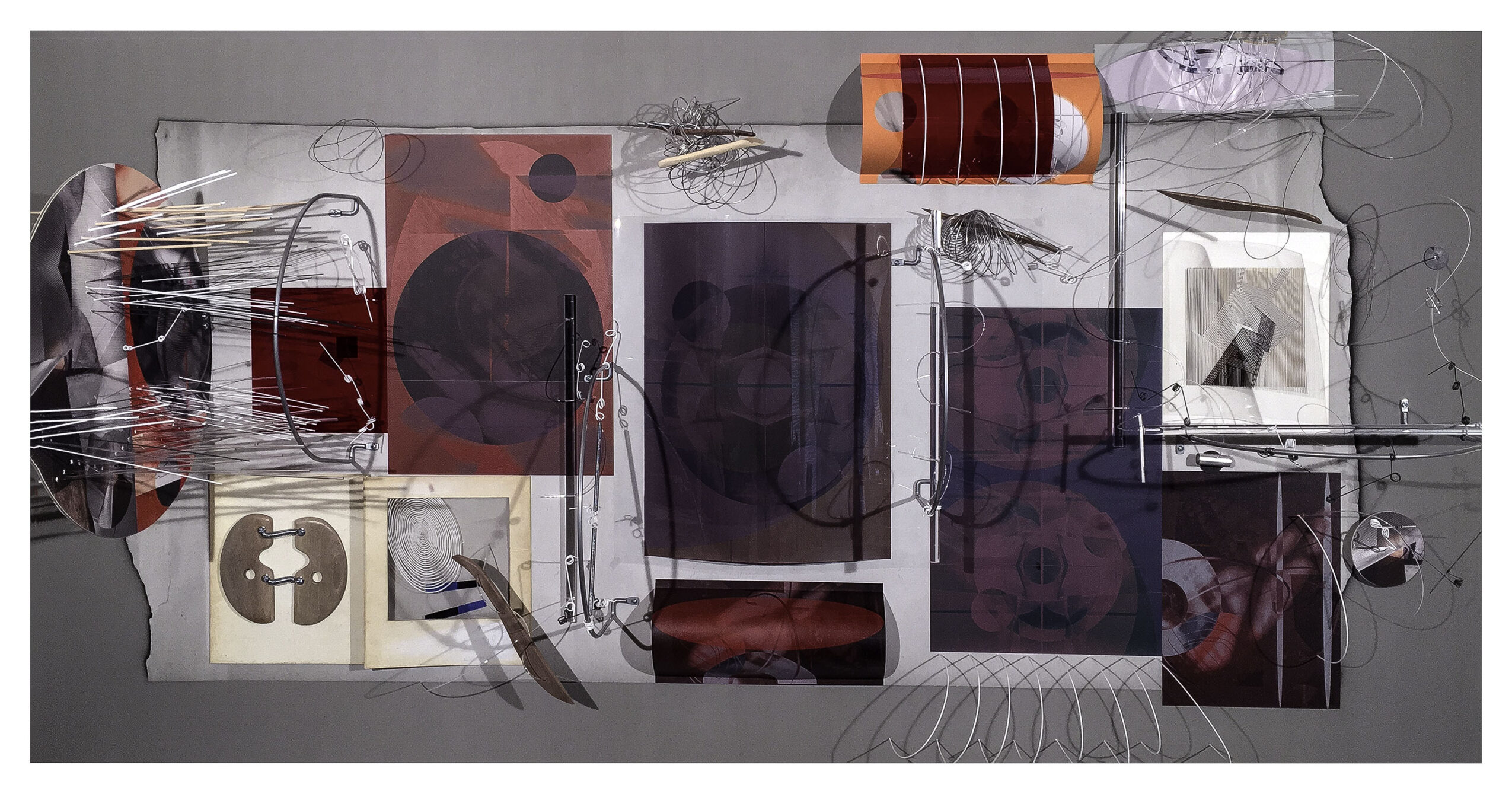
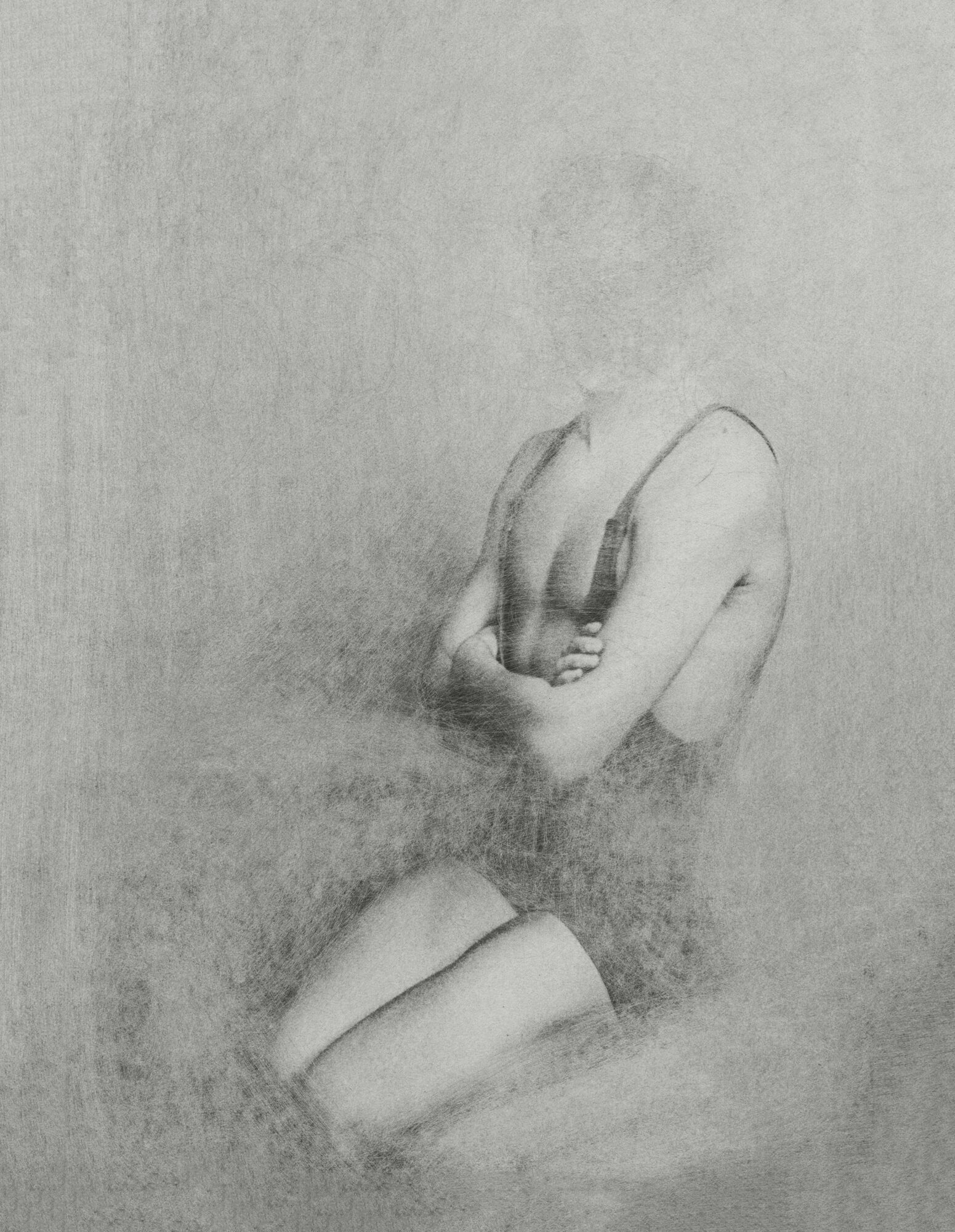
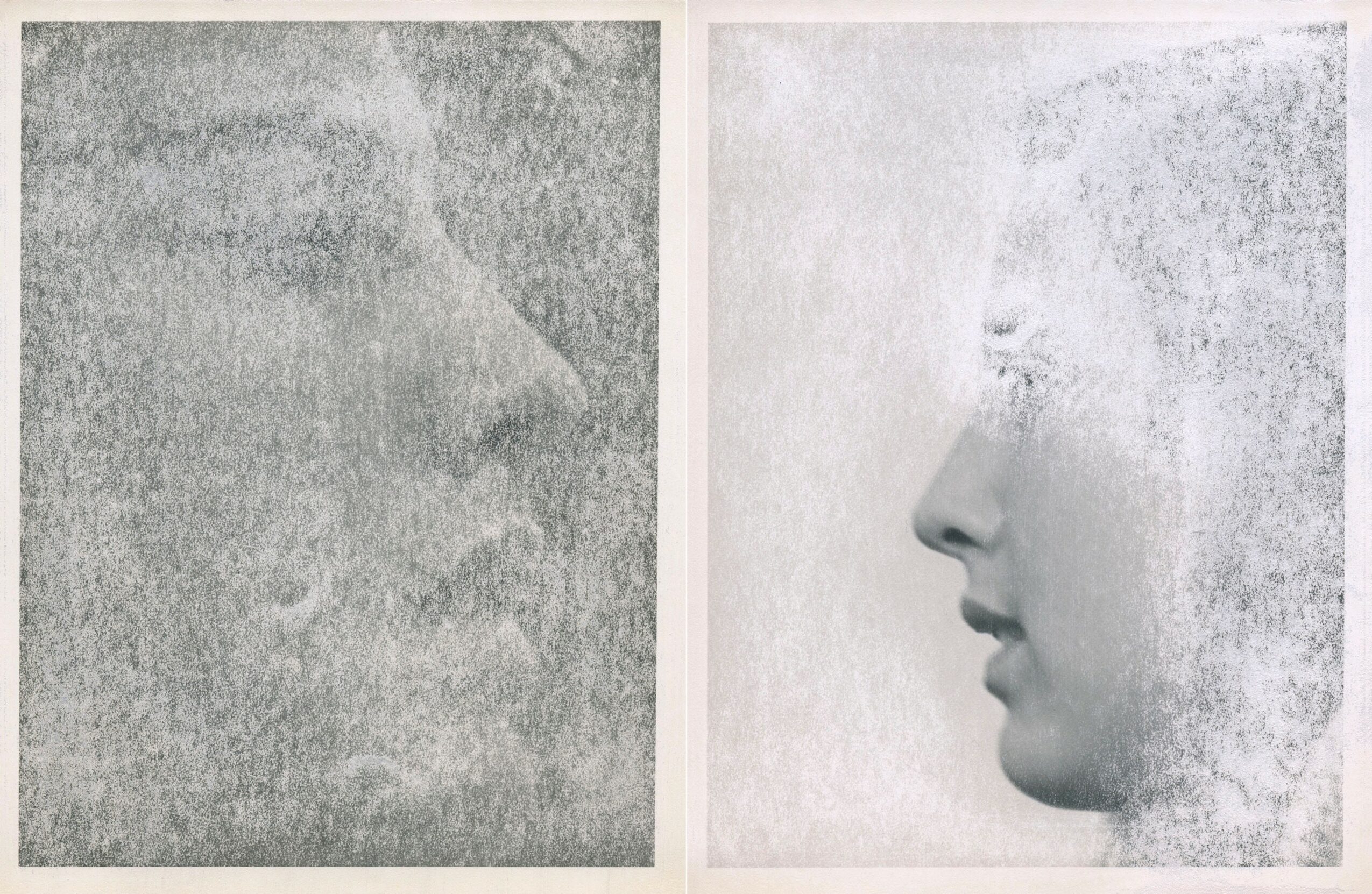
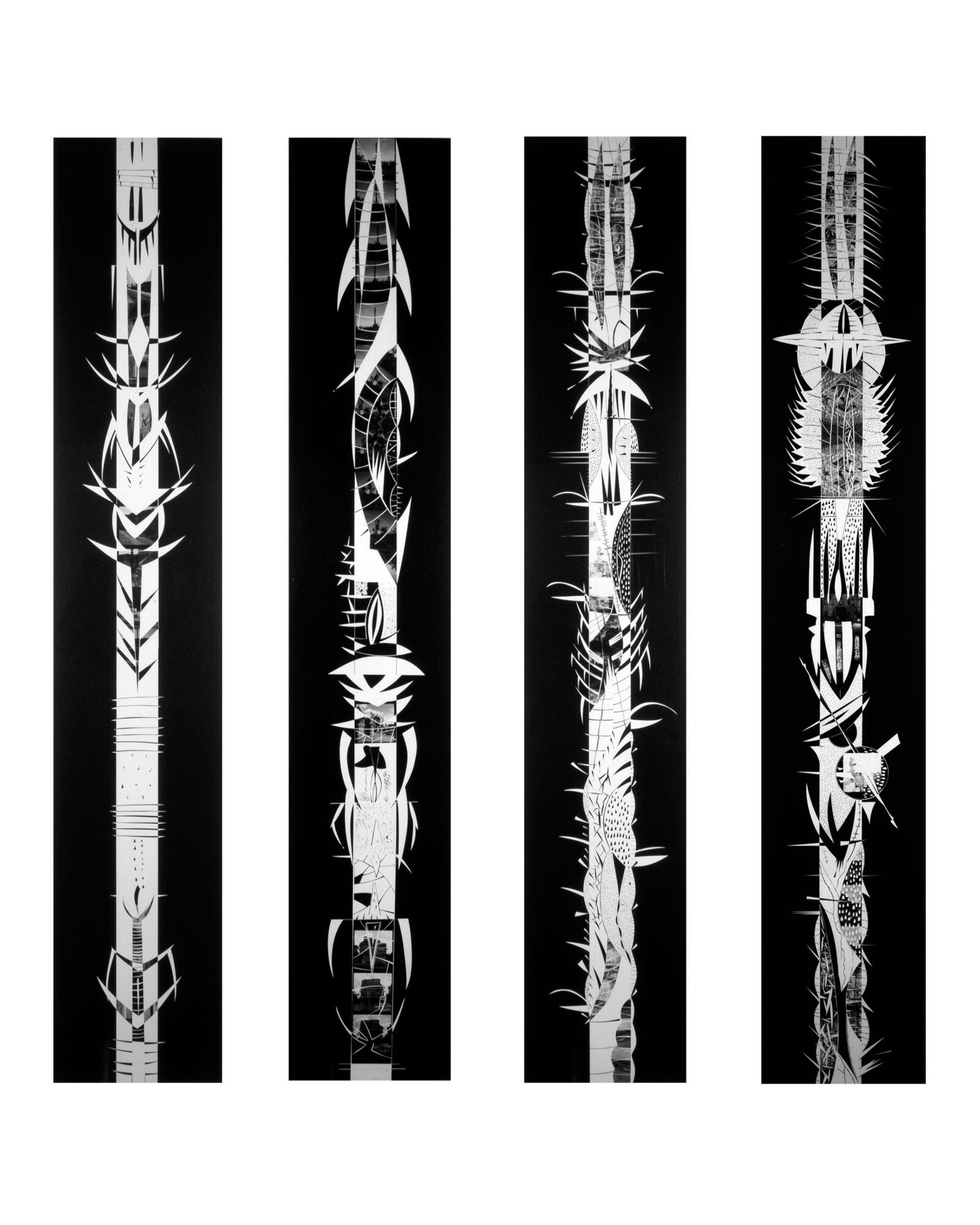
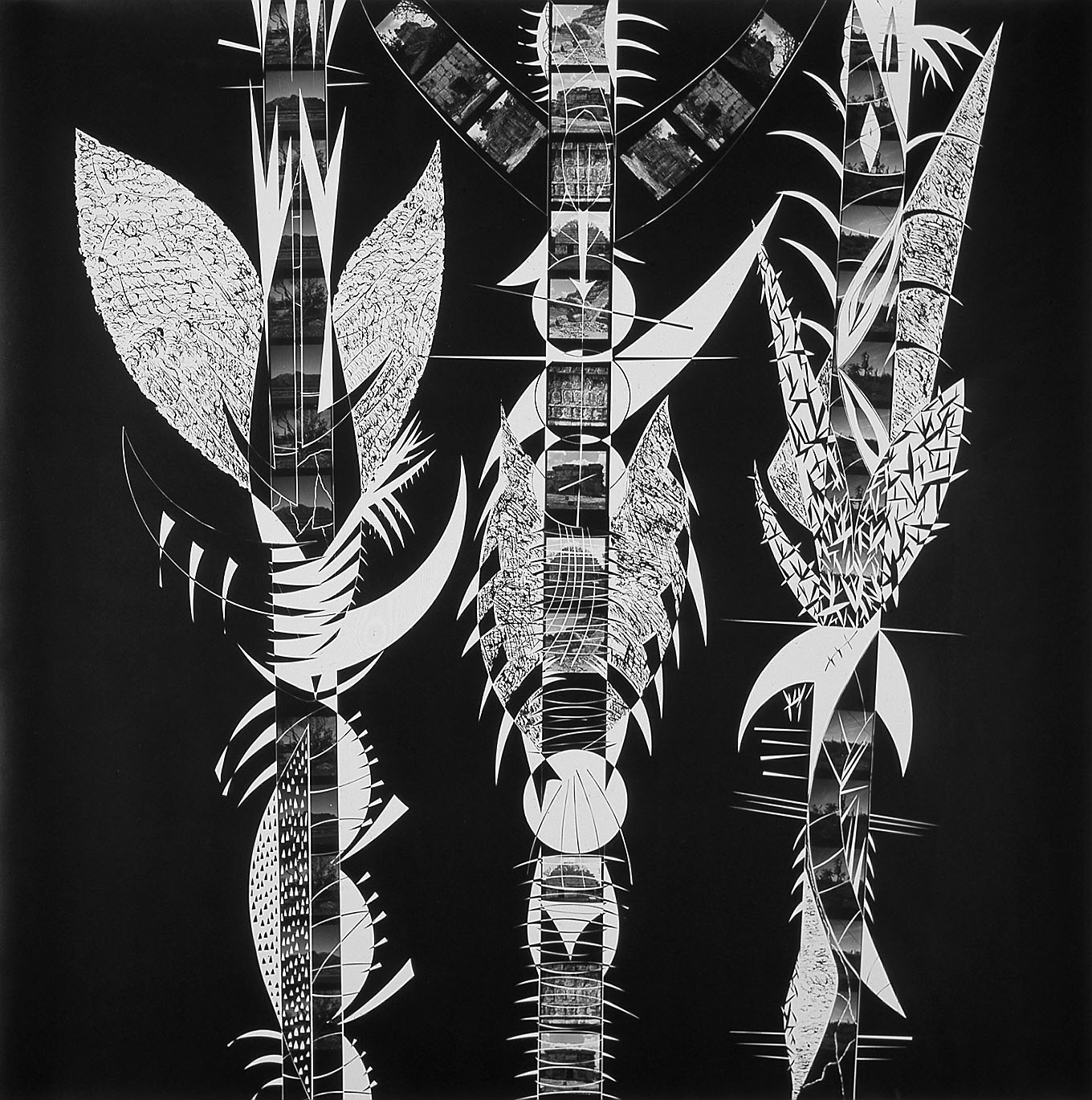
Image Credits
The portrait of me was taken by Daniel Viñoly. All images of my work were taken by me.