



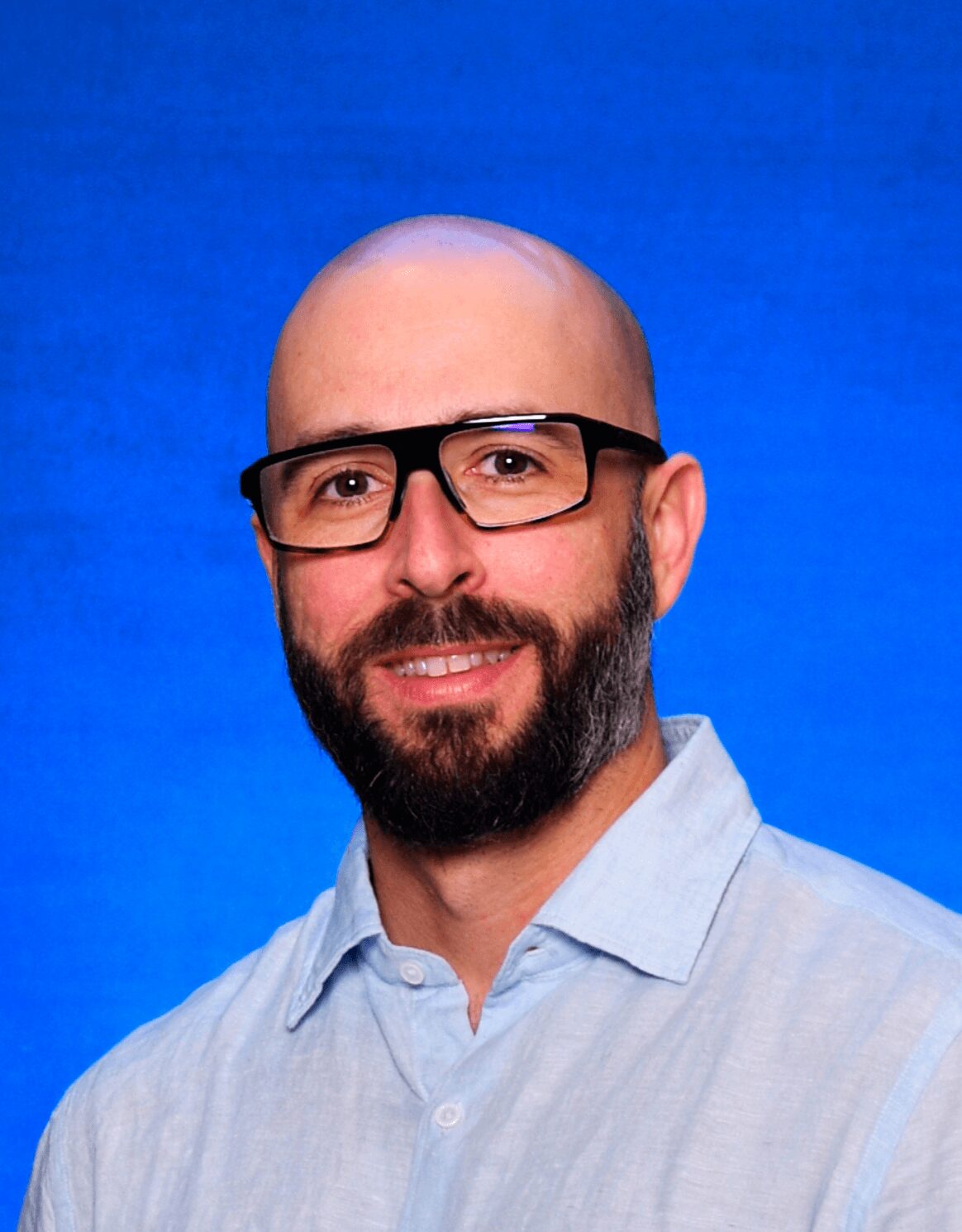
Today we’d like to introduce you to Hander Lara.
Hi Hander, so excited to have you with us today. What can you tell us about your story?
I was born and raised in Cuba, where my relationship with art began early and gradually evolved into a lifelong commitment to visual expression and teaching. Over the years, I’ve worked across different media — sculpture, installation, photography, painting, and drawing — always interested in how memory, identity, and everyday experiences can be transformed into visual language.
For more than a decade, I taught at the University of the Arts in Havana, where I also served as Head of the Sculpture Department. Alongside my teaching practice, I developed my artistic career through exhibitions and projects presented in different countries across the Americas and Europe.
A few years ago, I moved to Miami, which represented both a personal and professional transition. Since then, I’ve continued creating work while also teaching art to younger generations. My practice today is deeply shaped by ideas of displacement, memory, place, and adaptation — themes that naturally emerge from navigating different cultures and life experiences.
At this stage of my journey, I’m interested not only in producing artworks, but also in creating connections: between spaces, stories, people, and ways of seeing the world.
Would you say it’s been a smooth road, and if not what are some of the biggest challenges you’ve faced along the way?
It definitely hasn’t been a smooth road. Like many artists, I’ve had to navigate uncertainty, constant reinvention, and the challenge of sustaining both a creative practice and everyday life responsibilities. Moving from Cuba to the United States was one of the biggest transitions in my life — personally, culturally, and professionally. It meant rebuilding connections, adapting to a new environment, and finding ways to continue creating while starting over in many aspects.
There have also been moments of instability, especially balancing teaching, family life, and the financial realities that often come with being an artist. But I think those experiences have also shaped the work itself. Many of the themes I explore — memory, displacement, identity, and the idea of place — come directly from those challenges and transformations.
In the end, every obstacle has reinforced my commitment to art, not only as a profession, but as a way of understanding and navigating the world.
Can you tell our readers more about what you do and what you think sets you apart from others?
I’m a multidisciplinary visual artist working across sculpture, installation, painting, photography, and drawing. My work explores identity as a territory where personal memory, culture, and representation converge. Through different media and visual strategies, I investigate how the experience of place — understood both as a physical space loaded with historical and symbolic meanings and as an intimate realm of memories and emotions — shapes our perception of belonging and of ourselves.
Much of my practice develops through the tension between the individual and the collective, between past and present, and between the concrete and the abstract. I’m interested in how memory fragments, transforms, and reconstructs reality over time, and how visual language can give form to experiences that are often difficult to articulate verbally. Everyday spaces, architecture, landscapes, urban details, and lived experiences frequently become starting points for reflections on displacement, migration, identity, and emotional geography.
In recent years, my work has increasingly focused on the idea of place as both a physical and psychological construction. Some series emerge from direct observation and representation, while others move toward reduction, geometry, and abstraction, seeking to capture the emotional residue of a space rather than its literal appearance. I’m fascinated by how perception can transform ordinary environments into symbolic or poetic experiences, revealing hidden structures, emotional atmospheres, or traces of personal history.
I think what sets my work apart is the way it combines conceptual reflection with emotional sensitivity. Even when the work appears minimal or formally restrained, it usually originates from deeply lived experiences and from an ongoing process of questioning memory, identity, and representation. My approach is not only about producing objects or images, but about creating visual narratives that invite contemplation and a slower, more attentive way of seeing.
Teaching has also been an essential part of my journey. I spent many years teaching at the University of the Arts in Havana, where I also served as Head of the Sculpture Department, and later continued teaching in Miami. That experience has deeply influenced my artistic practice, reinforcing the importance of dialogue, experimentation, and critical thinking within the creative process.
What I’m most proud of is having sustained and evolved my artistic practice through very different cultural and personal contexts, while remaining committed to the core questions that drive my work. I’m proud that my work has connected with audiences internationally, but also that it continues to function as a space for exploration, self-discovery, and reflection on the complex relationship between what is lived and what is imagined.
What matters most to you? Why?
What matters most to me is maintaining a meaningful connection between art, life, and human experience. I believe art has the ability to preserve memory, create dialogue, and help us understand ourselves and others in deeper ways. That’s something I try to pursue both in my personal work and in teaching.
My family is also a central part of my motivation, especially as a father. Balancing creativity, responsibility, and personal growth has given me a broader perspective on what it means to build a life through art.
I also value curiosity and the ability to continue evolving. I never want my work to feel static or repetitive. What keeps me engaged is the possibility of discovering new ways of seeing, interpreting, and transforming everyday experiences into something meaningful and visually compelling.
Contact Info:
- Website: https://www.handerlara.com/
- Instagram: @handerlara_art – @handerlara_photography
- Facebook: https://www.facebook.com/hander.lara
- LinkedIn: https://www.linkedin.com/in/hander-lara-figueroa-05474764/
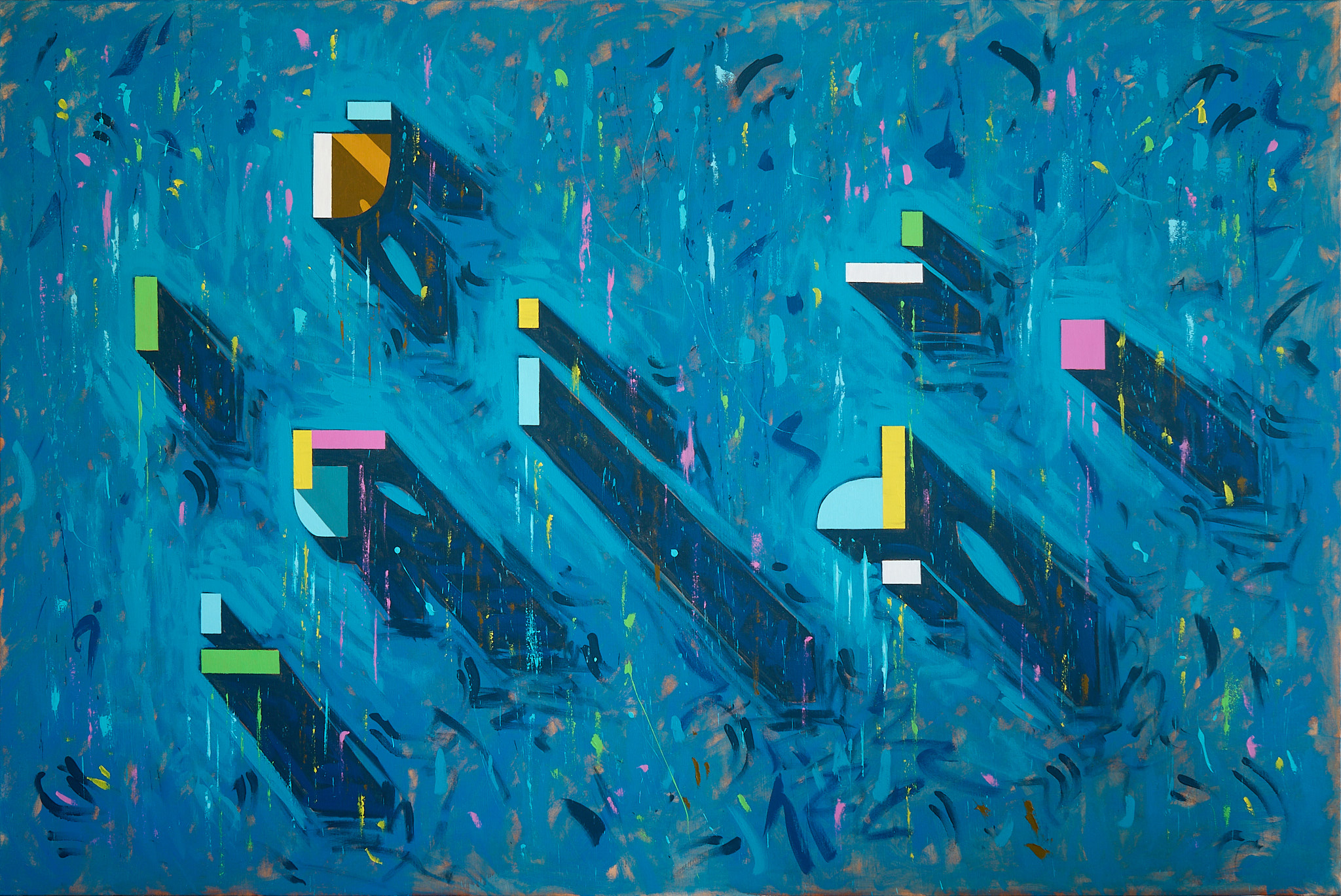
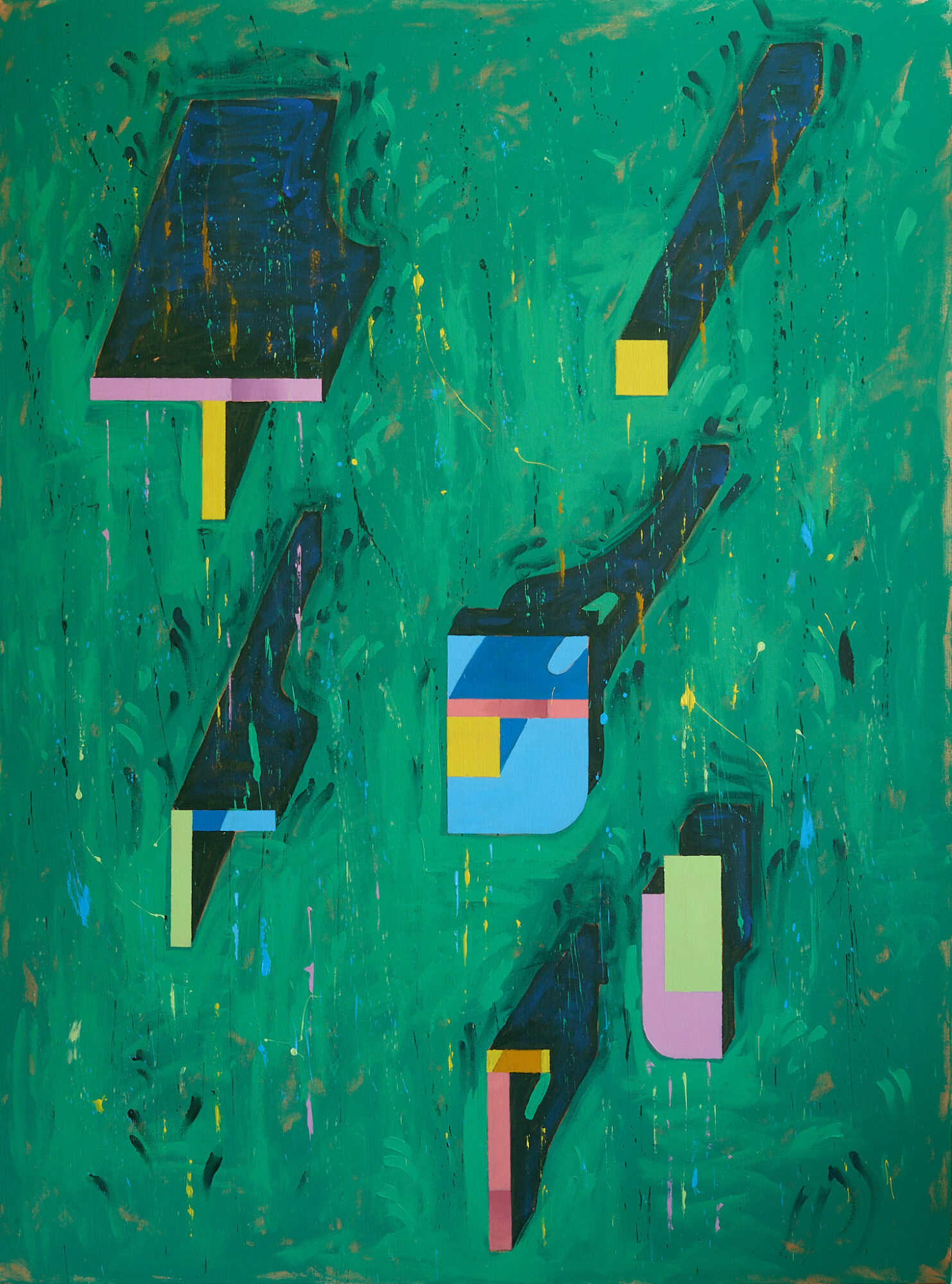
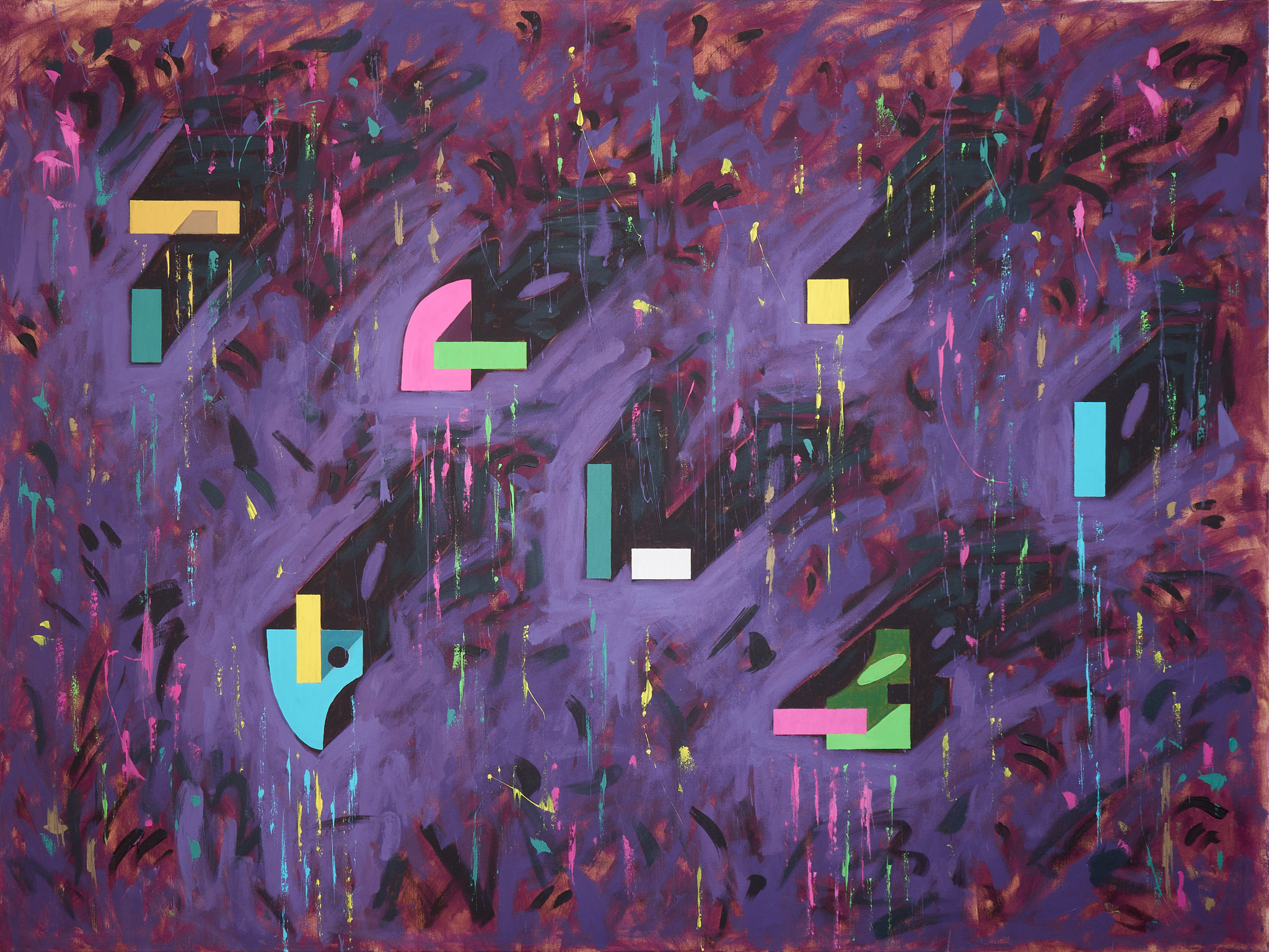
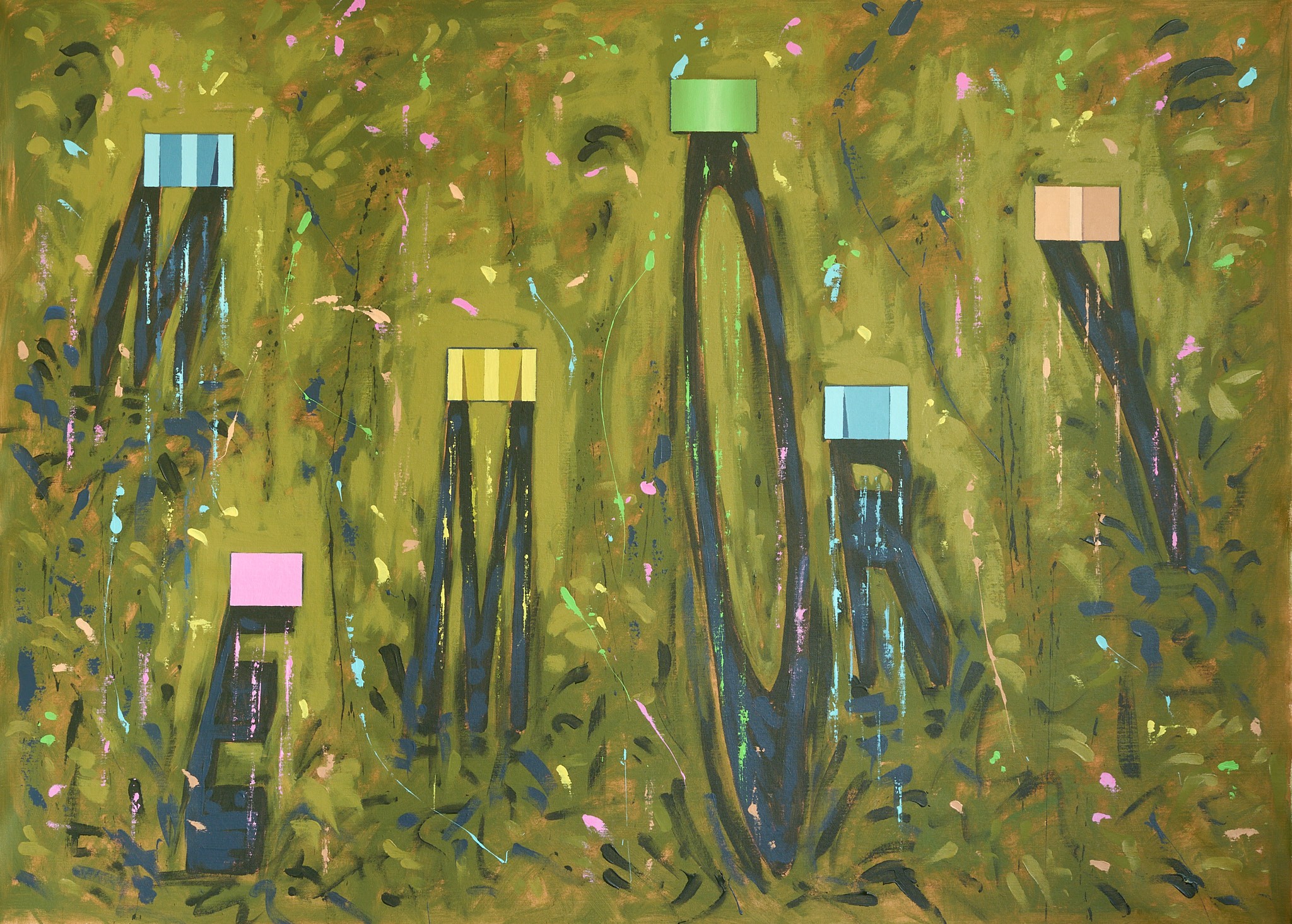
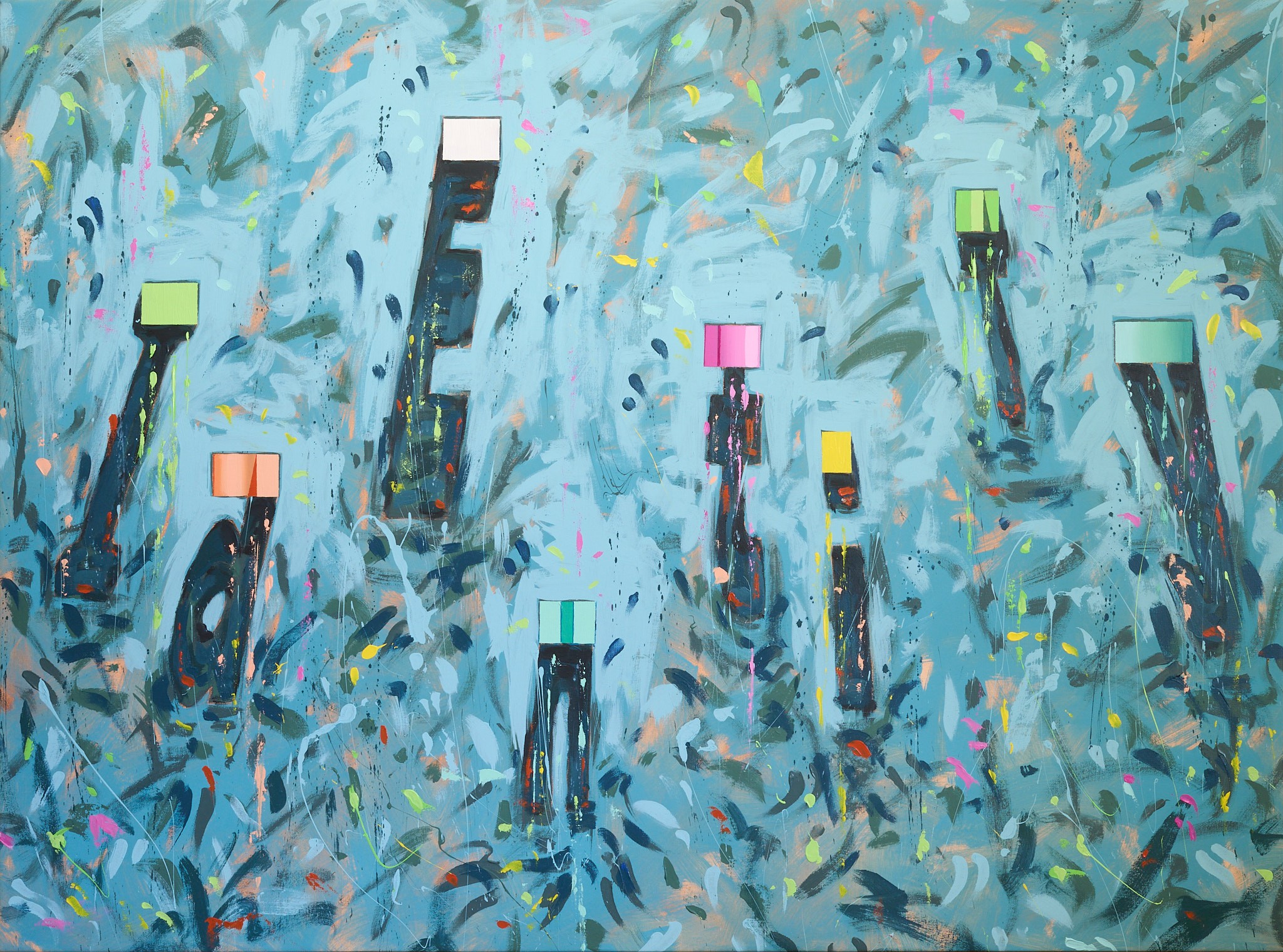
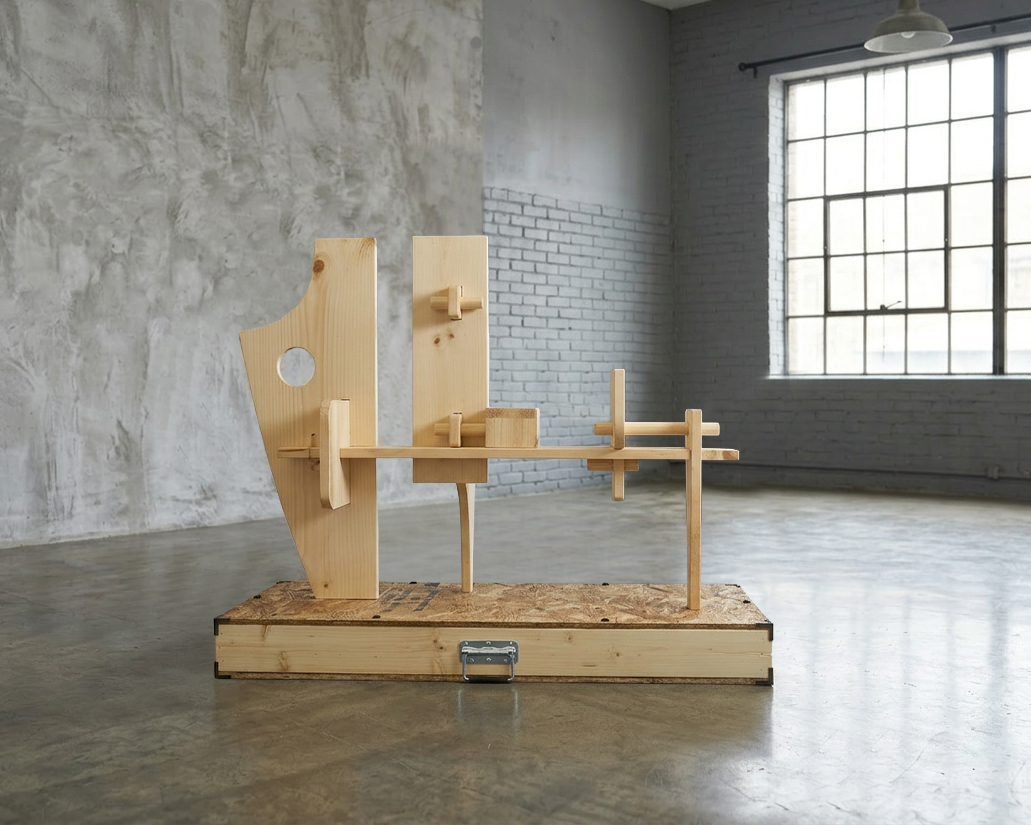
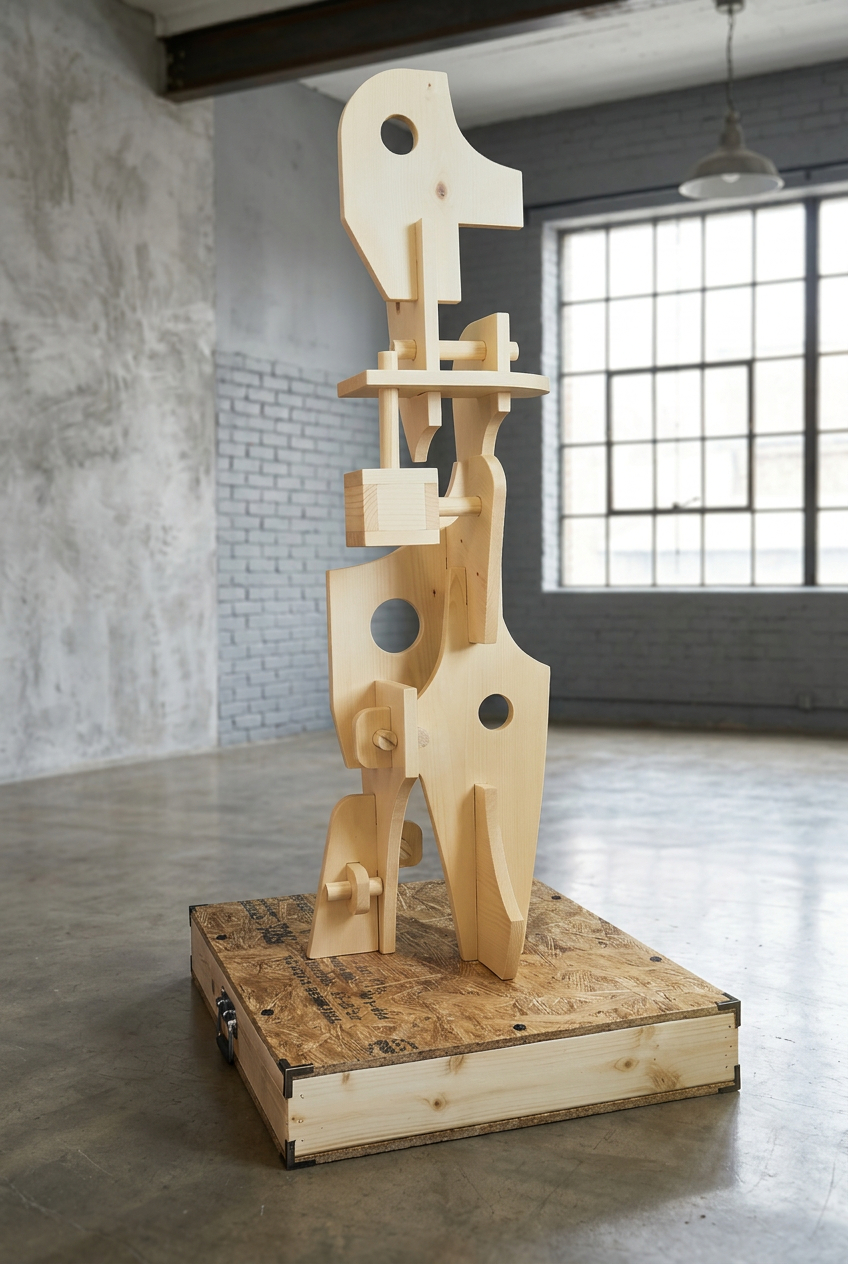
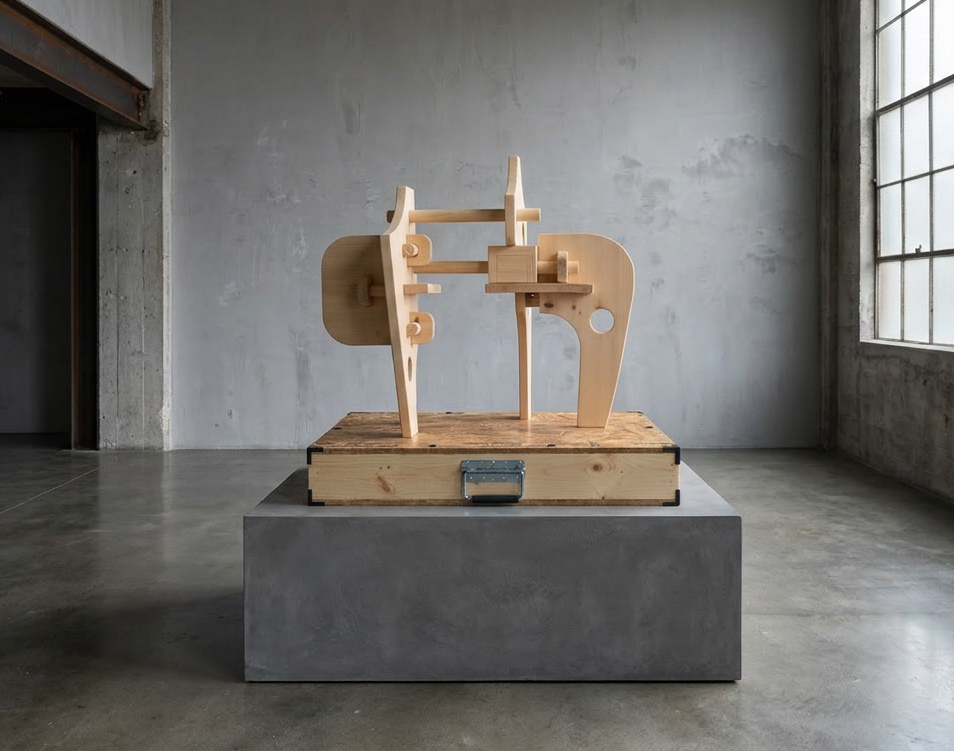
Image Credits
Hander Lara