


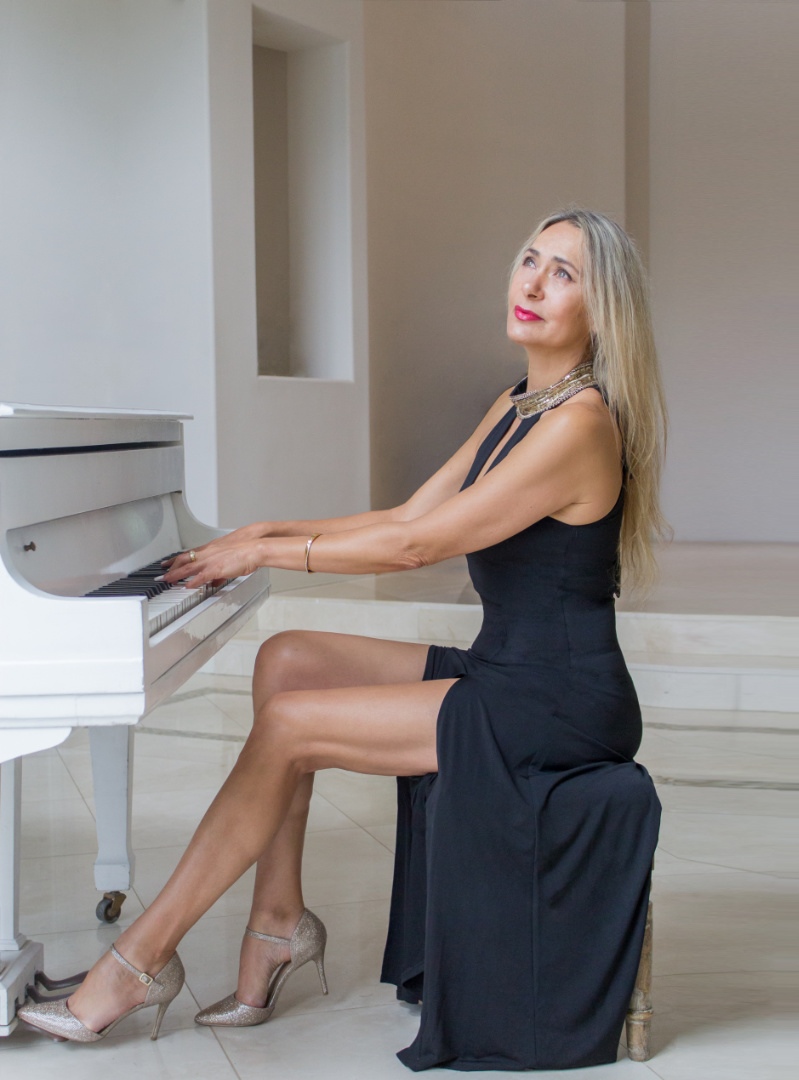
Today we’d like to introduce you to Gaynor van Vuuren.
Hi Gaynor, so excited to have you on the platform. So before we get into questions about your work-life, maybe you can bring our readers up to speed on your story and how you got to where you are today?
“My story starts with a piano that was taller than I was. I was born in a small town in South Africa, near Port Elizabeth, and from the moment I could stand, I was reaching for those piano keys. My parents say I was far more interested in the piano than in toys. By the time I was six, I was playing Gretl in The Sound of Music and, on weekends, performing live piano accompaniments to old silent films featuring stars like Charlie Chaplin and Buster Keaton. This was 1970s South Africa — and there I was, playing for audiences long before most children were even allowed near a stage. That’s where I first learned that music could make people feel something — laughter, sadness, nostalgia — all without a single word.
South Africa was a wonderful place to grow up, but it wasn’t always easy for young musicians. Sheet music and teachers were difficult to find. Still, I was obsessed. I’d wake up at 5:30 every morning to practice, waking everyone up. My dad finally built a soundproof music room so the rest of the family could get some sleep while I played on!
As I grew older, I began performing professionally, and one of the greatest honors of my life was playing for Queen Elizabeth II, followed later by a performance for Nelson Mandela and African Presidents. At the time, I didn’t fully grasp how extraordinary that was — I was simply focused on the music — but looking back, it was an incredible privilege to represent my country’s artistic spirit during such a time of change. After the performance with Mandela, he smiled and gave me the most unforgettable compliment I’ve ever received — something I’ll always keep private, but never forget.
In 2002, I moved to New York City, playing wherever there was a piano. One night, Billy Joel walked into the bar where I was performing and said, ‘So… what are we playing?’ I smiled and said, ‘The Piano Man, of course!’ We played together, completely unrehearsed — one of those magical moments that remind you why you love music in the first place. Of course, the audience loved it.
Eventually, a happy accident sent me to Miami instead of back to New York, and I fell in love with the city’s pulse and people. I spent twenty years in Miami teaching, composing, and performing before expanding my life and career to include Dallas. I divide my time between two cities that couldn’t be more different yet perfectly in tune — Miami, alive with rhythm and color, and Dallas, steeped in a rich musical heritage of blues, R&B, soul, country, Latin, and hip-hop. They’re wonderful influences, even if they don’t directly appear in my first album — they’ve shaped how I feel music, how I hear rhythm, and how I connect to emotion.
Living in Dallas has allowed me to slow down and focus on composing. My first album, ‘Love in Every Note,’ is making its debut soon, which feels both exciting and surreal. The journey hasn’t been smooth, but it’s been full of meaning. Every obstacle has built my discipline and deepened my love for the piano.
If I had to sum it up, I’d say I’ve learned that music — like life — isn’t about perfection. It’s about connection, passion, and joy… and maybe a little bit of humor along the way.”
Can you talk to us a bit about the challenges and lessons you’ve learned along the way. Looking back would you say it’s been easy or smooth in retrospect?
“I’m from South Africa — and the only things that are smooth are the people, it’s fine wine, and beer! And where you find some of the best rugby — we are a tough people. So no, it definitely hasn’t been a smooth road. I grew up in a small town near Port Elizabeth where opportunities in music were rare, especially for young girls. I faced a lot of challenges early on — limited access to teachers, since there was only one in my area, and sheet music that my mother had to order from London, which often took months to arrive. Sometimes I felt like I had to carve my own path in a place where the arts weren’t always seen as a priority. But in a way, that struggle built my independence and creativity. It taught me to listen deeply, to experiment, and to find my own musical language even when the resources weren’t there.
In my early twenties, I was often the only woman in the rehearsal room, and sometimes the youngest person there too. I had to prove myself constantly — not just as a pianist, but as a leader and musical director. At 21, I became the youngest female music director to win the award for Best Musical Director, which was both humbling and affirming. It wasn’t easy; I had to work twice as hard to be heard and respected. But those experiences shaped my resilience and gave me confidence in my own artistic vision.
Another big challenge was moving to the States. It felt like pressing reset — a new country, new audiences, and a completely different cultural rhythm. Suddenly, I was starting over, with no one knowing my history or my work. But I needed to grow. The move pushed me to evolve — to blend my classical roots with modern styles and to find my own authentic sound. It was in America that I really discovered who I was as an artist and I continue to evolve. My journey shaped The Piano Queen® — not as a title, but as a reflection of everything I’ve learned: discipline from my training, freedom from my experiences, and a joy for connecting with people through music.”
Can you tell our readers more about what you do and what you think sets you apart from others?
“I’ve always seen myself as a storyteller as well as a pianist. I use the piano to express things that words can’t quite hold — emotion, memory, even silence. I was classically trained, so I have a deep love for composers like Mozart, Beethoven, and Rachmaninoff, but I’ve never wanted to stay within one genre. I love blending classical phrasing with modern rhythm — touches of jazz, Latin, club, and cinematic influences — to create something that feels alive and relatable.
I also find inspiration in everyday life. Last fall, I was outside clearing leaves with a blower, and the wind kept blowing them right back in my face. I was furious. My husband looked at me and said, ‘I hear a song coming.’ He was right. I went straight to the piano and composed ‘Tangled in Crimson Leaves.’ That’s how many of my songs are born — from real, imperfect, very human moments and events.”
People often tell me that my performances are personal and upbeat, and I take that as a high compliment. Whether it’s through the passion I bring to the keys or the humor I share between pieces, I want every performance to feel alive and human. I love to inspire, to laugh, and to have fun with my audience. Music should never feel distant or formal — it should feel like we’re sharing a conversation together, one note at a time.
What I’m most proud of is that I’ve stayed true to that. I still play and compose every note from an honest place — the same way I did when I was that little girl in the soundproof room in South Africa, playing before sunrise while my family tried to sleep. I’ve never stopped loving that feeling of discovery.
I think what sets me apart is that I don’t see music — or the piano — as something to master, but as a gift meant to serve others. Every performance, for me, is an act of humility — about listening as much as playing.
I want every piece to tell a story, to feel honest and alive. Technically, I’m classically trained, but I don’t stay within those lines. I love to take the structure of classical music and breathe something unexpected into it — rhythm, color, emotion, passion. Sometimes that means a touch of jazz or Latin influence; other times, it means taking a well-known classical piece and transforming it into a whirlwind of emotion — my fingers flying across the keys in a frenzy of feeling. And sometimes, I’ll slow everything down and let it unfold like a cinematic scene, full of space and silence. That freedom — to follow where the music wants to go — keeps it fresh, authentic, and deeply personal.
But beyond style, I think it’s my openness. I don’t hide behind the piano — I share my humor, my vulnerability, and my joy. When someone tells me they felt something deeply or found comfort in my music, it means the world to me. I think that’s what truly sets me apart — the ability to connect with people through music played with passion, sincerity, and joy.”
Is there a quality that you most attribute to your success?
“My determination, passion, positive energy, and sense of humor have been the greatest keys to my success. They’ve helped me push through challenges, stay disciplined, and keep my love for the piano alive. Every note I play feels earned. Performing before Queen Elizabeth II and Nelson Mandela reminded me that hard work and humility open doors to extraordinary moments. Those experiences taught me that true success isn’t about recognition — it’s about grace, gratitude, and using my gift to lift others. I hope my music brings comfort, joy, and peace, and reminds listeners of their own strength. If it does, then I’ve honored the gift I’ve been given.”
Pricing:
- The Piano Queen®️piano instrumental album available on my website. www.thepianoqueen.com @ $9.99 for the download
- Piano Lessons will be available soon on Gaynor’s website. Www.thepianoqueen.com
- Gaynor’s music is available on all music platforms . Just look up, Gaynor The Piano Queen. Spotify, Apple Music, ITunes, Deezer, Pandora, SoundCloud, YouTube,
Contact Info:
- Website: Www.thepianoqueen.com
- Instagram: https://www.instagram.com/gaynorthepianoqueen
- Facebook: https://www.facebook.com/share/1BJik4PVtp/
- Linkedin: https://www.linkedin.com/in/gaynor-thepianoqueen
- Youtube: https://youtube.com/@gaynorthepianoqueen
- soundcloud: https://on.soundcloud.com/mmrKopz8wNKi6lmrDJ
- Other: https://music.apple.com/us/artist/gaynor-the-piano-queen/1537326275
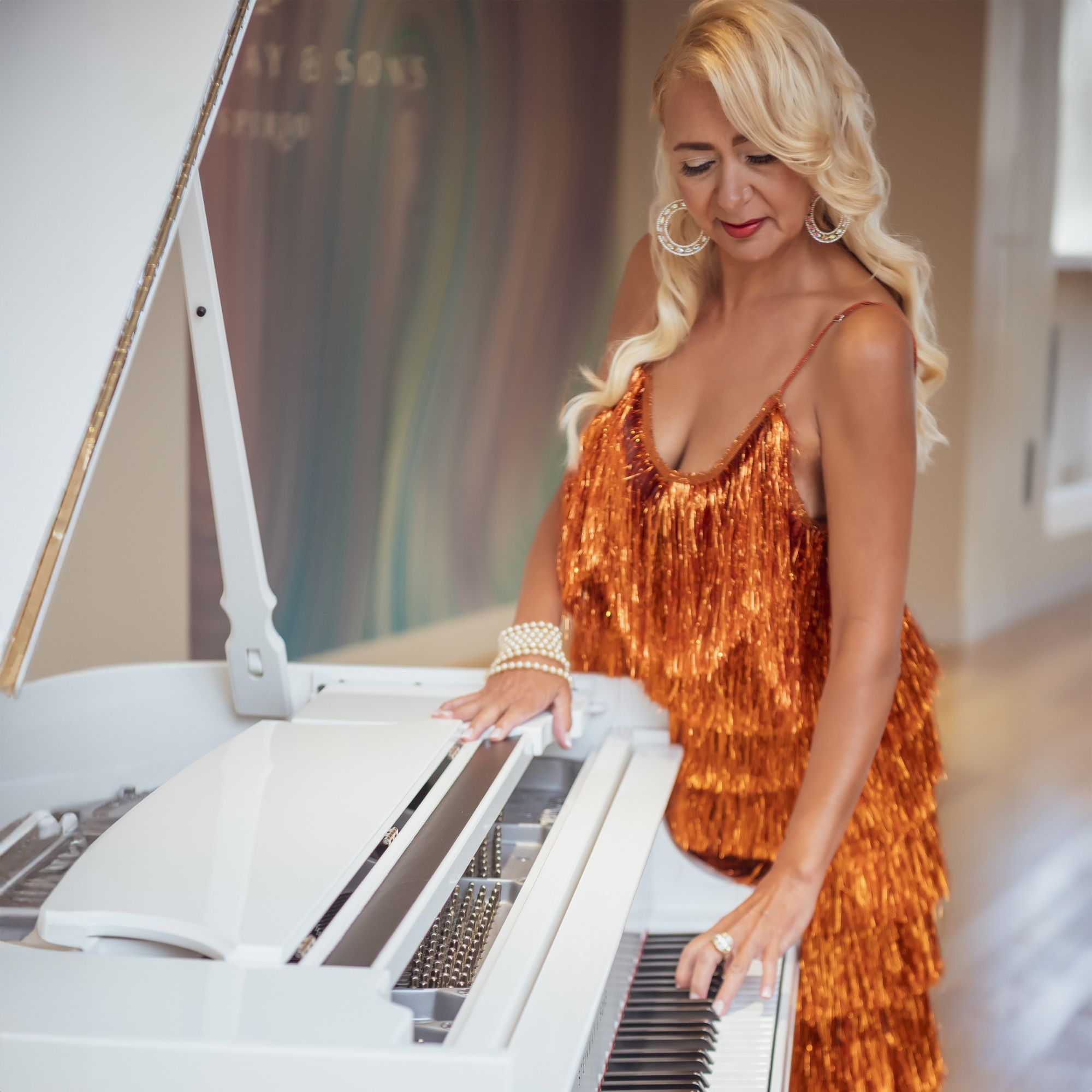
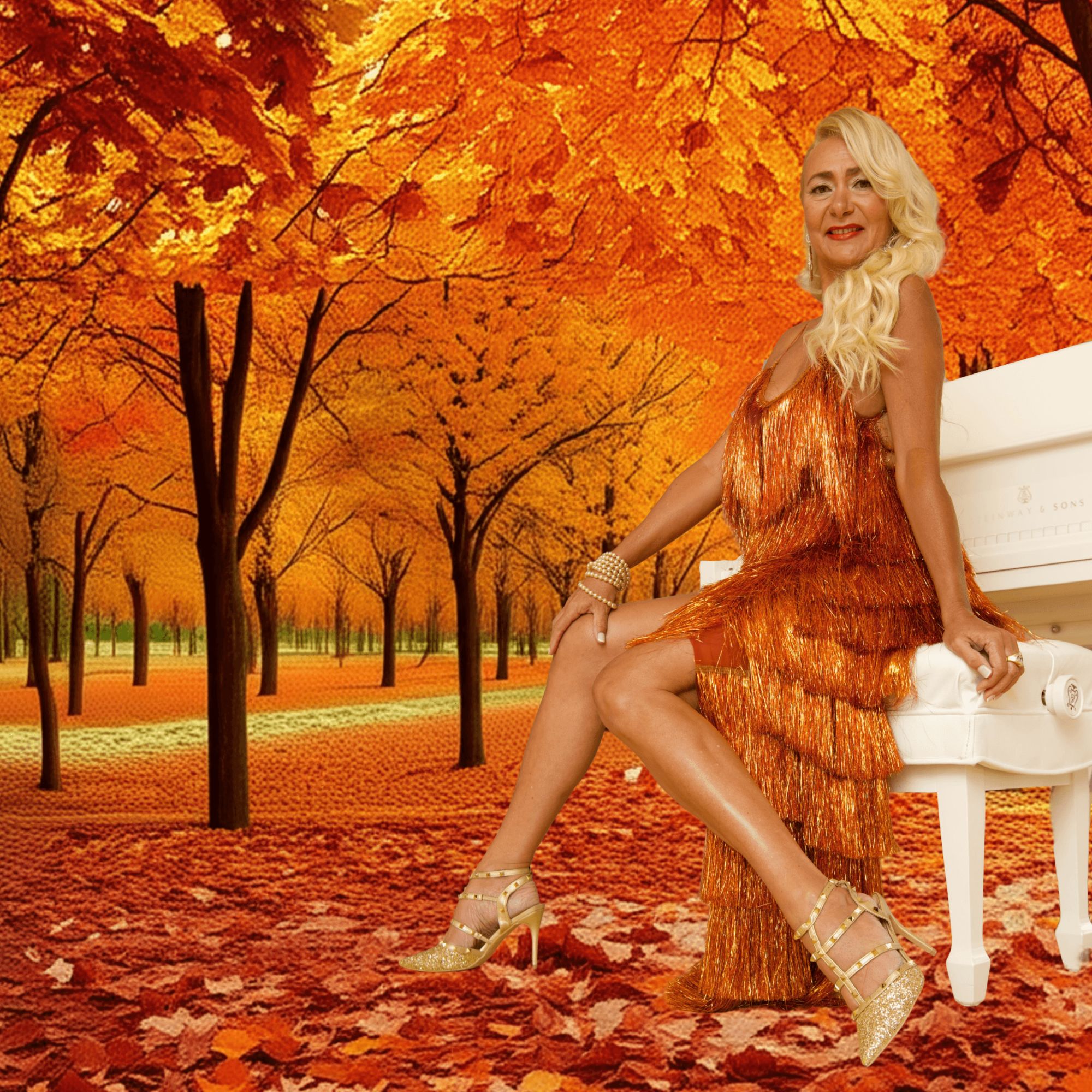
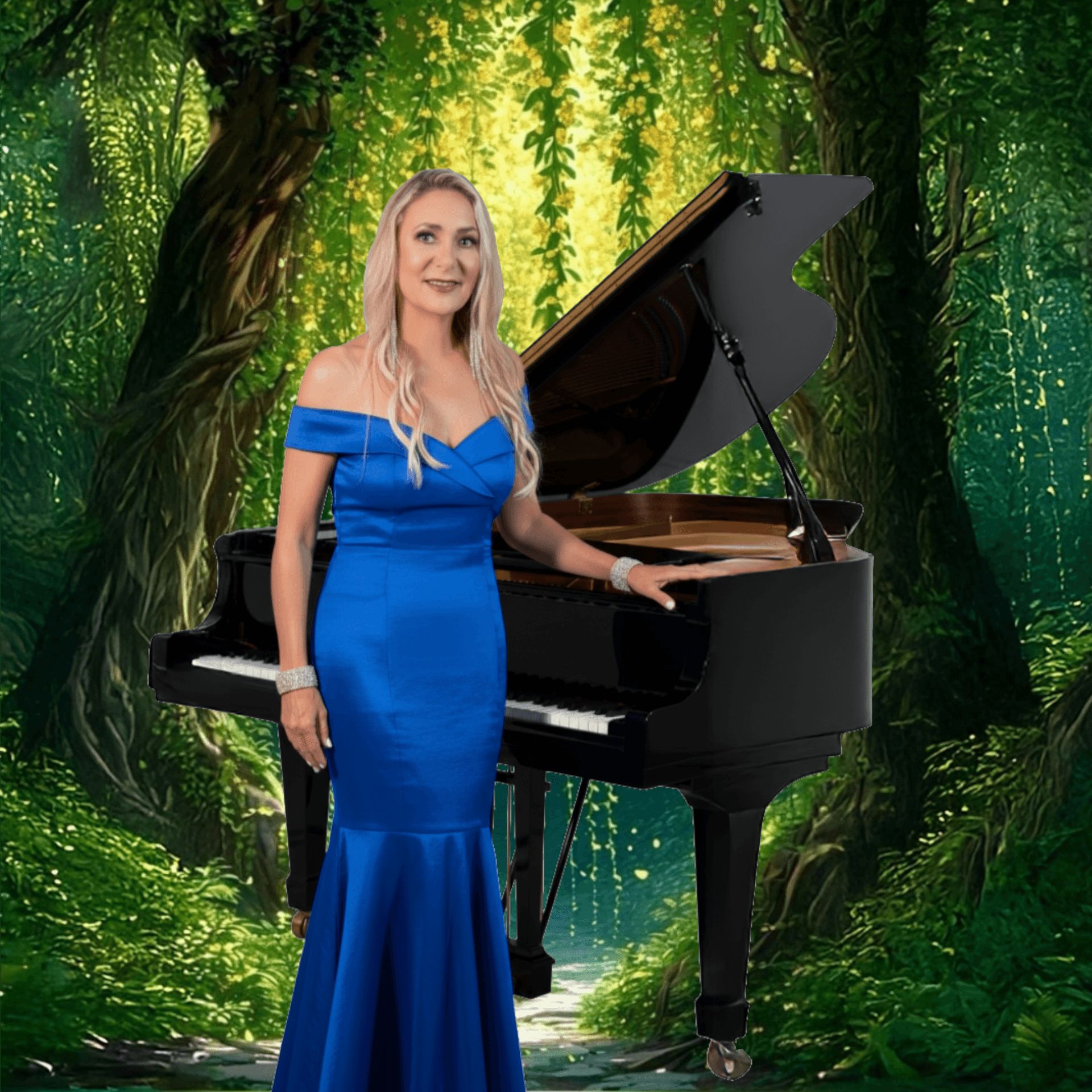
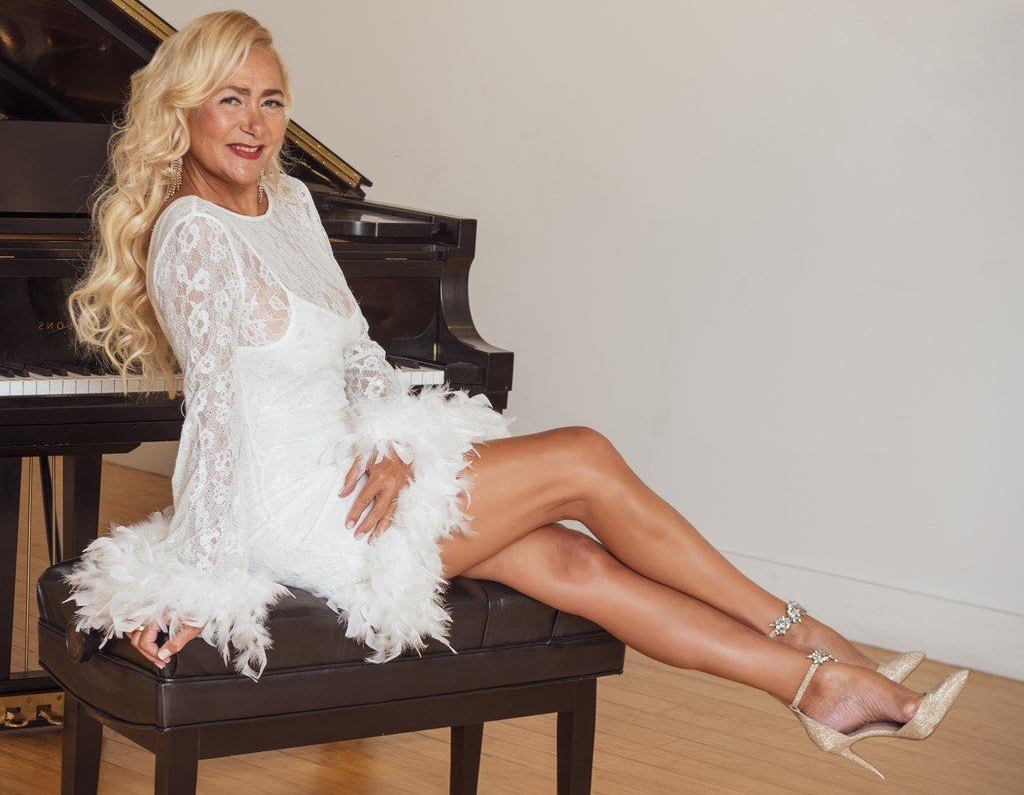
Image Credits
Image credits. Photographers Luis Gomez Ryan Sherota.