


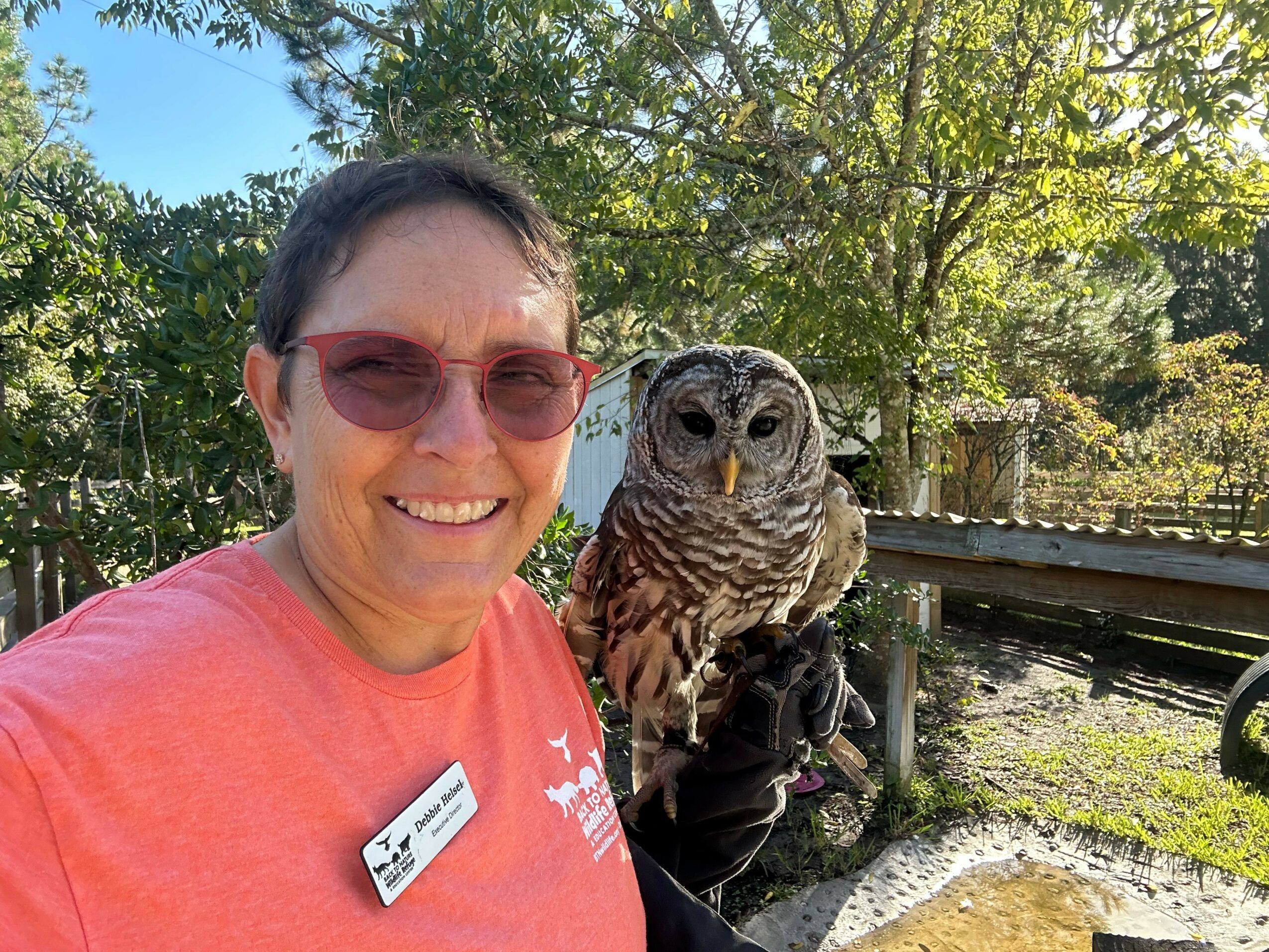
Today we’d like to introduce you to Debbie Helsel.
Hi Debbie, please kick things off for us with an introduction to yourself and your story.
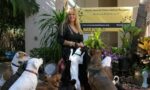
Back to Nature started inside a mobile home behind an automotive garage by Founder, Carmen Shaw in June 1989. Eventually over time, it trickled out of the house and into the back yard, sharing the 3.5 acres with the automotive garage. We grew quickly from just doing wildlife rehabilitation to also being a forever home for numerous wild animals, both native and non-native who were unable to be returned to their natural habitats for a variety of reasons. Because Back to Nature had more space to work with than most other rehabbers who worked from a house in a neighborhood, we typically received many more animals than most were able to. We worked a great deal with the humane society back then and then added in animal services. Eventually we were able to get additional permits and open to the public for visits to see the ambassador animals who stayed for their lifetime. Our first baby room outside was a shed with a roll down door. and an old camper top was our storage for the few cages we had. We had a refrigerator outside for the food we all brought from home to feed and had a bin that help basics of dry cat food, dry dog food, bird seed, cracked corn and sweet feed. We used goats milk and baby formula and if we were really lucky, someone with a goat would donate some and fishermen would drop off fish they had caught and taken the filet and leave the rest. Local hunters would sometimes bring us the carcasses of deer after they took some meat for themselves. It was a huge struggle, but it taught us to be humble and grateful for the gifts we were given and definitely not to waste. Some days when we had nothing, Carmen would say “something wonderful will happen” and it always did! You learned to believe that anything was possible, and it always was, somehow. I started with Back to Nature in March 1990. I knew as a kid I always wanted to work with wildlife but didn’t know how it would happen because we had a 6 kid family with 1 income and there was no way to pay for college. Growing up, they never really talked about scholarships on academics so I figured there were only a few available and I wouldn’t meet the criteria even though I was in the Honor Society, played basketball, was in chorus and had good grades. After I graduated high school, I went into the work force hoping one day I could figure out how to go to college. I had worked at a veterinary hospital for a year and eventually found my way to Orange County Animal Services landing a job to work in the spay/neuter clinic. At my orientation the supervisor, Laurie said it was possible I could be working with Carmen Shaw and Back to Nature. I knew the name because Carmen had been featured in the Orlando Sentinel for going to assist the wildlife affected by the Exxon Valdes oil spill in Alaska. I tracked her down at the time but never started helping. Laurie put me in her car my second day of work and took me to Back to Nature. The moment we pulled up, I knew I was home and I never looked back. It’s been almost 36 years now that I have been with Back to Nature. I’ve gotten to do things and work hands on with animals most people will only ever get to dream about. I cannot trade the lifetime experiences I have had and continue to have, and I am so grateful to Laurie and to Carmen for welcoming me with open arms and taking me under her wing as her own and giving me the opportunity to see my greatest dream come true. I was a volunteer for 9 years before I had an opportunity to be paid. When that happened, I walked away from my retirement, health insurance and benefits and followed my heart, never looking back. It is a tough job, physically, mentally and emotionally but knowing your whole life you are meant to be in service and you have the opportunity to follow your life’s passion and dreams, and you are where you were meant to be, you just do it. It takes a toll on you and your personal life over time since everything you do is in a increments surrounding the next baby feeding. It’s not an easy life for sure, and is very difficult to find balance. You wear so many hats you cannot count them all, you surround yourself with people who are dedicated and devoted like you are, you build lifetime friendships and sacrifice every aspect in your life and give up almost everything of a normal life to follow your heart for the sake of the animals and Mother Earth and follow your dream. It is a calling and a passion for those of us who choose this path in life. I am grateful to have grown into the person I am today and hope that my devotion and dedication continue to inspire others to love our wildlife and the earth and to do our best to protect and care for them.
I’m sure it wasn’t obstacle-free, but would you say the journey has been fairly smooth so far?
The field of wildlife rehabilitation has always been more about it being a calling and a passion to commit to helping wildlife in need. There are not as many funding opportunities as there are for human needs. Rehabilitators mostly do this out of their homes and out of their own pockets with many draining their life savings or not eating so they can get try to the food or medications and provide veterinary care (usually it’s not free either). It can be difficult to find volunteers committed to the cause as most do not stay long term, especially the younger generation. We have been extremely blessed to have longevity with our organization and also the people within it. Wildlife rehabilitators rely on the generous donations/gifts from the public, mostly from the people who care enough to bring the wildlife to us for help and leave a little help for their care, but we are not legally allowed to require that they leave a donation. They must do so of their own free will, if they choose to. Through the years we survived on whatever we could find to feed them or dig up in the yard. We have asked for food and supplies for Christmas gifts and birthday gifts from family, hoping they understood that IS what we really wanted and needed. Relationship building towards lifetime supporters is a continual process. The hope is that people will fall in love with you, the animals, your mission and your passion for caring for the animals and they will instill in their future generations their love for our work and encourage them to continue to support the mission.
We now sit on 20 acres of conservation land called Eagles Roost in Southeast Orange County. We lease this area from the County and functioned out of old school portables we bought and moved onsite. Our former Mayor, Theresa Jacobs created an initiative called “Invest in our home for life” and each Commissioner received funds to do things to benefit the community long term. Our Commissioner, Jennifer Thompson was terming out and allocated most of that money to build solid buildings for us to use. Through Covid and numerous bid processes, the construction finally started and we were closed another 2.5 years to the public, although still taking in injured and orphaned wildlife and continuing to care for our educational ambassadors. In July, we had a ribbon cutting with our current mayor, Mayor Jerry Demings and our current commissioner, Commissioner Maribel Cordero. We were finally reopened to the public with brand new buildings and seeing the greatest dream true come to fruition that most non-profits will never see. We are exceptionally grateful for this amazing, once in a lifetime opportunity.
Can you tell our readers more about what you do and what you think sets you apart from others?
I started with Back to Nature Wildlife Refuge in March 1990 and I am the licensee and serve as the Executive Director. I also sit on the Board of the FWRA, the Florida Wildlife Rehabilitators Association where I oversee the Membership team and also sit on the Symposium committee.
Back to Nature is one of Central Florida’s largest wildlife rehabilitation and public education facilities. We care for injured and orphaned wildlife with the goal of raising them or rehabilitating them with the purpose of getting them back into the wild where they belong. We are also a public educational facility, providing a forever home to numerous native species with permanent injuries and several exotic animals who were dumped or confiscated and they serve as educational ambassadors for their species.
I am exceptionally grateful for the opportunities I have had, and for the animals who have filled my heart and touched my life in a way I could never have imagined. They have taught me, loved me unconditionally and given me hope and the desire to persevere even in the darkest of times for our organizations’ mere existence. I am so very proud of so many of our volunteers who have come and many have gone, utilizing the experience at Back to Nature as a stepping stone to find their passion and follow their own dreams, Our success is due to the undying spirit and dedication of so many people, all believing in the same dream for Back to Nature Wildlife Refuge, helping us grow into who we are today, and have yet to become.
In terms of your work and the industry, what are some of the changes you are expecting to see over the next five to ten years?
Unfortunately, with development in Florida destroying the natural habitat of our wildlife at an alarming rate, we will continue to receive sick, injured and orphaned wildlife. It is likely that the numbers of intakes will consistently rise as we push wildlife out of their natural habitat as we destroy it to build homes, leaving them with no options but to try to adapt to what is left for them. The 4 elements they need to survive are natural food, clean water, shelter and space. These elements are hard to find consistently, leaving the wildlife no choice but to frequent the populated areas just trying to survive on what they find. We use a lot of pesticides, herbicides and defoliants which are very harmful and go through the food chain affecting our wildlife. Dehydration, emaciation, bacterial and viral infections, parasites, dog attacks, cat attacks and being hit by a car are the main reasons we see most of the injured wildlife that comes in.
Sadly the work we do is a necessity and is unlikely to change. The likelihood is that we will lose many species over time to disease and starvation as they have minimal space and no real healthy environment to thrive naturally much anymore in many areas of the state. The new buildings we have are giving us the opportunity to do more and work under better conditions than we have ever had. We pay our own bills and work hard to raise the over $350,000 we need annually to continue our work. We have 5 paid staff and a tremendous support system with a very active Board of Directors and dedicated, hard working volunteers and interns. We are excited about what the future holds for BTN. We hope that the public will continue to help us continue our work to care for the 3,500-4,500 injured and orphaned native wild animals that come to us each year and that more businesses and foundations will finally step up and help us consistently too so we can focus more on the animals instead of fundraising. Something wonderful is happening!
Pricing:
- Admission $10 per person donation
- Seasonal family pass for 2026 $37
Contact Info:
- Website: https://btnwildlife.org
- Instagram: Back To Nature Wildlife Refuge (@btnwildlife)
- Facebook: Back To Nature Wildlife Refuge| Orlando FL
- Youtube: @backtonaturewildliferefuge4593
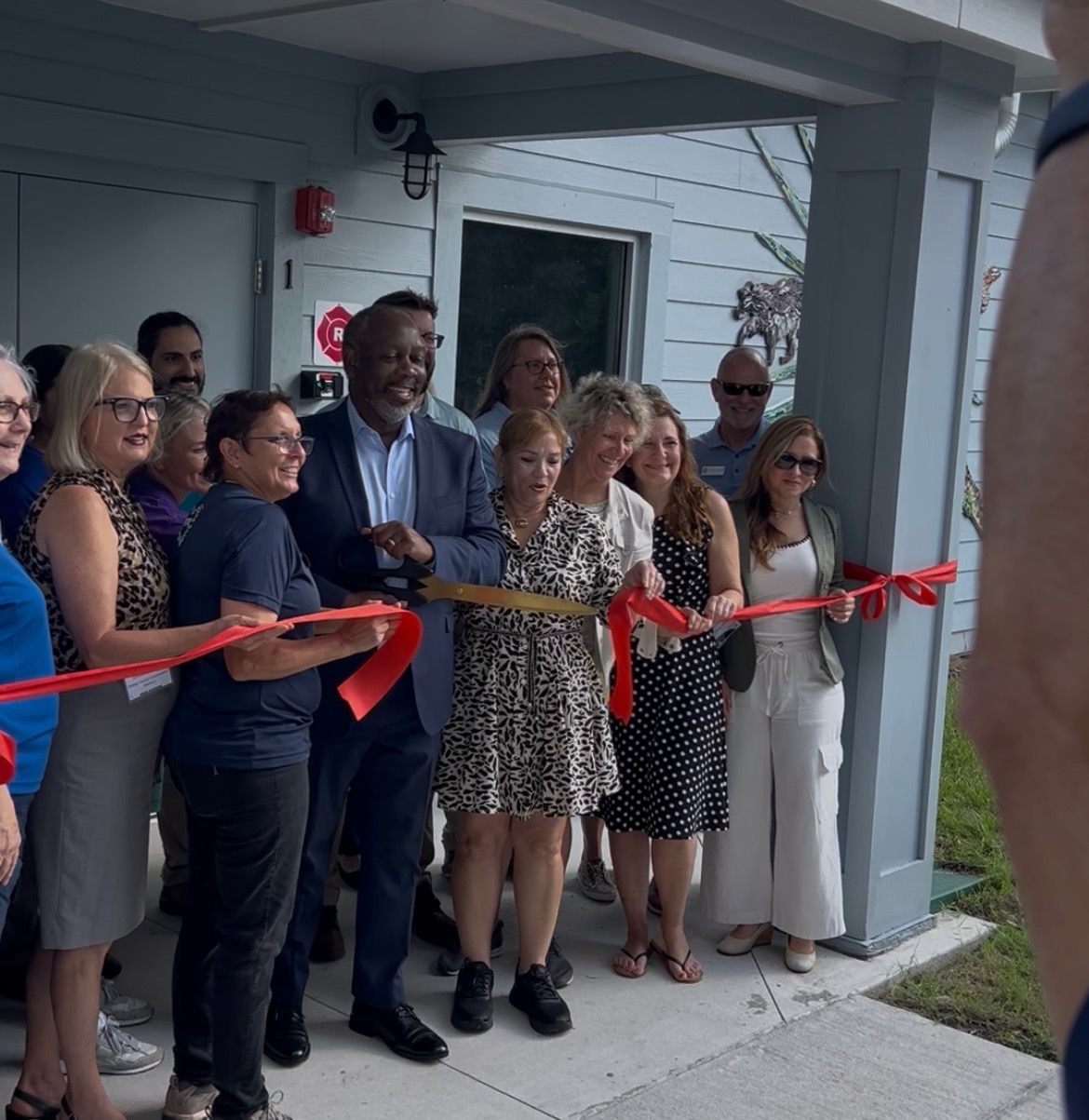
Image Credits
Debbie Helsel