





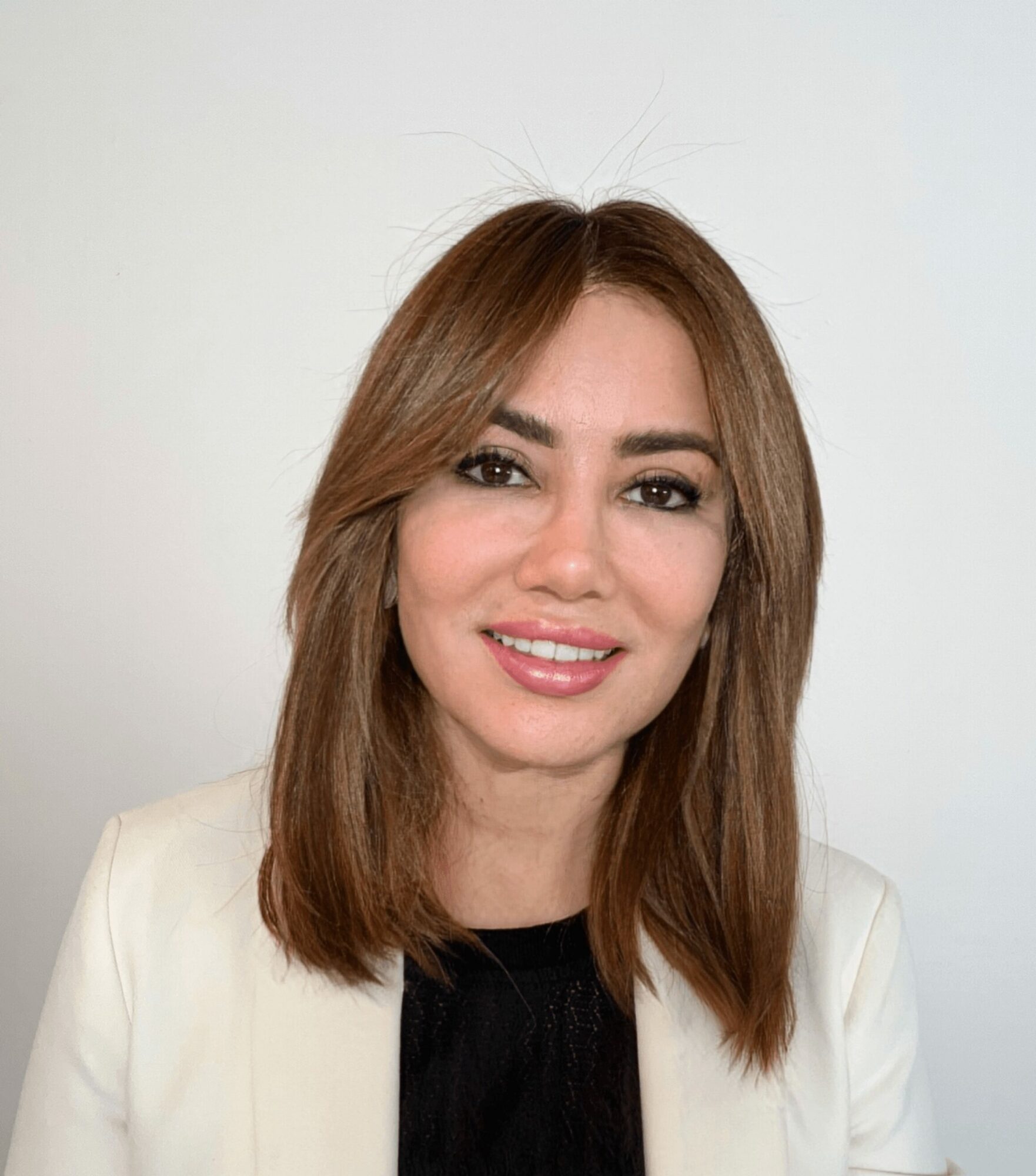
Today we’d like to introduce you to Clara Alvarez MD.
Hi Clara, can you start by introducing yourself? We’d love to learn more about how you got to where you are today?
I graduated as a medical doctor from Universidad del Rosario, and from very early on I had a deep passion for the link between mind and body — and for understanding the cultural and spiritual background each individual brings into healthcare. Medicine was never just biology to me; it was always also story, culture, and spirit.
That perspective deepened during my experience with INIA in Malta, through the United Nations, where I earned a diploma in gerontology. Working with older adults carrying severe comorbid medical and mental conditions made clear to me how much social and cultural determinants shape healthcare outcomes — you simply cannot optimize care without accounting for them.
I went on to train in psychiatry in New York, followed by a fellowship in consultation-liaison psychiatry, also in New York. That training complemented everything I already believed: that we have to care for the individual as a unique body and soul, not as a diagnosis. Medicine shouldn’t be cookie-cutter. Early in my career, I understood that real caring means treating each person as an individual — with unique physical and psychological needs, strengths, and drives.
From there, I had the opportunity to build a leadership career — teaching, treating patients, and leading always from that same foundation, with a strong sense of commitment and ethics. Primum non nocere and respect for patient autonomy have guided me throughout.
Today, that philosophy lives in my own practice, Brain X Dynamics, where I encourage patients — with or without comorbid medical conditions — to learn and commit to their own healing and human growth. Minimal intervention and lifestyle modification within each person’s individual frame are, I’d say, the best way to describe my practice today. It’s been incredibly inspiring to watch patients step into that kind of ownership over their own health.
Would you say it’s been a smooth road, and if not what are some of the biggest challenges you’ve faced along the way?
Never a smooth road. Medicine demands sleepless nights, missed holidays, little to no vacation time, rushing against the clock, tight schedules even with family — real sacrifices. But it’s all been worth it, because we carry a mission, and that mission is service.
What’s kept me motivated through all of it is a constant drive to learn and to deepen my understanding of a specific niche — for me, that’s always been understanding the individual through the lens of biology, psychology, and cultural-spiritual identity all at once. Even now, I spend enormous amounts of time reading and researching specific cases, simply out of an inner curiosity that hasn’t faded.
I wouldn’t say it’s been easy. There have been many painful moments and real struggles — challenges, transitions, adjustments — that you have to learn to navigate and manage as they come. But that’s part of the path.
Can you tell our readers more about what you do and what you think sets you apart from others?
What I do: I run Brain X Dynamics, a Whole Person Psychiatry practice where I treat patients and collaborate with other medical providers. I’m double board-certified by the ABPN — in general psychiatry and consultation-liaison psychiatry — and hold a lifetime ABAM diploma in addiction medicine. This training allows me to see the whole clinical picture: the brain, the body, and how they intersect, especially in patients carrying complex, comorbid medical and psychiatric conditions.
What I specialize in: My niche has always been understanding the individual from three angles at once — biological, psychological, and cultural-spiritual. I don’t believe in cookie-cutter medicine. I specialize in cases where these dimensions are tangled together: patients with significant medical comorbidities, complex diagnostic pictures, and people who’ve been misunderstood or mistreated by a system that tends to isolate the mind from the body.
What I’m known for: Colleagues and patients know me for going deeper than the standard fifteen-minute med check. I built and directed a psychiatry residency program from the ground up, so I’m also known in academic circles for training physicians to think this way — not just to diagnose, but to genuinely understand the person in front of them.
What I’m most proud of: Honestly, it’s watching patients take ownership of their own healing. My practice emphasizes minimal intervention and lifestyle modification within each person’s individual frame — and when a patient moves from being a passive recipient of treatment to an active participant in their own growth, that’s the moment I’m most proud of. It’s also deeply meaningful to have contributed to shaping a generation of psychiatry residents and students who now carry that same philosophy forward.
What sets me apart: I think it’s the refusal to separate science from soul. I hold the rigor — board certifications, academic leadership — but I never let that rigor flatten the person into a diagnosis. I bring cultural and spiritual context into the room because I believe healing has to happen within someone’s whole, particular, individual identity — not despite it.
What sort of changes are you expecting over the next 5-10 years?
Fortunately, medicine is evolving toward more precise and integrated care. While providers will remain specialized, there’s a growing emphasis on collaboration — and on understanding the human body across two dimensions at once: the genotypical, molecular level, and the phenotypical, visible level of symptomatology, behavior, thinking, perception, and drive.
Pharmacological interventions are also becoming more precise and more diverse — moving beyond medication alone to include magnetic fields, sound and echo waves, light-based therapies, and even DNA modification techniques. Diagnostic and treatment approaches are becoming more sophisticated as well, guided by advanced imaging and biomarkers.
At the same time, the public has far greater access to current research and treatment innovations than ever before. That’s a tremendous opportunity — but it also means we have work to do: ensuring high-quality studies, and helping both providers and the public learn to distinguish rigorous, objective findings from noise.
My hope is that we continue moving toward treatments that are less invasive, more targeted, and more efficient — and, above all, toward prevention and optimization at both the community and individual level. Through all of it, the goal has to remain the same: preserving each person’s individual strengths and their human essence.
Contact Info:
- Website: https://www.brainxdynamics.com
- LinkedIn: https://www.linkedin.com/in/claraalvarezmdfapa
- Other: https://www.doximity.com/profiles/a9dd83ad-9fe2-4bec-b7c0-176db729b3dd/edit