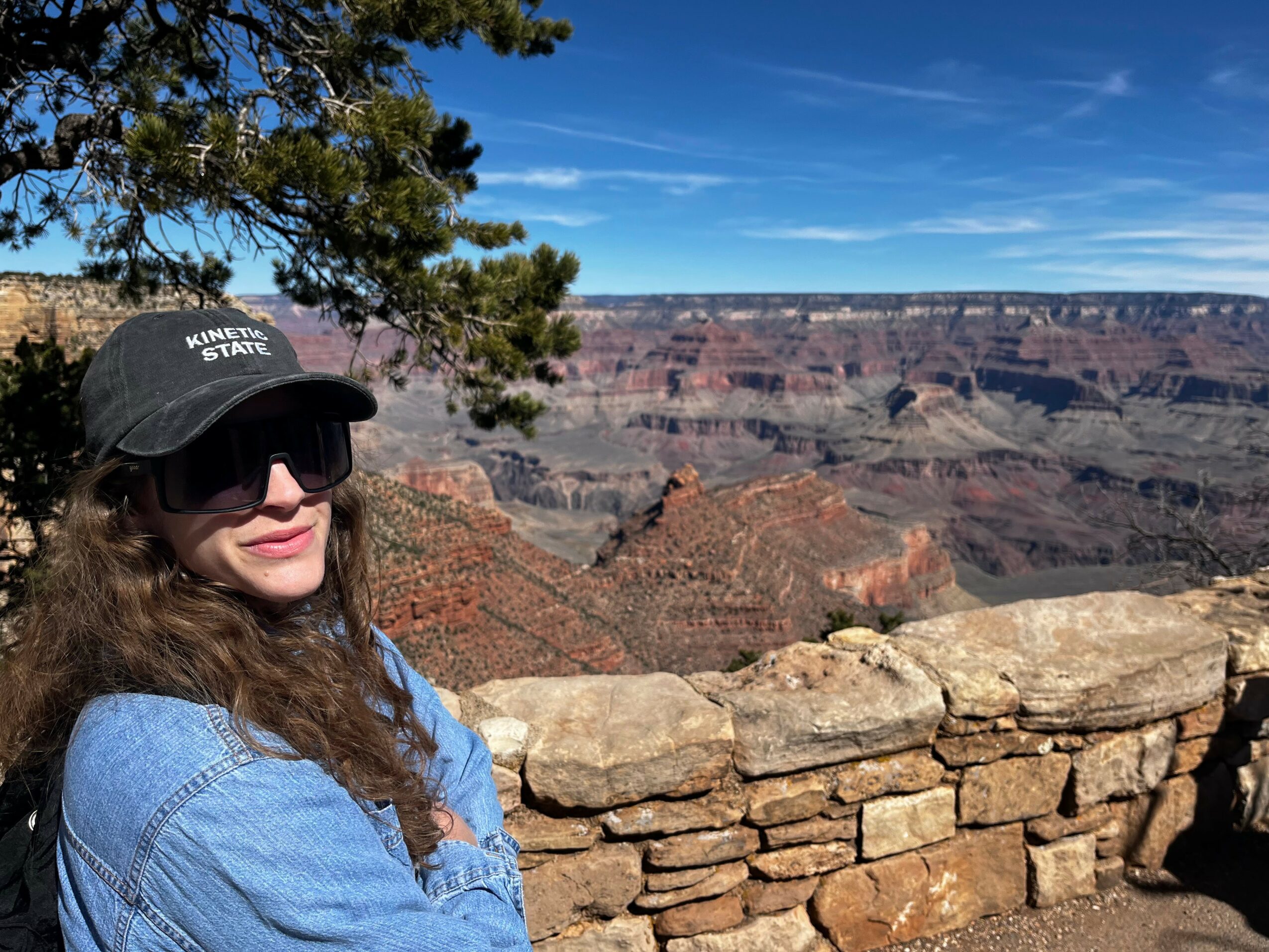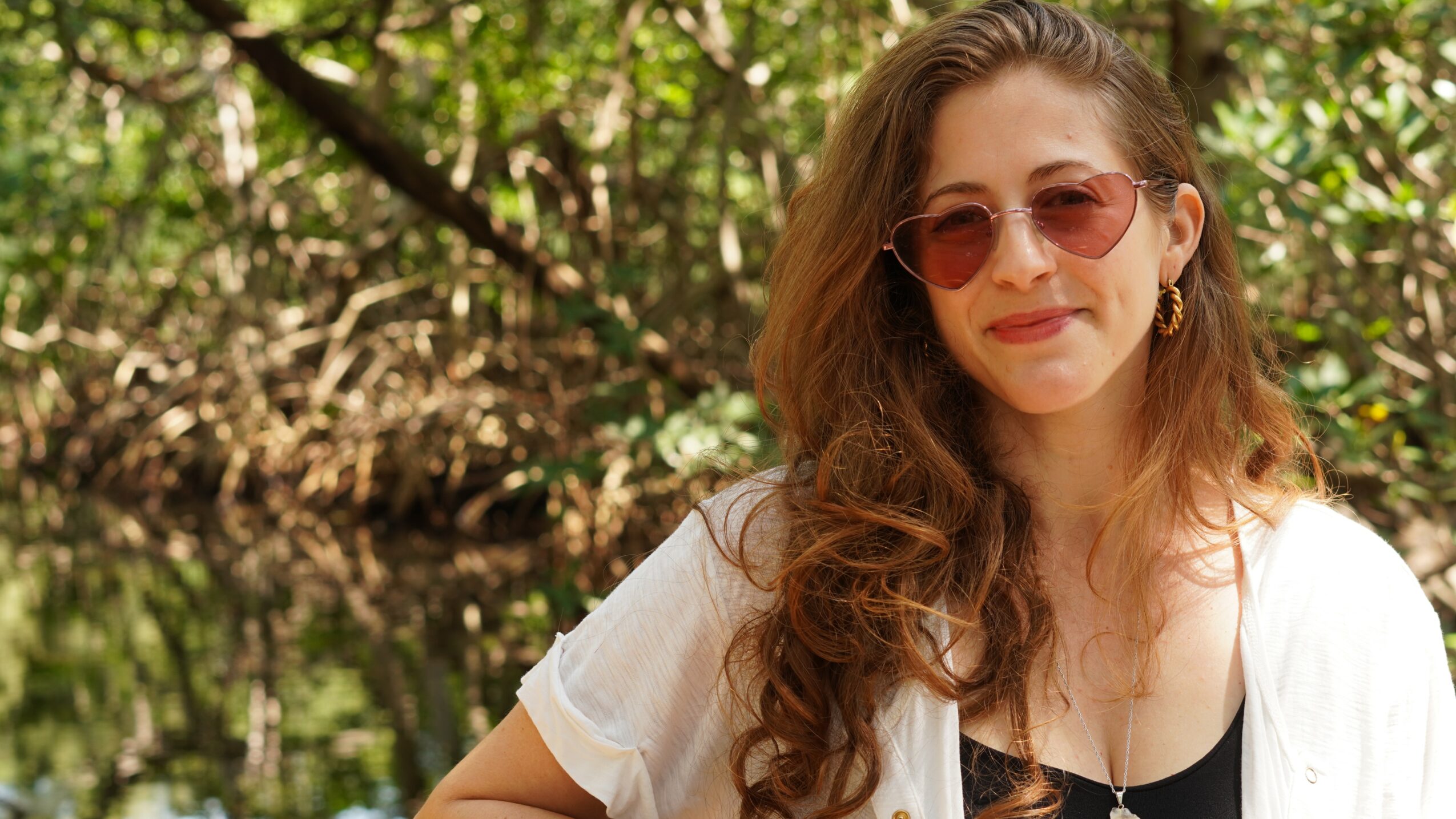




We’re looking forward to introducing you to Lisa Zipken . Check out our conversation below.
Lisa, it’s always a pleasure to learn from you and your journey. Let’s start with a bit of a warmup: What do you think is misunderstood about your business?
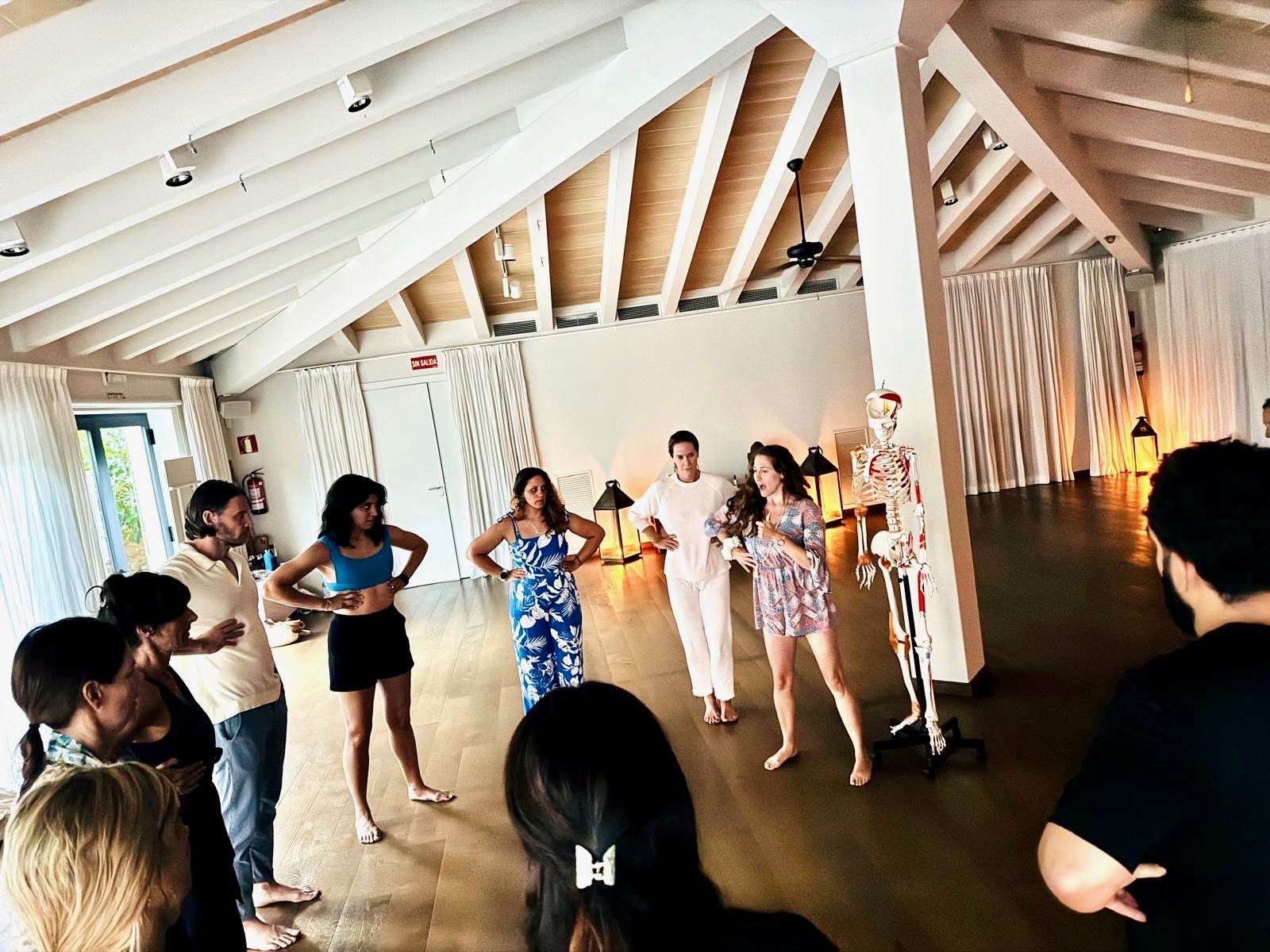
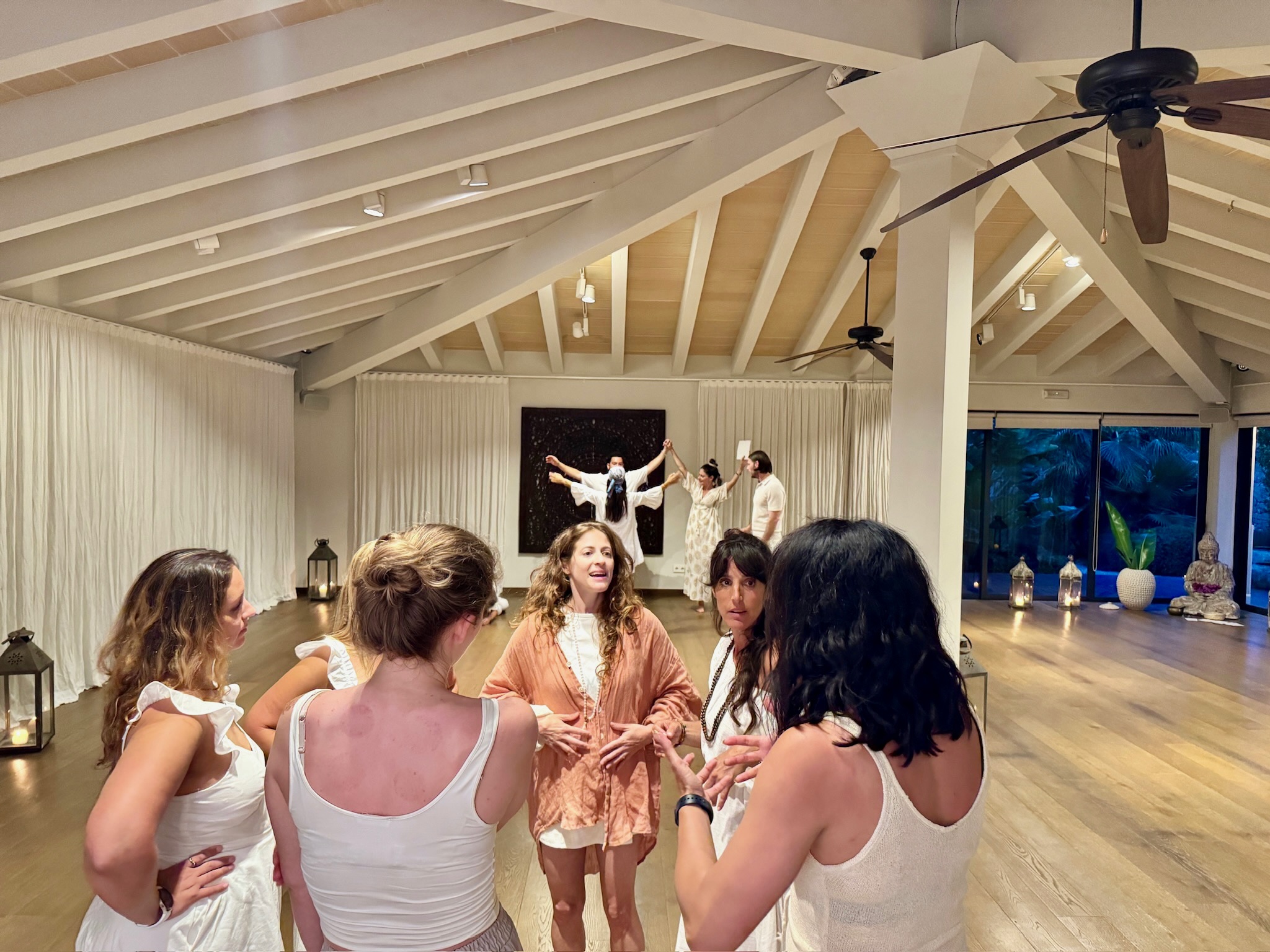
There is a lot of confusion around the word somatic. Unless someone is a movement practitioner or a therapist who works through the body, most people are not quite sure what it means, even though it is the word that captures the heart of my work. Somatic comes from the Greek word sōma, meaning body. It refers to body based awareness, sensation, and experience, and to healing approaches that work through the nervous system rather than through thoughts. Somatic methods use bottom up processing from body to brain because trauma often shows up as physiological patterns rather than memories. In this sense, somatic work is about learning to feel, regulate, and integrate what arises in the body’s sensory and autonomic systems. What makes my approach different is that I use physical theater techniques that were once reserved for dancers and actors and bring them out of the performance space. These techniques naturally have somatic healing properties and help create freer, more authentic inhabitation of the body. This often looks like more ease in movement, more freedom in sound, and a deeper sense of grounding and embodiment. Once people experience our workshops, the word somatic becomes much easier to understand!
Can you briefly introduce yourself and share what makes you or your brand unique?
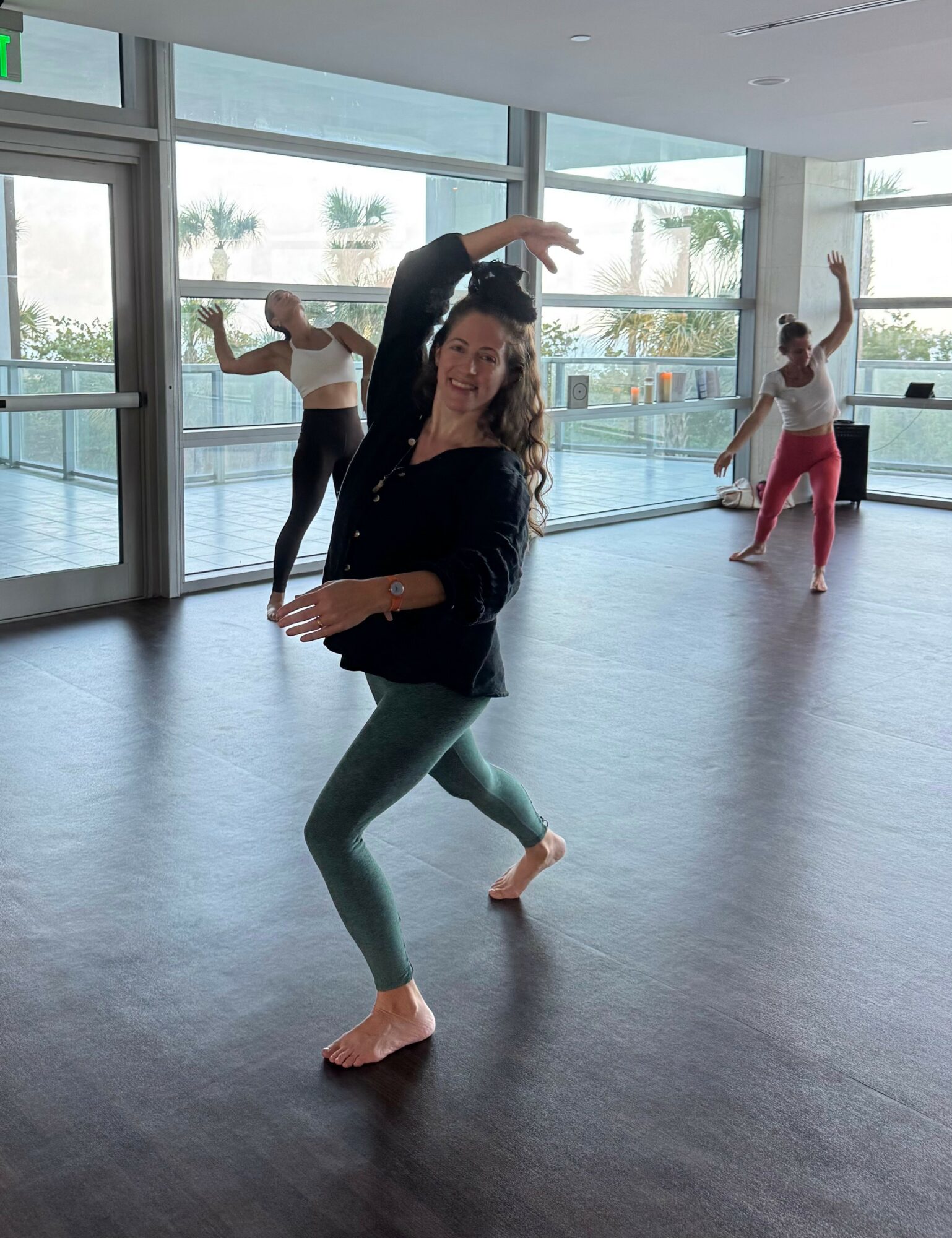
I’m the founder of Kinetic State, where I lead workshops that guide people into a more natural relationship with their body and voice. The work is gentle and practical. I use physical theatre tools originally designed for performers because they open the body in ways most people never learn, and they create more ease, space and connection in everyday life. I’ve taught workshops on yoga retreats, in classrooms, and in corporate spaces, and I love how easily the work adapts. Wherever people gather, there is a shared need for clearer communication, more presence and the ability to feel at home in their own skin. That is what Kinetic State supports.
Amazing, so let’s take a moment to go back in time. What part of you has served its purpose and must now be released?
I’ve released the impulse to push through seasons that are asking me to slow down. I love Cal Newport’s book Slow Productivity and the way he describes artists who honor the natural rhythms of their work. I’m someone who can push in any season, but I’m learning that adjusting my pace doesn’t diminish my momentum. My first year of Kinetic State was a big, exciting push, and I still have plenty in motion. I’ve just stopped equating constant motion with growth. As a homeschool mom, and in my marriage and personal growth, there are times when a slower rhythm is the most aligned choice. Those quieter seasons deepen me, and that depth is exactly what I bring back into my business when the next wave of momentum arrives.
When did you stop hiding your pain and start using it as power?
Becoming a parent began a deeper journey of facing my pain instead of hiding from it. It wasn’t a single turning point so much as repeated moments where old patterns surfaced and asked to be met. Parenting brings those moments fast, because triggers hit the nervous system before the mind can make sense of them. It’s easy to react or blame the child for what they stir up, but I’ve learned that these moments are really mirrors reflecting where I still have growing to do. Somatic work helps me meet the sensation instead of collapsing into the trigger. And that is where my pain becomes power. Not because it feels easy, but because I’m working hard to stay with what my body is telling me, soften around it, and choose a different response. This continues to reshape me as a parent and as a person.
Next, maybe we can discuss some of your foundational philosophies and views? What important truth do very few people agree with you on?
A truth I hold that not many people agree with is that it’s necessary to take long media breaks. Our nervous systems are not built for the constant stream of news, stimulation and noise we take in every day. If the body is already sitting close to fight or flight, that onslaught keeps us activated in the very patterns we’re trying to unwind.
For somatic healing, the body needs space. It’s ok to tune out so you can tune in. Stepping back isn’t always avoidance. It’s nervous-system care, and it creates real room for grounding.
Thank you so much for all of your openness so far. Maybe we can close with a future oriented question. Have you ever gotten what you wanted, and found it did not satisfy you?
I’ve learned that getting what I want does not always feel the way I expected. I’m trying to move away from asking what will make me happy and instead ask if something feels aligned when I run it through my nervous system. If I’m not grounded, not fed, hydrated or rested, quick happiness looks tempting because my nervous system wants rescue, not alignment. The work is pausing long enough to feel what is actually happening in my body. When I’m regulated, I can tell the difference between what is real and what is relief. Somatic grounding gives me a steadier baseline, and the rest can be enjoyed without expecting it to carry the weight of my wellbeing.
Contact Info:
- Website: https://kineticstate.com
- Instagram: @allkinetic
- Youtube: https://youtube.com/@kineticstate