



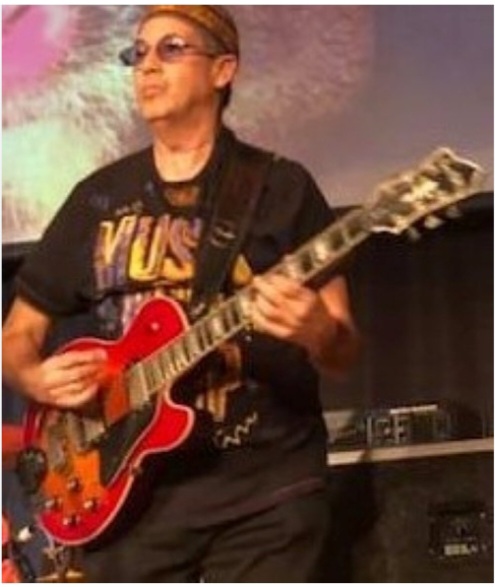
Today we’d like to introduce you to Omar Mesa.
Hi Omar, so excited to have you on the platform. So before we get into questions about your work-life, maybe you can bring our readers up to speed on your story and how you got to where you are today?
Well, like, my first 10 years, all I heard was, Cuban music, because that was
always been playing in the house and at family gatherings, you know.
I don’t know anything about American music I was in Hoboken, New Jersey.
And, yeah, my family had moved there, extended family. We all lived in this
one building.
omar mesa: And, so, one of my cousins is, she’s, she was, like, maybe 2-3 years older
than me.
She got into the American music, and then she turned me on to it.
omar mesa: And I started, just sitting by a radio every night, listening to, the AM
radios from New York City, because we’re right next to New York City
And, I got hooked, you know? I started with the doo-ops, and then, soul and rock, blues and rock and roll
omar mesa: I know you want to know about my guitar stuff, but… well, Chuck Berry and
all those, people, Johnny B. Good.
Little Richard… And all the doo-wop bands, groups, the singing groups, I
really dug them.
You know, so that was the early… the very start of…
getting involved with American music, always listening, at least, you know.
Alright, so let’s dig a little deeper into the story – has it been an easy path overall and if not, what were the challenges you’ve had to overcome?
And so George Harrison, of course, was an influence on me with the Beatles,
and… so I was taking lessons for a couple years, but I did a lot on my own.
And then I formed a little band in Hoboken, and
We got really well known there, you know?
Well, the band, we called them the Vee Jays. We kind of, like, copped the name
from that record label, Vee Jays, you know.
Yeah, Vee Jay, so that sounds like a good name. Let’s call the band that, you
know.
Yeah, we, we did an interview, actually. We are, like, in the Hoboken
Historical Museum now, you know, about us.
So… Yeah, yeah, we did… we made a little noise down there, up there, I
should say.
Yeah, the funny thing is that, in a way, it was like a precursor to
Mandrill, because we liked all kinds of music, and so we were playing James
Brown, man, you know, like, we had two Latinos, and one Italian, and one, I don’t
know…And, so, we got to play the Audubon Ballroom in Harlem one time.
And we blew the place up, you know, they dug it. We did.
The crowds liked our renditions of like Sam and Dave, and Wilson Pickett.
Alright, so let’s switch gears a bit and talk business. What should we know about your work?
You want to know how things
started for me, you know, the next step was like, well, man, that’s what I want to do.
And so, for about a year. you know, there was this newspaper, The Village Voice in New York, which
was a kind of counterculture newspaper, and it had loads of classified ads in the back for musicians, and so I started going
to, auditions, even… I’d bring a bass or something, anything, to get into a band that
might get signed to a label, and I just did everything. I went in as a singer, and
then… one day I saw this ad,
And that was for what turned out to be Mandrill and it all started in Bed-Stuy Brooklyn, New York.
I went to Bed-Stuy , and as soon as they opened the door, and Ric Wilson
answered, I said, I got a good vibe right off the bat, you know?
Right after that, good vibe, and then so I
went in, and we jammed, and when I saw the percussion there, I said, damn,
I love this, this is what I… you know, my Cuban roots, the Afro-Cuban percussion.
We were jammin’, it was, it was fun, you know? Wow. And, like, a day or two later, they called me and said, you know,
You weren’t shredding, like, the chops of some of the other cats who came here, but you got the feel.
You got the feel we want, and stuff, so…
yeah,, early 1970
we were signed and had an
album, you know.
We were rehearsing a lot of 7 nights a week, and then we started
gigging.
By the way, I was working as a computer programmer during the day, you
know.
And, and so…at this place, I wound up being in this consulting company on 53rd street and
Broadway, which is also, coincidentally, the same building where we got signed to Polydor Records. That’s near where the grill building and all of that is.
We started rehearsing, and then, we started doing some gigs, first at this place called the Blue Coronet on Flatush Avenue in Brooklyn, and we
started playing 4 nights a week. And started getting our chops together, making the band
tighter.
Our manager arranged our first sessions in the studio of Columbia recordings, I think it was on 30th Street, this
gigantic studio, where they’ve had philharmonics and everything record there.
And we did a demo of a few of our tunes, and he brought i to Columbia, who passed on us.
Because, they already had Santana, and they thought, we’re too close,
maybe.
And so, our manager did go to Polydor, and they were interested, and
they signed us, and we were in Hendrix’s studio, Electric Lady, and there was an engineer named Dave Palmer.
He was, I think he was a drummer with a band that was well known
back then, I forget the name, but he was also an engineer.
I know, during that time, we did run into some people, like, well, Bill
Cosby was down there doing an album.
and the music for his cartoons. So, so amazing, what an amazing studio.
Also there’s incredible murals all the way down the hall, I mean, just memorable
artistically, first of all.
the bathroom was, like… A work of psychedelic art.
And then, the studio was, very professional. You had all these,
Marshall Amps or whatever. That’s what I played then,. I got rid of
the Sears Silvertone lol. And so, yeah, I was playing a Gibson SG for the first album. But then, by the third album, I had a Les
Paul special a crankin’ guitar, and that was really a good guitar, and I just used a wah-wah
pedal, and a fuzz, just two pedals, and today we have, like all these setups, people have, like, 10, 12, 15 pedals. So, that’s all that
Jimi Hendrix needed, so I said, I’m gonna just stick with that.
In our sessions we would…record the basic tracks, we would do bass drums, keyboards,
and guitar then rhythm, you know? And then, later on, we overdub the horns, the vocals, and
solos.
Vocally, Claude didn’t do a lot of singing, it was really Carlos. Claude (Coffee) did do some singing here and there, yeah.
On the ballad House Of Wood, That was Carlos Wilson many thought it was Claude.
Well, the first album, the main thing was the fact that we got to do a
whole side of an album. It was like a concept. It was called Peace and Love and it had various segments to it.
Of course, during the times of Vietnam War and all that, we were
against all that stuff, and that was our way to, express what, what we thought about it and just in general about war. And so we did that. That has several interesting segments in it.
We go through from rock to jazz, to a Latin jazz, Afro percussion breakdown and at the very end. It’s a quiet piece.
Back then, it was amazing, because the, FM stations, like WNEW, I forgot his
name, a really cool, DJ. He… he played the whole album, 17 minutes !! I
mean, the whole side, 17 minutes long on the radio. You don’t hear that today.
The second LP would have the baboon on the cover.
And, a very striking one at that. That was a good marketing ploy.
It’s funny, because we were rehearsing and our first drummer, Charlie Padro, had just been to the Central Park
Zoo, and he saw this animal, and he said, wow, man, this animal is, like, reall striking, and he’s got this face, and then he looked up and said that
they… they’re like a family, that if one gets attacked, they all jump in and protect
that one… and that they’re really cool. And so we figured, you know.
the Afro-Cuban, , percussion and latin rock in, Africa. Okay, this’ll
work.
Coincidentally, that face on that, struck people,
they would be
going to the record shops and say, what’s this thing?
Incredible, unforgettable.
And so for the second album… Mandrill Is. We actually went to an artist in town and we posed, and he did all these paintings of us and, like, it was a double LP,, Fold-out album on the inside and stuff, and we actually sat and posed for hours for that, it was crazy and, the music also, again, diverse, pretty diverse in there.
But what happened after that is, because we were so diverse, the record
company said, hey, you guys, you gotta give us something more commercial.
And that’s what came about in the Composite Truth LP, and .
Composite Truth is actually where we got more notoriety, and because we
picked a direction, more Funk, Hang Loose, Fence Walk, They, (Polydor), were right, they really were. We got much more popular, and played
bigger shows,
Well, the first tour, I want to go back to the first tour, because even before the funk thing, we played the Fillmore East and I… I was, like, to me, like, that was, like, a sacred ground, man,
so I saw all these acts there, you know, Allman Brothers, and you name it, the Santanas, and
we got to open up a Miles Davis in Fillmore West on our first tour. I
said, whoa.
You know, he had drummer Jack De Johnette, who just passed away, Keith Jarrett on keyboards, playing two keyboards at once, and Dewey
Redmond on sax, and Michael Henderson on bass.
And I’m listening to this fusion, whatever you want to call it, I don’t
know, man, it was great. It was fantastic. I got to say hi to Miles as I was walking
to, like, a sound check, and… Hey, Miles, how you doing? Yeah, alright, okay, yeah,
yeah. He said “come up to me with something I don’t know”. Oh, wow.
Miles doesn’t like to be bothered, I don’t think…
That was cool, and then we went on to Hawaii in that same tour, and we sold
out an 8,000 seat arena on our first tour, and we were unknown in the States, the continental forty-eight. And I said, how did this happen? And so…
As it turns out.
The dude who promoted the show also had a radio station, and so, like, a
month before we got there, he played the heck out of our first album, and there was this band called El Chicano, a Mexican, rock band, El
Chicano, they opened up for us, and we sold the place out. That taught me something in marketing, how marketing works. It was, like, a
big lesson. Yes, indeed.
One near catastrophe for me was when they had to change my amp during a song, because this girl wanted to
bring me water. Okay, nice idea, but she put it on top of the Marshall amp, which had an opening!
They had openings up there on the top for the water to fall in and it fried that thing, I had 300 watts and 815s behind me, and I wound up with a Fender Twin replacement you know, they miced it and all that, but I was freaked out. You know,
I did my best, but emotionally, I wasn’t happy, put it that way.
Yeah, it was, I mean, the music goes on, so you get into it, and that’s it, you know.
The other memorable moment was meeting Duke Ellington. We opened up for Duke Ellington, believe it or not, in Avery Fisher Hall in New York City, that was amazing, you know?
Back in those days, you know, you could package
a band like us, with a jazz…a legend like him, you know? Because people were more open. I got to shake the Duke’s hand, man, I was like, the vibe was like, whoa, man, he’s… this man is glowing with, presence, you
know? But that was… that was amazing, and then we also, in the Avery Official Hall,
we did a show with a Philharmonic,
and a 90-voice choir. It was called the Symphony of the New World, where they would get a lot of players who couldn’t make it into New York,
Philharmonic and we did a collaboration with them, where they orchestrated our songs, and had the strings, and the horns, and everything,
and the choir. That was fantastic. That was memorable, and then we did many sold out stadiums, of course, we did 100,000 in Philly to… in Fairmont
Park and, 85,000 in RFK Stadium, where the headline was Buddy Miles.
Right after our gig at RFK Stadium I left the band being so overwhelmed by watching John McLaughlin and the Mahavishnu Orchestra
play this fusion music, just blew my mind. I mean, it’s just, like, wow, man. Like, how I felt in the Fillmore East watching Santana?
That’s what I want to do now. I wanted to do more of that, and so I left the band, and…in the Mandrill LP just outside of town, I only put one song on there, because I had left the band, and when I told them, they said, oh man, but they had
printed all the album covers!
I didn’t record Mango Meat and all those songs, you
know. I played those with them later on, because I did some touring with them later when Mandrill called me back.
I only put that one song, Aspiration Flame, on there.
Yeah, I mean, it’s just like all my playing of solos on the LPs, I was trying to, like solo like I did in Fence Walk.
I would try to always, like, start my solo somewhere, and then just kind of bring it up higher and higher into a
climax, basically. That’s my mindset of solos, just putting the feel, a feel into it.
Before we go, is there anything else you can share with us?
Yes after leaving Mandrill and joining John McLaughlin and his Mahavishnu Orchestra which eventually became the group Jatra. The drummer who, who became, Mahavisha’s
drummer, him and I, had formed… we had… had a band together right after Mandrill. And it included Narda and Gail Moran, who was also on the Apocalypse album with Mahavishnu. She wound up being Chick’s wife. Chick is the one who
actually introduced me to her.
I was at Chick’s apartment one night with, and Stanley Clark was there, and
I said, man, for me to form this band, do you know of a good female keyboardist who sings
and has chops, jazz chops, and he told me about her. She was moving from Ohio to the city, and so we got together with Nara, and I had a bass player, and it was a six-piece band. It was really cool.
I was involved, like Santana, with John
McLaughlin, with this guru, Tree Chin Moy. We were into this meditation stuff, and the
spiritual path, and all this stuff and we did a show for the guru, you know, at NYU. It went really
well. I guess you would call it New Age, you know, music for meditation groups.
We had tablas and violin, and flutes, and this, and we would do
little shows, like St. Paul’s Chapel in Columbia University, different colleges, and at Hunter, we opened up for John and Alice Coltrane.
Contact Info:
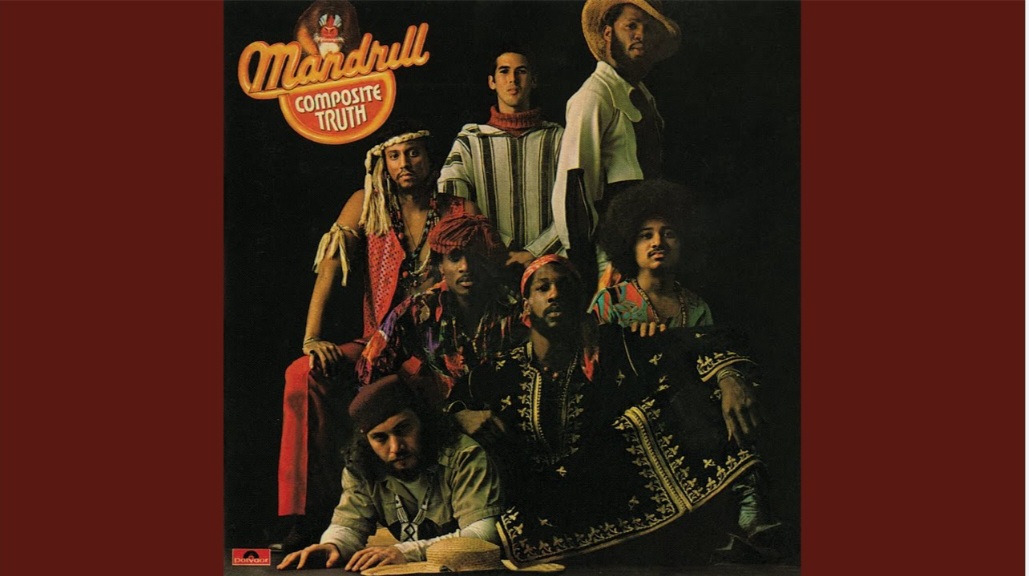
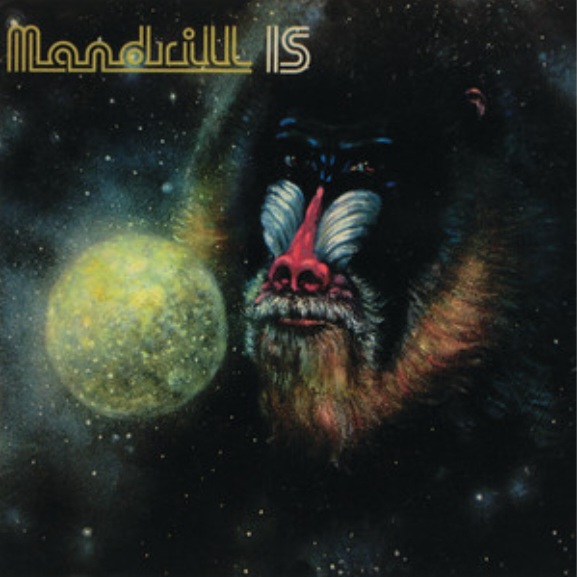
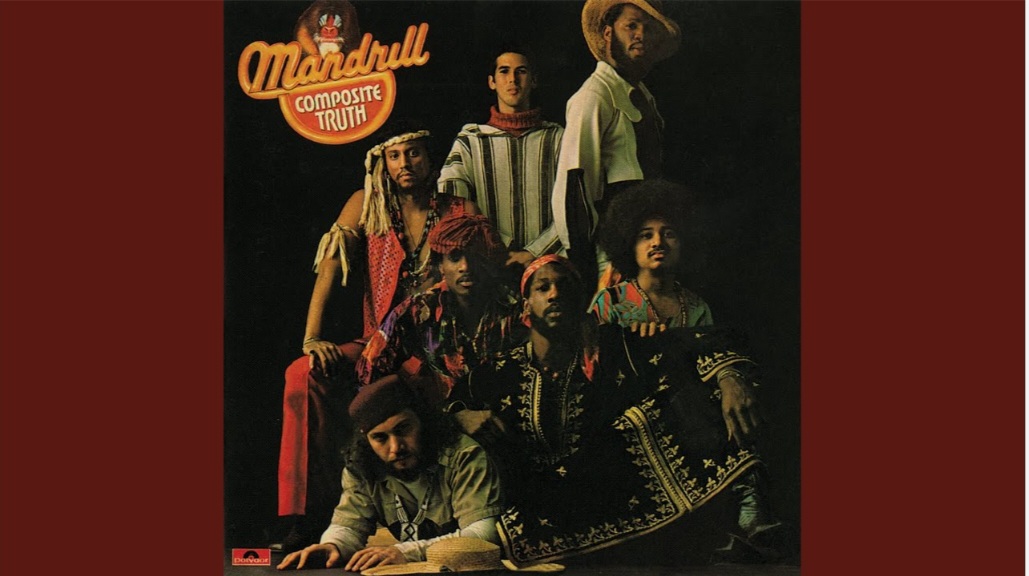
Image Credits
Polydor Records