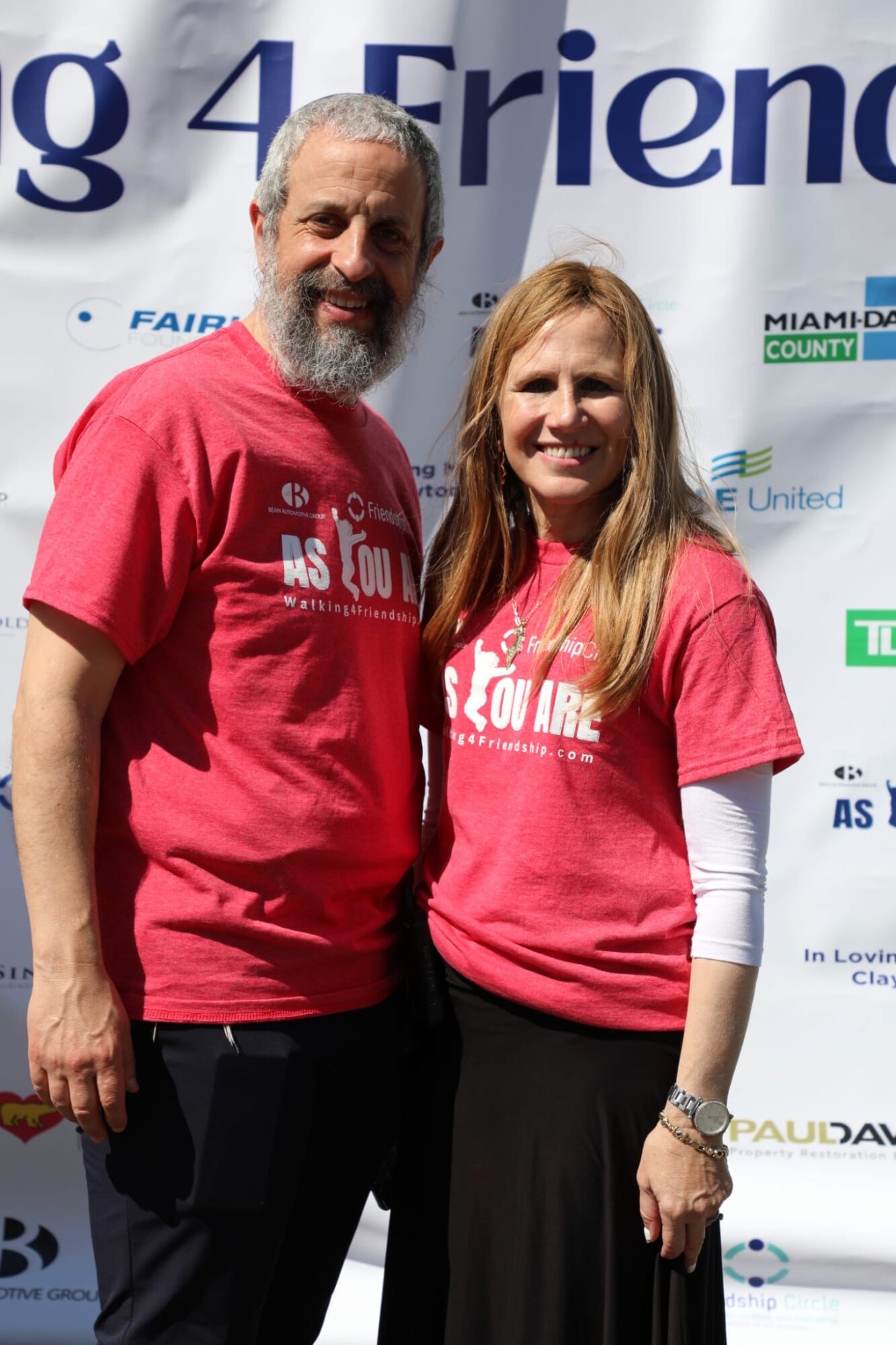




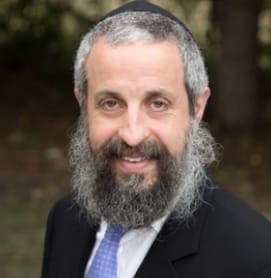
Today we’d like to introduce you to Yossi Harlig.
Hi Yossi, so excited to have you on the platform. So before we get into questions about your work-life, maybe you can bring our readers up to speed on your story and how you got to where you are today?
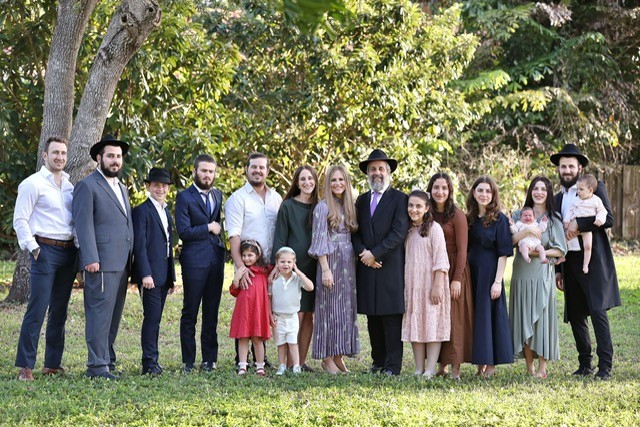
When I and my wife Nechama arrived in Kendall in 1995, we carried little more than a vision — and a deep sense of purpose inspired by the Lubavitcher Rebbe, Rabbi Menachem M. Schneerson, of righteous memory.
Raised in Brooklyn within the Chabad community, we were shaped by the Rebbe’s call to live as shluchim — emissaries whose mission is simple yet profound: go where you are needed and bring light. His philosophy was clear: don’t wait for people to come to you. Go to them. See them. Value them. Uplift them.
With a young son and minimal connections, we moved to Kendall and Pinecrest determined to build something meaningful from the ground up. With modest seed support, and little established community infrastructure, we began the only way we knew how — by building relationships.
Our first programs were hosted in our living room. Holiday gatherings, classes, and small community events centered on warmth, belonging, and unconditional acceptance. No matter how small, it was about people not numbers.
As participation grew, we moved into a small storefront, expanding to include religious services, Hebrew school, and family programming. Eventually, we purchased a modest property at the corner of SW 87th Avenue and SW 112th Street — a permanent home that allowed the vision to deepen and grow, and Chabad of Kendall & Pinecrest in Miami, Florida was established.
In 2004, a transformative chapter began.
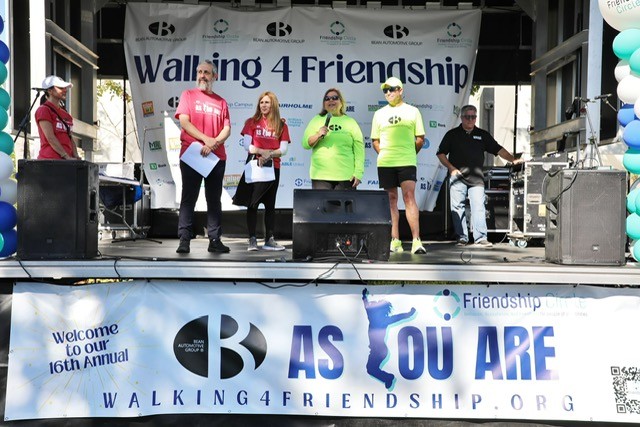
After recognizing the lack of resources for families raising children with special needs, we launched Friendship Circle. What began as a small initiative pairing local teens with children to foster friendship and inclusion quickly grew into something far greater.
Engaging teenagers was always central, as they are the future. When you teach a teenager empathy and responsibility, you shape a generation.
Today, Friendship Circle runs 26 programs and serves hundreds of children with special needs, supported by a large and dedicated network of teen and adult volunteers.
As the impact expanded, so did the need for space. Operating out of a 2,800-square-foot building was no longer sustainable. Determined to serve the community with dignity and excellence, we once again turned to the community for partnership and support.
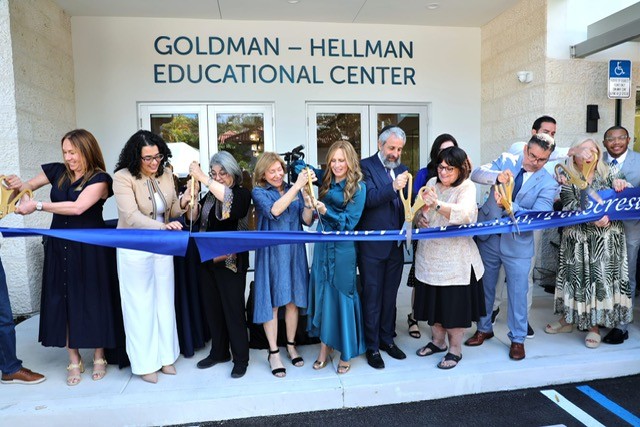
The result: a 20,000-square-foot, state-of-the-art campus on two and a half acres — now known as the Friendship Campus.
After opening the new campus, another urgent need became increasingly visible: food insecurity. More than 10% of local families were quietly struggling. At the same time, the we witnessed how transformative volunteering could be — not only for those receiving help, but for those giving it.
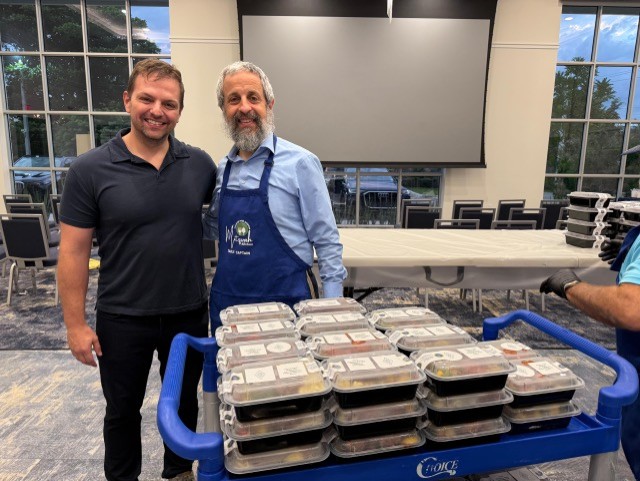
Out of that realization, Mitzvah Kitchen was born.
In less than a year, hundreds of volunteers — families, teens, and corporate teams — have prepared and distributed over 14,000 meals to families facing food insecurity. What began as a program has quickly become a powerful movement of hands-on kindness.
Today, the Friendship Campus touches nearly every segment of the community — from Chabad services, classes, Hebrew school, and preschool, to Friendship Circle’s inclusive programming, to Mitzvah Kitchen’s volunteer-powered food relief efforts.
More than a building, the campus has become a hub of purpose. Corporations hold meaningful team-building sessions. Families celebrate milestones by giving back. Teenagers discover leadership through service. Volunteers of all backgrounds walk through its doors.
While the scale has grown dramatically since 1995, the mission remains unchanged:
To build relationships.
To create belonging.
To inspire people to bring light into the lives of others.
Nearly three decades after opening our living room to the community, we continue to do exactly that — one relationship, one act of kindness, one life at a time.
Would you say it’s been a smooth road, and if not what are some of the biggest challenges you’ve faced along the way?
It definitely has not been a smooth road—but I don’t really look at those moments as challenges. I see them as opportunities that we had to work through and grow from.
When we first moved to Kendall and Pinecrest, we didn’t know a single person. In the beginning, many people didn’t understand why we chose this community. Some felt Chabad belonged more in areas like Miami Beach or Aventura, and starting something new meant explaining our vision over and over. When people don’t know you yet, it takes time to build trust. I remember trying to get people to show up to programs or to join Friendship Circle, and there was a natural hesitation—people often wait to see who else is coming before they commit. That took patience and consistency.
There were also financial hurdles early on. A few years after we arrived, when I was trying to purchase our first property, I asked someone to help with a $10,000 deposit. He told me, “Rabbi, if you can’t afford the deposit, how will you afford the whole property?” I told him, “Let’s take it one step at a time. We’ll focus on the deposit, do our part, knock on doors, and trust that God will take care of the rest.”
That belief has guided me throughout this journey. I truly believe that God says, “You do your part, and I’ll do the rest.” You can’t sit back and wait for things to happen. You have to go out, knock on doors, put in the effort, and take responsibility. At the same time, you recognize that there is a higher power walking with you on the road—guiding you, supporting you, and blessing your efforts in ways you could never do alone.
The same mindset carried us through zoning and building our campus. We felt very strongly that the Chabad community—and especially the special needs community—deserved a beautiful, dignified, state-of-the-art space. Too often, families of children with special needs are offered programs in temporary or inadequate facilities. I believed deeply that they deserve the same quality spaces as anyone else—like YMCAs, JCCs, and synagogues. Dignity matters.
Going through zoning was difficult and met with opposition. Raising the funds to build the campus required tremendous effort, and even today we are still working hard—we continue to carry a significant mortgage. None of this came easily.
But when you believe in the mission, stay clear about the vision, and combine hard work with faith, you don’t waver. Looking back, those moments weren’t obstacles—they were opportunities to grow stronger, deepen our trust, and build something meaningful and lasting for the community.
As you know, we’re big fans of you and your work. For our readers who might not be as familiar what can you tell them about what you do?
If I had to define what I specialize in, it would be building mission-driven community rooted in responsibility.
Programs matter. Buildings matter. But what matters most is culture. We work intentionally to create a culture where people understand that life is not only about what we are entitled to, but about what we are responsible for — to our families, to our neighbors, and to society at large.
Through Chabad, we strengthen Jewish identity by focusing on pride, growth, and meaningful engagement. Through Friendship Circle, we make inclusion personal and real. Through Mitzvah Kitchen, we turn compassion into action and empower people to directly impact families facing hardship.
What sets our campus apart is that it doesn’t just serve people — it activates them. Teenagers become leaders. Families give back together. Corporations transform team-building into hands-on service. Volunteers walk in to help others and often leave transformed themselves.
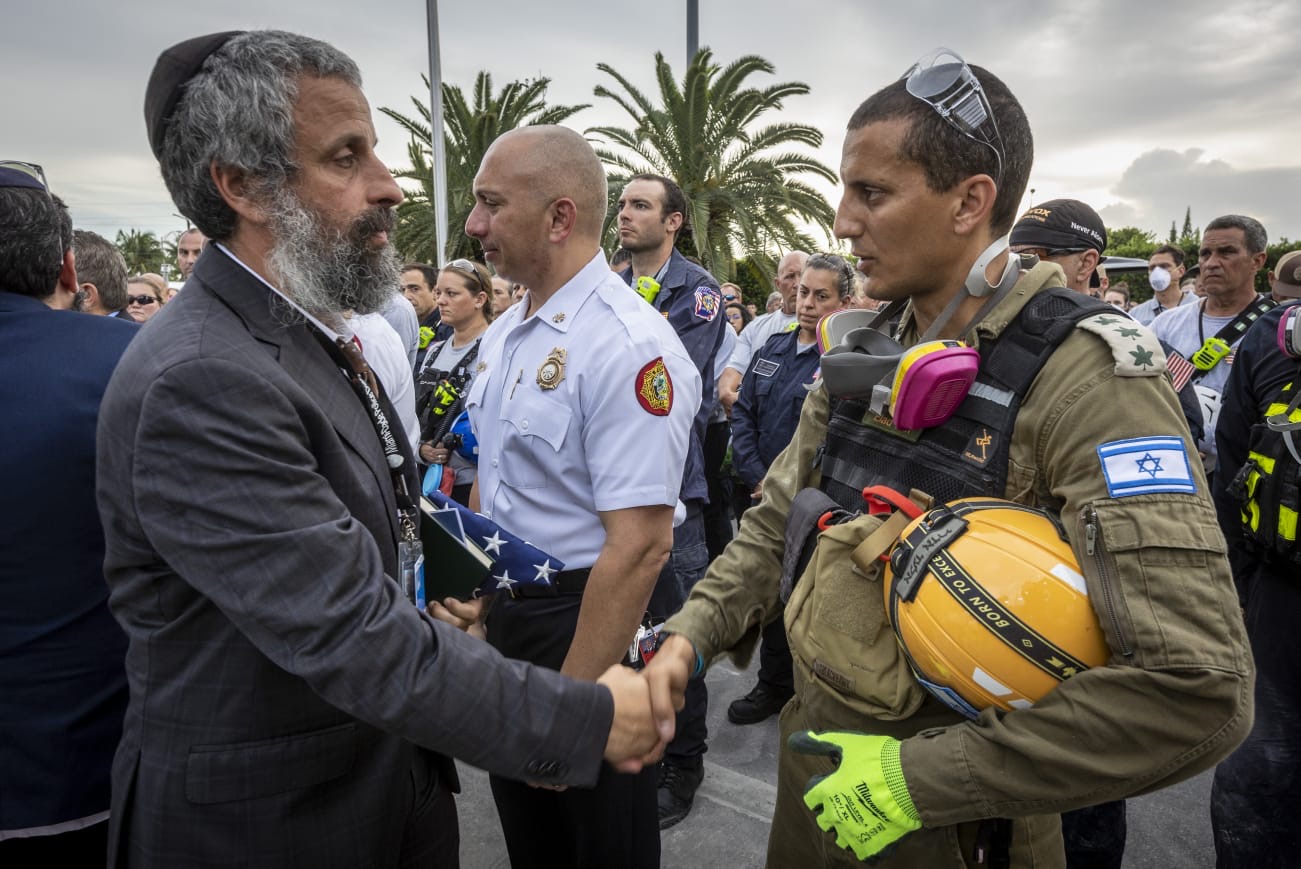
Beyond the campus, I serve as a chaplain working closely with the Miami-Dade Sheriff’s Office, Pinecrest Police Department, and Miami-Dade Fire Rescue. Supporting first responders in both routine and crisis moments has deepened my understanding of what it means to lead with steadiness and compassion.
During the Surfside tragedy, I had the privilege of standing alongside law enforcement officers, firefighters, and families during one of the most painful chapters in our community’s history. In moments like that, leadership is not about speeches or visibility — it is about presence. Listening. Offering comfort. Helping people find strength when the weight feels overwhelming.
Those experiences reinforced a belief that guides all of our work: community is built not only in celebration, but in crisis. Showing up consistently — especially when it is difficult — is what creates trust and unity.
At the heart of everything we do, whether on campus or in the broader community, is one conviction: every soul matters, and every life counts.
Do you have any advice for those just starting out?
The first question you must ask yourself is: Why are you doing this?
If your “why” is based on recognition, comfort, or external validation, it won’t sustain you. But if your “why” is rooted in mission and responsibility, it will carry you through uncertainty.
Clarity creates resilience. When you are clear about your core values and your purpose, you don’t get distracted by every opinion or discouraged by every obstacle. There will always be voices that say something won’t work. There will always be moments when the path forward isn’t obvious.
The key is to stay anchored.
Have faith in your cause. Have faith in God. And have faith in yourself. Do your part with integrity and consistency. Growth rarely happens overnight. It happens through persistence — showing up again and again, even when results are not immediate.
I’ve learned that challenges are not signals to stop. They are signals to think differently, to adapt, and to grow stronger. If the mission is real and the intention is sincere, you find another way forward.
Most importantly, remember that leadership is not about position — it is about responsibility. If you approach your work with humility, long-term vision, and a genuine desire to serve others, you will build something meaningful.
And if your goal is truly to make the world better, then quitting is simply not an option.
Contact Info:
- Website: https://www.chabadofkendall.org
- Instagram: @chabadofkendall
- Facebook: https://www.facebook.com/chabadofkendall/