






In this interview, Corendis Glenn shares the deeply personal story of rebuilding My Sweet Accessories after losing nearly everything during a life‑altering season marked by illness, pregnancy, and recovery, reflecting on how faith reshaped her definition of success, how a gifted heat press unexpectedly reignited her creativity, and why this second chapter is rooted not in trends or urgency but in intention, healing, and purpose‑driven apparel designed to help women feel covered, confident, and restored as they navigate their own rebuilding seasons.
Hi Corendis, thank you so much for taking the time to share your story with us. Your journey of rebuilding My Sweet Accessories after such a life-altering season — especially while pregnant and recovering from a serious accident — is incredibly powerful, and we’re excited for our readers to learn from your resilience. Let’s jump right in. When you look back at that moment of losing nearly everything tied to your business, how did it shift your perspective on what truly mattered and why you wanted to rebuild?
Losing nearly everything tied to my business was devastating at first. I had survived COVID, and my storefront was finally gaining real foot traffic. I had invested heavily financially, emotionally, and creatively so it felt like watching something I built with faith and sacrifice disappear just as it was taking off. But that experience shifted my perspective. It showed me that while the storefront mattered, what mattered more was the purpose behind it. The business was never just about sales, it was about creating, serving, and building something meaningful that aligned with who I am. Losing it forced me to separate my identity from the outcome and really ask why I wanted to rebuild. I realized I didn’t want to rebuild out of pressure or pride, but with intention, wisdom, and alignment. That season refined my vision. It taught me resilience, dependence on God, and how to rebuild in a way that protects both the mission and my peace. Now, if I rebuild, it’s not just to reopen doors it’s to build something stronger, smarter, and more sustainable than before.
During your recovery, you were gifted a heat press machine, which unexpectedly sparked a new creative path. How did that small gesture turn into such a meaningful turning point for both your healing and your business?
At first, the heat press didn’t feel like a breakthrough at all. I didn’t even know how to use it, so it literally sat there for a while. But during my recovery, I had time and that time gave me space to get curious instead of discouraged. I started researching how a heat press actually works and where I could order DTF transfers. What began as learning turned into experimenting.
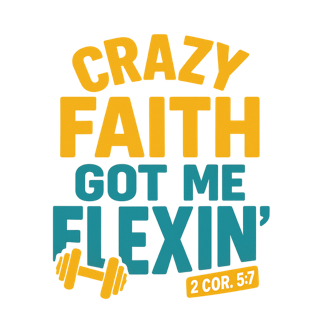
The real turning point came when I made my first shirt for church. We were hosting a youth program, and I designed a 90s-themed shirt for the event. Seeing something I created come to life again, even in a small way, did something for my healing. It reminded me that I could still build, still create, and still contribute just differently than before. That small gesture became a reset. The heat press wasn’t just a tool; it became a bridge between recovery and rebuilding. It reawakened my creativity, gave me a low-overhead way to keep my business alive, and helped me reimagine what entrepreneurship could look like in this new season. What started as a gift turned into a reminder that sometimes the next chapter doesn’t begin with a grand reopening it starts with one shirt.
Instead of simply restarting, you chose to rebuild with deeper intention, blending faith, fashion, and purpose-driven apparel. How would you describe the difference between the old version of your boutique and the heart-centered version you’re creating now?
The first version of my boutique was purely fashion-driven. It was about trends, quick sales, and keeping up with what was popular. I was winging it, honestly, and while it worked for a season, it wasn’t rooted in anything deeper. This time, rebuilding required me to go back to the drawing board with intention. As I grew closer to God, my audience shifted and so did my purpose. It stopped being about the latest trend and became about meeting real needs: pieces you can wear to church, or out and about, without feeling overexposed. The heart-centered version of my boutique blends faith, confidence, and style. It’s no longer about chasing trends it’s about serving women who want to feel covered, comfortable, and still fashionable. That difference changed everything.
Your brand focuses on helping women feel confident, restored, and empowered through what they wear — especially those navigating their own rebuilding seasons. How do you design products and experiences that speak to women on that emotional level, not just a style level?
I don’t design from trends. I design from empathy. I’ve been in a rebuilding season myself, so I understand what it feels like to need confidence without attention, and strength without exposure. I think about how a woman wants to feel when she puts something on, not just how it looks on a hanger. Every piece is chosen with intention can she wear this to church, to brunch, or while rebuilding her confidence without feeling uncomfortable or overexposed? I design for women who are healing, evolving, and redefining themselves. Beyond the clothing, I focus on the experience. The brand is meant to feel safe, affirming, and restorative. When a woman wears something from my brand, I want her to feel seen, covered, and confident because what you wear during a rebuilding season should support who you’re becoming, not who you’re trying to impress.
For anyone going through a setback — whether personal, financial, or business-related — who feels like they’re starting from scratch, what advice would you share about turning pain into purpose and building something even stronger the second time around?
First, don’t rush to rebuild. Sit with the loss long enough to learn from it. Pain has information if you’re willing to listen. Starting over doesn’t mean you failed it means you’re being invited to build with clarity instead of impulse. Second, get honest about what no longer fits. A setback strips away what was temporary and exposes what’s essential. Keep the lessons, release the pressure, and let go of versions of success that no longer align with who you are now. Finally, rebuild with intention, not emotion. The second time around should be leaner, wiser, and more purpose-driven. When pain is processed instead of ignored, it becomes fuel. And when you build from purpose instead of survival, what you create won’t just last it will mean something. What tried to break me was actually God clearing the ground because the second build wasn’t about survival, it was about assignment.