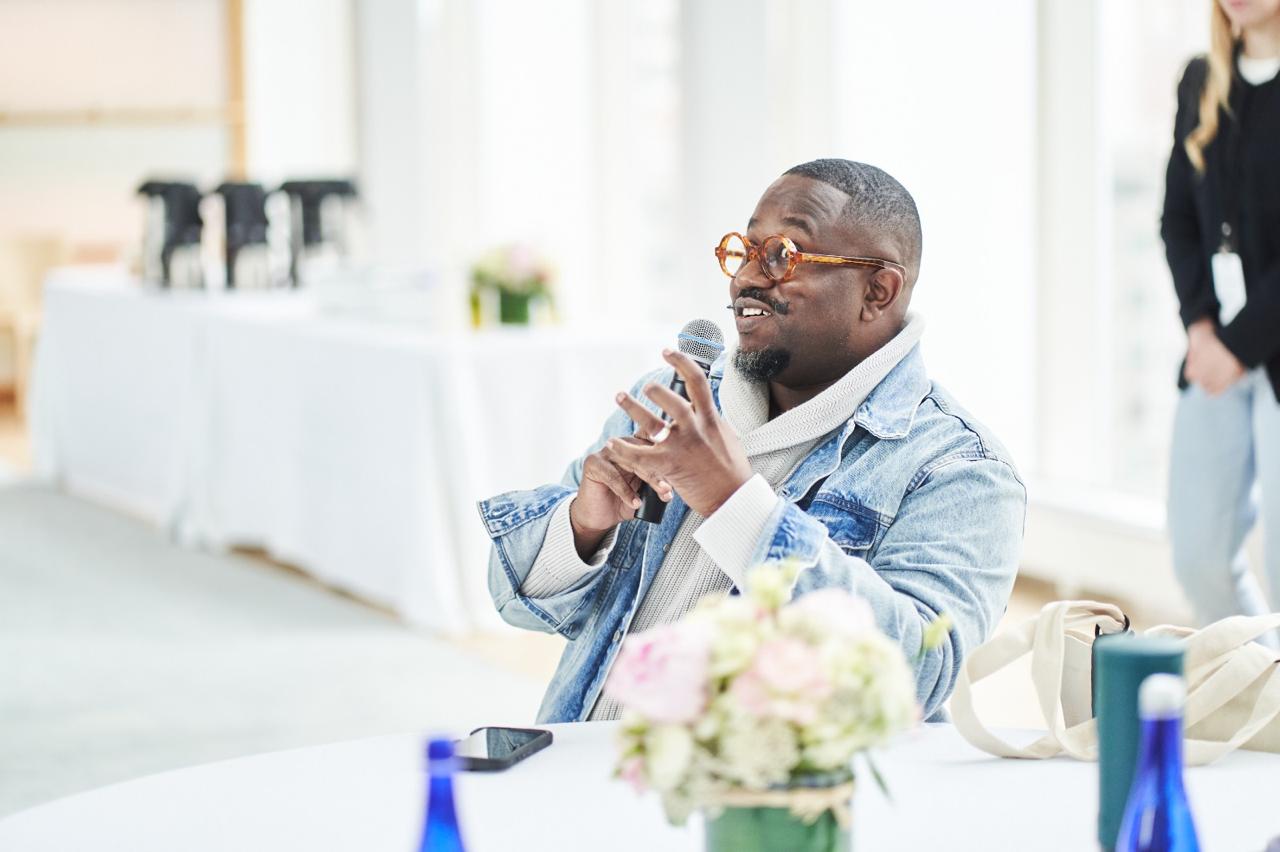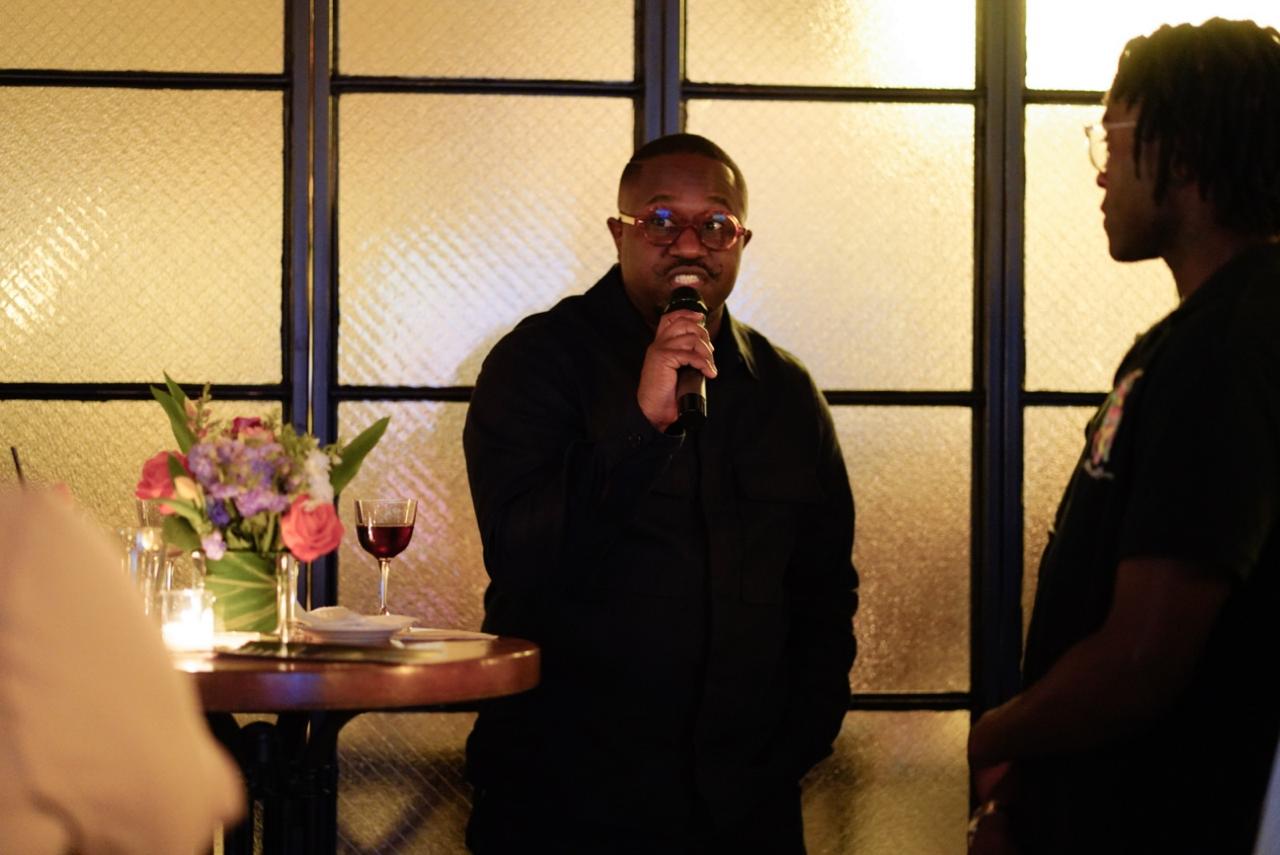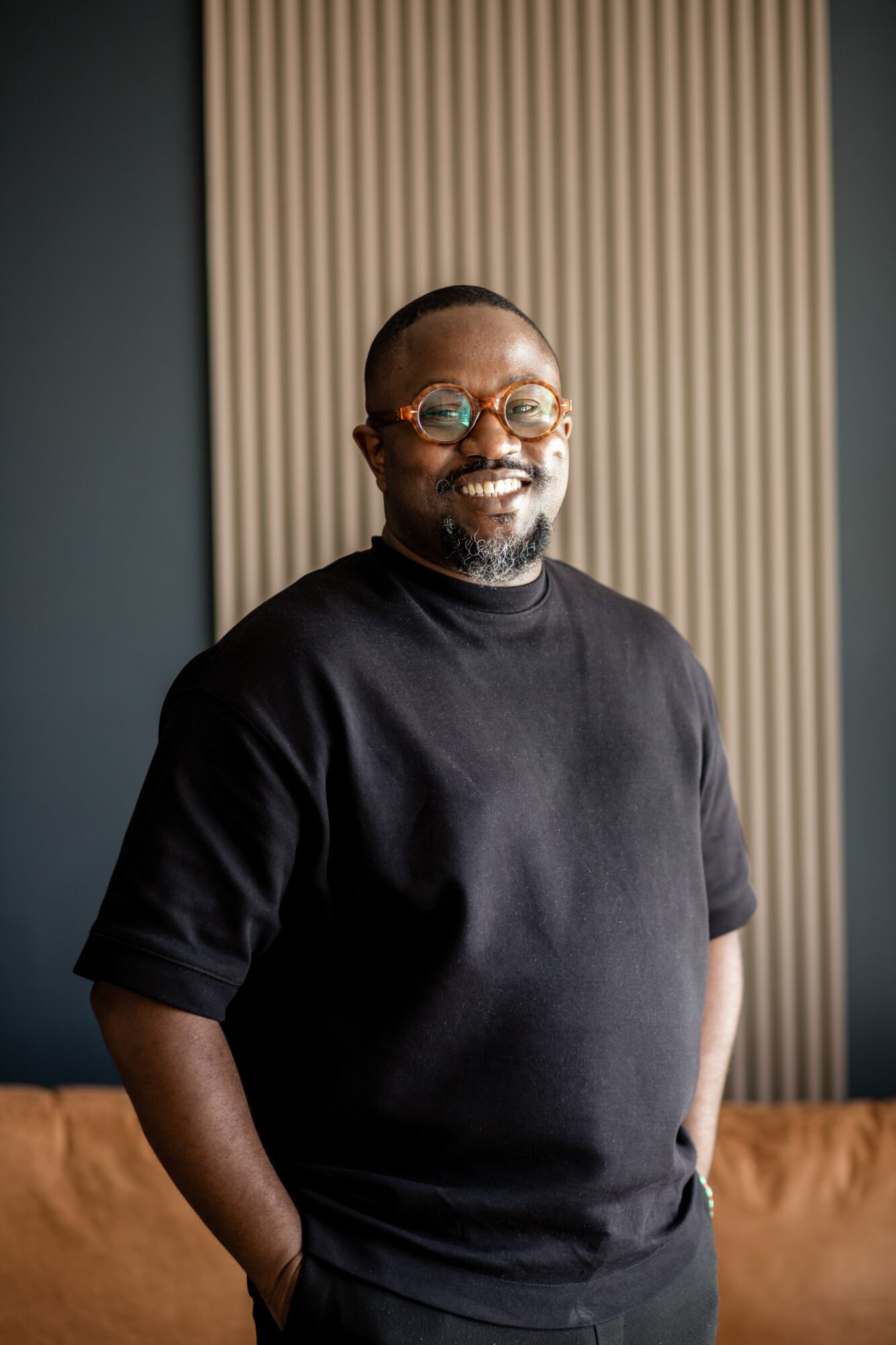





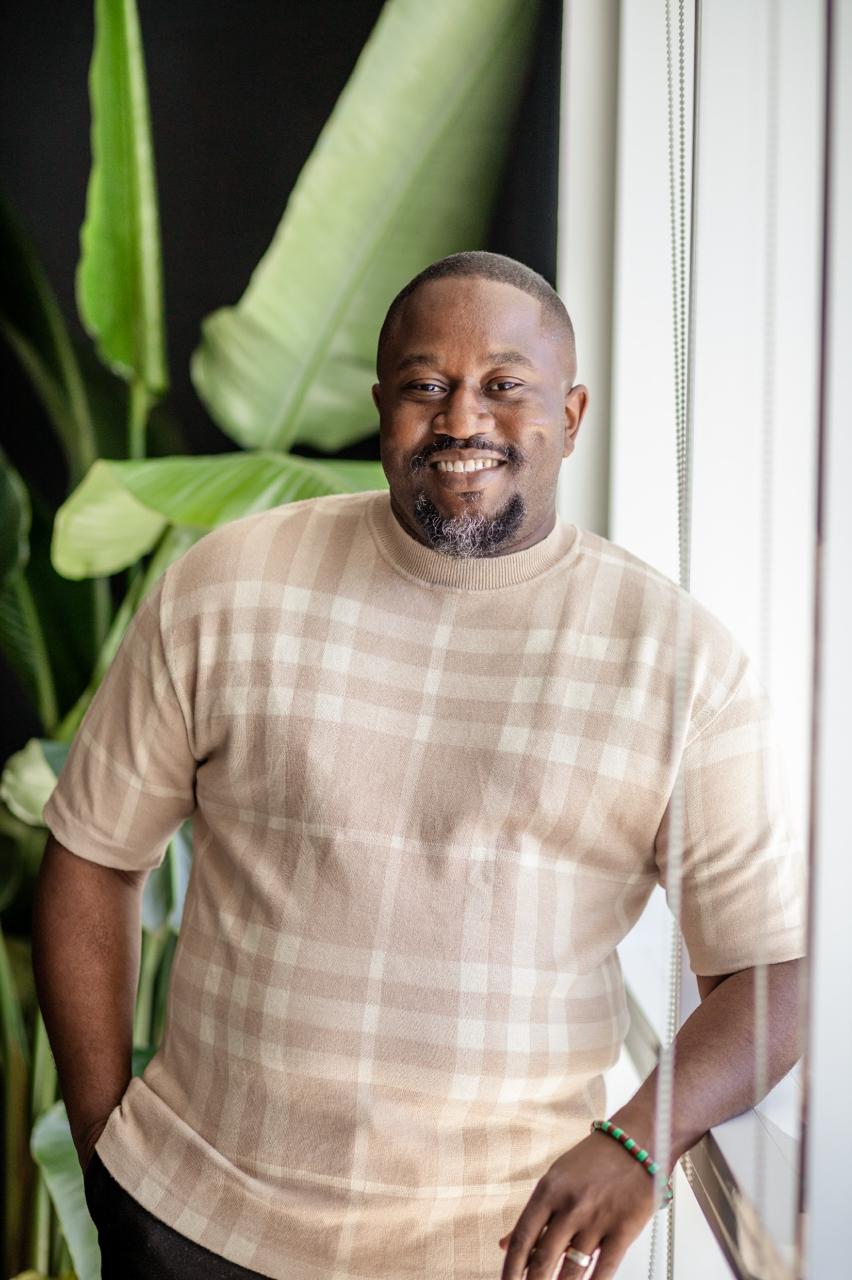
Today we’d like to introduce you to Derick Pearson.
Derick, we appreciate you taking the time to share your story with us today. Where does your story begin?
I came up through numbers. I studied economics at Morehouse College and started my career as a financial analyst. Then I spent about seven years in experiential marketing, running campaigns for national brands. I was doing well as an entrepreneur and a finance and IT professional. But at tech conferences and in research reports, two things kept coming up: Miami has one of the widest wealth gaps in the country, and diversity at tech companies was terrible.
My wife, Felecia Hatcher, and I were often the only people of color in the room at those conferences. We were also tired of getting on a plane every time we wanted to attend a diversity-in-tech event. So we started building at home. First came Black Tech Miami, a monthly meetup that grew to more than 500 members. In 2013 we launched Code Fever to teach young people and adults how to code and build.
Training wasn’t enough, because our graduates needed jobs and connections. That’s how Black Tech Week started. We held the first one in Miami in February 2015, at the end of Black History Month. It was built to connect our graduates with employers and to bring Black founders, investors and technologists from across the country to Miami. We called it a family reunion for Black tech. In its second year it drew nearly 1,600 people to FIU. It grew into a festival with summits, pitch competitions, panels and culture, and we partnered with Miami-Dade County Public Schools so local startups could “adopt” classrooms for an hour of tech each day. We added Black Tech Weekend, a shorter version that traveled across South Florida. Founders kept telling us they needed capital, so we launched VC in Residence, which brings venture capitalists to spend time in Miami advising founders of color. With support from the Knight Foundation, Black Tech Week became a year-round ecosystem-building effort instead of a single week.
In 2017, Felecia and I co-founded Blerd Factory, a technology consulting and creative agency. It puts what we’ve learned about technology, branding and storytelling to work for major brands. In 2018 we opened A Space Called Tribe, a coworking space and innovation lab in Historic Overtown. In 2020 we brought Code Fever, Black Tech Week and our other programs together as the Center for Black Innovation. We also acquired the data-driven think tank Black Tech Mecca, and the Knight Foundation, the Surdna Foundation and Comcast NBCUniversal invested $2.1 million in the mission. Today I lead CFBI as Executive Director and President. Along the way I earned a master’s in analytics from Georgia Tech, because I believe data should drive how we build ecosystems.
We all face challenges, but looking back would you describe it as a relatively smooth road?
It hasn’t been a smooth road, and I don’t think it’s meant to be. The biggest barrier, for us and for the founders we serve, has always been capital. Without capital you can’t scale. You can’t hire, buy equipment or build something that lasts. Even when funding comes, it often comes with so many strings that it slows down the innovation it’s meant to support. Startups need room to move fast, and founders need to be free to focus on building.
We’ve also had to keep rethinking ourselves. I applied to the Echoing Green fellowship several times before I was selected. Each application made me sharpen why CFBI exists and who we serve, and I’m grateful for every one of them. And honestly, momentum is hard to hold onto. Miami’s tech scene has boomed, but Black founders aren’t always in the room when the big announcements happen. Keeping our community visible, funded and connected takes constant work, and that’s why our work has to run all year, not just one week.
Appreciate you sharing that. What should we know about Center for Black Innovation (formerly Code Fever Miami + Black Tech Week) and Blerd Factory LLC?
I lead two organizations that work toward the same goal: making sure Black innovators are not only participants in the innovation economy but builders of it.
The Center for Black Innovation is a Miami-based think tank and ecosystem builder working to close the racial wealth gap. We do it by growing revenue for Black business owners and opening up more hiring for Black job seekers. Our work rests on four pillars:
Technology training for youth and adults
VC in Residence, which makes paths to capital fairer and connects founders with investors
Research, which studies how local startup communities really work so cities can become more inclusive
The Ecosystem Builders Fellowship, which develops the leaders who strengthen their own communities
Our home is 937 NW 3rd Ave in Historic Overtown. There we offer coworking and run regular programs like Tech Tuesdays, which bring founders, creatives and young people together with tools, mentors and space.
Black Tech Week is where much of this started. We created it to change how people see Black communities in tech, from consumers to creators and from overlooked to invested in. Thousands of entrepreneurs, technologists and investors have come through it. It brought nationally known investors and founders to Miami stages, and it showed that this city can be a gateway for Black innovation the way it already is for Latin America.
Blerd Factory, which I co-founded with Felecia in 2017, is a technology consulting and creative agency. Our team of digital architects, brand storytellers and AI animators helps companies with digital strategy, content and brand experiences. Our clients have included Disney, Meta, Google, Adobe, Verizon, Spotify, Intuit, EY and the Greater Miami Convention & Visitors Bureau. Blerd Factory proves something we teach at CFBI: Black creativity and technical talent are a competitive advantage.
What I’m proudest of is the founders: people like Rishelle Giscombe-Smith of Glamo, Andre Peart of ConConnect and Monique Hayes of Estates Made Easy, who are building companies that create jobs and keep wealth in families. My long-term goal is an endowment that keeps CFBI running for generations. I want Miami to be known as the center for Black innovation.
Where do you see things going in the next 5-10 years?
Over the next five to ten years, I think the big shift will be from talking about inclusion to measuring it. Cities and companies will be judged on outcomes: how much capital actually reached Black founders, how many jobs were created, how much wealth stayed in the neighborhood. That’s why data and research are at the center of our work. AI and data analytics will change how startups launch and grow. That’s a huge opportunity if our communities are trained and funded to build these tools, and a real risk if we’re left out of this economic revolution.
Capital will stay the deciding factor. I expect more creative funding models: community capital, flexible grants, revenue-based financing and founder-friendly funds. Neighborhood innovation hubs will matter more than ever, because place matters. When you put a coworking space, a VC in residence or a coding class in a community that’s been an “innovation desert,” you change who gets to take part in the future.
Contact Information
Website: https://www.cfbi.org
Instagram: instagram.com/CenterforBlackInnovation
Facebook: facebook.com/CenterforBlackInnovation
Twitter: twitter.com/CenterforBlackInnovation
LinkedIn: https://www.linkedin.com/in/pearsonderick
Contact Info:
- Website: https://www.cfbi.org
- Instagram: https://www.instagram.com/pearsonderick/
- LinkedIn: https://www.linkedin.com/in/pearsonderick