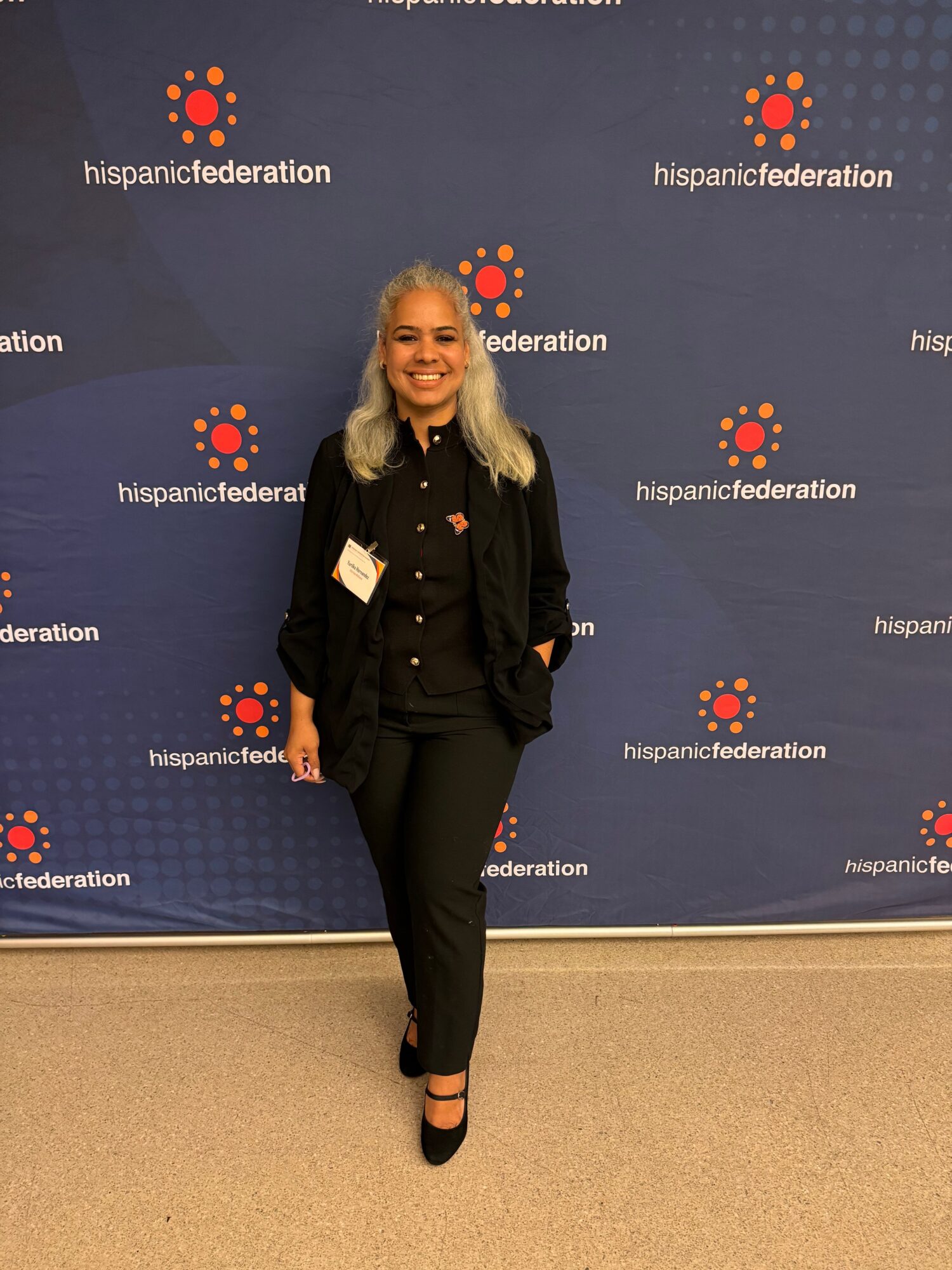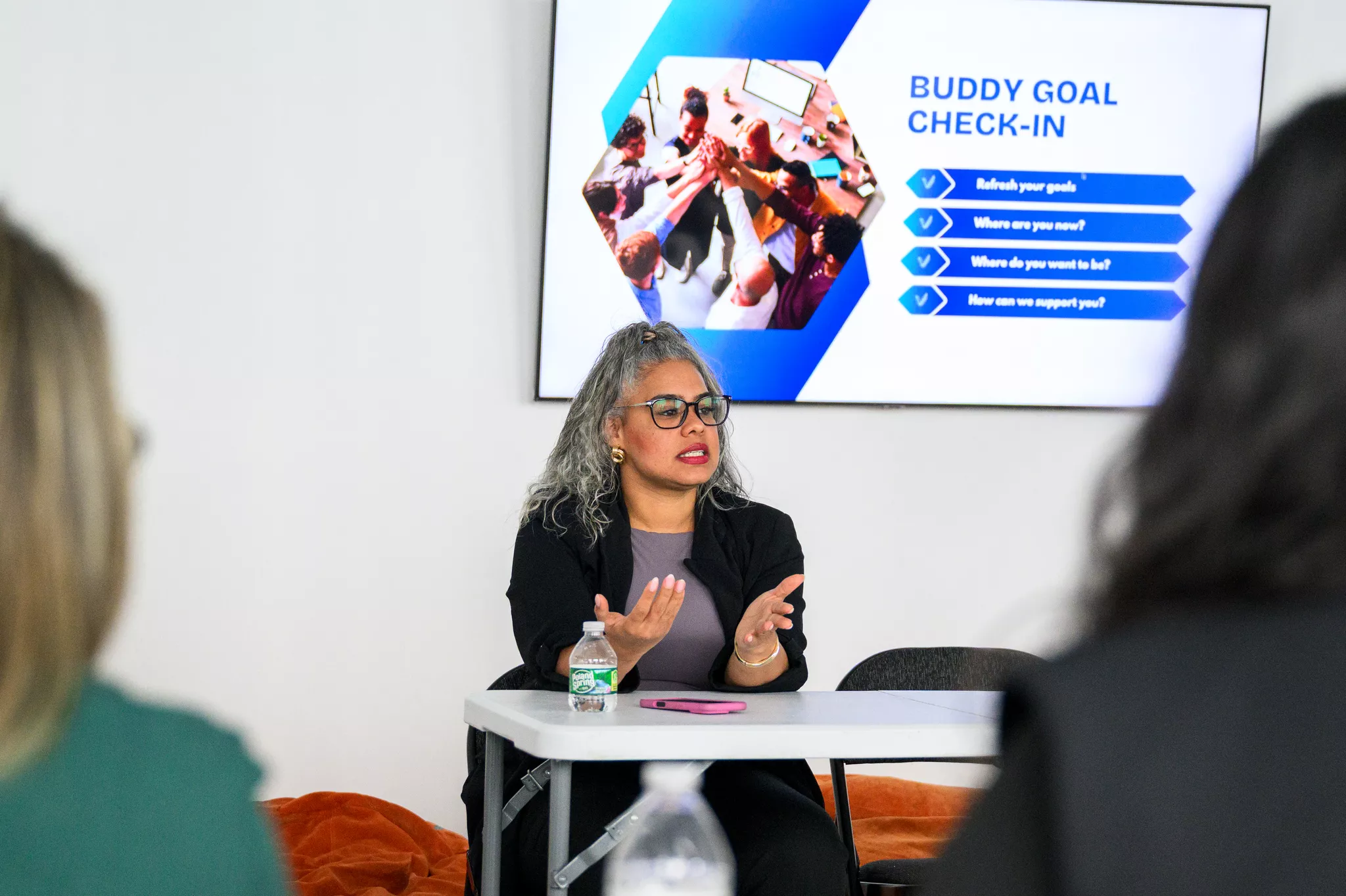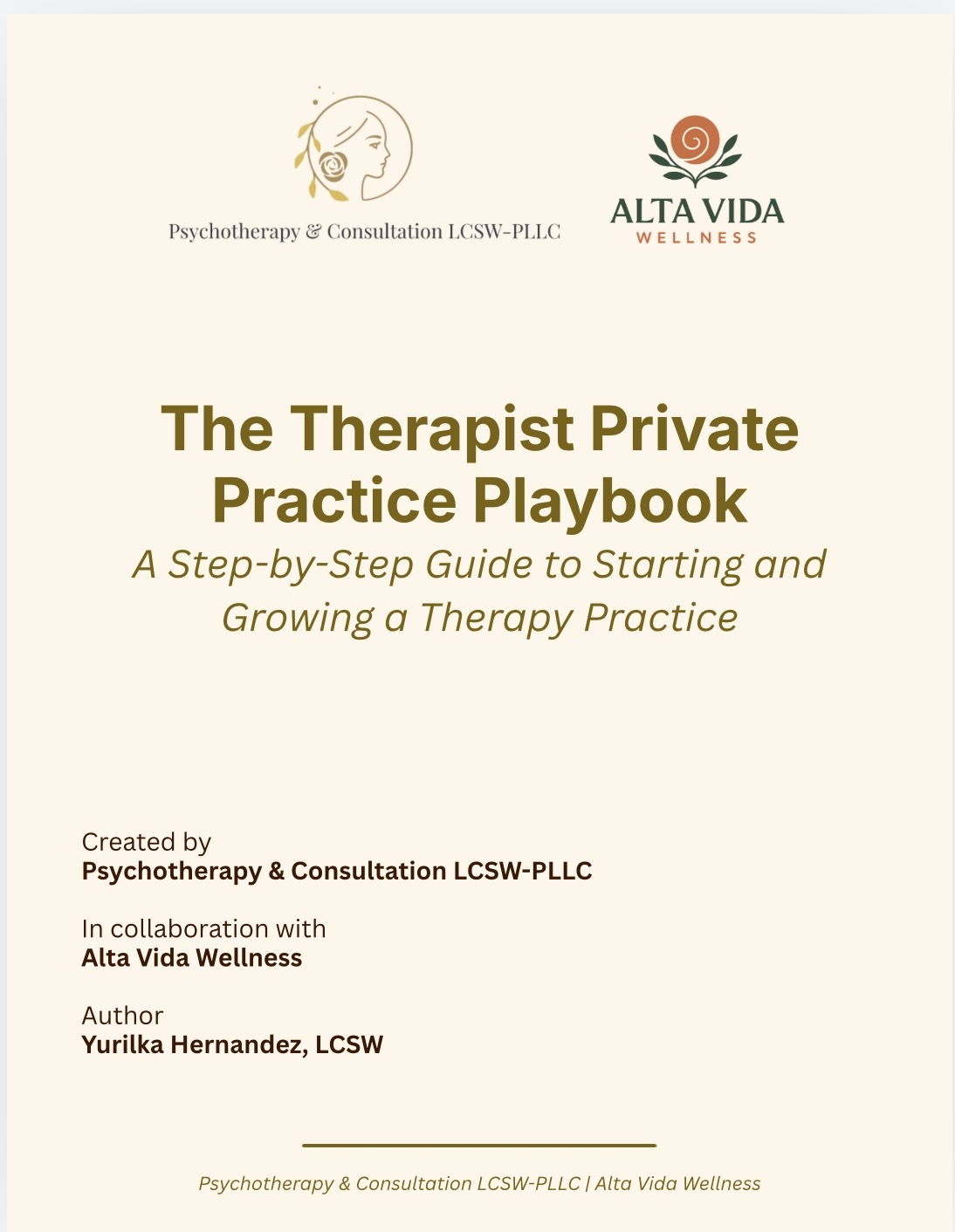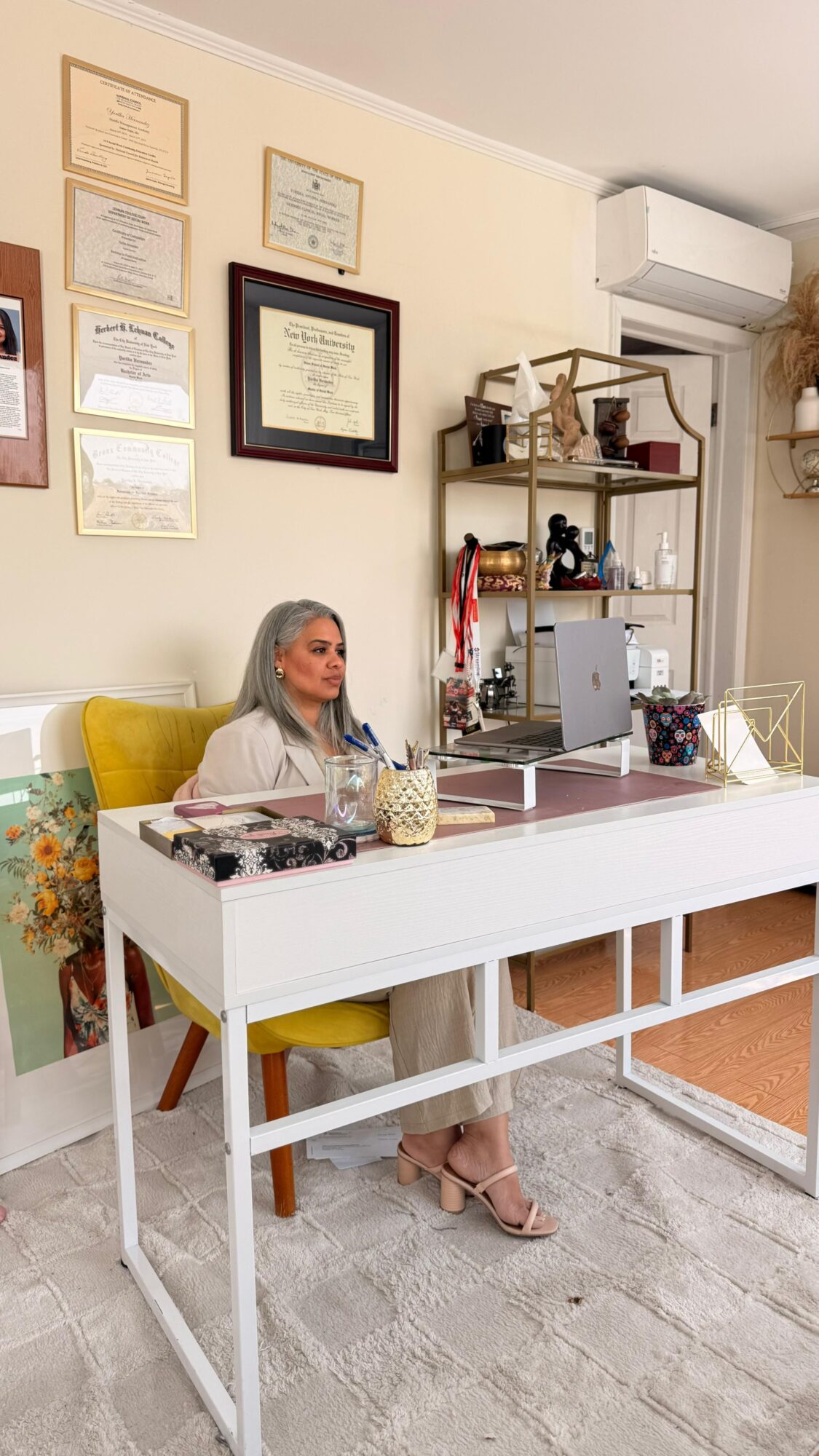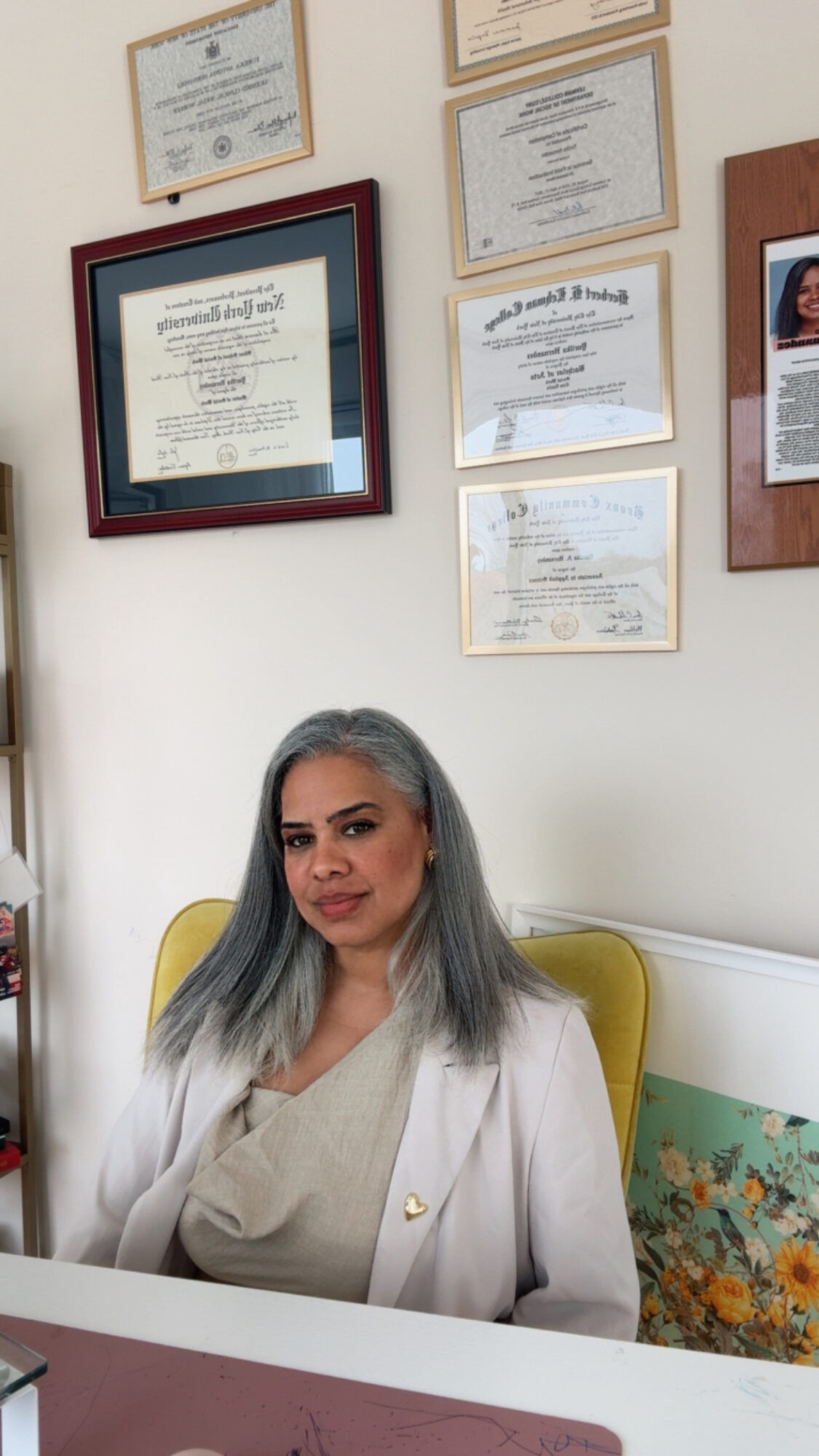





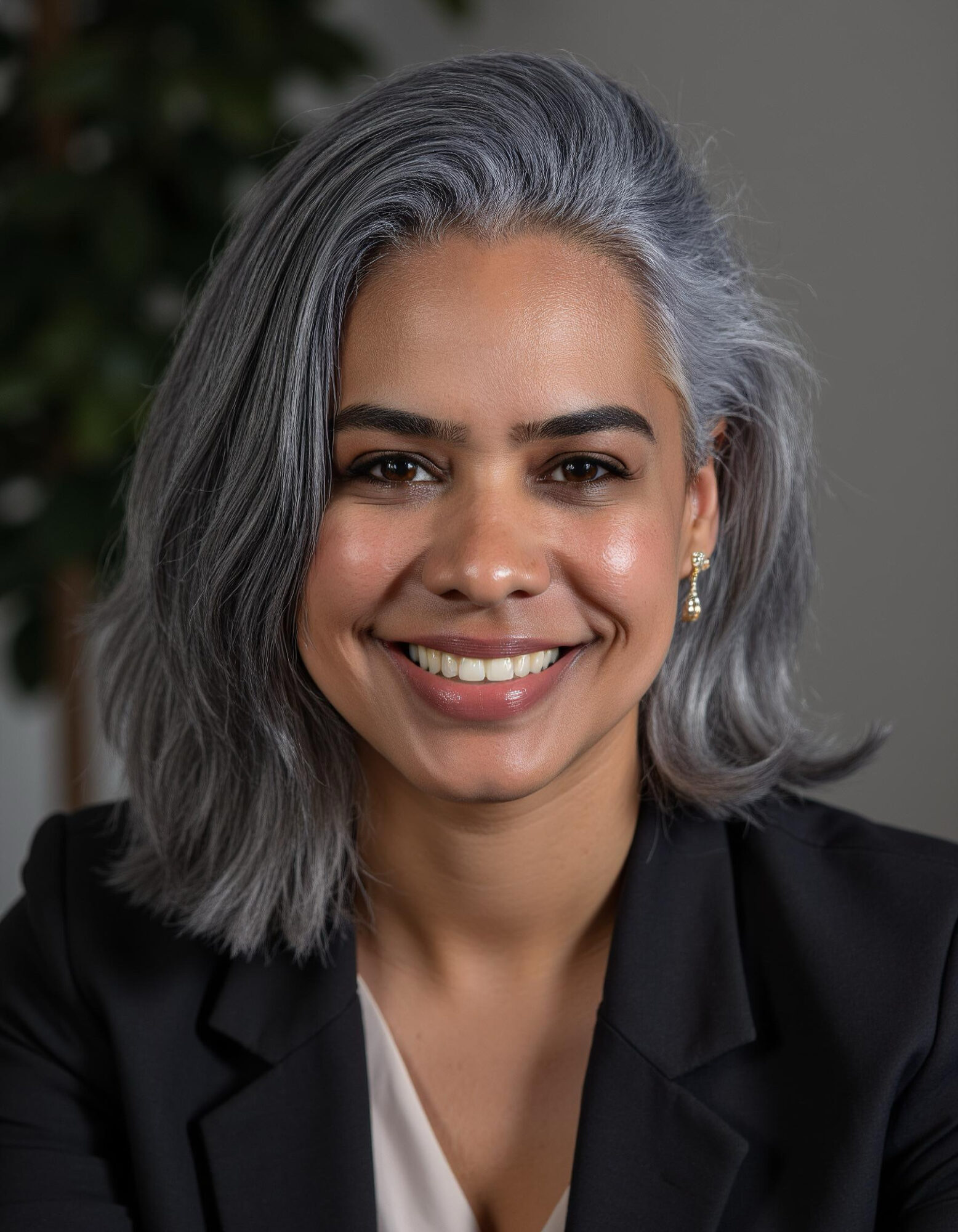
Today we’d like to introduce you to Yurilka.
Hi Yurilka, we’re thrilled to have a chance to learn your story today. So, before we get into specifics, maybe you can briefly walk us through how you got to where you are today?
I was born in the Dominican Republic, and my journey has been shaped by immigration, family, education, and a strong belief in hard work. Being the oldest of four siblings taught me early about responsibility. As I built my life in the United States, I came to understand how much people carry with them: their culture, their family’s expectations, their sacrifices, and their hopes for a different future. Those experiences continue to influence how I connect with people and how I lead.
Over more than 18 years, my work has taken me across clinical practice, nonprofit administration, and behavioral health leadership. I have worked directly with people and families while also taking responsibility for the systems that support their care. At a large nonprofit organization, I managed a substantial organizational portfolio. That experience taught me how closely budgets, staffing, supervision, and leadership decisions are connected to what happens in the therapy room.
Eventually, I wanted to build a practice where I could put those lessons into action. That became Psychotherapy Today. I wanted people to have access to care that respected their culture and lived experience, and I wanted clinicians to feel supported in doing meaningful work. Building my own practice allowed me to make those values part of everyday decisions.
Today, my work also includes graduate social work education as an adjunct professor at Adelphi University and doctoral study focused on administrative leadership. Through Alta Vida Wellness, I am developing a broader vision for community well-being, professional development, and sustainable leadership. These are connected parts of my journey. Whether I am working with a client, teaching a student, or thinking about an organization, I keep returning to the same question: How can we create conditions where people have the support they need to grow?
We all face challenges, but looking back would you describe it as a relatively smooth road?
There has been a lot of work behind the progress. Moving from organizational leadership into entrepreneurship meant taking what I knew and learning how to apply it in a business I was responsible for building. Clinical experience and leadership experience gave me a foundation, but owning a practice brought another set of responsibilities: establishing systems, navigating insurance participation, supporting clinicians, and helping people find our services.
One of the ongoing challenges is the gap between the need for mental health care and the systems people must navigate to receive it. I want care to be accessible and culturally responsive, while also building a practice that can sustain the people providing that care. Those goals require attention to the financial and administrative side of the work. A mission needs an organizational structure that can support it over time.
I have also had to think carefully about how I use my time and energy as a clinician, business owner, educator, doctoral student, and mother. I care deeply about each of those roles. That has made boundaries and intentional decisions about growth increasingly important to me. I want to build something I can sustain, and I want the people working alongside me to be able to sustain their work too.
I do not look at my accomplishments and feel that I arrived by accident. I know the work I have done to be in these spaces. At the same time, I am willing to learn, ask questions, and recognize when something needs to change. Entrepreneurship keeps teaching me that confidence in my experience and openness to learning can exist together.
Great, so let’s talk business. Can you tell our readers more about what you do and what you think sets you apart from others?
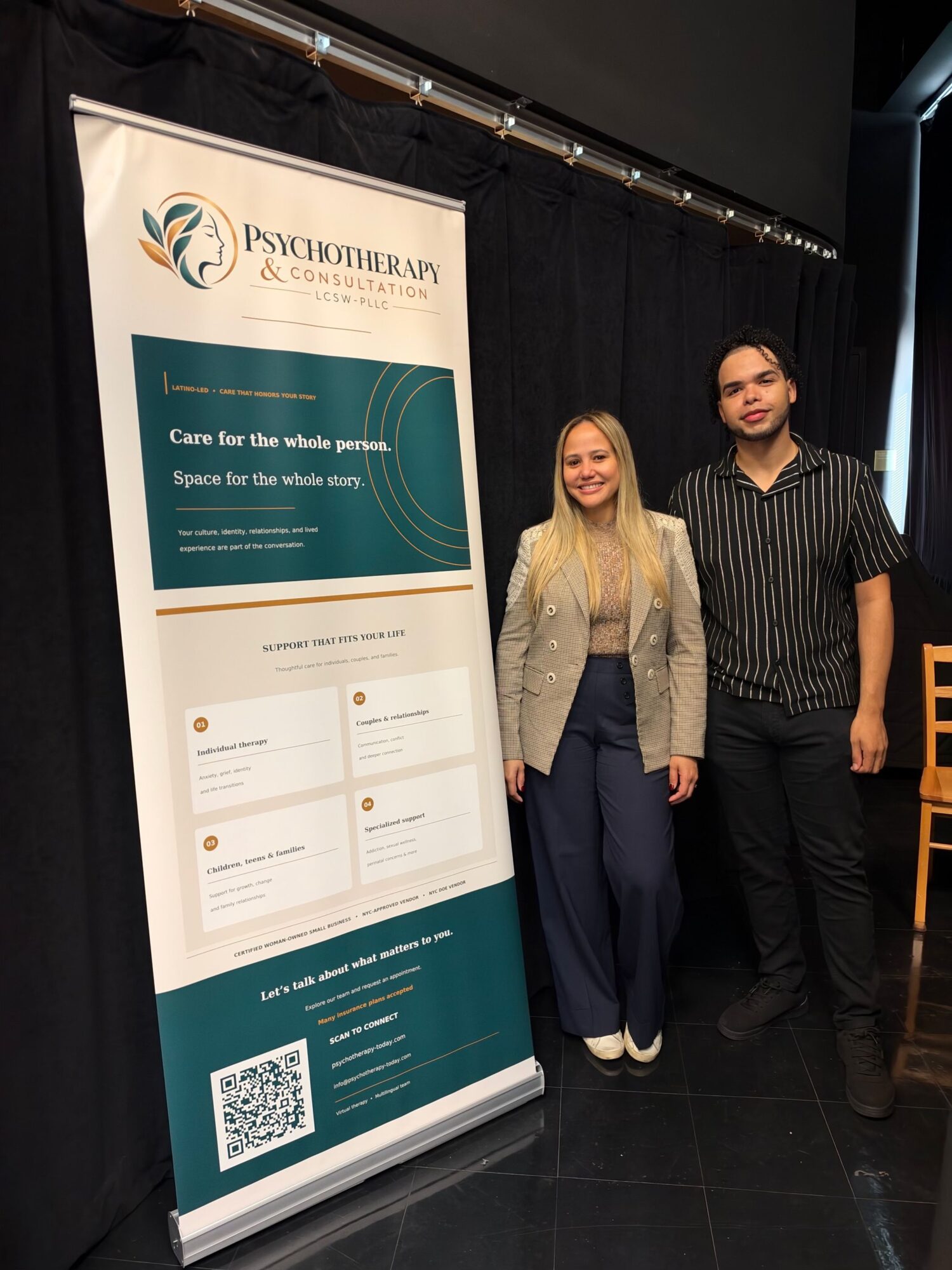
Psychotherapy Consultation Services is my virtual psychotherapy practice. We provide individual, couples, and family therapy, with services for children, adolescents, and adults. Our work includes concerns such as relationship difficulties, grief, substance use, and perinatal mental health. Our team offers services in English, Spanish, and Portuguese.
Culturally responsive care is central to how I want people to experience the practice. A person’s language, immigration experience, family relationships, and community can all shape what they are navigating and what support feels useful. I want people to be able to talk about those parts of their lives without feeling that they have to explain away their culture or leave it outside the therapy room.
What shapes my approach is the connection between clinical care and organizational leadership. I have seen the work from both perspectives. A practice’s values show up in how clinicians are supervised, how decisions are made, and how much support people have to do their jobs well. My doctoral work on leadership and workforce well-being continues to deepen that focus.
Alta Vida Wellness grows from that same commitment. My vision is to connect culturally responsive care with community education, advocacy, and professional development, including support for the people working in helping professions. I am interested in how we build organizations that support both community well-being and the well-being of their workforce. I want that vision to develop thoughtfully, with a structure that can support it.
I am most proud of bringing my clinical experience, cultural perspective, and leadership values into something I am building with intention. My work in graduate social work education is part of that commitment as well. Teaching gives me another way to contribute to the profession and help future social workers connect what they learn with the realities of practice.
For readers, I want the message to be clear: you deserve care that takes your life and context seriously. And for clinicians and leaders, I want to keep opening conversations about how we make this work sustainable for the people doing it.
What quality or characteristic do you feel is most important to your success?
I would say determination. I have worked hard for the opportunities I have had, and I know what it took to get here. That gives me confidence when I enter a new professional space or take on a new responsibility. I can recognize the value of my experience while still being ready to learn.
For me, determination means continuing to do the work after the excitement of a new idea has passed. It is following through on the administrative details, showing up for the people who depend on me, and making time for the education that helps me grow. It also means being willing to adjust my approach when I learn something new.
My goals have expanded over time, from direct clinical work to leadership, entrepreneurship, teaching, and doctoral study. The connection between them is my commitment to making the work better for people. I want my success to create opportunities for others: a client who feels understood, a clinician who feels supported, or a student who sees a place for their experience and voice in the profession.
Contact Info:
- Website: : https://www.psychotherapy-today.com/
- LinkedIn: https://www.linkedin.com/in/yurilka-hernandez/