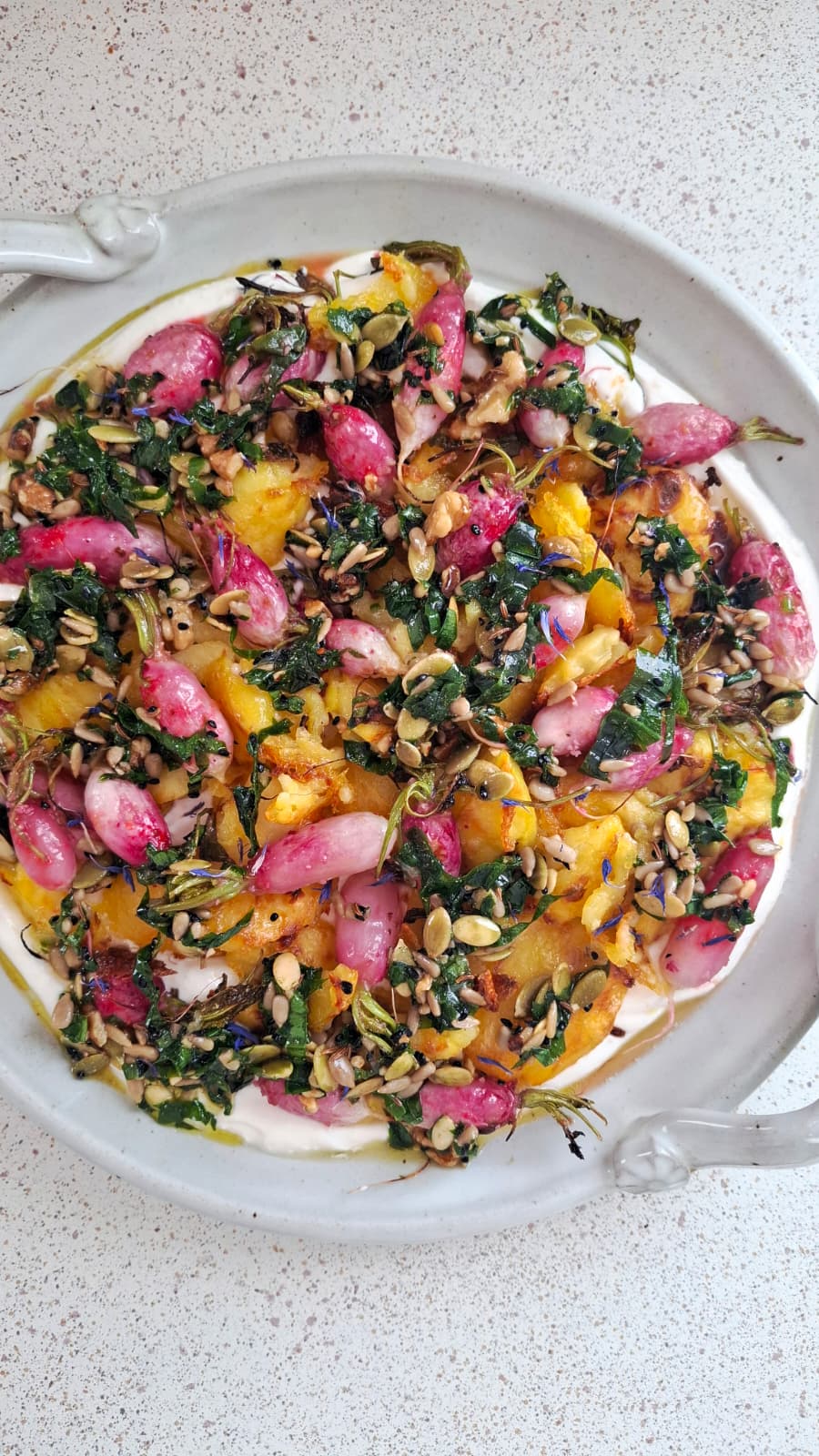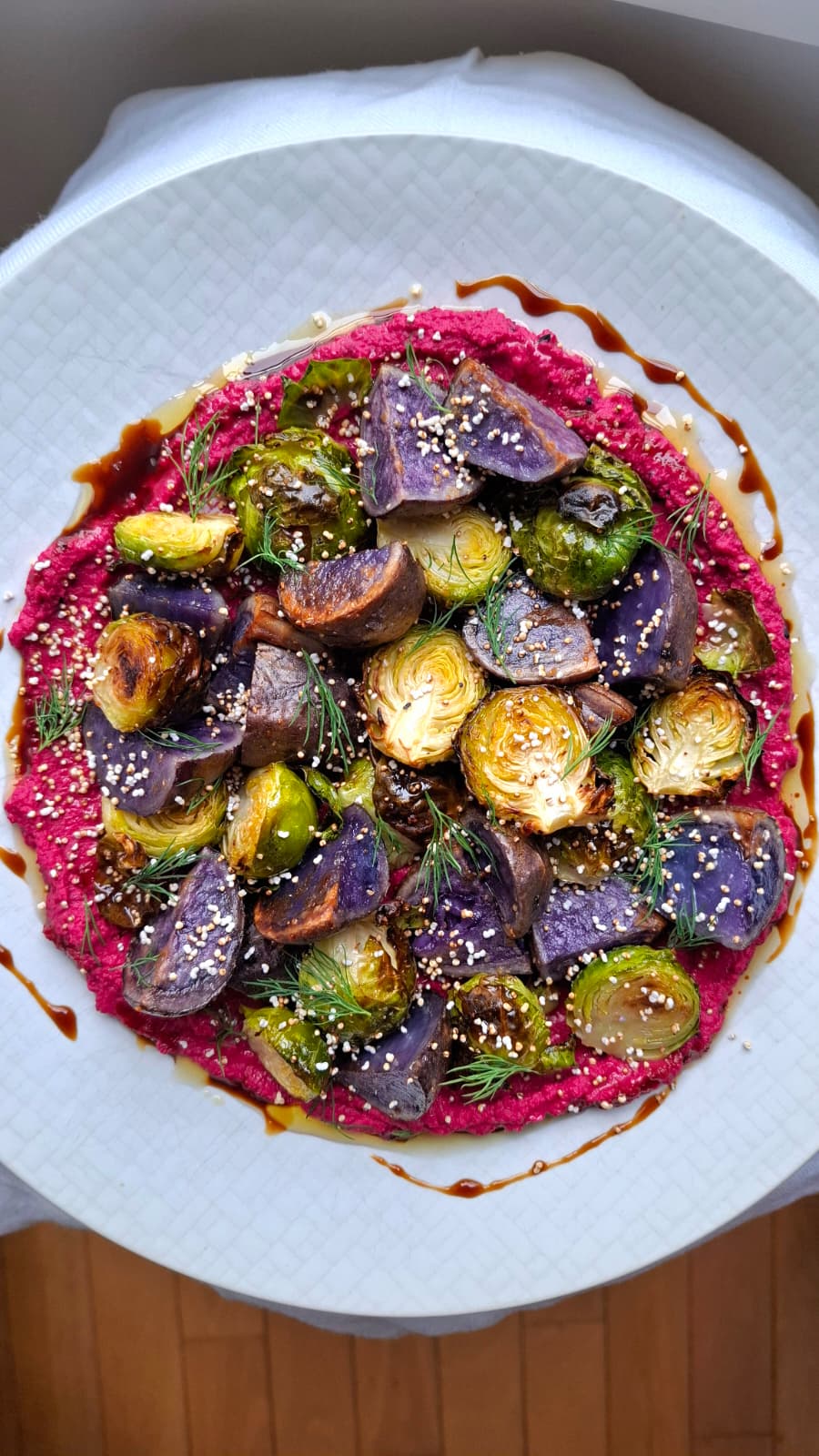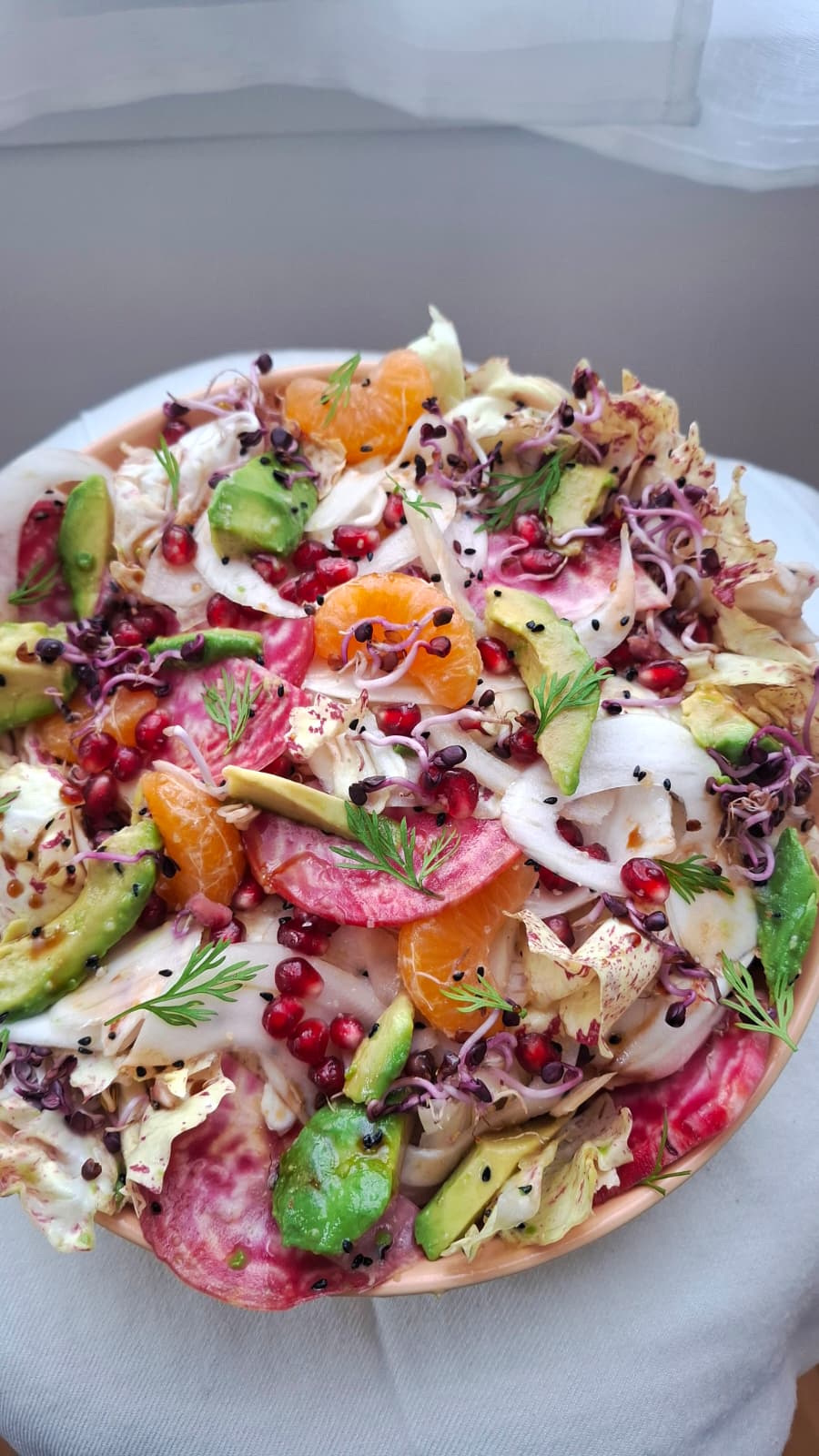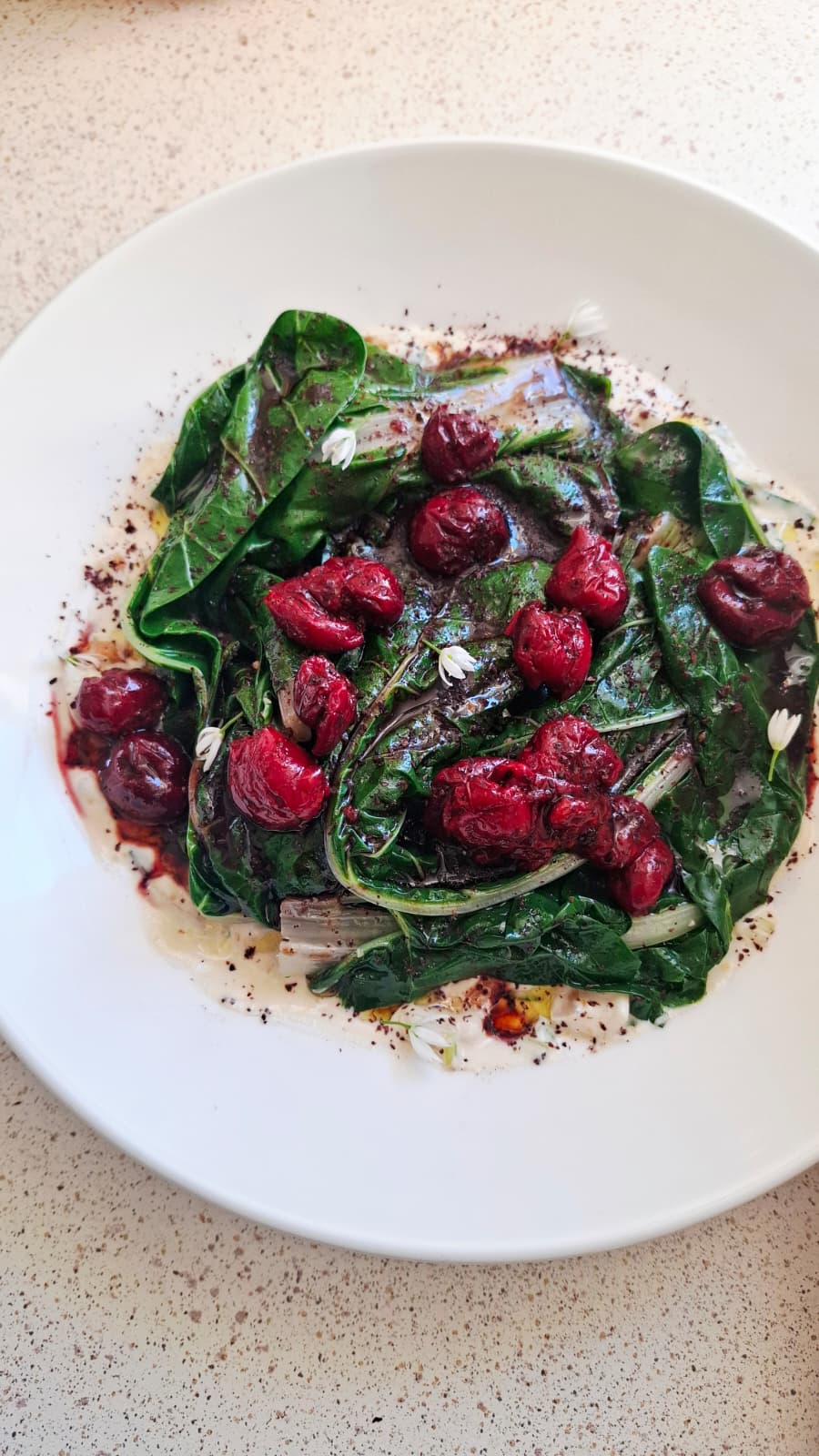


Today we’d like to introduce you to Marianna Farag.
Hi Marianna, we’re thrilled to have a chance to learn your story today. So, before we get into specifics, maybe you can briefly walk us through how you got to where you are today?
My journey into food has been anything but conventional. I was born in Greece to a Syrian mother and an Egyptian father, grew up between different cultures, and have lived in several countries throughout my life. Food was always part of my identity. In Middle Eastern culture, food is really important and is more than just a recipe or a meal. It’s how people live.
Before becoming a chef that now works in all things food, I spent years working in corporate marketing, first in Paris and later in the United States. Eventually, my curiosity and passion for cooking led me to make a career change and follow my passion. I’m largely self-taught, although I did spend three months training in the kitchens of the Hôtel de Crillon in Paris.
My culinary journey eventually took me to Jamaica, where I lived for nearly a decade and opened Marianna’s Kitchen, a plant-based restaurant in Kingston. It became a space where I could express my love for vegetables, spices, cultures, and storytelling through food. Jamaica, like every place I lived in, became another teacher shaping the way I cook, introducing me to new ingredients, traditions, and ways of thinking about food.
In 2024, I published my first cookbook, FOOD CURIOUS, a collection of around 80 recipes that represent a lot of my chapter in Jamaica. That same year, I closed my restaurant and returned to France to be closer to my parents who were not doing well- namely my mother who has dementia, beginning yet another chapter.
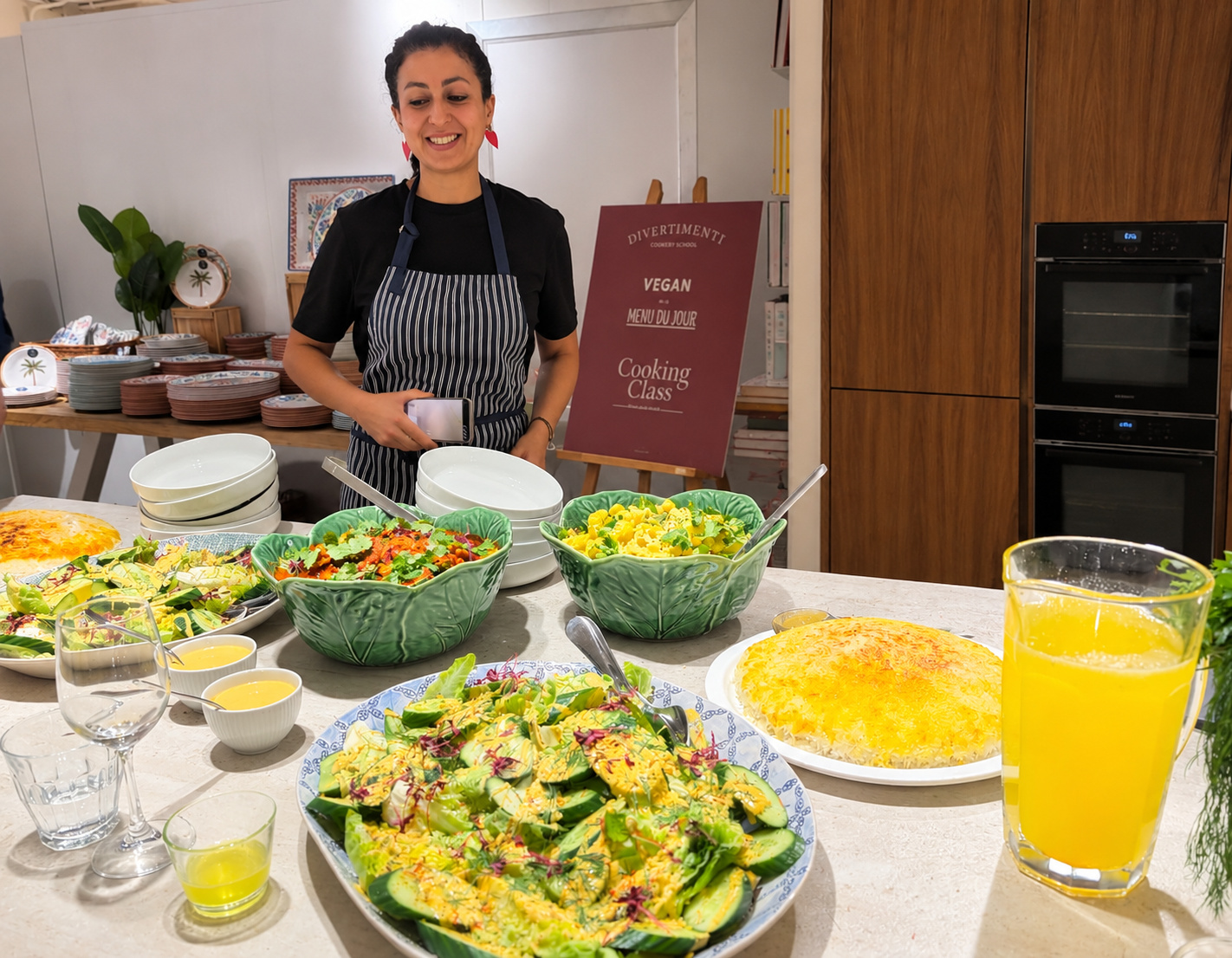
Today, I work as an independent plant-based chef, developing menus, hosting supper clubs and workshops, collaborating with restaurants, and writing about food and culture. I’ve also been exploring my Middle Eastern heritage more deeply, particularly through my za’atar project, inspired by my Syrian mother, her dementia and the powerful connection between food, memory, and identity.
Looking back, I think the common thread throughout my journey has always been curiosity. I’m fascinated not only by what people eat, but why they eat it, the stories behind ingredients, and the ways food connects us to places, people, and memories. That’s really what continues to drive my work today.
We all face challenges, but looking back would you describe it as a relatively smooth road?
Not at all! And I don’t think I ever expected it to be.
Changing careers, moving countries, and building a business from scratch come with their fair share of challenges. I went from the relative security and structure of corporate life to an industry where I had to learn almost everything by doing.
I don’t entirely believe in the expression “self-made,” because no one is truly self-made. But I do think some people have a head start. If you’re born into a family of entrepreneurs or restaurateurs, you’re exposed to certain ways of thinking, working, and solving problems from a very young age. That wasn’t my case. I’ve always been a bit of a deviant, choosing paths that weren’t necessarily laid out for me.
And perhaps that’s been one of my greatest challenges: constantly having to teach myself what comes next. When you don’t have a roadmap, the whole world becomes your school. You learn to pay attention, to observe people, to ask questions, to recognize clues around you, and to piece together answers as you go. It’s an ongoing education that requires humility, resourcefulness, and a great deal of patience.
Opening and running a restaurant in Jamaica was an incredible experience, but also one of the most demanding chapters of my life. Running a small independent restaurant is about so much more than cooking. You’re managing people, finances, suppliers, customers, and a hundred unexpected problems, often all at once. And when you’re introducing a plant-based concept in a market where it isn’t necessarily the norm, you’re also challenging perceptions and encouraging people to approach food differently.
Perhaps one of the biggest challenges, however, has been learning to let go. In 2024, I made the difficult decision to close my restaurant and return to France to be closer to my parents, particularly my mother, who is living with dementia. It meant walking away from something I had spent years building and starting again, professionally and personally, in my forties. And in a country that no longer felt like home also- and that is much more bureaucratic and less friendly than Jamaica.
I’ve learned that patience is absolutely necessary when things get difficult. Not everything can be rushed, solved immediately, or controlled. Sometimes you have to sit with uncertainty, keep showing up, and trust that the next step will eventually reveal itself.
Looking back, I don’t see my journey as a series of successes and failures, but as a continuous education. And perhaps that’s what being bold means to me: being willing to remain a student of life, no matter how much you think you already know.
Appreciate you sharing that. What else should we know about what you do?
I often say that I do “all things food,” because I’ve never believed that food should be boxed into one profession or discipline. Food itself has never been just one thing, so why should my work be?
Over the years, I’ve opened and run a restaurant, published a cookbook, worked as a private chef, developed menus, consulted for many food businesses, taught cooking classes, hosted supper clubs, and written about food and culture. I’ve also studied food anthropology, and I travel with a great deal of curiosity, observing how different communities grow, prepare, share, and think about food. More recently, I’ve launched my own za’atar spice blend, inspired by my Syrian mother, which I hope will grow into something bigger.
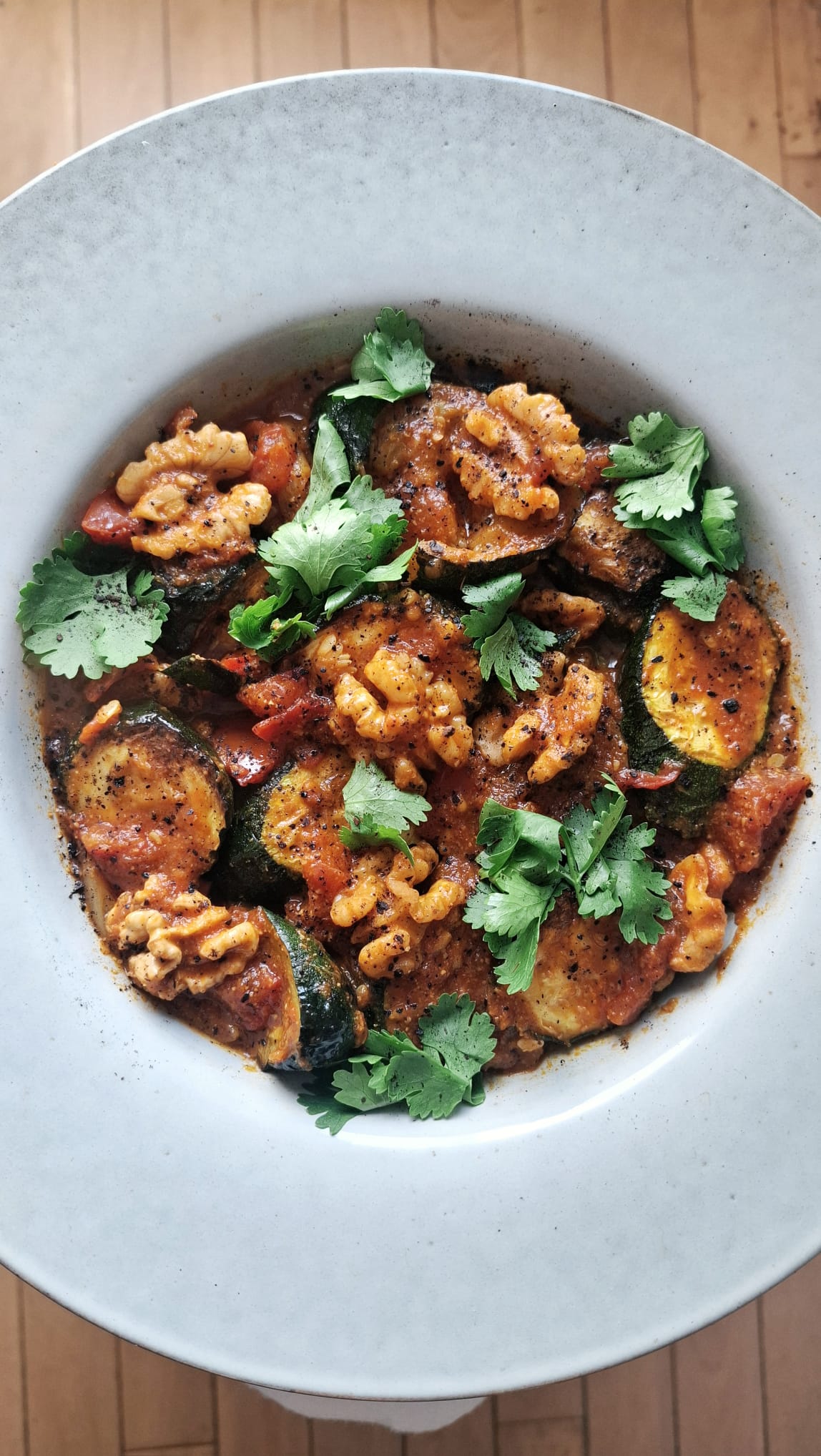
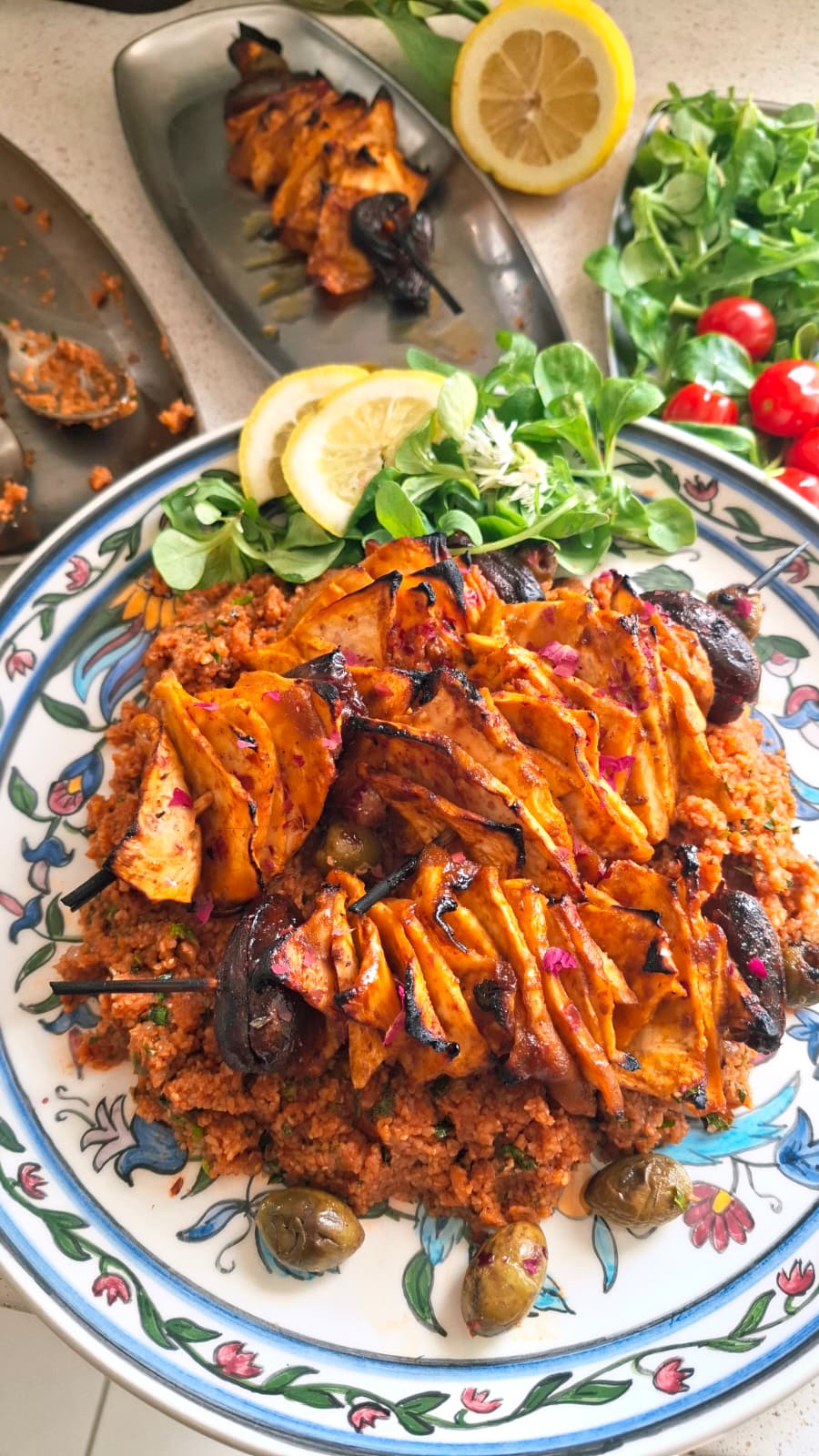
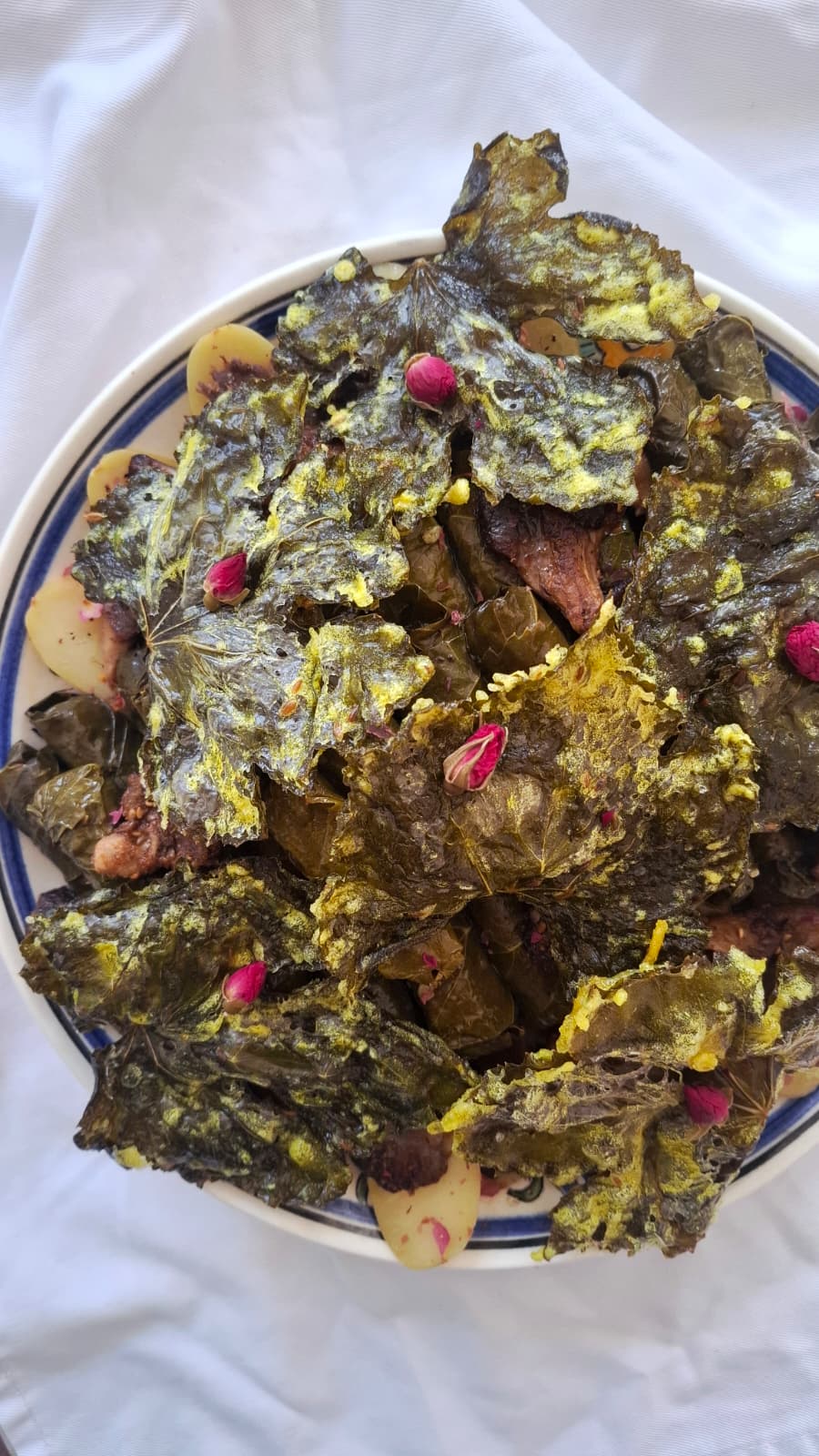
My cooking is predominantly plant-based, with a strong influence from my Middle Eastern heritage and the many countries I’ve lived in. But I don’t particularly like being confined to a culinary label. I’m just as interested in the history of an ingredient, the rituals surrounding a meal, or the cultural significance of a recipe as I am in cooking it.
If there’s something that sets my work apart, perhaps it’s this multidisciplinary approach. I don’t see cooking, writing, anthropology, and entrepreneurship as separate pursuits. They’re different ways of exploring the same subject. I love asking questions, challenging assumptions, and looking beyond the familiar versions of cuisines we’re often presented with.
During the COVID years in Jamaica, for example, I partnered with local farmers who were suddenly left with produce they couldn’t sell. My restaurant temporarily transformed into a small supermarket and takeaway spot, allowing us to help farmers sell their harvests while keeping fresh food accessible to the community. It was an unexpected reinvention of the business, but it reminded me that a restaurant can be so much more than a place where people come to eat. It can also serve as a bridge between producers and consumers, and respond to the needs of its community.
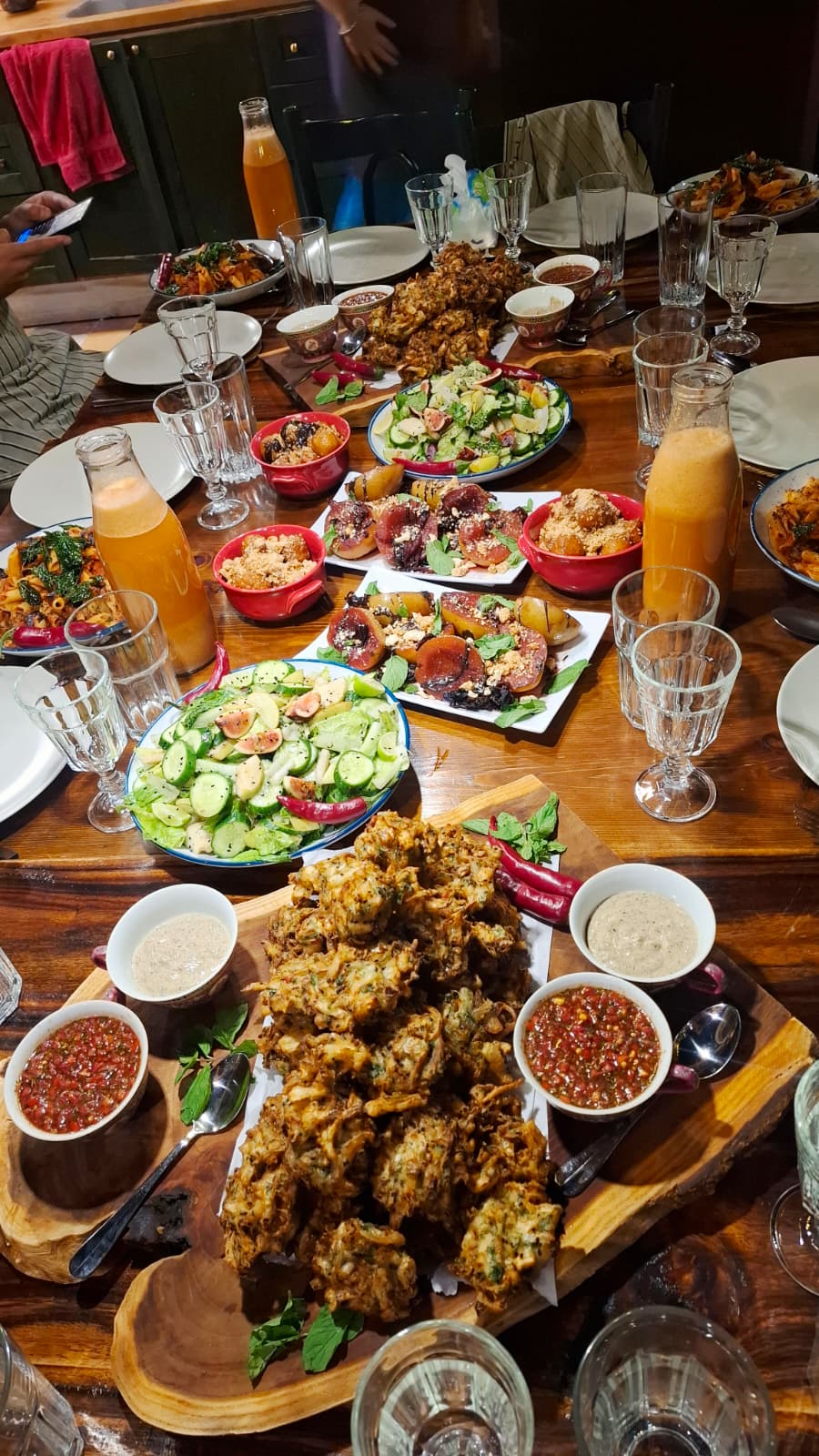
But what am I most proud of? Without hesitation, it’s the connections I’ve made through food. I’ve witnessed food build peaceful bridges between people who might otherwise have very little in common. I’ve seen it happen in my restaurant, around supper club tables, during cooking classes, and even in friendships that began with a shared love of something delicious.
And perhaps the most meaningful example has been within my own family. Both my parents have faced tremendous health challenges. My father passed away earlier this year, but even during his most difficult moments, there were certain dishes he loved that could still bring him genuine happiness. With my mother, who is living with dementia, I’ve witnessed how familiar foods and rituals can bring her a sense of normalcy, comfort, and reassurance in a world that has become increasingly confusing for her. I’m extremely proud that I could and can use my two hands to create and share a moment of comfort and joy for my parents through food.
Those experiences have profoundly shaped my understanding of what food can do. Beyond nourishment, pleasure, or creativity, food can be a form of care, a language of affection, and sometimes even a bridge to memories that are becoming harder to reach.
And when I think about everything I’ve done professionally, I realize that this is what matters most to me. Not simply what I’ve cooked or created, but how I’ve made people feel through food.
We’d be interested to hear your thoughts on luck and what role, if any, you feel it’s played for you?
I’m not entirely sure I believe in luck, at least not in the conventional sense. I believe more in all the elements coming into perfect alignment- that certain things need to come together for something to happen.
I’ve noticed a recurring pattern in my life. I might have a desire to do something, an idea, a project, or even a major life change, and months or sometimes years can pass without much happening. But when the moment finally arrives, things tend to unfold remarkably quickly.
That’s not to say they happen without effort. Quite the opposite! But there’s a difference between putting all your energy into something and feeling like you’re punching air, and putting that same energy into something where the circumstances seem to be moving in the same direction as you. You’re still working hard, but you’re moving with the current rather than swimming against it.
I’ve learned to pay attention to those moments. When the right people, circumstances, opportunities, and your own readiness come together, I believe you have to respond to the call. You can’t just sit back and wait for things to happen, but you also have to recognize when a door is opening and have the courage to walk through it.
I’m someone who believes in God, and I believe God’s timing is precise, even when it doesn’t align with our own expectations. Sometimes what feels like a delay or a disappointment turns out to have been necessary for something else to unfold.
So perhaps what others might call luck, I tend to see as a combination of timing, preparation, effort, and faith. And I’ve learned that knowing when to act is just as important as knowing how hard to work.
Contact Info:
- Website: https://www.stayfoodcurious.org
- Instagram: https://www.instagram.com/missmariannaf/