




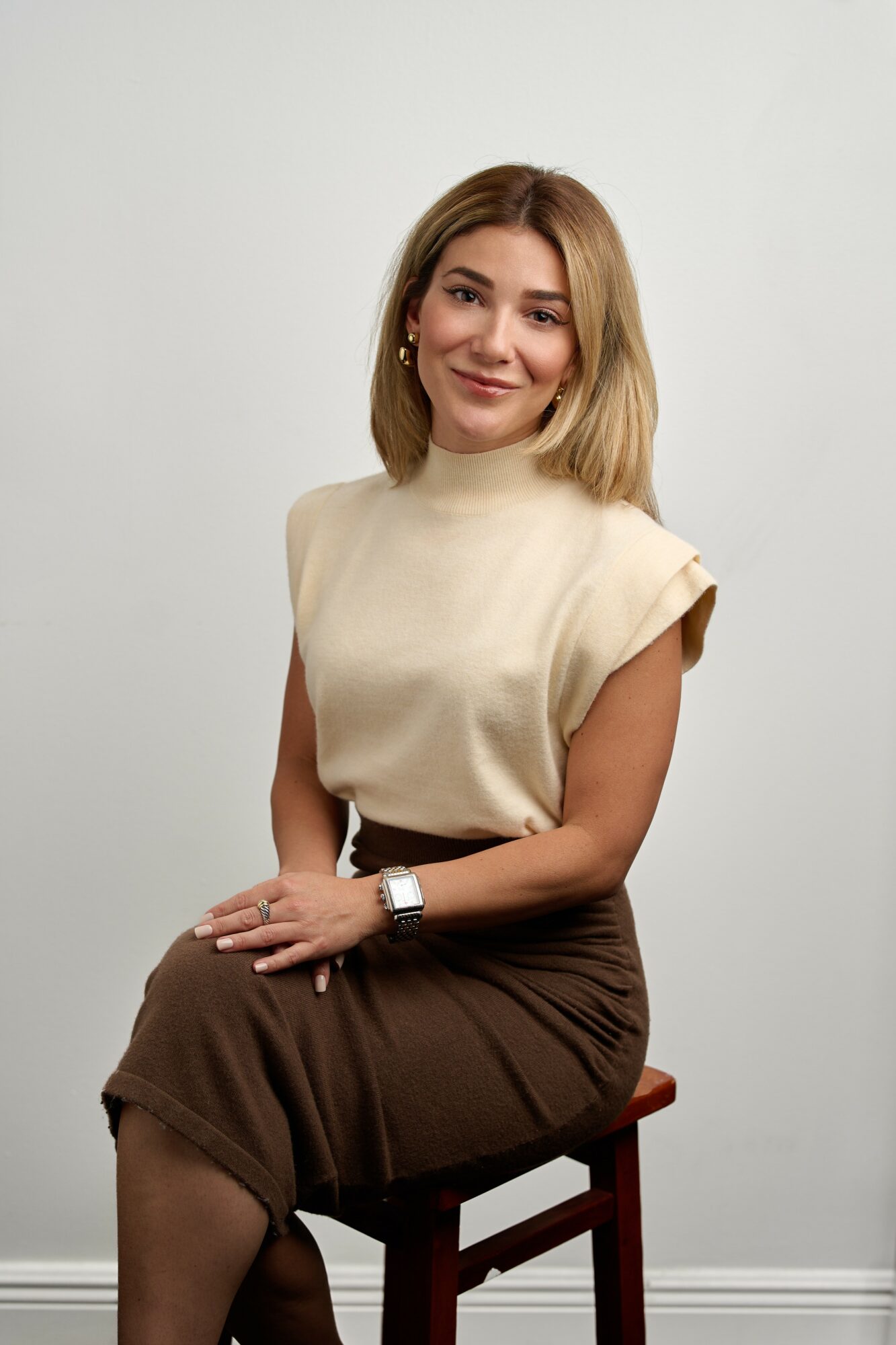
Today we’d like to introduce you to Victoria Verdeja.
Hi Victoria, we’re thrilled to have a chance to learn your story today. So, before we get into specifics, maybe you can briefly walk us through how you got to where you are today?
I definitely did not grow up knowing I wanted to work in public relations. I actually started at the University of Florida as a civil engineering major. At the time, I barely knew what PR was.
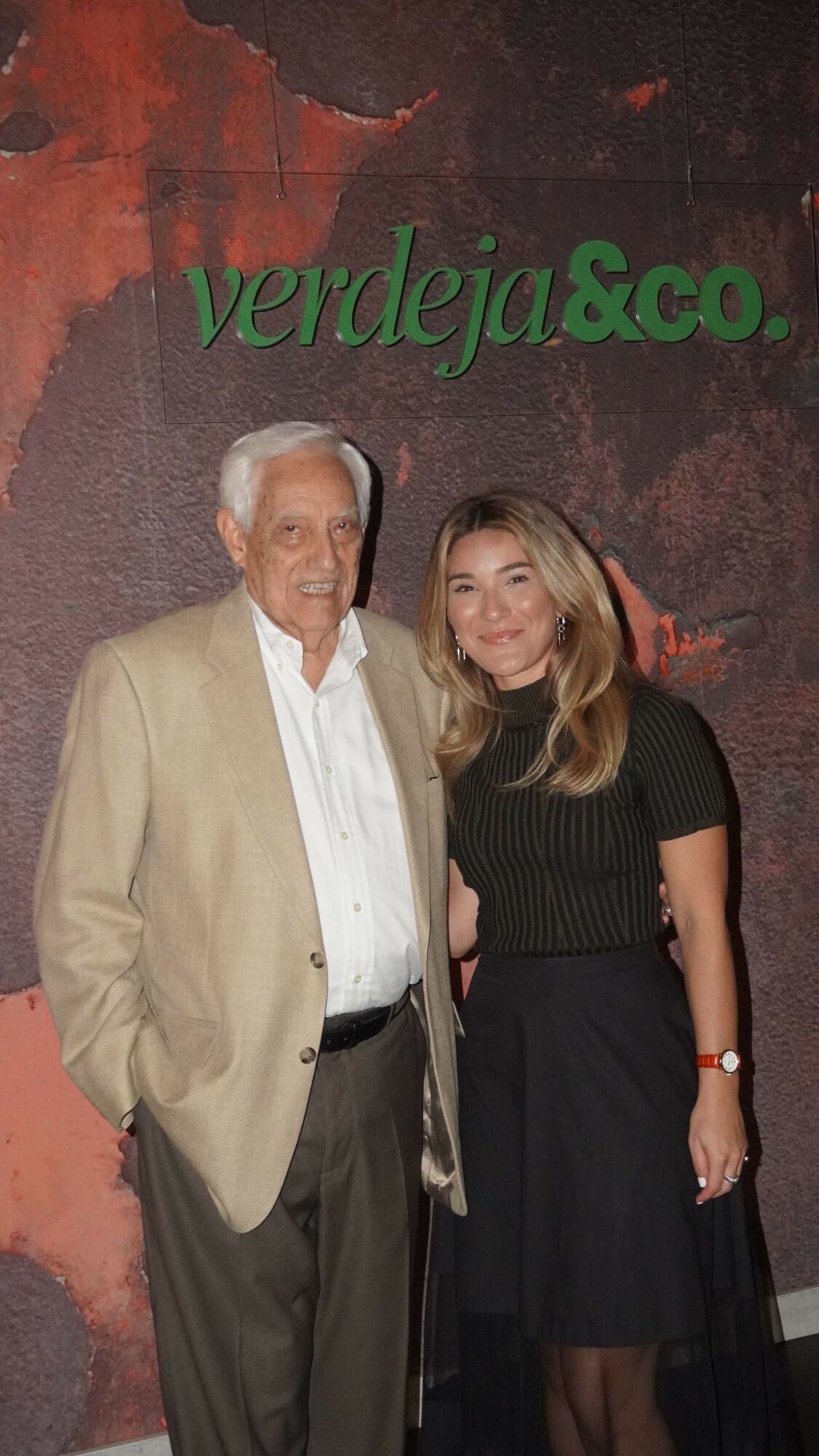
What is interesting in hindsight is that communications was already very much part of my family. My grandfather, father and uncle founded a successful public relations agency, Verdeja Marketing Group, in 1996, but I did not choose my career because of that legacy. I really found my way into PR through experience.
The moment that changed the trajectory of my career happened early on, while I was working at RockOrange as an intern.
Someone I cared about was battling cancer at the time and trying to raise money for an experimental treatment that insurance would not cover. Paulina Naranjo, who led PR at the agency at the time, sat me down next to her and helped me draft my first press release.
Within four hours, we were on four local news stations, and within three days, we had raised all of the money he needed to receive the treatment.
Unfortunately, the treatment ultimately did not work. But that experience completely changed the way I understood communications. It was the first time I saw, very clearly, that public relations could do more than generate awareness. It could move people, create access and make a tangible difference within the part of the world you actually have the ability to influence.
That was when I knew I wanted to spend my career doing this.
From there, I built my career across both in-house and agency roles. I had the opportunity to work at global agencies in Miami and, later, New York City, as well as in-house at major organizations including Baptist Health South Florida and Amerant Bank. Seeing communications from both sides of the business became one of the most valuable parts of my career and ultimately shaped the way I wanted to build Verdeja & Co.
Over time, I started noticing that some of the biggest communications challenges companies faced were not actually PR problems. They were infrastructure problems. The messaging was fragmented. Teams were working in silos. Agencies did not always have enough context about the business to do their best work, and companies were not always organized internally to get the most out of the agencies they hired.
I became really passionate about that space between strategy and execution.
I realized I had a unique ability to help companies make sense of themselves first: organize the story, align the right people, create the communications infrastructure and then bring in great specialists to execute against it.
That is really where Verdeja & Co. came from.
I wanted to build the kind of communications company I would have wanted to hire when I was sitting on the client side: one that understands the business before making recommendations about the business. That idea was central to how I described the company at our first anniversary.
And the “& Co.” was intentional. Verdeja & Co. is made up of an incredible core team, partner agencies, specialists, collaborators and even some family. I never wanted to build a company that pretended to be the best at everything. I would rather know someone brilliant, bring them to the table and build something better together.
That philosophy is a very real part of the company.
There is also something meaningful to me about the fact that, almost 30 years after my family founded Verdeja Marketing Group, I found my own way back to building a communications company with the Verdeja name on it. I did not set out to recreate what they built, but I absolutely carry forward some of the same values around relationships, reputation and trust.
Today, I get to spend my time helping companies whose products, services and people I believe in, alongside people I genuinely love working with. And in a lot of ways, it brings me back to what drew me to public relations in the first place: the belief that good communication can move people, open doors and create real impact.
We all face challenges, but looking back would you describe it as a relatively smooth road?
I would not call it a smooth road, but I also would not change much about it.
By the time I started Verdeja & Co., I had already had the opportunity to lead a business group in Manhattan, which taught me a tremendous amount about the business side of an agency: pricing, contracts, hiring, operations, business development, profitability and the responsibility that comes with making decisions that affect both clients and a team. That experience gave me a much stronger foundation for entrepreneurship than I probably realized at the time.
But building something of your own is different.
When your name is on the door, every decision feels a little more personal. You are responsible for the work, but also for the culture you create, the people you bring into it, the clients you choose to work with and, ultimately, what you want the company to become.
One of the biggest lessons for me has been learning that growth is not just about saying yes to more. It is about being increasingly intentional about what you say yes to. The right clients. The right people. The right partners. The right opportunities. I am much more interested in building something sustainable and genuinely good than simply building something big.
I have also had to learn that leadership changes as a company grows. I am naturally very close to the details and I care a lot about context. In the beginning, I had to be involved in almost everything. As Verdeja & Co. has grown, my role has increasingly become making sure the right people understand the bigger picture, have what they need and are empowered to do what they do best.
We actually called our first anniversary celebration “Lucky One,” which was intentionally a little ironic. In my remarks that night, I said there was really nothing lucky about the year. It was strategic. It was hard. There were great days, difficult days, surprises, wins and things we never could have predicted.
The theme came from this idea that a deck of cards can represent a year: 52 cards for 52 weeks, four suits for four seasons. You do not get to choose every card you are dealt, but how you play the hand becomes the story.
That is probably how I think about the first year of Verdeja & Co. I feel incredibly fortunate for the people, clients and opportunities that came into our lives, but I do not think success is something you leave to luck. You make thoughtful decisions, surround yourself with really good people, do the work and try your best to play the hand well.
Appreciate you sharing that. What should we know about Verdeja & Co.?
Verdeja & Co. is a strategic marketing and communications firm. We help companies build integrated marketing and communications plans that connect strategy, messaging, PR, content, digital, social, partnerships and paid media around the same business goals.
A lot of the time, a client may come to us asking for one specific thing, but the real need is broader. The brand may be growing faster than its marketing infrastructure. Different teams or agencies may be working in separate lanes. The messaging may not be consistent. There may be a lot of good activity happening, but not one clear system connecting it all.
That is where we tend to be most valuable.
Our role is often to step back, understand where the business is going, define the strategy and then build the plan around it. That can mean aligning the brand story, audience priorities, content, PR, social, paid media, partnerships, digital channels and measurement so each piece is working toward the same objective.
We have particular experience in complex and highly regulated industries, including pharmaceuticals, biotechnology, healthcare and financial services, where clear messaging, strong infrastructure and close coordination across stakeholders are especially important.
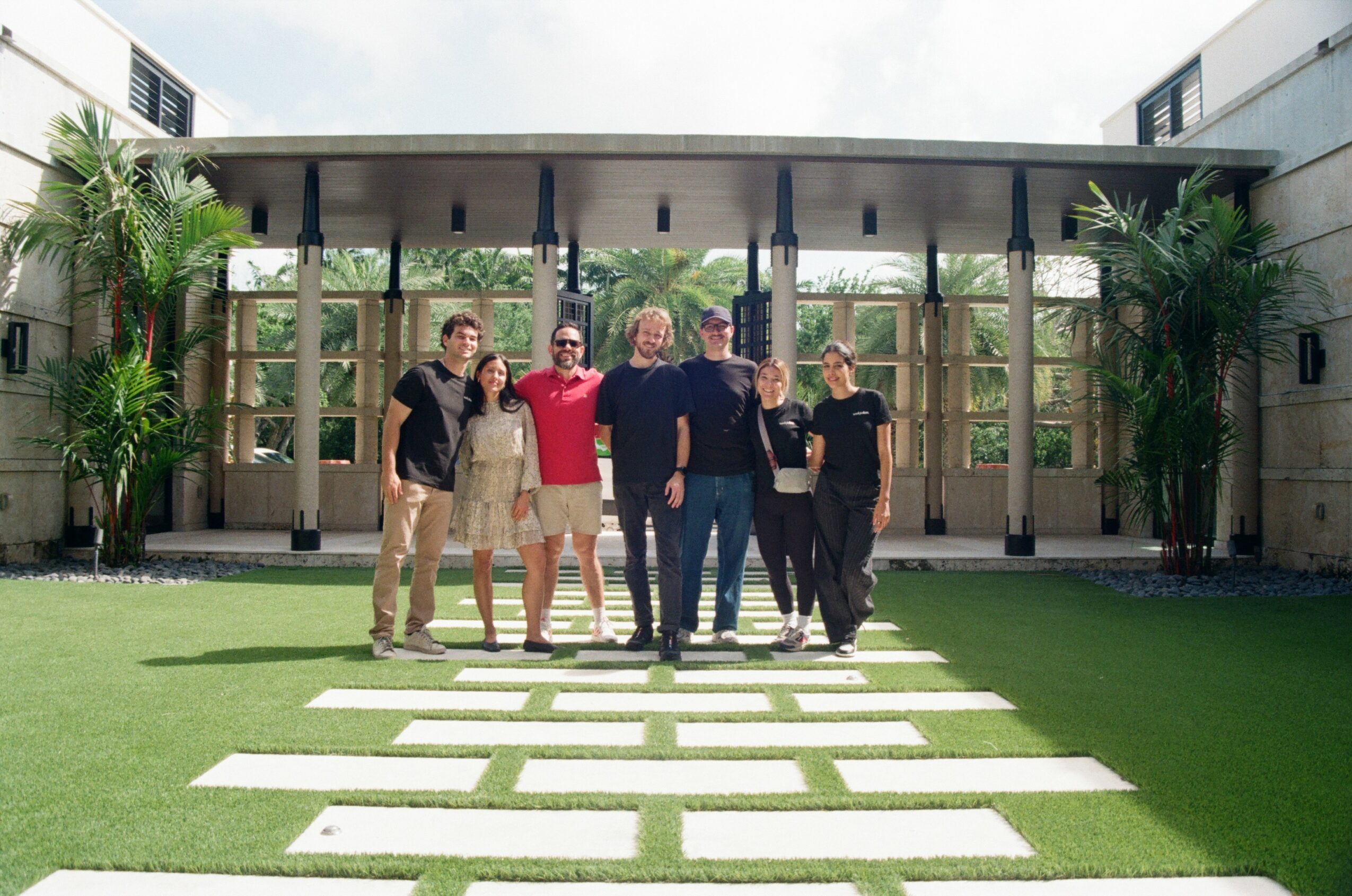
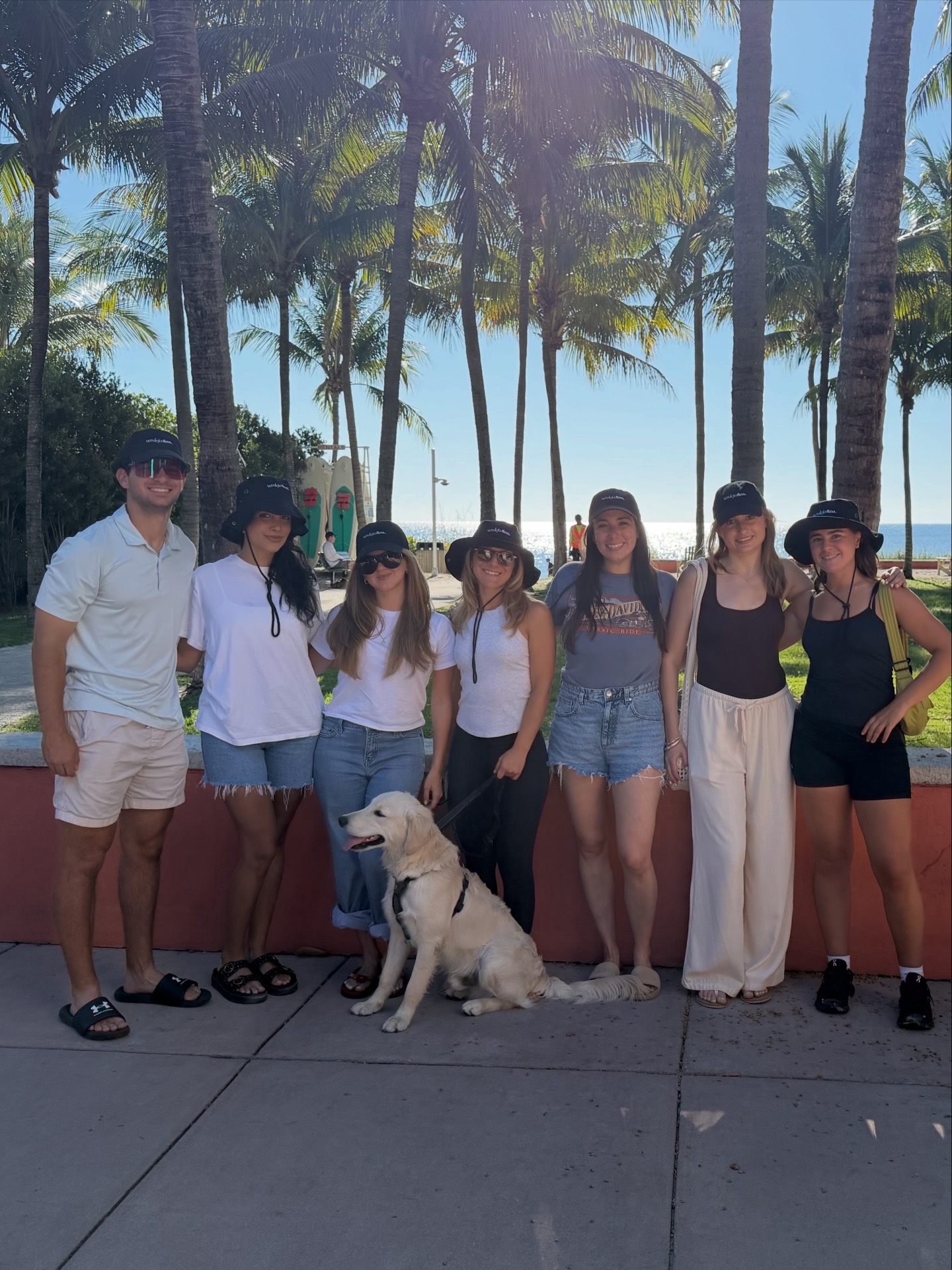
That approach is also reflected in how Verdeja & Co. is structured. We have a core team and a network of specialized agency partners and experts who come together based on what a client actually needs. The “& Co.” is very intentional. I do not believe one agency needs to own every discipline to lead the strategy well. In many cases, the best work comes from having strong specialists operating within one connected plan.
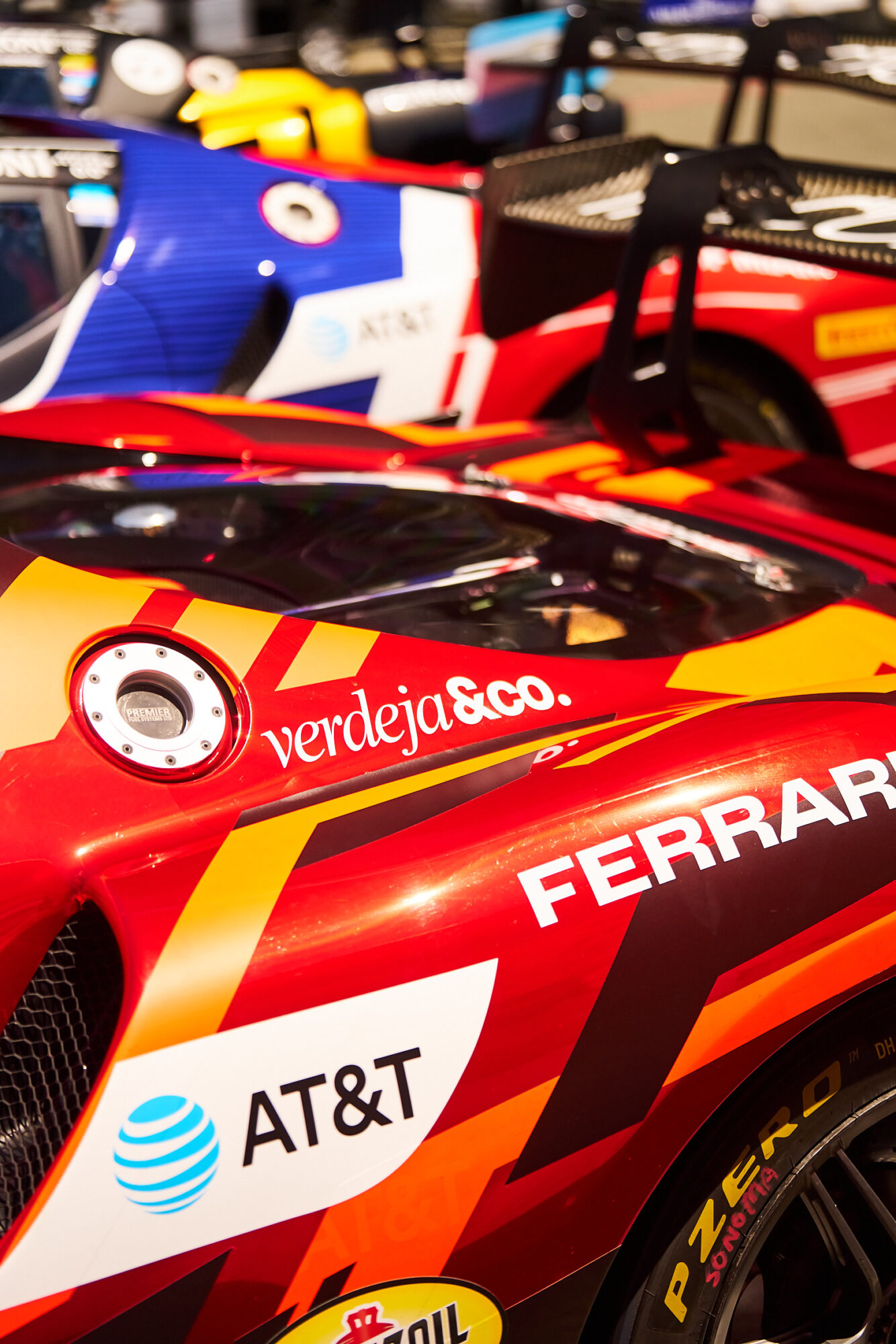
A good example of that model is work where Verdeja & Co. serves as the connective layer across multiple marketing disciplines, making sure strategy, voice, partners, channels, approvals and measurement all stay aligned.
What I am most proud of is the level of trust our clients place in us. We are often brought in early, when the question is not simply what should we post or what should we pitch, but how should all of this work together?
That is really the role I wanted Verdeja & Co. to play: understanding the business first, building the right strategy around it and making sure all of the marketing and communications pieces work as one system.
What sort of changes are you expecting over the next 5-10 years?
I think communications is going to become more integrated, more data-driven and, at the same time, more dependent on human judgment.
AI is already changing how teams research, analyze, create and distribute content. That is only going to accelerate, and I think the organizations that learn how to use those tools well will move faster and make better decisions.
We are also starting to see PR influence something entirely new: how companies and brands show up in AI-powered search and large language models. Earned media, authoritative third-party coverage and consistent information across credible sources are increasingly part of how those systems understand and surface a company. That adds a new layer to reputation management and makes the connection between PR, search and digital presence much more important.
At the same time, data aggregation tools are going to get much better. But the real value will not just be in collecting more information. It will be in contextualizing that information well enough to help people understand what actually matters and what to do with it.
The tradeoff is that better tools also create more content, more noise and a lot more sameness. That makes judgment, originality, credibility and a real understanding of people even more valuable.
I also think communications is going to keep moving closer to the business itself. The strongest communications professionals will not just be brought in after a decision is made to help announce it. They will be part of the conversation earlier, helping leadership think through reputation, stakeholders, messaging and how different audiences may respond.
The channels will keep changing too. People form opinions about companies through traditional media, social platforms, search, reviews, employees, creators and increasingly AI-generated answers. That means companies need a more connected approach to how they show up and what story they are telling across all of those places.
So while the technology will keep evolving, I actually think the fundamentals are going to matter more than ever: know who you are, communicate clearly, build trust and understand the people you are trying to reach.
My grandfather has been in marketing for more than 50 years, and the biggest lessons still hold true: relationships matter, reputation matters and your word matters. The platforms, tools and pace of the industry look completely different now, but those principles haven’t changed. I don’t think they will 10 years from now either.
Contact Info:
- Website: https://verdejaandco.com
- Instagram: https://www.instagram.com/verdejaandco/
- LinkedIn: https://www.linkedin.com/company/verdejaandco
- Other: https://www.tiktok.com/@verdejaandco