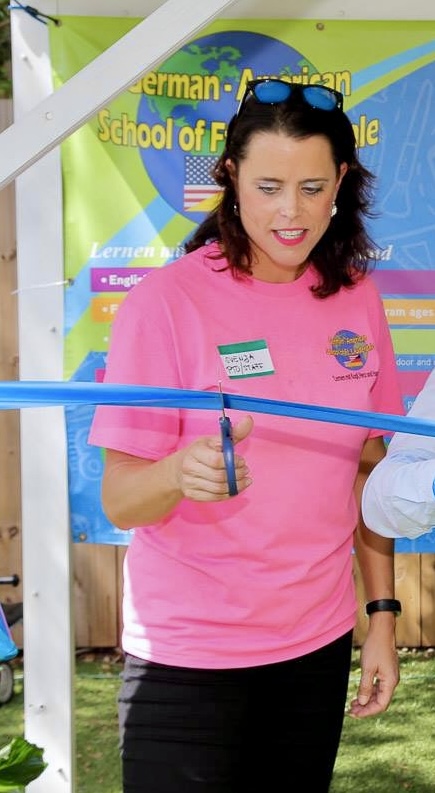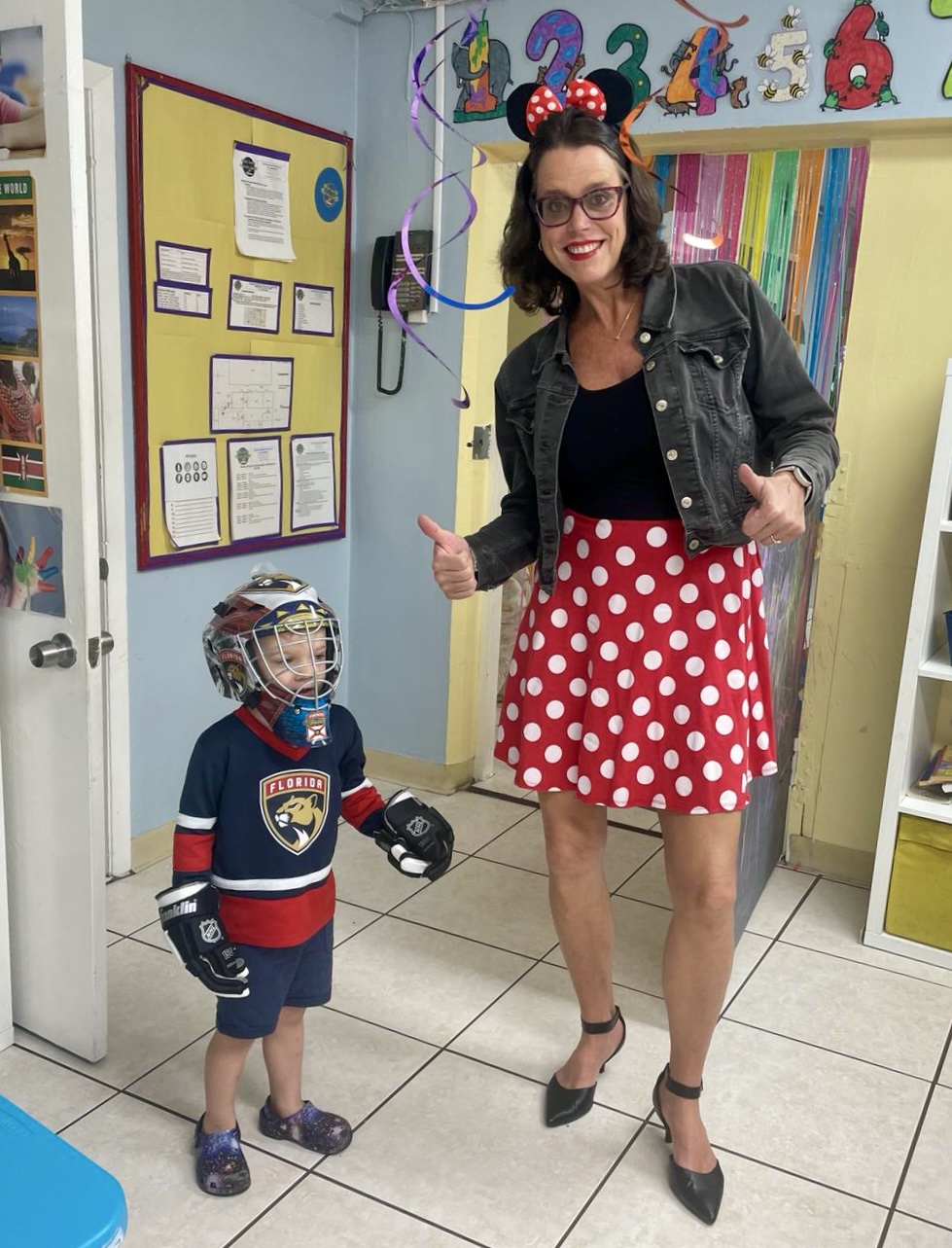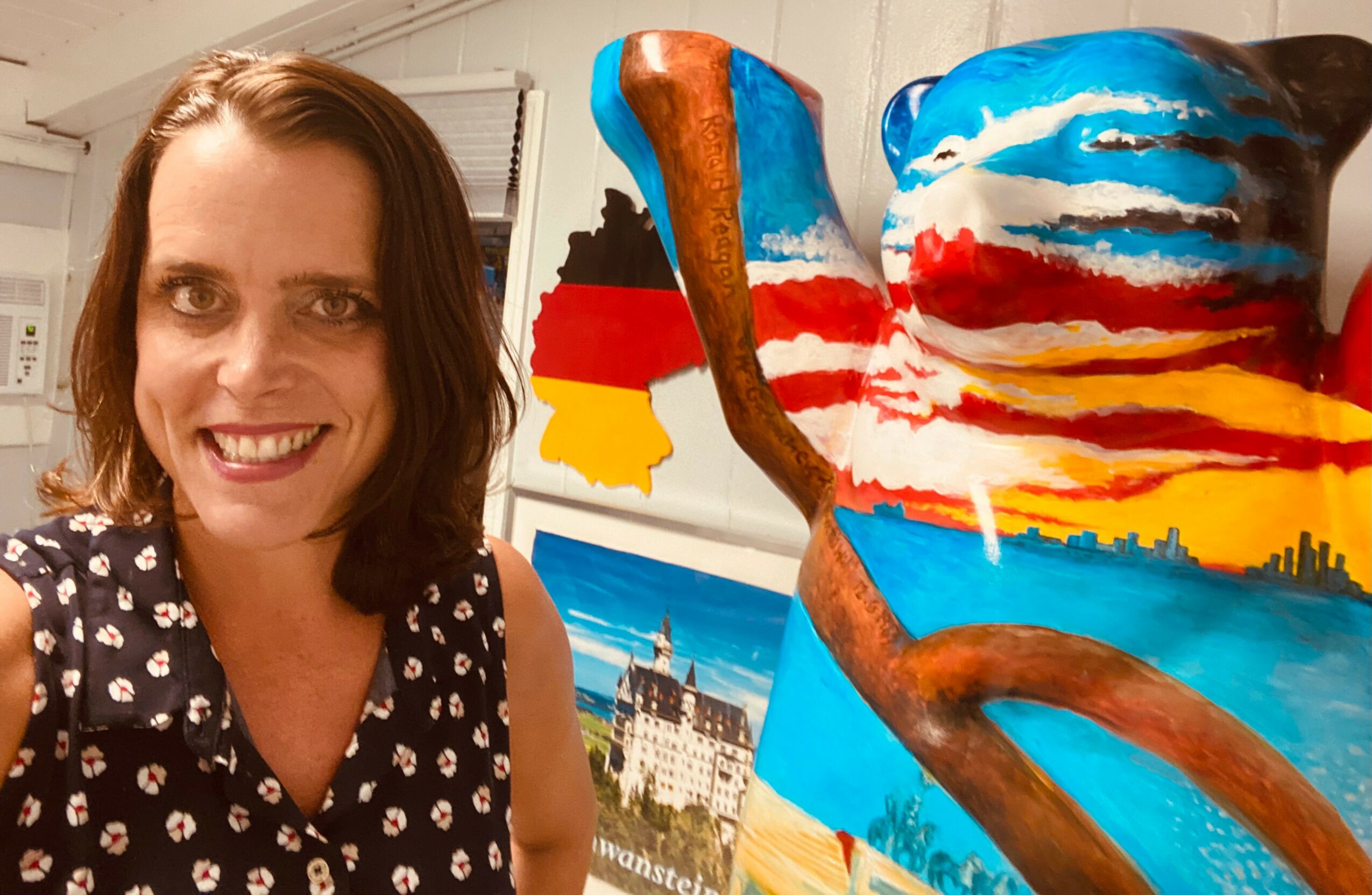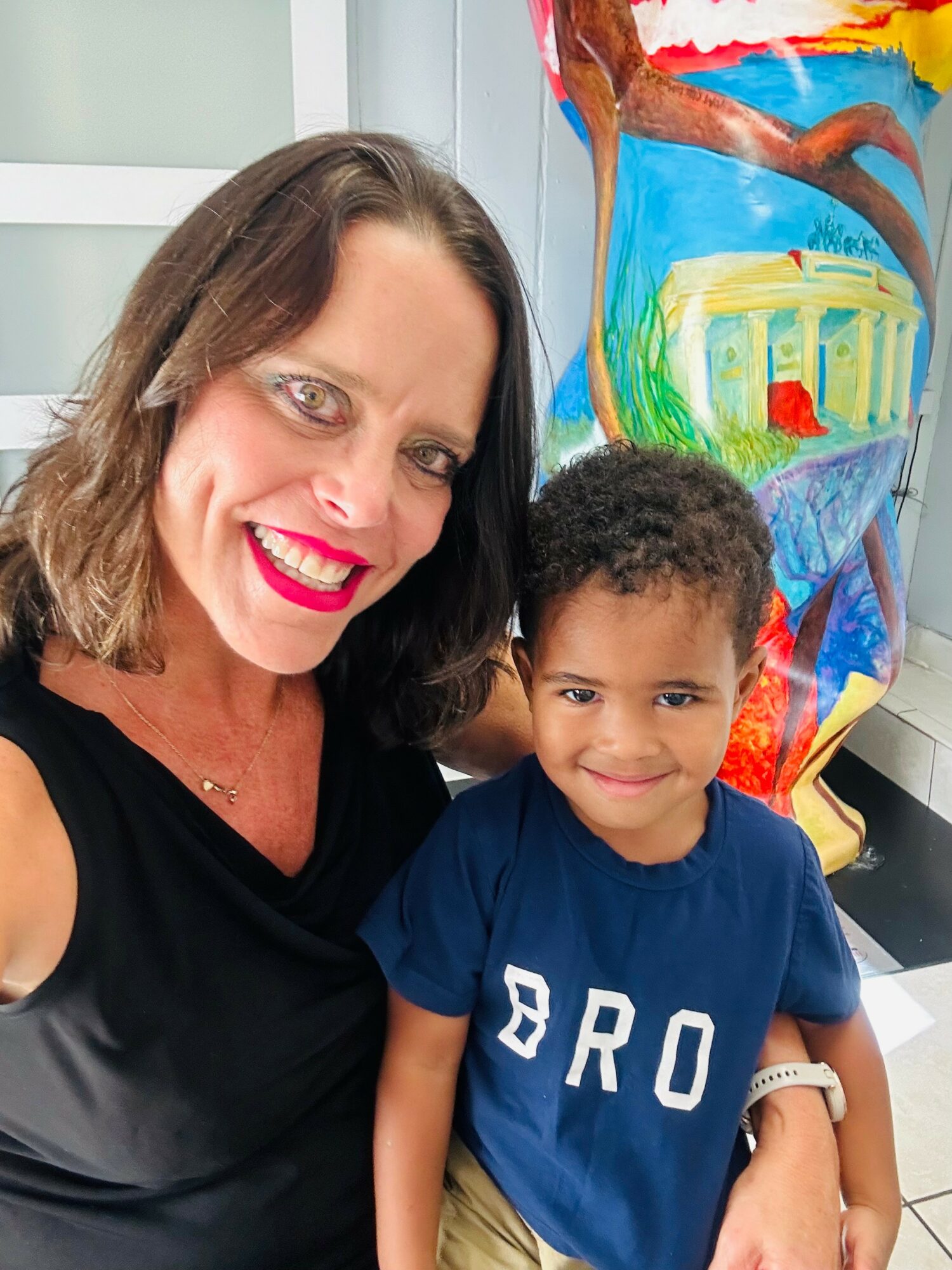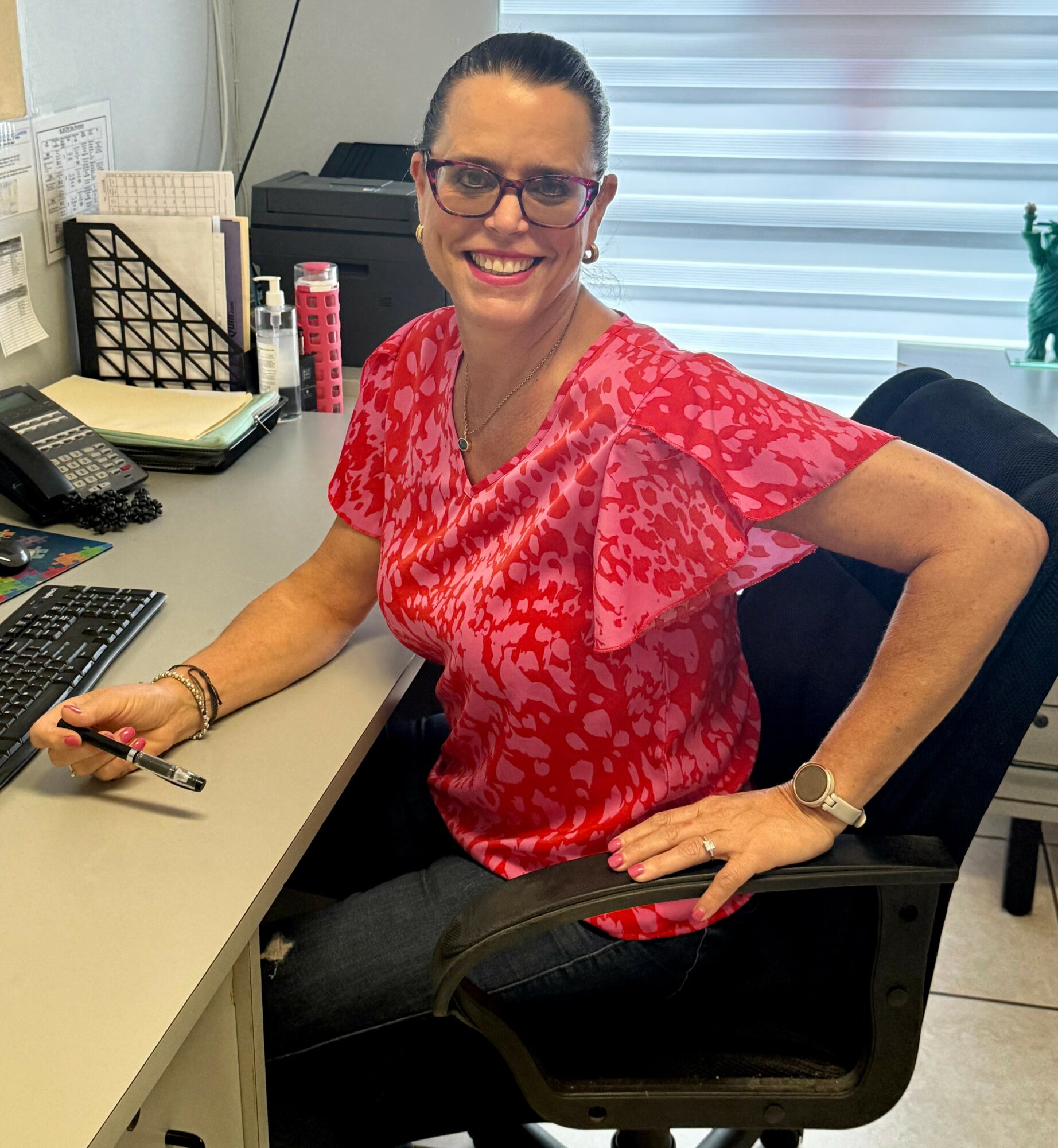





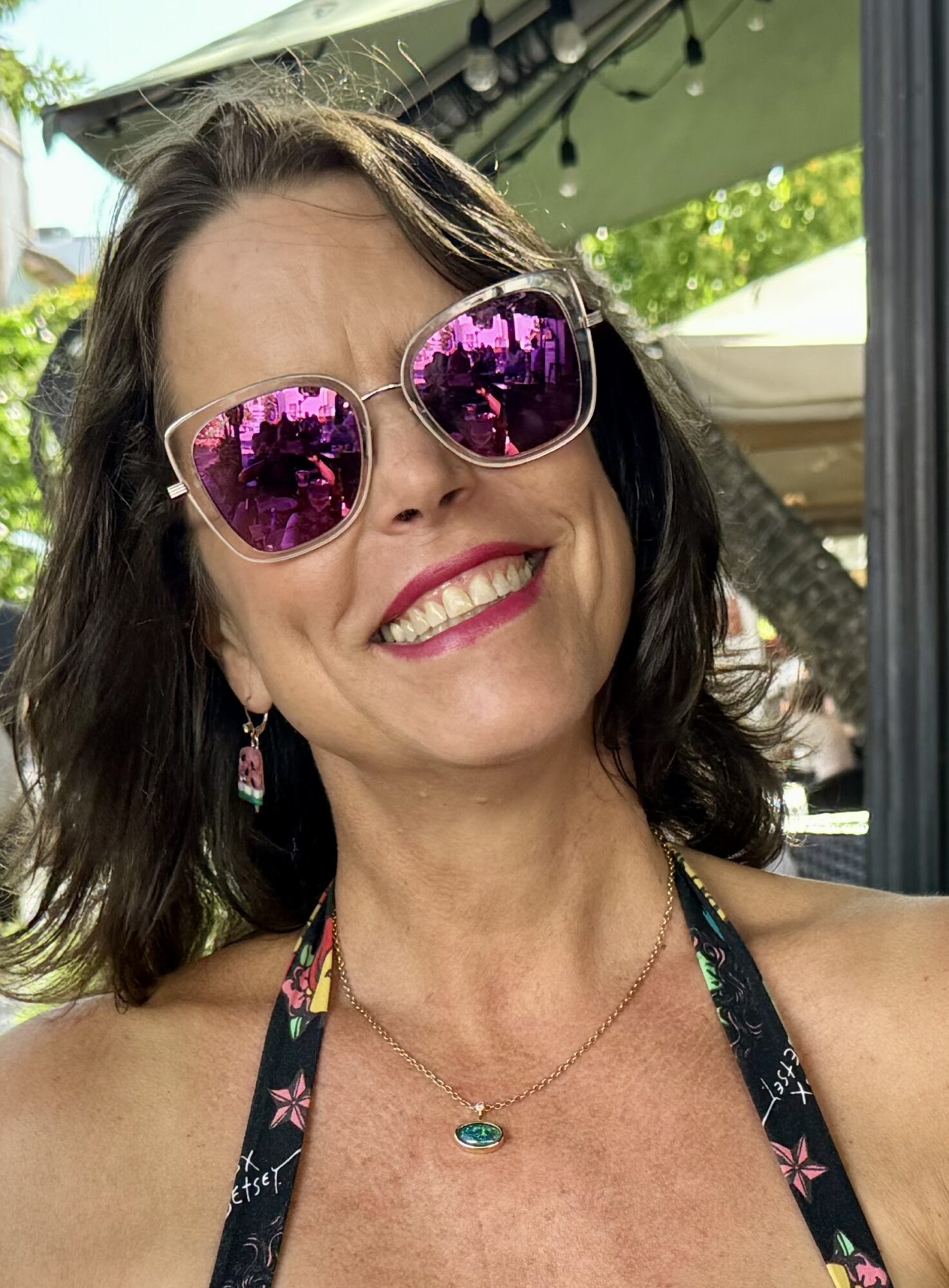
Today we’d like to introduce you to Svenja Iglesias.
Hi Svenja, please kick things off for us with an introduction to yourself and your story.
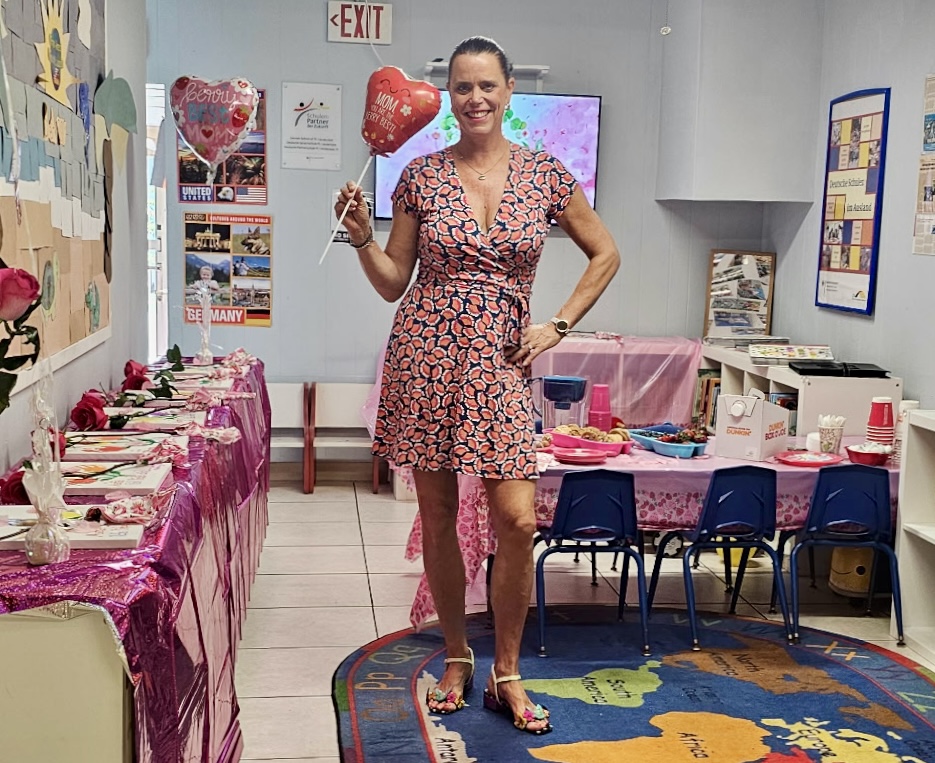
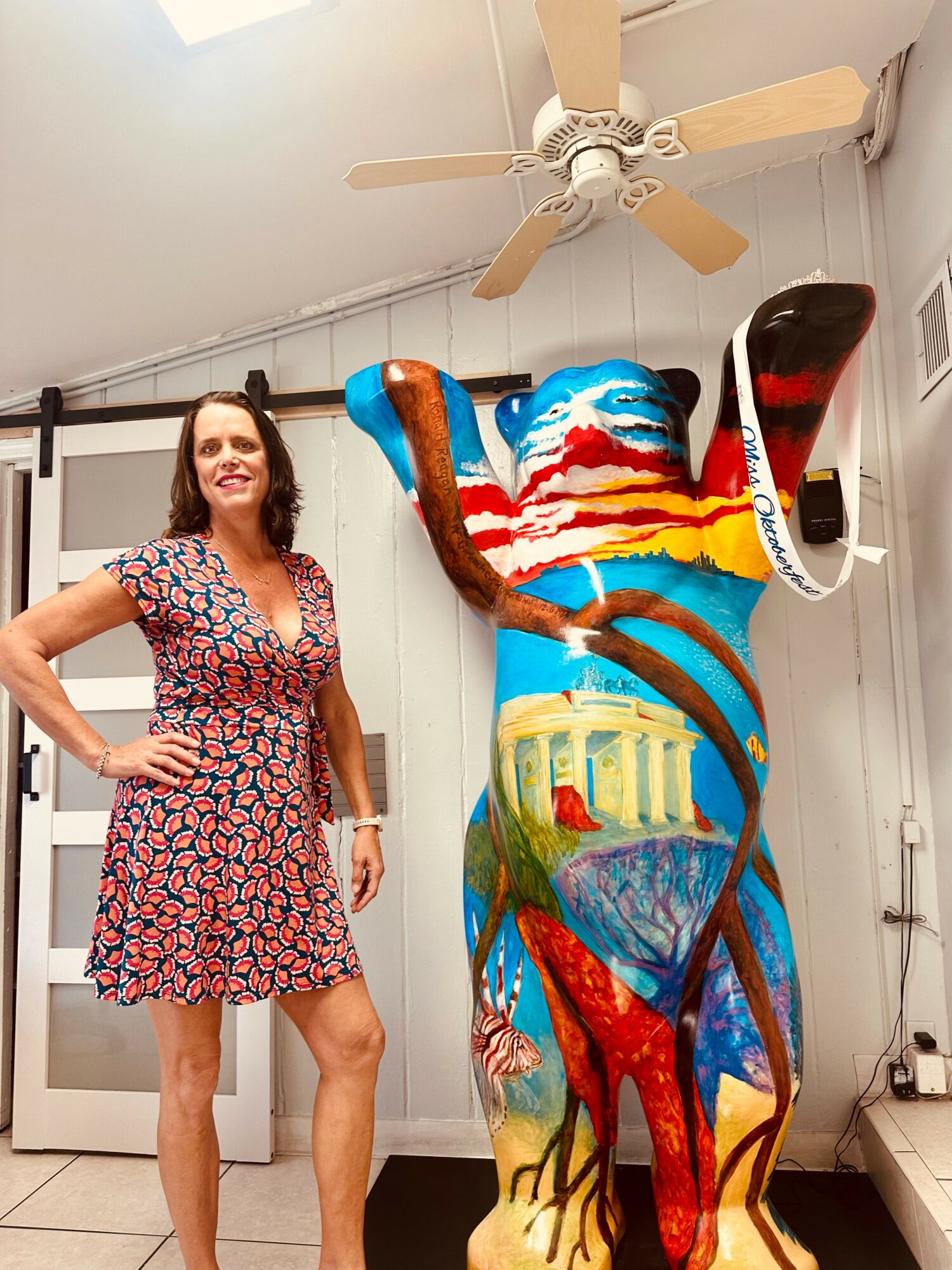
A Little Piece of Germany in South Florida
When I look back at the beginning of the German-American School of Fort Lauderdale, I sometimes wonder if I truly understood what I was starting.
I knew I wanted to create something special. I knew there were families in South Florida who wanted their children to grow up with the German language and culture. I knew how important it was for children to hear a language naturally—not just in a classroom for an hour a week, but as part of their everyday world.
What I didn’t know was how much that little idea would eventually become a part of my own life.
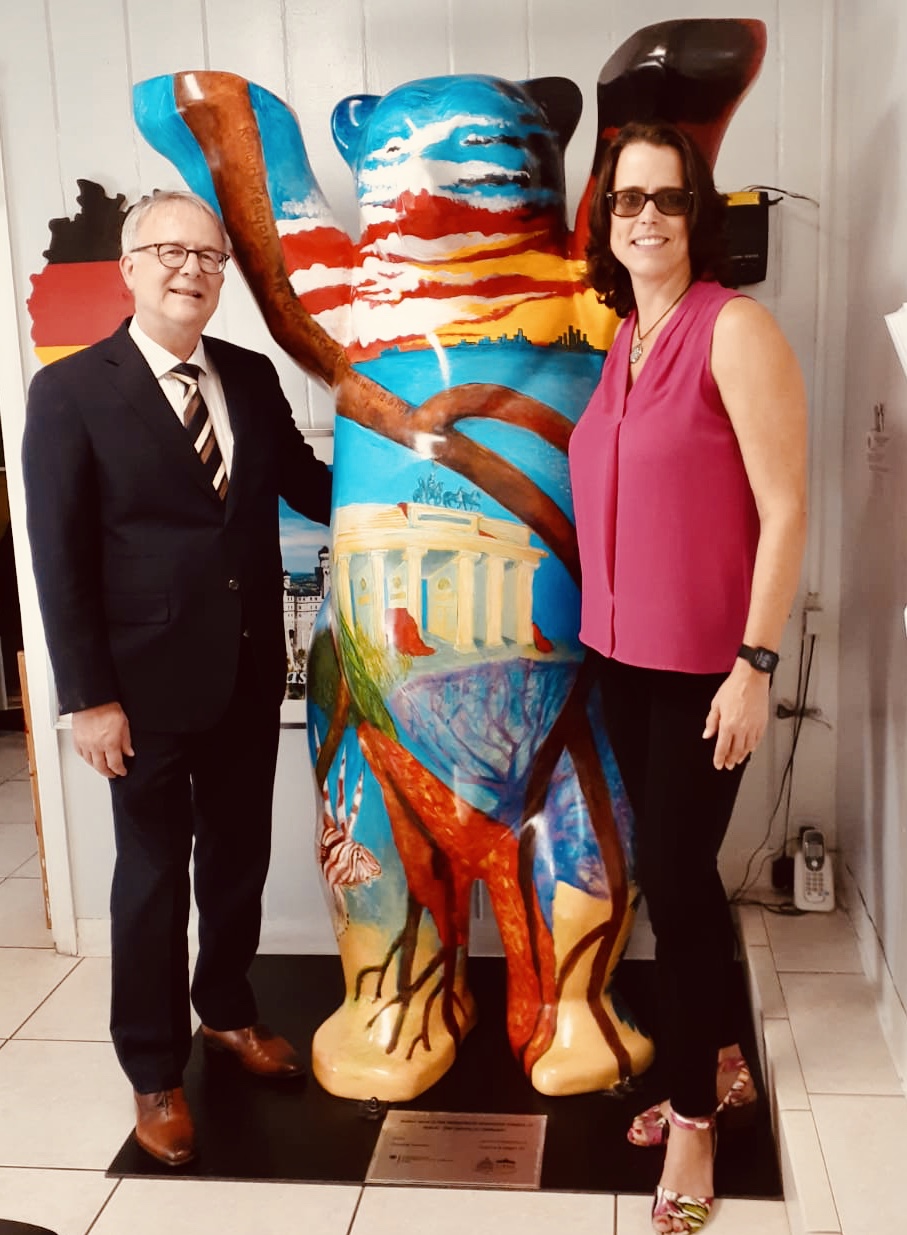
I came to South Florida and, somehow, decided to build a little piece of Germany here.
It sounds simple when you say it that way.
It wasn’t.
Starting a school meant taking a leap of faith. There was no guarantee that families would come. No guarantee that the idea would work. And certainly no guarantee that I would still be doing it all these years later.
There were classrooms to create, licenses to obtain, rules and regulations to learn, employees to hire, parents to reassure, bills to pay, and a thousand little problems that nobody tells you about when you decide to become a business owner.
There were days when I was the director, the administrator, the problem solver, the person answering the phone, the person talking to parents, and probably the person fixing something that had no business being my problem in the first place.
But slowly, something happened.
The school began to become more than a business.
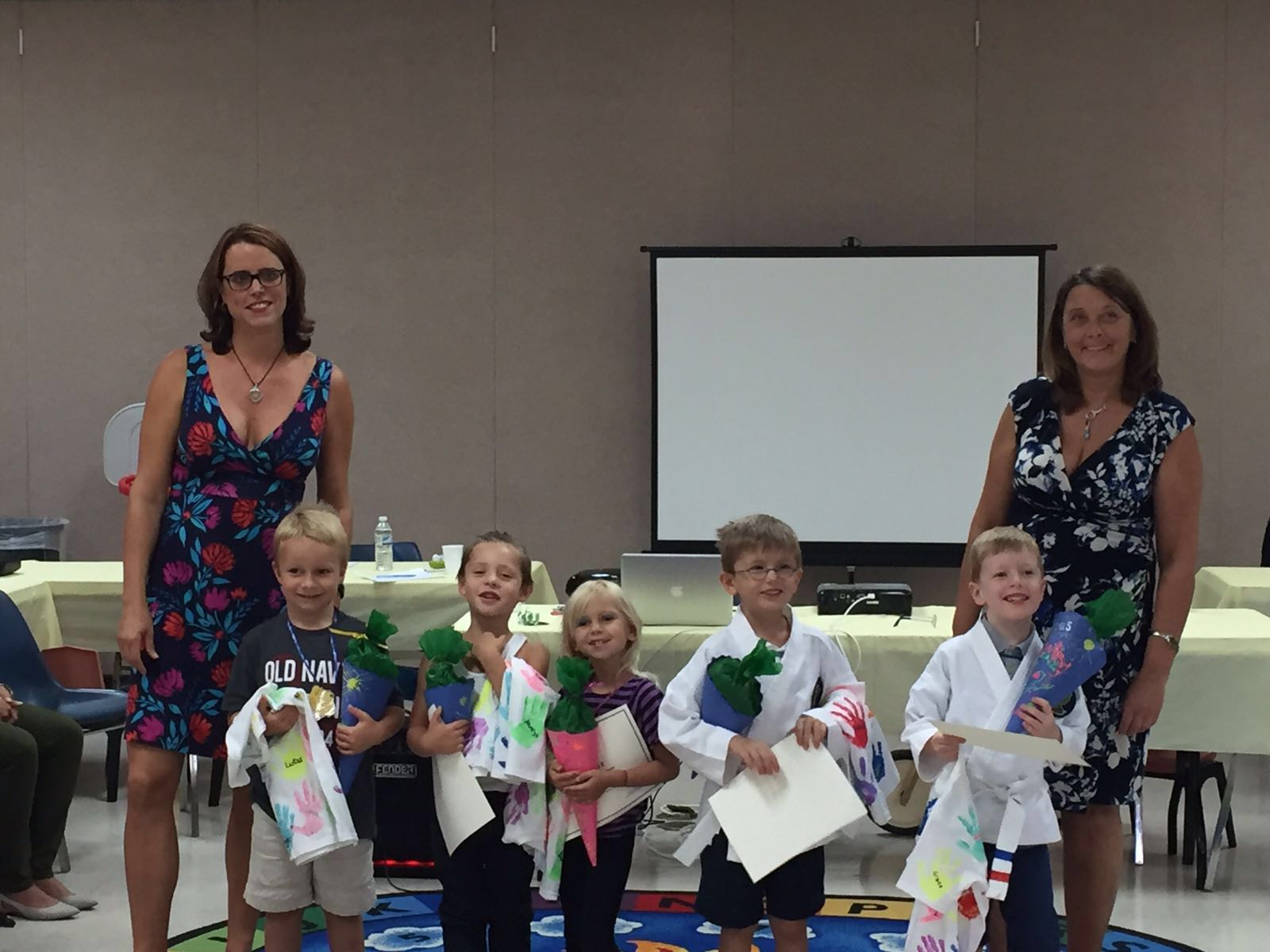
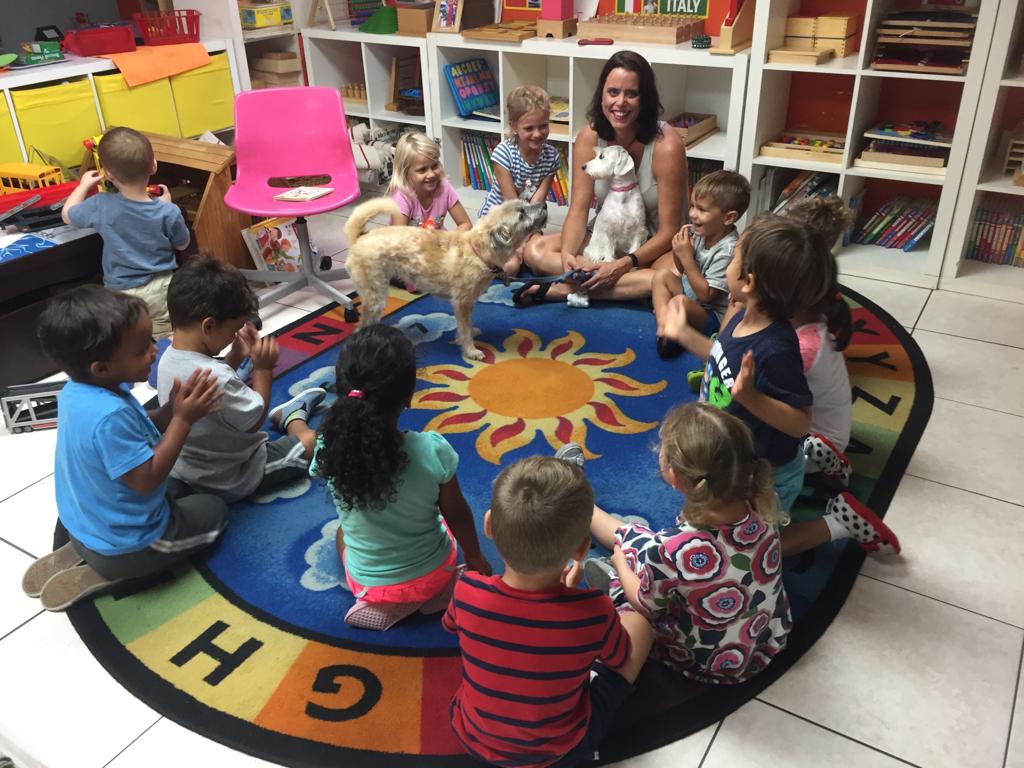
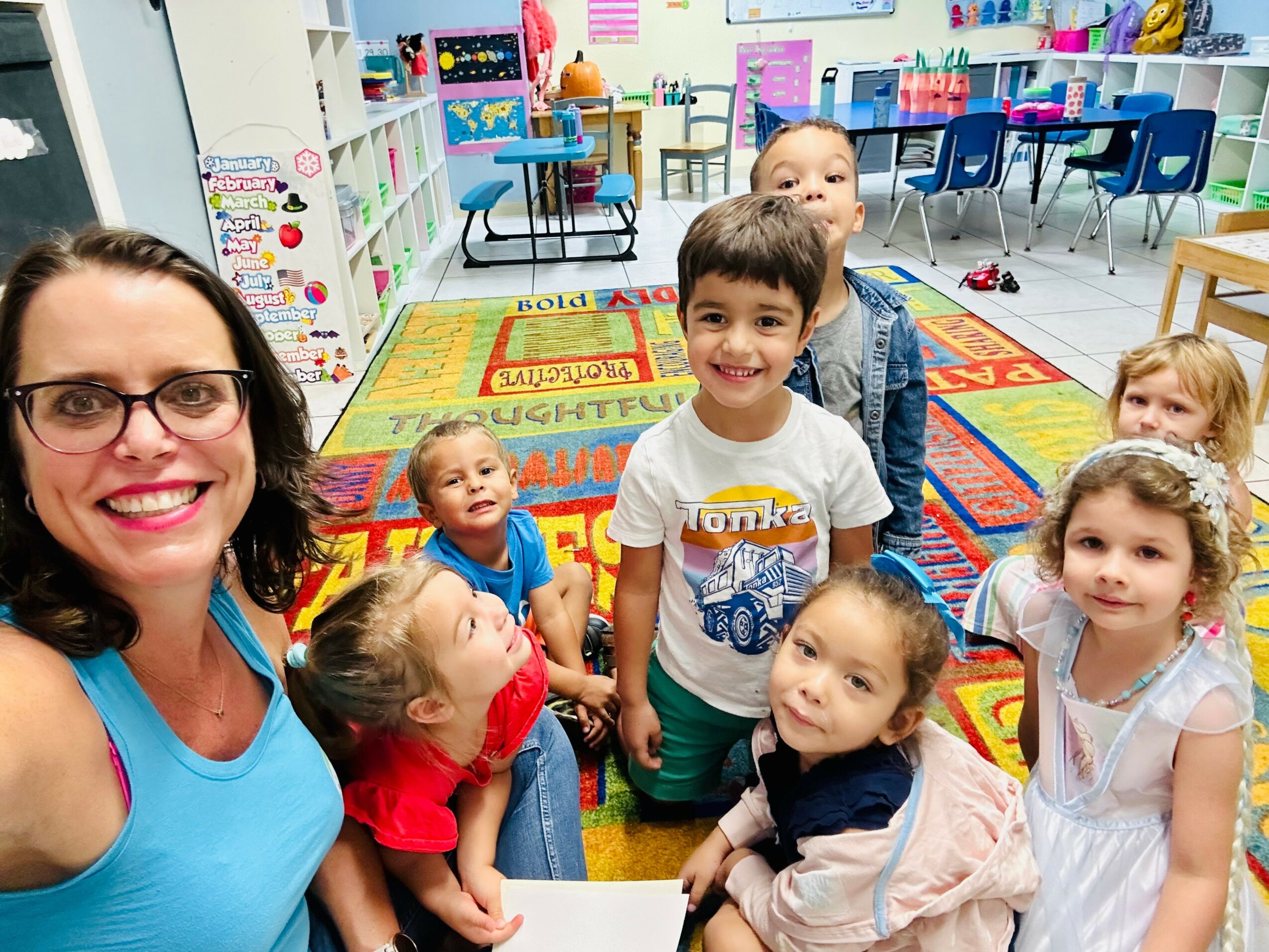
Children walked through the doors.
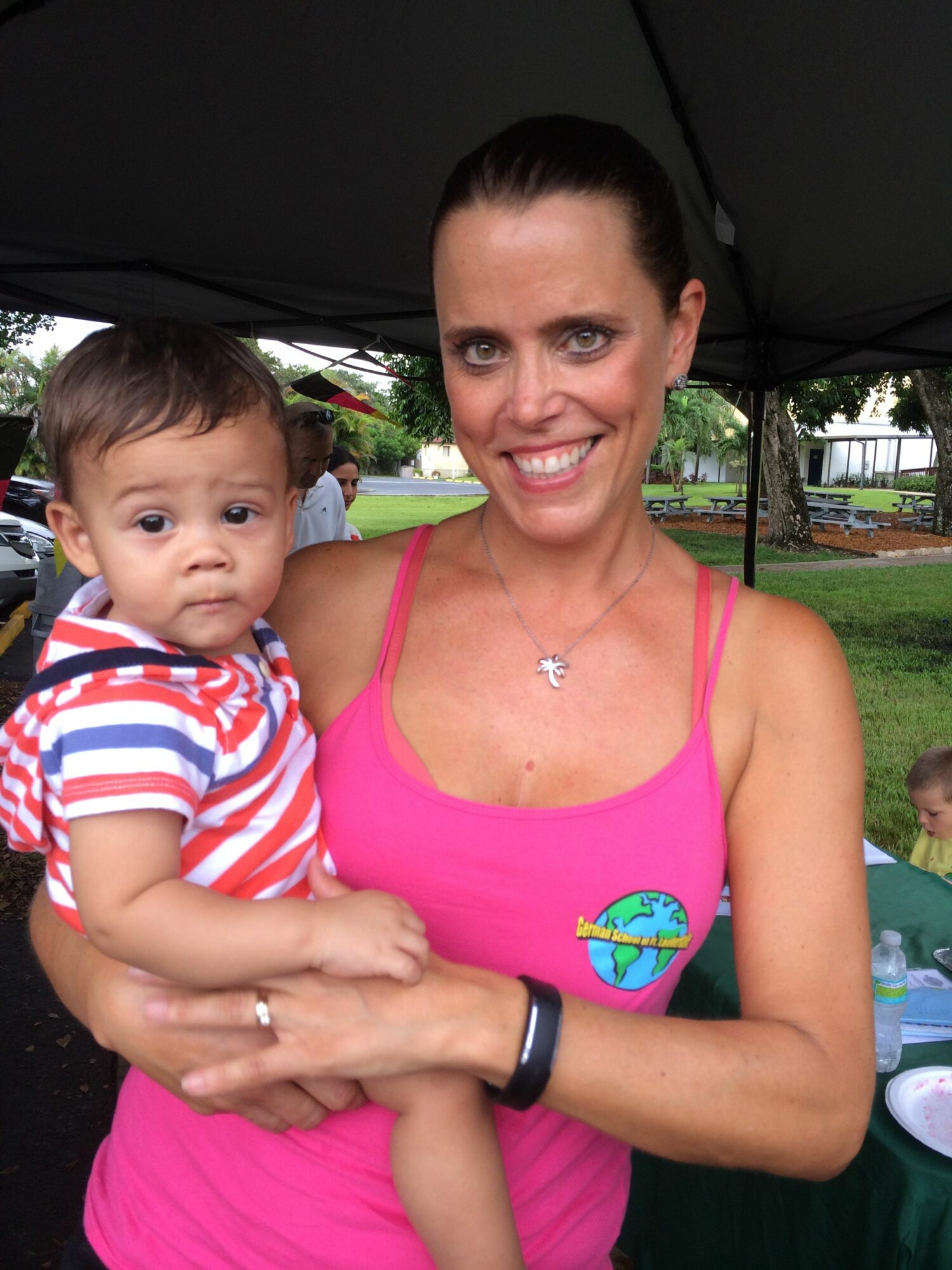
Some were tiny enough that their parents were still carrying them. Some were just beginning to speak. And then, over the years, we watched them grow.
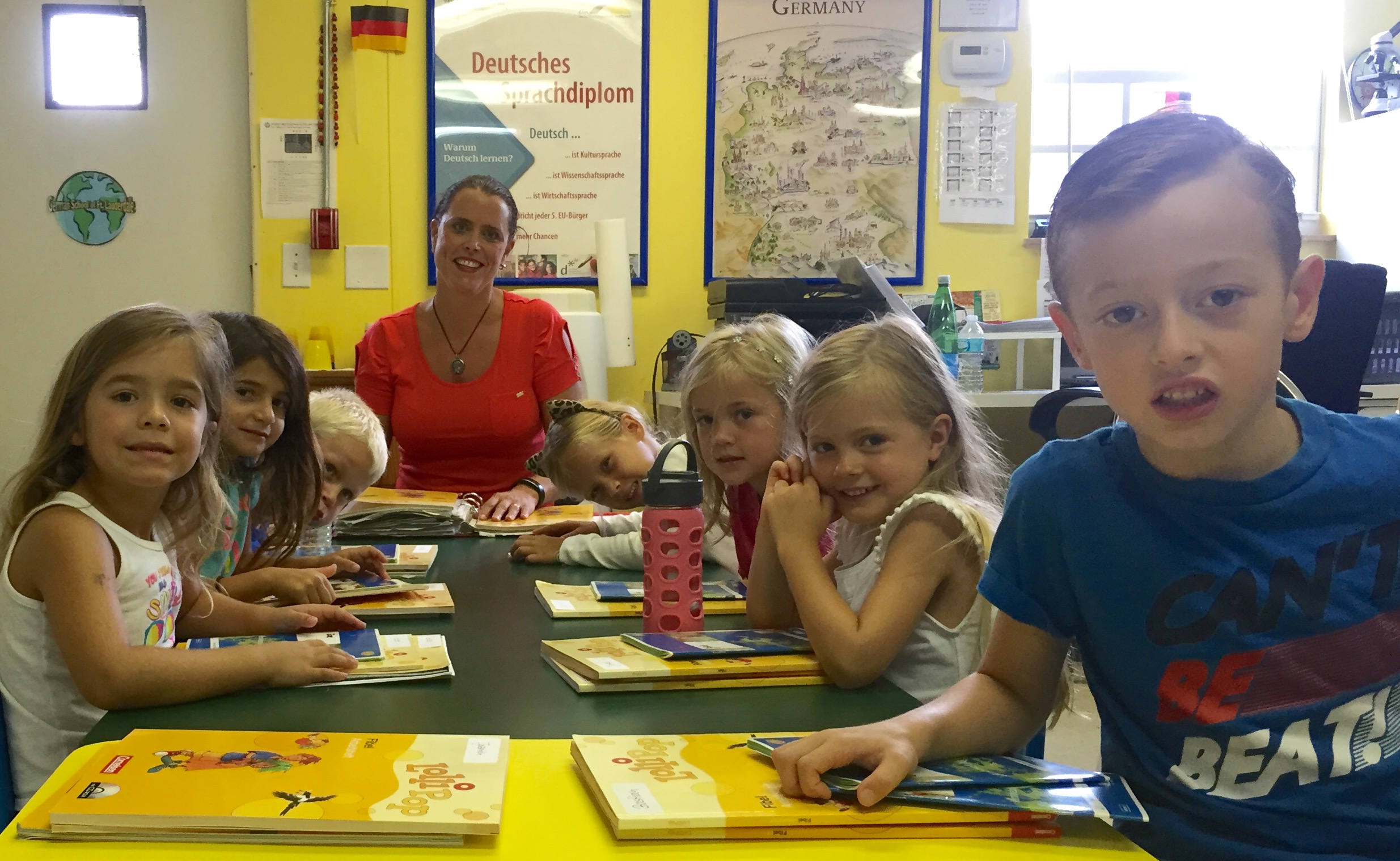
They learned their first German words.
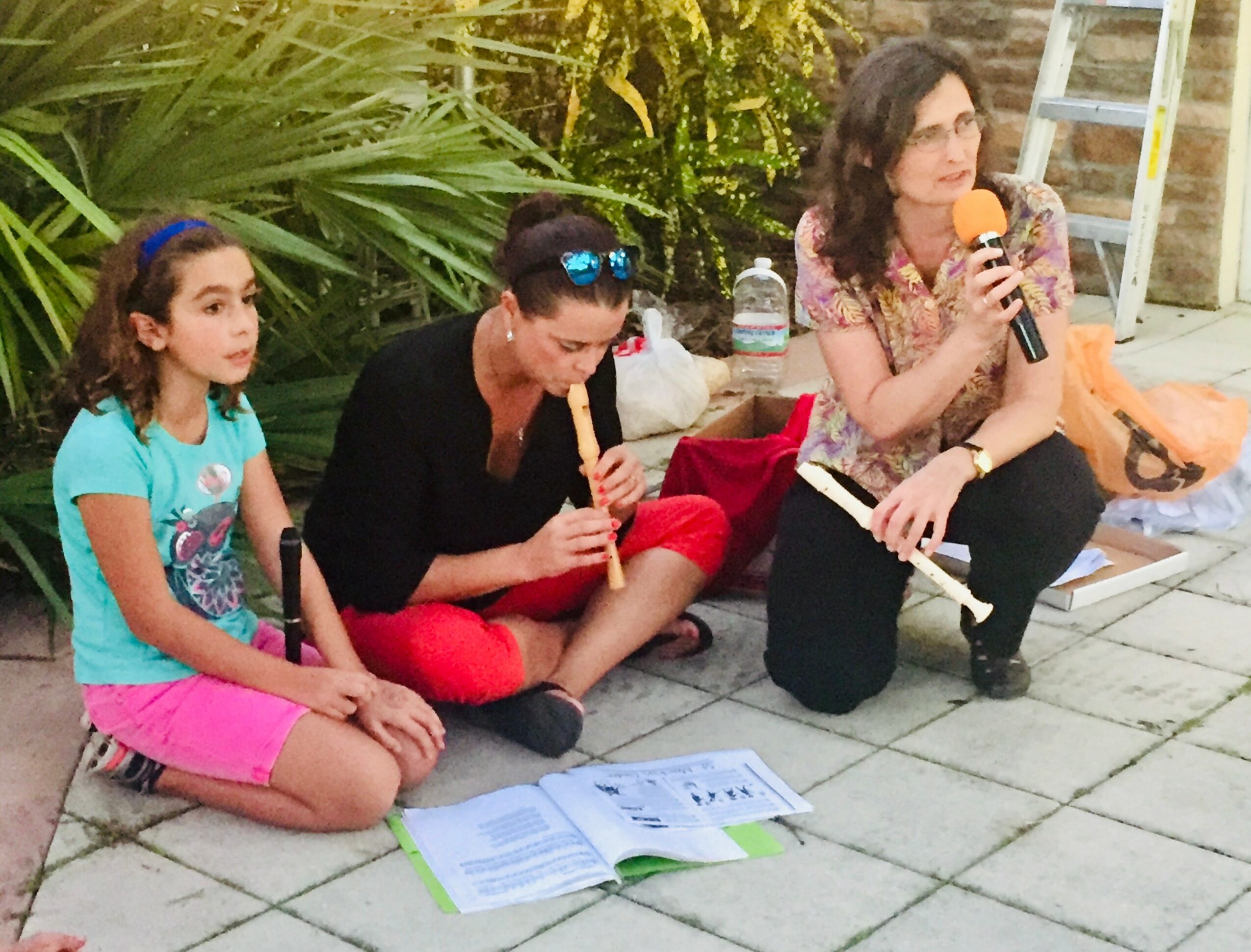
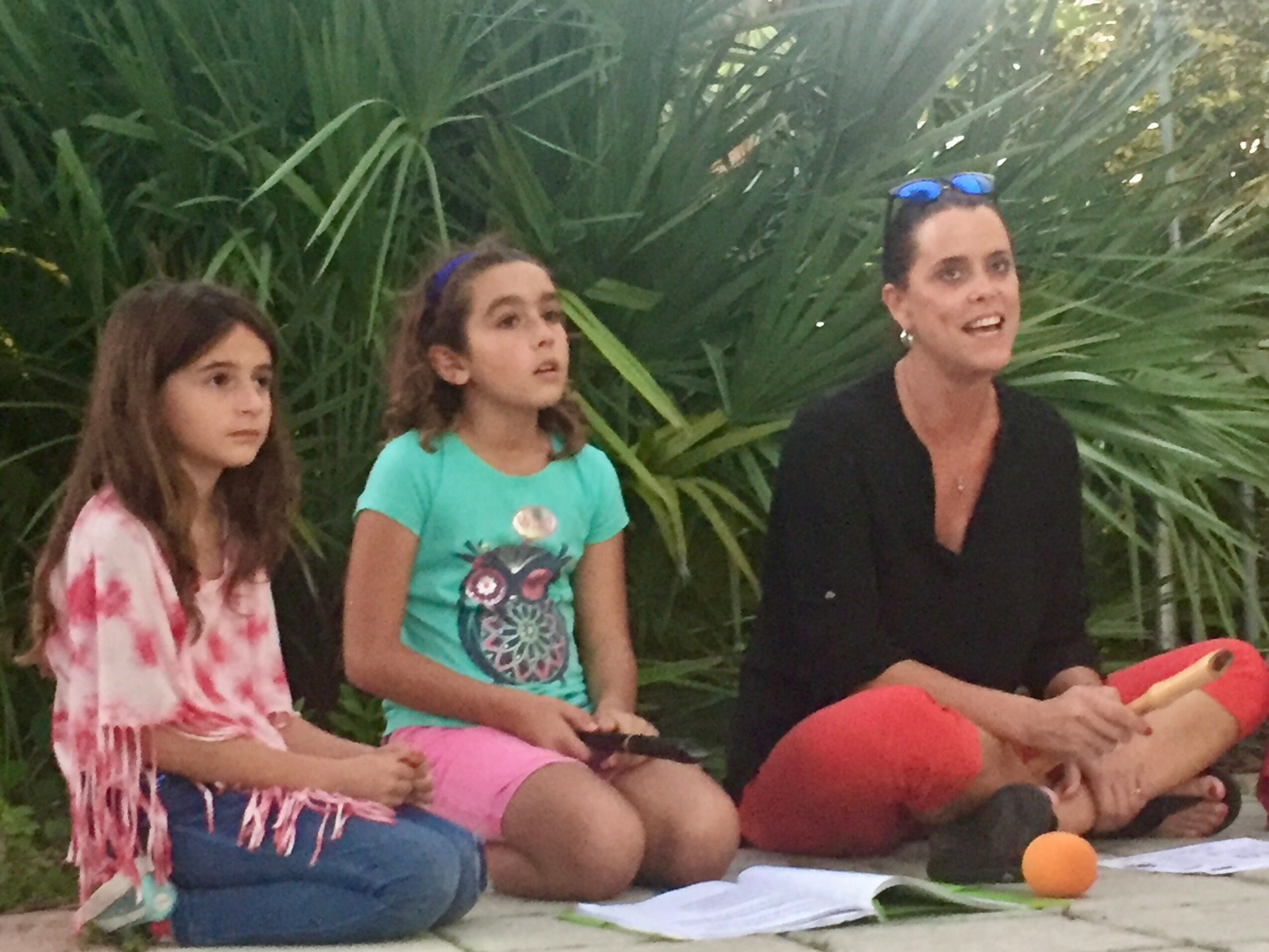
They sang German songs.
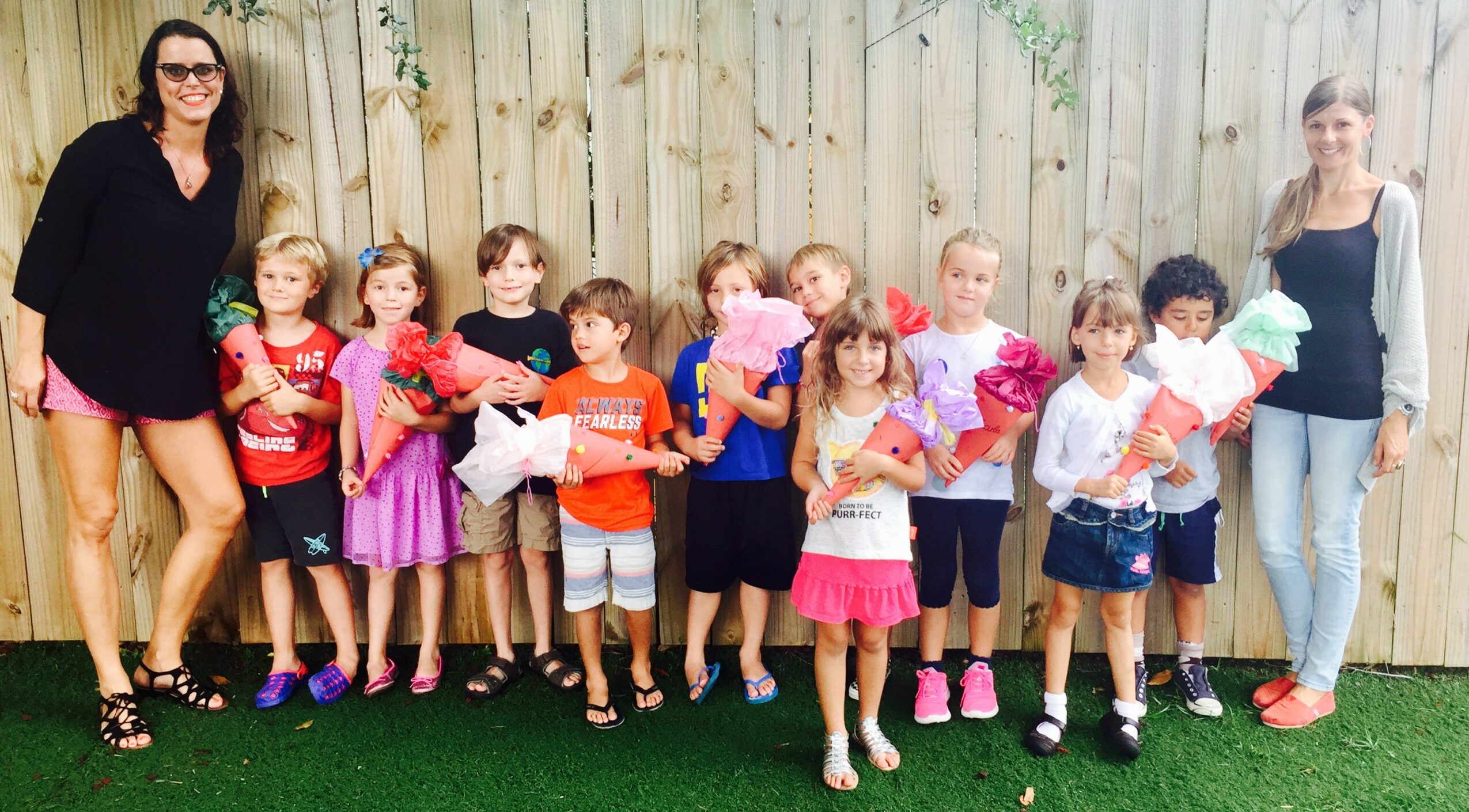
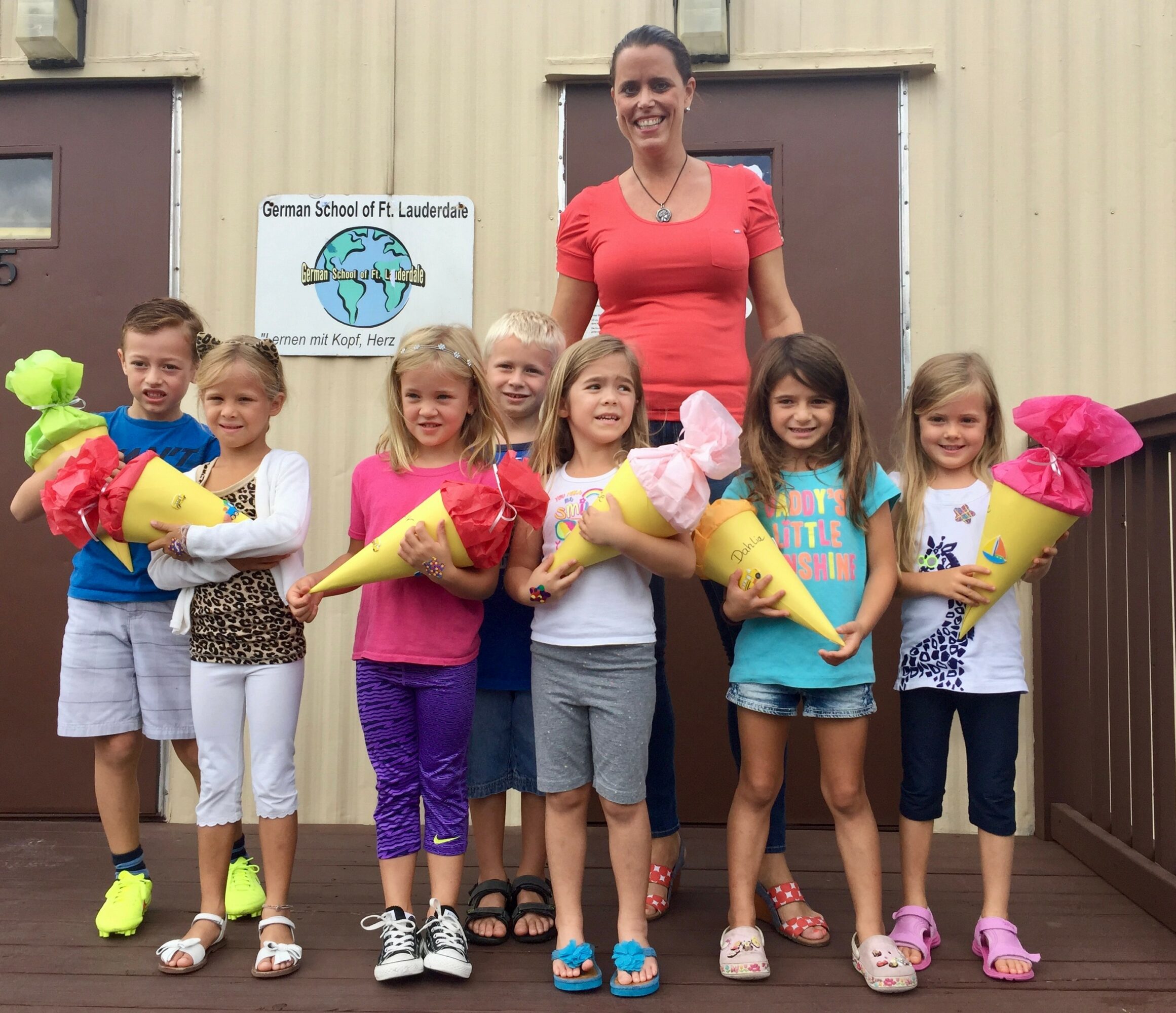
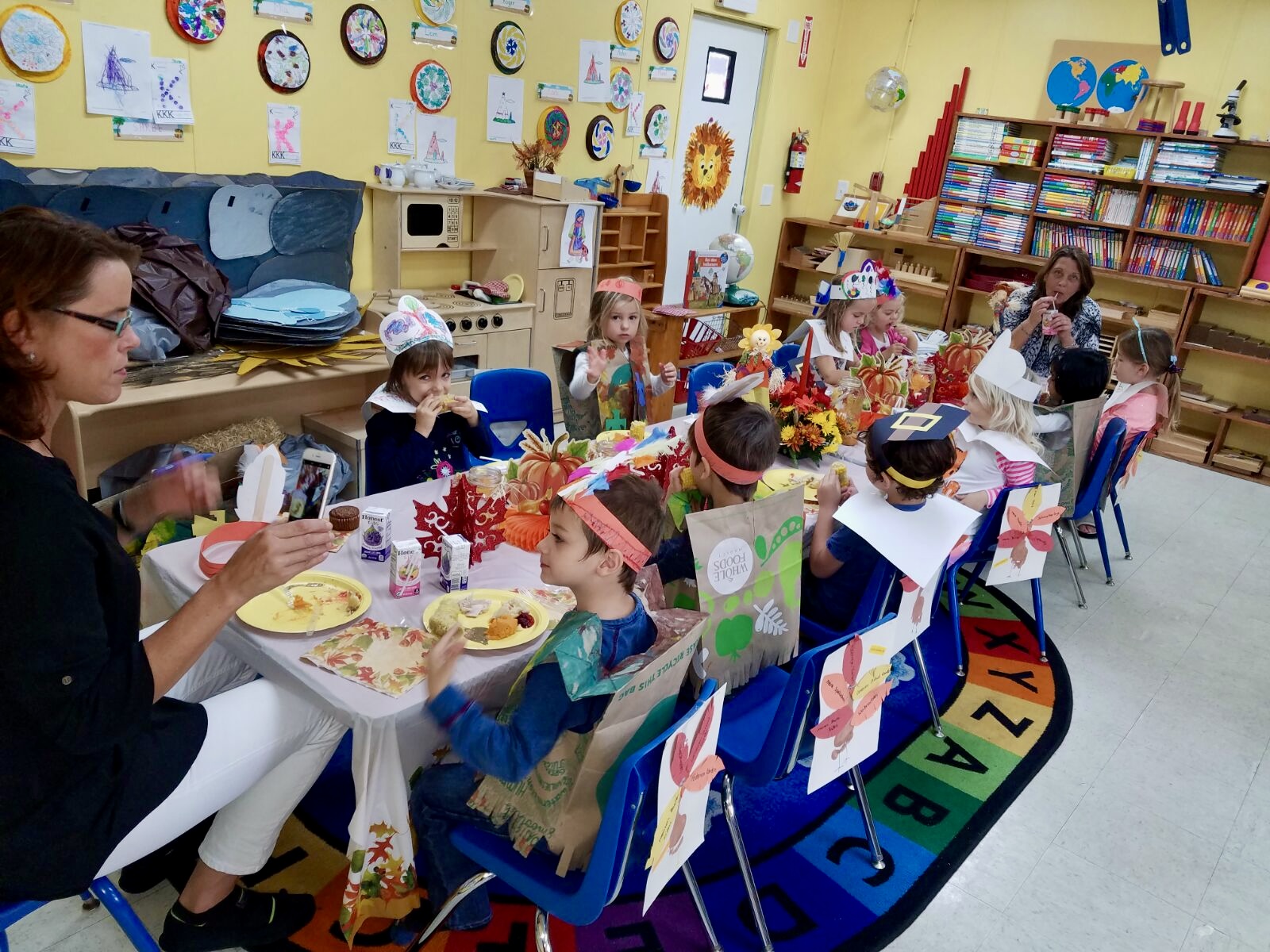
They celebrated German traditions.
They made friends.
They learned that German wasn’t simply a language their parents wanted them to learn—it was something that belonged to them.
And then there were the families.
Some came because they were German. Some had German grandparents. Some had lived in Germany. Some simply loved the language and wanted their children to have an opportunity that was difficult to find elsewhere.
And little by little, those families became part of our story.
Teachers became part of the story, too.
German-speaking teachers came into the school and gave the children something that I had hoped for from the very beginning: the opportunity to experience German as something alive and natural.
Over the years, I saw teachers become attached to children, children become attached to teachers, and families become attached to the school.
And somewhere along the way, I realized that I hadn’t simply created a preschool.
I had created a community.
A little German community in South Florida.
There were difficult years, of course.
Running a school is not always beautiful classrooms, happy children, and German songs.
There are inspections.
There are regulations.
There are staffing problems.
There are enrollment worries.
There are parents who need reassurance and employees who need support.
And there are days when you wonder why you ever thought owning a school was a good idea.
But then a child runs through the door and says something in German.
Or a former student comes back.
Or a parent tells you what the school has meant to their family.
And suddenly, you remember why you started.
For me, those moments were always bigger than the difficult ones.
Because I wasn’t just running a business.
I was helping preserve something.
Language is funny that way. It is much more than words. It carries memories, traditions, humor, songs, stories, and a sense of belonging.
And I wanted children growing up thousands of miles from Germany to have access to all of that.
I wanted them to know that they could belong to two worlds.
They could be American and German.
They could grow up in South Florida and still know what it feels like to hear German around them.
They could celebrate Christmas traditions, sing German songs, speak with German teachers, and carry a little piece of that culture with them wherever life took them.
That became the real purpose of the school.
I’m sure it wasn’t obstacle-free, but would you say the journey has been fairly smooth so far?
The Challenges Behind Building a German School in South Florida
Running the German-American School of Fort Lauderdale for all these years has been one of the most rewarding—and challenging—chapters of my life.
When I started the school, I had a vision of creating a place where children in South Florida could experience German language and culture in a natural, everyday environment. What I quickly learned was that building a school is about much more than education. It is about people, finances, regulations, and carrying an enormous amount of responsibility every single day.
One big challenge was keeping the school financially sustainable. A preschool has significant operating costs—payroll, rent, insurance, licensing, supplies, maintenance, and many unexpected expenses. You have to constantly balance providing a high-quality program with the financial realities of running a business.
Finding and retaining the right staff was another major challenge. Because we are a German-language school, I needed teachers who could not only work well with young children but also help maintain an authentic German-speaking environment. When a teacher left, it affected the entire school, and finding the right replacement was not always easy.
Then there was the regulatory side of operating a childcare center in Florida. Licensing requirements, inspections, staff training, background checks, documentation, safety regulations, and constantly making sure everything was in compliance required a tremendous amount of time and attention. Much of that work happens behind the scenes, but it is essential to keeping a school operating.
Perhaps the greatest challenge, however, was the responsibility of being the owner. Parents were trusting me with their children, and that responsibility never felt small. If something went wrong—with staffing, enrollment, finances, or the facility—I was ultimately the person responsible for finding a solution.
There were certainly days when I was exhausted and wondered how I was going to keep everything going. But there were also countless moments that reminded me why I started. Watching children learn German, seeing their confidence grow, hearing families tell me what the school meant to them, and watching a community develop around the school made all the difficult days worthwhile.
Looking back, I think the biggest challenge was balancing my original vision with the realities of running a business. I wanted to preserve the German language and culture that were at the heart of the school while navigating all the practical demands of operating a licensed preschool.
It was demanding, and occasionally frustrating—but it was also deeply meaningful.
I didn’t simply run a preschool for all those years. I built something from the ground up and created a small German-speaking community in South Florida. And despite all the challenges, that is what I am most proud of.
Can you tell our readers more about what you do and what you think sets you apart from others?
What I Do, What I Am Known For, and What Sets Me Apart
For many years, my work has centered around children, education, language, and community. I founded and ran the German-American School of Fort Lauderdale, where we created a German-language environment for young children and their families here in South Florida.
What I specialize in is really creating a connection between two cultures. I wanted children to be able to grow up in South Florida while still having a meaningful connection to the German language and culture. For me, language is not just about vocabulary or grammar. It is about identity, traditions, family, music, memories, and understanding where you come from.
I am probably best known for being very hands-on. I didn’t build the school and simply manage it from behind a desk. I was involved in the day-to-day life of the school, the children, the teachers, the families, and all the challenges that come with running a childcare program. I cared deeply about creating an environment where children felt safe, loved, and encouraged to learn.
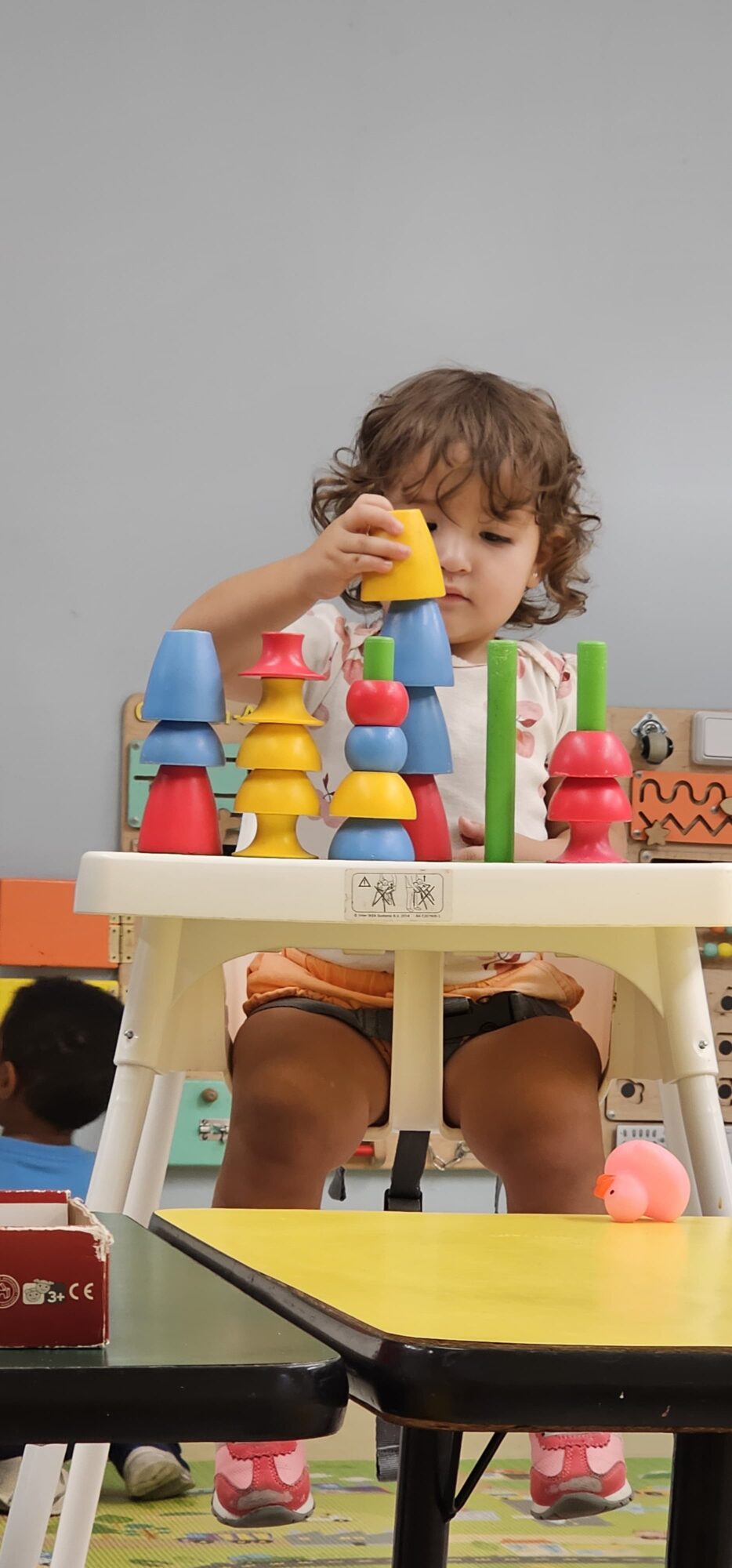
What sets the school—and, I think, my approach—apart is that German was never meant to feel like a subject the children had to study. We wanted it to feel like part of their world. Children learned through play, conversation, songs, traditions, relationships, and everyday experiences.
I am most proud of the community we created.
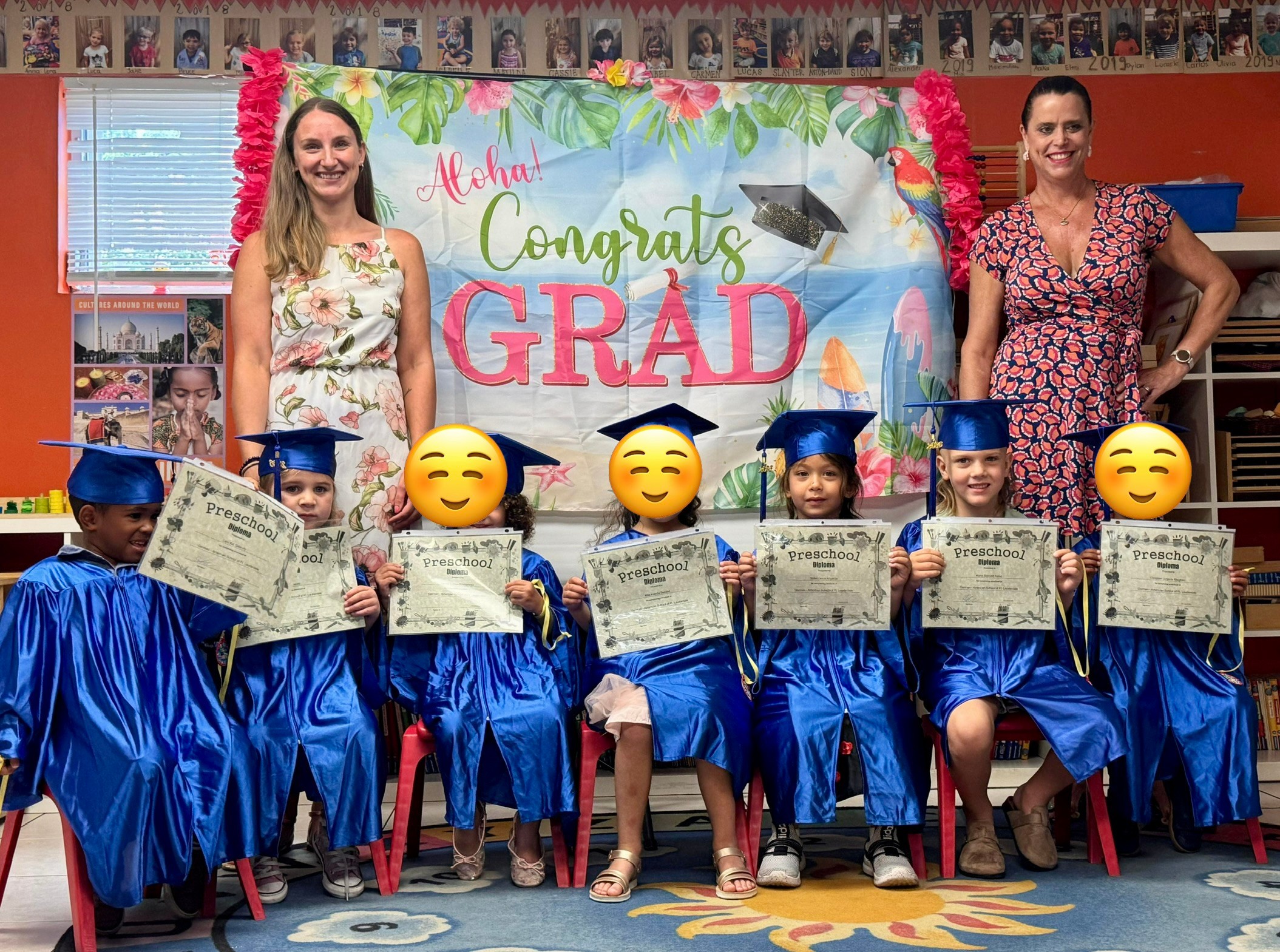
Over the years, the school became more than a place where parents dropped off their children. Families formed friendships, teachers became important figures in children’s lives, and German-speaking families found a place where their language and traditions were understood and celebrated.
I am also proud that we made German accessible to families who didn’t necessarily come from a German background. You didn’t have to be German to appreciate the language or want your child to learn it. We opened that door to many different families.
After so many years, I realize that my greatest accomplishment isn’t the business itself. It is the lasting impact on the children and families who came through our doors.
I am proud of the children who learned to speak German, the families who trusted us, the teachers who gave so much of themselves, and the community that grew around the school.
If there is one thing that sets me apart, I think it is that I have always treated the school as something personal. I wasn’t simply building a business. I was building something I believed should exist.
And perhaps that is why, after all these years, I can look back and say that I am most proud not of what I owned, but of what I created for other people.
If we knew you growing up, how would we have described you?
What I Was Like Growing Up
I think I have always been a fairly independent and determined person. Even when I was young, I liked making my own decisions and figuring things out for myself. I wasn’t necessarily the person who always followed the crowd. If I believed something was right, I was usually willing to go my own way.
I was also very social and curious. I enjoyed being around people, and I think I have always been interested in their stories and personalities. At the same time, I had a strong sense of adventure and was never afraid of trying something new.
Looking back, I can see that I had some of the qualities that eventually helped me build a school: I was persistent, I liked taking responsibility, and once I committed to something, I didn’t give up easily. I could also be stubborn—which, depending on who you ask, may or may not be a positive quality!
I have always had a natural connection with children. I enjoy their honesty and the way they see the world. Children don’t usually complicate things the way adults do. If they are happy, they are happy. If they don’t like something, you know immediately. I think that directness has always appealed to me.
I also grew up with a strong appreciation for language and culture, which became particularly important later in my life. Moving between cultures and eventually building a German school in South Florida made me realize how much language can connect people and keep a sense of home alive, even when you are far away from where you started.
I don’t think I grew up thinking, One day I am going to own a German school in Florida. Life rarely works that neatly.
But I do think the person I was growing up—independent, curious, determined, social, and willing to take a few risks—was already there.
Those qualities simply found a very unexpected place to show up.
And looking back, I wouldn’t have it any other way.
Contact Info:
- Website: https://www.germanschoolfl.com
- Instagram: https://www.instagram.com/germanschool_ft._lauderdale/?hl=en
- Facebook: https://www.facebook.com/profile.php?id=100028835666599
- LinkedIn: https://www.linkedin.com/feed/