




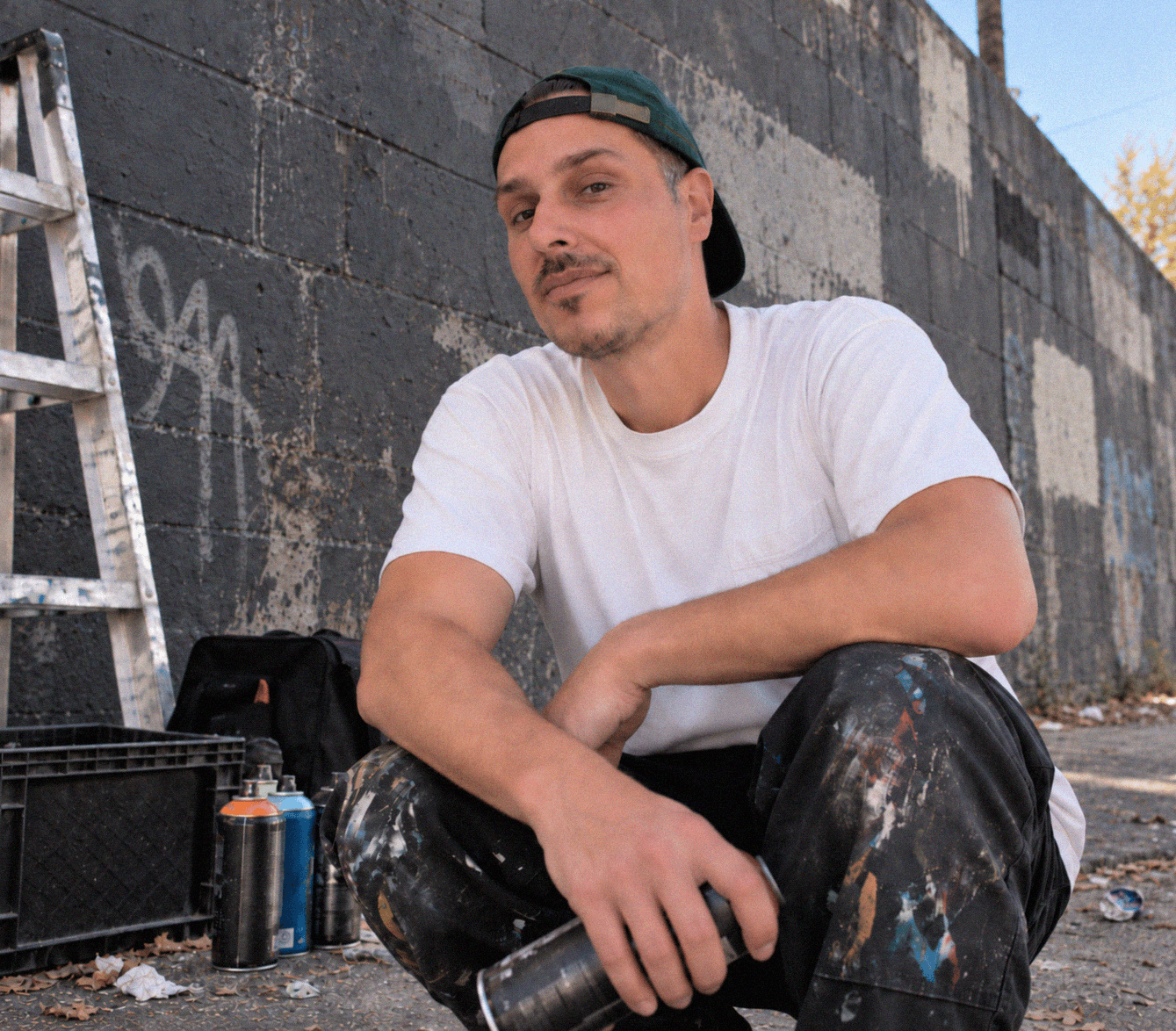
Today we’d like to introduce you to Valentino Mikalef.
Hi Valentino, please kick things off for us with an introduction to yourself and your story.
I came up through graffiti. I’ve been painting for over 30 years and that culture is really the foundation of everything I do today.
Graffiti taught me a lot beyond painting. It taught me how to be resourceful, develop your own voice, build community and make something happen with very little. You learn from the people around you and earn respect through the work.
As I got older, painting murals and working with brands naturally turned into helping organize projects and opportunities for other artists. I understood the artists because I was one of them, but I also learned how to navigate the client side and bridge those two worlds.
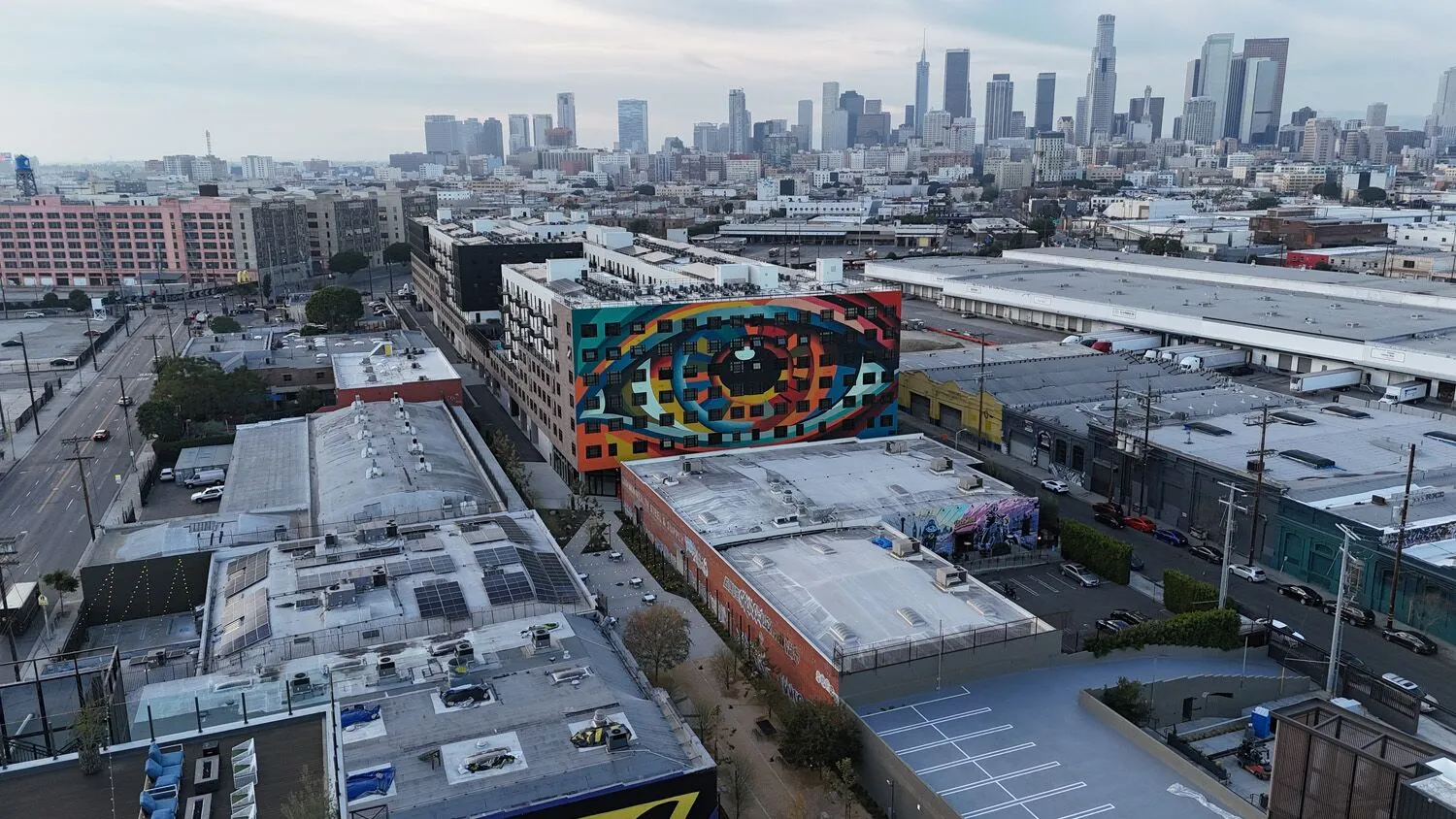
That eventually became MAC, Mural Art & Consulting. We’ve since produced over 1,000 murals and projects across the country, but the foundation has stayed the same.
Graffiti has become heavily commercialized, often without much understanding of the culture behind it. I’ve always wanted MAC to approach it differently: work with real artists, respect where the culture comes from and create opportunities for people who have put the time into it.
For me, it still comes back to the artists and the culture that gave me the opportunity to build all of this.
We all face challenges, but looking back would you describe it as a relatively smooth road?
Definitely hasn’t been one smooth ride. One of the biggest challenges has always been figuring out how to grow without losing the authenticity that got us here in the first place.
When you come from graffiti culture, respect matters. Artists know when something feels forced or when someone is just using the culture for marketing. I’ve always been conscious of keeping the respect of the artists and making sure MAC never felt like we were selling out the community that helped build it.
On the client side, I had to learn to choose my battles. Over time, you learn what is worth pushing for, where to compromise and when a project or client just is not the right fit. Learning how to say no has been a big part of that.
Another challenge has been watching other artists, agencies and collectives mirror a lot of the recipe and foundation we created. That can be frustrating, especially when you know how much time went into building those systems, relationships and ideas from scratch. But it also forces you to keep evolving.
Appreciate you sharing that. What else should we know about what you do?
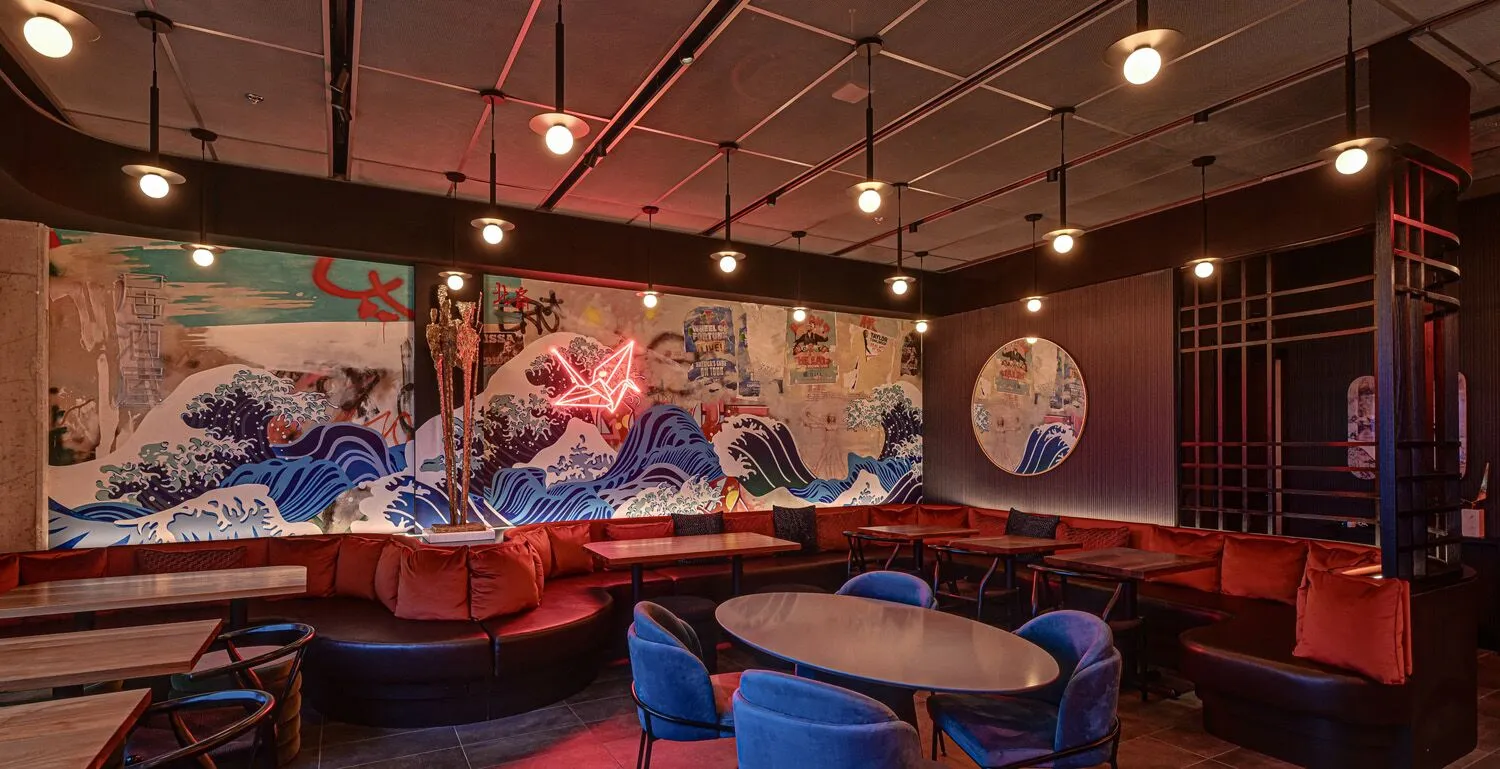
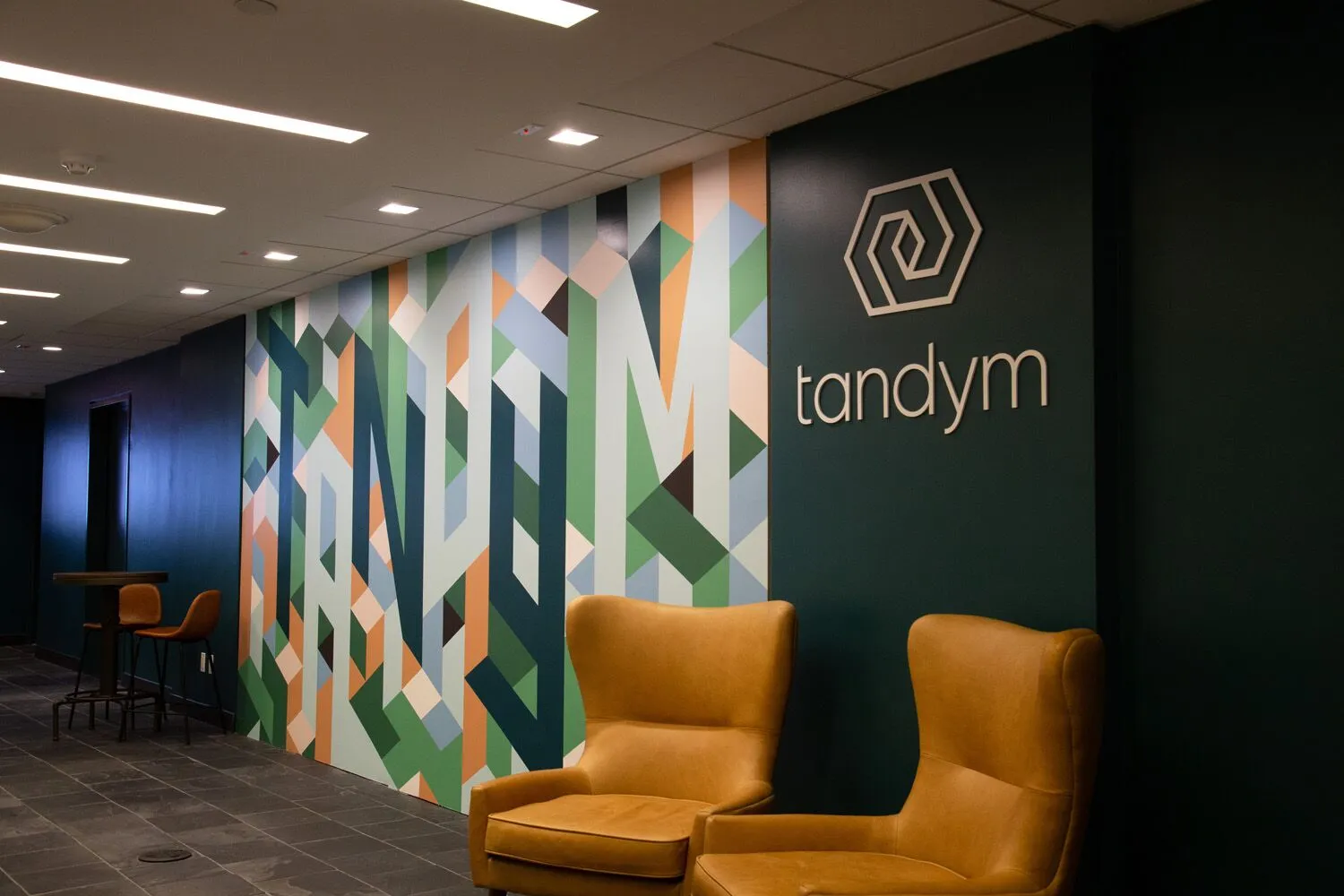
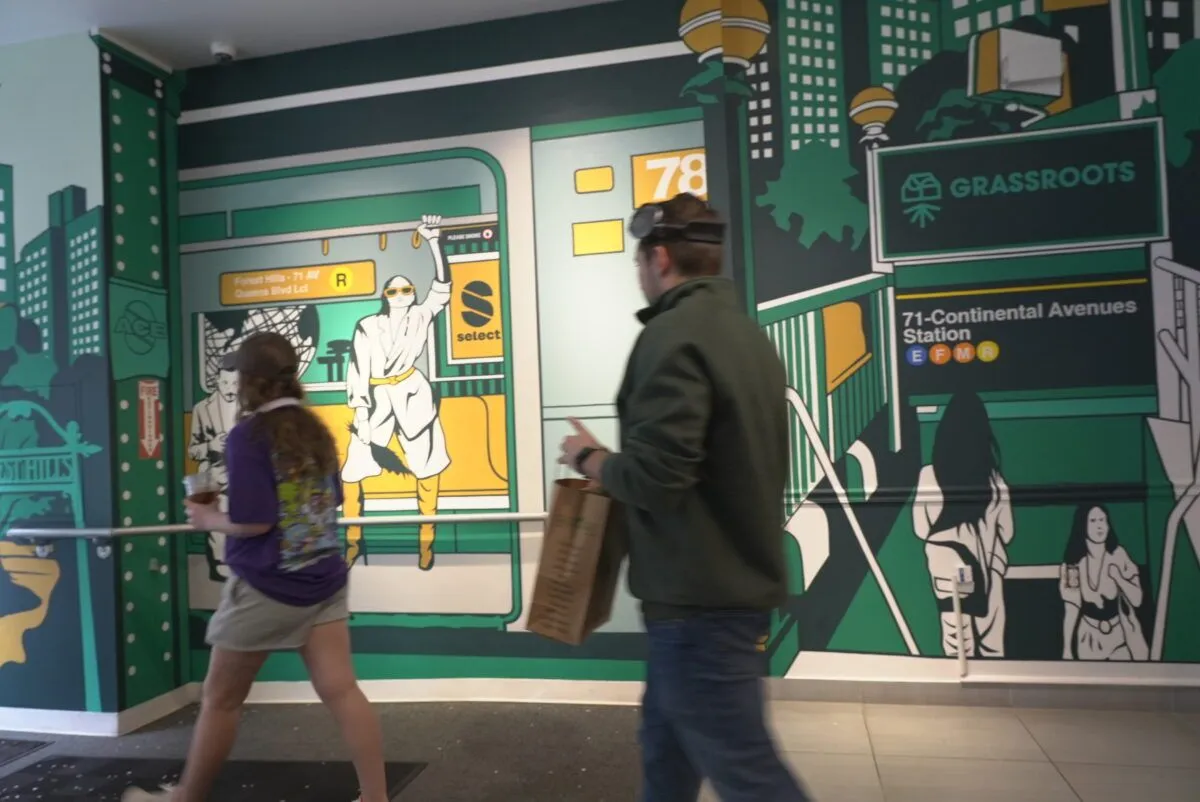
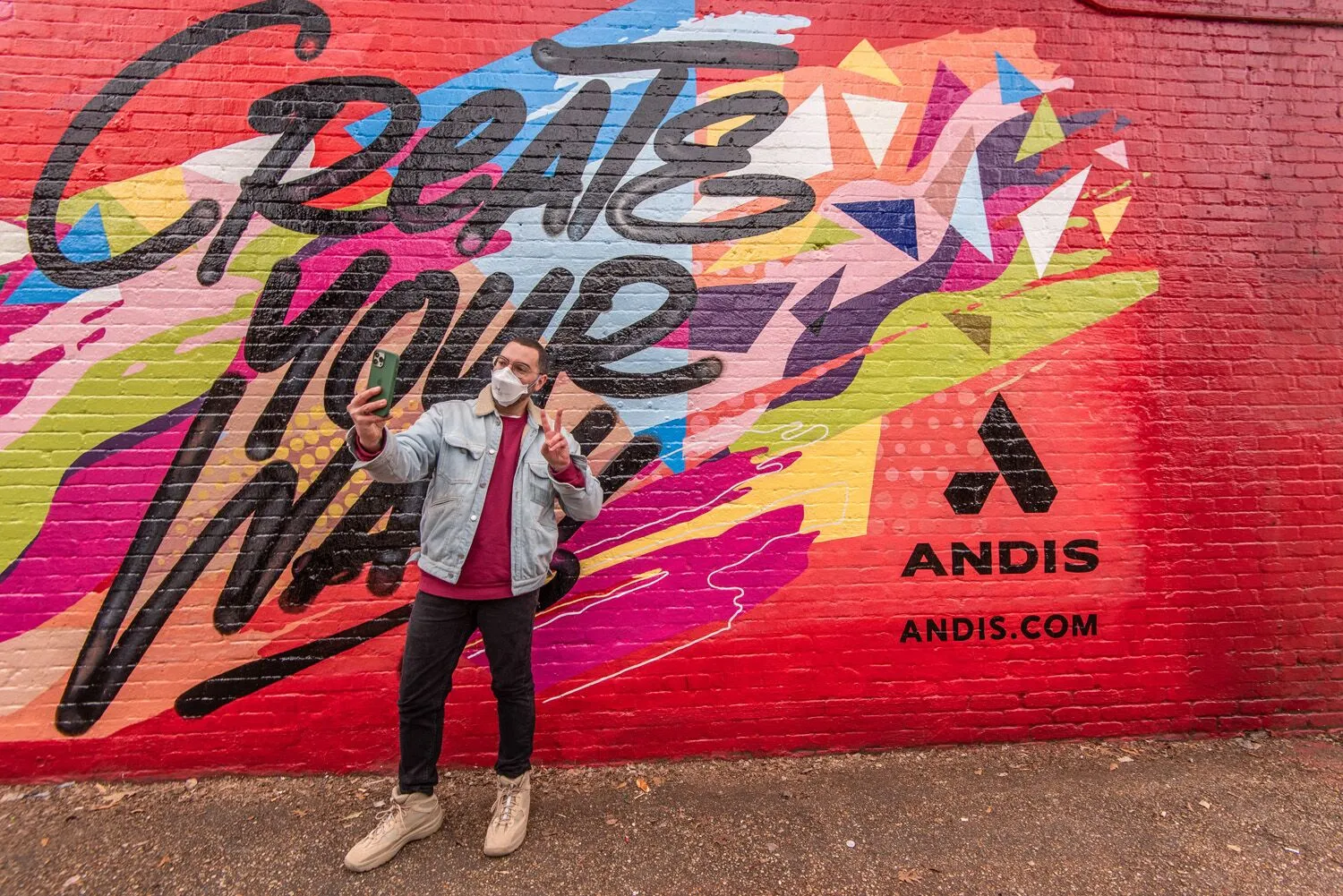
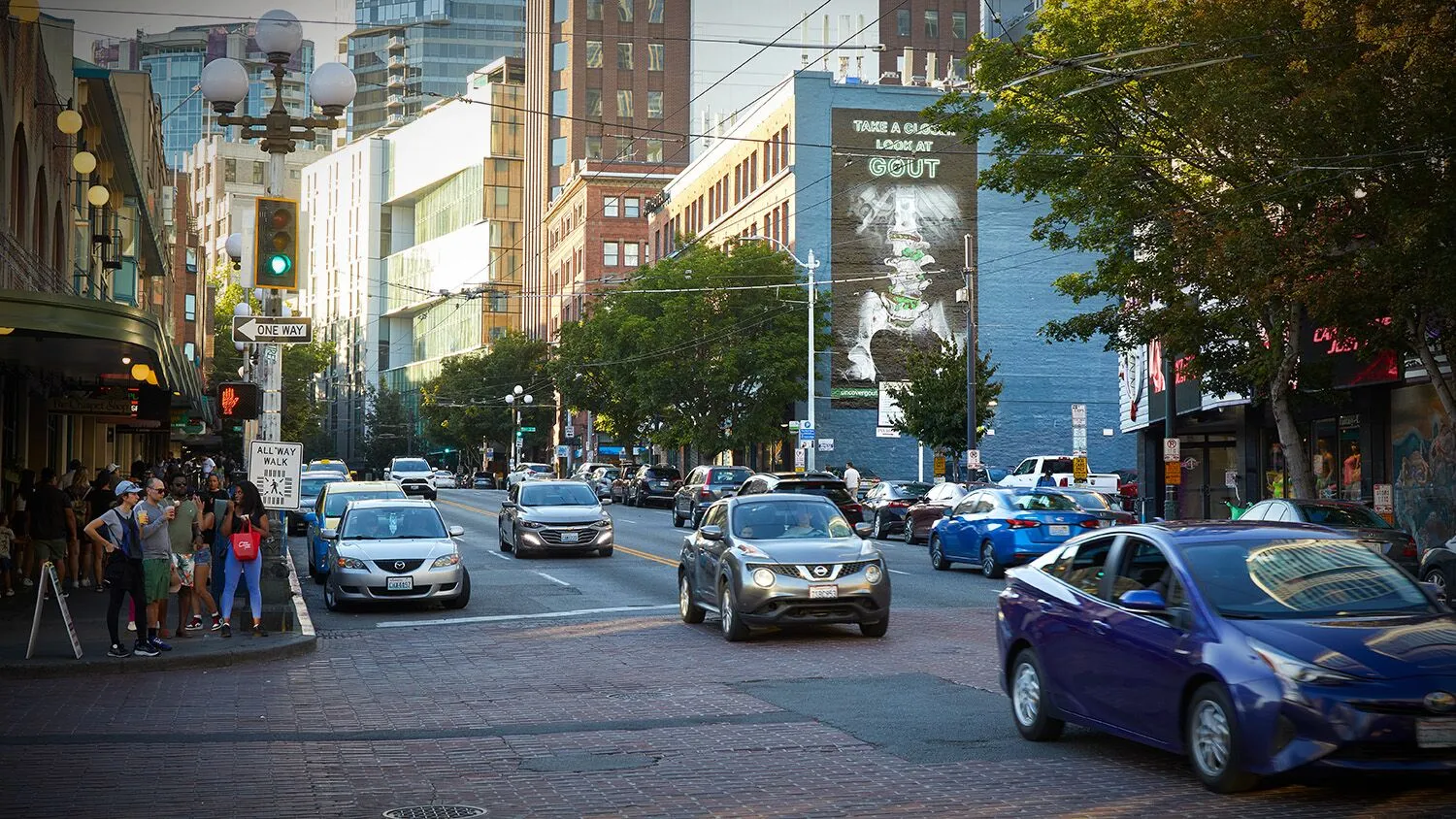
MAC specializes in large-scale murals, live mural activations and artist-driven creative projects.
What sets us apart is that we are not coming into this from the outside as “street artists.” We come from graffiti. We paid dues, came up painting in the streets and learned through doing.
Graffiti teaches you how to be resourceful, how to work with what you have and how to get noticed. At its core, writing your name over and over is branding. You learn how to create an identity, make it recognizable and find ways to stand out in a crowded environment. A lot of what I learned through graffiti ended up translating directly into the way we approach creative work and brands today.
We also understand the artists because we come from that same world. At the same time, after years of producing projects, we understand what clients need in terms of communication, logistics, budgets and execution. Being able to bridge those two sides is a big part of what MAC does.
I’m most proud that we’ve been able to take something that started in the streets and build a real business around it without disconnecting from the culture that taught us everything in the first place. We’ve produced over 1,000 murals and projects, but creating opportunities for artists and continuing to represent graffiti culture properly is what means the most to me.
Can you talk to us about how you think about risk?
One of the biggest risks I took was leaving a full-time job and a steady paycheck to build this business with my former partner. I had a comfortable setup, so walking away from that to work for ourselves was definitely a gamble.
There was also risk in taking graffiti and street art into the commercial world. We were helping bring something that came from the streets into rooms with brands, agencies and corporate clients, and that can easily rub people the wrong way if it feels forced or watered down.
We took financial risks too. We put money into projects, ideas and opportunities without always knowing if they were going to pay off.
I think risk just comes with building something of your own. You can’t really play it completely safe. For me, the bigger thing was knowing what I was willing to risk and what I wasn’t. I could risk money, comfort and stability but we never wanted to risk the respect of the artists or the culture we came from.
Contact Info:
- Website: https://graffiti-artist.net/
- Instagram: https://www.instagram.com/graffitiusa/