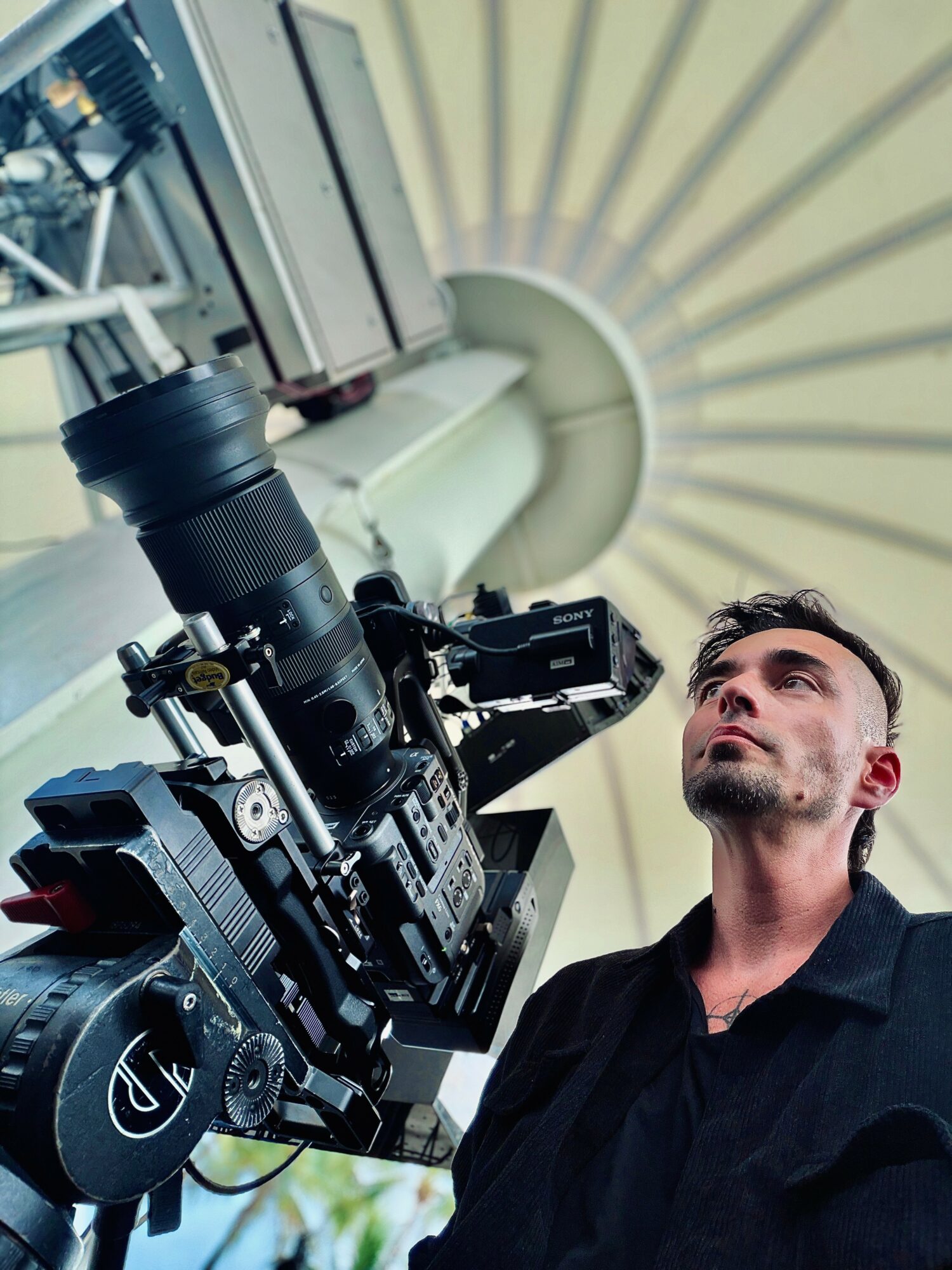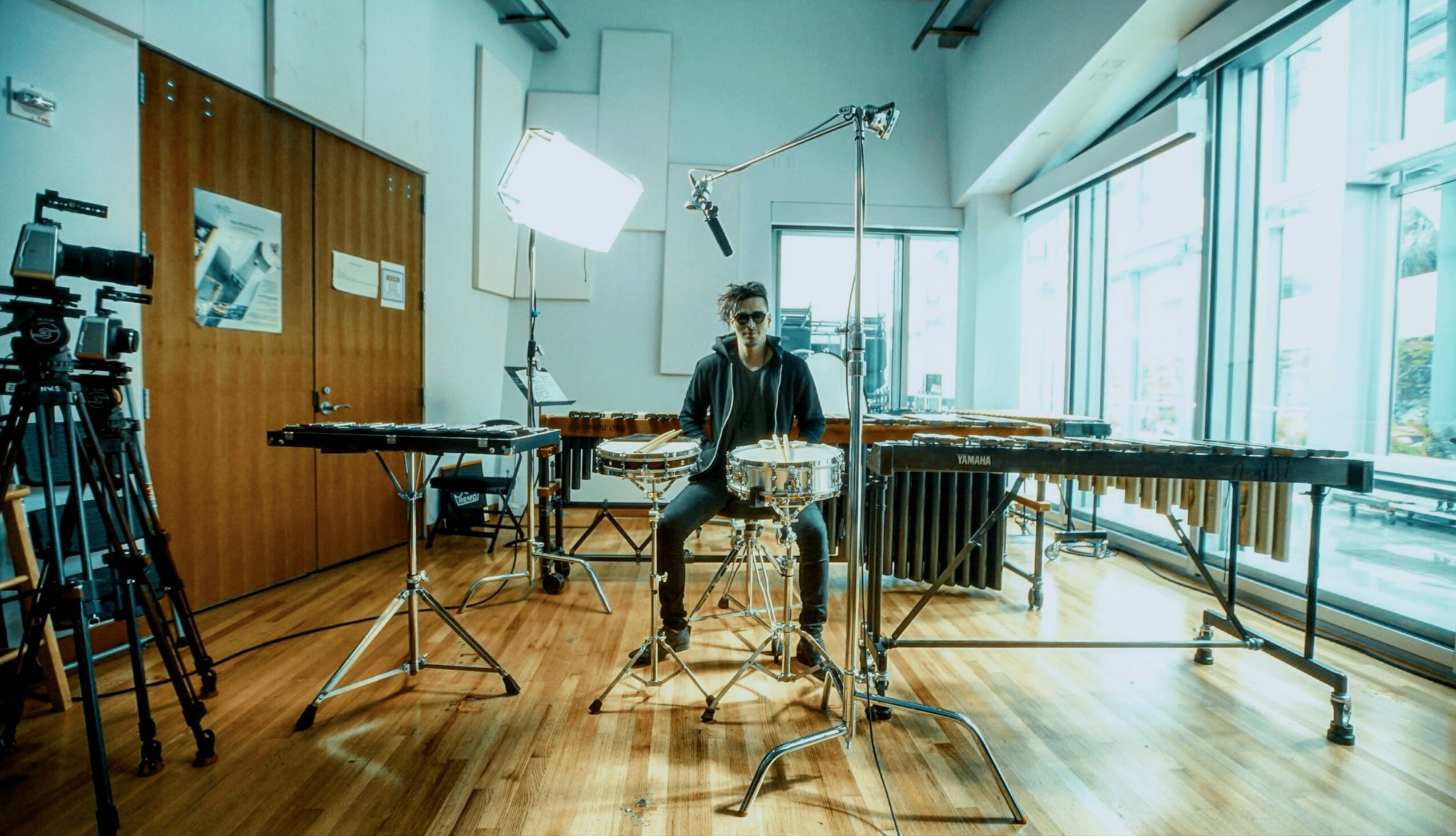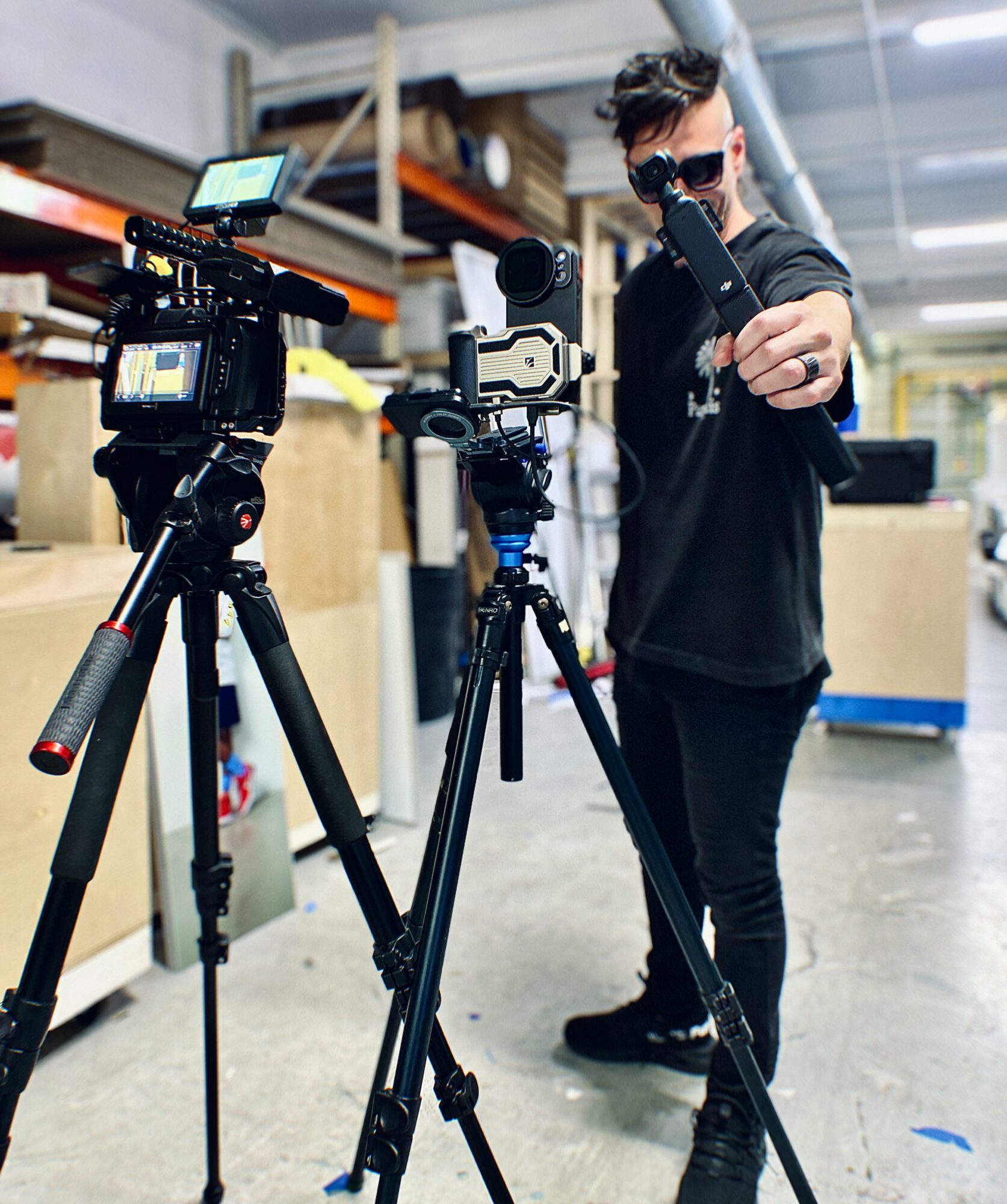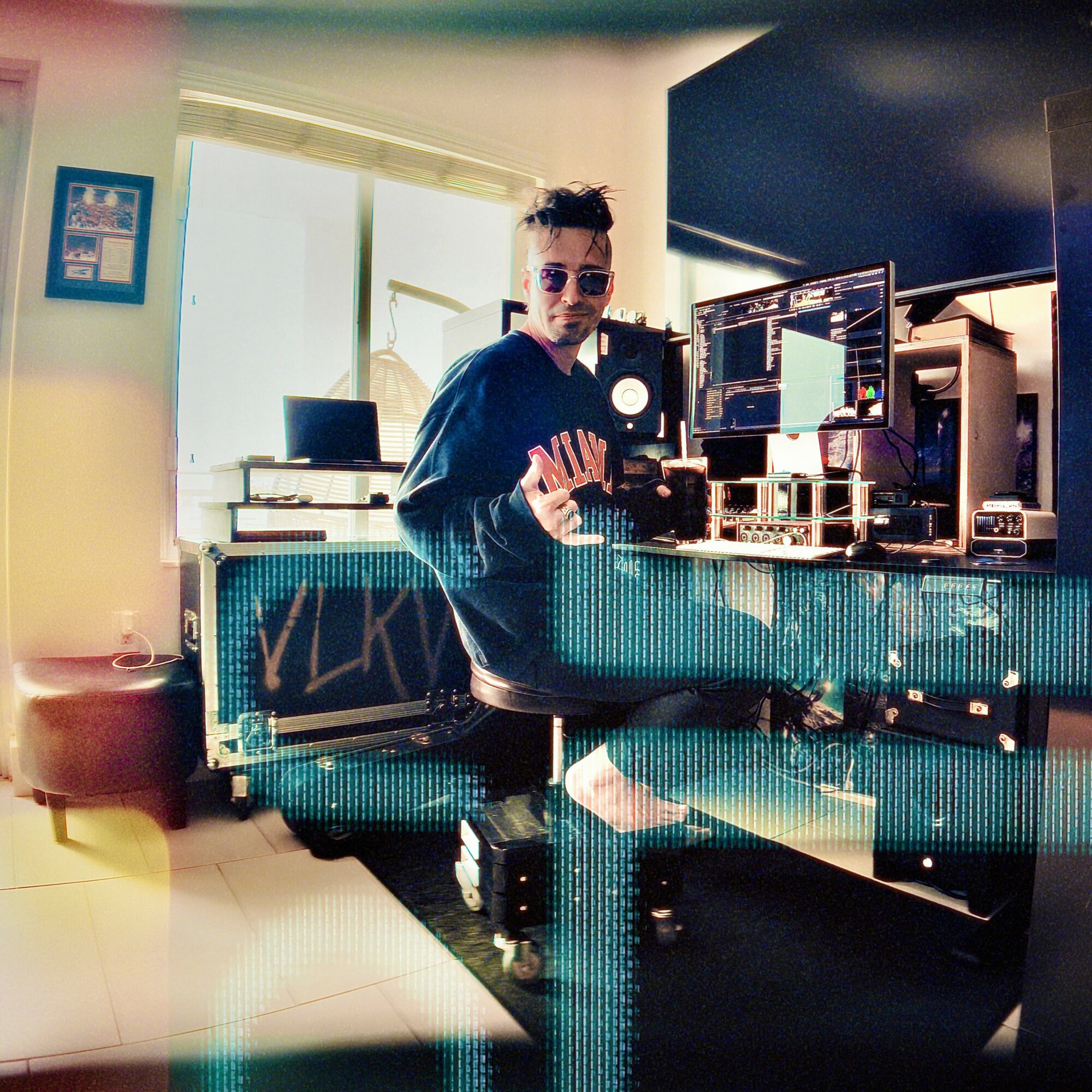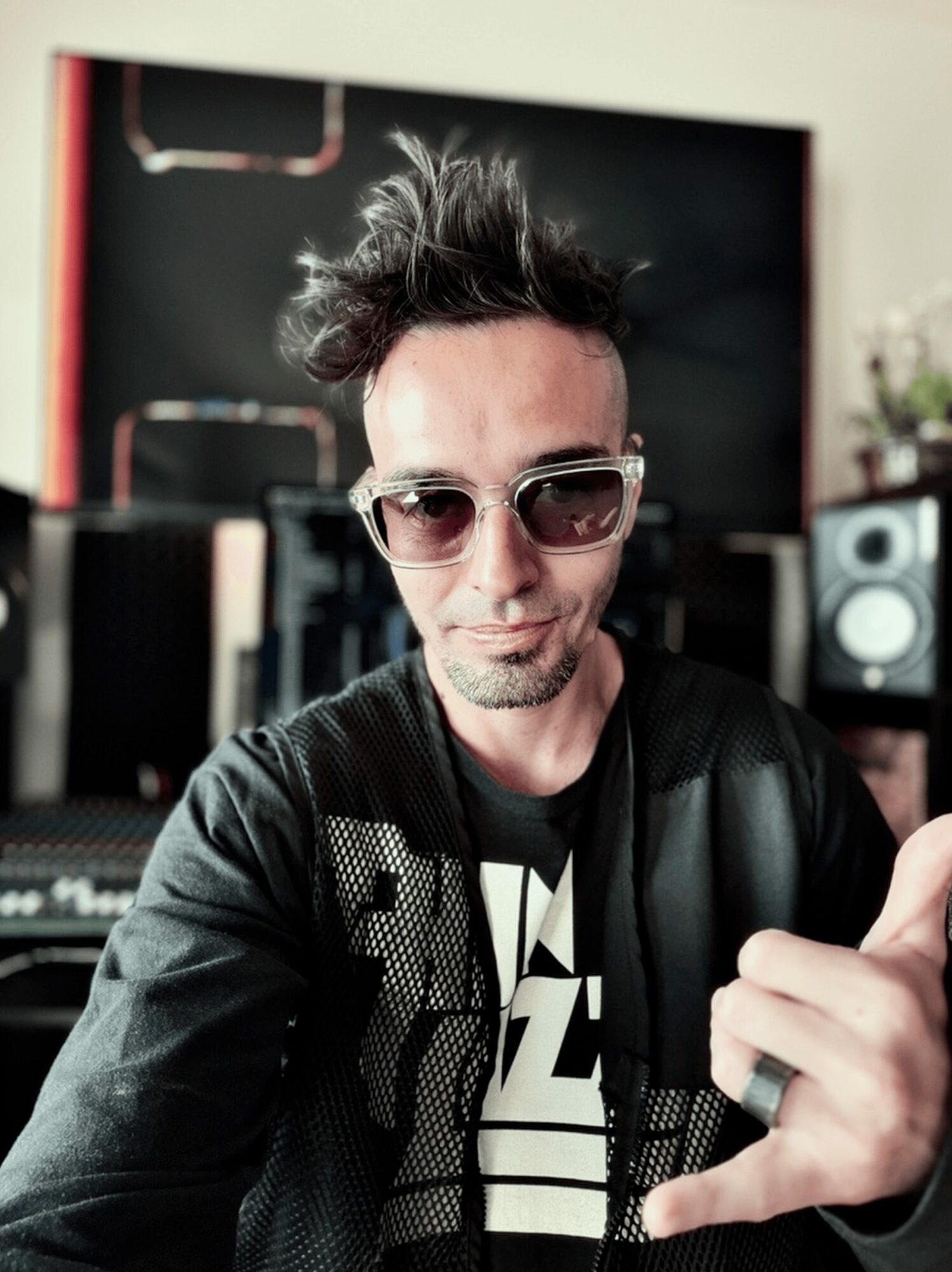



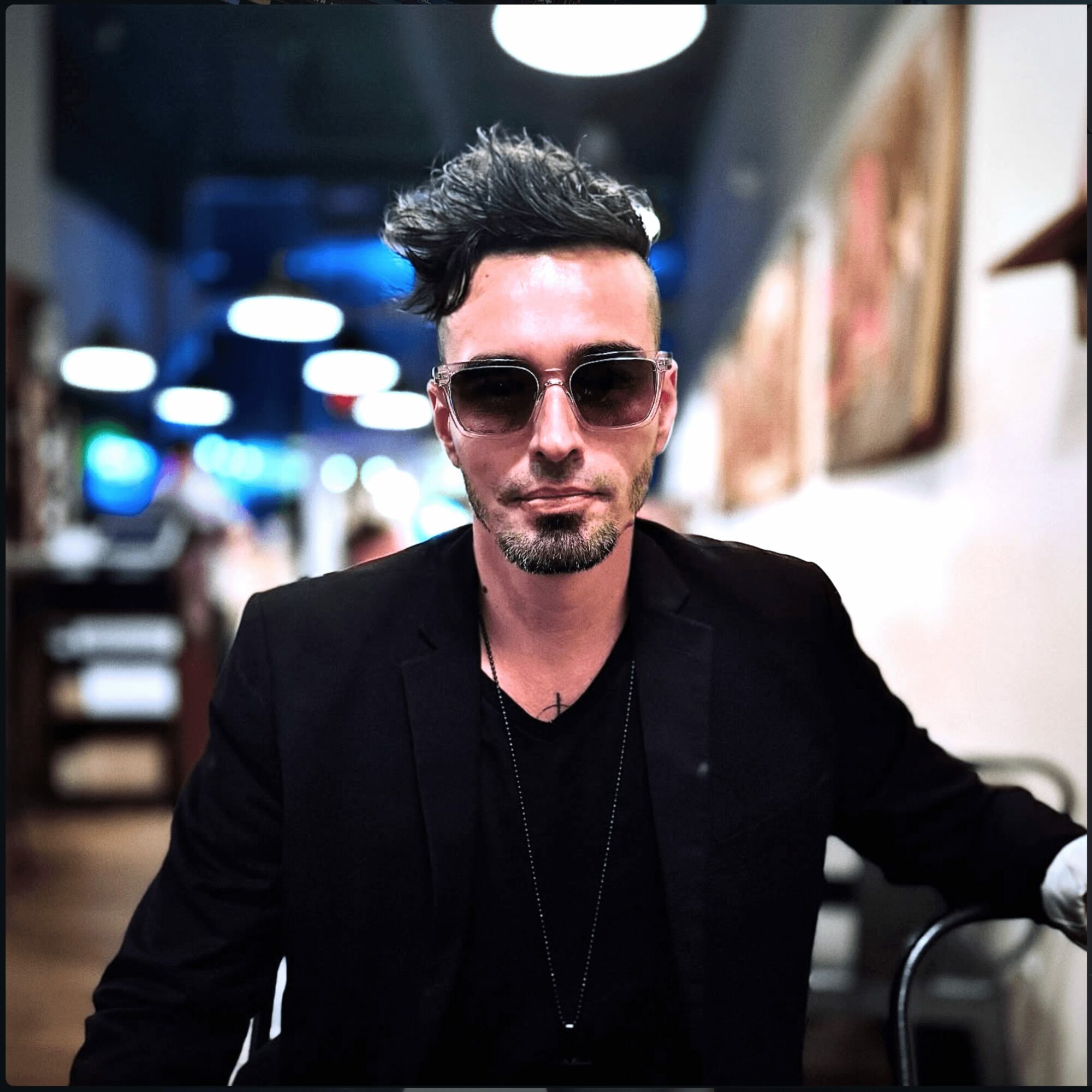
Today we’d like to introduce you to David Marin.
Hi David, we’re thrilled to have a chance to learn your story today. So, before we get into specifics, maybe you can briefly walk us through how you got to where you are today?
Terminator 2 in a movie theater when I was six. That’s where this whole thing starts. Its scale, sound, altered reality, and the experience of finding a father figure and losing him affected me before I had language for it. That night, I improvised on a relative’s Casio keyboard around what I was feeling. I remember realizing that the music existed only while I kept playing; when I stopped, whatever I had made was gone. It was the first time I remember making something from a feeling.
Growing up, that impulse moved through drawing, football, and eventually guitar. They all gave me some way to take what was inside me and do something physical with it. I learned songs by ear from an alarm-clock radio and later from local bands I saw at the Chili Pepper, an all-ages venue in Coconut Grove.
I dropped out during my first semester at FIU because I wanted to study music and compose for film, but I lacked the formal preparation required for the music program’s audition. After moving to Arizona, I eased back into school through music and film classes at a community college.
Two years later, I returned to Miami intending to audition for the composition program at the University of Miami. I showed one of the instructors my handwritten guitar pieces. He looked at them and said, “These aren’t compositions. They’re guitar arrangements.”
It felt like classical guitar was the only path left into the program and toward the future I had wanted since I was sixteen. My background was in electric guitar, and I had only been growing out the nails on my picking hand for about three months.
About ten seconds into the audition, the classical guitar professor stopped me.
“You’re in. You can play.”
I burst into tears.
I became a dual major in music and film. Film school was where my thinking became practical: learn this so I can make a living. By then, I knew I probably wasn’t going to compose for films, which had been my dream. I approached filmmaking the way I’d learned to approach sports and business: as a team, where you learn what every position does and how each one serves the whole.
Editing was where I found I excelled. At my first editing job out of school, I taught myself Final Cut Pro 7 from a printed manual and showed up every day hoping I would be faster than the day before. Eight months after starting, I had edited roughly eight hours of content for a museum launch, doing my best to keep the color consistent across all of it.
From there, I freelanced on almost anything that came my way—Spanish-language reality television, music videos, weddings, and other productions. I later spent a few years at the New World Symphony, first working on large-scale projection projects and then as the marketing department’s “media storyteller.” This was during the early period when brands and institutions were still figuring out what social media could be.
I returned to freelancing, moved into advertising for several years, and eventually returned to independent work again. More recently, after delivering multiple feature films, I realized I wasn’t simply freelancing anymore. The work already required the capabilities and structure of a studio. Spectral Frame came from recognizing that reality and giving it a name.
We all face challenges, but looking back would you describe it as a relatively smooth road?
It hasn’t been a smooth road. The hardest parts have probably been psychological. I finished school at twenty-four and expected myself to enter professional life before I understood much about my own psychology—who I was, how I related to people, where I fit, or what a fulfilling path might actually look like. The quality of my working relationships often reflected the level of maturity I had at the time. Continuing to learn both music and film was one challenge; learning myself while trying to build a life around them was another.
I tend to enter every project wanting to make something that feels significant, but working in production means not everything gets to feel like art. Some work is shaped by schedules, budgets, approvals, and survival. Learning how to bring care to those projects without giving away the part of myself that needs to create freely has been a continuing struggle.
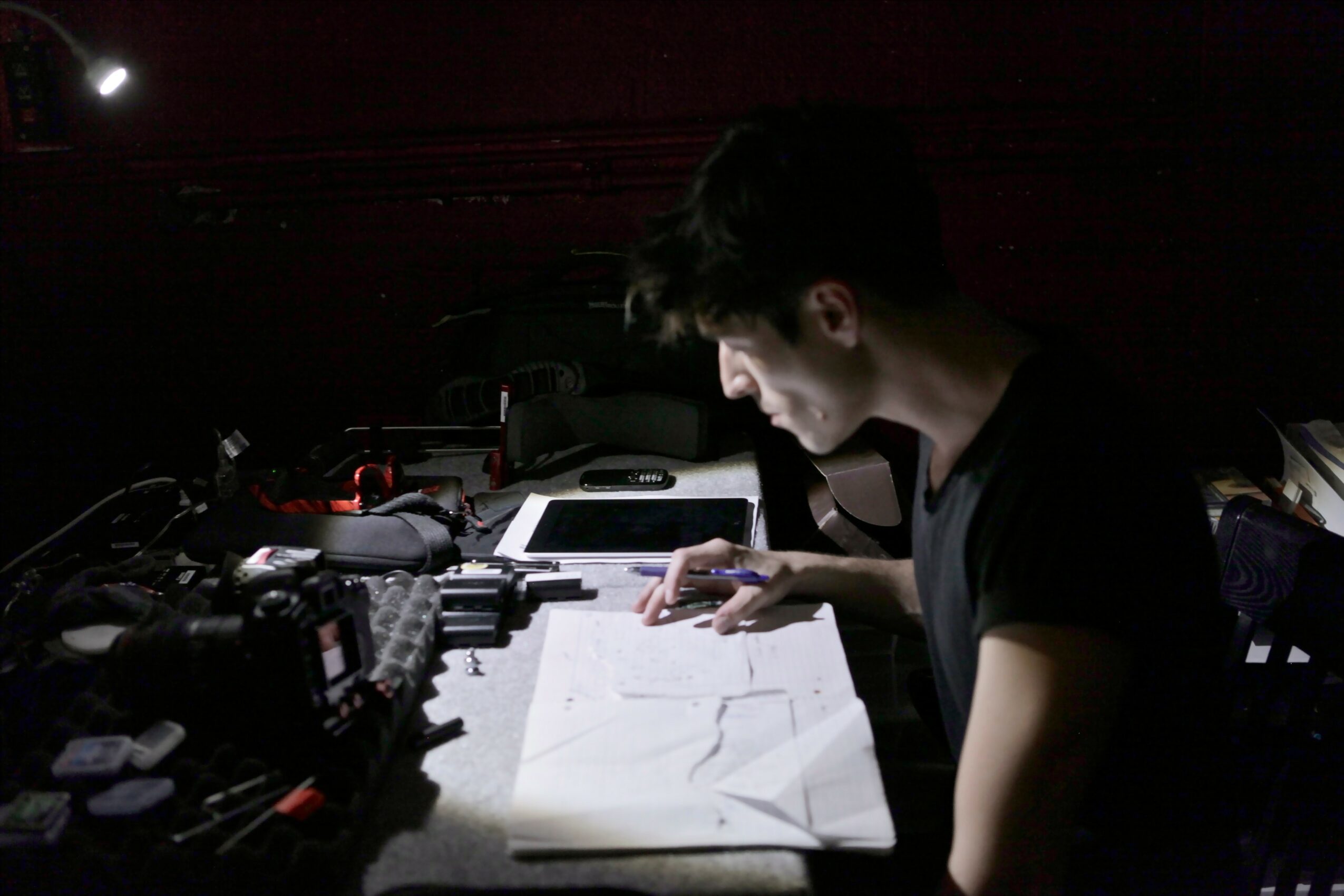
At one point, I edited my first feature while holding a full-time job that already required about fifty-five hours a week. I completed it, but I wouldn’t recommend that arrangement to anyone. It showed me how easily dedication to the work can become neglect of yourself when the work feels too important to put down.
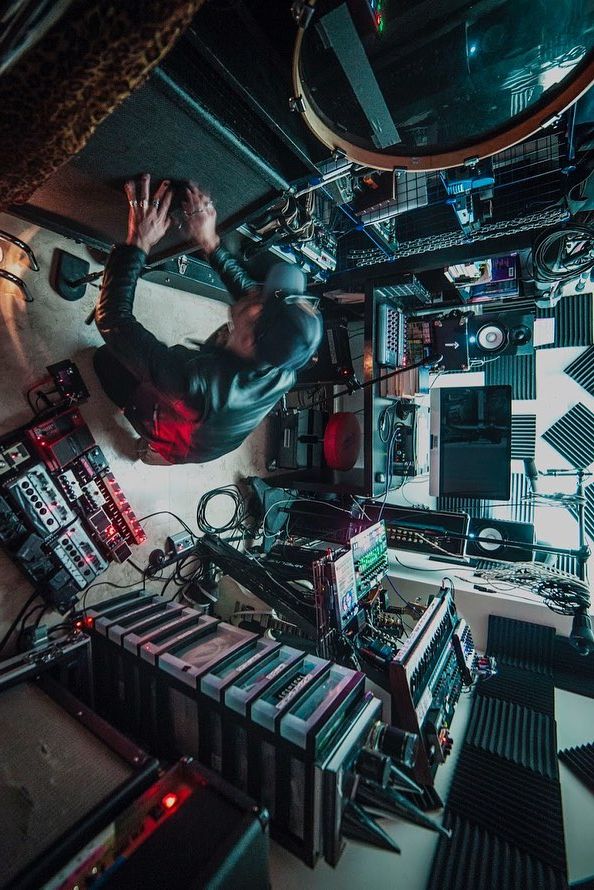
The depth of the craft can also feel endless. I kept studying music production and building the tools around my workspace so I could hear, see, and evaluate my work closer to the level of the films that shaped me. At the same time, I spent more than fifteen years trying to understand what my voice could be as a musician. There is always another discipline to learn, but learning everything can become its own way of postponing creation.
A major part of the struggle has been recognizing where I had lost my boundaries. Reclaiming them began with sobriety and a renewed connection to faith and spirituality. That has given me a clearer responsibility toward myself: to be honest about which work sustains me, which work drains me, and what I need to protect in order to keep creating.
I wouldn’t call the underlying feeling imposter syndrome. If anything, it has been closer to excessive-care syndrome: approaching each stage of my career with the intensity of the music student who felt he had one real chance. I’m learning that work with lasting impact needs care, but it also needs freedom. If everything is created from a place of survival, eventually the spirit behind it can disappear.
As you know, we’re big fans of you and your work. For our readers who might not be as familiar what can you tell them about what you do?
My work is centered on post-production, especially editing and helping projects find their final form. It has spanned documentary features, concert films, commercial projects, and other story-driven work that needs both creative judgment and the structure to carry it through delivery.
Editing is where everything in my background comes together. Music taught me to listen for sonic density, performance, harmony, rhythm, tension, release, and how timing and arrangement create feeling. My experience across production taught me to understand what happened before the footage reached me—the decisions, limitations, performances, and work of every department. I try to hold all of that while finding what the project actually wants to become.
I’m less interested in imposing a recognizable style on every project than in developing a language that belongs to that particular story. Sometimes the most important contribution is a structural decision; sometimes it’s a few frames, a sound, a held look, or recognizing that a moment already works and should be left alone. At the end of the day, the question is simple: does it feel good to watch?
I’m most proud when clients aren’t simply asking me to execute, but asking what I think—where the piece could go, what it could become, and what else might further their vision. That kind of trust allows me to help shape the work rather than only complete it.
What I bring is a combination of a musician’s ear, an editor’s sense of structure, and experience across the larger production process. I care about technical quality, but only because it protects the experience. The goal isn’t for someone to notice the editing or finishing. It’s for the work to feel alive and allow viewers to enter the world we’re presenting.
What does success mean to you?
Honestly, success begins with surrendering daily to my Lord and Savior, Jesus Christ. It means keeping a greater spiritual perspective on how temporary this experience is and trusting that the struggles have been preparing me for something I feel hardwired to create, even if I don’t fully know what that is yet.
That perspective helps me enjoy the work in front of me and feel genuinely grateful for the people who trust me to collaborate with them. Success means doing everything I can to be of service with the skills I have while maintaining enough integrity that I don’t feel the need to hide my name from what I do.
Creatively, I work best when I have a variety of projects moving through different stages of the pipeline. One may be developing, another in production, another being edited, and another approaching delivery. That flow keeps my body, mind, and spirit engaged without the burnout that can come from grinding through the same repetitive task for too long. It also helps me recognize which work gives me energy and where I can contribute most.
Ultimately, success can’t be limited to the work. If what I’m creating leaves me depleted, disconnected, or unable to be present for the people closest to me, then I don’t consider that success. I want the work to make me more grateful, more useful to my collaborators, and a better person in my relationships with my family.
Contact Info:
- Website: https://spectralframestudio.com
- Instagram: https://instagram.com/davidmarin.co
- Other: https://www.DavidMarin.co