


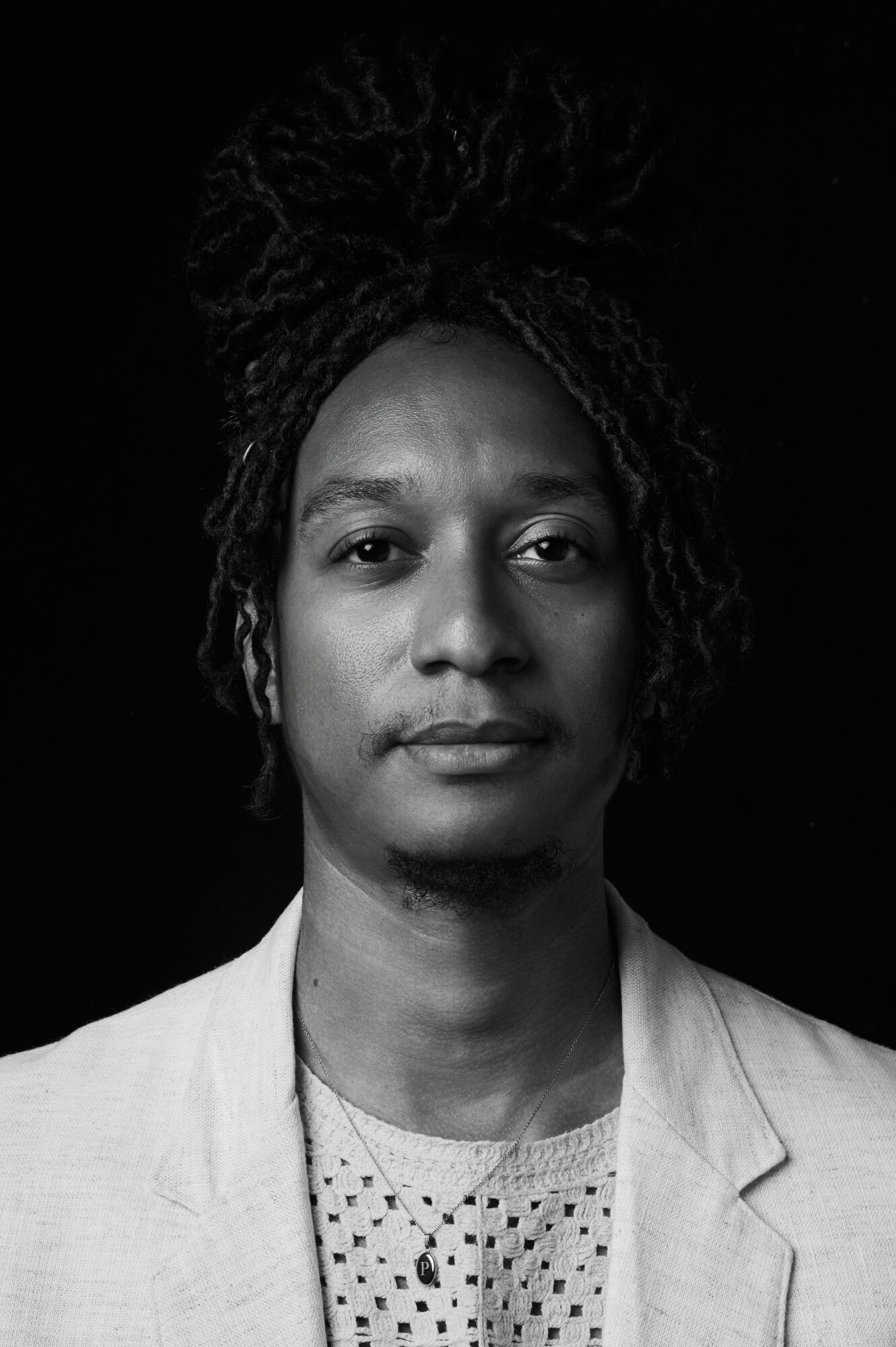
Today we’d like to introduce you to Jik-Reuben Pringle.
Jik-Reuben, we appreciate you taking the time to share your story with us today. Where does your story begin?
I started photography in 2010 while studying at the University of Technology, Jamaica. What began as a hobby quickly became a passion as I realized photography was much more than creating beautiful images. It was a way to tell stories, preserve culture, and give visibility to people whose voices are often overlooked.
From very early in my journey, social impact, mentorship, and advocacy became just as important to me as the technical side of photography. I found myself drawn to projects that highlighted real people and real issues, using photography to spark conversations around health, representation, and community. That passion eventually earned me the nickname “The Visual Advocate,” because I believe powerful images can educate, inspire empathy, and create meaningful change.
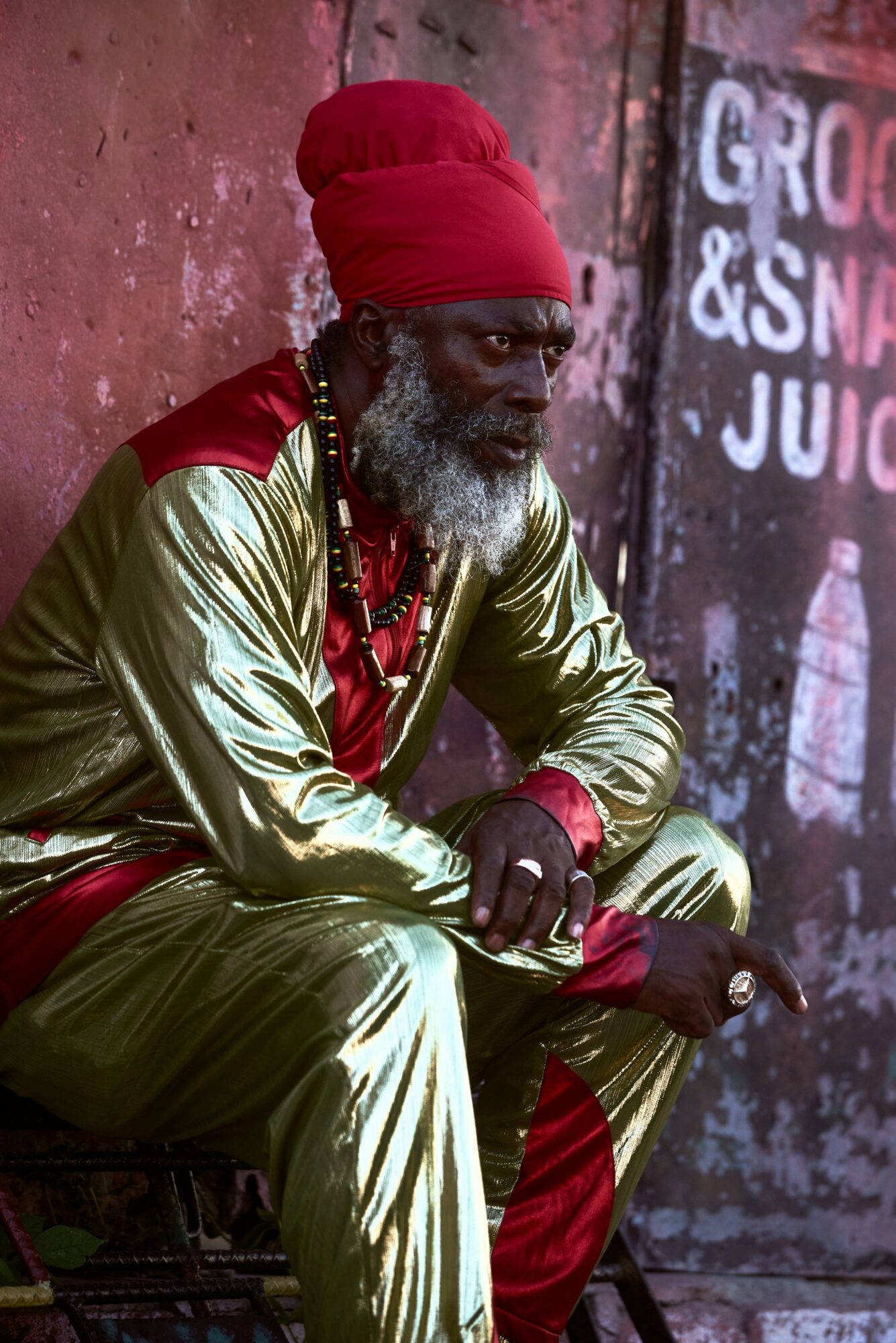
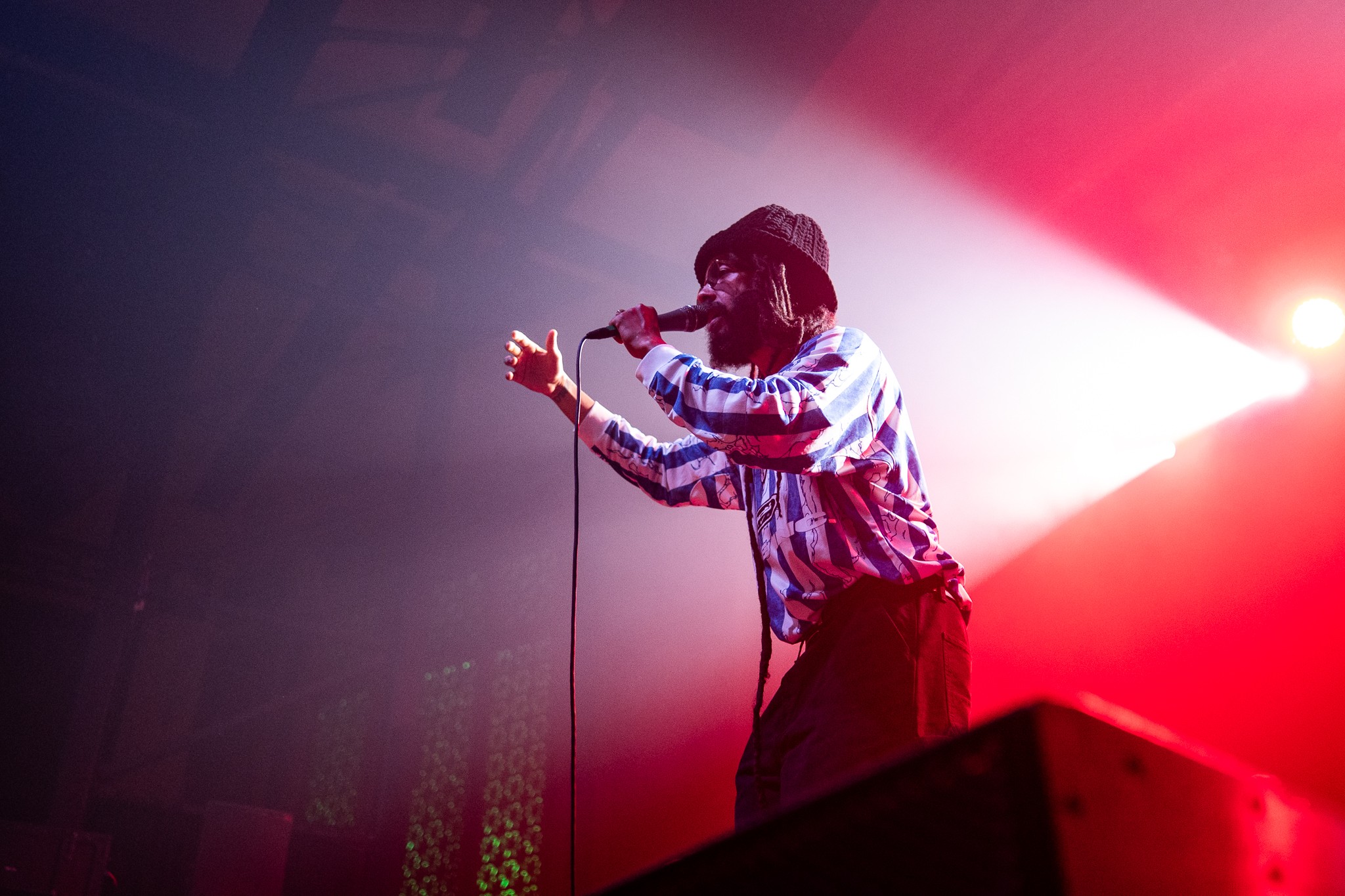
Over the years, I’ve grown from photographing Jamaica’s music and cultural scene into building Jik Reuben Studios, where we help brands tell compelling stories, create impactful portraits, and document some of life’s most important moments. Along the way, I’ve also made education a core part of my work by mentoring emerging photographers and teaching workshops, because I believe the creative industry grows stronger when we intentionally invest in the next generation.
I’ve been fortunate to have my work featured in local and international publications and exhibitions, but what I’m most proud of is the impact behind the images. Whether I’m working with a corporate client, documenting an advocacy project, or mentoring a young creative, my goal is always the same: to create work that is authentic, meaningful, and leaves people feeling seen.
Looking back, photography has taken me far beyond what I imagined in 2010. It has become a platform to serve others, build community, and create opportunities, and that’s the journey I’m still committed to today.
We all face challenges, but looking back would you describe it as a relatively smooth road?
It definitely hasn’t been a smooth road, but every challenge has taught me something valuable.
One of the biggest turning points came in 2016 when I was involved in a serious car accident. It forced me to slow down, rethink my priorities, and rebuild both personally and professionally. Then, like many creatives, I had to navigate the uncertainty of the COVID-19 pandemic, which significantly impacted the photography industry and required me to adapt the way I worked.
There were also setbacks closer to home, including Hurricane Melissa, which affected both my business operations and many of my clients. Throughout my journey, I’ve also had to make difficult business decisions. Because I traveled for extended periods, particularly during opportunities. I lost some clients simply because I didn’t yet have the systems or team in place to continue serving them while I was away.
Looking back, I realize that for a long time I was operating with the mindset of a freelancer/Artist rather than the mindset of a business owner. I believed I had to do everything myself instead of outsourcing work, building systems, and intentionally training others to help deliver the quality my clients expected.
Those experiences were difficult, but they’ve completely changed how I approach my business today, which has been reinforced by my recent YLAI Fellowship experience this year. They’ve pushed me to invest in better systems, develop a stronger team, embrace collaboration, and think beyond my own capacity. In many ways, those challenges have been the foundation for the business I’m continuing to build today.
Thanks for sharing that. So, maybe next you can tell us a bit more about your work?
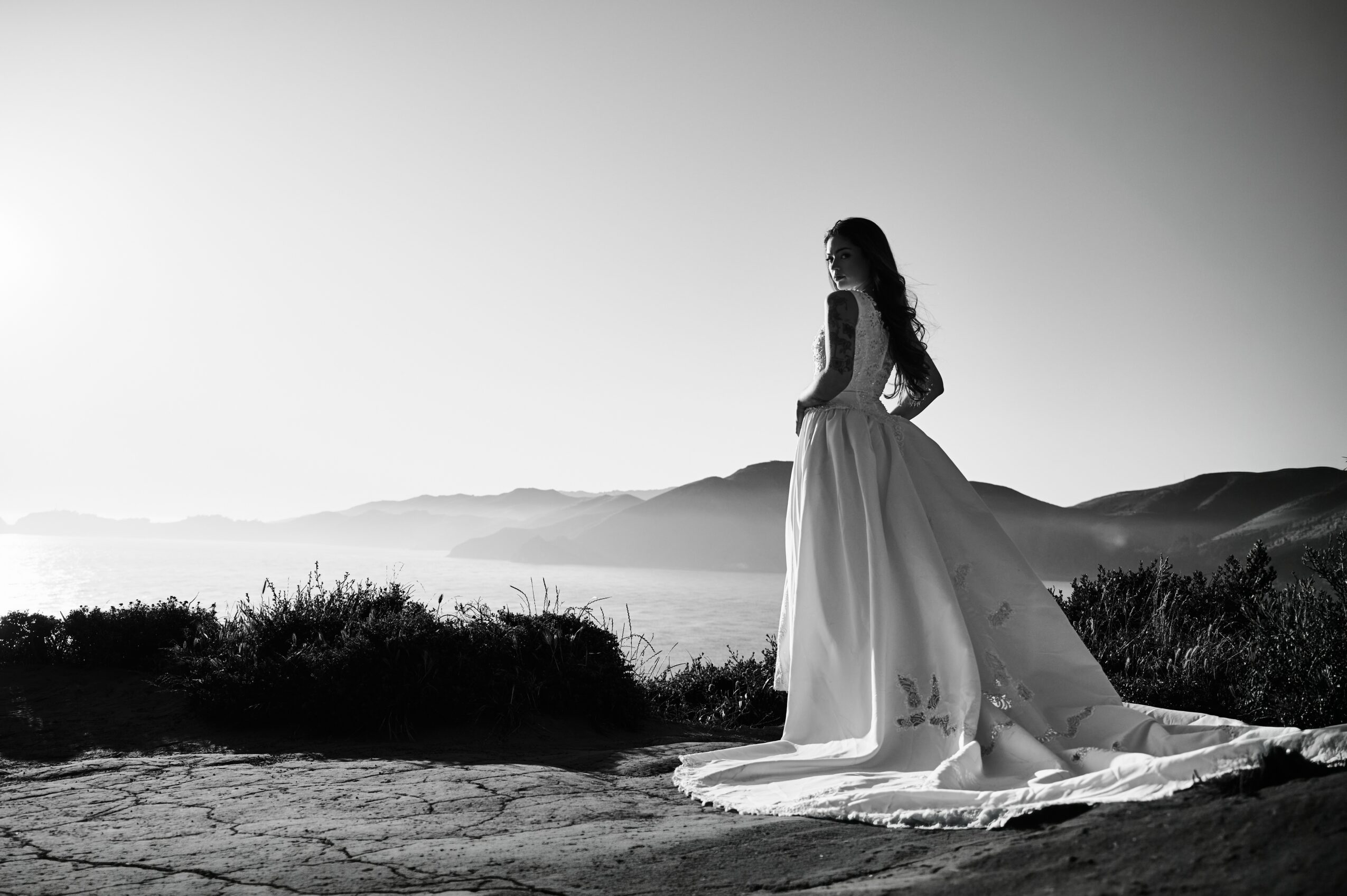
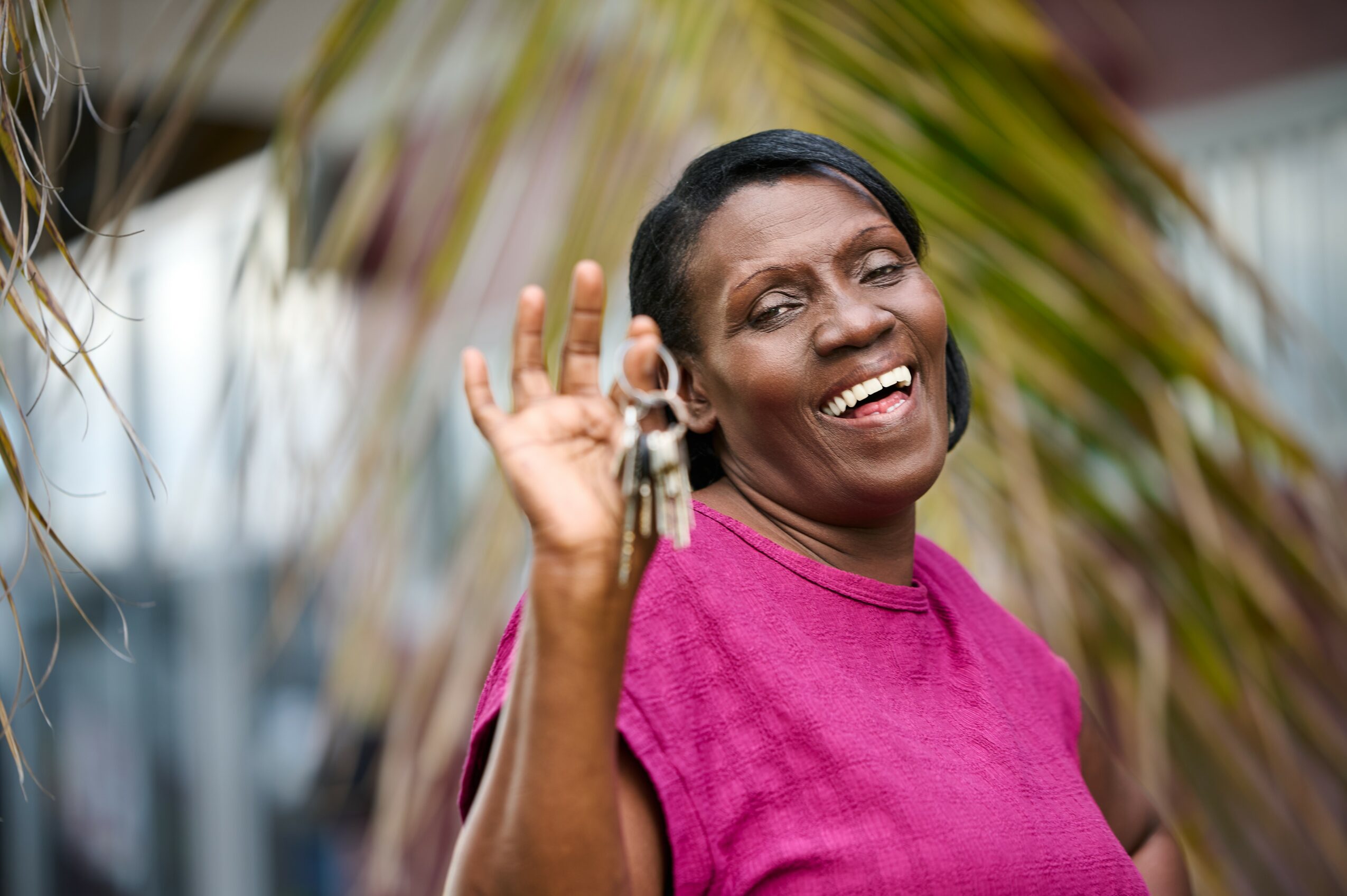
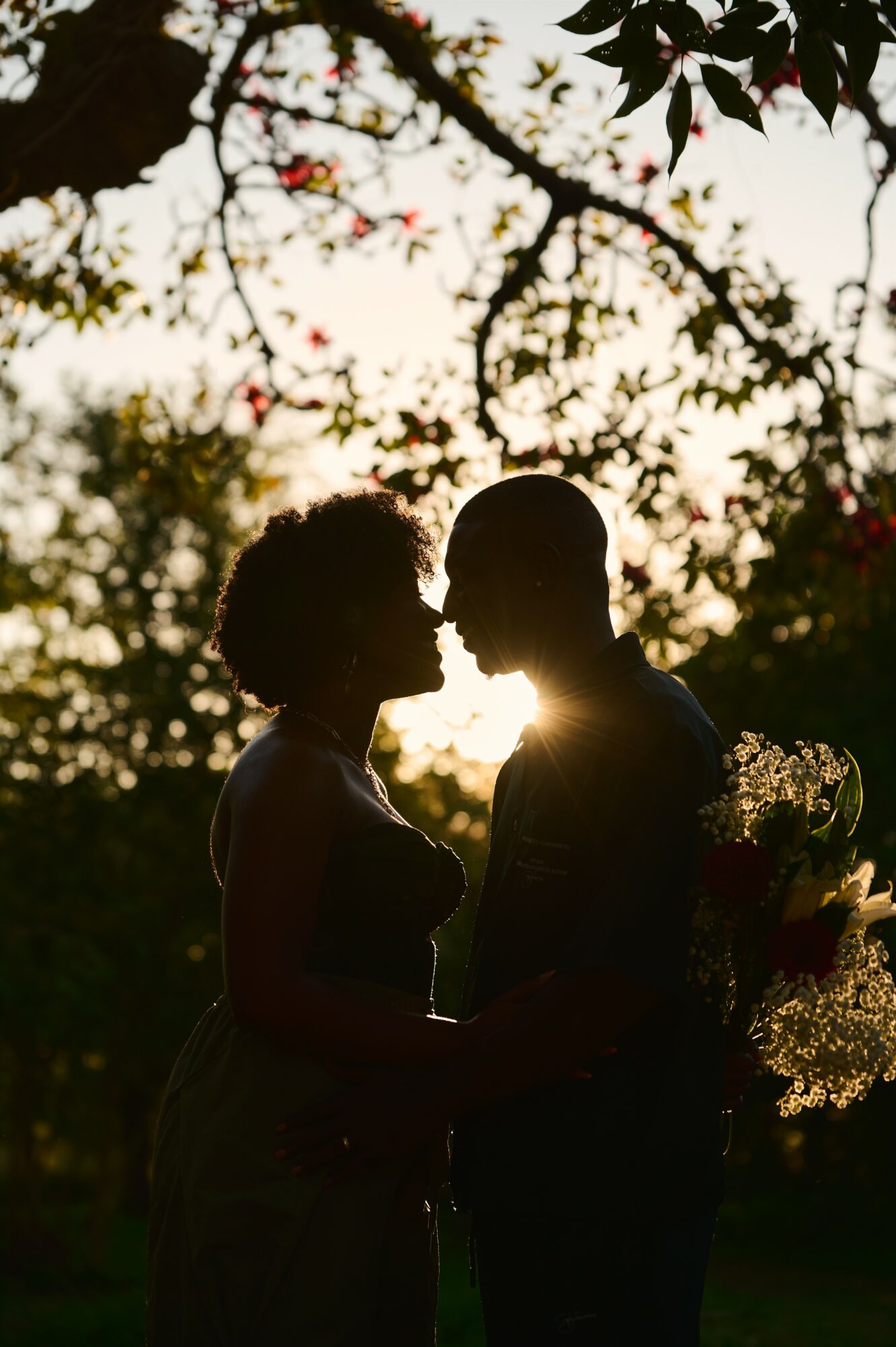
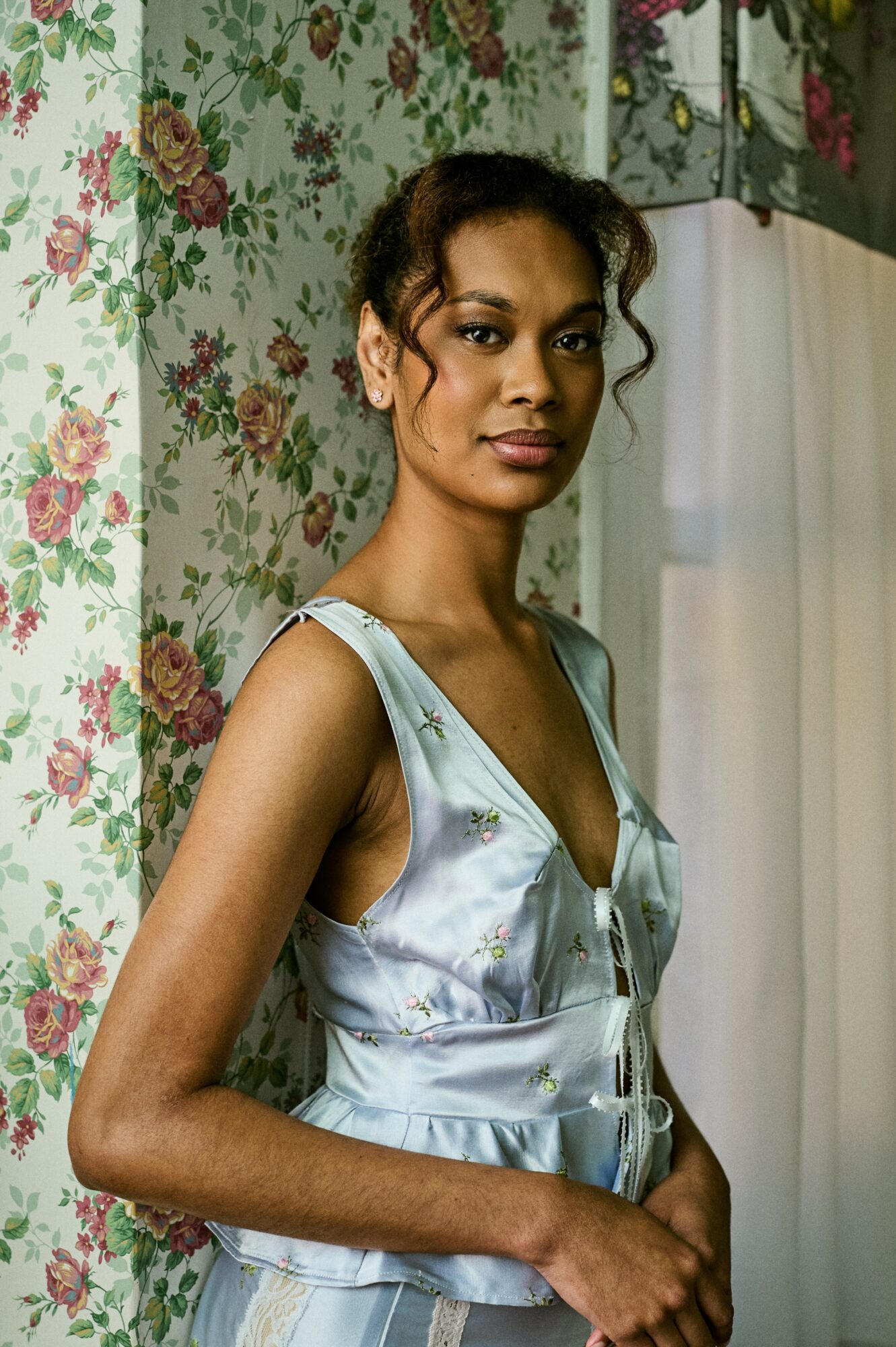
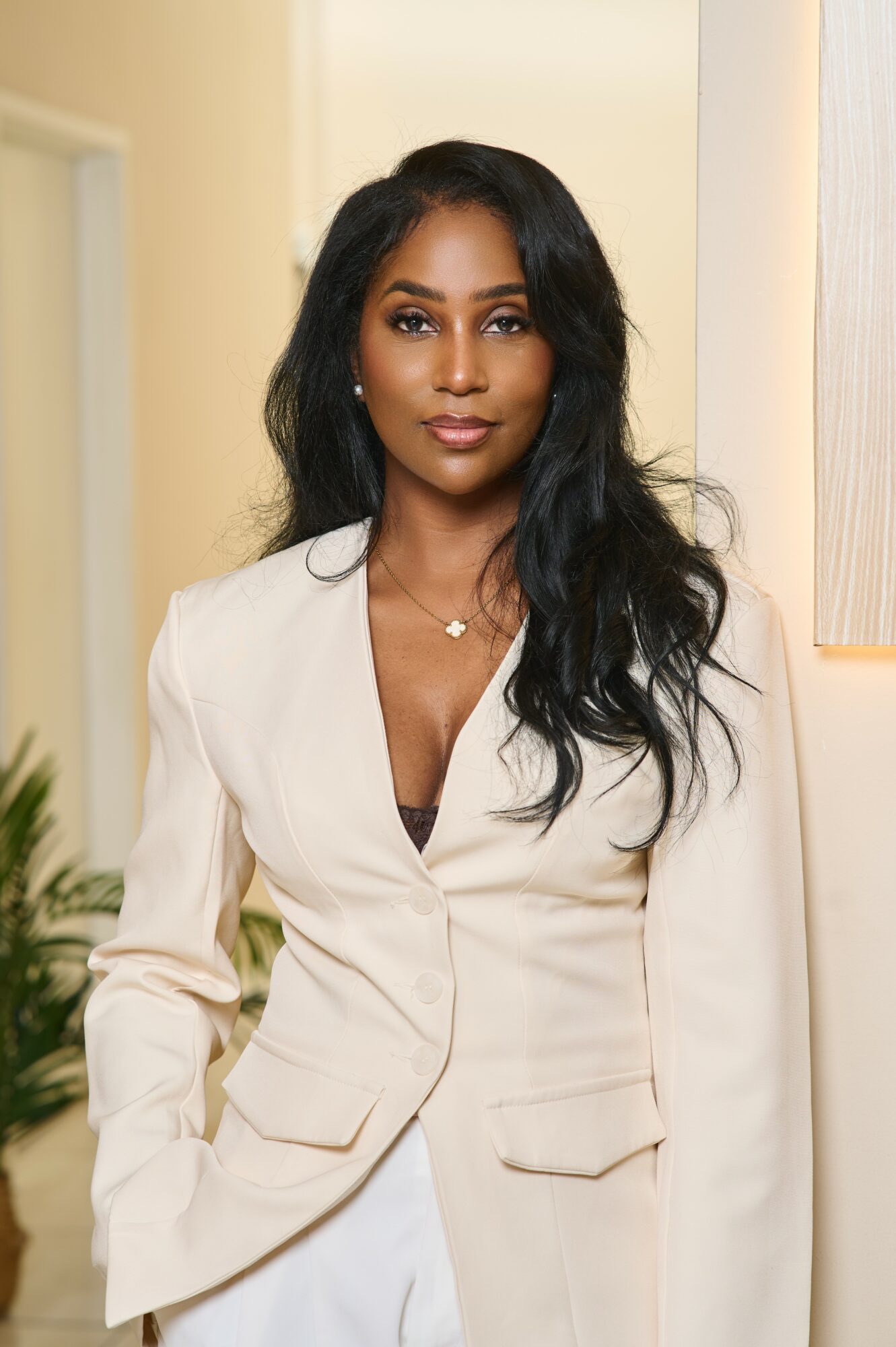
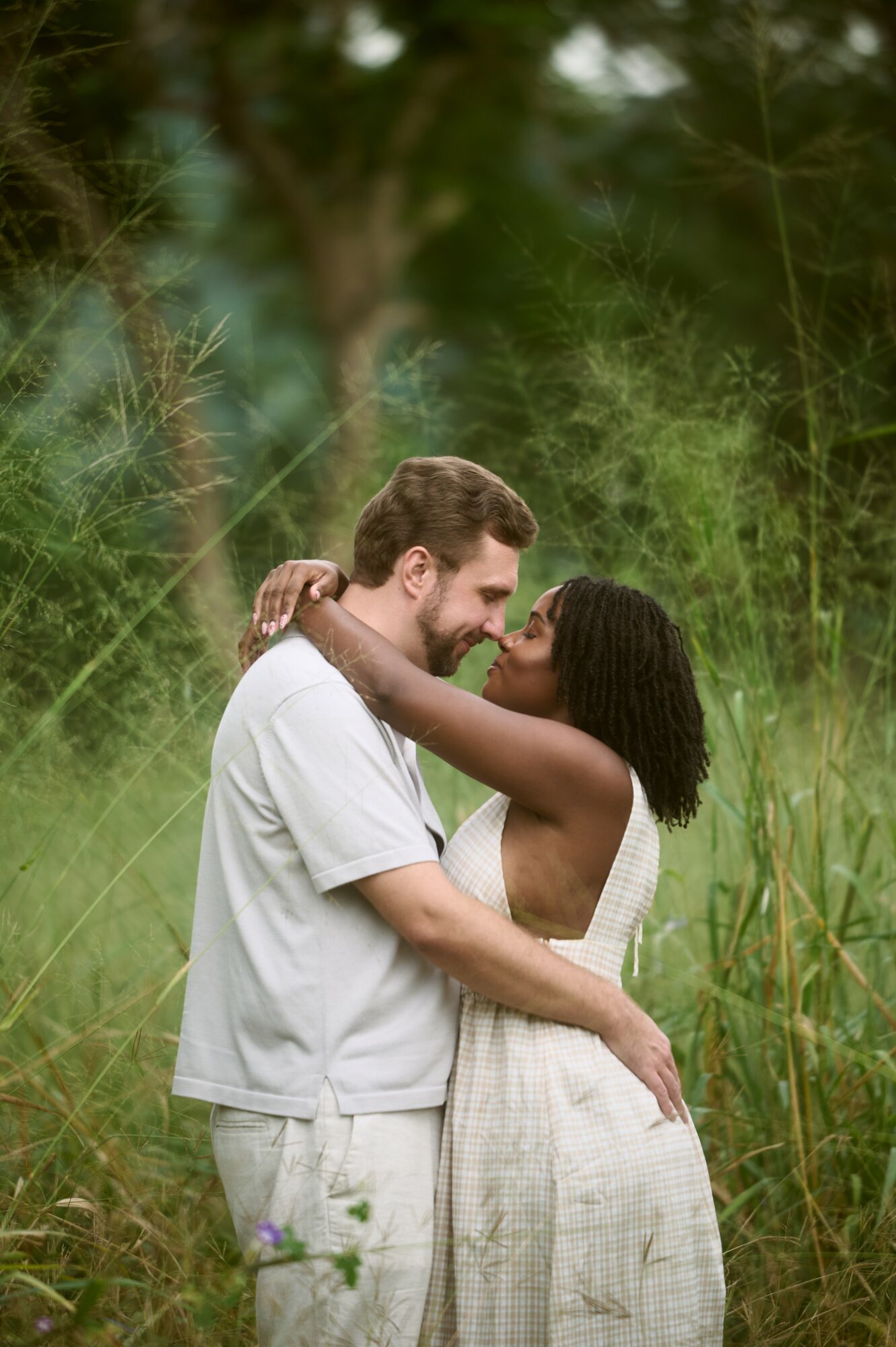
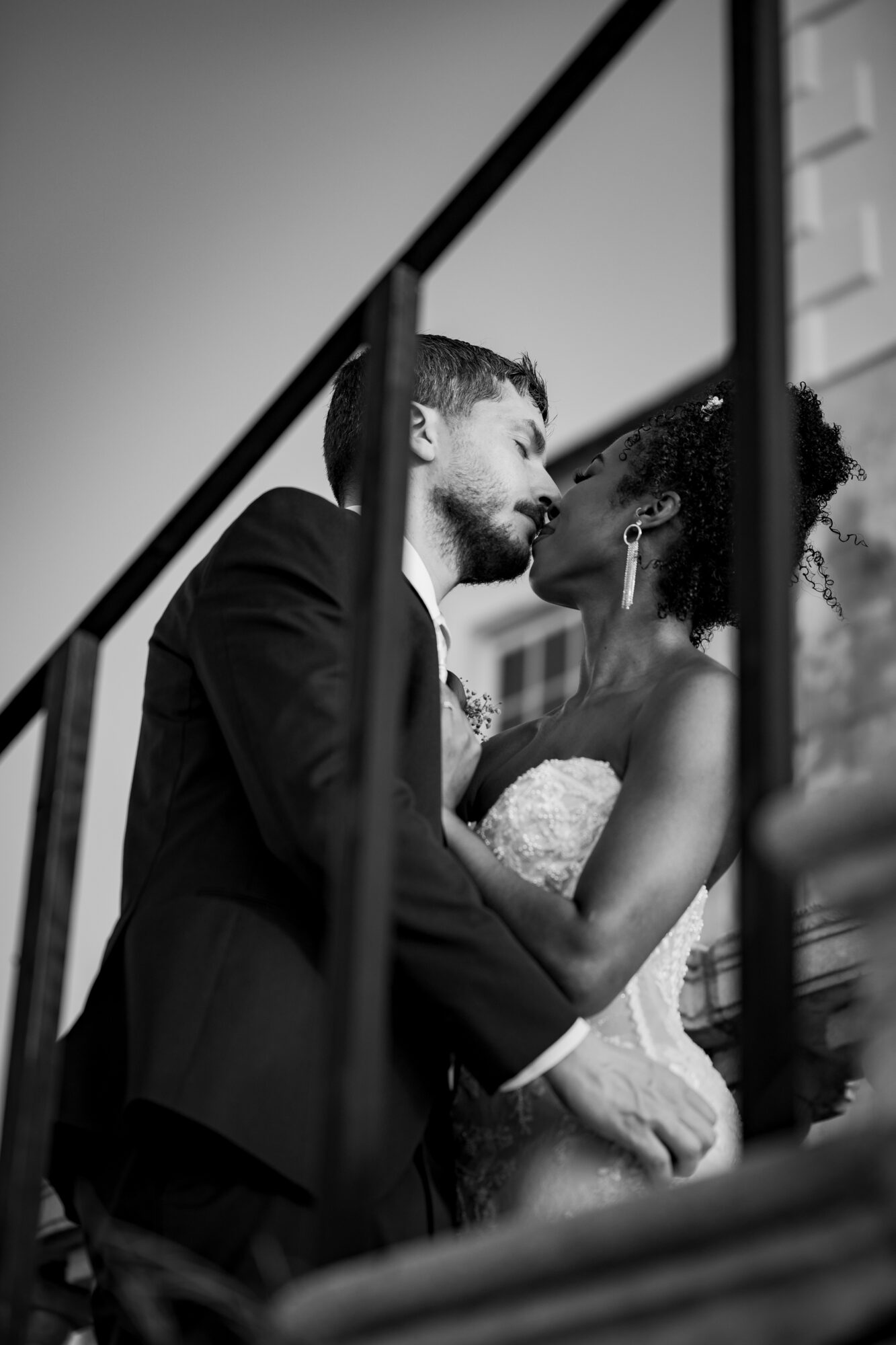
At Jik Reuben Studios, we create visual stories that help people, brands, and organizations connect with their audiences in meaningful ways. Our work spans portrait photography, commercial campaigns, weddings, and visual storytelling, but at the heart of everything we do is the belief that every image should tell an authentic story.
Over the years, I’ve become particularly known for my black and white portraiture. There’s something timeless and honest about stripping away distractions and allowing emotion, expression, and character to take centre stage. It’s become one of the signatures of my work and a style that many of my clients seek out.
A large part of my work is also centred on uplifting and celebrating women, especially black women. I want the people who step in front of my camera to leave feeling seen, confident, and empowered. Creating that experience is just as important to me as creating beautiful photographs.
What really sets me apart is the experience I create before anyone ever steps in front of the camera. I have a unique consultation process where I spend time understanding who my clients are, what they’re trying to communicate, and how they want to be remembered. That allows me to create images that feel personal instead of generic.
I also pride myself on being highly professional and easy to work with. In a creative industry where talent is abundant, I believe reliability, communication, and consistency matter just as much as creativity. Clients know they can trust me to guide them through the process while delivering work that reflects a high standard of quality.
I’m also incredibly adaptable. Every client comes with different needs, personalities, and comfort levels, so I do my best to meet them where they are without compromising the visual standards or storytelling approach that define my work. That balance between flexibility and creative integrity has allowed me to build lasting relationships with many of the people and organizations I work with.
What I’m most proud of, though, isn’t any single photograph. It’s the impact behind the work. Whether it’s mentoring the next generation of photographers, documenting advocacy projects, or helping someone see themselves in a new light through a portrait, I believe photography has the power to change how people see themselves and the world around them. Being able to create that kind of impact through my work is something I’ll never take for granted.
Can you talk to us about how you think about risk?
I don’t think of myself as someone who takes reckless risks. I believe in taking calculated risks, where there’s uncertainty, but also purpose and preparation behind the decision.
One of the biggest risks I took was transitioning from photography being a side passion, not pursuing a career in the field I studied; Land Surveying and GIS, and making photography my full-time career. Creative careers don’t come with guarantees, especially in Jamaica, so choosing to bet on myself by working overseas to save for photography equipment instead of diving into a job opportunities that landed in front of me after university meant stepping into a lot of uncertainty. It required trusting that if I continued to invest in my craft, relationships, and business, opportunities would follow.
Another major risk was evolving from being a solo photographer into building Jik Reuben Studios. That shift wasn’t just about changing a name. It meant changing the way I thought about my work, investing in systems, developing a team, and creating a business that could grow beyond my individual capacity. It’s still a journey, but it has been one of the most rewarding decisions I’ve made.
Participating in the Young Leaders of the Americas Initiative (YLAI) Fellowship was another significant leap. Leaving Jamaica for several weeks meant stepping away from active client work, knowing I could lose business while I was gone. In fact, I left during what would be the first financial peak of my financial year and I did lose some clients because I didn’t yet have the systems or the full team to keep everything running in my absence. I was able to maintain some clients while away but others I had to release. At the time, that was difficult, but looking back, it became one of the greatest investments in my future. The experience gave me new perspectives on leadership, business strategy, and collaboration, and it accelerated my vision for what Jik Reuben Studios could become.
I’ve also taken creative risks throughout my career by choosing to pursue advocacy projects that don’t always have a commercial return. Documenting stories around health, identity, and underrepresented communities isn’t always the most profitable work, but it’s the work that reminds me why I became a photographer in the first place. Those projects have shaped both my voice as an individual artist and the reputation I’ve built as someone who uses photography to create impact.
For me, risk is always followed by growth, whether we can see it in the moment or not. If every decision feels completely comfortable, I’m probably not stretching myself enough. At the same time, I’ve learned that good risks are supported by planning, learning from failure, and being willing to adapt when things don’t go as expected. Some of my biggest setbacks have come from risks that didn’t work out exactly as I hoped, but every one of them has made me a better entrepreneur, leader, and creative.
Contact Info:
- Website: https://www.jikreubenstudios.com
- Instagram: https://www.instagram.com/jikreubenpringle
- LinkedIn: https://www.linkedin.com/in/jikreuben/
- Youtube: https://www.youtube.com/@jikreubenstudios
- Other: https://snap-tap.me/jikreubenstudios