


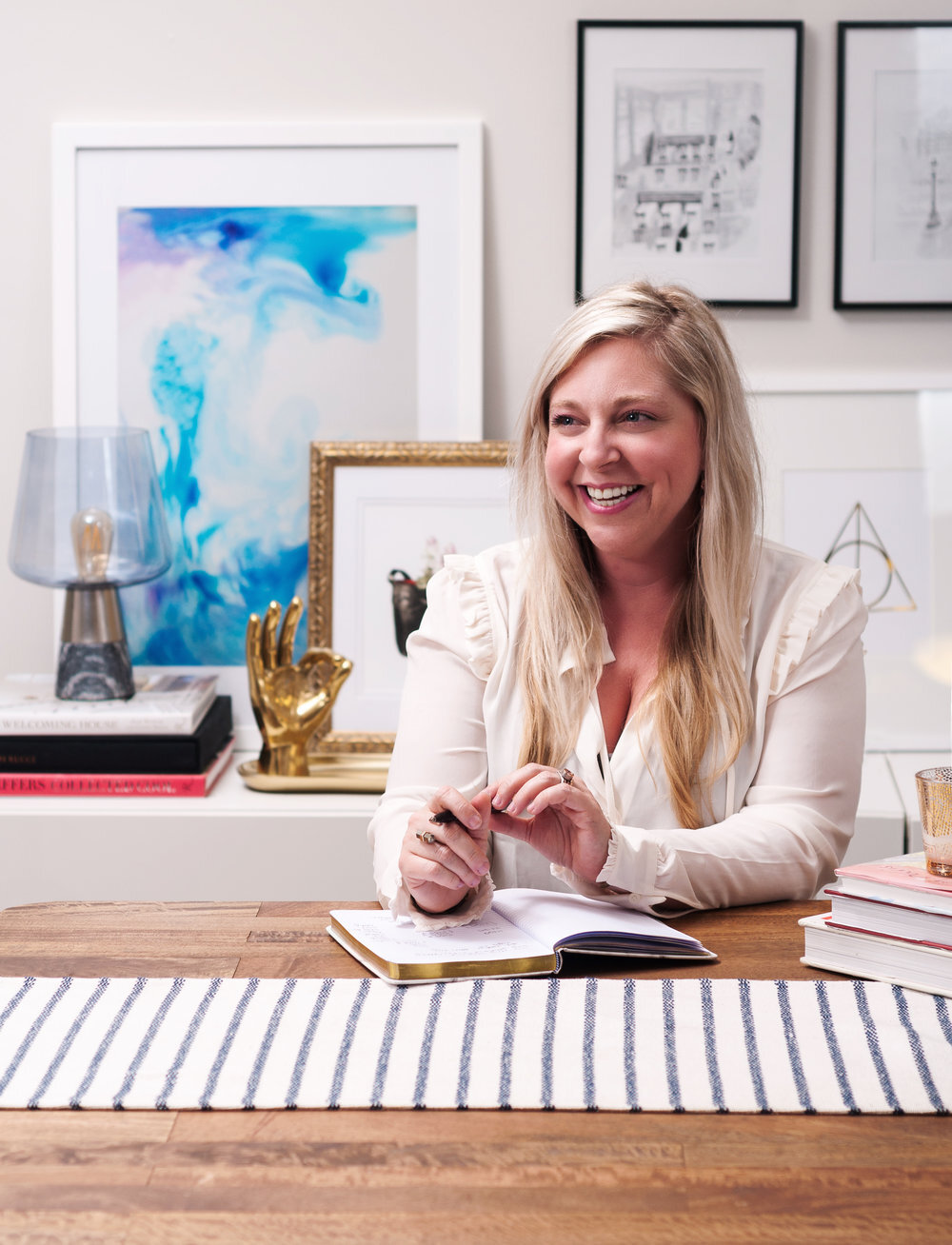
Today we’d like to introduce you to Jesse Bratter.
Hi Jesse, can you start by introducing yourself? We’d love to learn more about how you got to where you are today?
I always knew I wanted to be a writer for a living. When I was in college, I thought that meant I had to be a news journalist. I attended Florida State University in the state capital and served in various editing roles for our school newspaper, including editor-in-chief, so I was constantly exposed to government-related news. I sat in the national press seats when Al Gore visited FSU during his presidential campaign. I learned how a printing press works by watching ours print at the Tallahassee Democrat. And I experienced 9/11 while covering how it affected students on campus.
A couple of years after graduation, I found myself working for The Miami Herald in their iconic former headquarters on the water, One Herald Plaza, and feeling like I must be on the right path. My desk faced a large window with a front-row seat to the construction of the Adrienne Arsht Center for the Performing Arts, and I could see the city changing before my eyes. During my time there, a city commissioner took his own life in the lobby of our building, and it became one of several difficult realities of newsroom life that eventually led me to question my trajectory.
I remember a good friend and former editor calling me and mentioning she was applying for a role at Florida Design magazine. I have always loved art, design and architecture, but until that phone call, I hadn’t considered that I could have a job combining these interests with my love of writing. I grew up visiting galleries and museums with my mom, who studied art history, and collecting jewelry with her from art shows and local studios when we traveled. When I watched the Arsht Center being built from my window at The Herald building, what most excited me wasn’t the news of its arrival; it was learning about the terrazzo floor murals and sculptural railings by José Bedia that would adorn the interiors.
My friend ended up not pursuing the Florida Design job, and I took it as a sign for myself. I didn’t have any professional design experience or design clips, so I sat down on my sofa one night and wrote an article about my apartment and how I had decorated it on a budget. I know now that’s not the kind of content they cover (!) and they were kind to call me and politely say they were looking for someone with more formal design experience. I somehow convinced them to give me the job anyway, and my first formal education in design came from working with all of the showrooms at the Design Center for the Americas. A later role at Luxe Interiors + Design expanded my reach, exposing me to designers, artists and brands across the country and internationally, and allowing me to elevate my eye and broaden my palette.
One day, I was attending a photoshoot at the home of the married design and architecture duo Carlos Gonzalez-Abreu and Ana Maria Alas. Their home in Coral Gables felt like a Roman villa, and it was filled with items they’d collected for years on their travels. The rooms were like salons that opened onto each other in an enfilade, and classical music reverberated throughout the house. This was the first time in their long career that they were designing something for themselves, and I felt so moved being immersed in that environment. It inspired me to pursue a full-time freelance career where I could explore multiple creative endeavors.
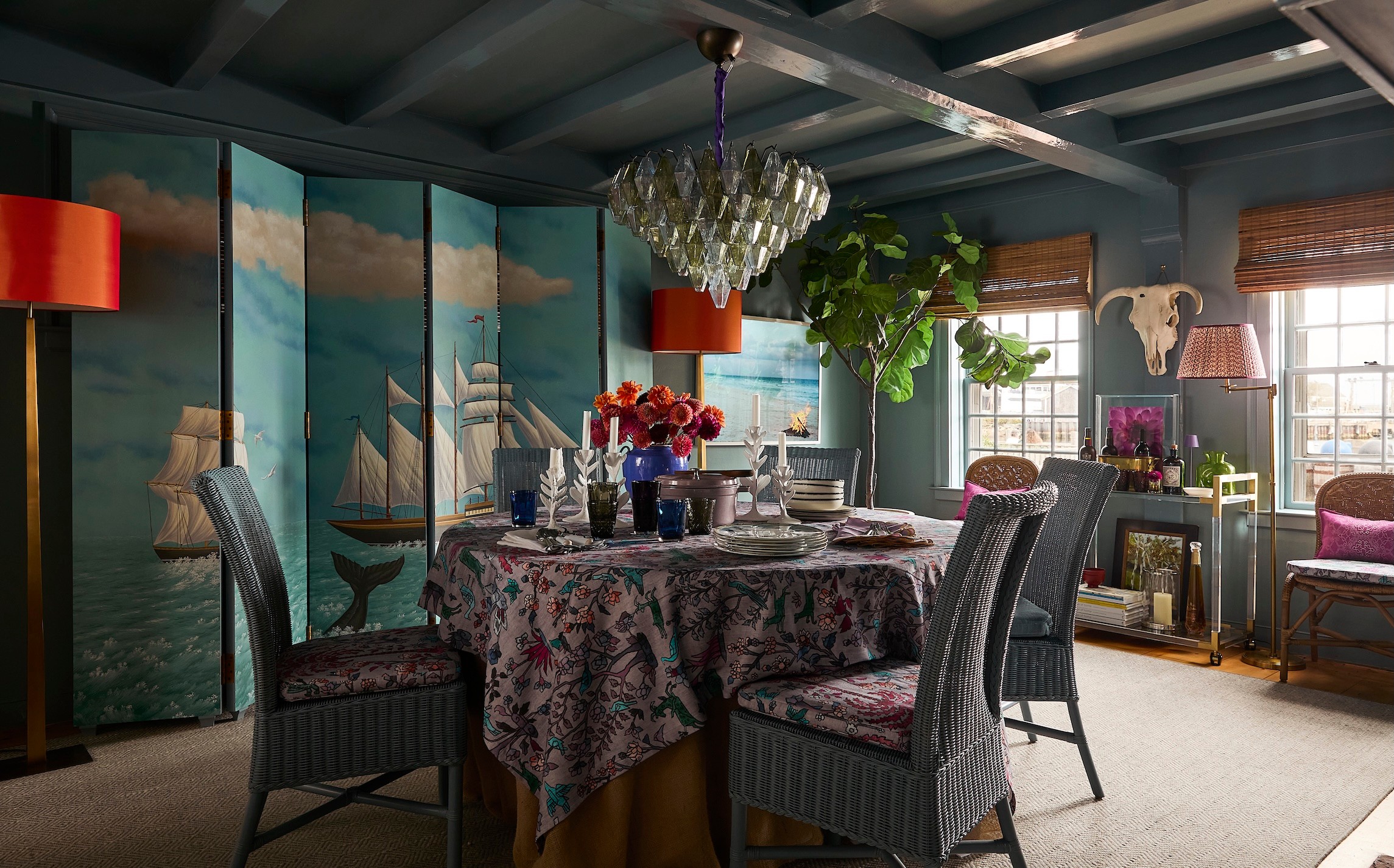
For the last decade, I’ve worked across editorial, brand storytelling, and styling homes and hotels the way I would envision them on a page. I’ve spent two nights anchored off the coast of Antigua, styling a yacht for a charter photoshoot; created content for S. Harris and their fabric collection with Diane Keaton, and met her on set of the collection photoshoot; and helped cultivate a really special creative community as editor-in-chief and now editor-at-large of Modern Luxury Interiors Florida. And I’m currently working on my first coffee table book with Figure 1, which will, of course, be about design.
Alright, so let’s dig a little deeper into the story – has it been an easy path overall and if not, what were the challenges you’ve had to overcome?
Most of my work experiences have parlayed into each other organically or resulted from relationships I’ve built over the years. So in that sense, there’s been a thread of natural progression. But that clarity also coexists with uncertainty: what will the next project entail, when will the next photoshoot happen, who will the next client be? Freelancing full-time offers a freedom of exploration that can feel liberating, but it requires constant tending to maintain momentum. The subtler struggle has been self-reflection: Every project I’ve worked on has taught me something about my strengths and weaknesses—about knowing when to invest time and energy into a new skill or project, and when to walk away from something not in my wheelhouse.
Can you tell our readers more about what you do and what you think sets you apart from others?
I’ve been a longtime design, art, lifestyle and travel writer/editor for multiple publications. And I’ve created content, brand strategies and social media strategies, and developed tone of voice and language for various design brands. My approach to writing about design and the people behind it is mostly about painting a scene; I’m drawn to the details that place a reader inside a space or inside a point of view, and let the story unfold from there.
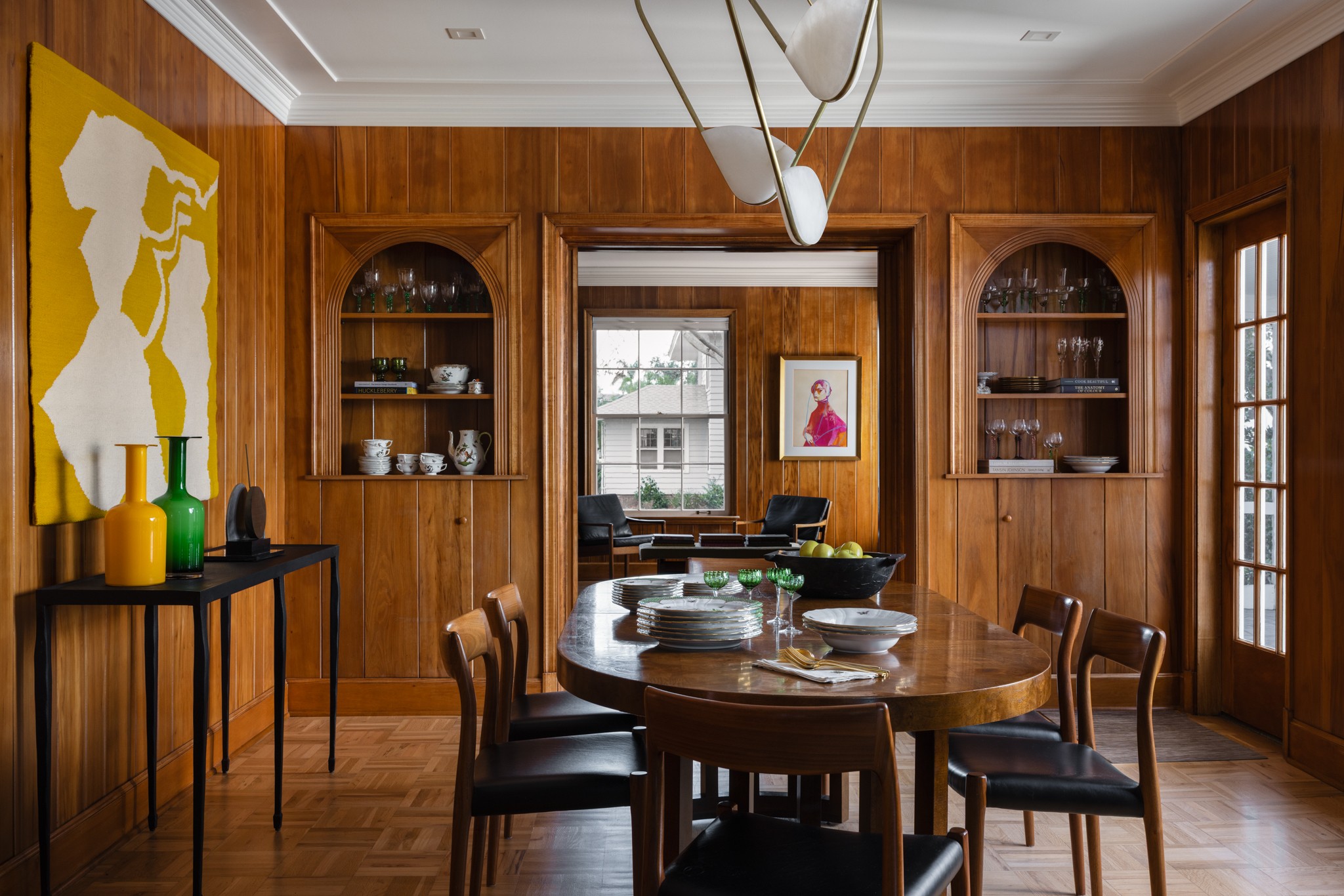
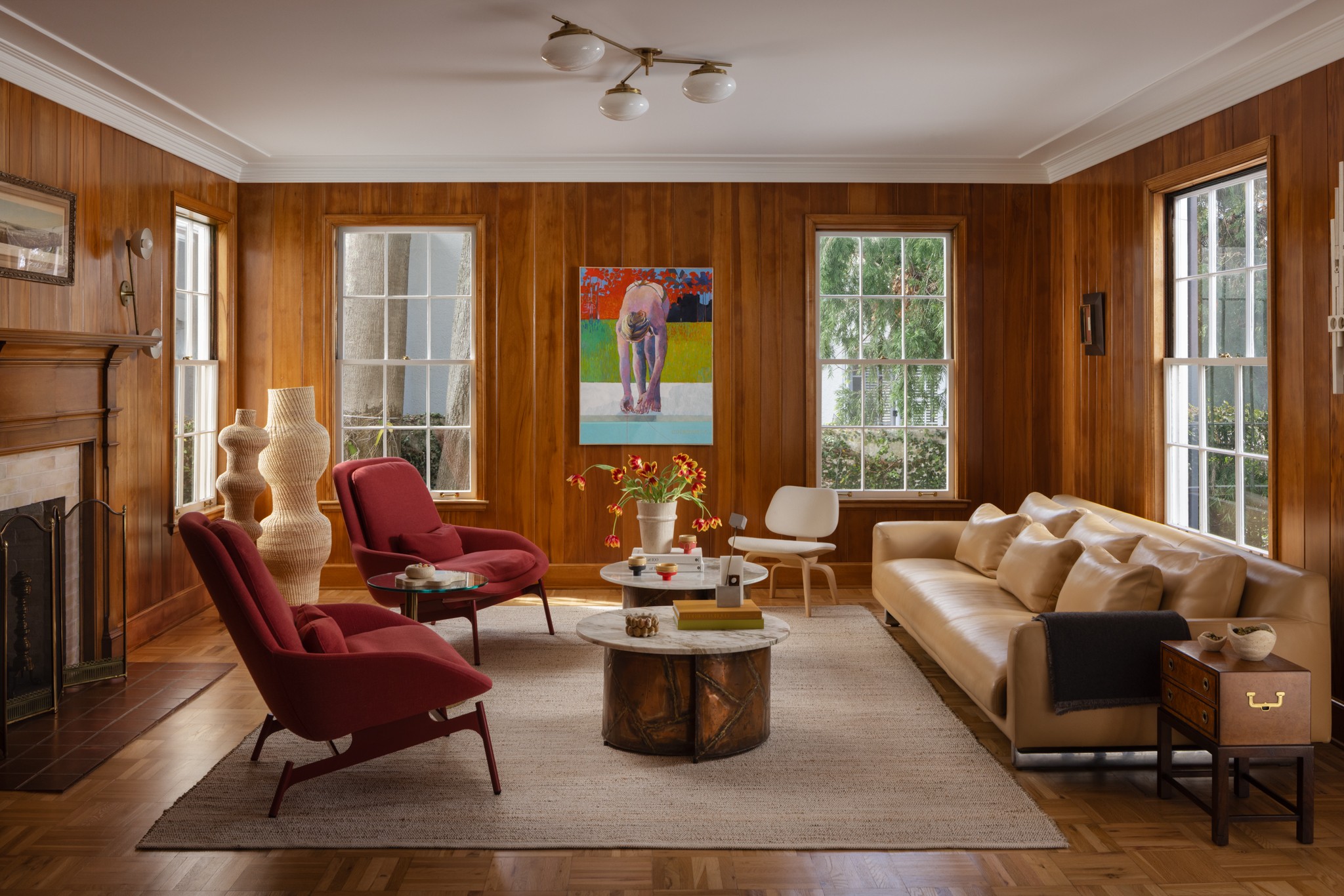
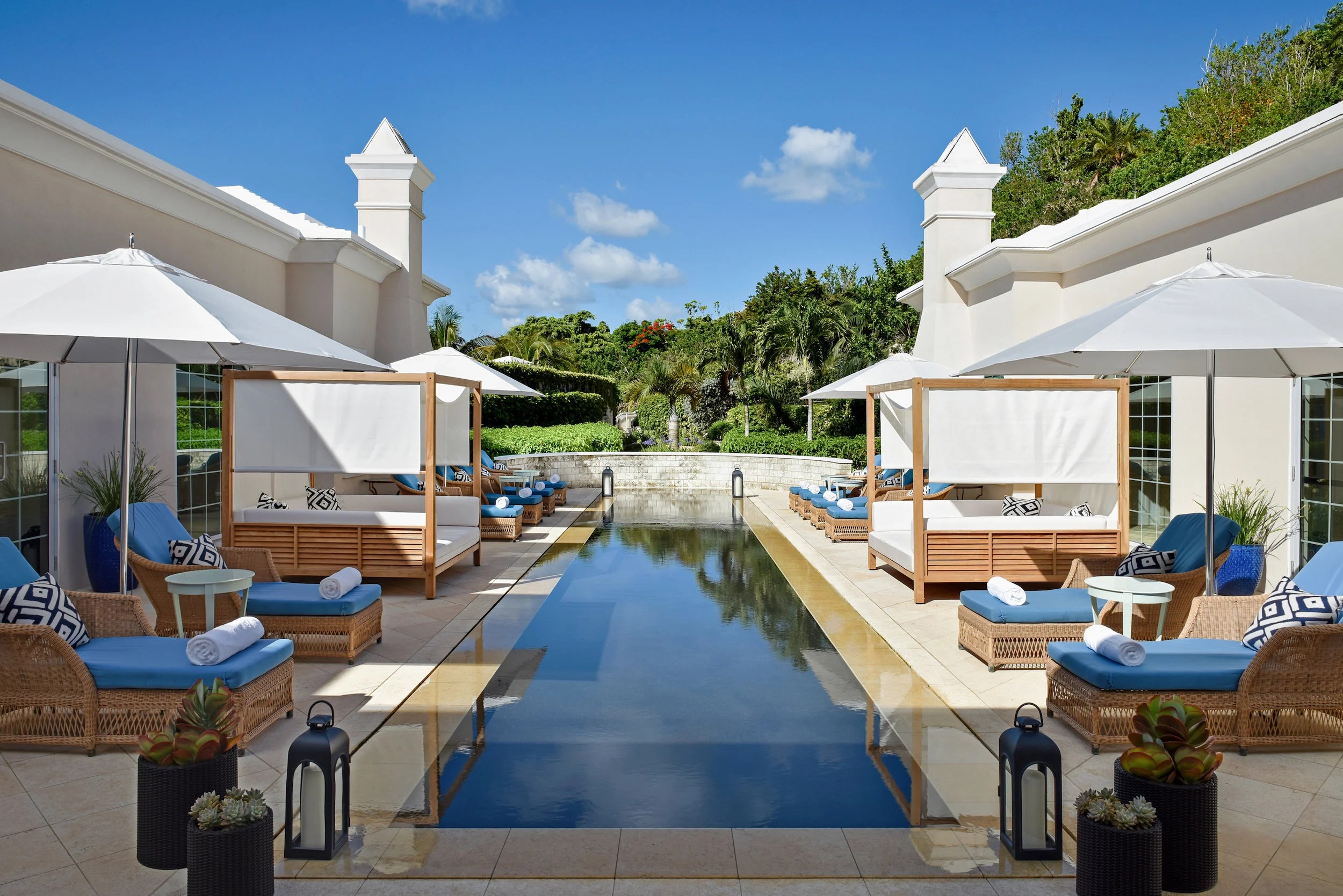
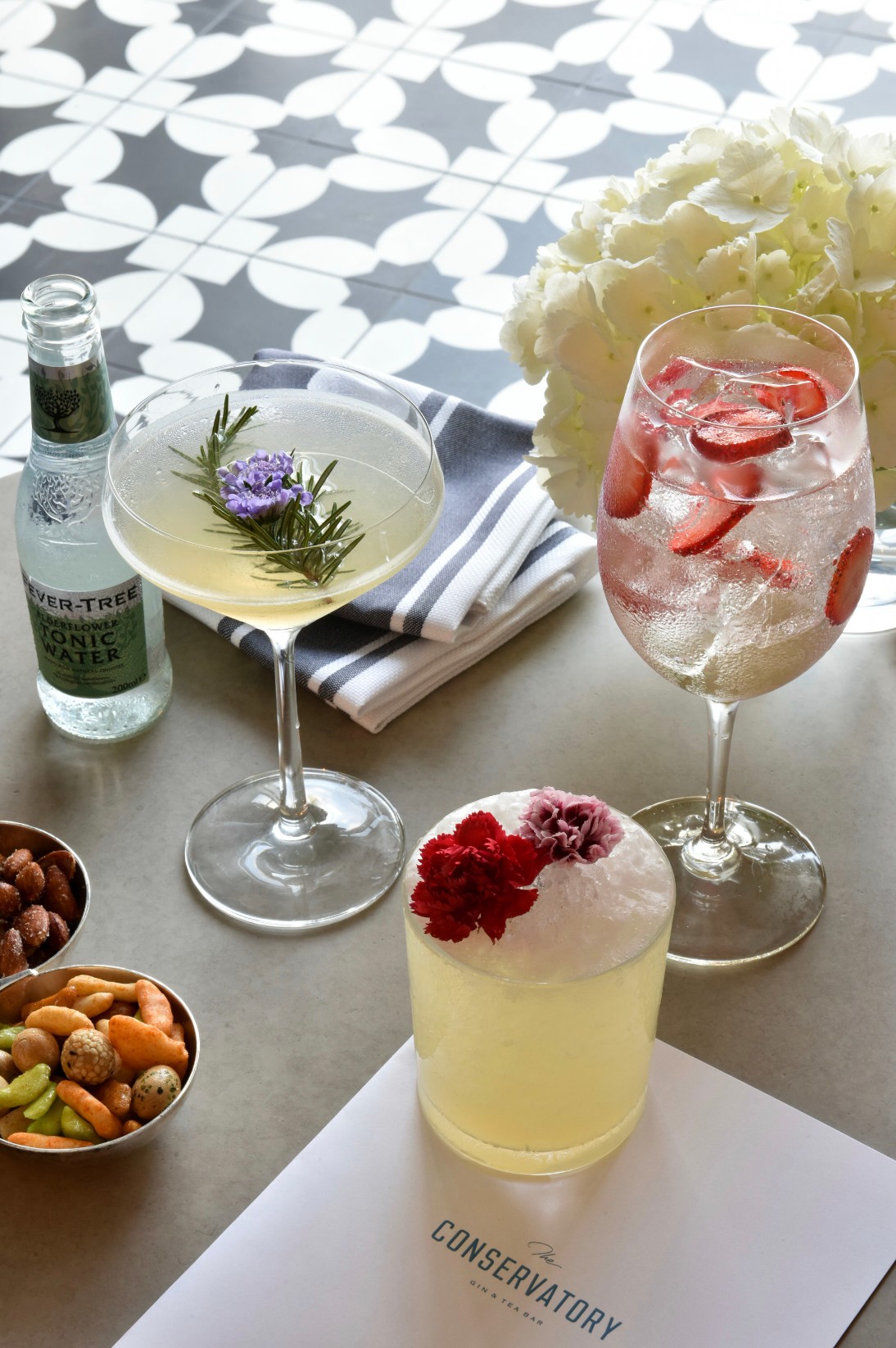
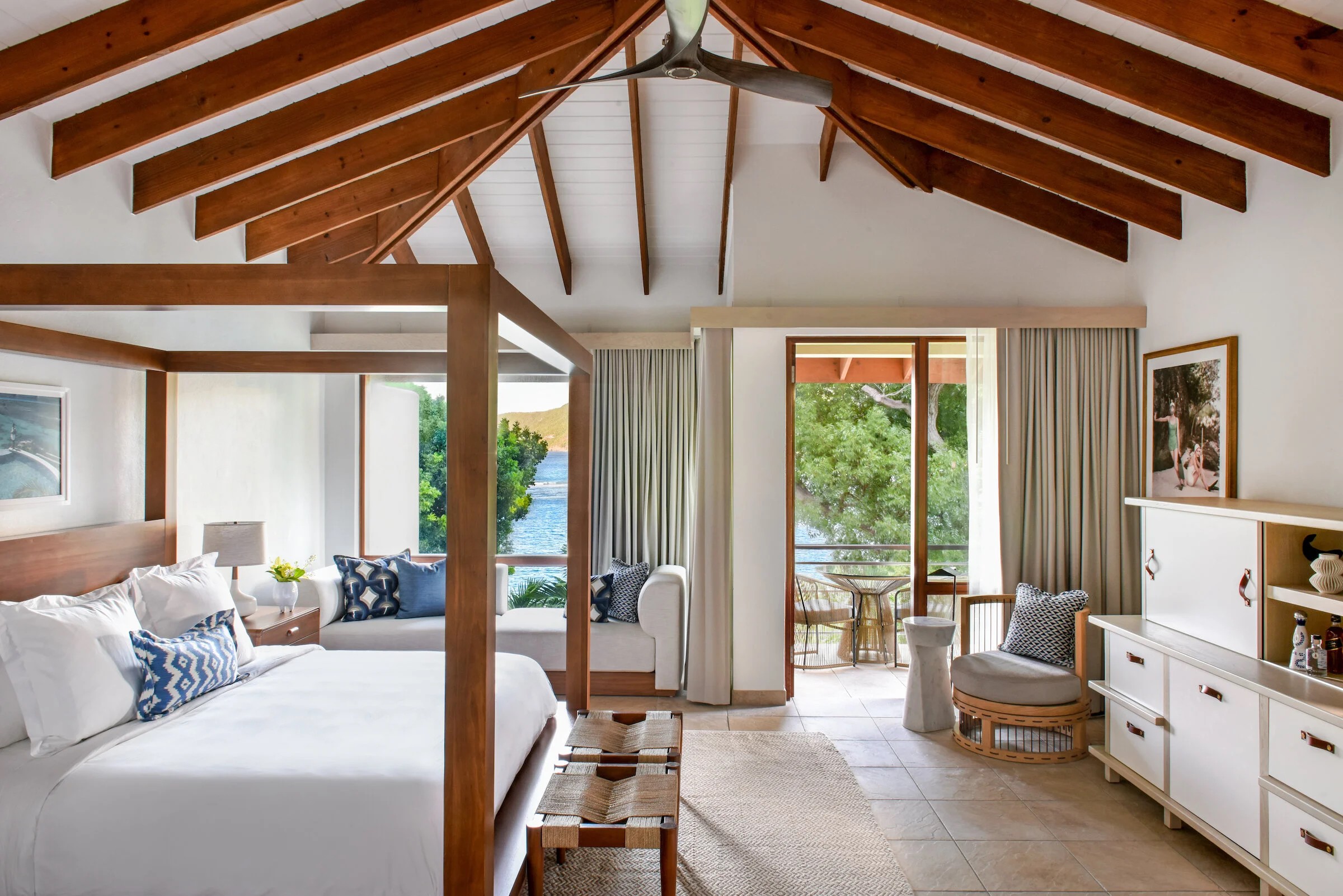
Styling homes was born from attending photoshoots for features I was producing for publication. Once I began freelancing about 10 years ago, adding this to my repertoire of services felt natural. I began working with publications and directly with designers to accessorize and style their residences, and when a photographer friend, Ken Hayden, needed a stylist for a hotel photoshoot, I raised my hand. That led to multiple shoots for hotels and resorts across guest suites, public spaces, wellness spaces, and food and beverage. The way I approach a shoot is with an editorial point of view, an obsessive eye for the details, and the patience to move an object one millimeter to the left if it makes for a better shot.
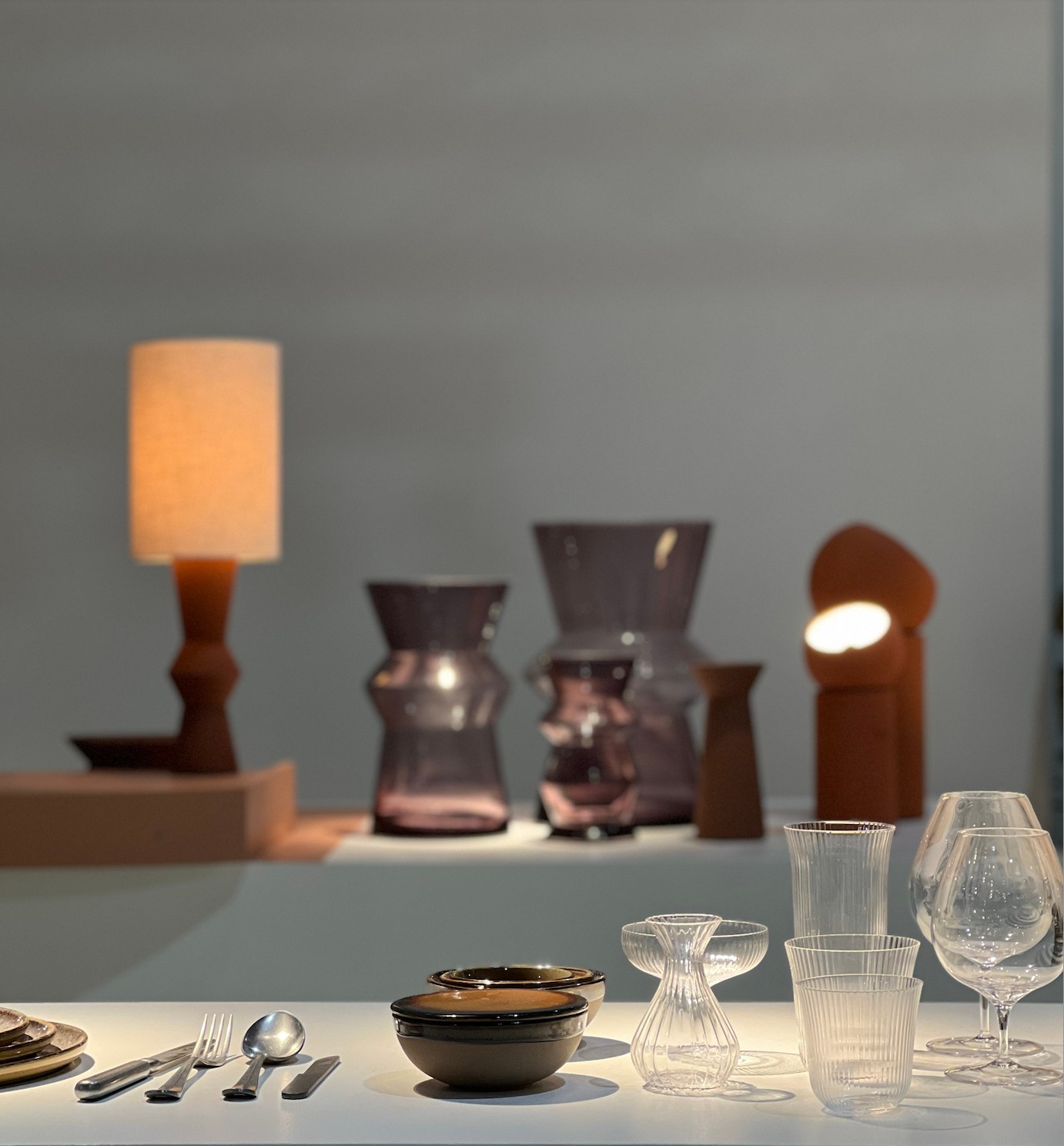
Building on that experience, after years of discovering art and objects through research and attending trade shows here and abroad, writing about them and sourcing them for photoshoots, I’ve recently started a new styling studio called Fin., bringing my eye into the final layer of an interior as a curatorial design service for residential and hospitality projects in conversation with the overall design vision.
What sort of changes are you expecting over the next 5-10 years?
AI feels like an obvious answer, but I think it’s worth talking about for a specific reason. I was recently chatting with a designer for my book—Alex Alonso of mr alex TATE—who is inspired most by the Victorian era, as it was a moment when design became democratized and more personalized due to industrialization and broader public access to travel and experiencing other places and cultures. That got me thinking about how AI, too, feels like a seismic shift, rather than a simple advance in technology. There is still an abundant amount of reverence in the design industry for things made by hand, made slowly, made by a real person with a real soul. Hästens has a philosophy, for example, for how long it takes to make one of their beds worth hundreds of thousands of dollars, and that is: “as long as it takes.” And maybe the same could be said for Abner Henry, a bespoke manufacturer with Amish roots, where every piece is handcrafted, but even they have developed their own technology platform in order to offer a near-limitless level of customization. That tension points to where I think the industry thrives: a true synthesis of original ideas, past inspirations, and forward-thinking ways of executing them. AI as a tool rather than a replacement for human ingenuity.
Contact Info:
- Website: https://www.jessebratter.com
- Instagram: https://www.instagram.com/jessebratter
- LinkedIn: https://www.linkedin.com/in/jessebratter