


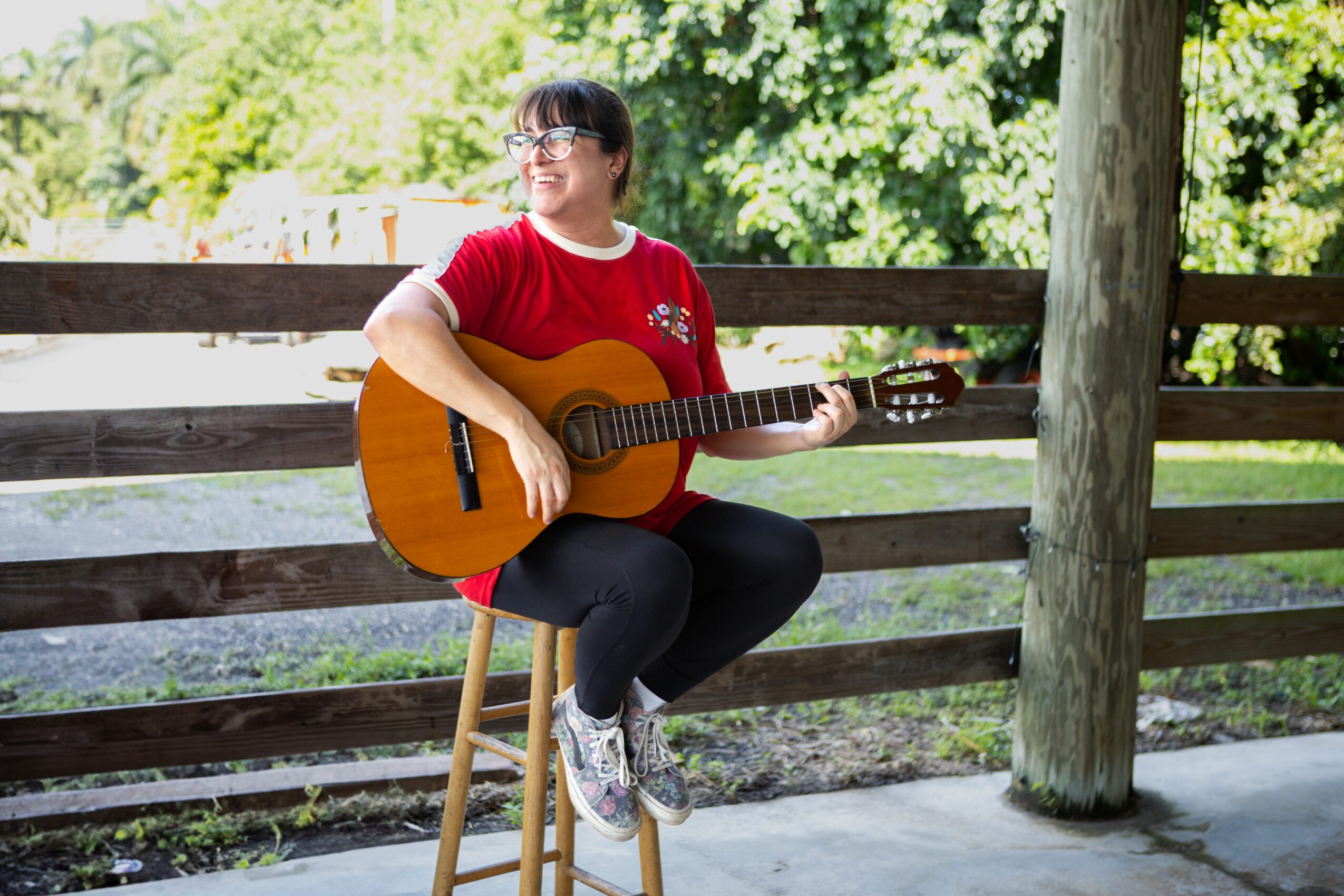
Today we’d like to introduce you to Sarah Galvan.
Hi Sarah, thanks for joining us today. We’d love for you to start by introducing yourself.
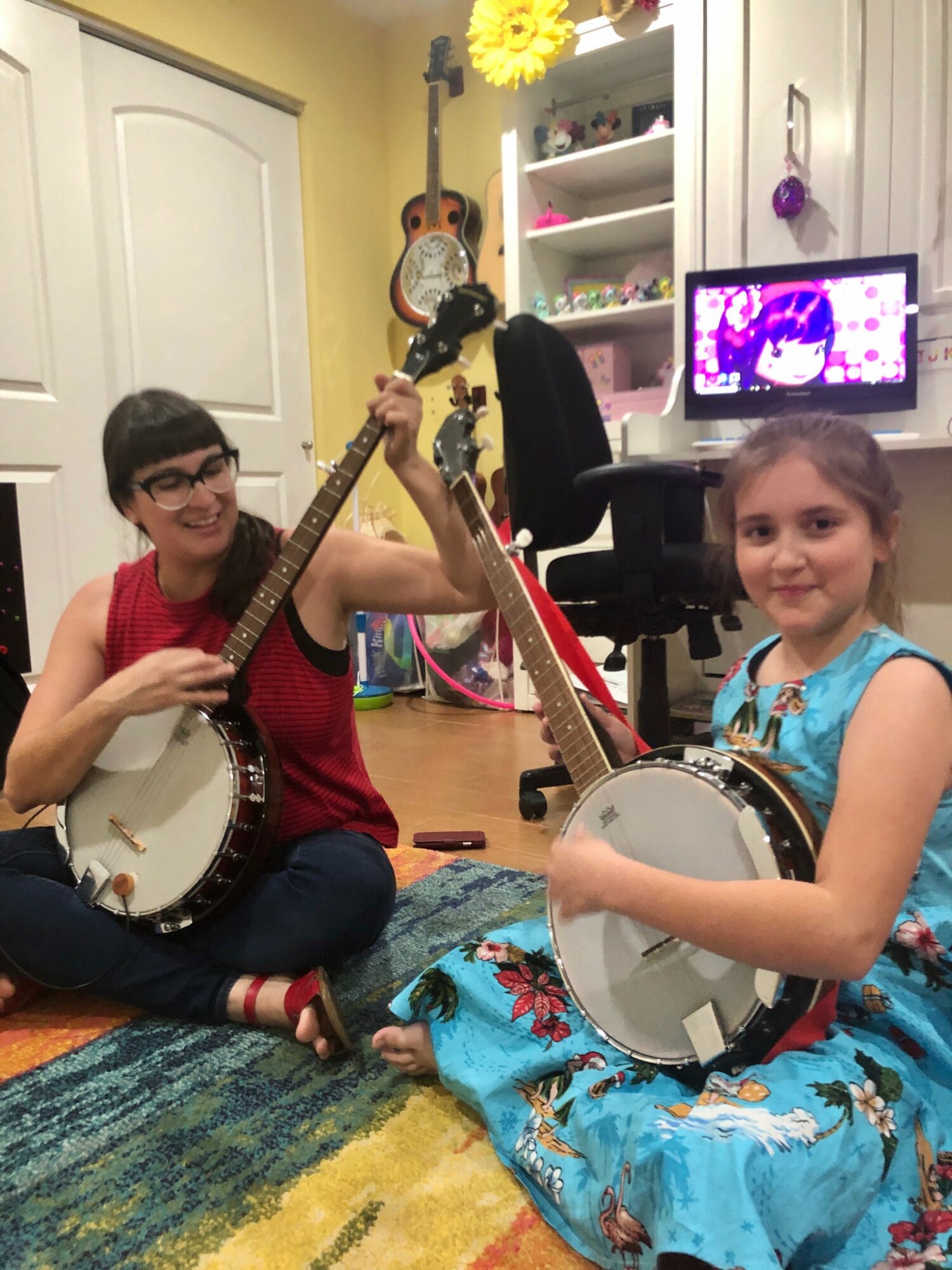
Music has always been part of who I am. As a child, I simply loved making music, but as I got older, that love grew into a curiosity about people, psychology and the incredible diversity of how our brains learn, communicate and experience the world.
While studying Applied Psychology at NYU, I attended a guest lecture by a music therapist from the Nordoff-Robbins Center for Music Therapy. I still remember sitting there thinking, This is exactly what I’ve been looking for! It was the first time I realized how music could be used not only to create as an artist, but also as a clinical and therapeutic tool to help people connect, communicate and grow.
That one guest lecture changed the direction of my life. I began my fieldwork at the Nordoff-Robbins Center, where I observed and recorded music therapy sessions. Being able to witness those moments of connection firsthand with all those amazing therapists was incredibly inspiring. After graduating with my Bachelor’s degree, I joined the center as a staff member continuing to record sessions while preparing for my Master’s audition in Music Therapy.
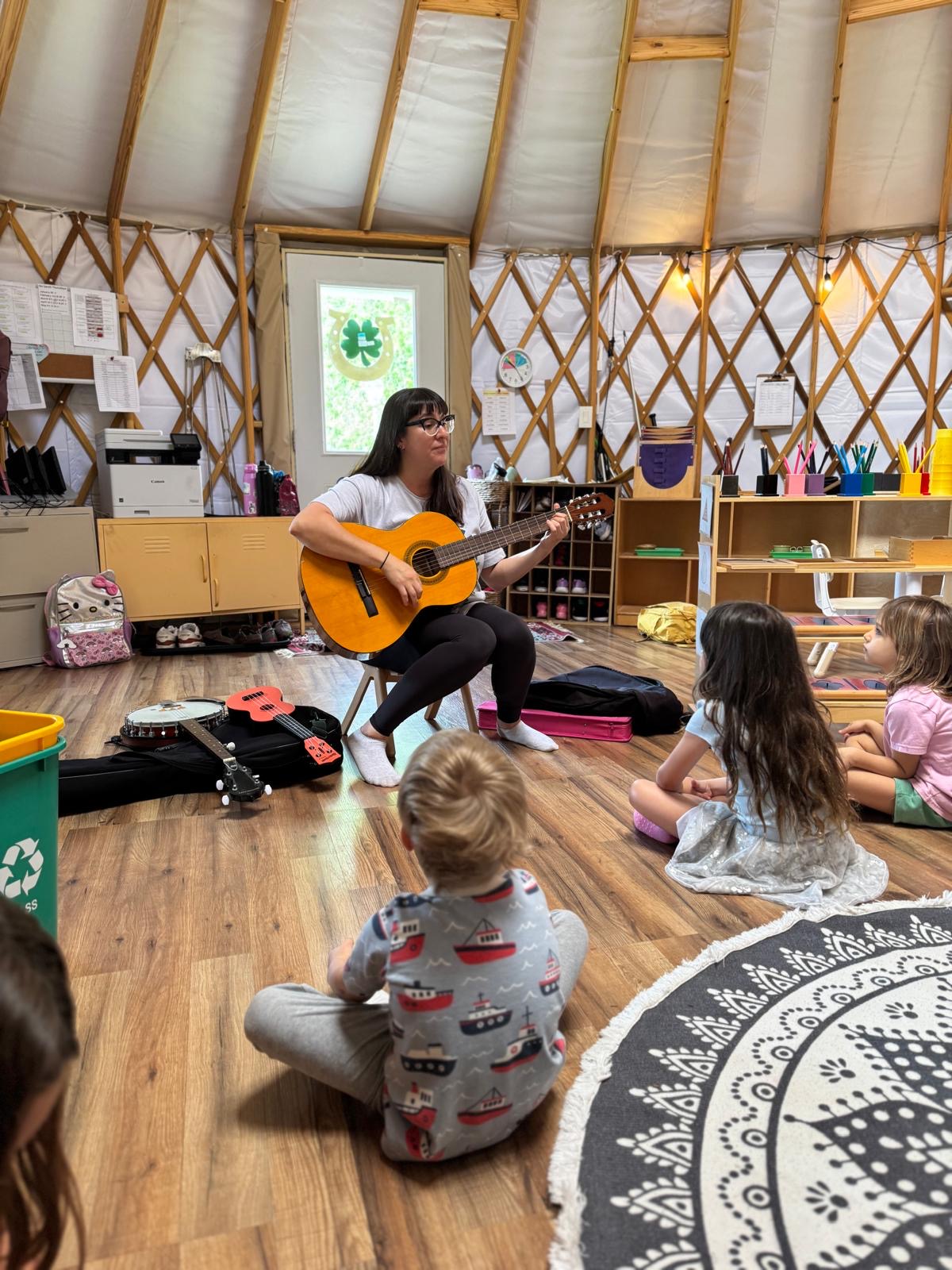
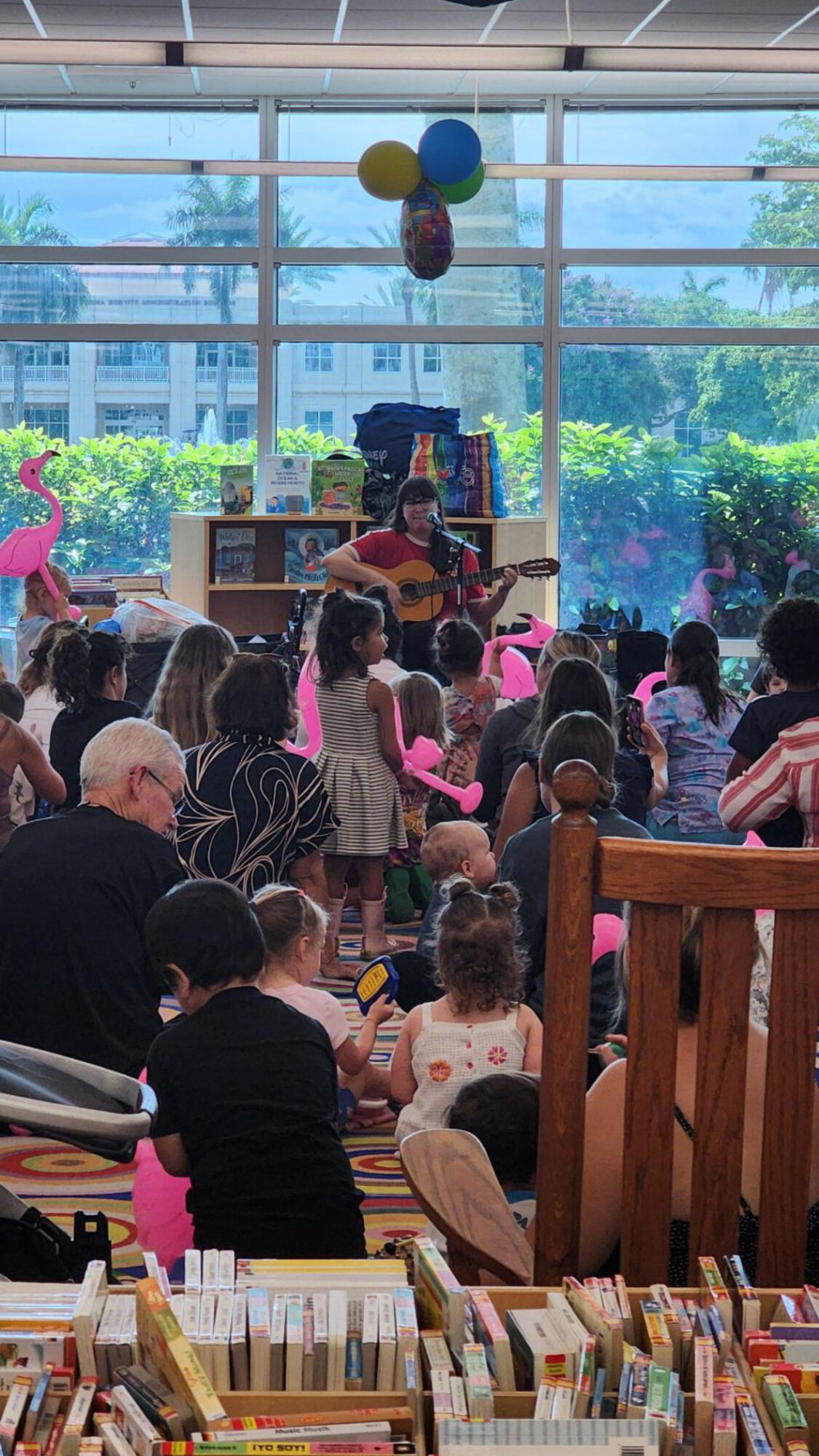
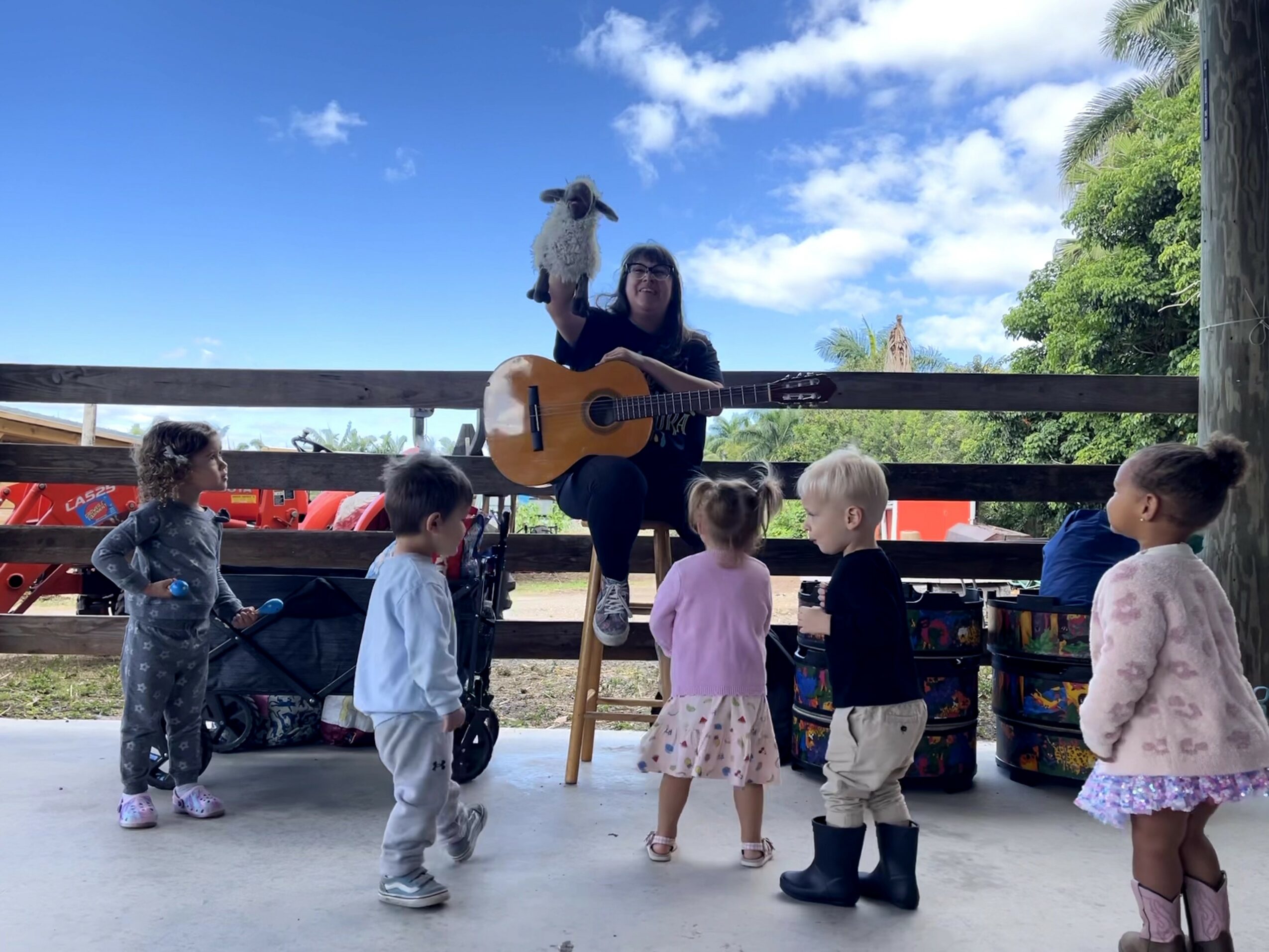
Those experiences confirmed that I had found my calling. For the past 18 years, I’ve had the privilege of working with children and families in schools, clinics, hospitals and community programs. Today, through my program “Música with Sarah”, I continue to combine my love of music with my passion for child development, creating joyful, inclusive experiences where every child feels seen, celebrated and empowered to learn through music.
I’m sure it wasn’t obstacle-free, but would you say the journey has been fairly smooth so far?
Like many emerging professions, music therapy is still widely misunderstood, so my journey hasn’t always been a smooth one. One of the biggest challenges has been helping others understand that music therapy is much more than singing songs or teaching music. It’s an evidence-based clinical profession that uses music intentionally to support emotional, cognitive, physical, social and communication goals.
Throughout my career, I’ve often found myself educating families, educators, healthcare professionals and others who are more familiar with traditional therapeutic approaches about what music therapy truly is and the impact it can have across the lifespan. I’ve learned that the most powerful way to advocate for the profession isn’t through explanation alone—it’s through experience.
I’ve seen children who struggled to communicate find their voice through music. I’ve watched older adults reconnect with cherished memories through familiar songs. I’ve had the privilege of witnessing teens and adults navigating addiction transform deeply personal experiences into original song lyrics, expressing emotions that were difficult to put into conversation. Time and time again, I’ve seen music create opportunities for connection, healing and growth in ways that words alone sometimes cannot.
Those moments continue to remind me why I chose this profession. They have strengthened my commitment not only to my clients, but also to raising awareness about the depth, versatility and life-changing potential of music therapy.
Alright, so let’s switch gears a bit and talk business. What should we know about your work?
I’m a bilingual music therapist, educator and advocate who is passionate about creating inclusive spaces where children are understood, supported and celebrated for who they are. Much of my work focuses on educating families, educators and communities about neurodiversity-affirming practices and helping others recognize that there is no one “right” way to communicate, learn or experience the world.
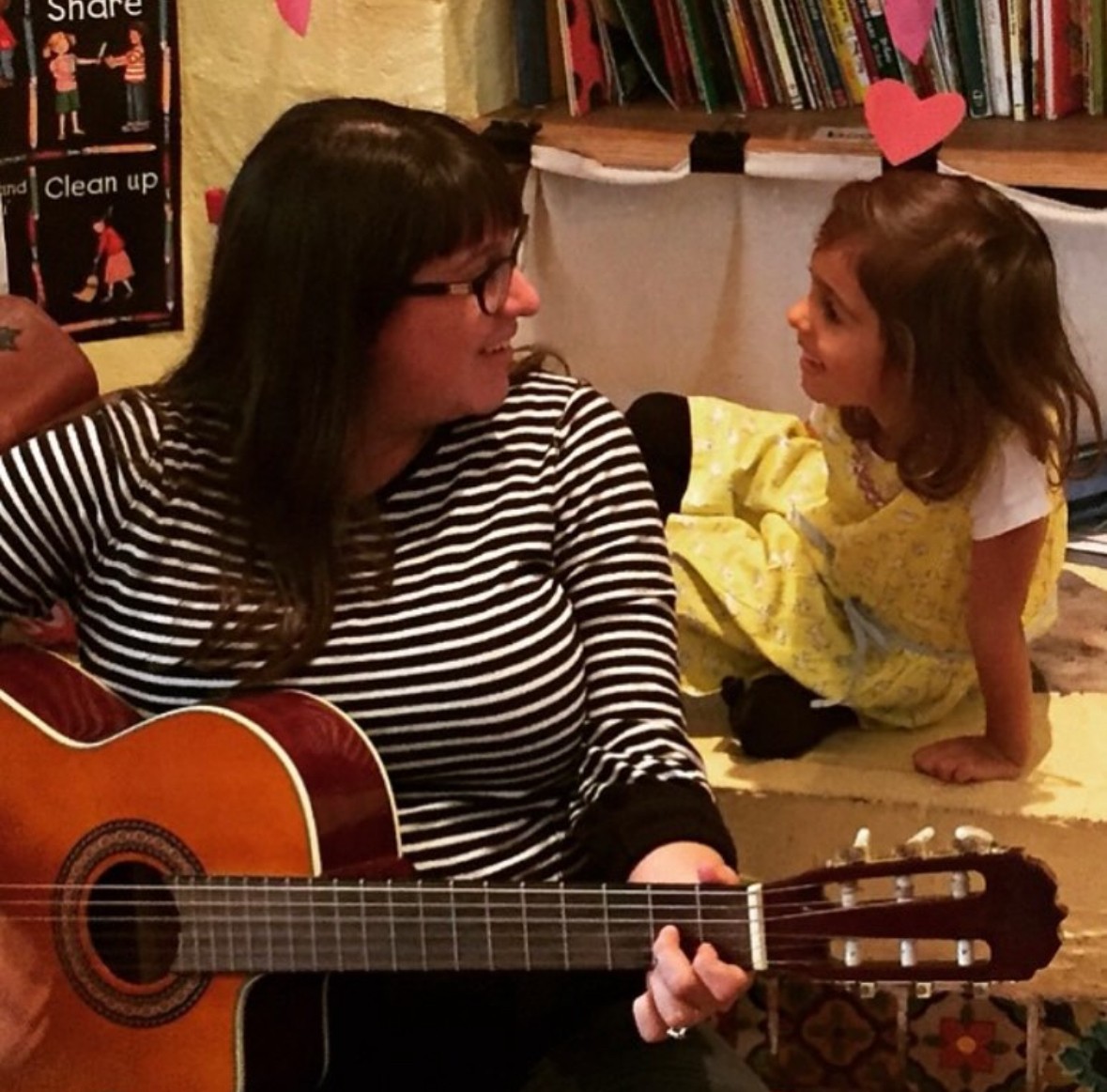
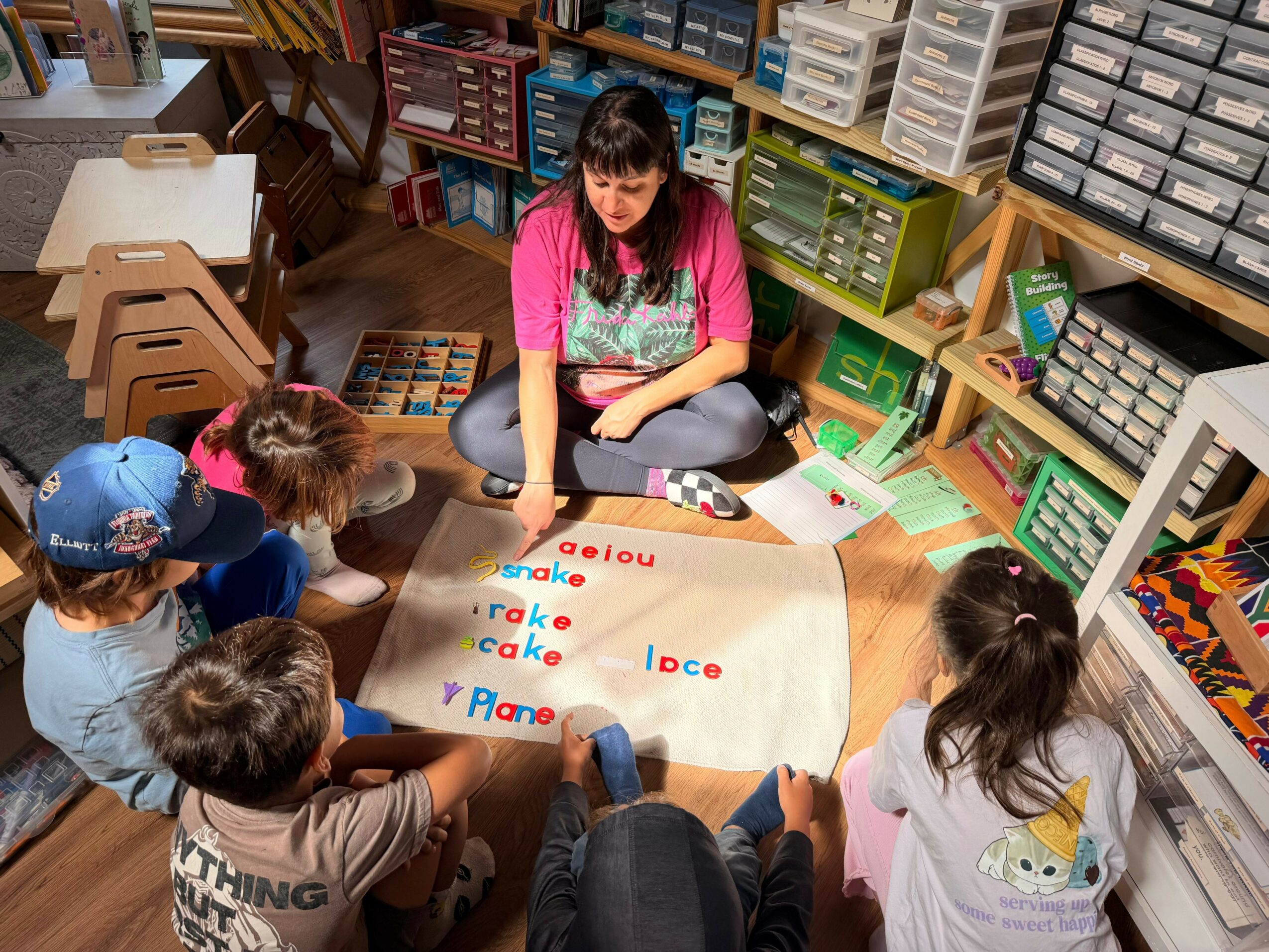
My therapeutic approach is rooted in play, relationship and connection. I believe children learn best when they feel safe, curious and genuinely engaged. Rather than expecting children to fit into a predetermined mold, I strive to meet them where they are, following their interests and strengths while supporting their development through meaningful musical and playful interactions. My work has been influenced by humanistic, developmental and relationship-based approaches, including my experiences in Montessori and Reggio Emilia educational settings.
One of the things I’m most proud of is being able to provide services in both English and Spanish while honoring each family’s culture, values and experiences. As a bilingual therapist, I’ve seen firsthand how meaningful it is when families can communicate and participate in therapy in the language that feels most natural to them.
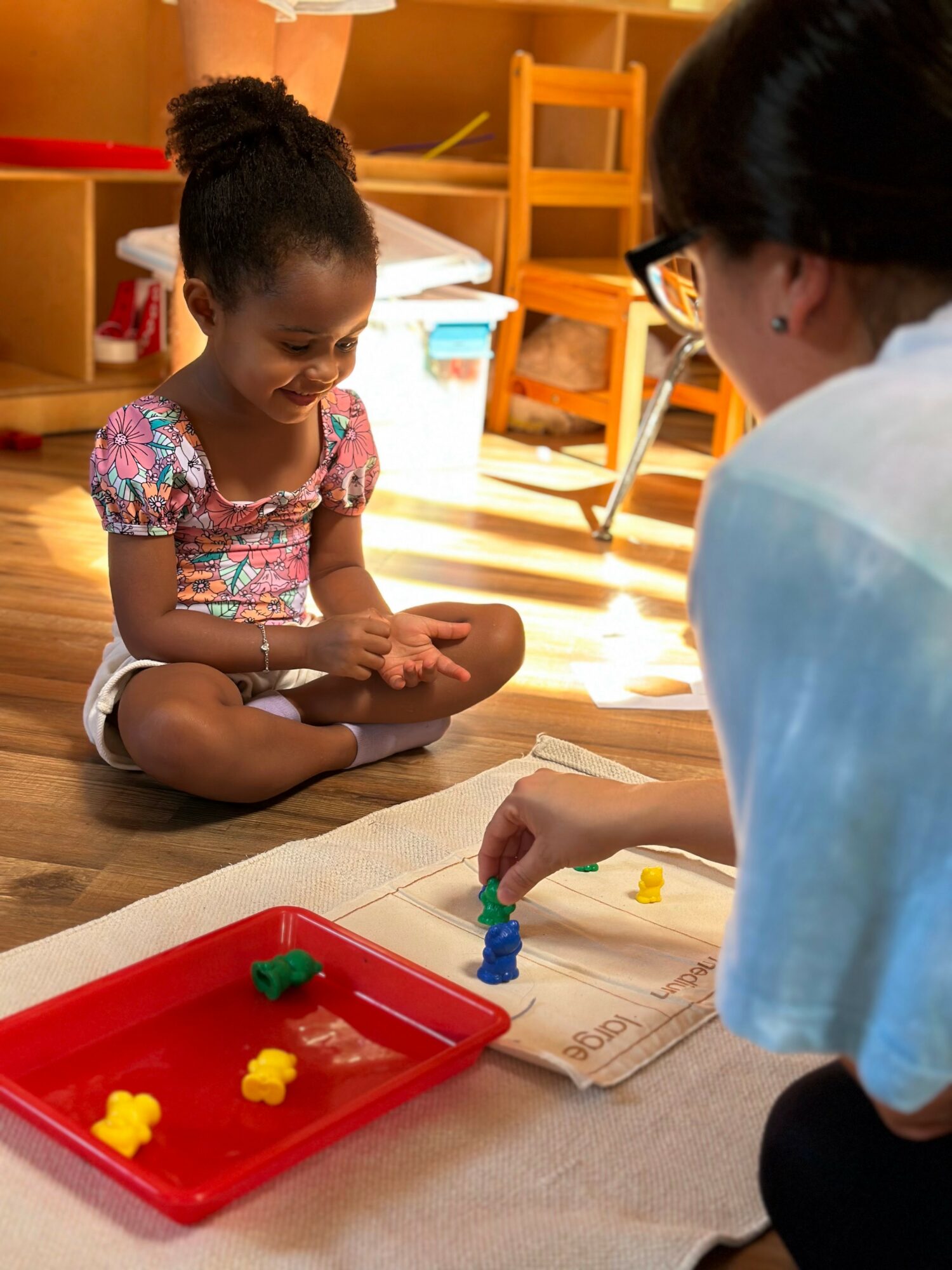
Over the years, I’ve also had the opportunity to support students one-on-one in non-traditional educational environments, helping them build confidence, strengthen academic and social-emotional skills, and find strategies that allow them to thrive while remaining true to who they are. Beyond working directly with children, I’ve collaborated with teachers and school teams to create more inclusive classrooms and to help educators better understand how to support diverse learners.
What sets me apart is that I don’t just see music as an intervention—I see it as a way to build trust, foster relationships and create joyful experiences where every child feels seen, heard and valued. My goal has never been to change who a child is, but to help create environments where they can flourish as their authentic selves.
In terms of your work and the industry, what are some of the changes you are expecting to see over the next five to ten years?
Over the next 5–10 years, I hope that growth continues not only through more employment opportunities, but also through greater public understanding of what music therapy is and what it is not. As creative arts therapies become more widely recognized, it’s important that families and organizations understand the difference between therapeutic music experiences and services provided by a credentialed music therapist. Both can have value, but they are not the same, and using the correct terminology helps protect the integrity of the profession and ensures people receive the services that best meet their needs.
I also hope to see more music therapists integrated into schools, hospitals, mental health programs and community settings, along with salaries that reflect the education, clinical training and expertise the profession requires. Most of all, I hope we continue moving toward a future where music therapy is viewed not as an “extra,” but as an essential and evidence-based healthcare profession that can make a meaningful difference in people’s lives.
Contact Info:
- Website: https://www.musicawithsarah.com
- Instagram: @MUSICAWITHSARAH