




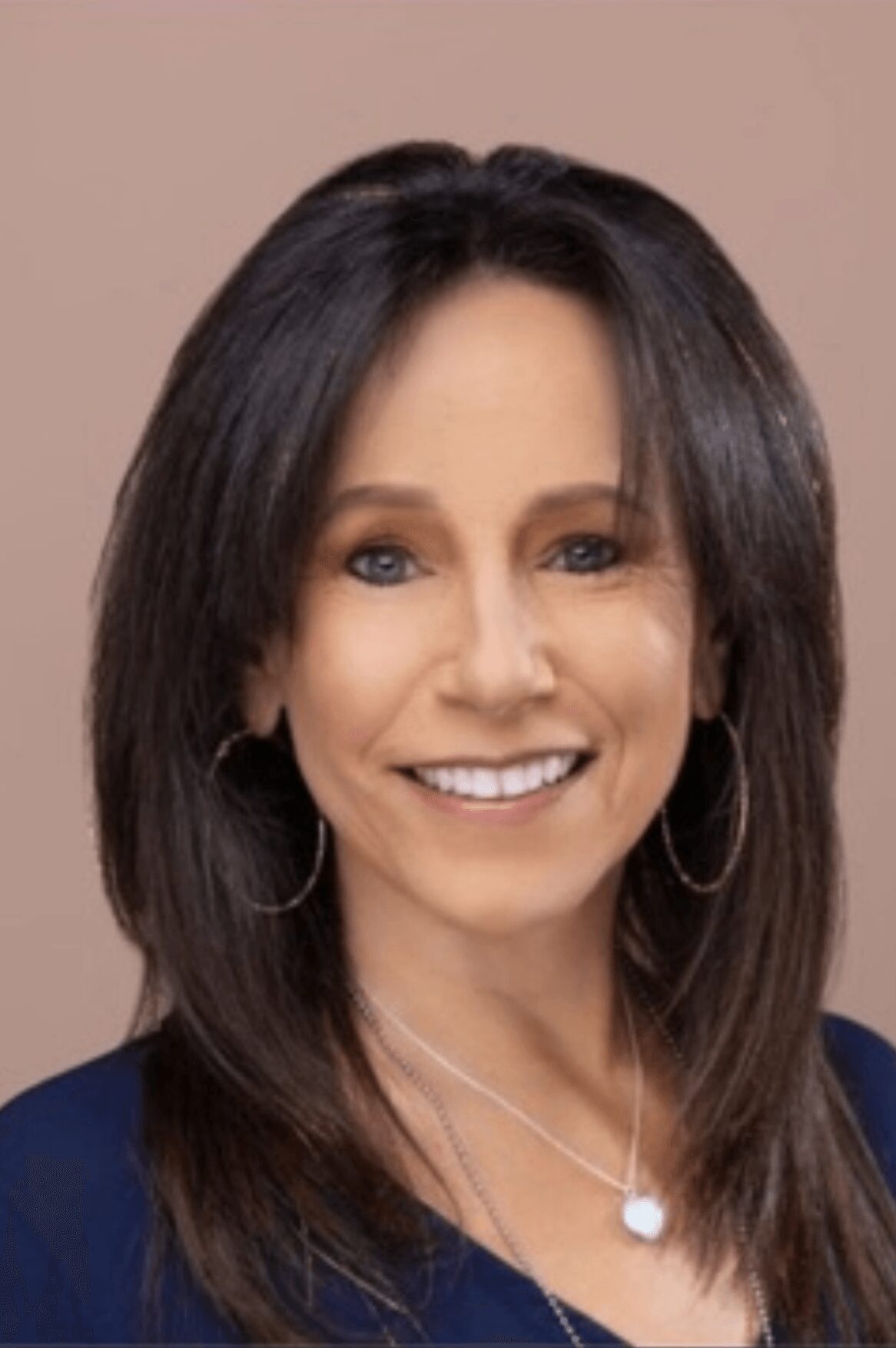
Today we’d like to introduce you to Lauren Finkelstein.
Hi Lauren, so excited to have you on the platform. So before we get into questions about your work-life, maybe you can bring our readers up to speed on your story and how you got to where you are today?
My career began in television at MTV, where I got my start in the industry. I later became a promo producer at CNBC, Court TV, WNBC, and King World. I loved telling compelling stories, but over time I realized that media could do much more than entertain—it could save lives.
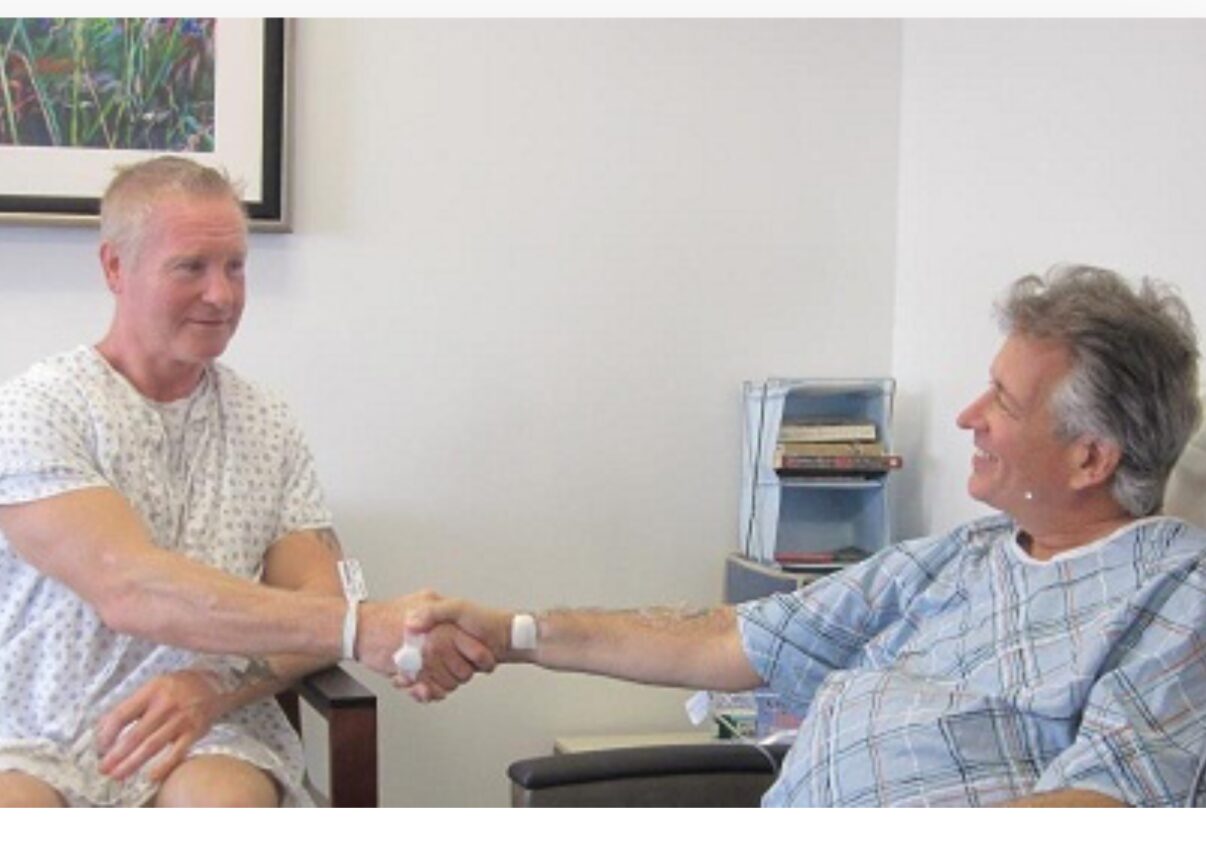
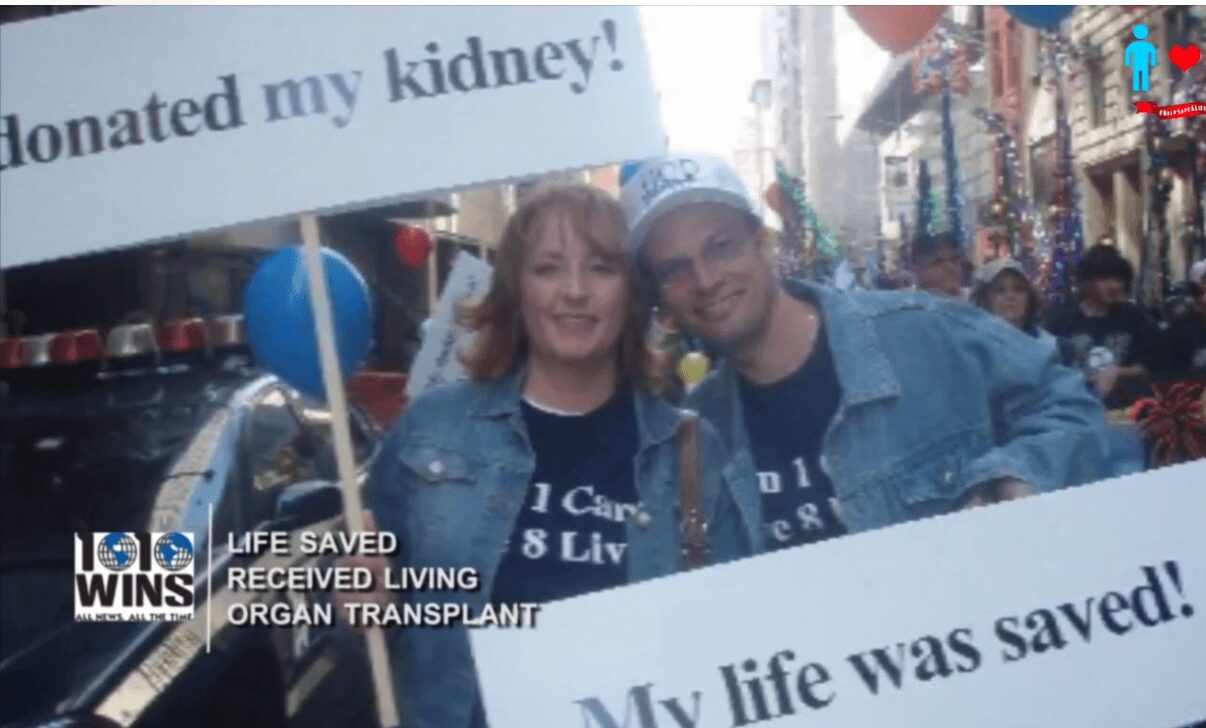
In 2001, I founded Save One Person, a nonprofit dedicated to finding living organ donors, bone marrow matches, and other lifesaving medical connections by sharing patients’ stories through the media. Since then, we’ve helped connect donors and recipients and demonstrated that one story, amplified through the right network, can change—and even save—a life.
Today, my mission is to take that vision to a global scale by partnering with media organizations, businesses, and digital platforms so that every week, one person’s story reaches the world. My belief has never changed: no one should die because their story wasn’t told.
Can you talk to us a bit about the challenges and lessons you’ve learned along the way. Looking back would you say it’s been easy or smooth in retrospect?
No, it hasn’t been a smooth road at all — it’s been a constant uphill climb, honestly. From the very beginning, the biggest obstacle has been funding. There’s no big institutional backer behind Save One Person; a lot of it has come out of my own pocket, just to keep the lights on and keep the stories going out. We’ve tried to build sustainable income through our online shop — selling books and other items — but it’s nowhere near enough to cover everything a project like this actually needs: building out media partnerships, getting stories produced and distributed, maintaining the website, reaching new donors and supporters. So there’s this constant tension between wanting to help more people right now and having the resources to actually do it well.
The second major challenge has been media consistency. When a news outlet picks up one of our stories, the response can be incredible — that’s the whole point, that’s how someone finds their match, their donor, their miracle. But right now that coverage is sporadic. We’ll get a station or a publication to run a story, and then there might be weeks or months before the next one. My goal from day one has been to get media outlets — TV, radio, print, digital — to treat this the way they’d treat a weather segment or a traffic report: a few minutes, every single week, dedicated to spotlighting someone who needs a living organ donor or a bone marrow match. Until that becomes the norm instead of the exception, we’re leaving lives on the table that we could be saving.
So yes, it’s been a struggle — financially and in terms of building the media infrastructure to make this truly life-saving. But every story we do get out there, every match that gets made, is proof that the model works. It just needs more consistent fuel behind it.
Thanks for sharing that. So, maybe next you can tell us a bit more about your work?
I’ve always been fascinated by the power of a great story. Early in my career, I learned how to capture people’s attention through television. Eventually, I began asking myself a different question: What if those same storytelling skills could actually save someone’s life?
That question became the foundation of Save One Person. Instead of promoting television shows, I now work to bring attention to people in urgent need of living organ donors, bone marrow matches, and other medical miracles. My role is to connect patients, the media, hospitals, and communities in a way that inspires people to take action.
What I’m most proud of isn’t just the media coverage—it’s the lives that have been changed because complete strangers stepped forward to help after hearing someone’s story. Every successful match reinforces my belief that compassion grows when people are given the opportunity to care.
What makes my work different is that I bridge two worlds that rarely come together: media and medicine. I’m not a physician, and I’m not a transplant coordinator. I’m a storyteller who believes that when the right story reaches the right audience, extraordinary things can happen. That’s the mission I’ve dedicated my life to.
Alright so before we go can you talk to us a bit about how people can work with you, collaborate with you or support you?
One of the greatest opportunities to accelerate our impact is through funding. Since founding Save One Person in 2001, we’ve accomplished our work with very limited financial resources, relying on volunteers, donated expertise, and the generosity of people who believe in the mission. Imagine what we could accomplish with a dedicated team.
Funding would allow us to hire key staff, including media outreach specialists to secure national and international coverage, patient coordinators to work directly with hospitals and families, social media and digital marketing professionals to expand our reach, content creators and video editors to tell each patient’s story, grant writers and development staff to build long-term sustainability, and partnership directors to establish collaborations with media companies, hospitals, corporations, and nonprofit organizations.
With the right investment, Save One Person can move from helping individual patients one story at a time to creating a scalable global movement where lifesaving stories are shared every week. We are looking for visionary partners, philanthropists, foundations, and corporate sponsors who want to help build an organization that uses the power of media to save lives.
Contact Info:
- Website: https://Saveonepersonnow.org
- Instagram: SaveOnePerson
- Facebook: http://facebook.com/lauren.finkelstein1
- Twitter: http://twitter.com/SaveOnePerson
- Youtube: https://www.youtube.com/user/SavePerson1
- Other: https://www.tiktok.com/@saveoneperson?lang=en