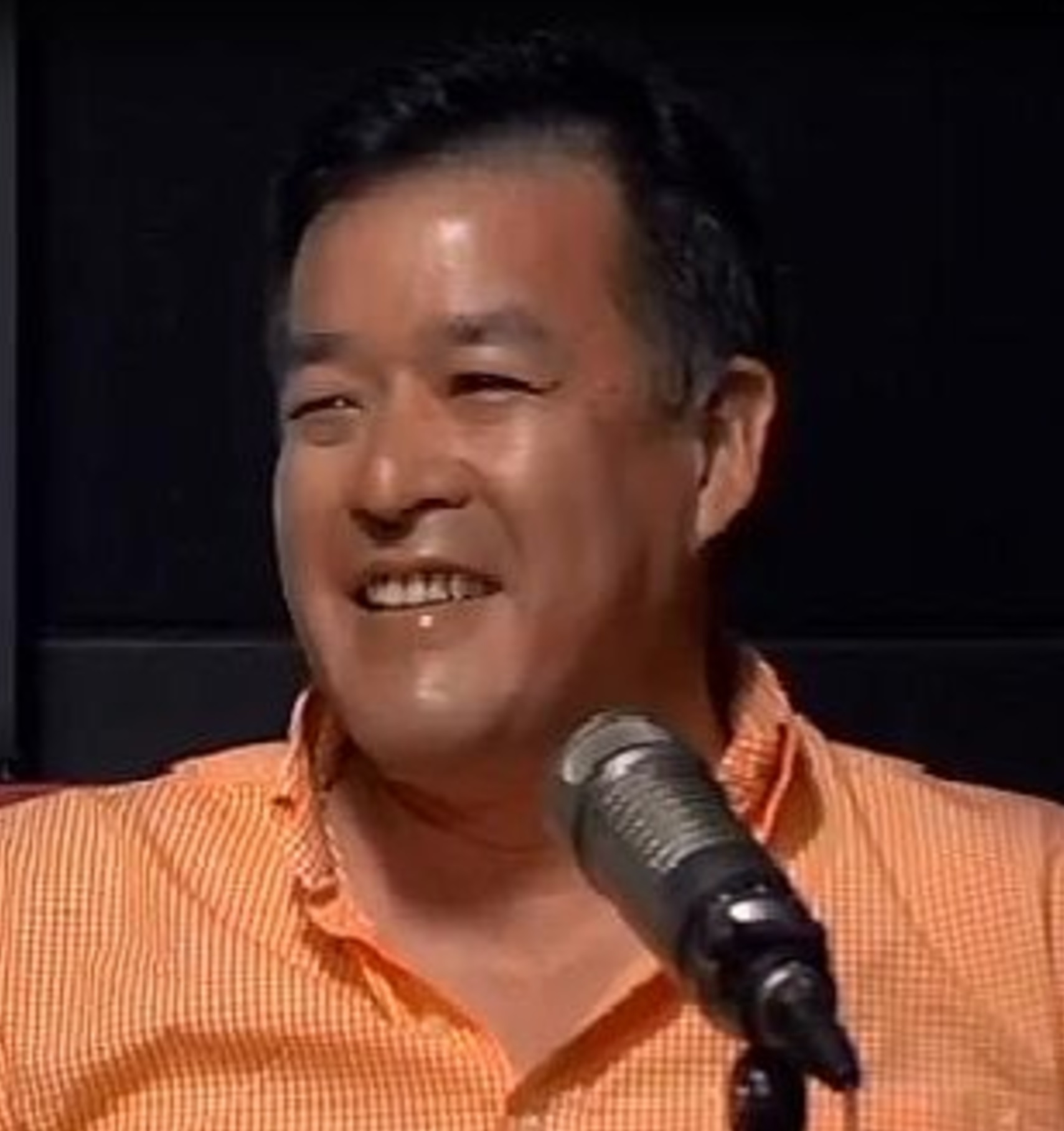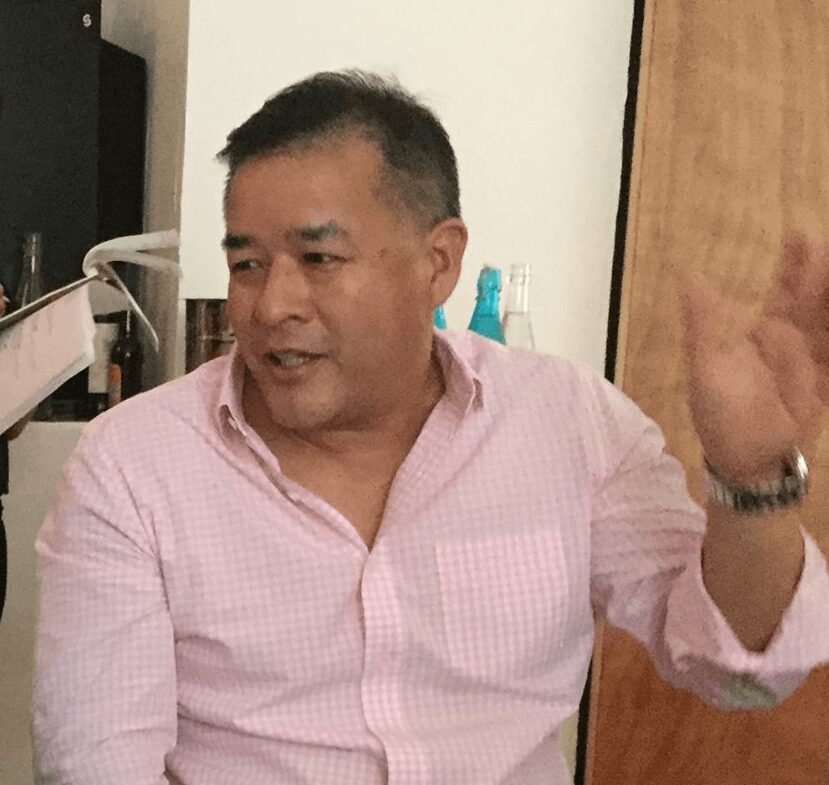




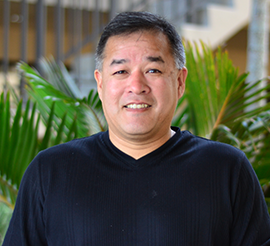
Today we’d like to introduce you to Jose Li.
Hi Jose, we’re thrilled to have a chance to learn your story today. So, before we get into specifics, maybe you can briefly walk us through how you got to where you are today?
I was born and raised in Lima, Peru — the grandson of Chinese and Italian immigrants — and studied Industrial Engineering, eventually earning my MBA from Carnegie Mellon. From early on, I was drawn to operations, efficiency, systems — how things move and why they break down.
My career took me through some interesting stops. I managed the supply chain for Jamba Juice across 450 stores, then moved into business development at Alibaba.com during its early growth years. But it was joining FedEx that really shaped my understanding of the shipping industry from the inside. I ended up running their billion-dollar Retail & eCommerce practice, working with Fortune 500 companies and thousands of smaller businesses — and that’s where I saw the problem I couldn’t unsee.
Carriers like FedEx and UPS have service guarantees built into their contracts. Late delivery? You’re entitled to a refund. But the claims process is buried, time-limited, and nobody’s going to remind you. Businesses were collectively leaving billions on the table every year — not because they were careless, but because they simply didn’t know. I thought there had to be a better way.
I left FedEx and started 71lbs. The model was simple: we do all the work, and we only get paid when you get money back. No upfront fees, no contracts, no risk to the client. Just aligned incentives. A decade+ later, we’ve helped over 5,000 businesses recover their due refunds and are on track for $100 million in customer savings! We’ve expanded well beyond refund recovery into contract negotiation, lost and damaged claims, and other SMB savings programs. The mission has stayed the same: give every business, regardless of size, access to the kind of shipping intelligence that used to be reserved for the big guys.
We all face challenges, but looking back would you describe it as a relatively smooth road?
Smooth? Not even close — and I wouldn’t trade it.
The early days were humbling. I was leaving a senior role at one of the world’s largest companies to cold-call businesses about refunds they didn’t know they were owed. The skepticism was real. People assumed there was a catch. Getting that first wave of customers to simply trust us enough to connect their shipping accounts was a grind that took longer than I expected.
Then there’s the nature of our model. Because we’re contingency-based — we only get paid when clients save — cash flow in the early years was a constant pressure. You’re doing the work, building the technology, growing the team, all before a dollar comes in. That requires a certain tolerance for uncertainty that not everyone is built for.
And like any founder, I’ve had to learn things the hard way: when to hire, when to hold off, how to build a team that shares your values, how to scale without losing what made you special in the first place. I can write a book on this (or two!)
But here’s what kept me going — every time a small business owner told us we recovered money they didn’t even know they were missing, money that went straight back into their operation — that never got old. It still doesn’t.
Appreciate you sharing that. What else should we know about what you do?
Beyond the business — I build furniture by hand, and I paint. Large abstract canvases, bold and expressive, the kind that fill a wall and demand your attention. Most of them hang in our office and at home. There’s something I love about walking into a space where the art on the walls was made by the same hands that built the company around it.
The painting and the woodworking couldn’t be more different from each other — or from what I do professionally. Logistics is about precision, predictability, systems that work. Abstract painting is the opposite. There are no rules, no guarantees, no blueprint. You start with a blank canvas and you follow the energy wherever it goes. The furniture is somewhere in between — it requires patience, precision, and a respect for the material, but there’s still something deeply satisfying about turning raw wood into something functional and beautiful.
I think all of it comes from the same place. I’ve always needed to make things with my hands — to start with nothing and end up with something that wasn’t there before. Whether that’s a company, a painting, or a dining table, the impulse is the same. And honestly, after a week of spreadsheets, negotiations, and strategy, there’s nothing quite like standing in front of a blank canvas and just letting it go.
It keeps me grounded. And I think it makes me a better entrepreneur — someone who understands that not everything worth building follows a plan.
What matters most to you? Why?
At the end of the day, what matters most to me is impact — real, tangible impact on people’s lives. Not in an abstract, feel-good way, but the kind you can actually measure. When a small business owner tells us we recovered money they didn’t even know they were owed, and that it went straight back into paying their team or growing their operation — that’s it. That’s the thing. That never gets old, no matter how many times it happens.
A close second is fairness. I grew up watching how systems — whether in business, logistics, or life — tend to favor those who already have the most information, the most resources, the most leverage. Large corporations have armies of analysts and resources for more efficiencies and leverage. SMBs don’t. That imbalance bothered me long before I started 71lbs, and fixing it — even in one small corner of the business world — is something I genuinely care about.
And creativity matters — more than most people who know me professionally would expect. The painting, the woodworking, the act of making something from nothing — it reminds me that life isn’t only about optimizing systems and recovering refunds. Beauty matters. Expression matters. Leaving something behind that didn’t exist before you made it — whether that’s a business, a piece of furniture, or a canvas full of color — that matters too.
I think what connects all of these things is a belief that people deserve better than what they’re often given — better information, better tools, better opportunities, better spaces to live and work in. That belief is what gets me up in the morning and what drives pretty much every decision I make.
Pricing:
- Contingency. No sign fees. No monthly fees. We only make money AFTER we saved you money first
Contact Info:
- Website: https://71lbs.com
- Instagram: https://www.instagram.com/josemli10/
- LinkedIn: https://linkedin.com/in/josemli