


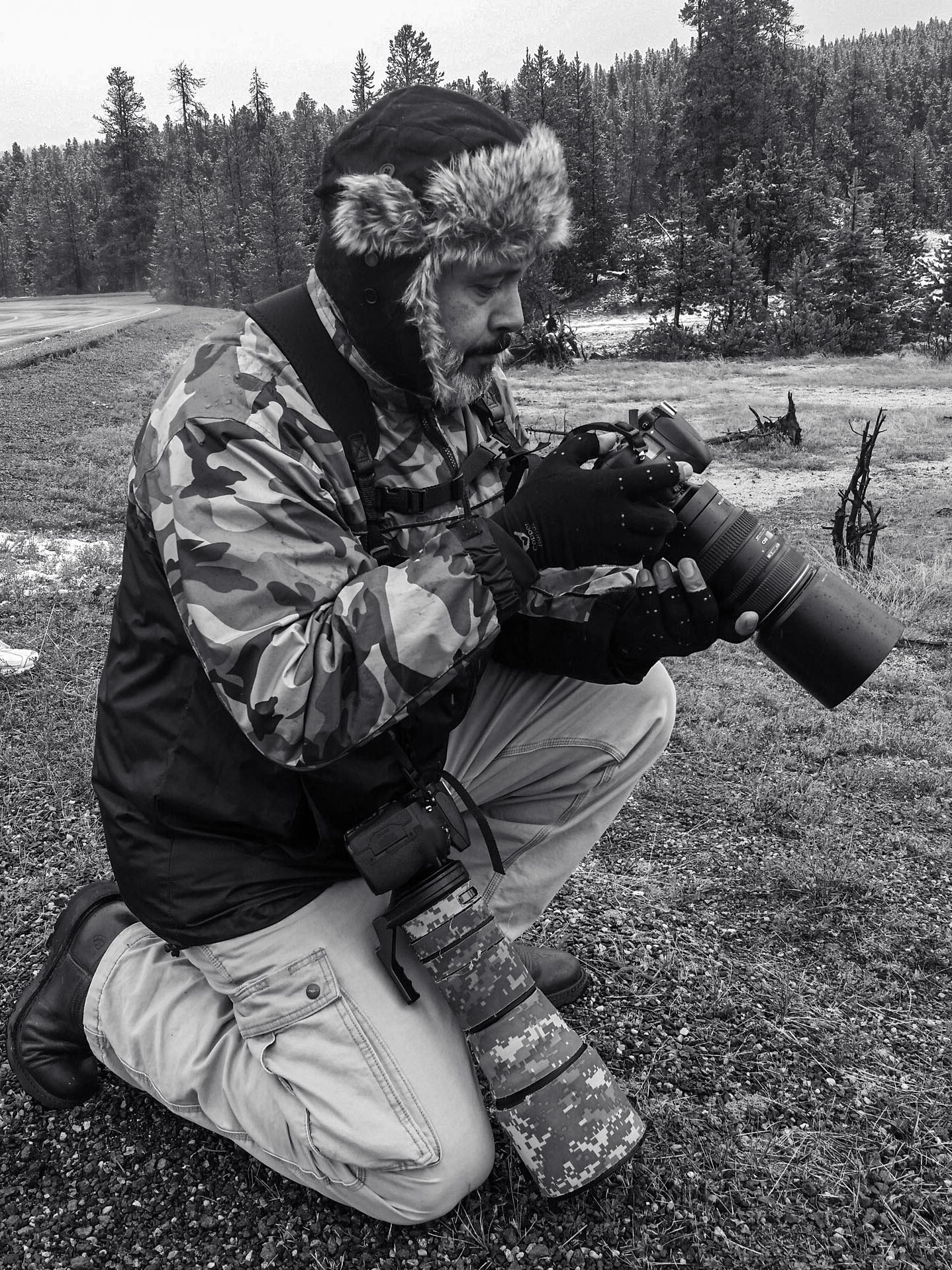
Today we’d like to introduce you to Felipe Correa.
Hi Felipe, we’re thrilled to have a chance to learn your story today. So, before we get into specifics, maybe you can briefly walk us through how you got to where you are today?
My photographic journey began with a simple desire to pay closer attention to the world around me. What started as an interest in photography evolved into a lifelong pursuit of wonder, using the camera as a way to explore the relationship between light, nature, and emotion.
As a self-taught photographer, I learned by studying the masters across multiple disciplines. The landscapes of Ansel Adams, the environmental vision of John Muir, the work of Edward Burtynsky, and the paintings of Monet, Van Gogh, and Matisse all helped shape the way I see. Their influence taught me that a photograph can be more than a record of a place or moment—it can reveal character, atmosphere, and meaning.
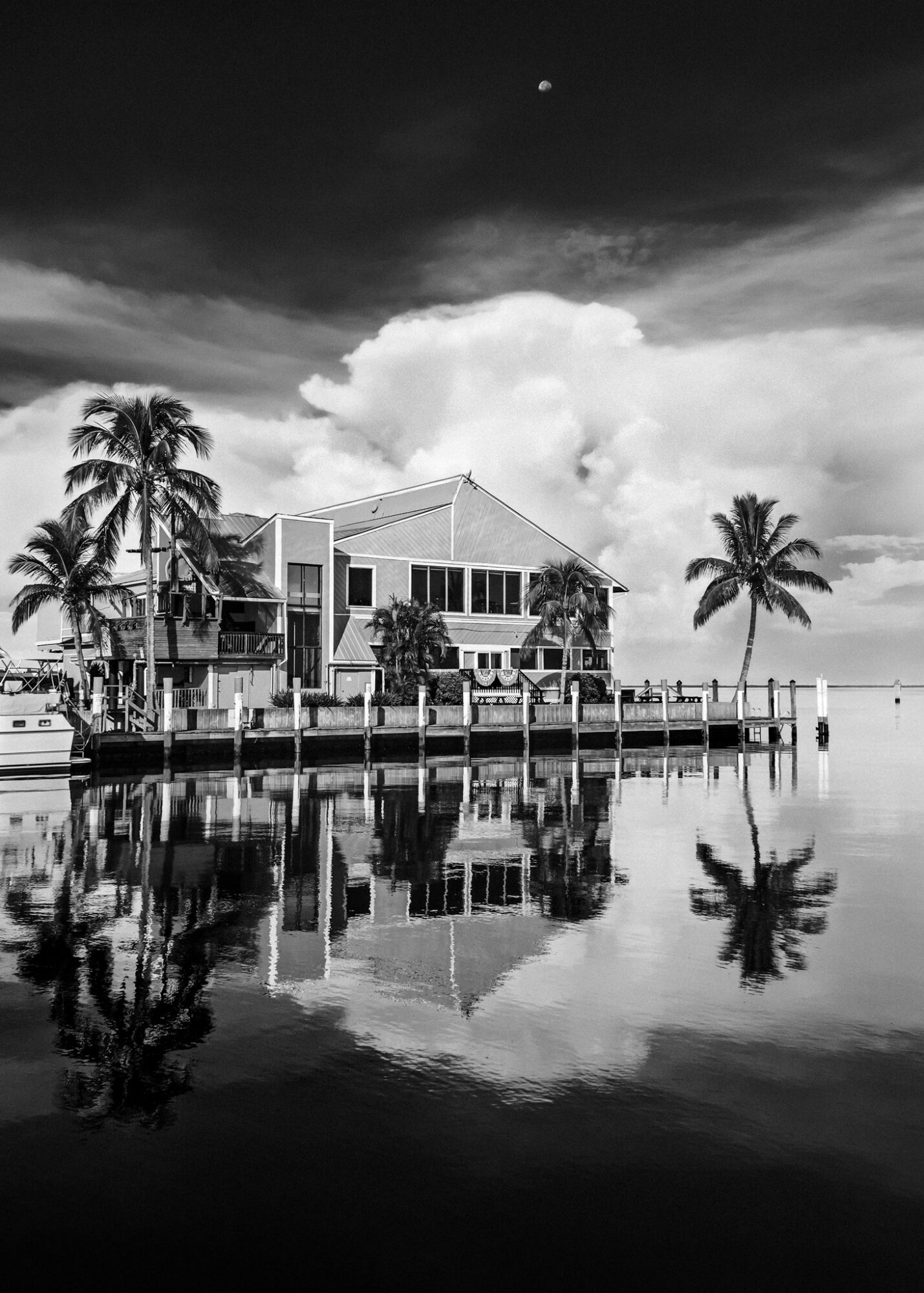
Living in South Florida has given me access to some of the most remarkable ecosystems in North America. From the Everglades and Florida Bay to the Florida Keys, I have spent years photographing wildlife, landscapes, storms, and fleeting moments of natural beauty. My goal is not simply to document these subjects, but to create images that invite viewers to pause, wonder, and connect with the living world.
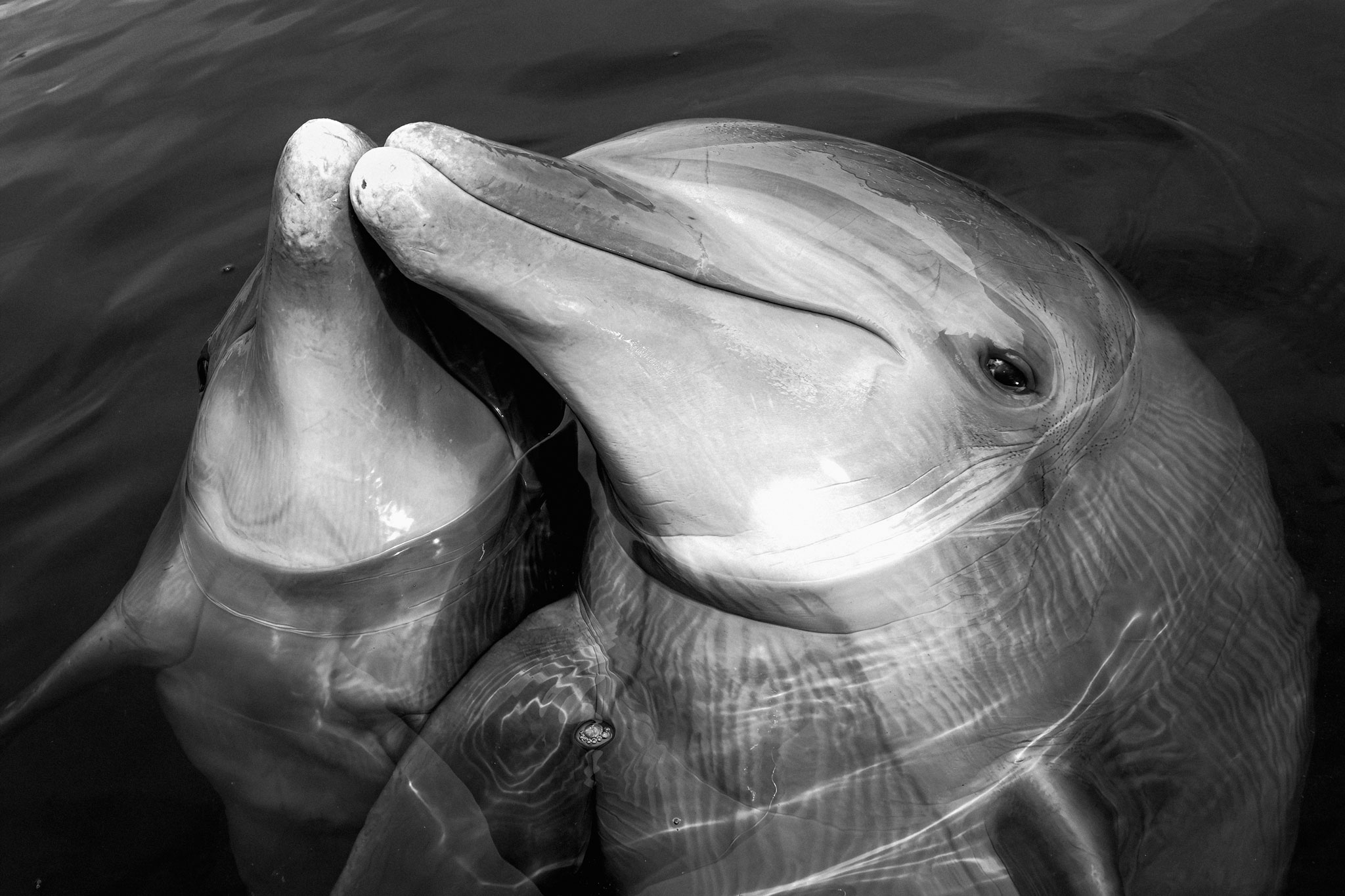
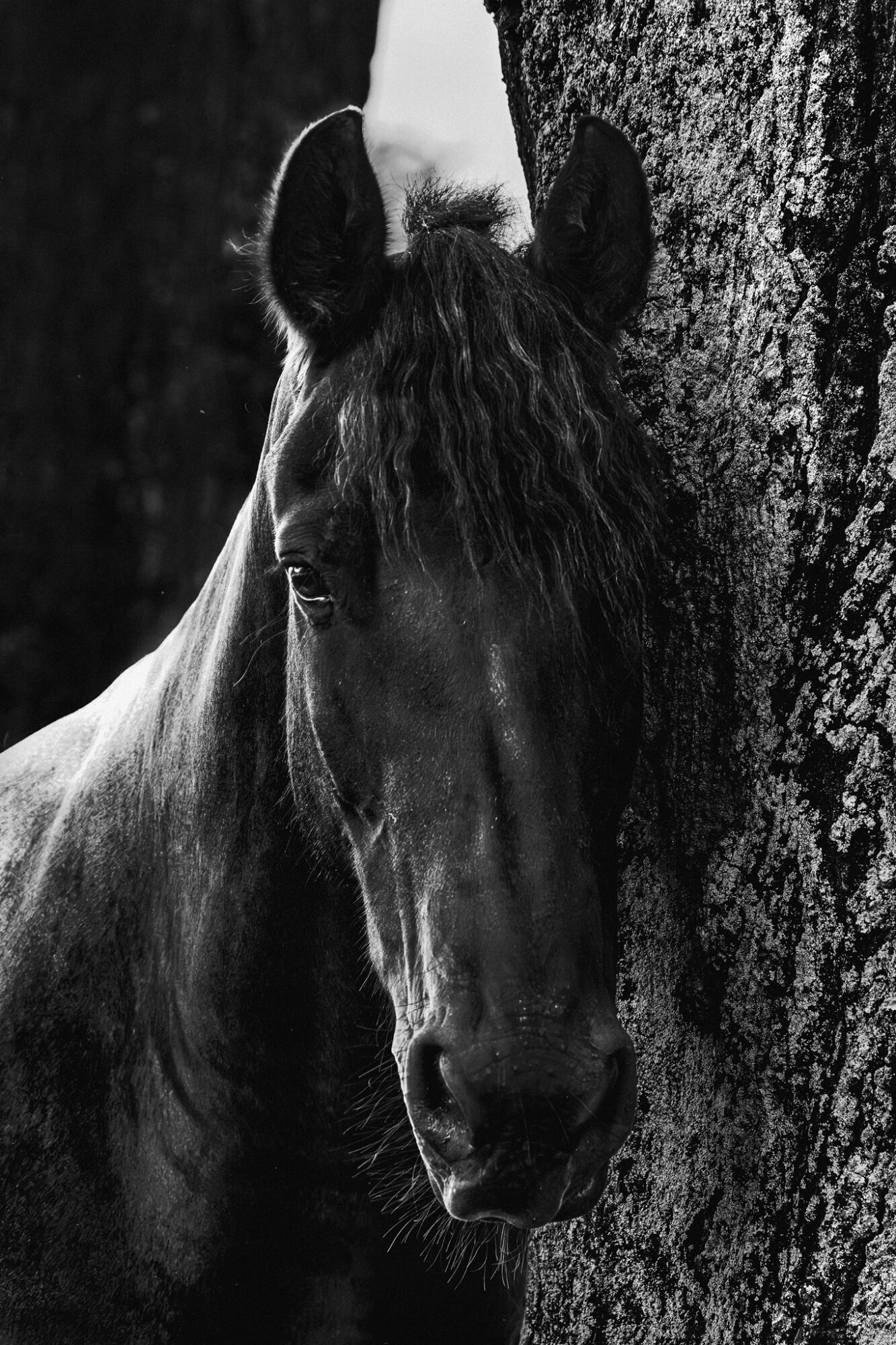
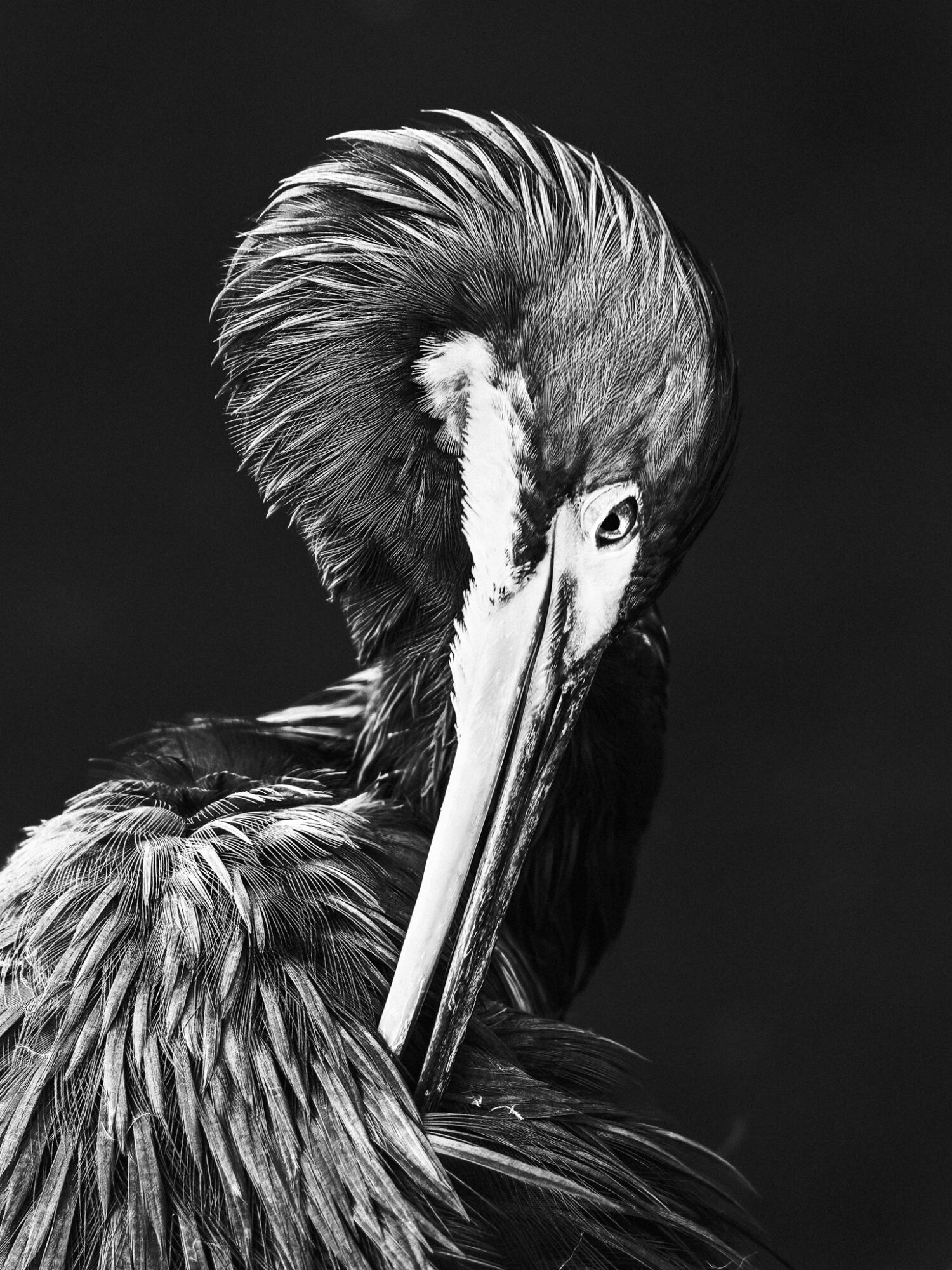
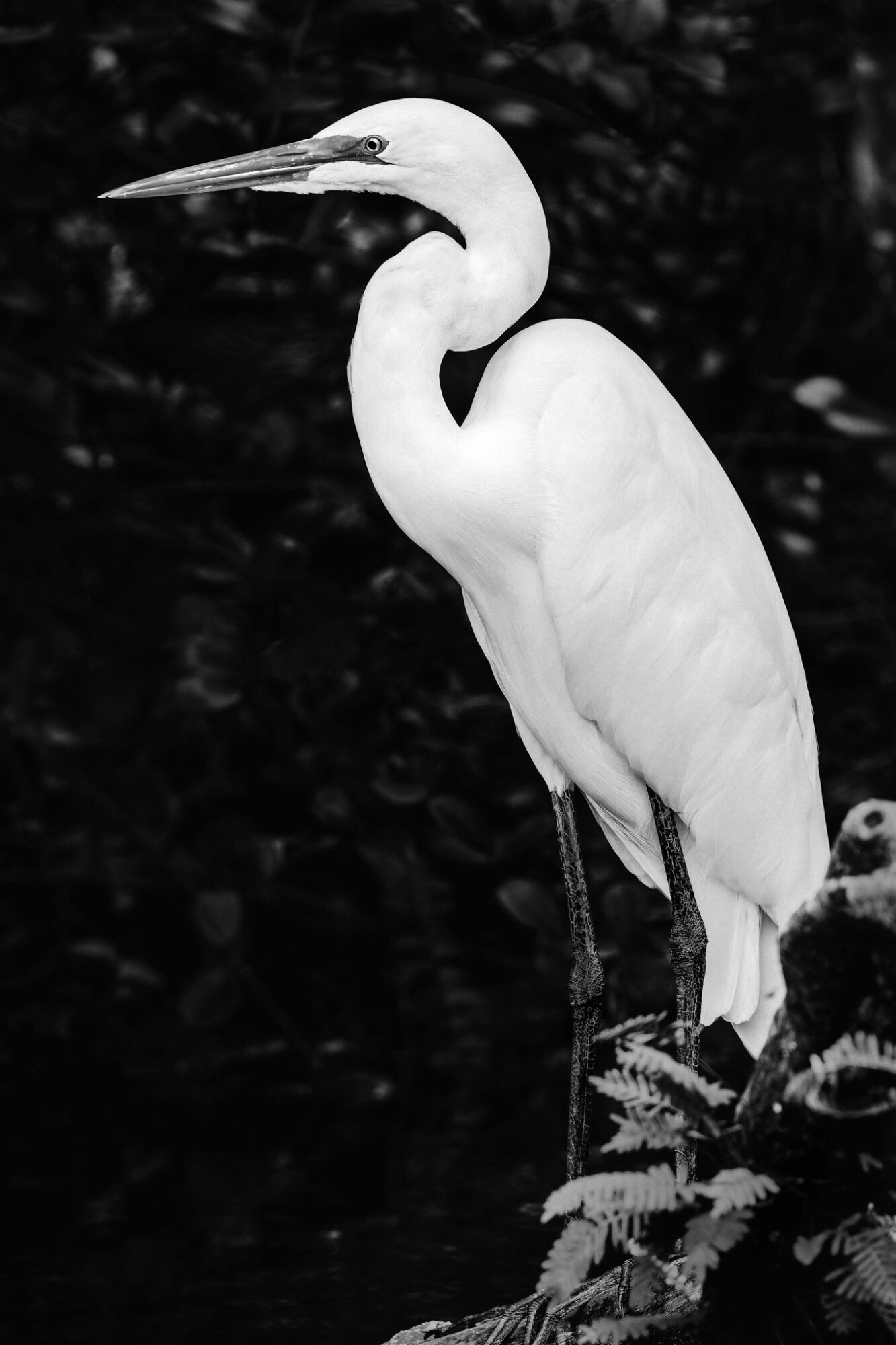
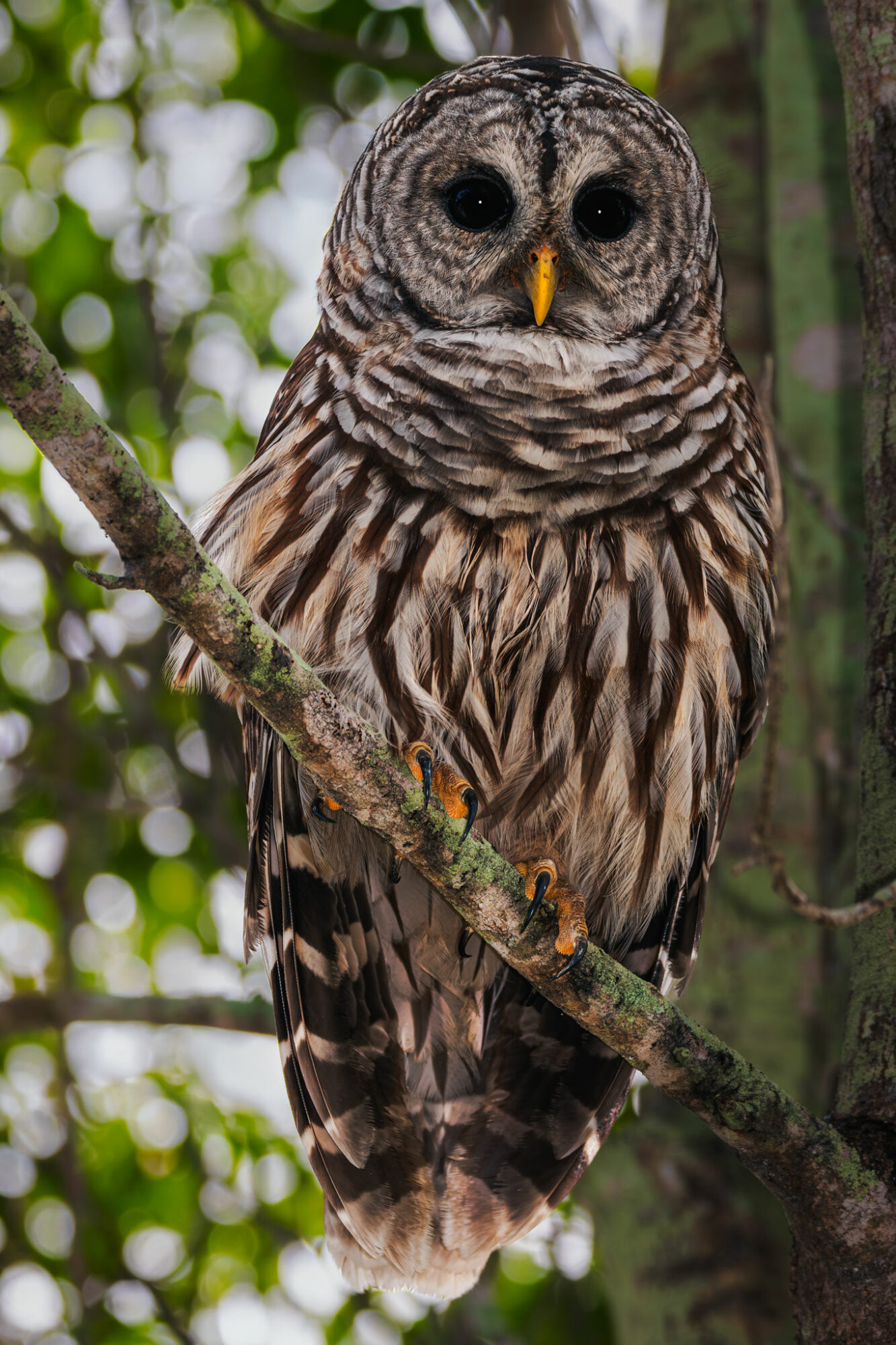
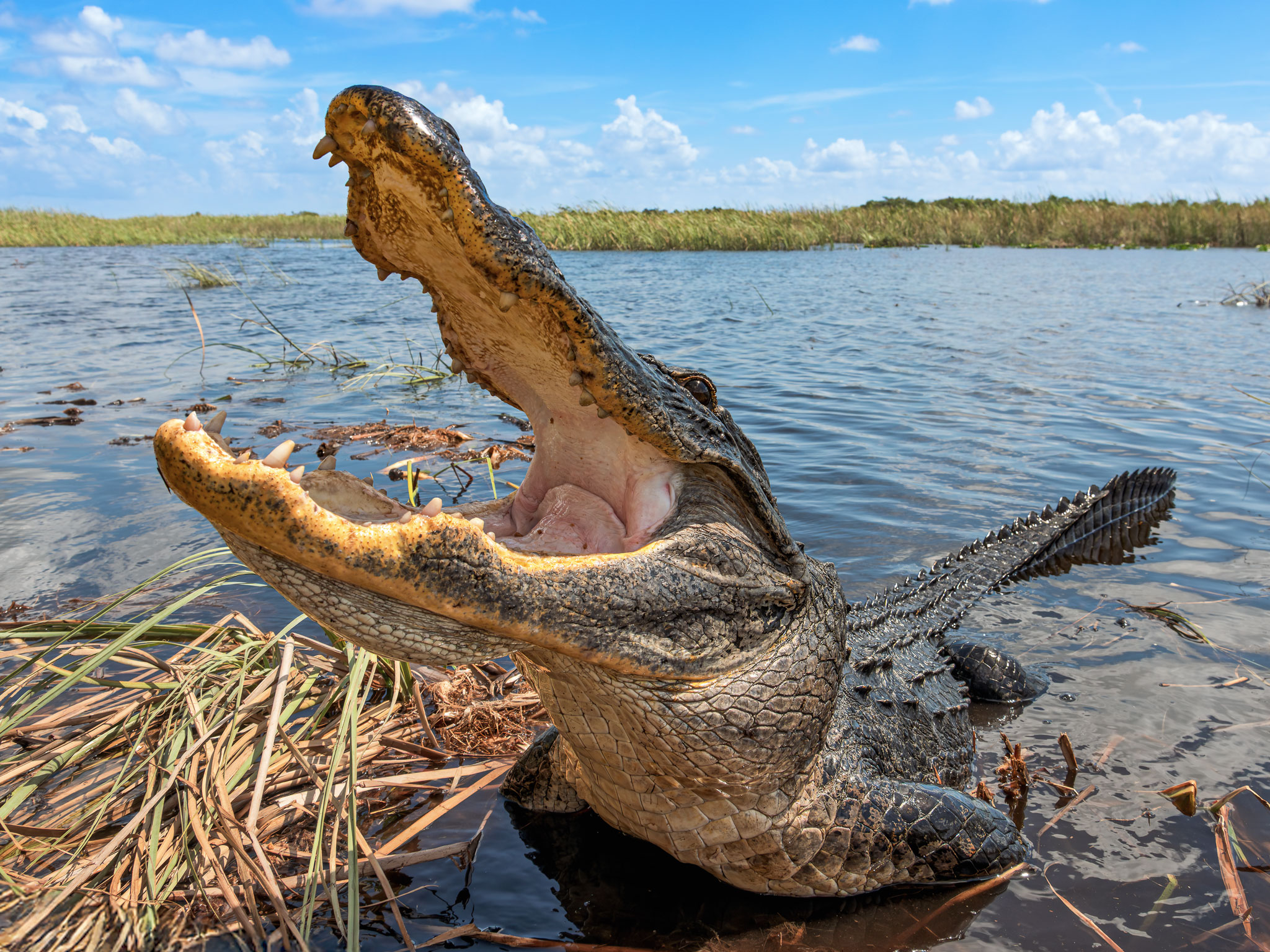
Much of my work focuses on wildlife portraiture. Whether photographing a bison, bear, bird, dolphin, or alligator, I look for personality and presence. I am drawn to those rare moments when an animal appears to reveal something familiar and deeply expressive. In those moments, the distance between observer and subject seems to disappear.
Photography has also become a way to share what I have learned with others. Through mentoring young photographers and engaging with the community, I hope to encourage the same sense of curiosity and attention that photography has given me.
Today, my work continues to explore the intersection of wilderness, light, and emotion, particularly in black and white (I’m obsessed!) Every photograph is an invitation to rediscover a world that remains wild, magical, and full of wonder for those willing to look closely.
I’m sure it wasn’t obstacle-free, but would you say the journey has been fairly smooth so far?
No, it hasn’t been a completely smooth road.
My journey into photography has been shaped by lots of trial and error. From learning the technicalities of a “big camera”, to managing my extreme eagerness. I have endured many strong lessons in patience and temperance.
Luckily I learned early on that the camera and all its buttons and settings is the easiest part to manage. To see clearly, on the other hand, requires a great deal of affection, reading, knowledge, skill, inspiration, patience.
What’s made the biggest difference is persistence. The consistency of showing up, even when results are uneven, slowly builds both skill and confidence. Looking back, the struggles weren’t obstacles to the work—they were part of the work. They shaped how I see, how I wait, and how I approach every frame today.
Thanks for sharing that. So, maybe next you can tell us a bit more about your work?
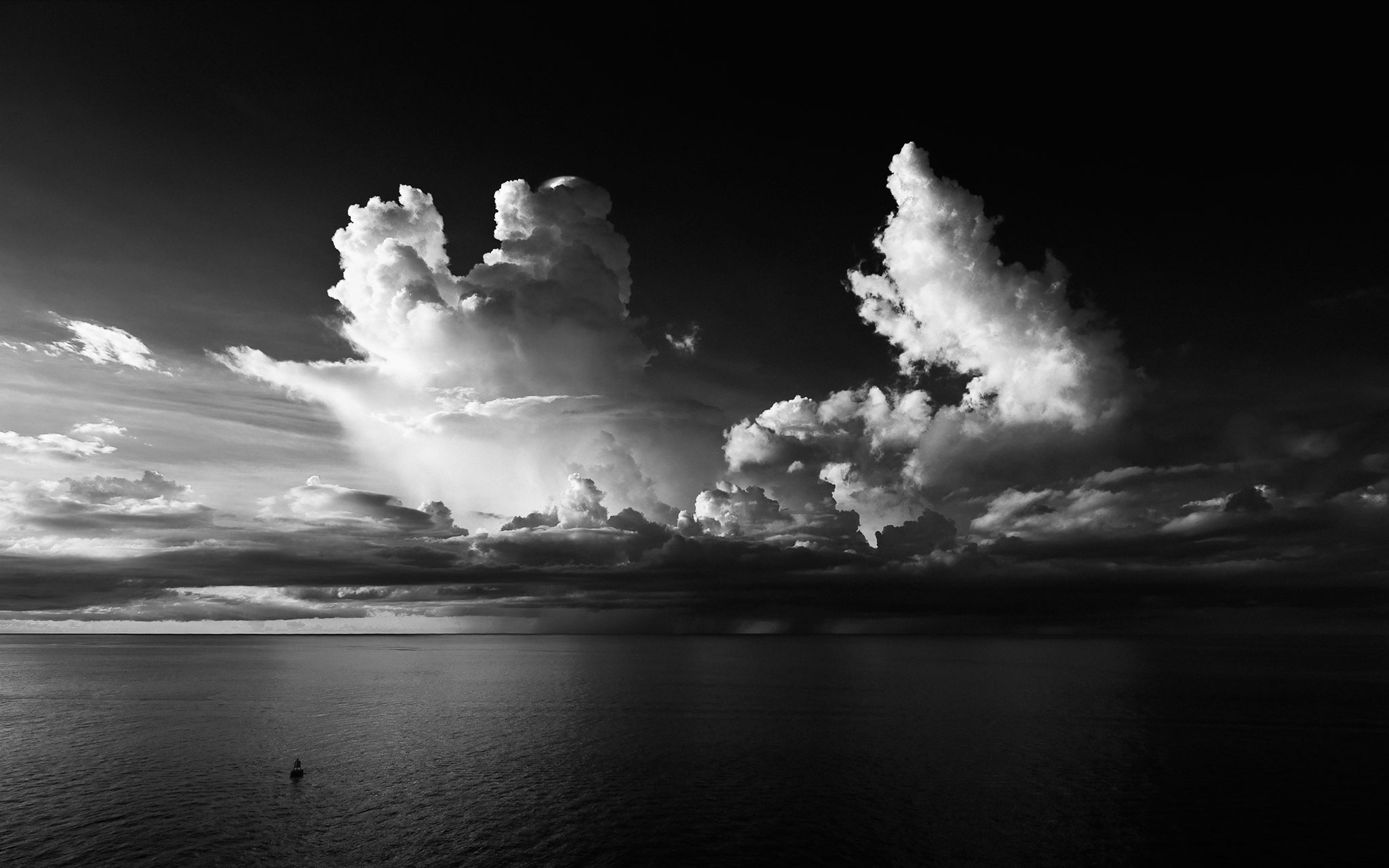
My work focuses primarily on wildlife and landscape photography, with a strong emphasis on capturing the character and atmosphere of natural environments—especially those in South Florida and beyond. I’m drawn to moments where light, weather, and subject come together in a way that feels both intimate and powerful, even scary. Whether that’s a fleeting expression in an animal portrait or a quiet, expansive landscape.
In recent years, I’ve expanded deeper into black-and-white landscape work, which has become an important part of my creative direction. Stripping color away has allowed me to focus more on structure, tonal relationships, and mood. These images often feel more timeless and sculptural, and they’ve helped refine the way I see both nature and composition.
My work is known for its sense of presence and emotional tone—especially in wildlife portraiture, where I aim to move beyond documentation and instead reveal personality and stillness in the subject. I’m most proud of the consistency I’ve built over time in developing a recognizable visual voice across both color and monochrome work.
One of the most encouraging aspects of my journey has been the response from viewers online, particularly on my 500px page, where my work has reached a wide audience and consistently received strong engagement. That visibility has reinforced the idea that thoughtful, patient photography still resonates in a fast-moving visual world.
What sets my work apart is less about a single subject and more about approach. I tend to return to the same environments repeatedly to understand them better. That patience, combined with a focus on mood and simplicity, has shaped a body of work that is grounded in place, light, and emotional connection.
Is there any advice you’d like to share with our readers who might just be starting out?
My biggest advice is to focus less on immediate results and more on developing consistency and patience. When you’re starting out, it’s easy to judge your progress by individual images or short-term outcomes, but photography—especially wildlife and landscape work—is built over time.
One thing I wish I understood earlier is how important repetition is. Going back to the same places, shooting in similar conditions, and allowing yourself to fail in the field is part of how you develop a personal way of seeing. Some of the most meaningful progress doesn’t come from a single successful image, but from everything you learn in the process of not getting the shot.
I would also say don’t rush to define your style too early. That develops naturally through experience, influences, and time spent observing what you’re actually drawn to. For me, it took years of working in the field before I began to understand the kind of images I consistently wanted to make.
Lastly, learn to be comfortable with uncertainty. Wildlife and landscape photography don’t offer control—you’re working with light, weather, and behavior that are constantly changing. The more you accept that, the more you can focus on being present and ready when moments do happen.
If I could go back, I would remind myself that growth in photography is not linear. It builds quietly, over time, through patience, persistence, and simply continuing to show up.
Contact Info:
- Website: https://500px.com/p/FelipeCorrea2
- Instagram: https://www.instagram.com/tourstoyou/
- Facebook: https://www.facebook.com/felipe.correa.503
- Twitter: https://x.com/ToursToYou
- Other: https://www.tourstoyou.net