


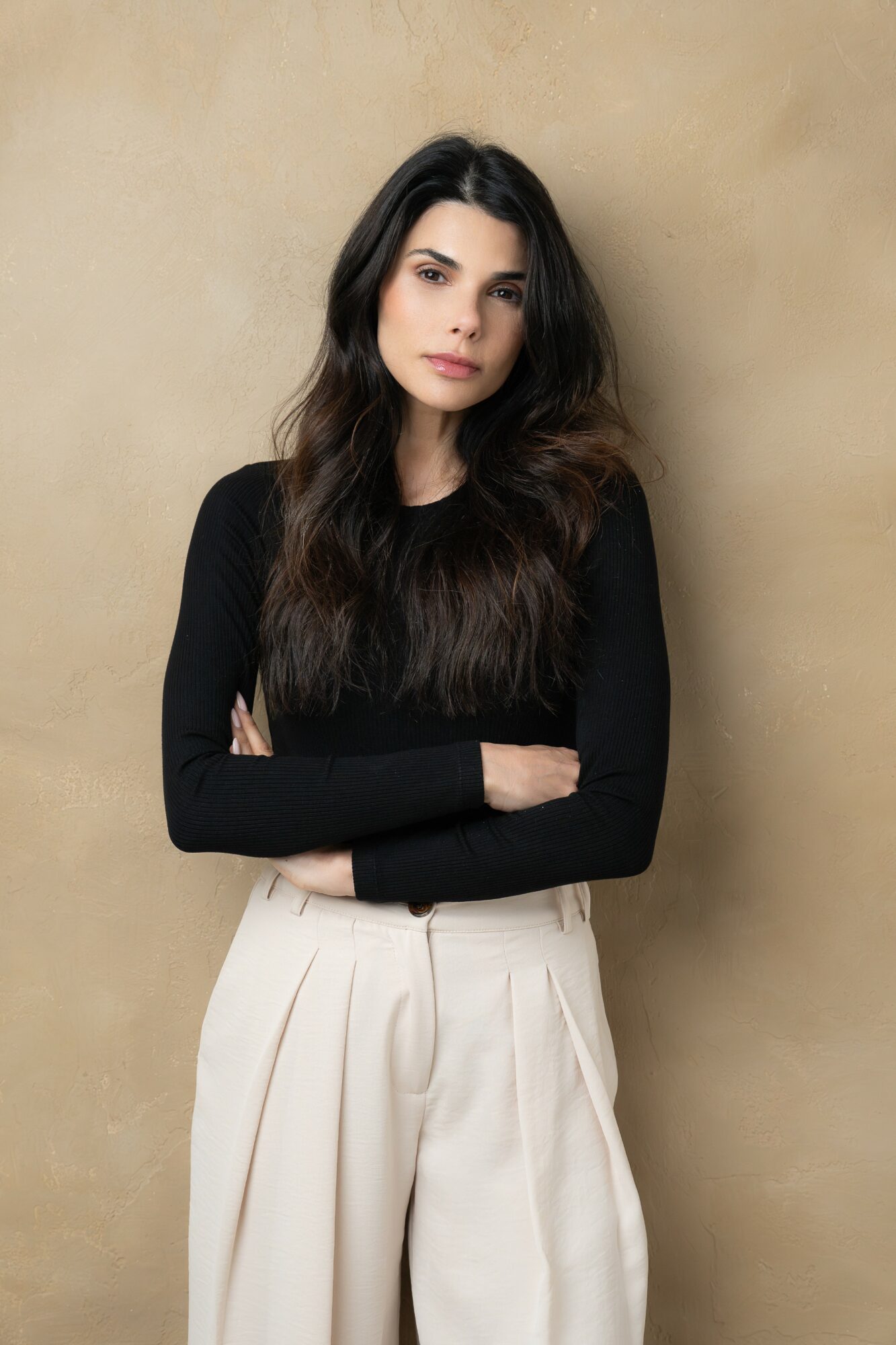
Today we’d like to introduce you to Nicole Pedra.
Hi Nicole, we’re thrilled to have a chance to learn your story today. So, before we get into specifics, maybe you can briefly walk us through how you got to where you are today?
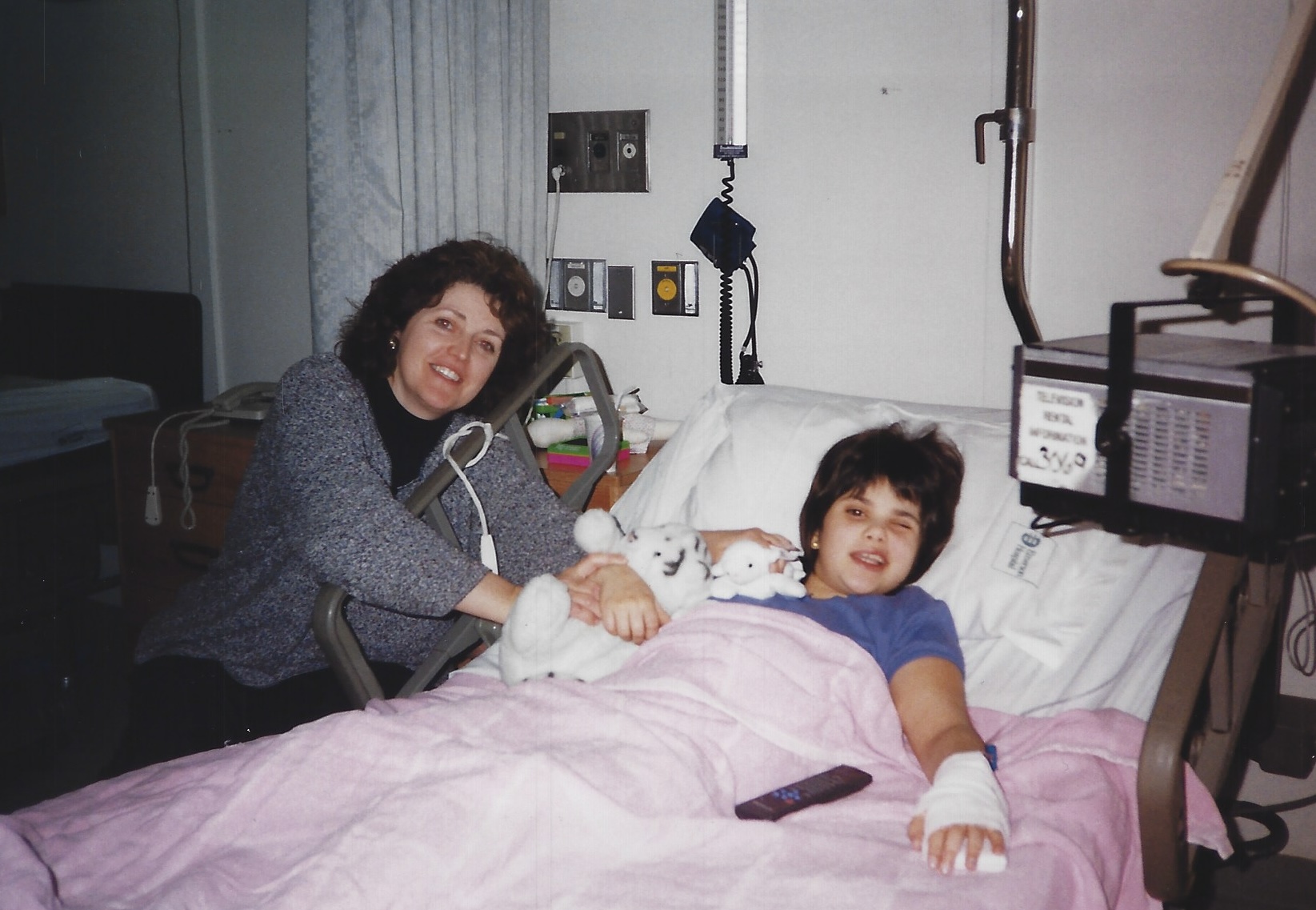
So I got diagnosed with multiple sclerosis when I was ten, which is pretty rare for a kid. And honestly I was just so ashamed of it. I was terrified of being different from everyone else, so I didn’t tell anyone really. For twenty six years.
It wasn’t until around COVID and the whole Me Too movement that something kind of shifted in me. I kept watching all these women get up and share their most vulnerable stories, stuff they’d been ashamed of forever, and it just hit me. Like, if they can be that brave, why can’t I.
And I started thinking about how many people I could actually help if I just said it out loud. So they wouldn’t have to go through what I went through. So that little ten year old version of me could finally have the one thing she never had, which was somebody who got it.
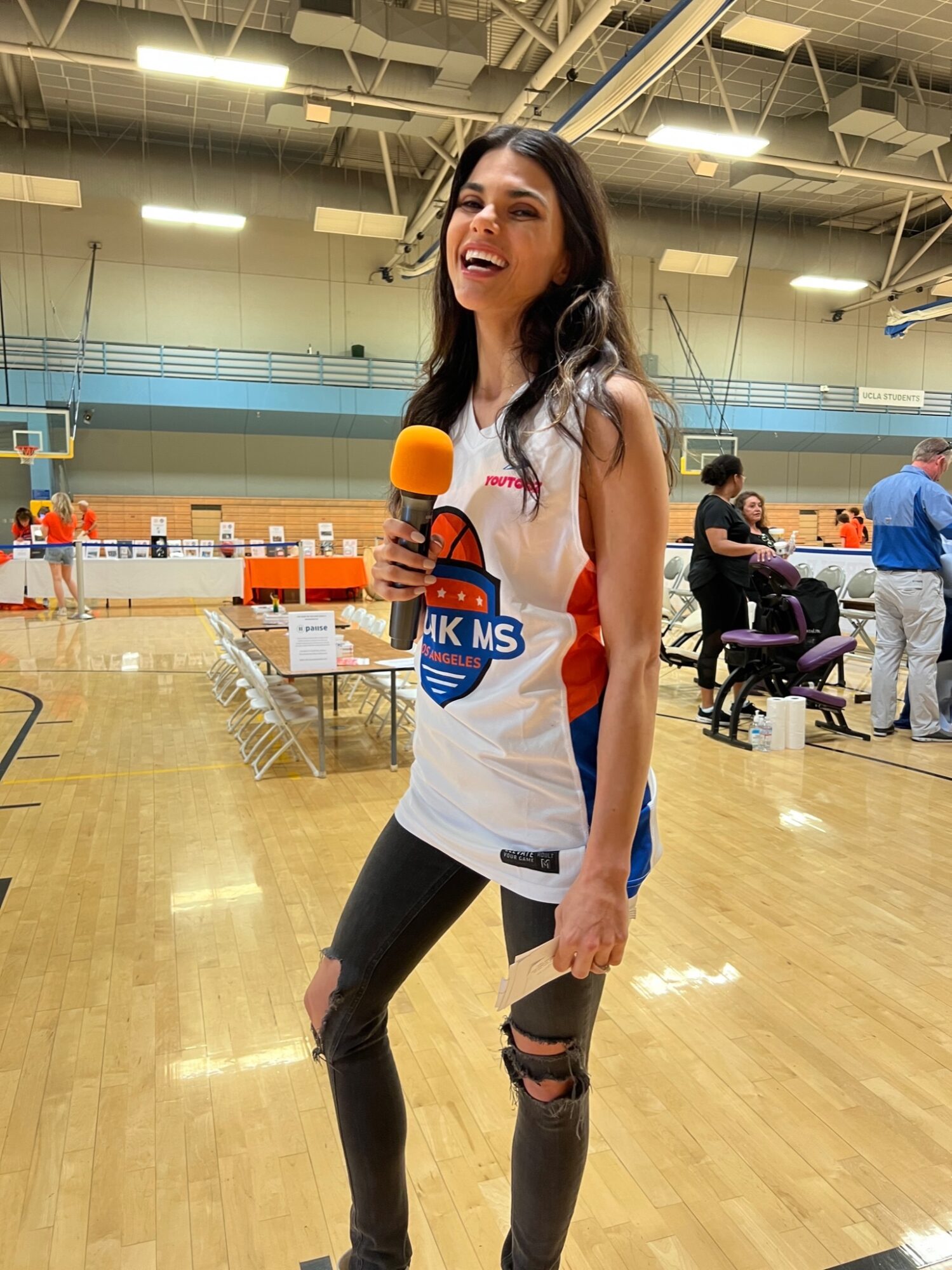
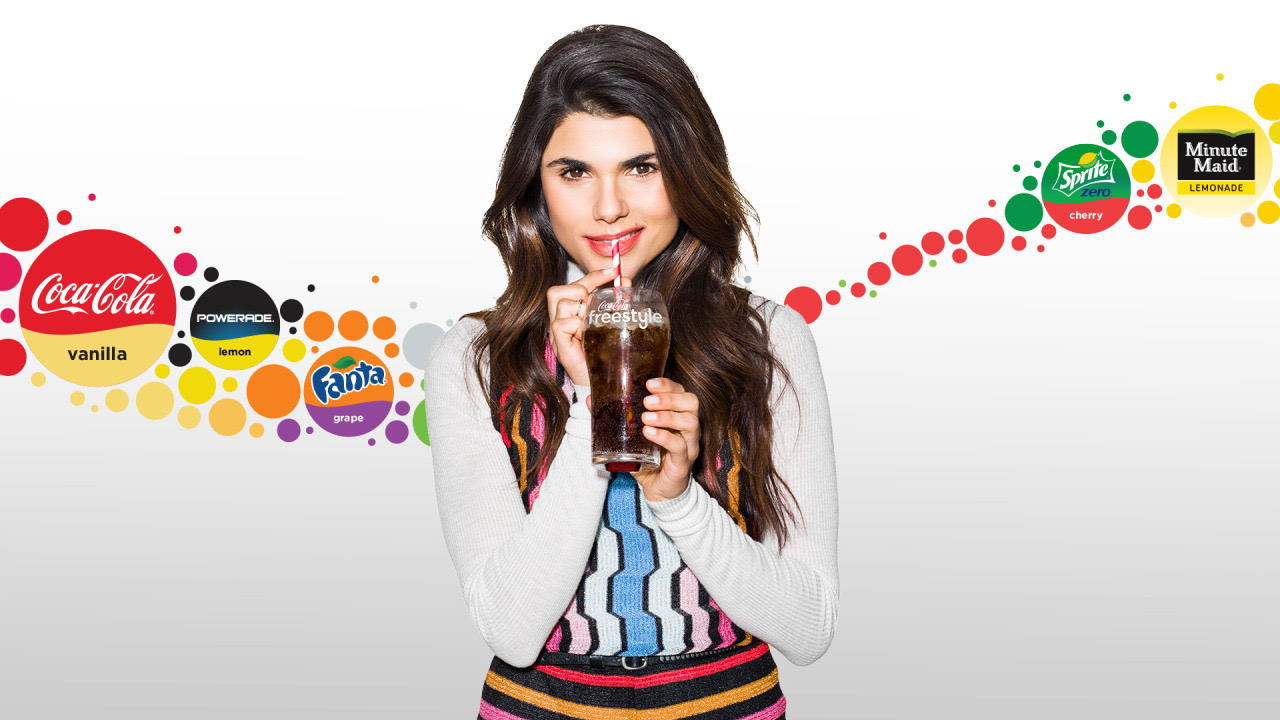
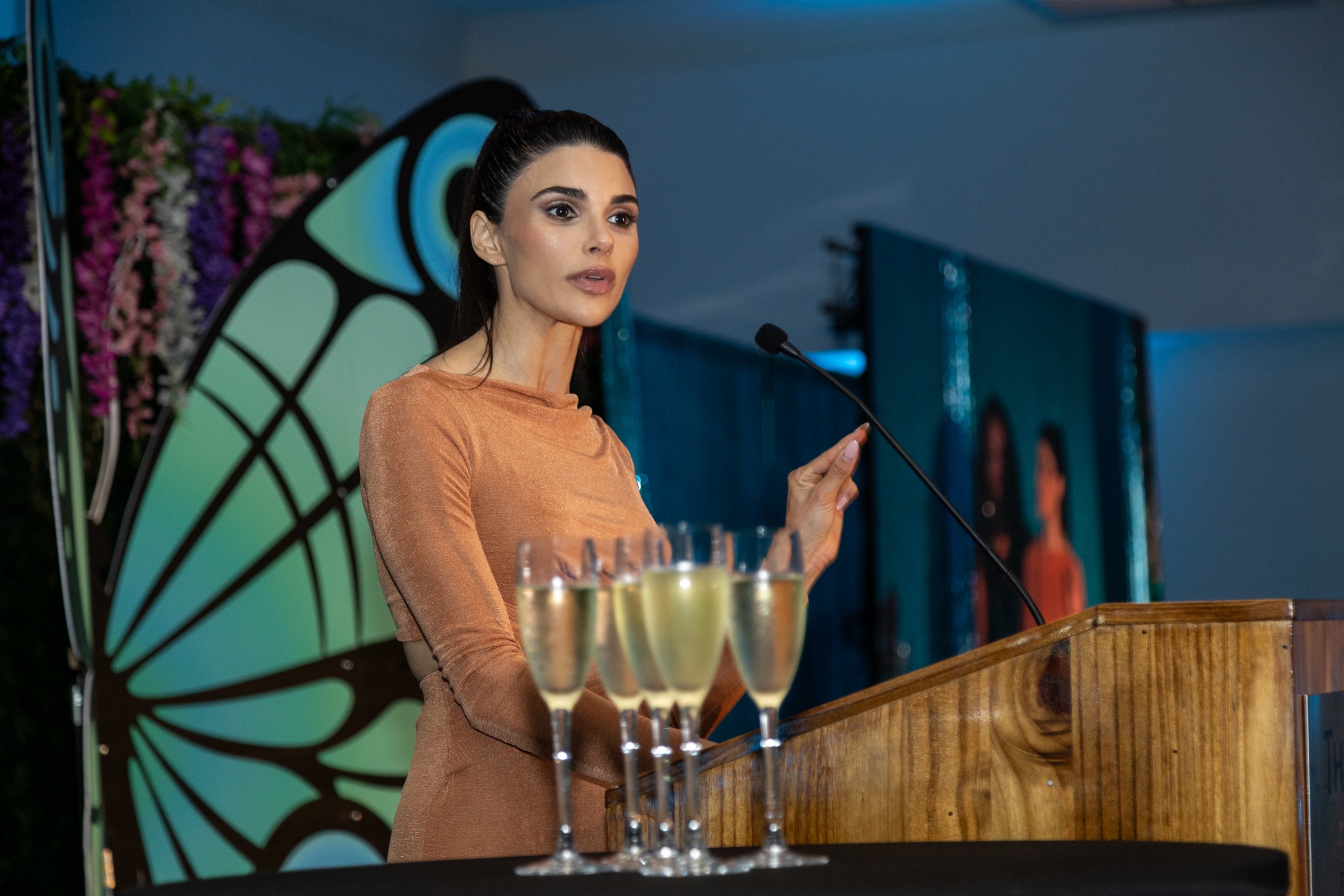
And now I get to do a little bit of everything. I create, I act, I speak, I work with brands I actually love. And this thing I hid for so long, it’s just part of me now. It’s not some secret I’m dragging around anymore. It doesn’t run my life. I just don’t hide it. And I get to be the person I needed back when I was ten.
Can you talk to us a bit about the challenges and lessons you’ve learned along the way. Looking back would you say it’s been easy or smooth in retrospect?
You know, the illness itself was never really the hardest part. The hardest part was what I decided it all meant about me.
I had this idea stuck in my head that nobody could love me if I was the sick girl. That nobody would hire me either. So I just hid it. For twenty six years.
It started when I was ten and it came on fast. Like, really brutal. I had transverse paralysis, so one whole side of my body just went down. I couldn’t walk. I couldn’t feed myself. I was seeing double. I had Bell’s palsy in my face. And because I was a kid, my immune system was in total overdrive, so I’d end up back in the hospital every few months with something new. Slurring my words. Not being able to feel hot or cold. It was terrifying. But the thing that scared me even more was just being different. So I ignored it as hard as I possibly could, because all I wanted was to fit in.
And that fear didn’t go anywhere when I grew up. It just got more practical. I was working freelance, convinced that if people knew, they’d think I was a liability and stop hiring me. I’d lie about where I was going to take my medication. Even to boyfriends in college. I’d be on a shoot, all done up, smiling for the camera, and nobody had any clue what my body was doing that day. It really felt like I only had two choices. Keep the secret, or lose my livelihood.
Alright, so let’s switch gears a bit and talk business. What should we know about your work?
on paper I do a bunch of different things. I create content, I act, I speak, I’ve been in front of a camera for like fifteen years now in one form or another. But honestly, underneath all of it, I’m really just doing one thing. I’m paying attention to what’s actually going on under the surface. The part of people that usually doesn’t get said out loud.
If I had to put a name on what I do, it’s that. I put words to the stuff people feel but can’t quite explain. The in between moments. That quiet weight we’re all kind of carrying around and never talk about. I want someone to watch one of my videos and go, wait, how did she know that about me.
A lot of people first found me through my chronic illness story, and that’ll always be a part of me. But the work has kind of outgrown just that. It’s less about a diagnosis now and more about the universal stuff. The invisible things all of us are carrying, whatever yours happens to be.
And the thing I’m proudest of is when someone messages me like, you just gave me the words for something I could never explain. To my family, or even to myself. That right there is the whole point. It’s recognition over inspiration. I want people to feel seen, not be told to be strong.
And I think what sets me apart is that I’m not really performing. So much of this world is polish and aspiration, and I’d just rather tell the truth. Plainly. In a voice that sounds like a friend instead of a brand. That’s the lane I’ve built, and I kind of think it’s the part nobody can really copy.
Do you have recommendations for books, apps, blogs, etc?
I’m not really an apps or podcasts person, books are my whole thing. I’ve a big reader. And there are a handful that really impacted and shifted something in me.
The Body Keeps the Score is probably on of the biggest one. It’s all about how trauma lives in your body, not just in your head, and reading it felt like someone finally explaining my own life back to me. When you’ve spent years sick and scared, that one hits different.
When Things Fall Apart by Pema Chödrön influenced how I handle hard times. It’s about leaning into the difficult stuff instead of running from it, and that was a huge shift for me, because my instinct had always been to run.
You Can’t Afford the Luxury of a Negative Thought made me aware of my own thinking in a way I never had been before. The things I’d say to myself, the way I talked to myself in my own head. I didn’t even realize how negative a lot of it was until I read it.
Man’s Search for Meaning gutted me in the best way. That whole idea that you can’t always control what happens to you, but you can control what you make of it, is pretty much the story of my life.
Two others that really stayed with me are Letters to a Young Poet and Tuesdays with Morrie.
Contact Info:
- Website: https://nicolepedra.com/
- Instagram: https://www.instagram.com/nicolepedra/
- LinkedIn: https://www.linkedin.com/in/nicolepedra