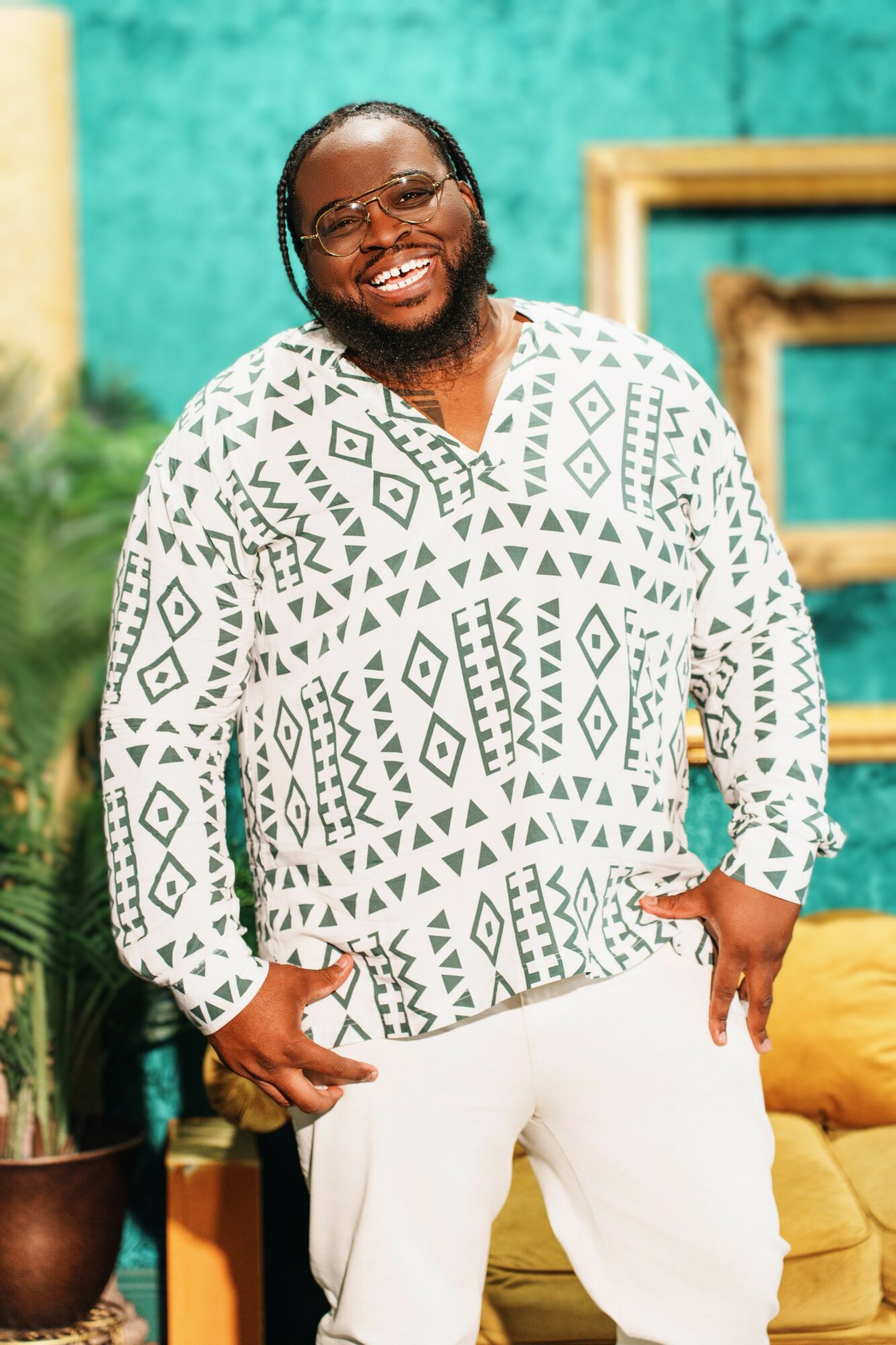




Today we’d like to introduce you to Corey Jackson.
Hi Corey, thanks for joining us today. We’d love for you to start by introducing yourself.
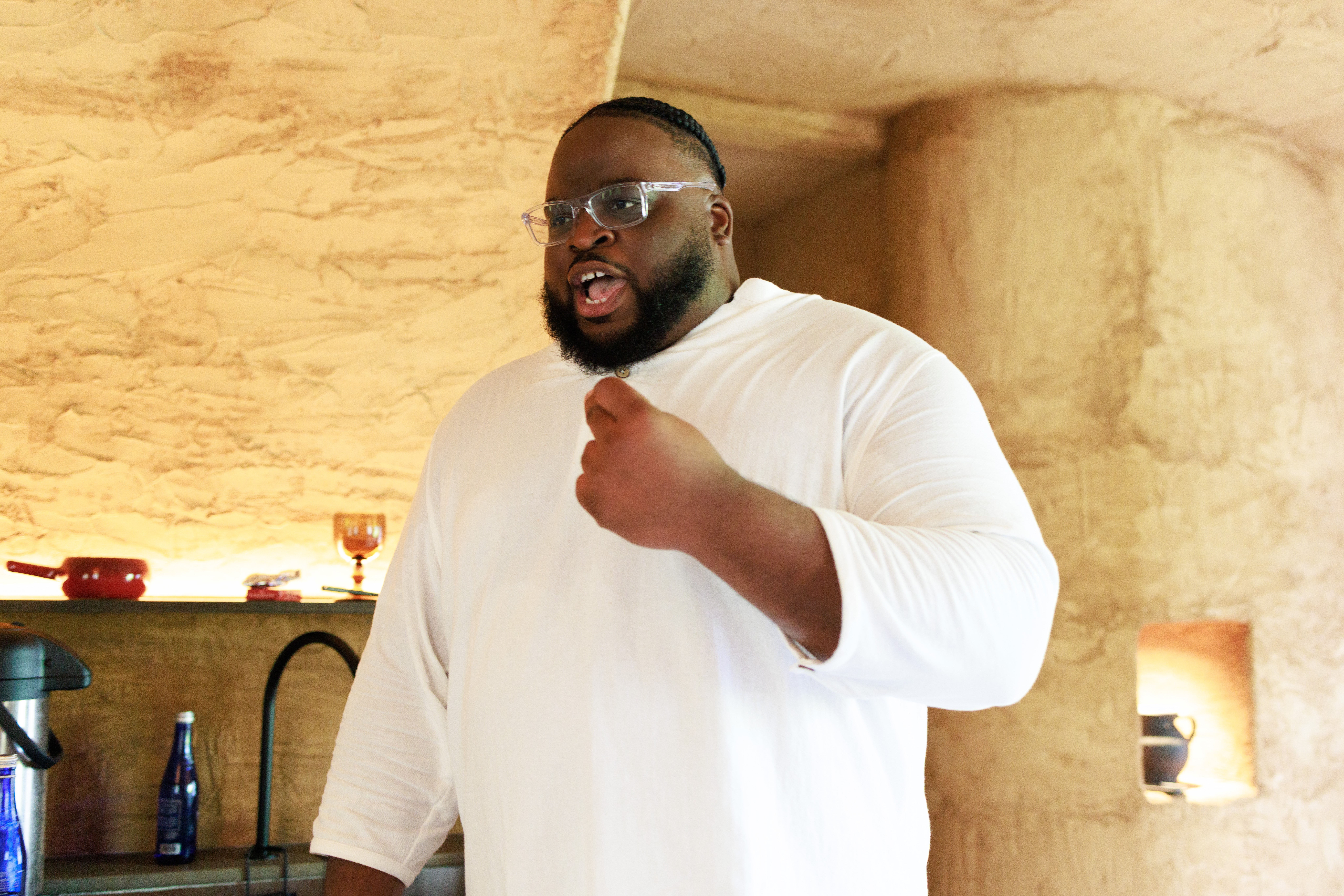
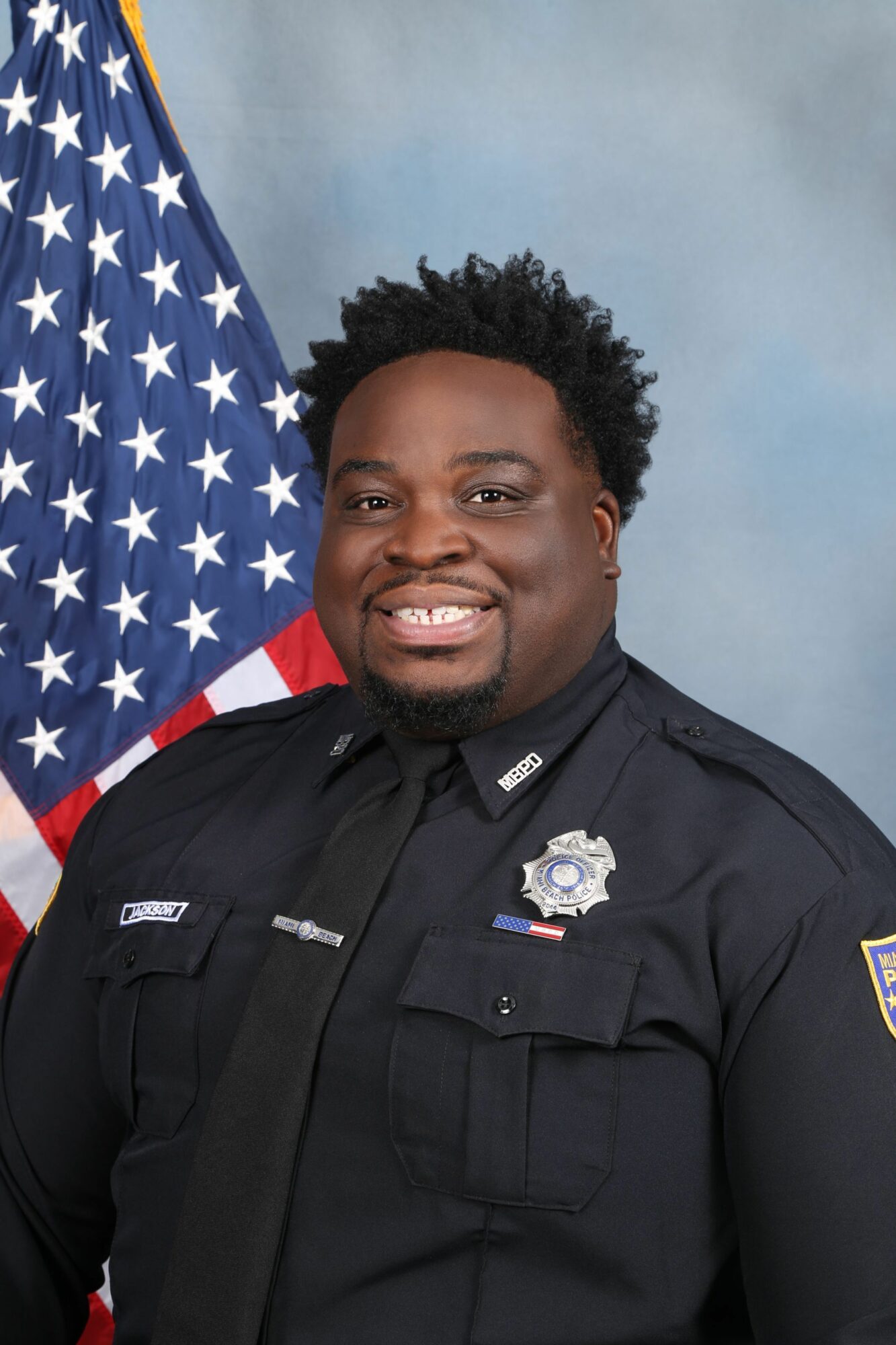
My name is Corey Jackson , and my story is one of service, survival, and transformation.
For years, I wore a police uniform and dedicated my life to protecting others. I became a Miami Beach Police Officer because I wanted to serve my community and be someone people could count on during their hardest moments. Also Miami Beach Police are the best. I also carried a camera, capturing moments and stories through photography and videography, always drawn to the human experience.
But one moment changed the direction of my life forever.
While on duty. A deadly hostage crisis unfolded at the Victoria’s Secret store on Lincoln Road in Miami Beach on July 27, 2023. That day I experienced a level of trauma that I didn’t fully understand at the time. I did what I was trained to do, but the weight of that day stayed with me. The things I saw, the decisions I had to make, and the responsibility I carried started showing up in my body, my mind, and my everyday life.
I spent years pushing through, trying to stay strong because that’s what we are taught to do in law enforcement. But eventually my nervous system said enough. I was struggling with chronic PTSD, anxiety, sleep, hypervigilance, and carrying pain that I had never processed.
There was a point where I didn’t want to keep living with the weight I was carrying. That was the moment I realized something had to change. I had spent my career running toward other people’s emergencies, but I had to learn how to show up for myself.
My healing journey led me through therapy, trauma work, programs with other warriors (warrior PATHH ), and eventually into somatic practices.
I learned that trauma isn’t just a story we remember. It lives in the body. I started learning how breath, movement, and creating safe spaces could help people reconnect with themselves.
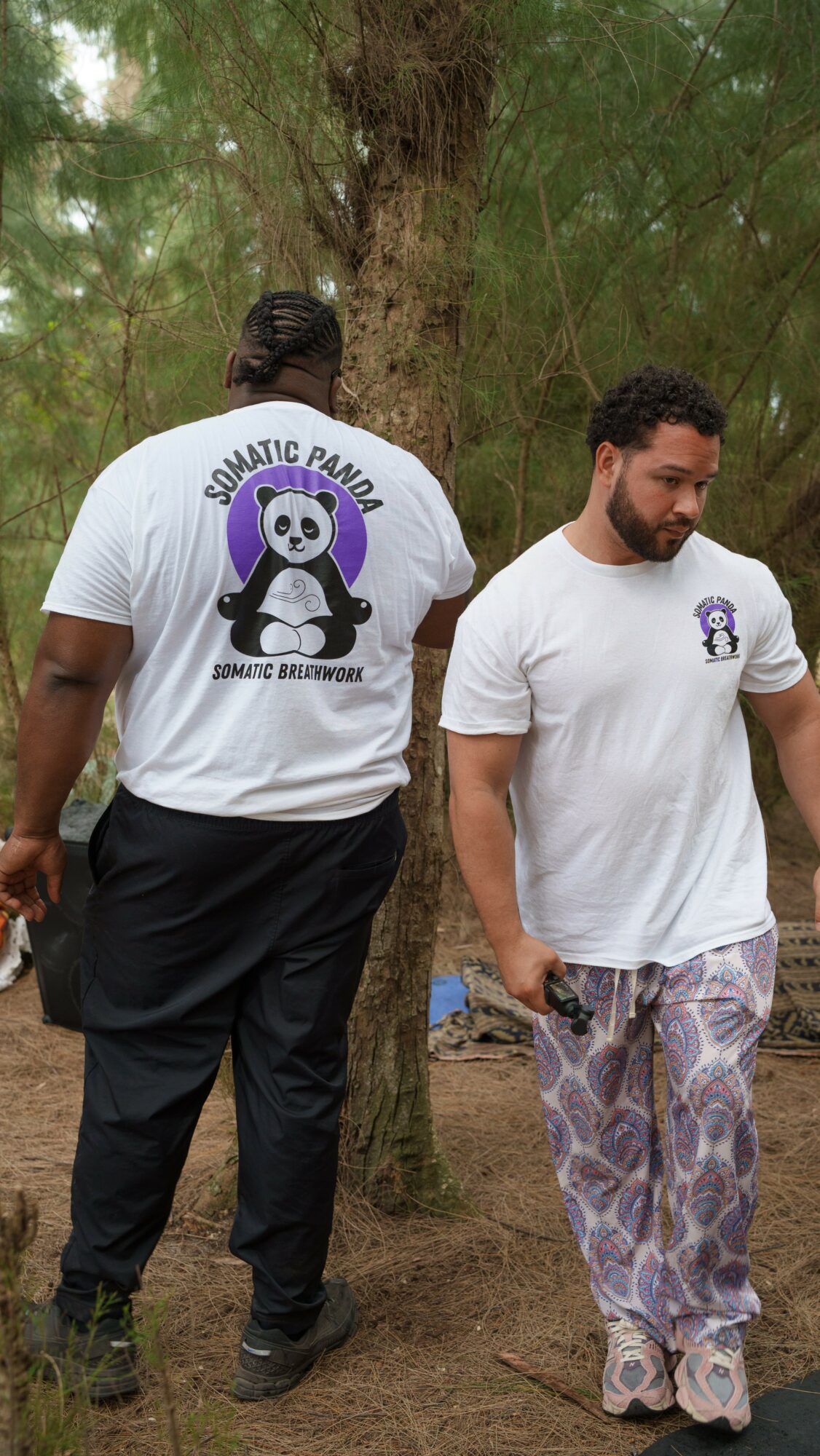
That journey led me to becoming a trauma informed Somatic Breathwork practitioner and creating Somatic Panda.
Today, I don’t see myself as someone who “fixes” people. I’m not here to promise a magic cure. I’m simply someone who has walked through darkness, learned tools that helped me heal, and now creates spaces where others can explore their own healing.
The police officer in me is still here. The protector is still here. But now the mission has expanded.
I spent years helping people survive emergencies. Now I get to help people reconnect with themselves, release what they’ve been carrying, and remember they are Human!
This is my next chapter. This is Somatic Panda. 🐼
We all face challenges, but looking back would you describe it as a relatively smooth road?
Has it been a smooth road? Absolutely not.
My journey from police officer to Somatic Breathwork practitioner has been filled with some of the hardest moments of my life. I went from being the person others looked to in moments of chaos, wearing a uniform and carrying the responsibility of protecting people, to becoming someone who had to face my own pain, my own trauma, and the things I had been carrying in my body for years.
After everything I experienced in law enforcement, especially the moments that changed me forever, I found myself struggling in ways I never expected. I was trained to run toward danger, but I had to learn how to sit with my own hurt. I had to learn that healing wasn’t about ignoring what happened, but about finally allowing myself to process what I had been carrying.
When I started sharing Somatic Breathwork, one of the biggest challenges was being misunderstood. Some people looked at what I do and immediately labeled it as a religious ritual or something connected to beliefs they didn’t agree with. That was difficult because my intention has never been to replace anyone’s faith, push an agenda, or tell someone what they should believe.
I’m not here claiming to have healing powers. I’m not here to preach. I’m here as someone who knows trauma firsthand. I know what it feels like to be overwhelmed by the weight of what you carry. I know what it feels like to reach a point where you’re tired of surviving and you’re searching for a way to reconnect with yourself.
For me, Somatic Breathwork became a tool. A way to help people reconnect with their bodies, regulate their nervous systems, and create space to process emotions that many of us have buried for years.
The road has also had moments of doubt. Wondering if people would accept this version of me after spending years as a police officer. Wondering if people would understand that the same person who ran toward danger is now creating spaces for people to heal.
But I’ve learned that transformation often comes with being misunderstood. I’m not trying to convince everyone. I’m trying to serve the people who feel called to do this work.
This journey wasn’t something I planned. It came from my own pain, my own survival, and my own desire to help others find a way forward.
As you know, we’re big fans of you and your work. For our readers who might not be as familiar what can you tell them about what you do?
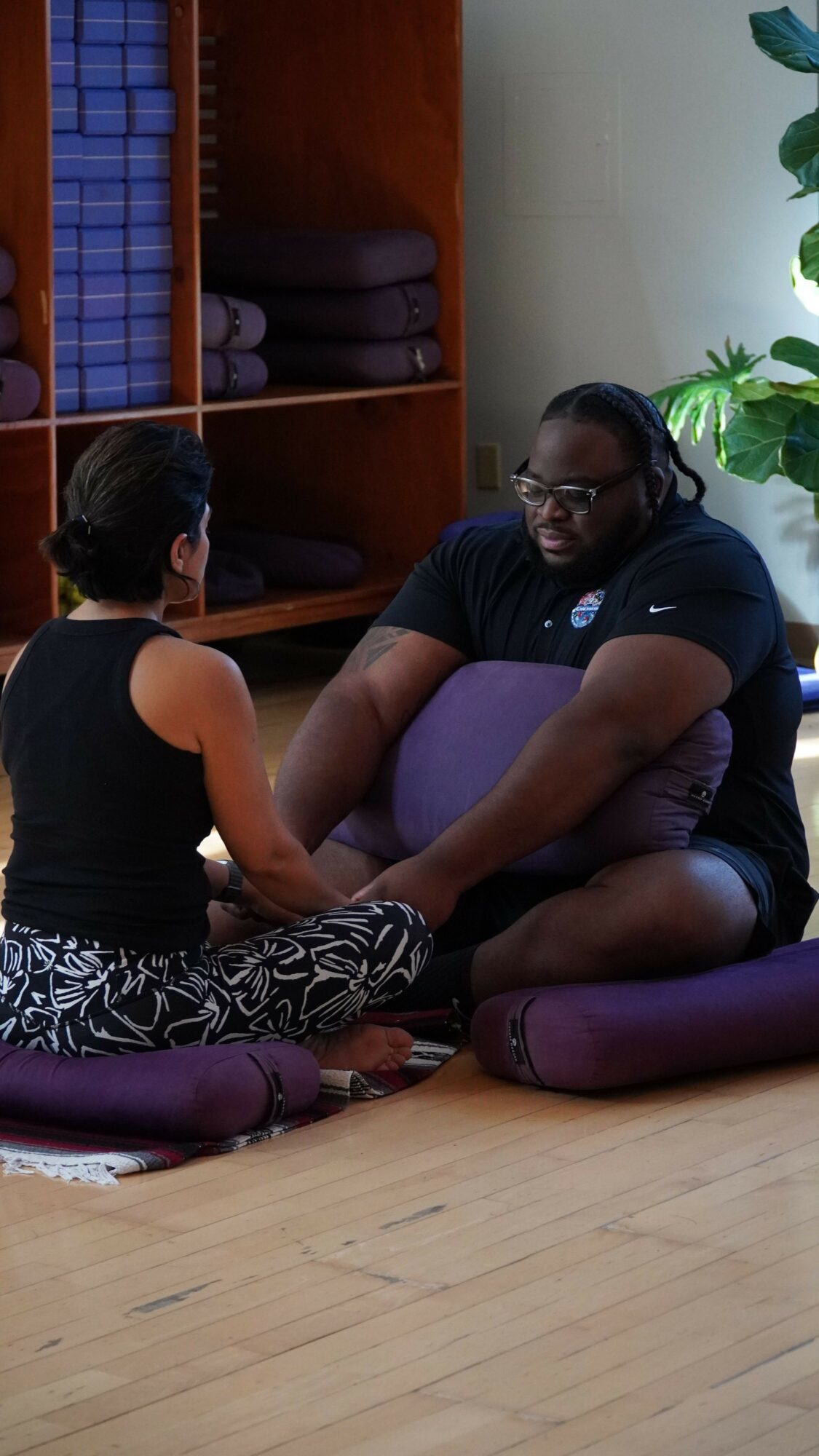
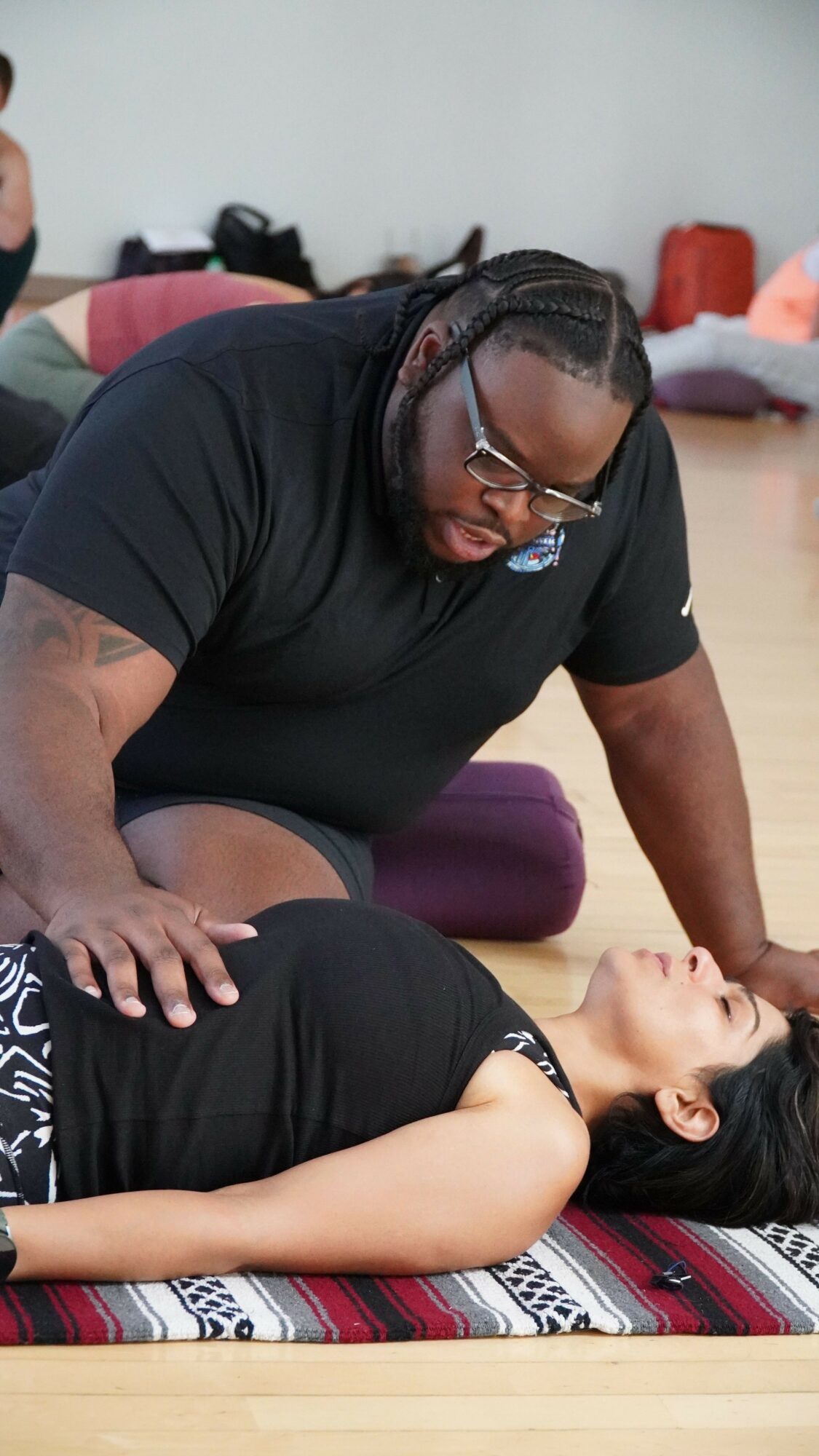
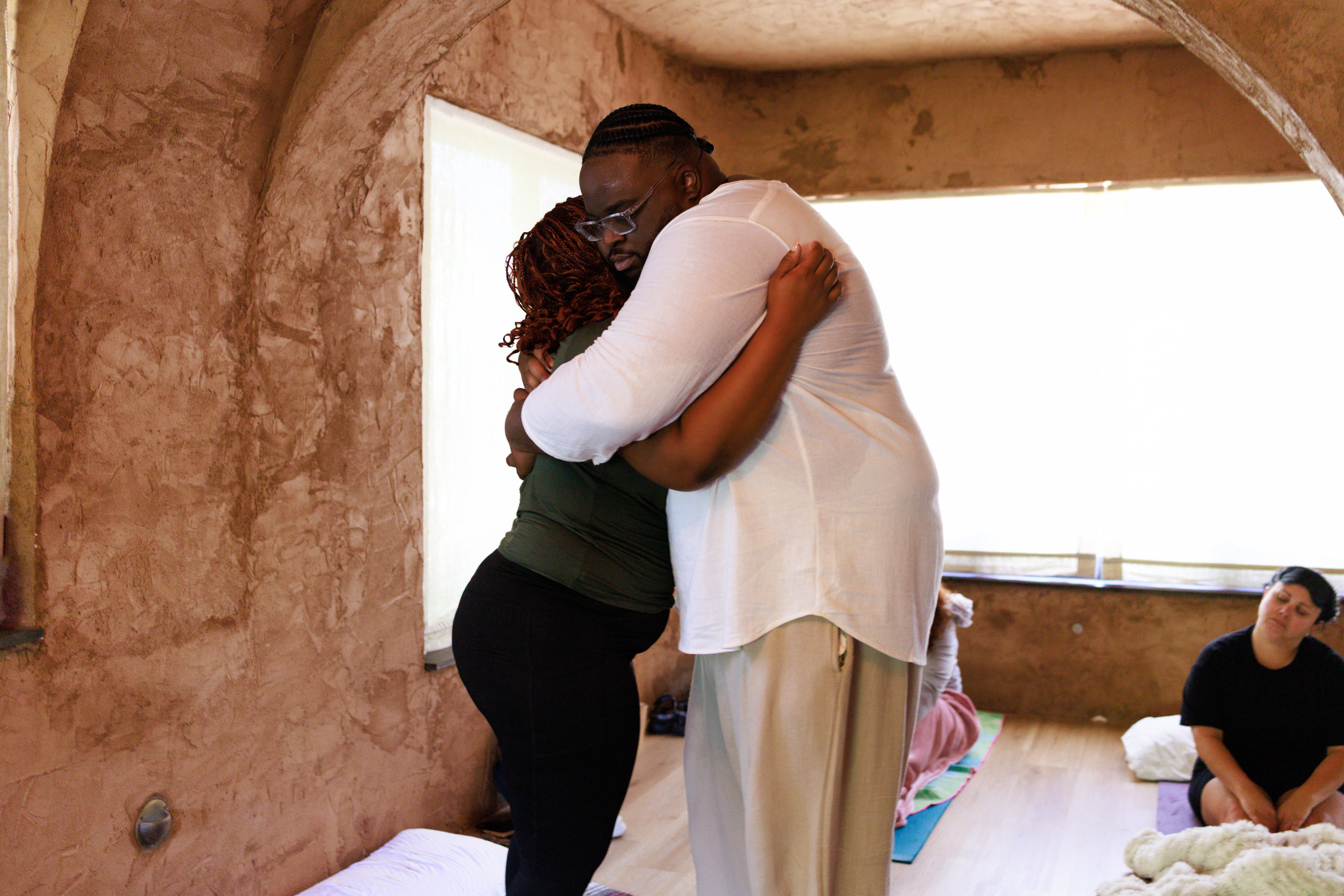
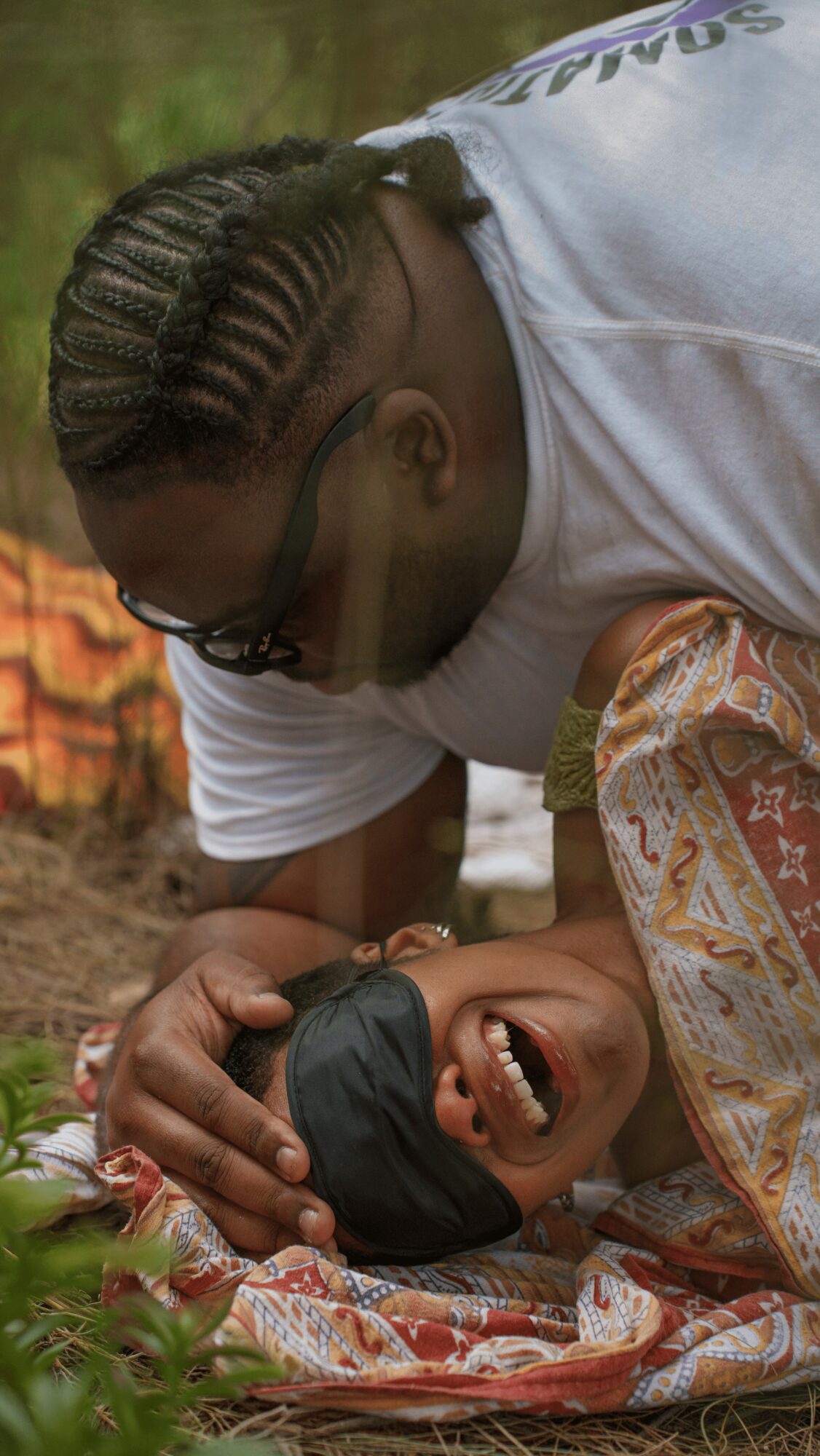
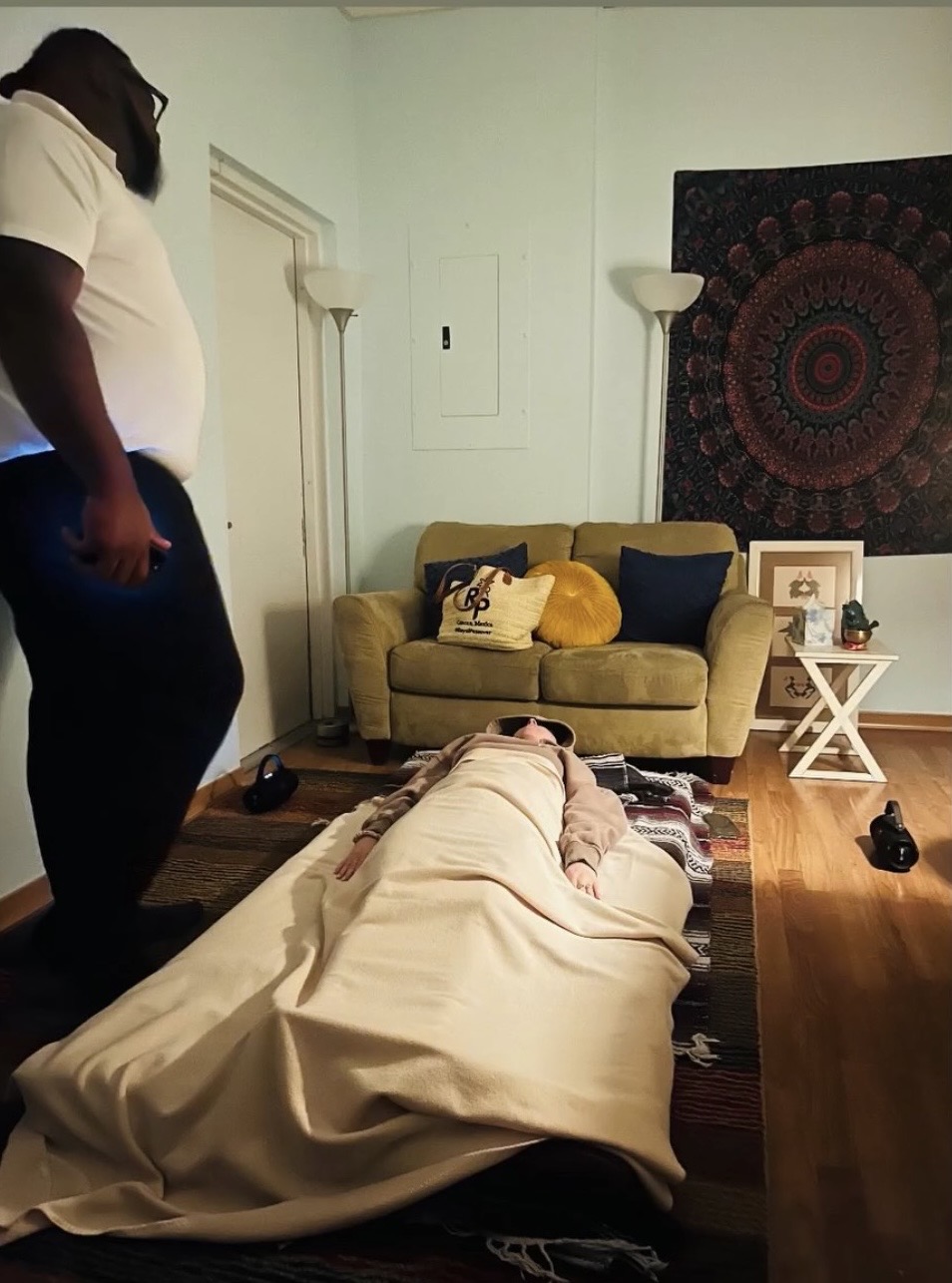
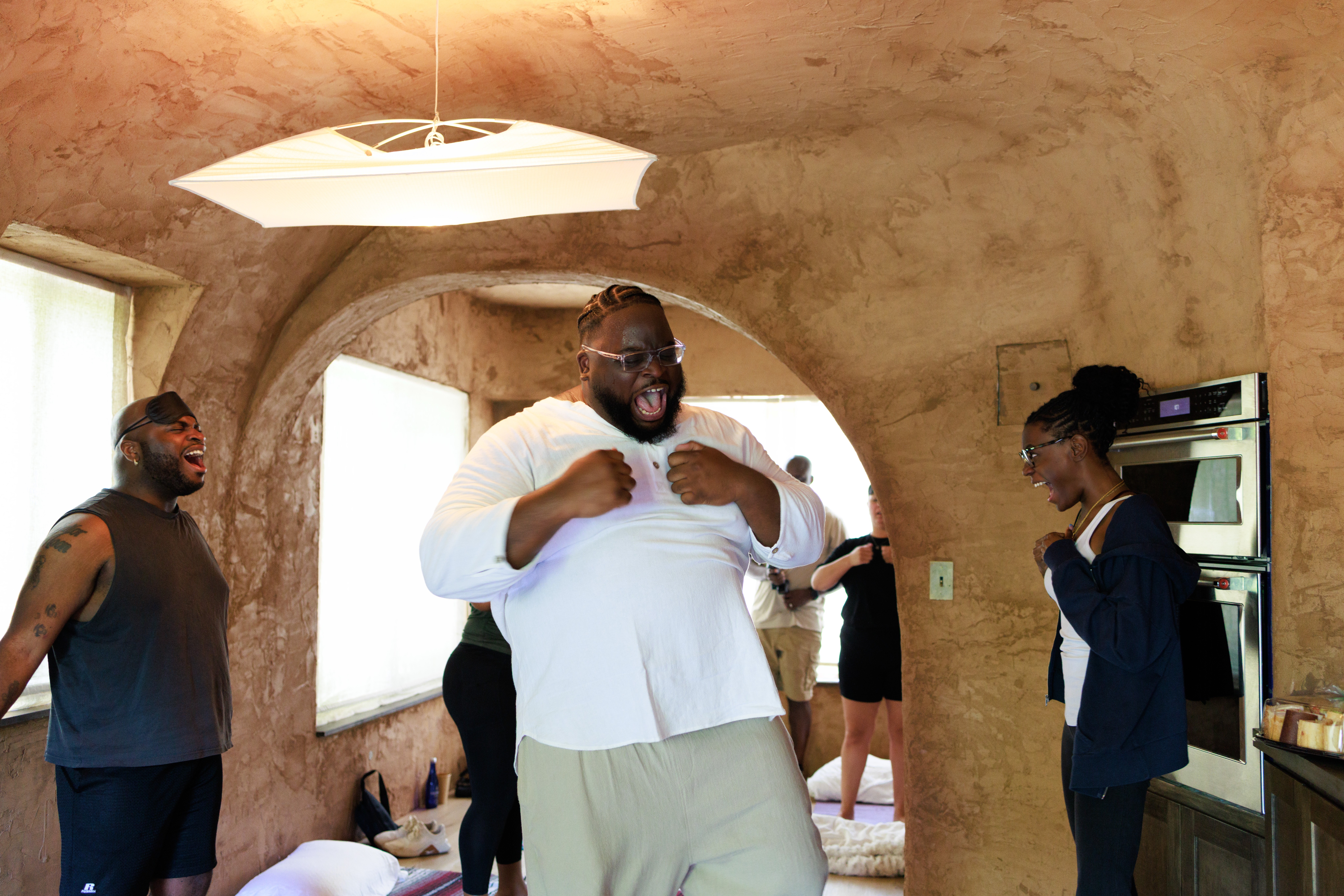
My work is centered around helping people reconnect with themselves through Somatic Breathwork, a trauma-informed practice that uses intentional breathing, body awareness, and nervous system regulation to help people process what they may have been carrying for years.
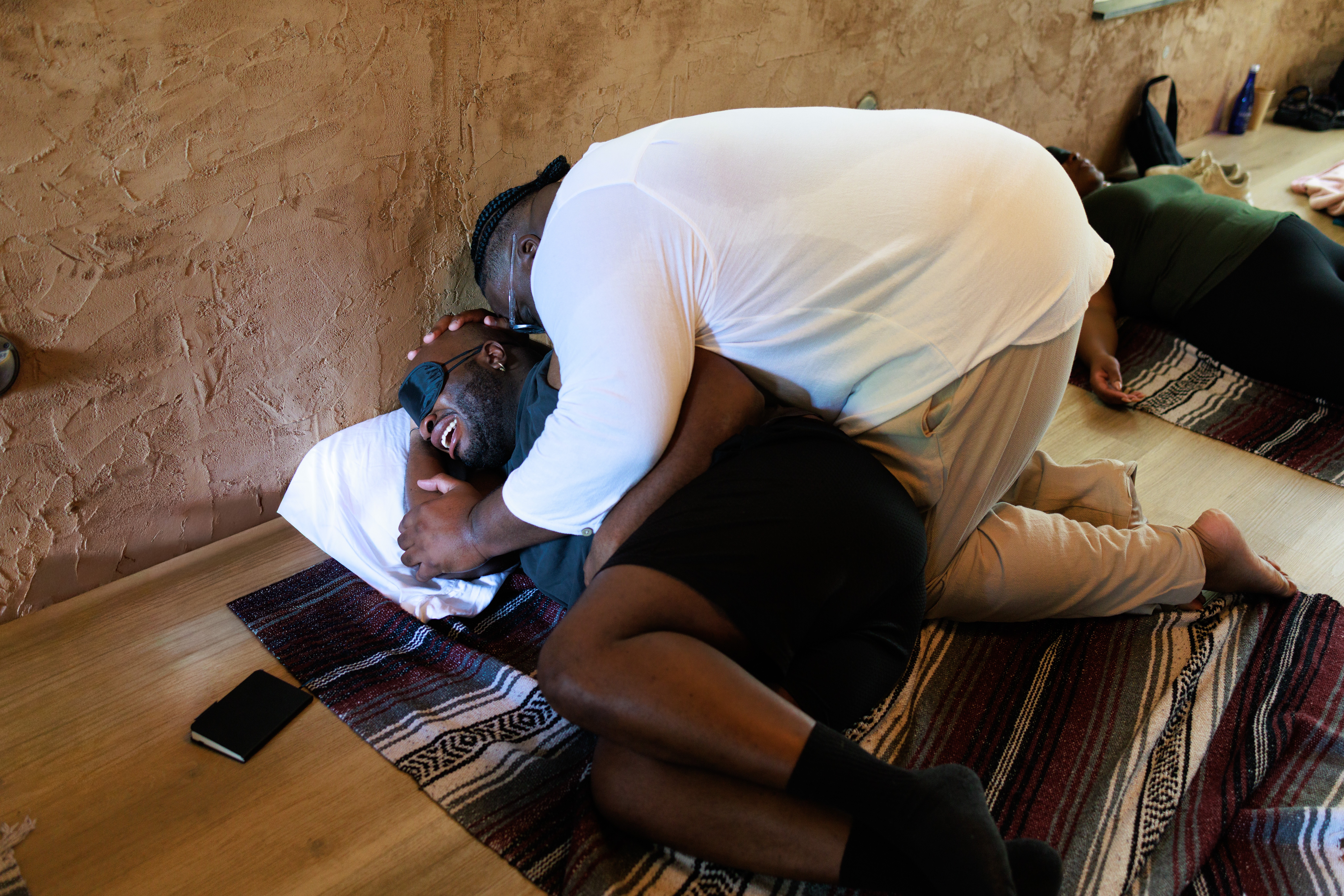
I specialize in creating safe spaces where people can slow down, become aware of what is happening in their bodies, and begin releasing stored stress, emotions, and experiences that may have been stuck beneath the surface. Many of us go through life carrying stress, grief, fear, anxiety, and past experiences without realizing how much our bodies hold onto. Breathwork can help bring awareness to those areas and create an opportunity for emotional release and reconnection.
What I am known for is bringing my own lived experience into this work. Before becoming a Somatic Breathwork practitioner, I was a police officer. I spent years being trained to stay calm in chaos, protect others, and push through difficult situations. But after experiencing my own trauma, I learned that being strong does not mean ignoring what we carry. It means having the courage to face it.
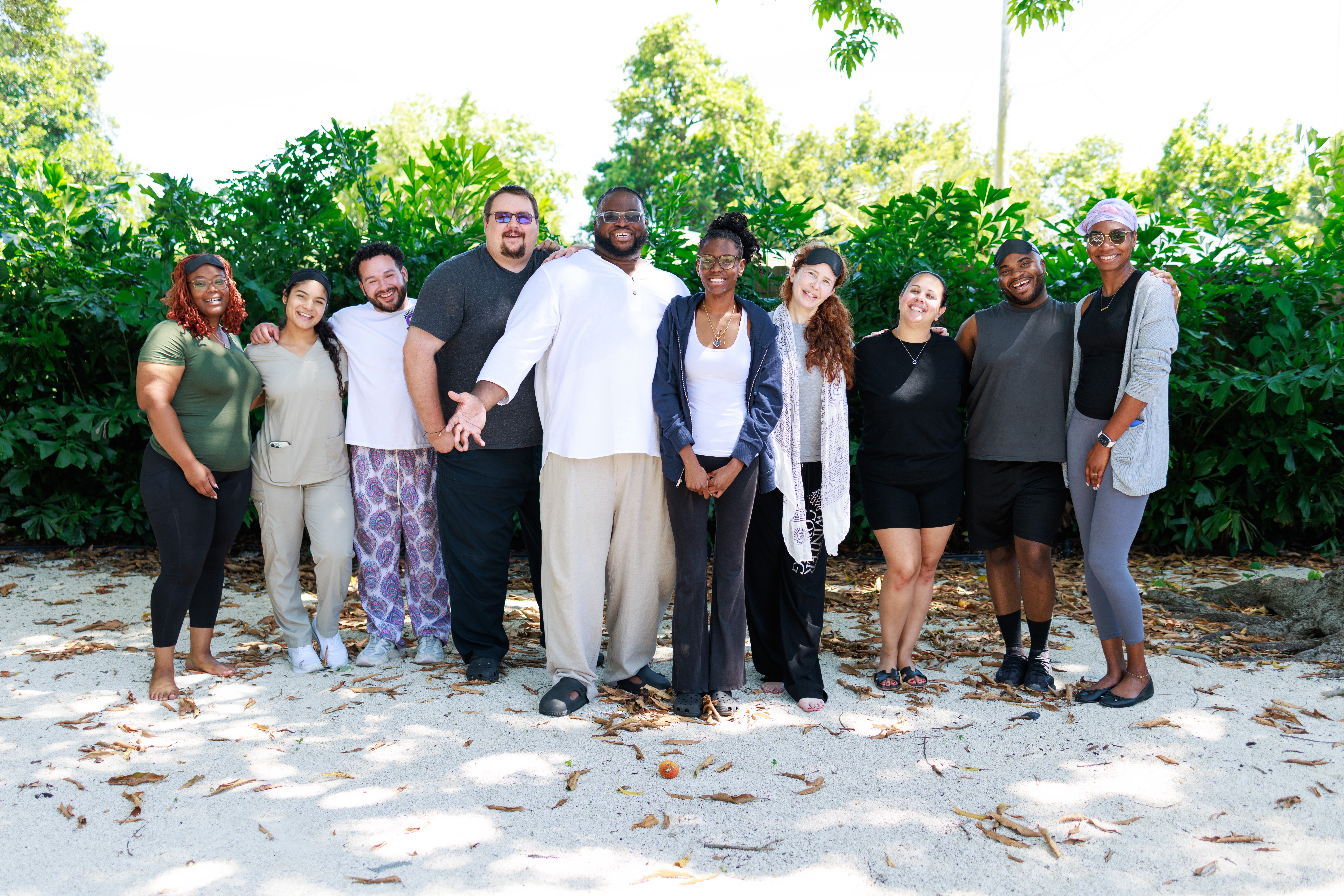
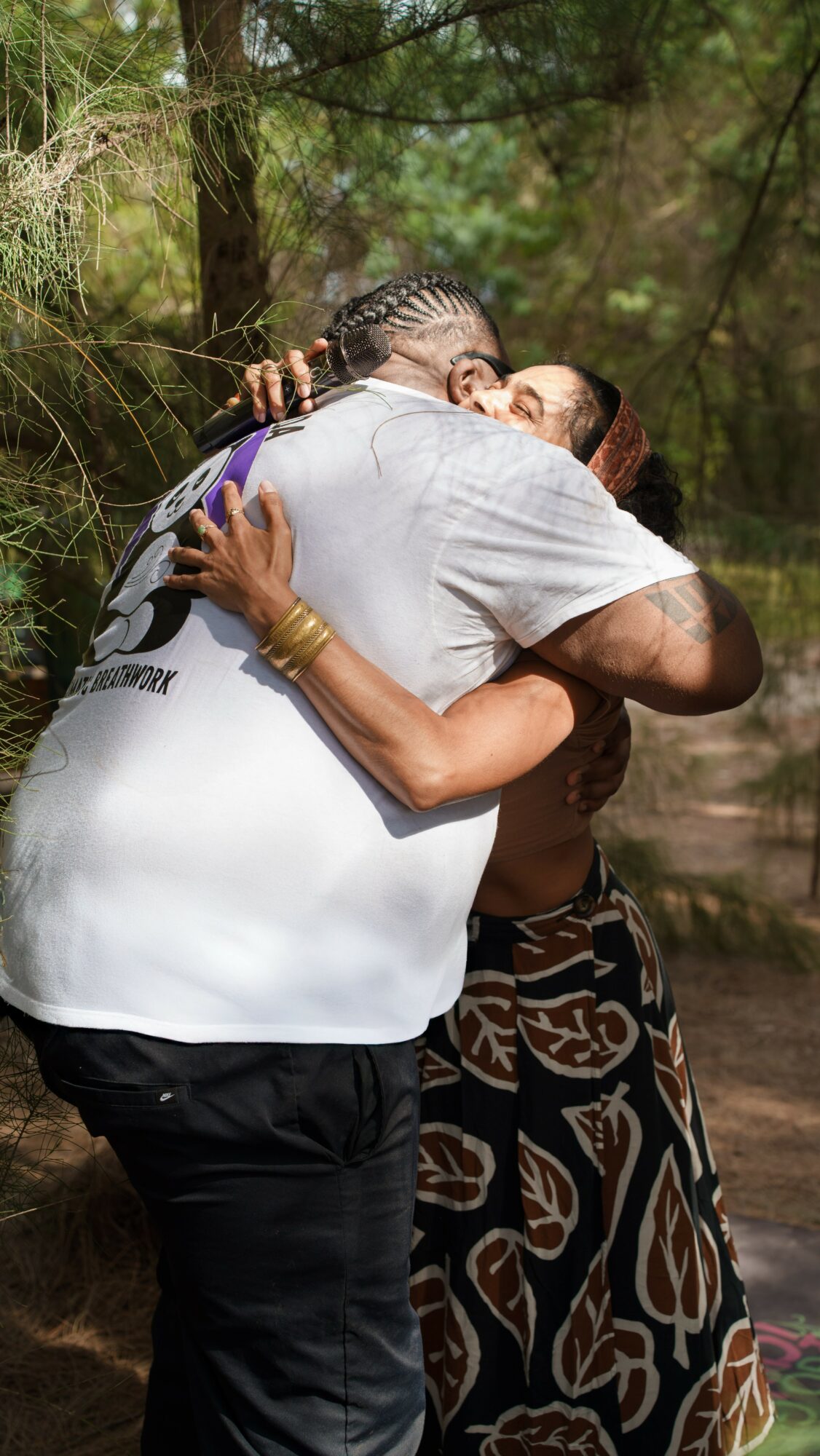
I’m most proud of creating spaces where people feel seen, supported, and safe enough to explore themselves. I’ve watched people come in guarded, overwhelmed, or disconnected and leave feeling lighter, more present, and more connected to their own bodies.
What sets me apart is that this work is personal for me. I don’t come from a place of just reading about trauma. I understand what it feels like to carry things that you don’t know how to put into words. My goal is not to tell people how to heal or replace anyone’s beliefs. My role is to guide people through an experience where they can listen to their own bodies and discover what they need.
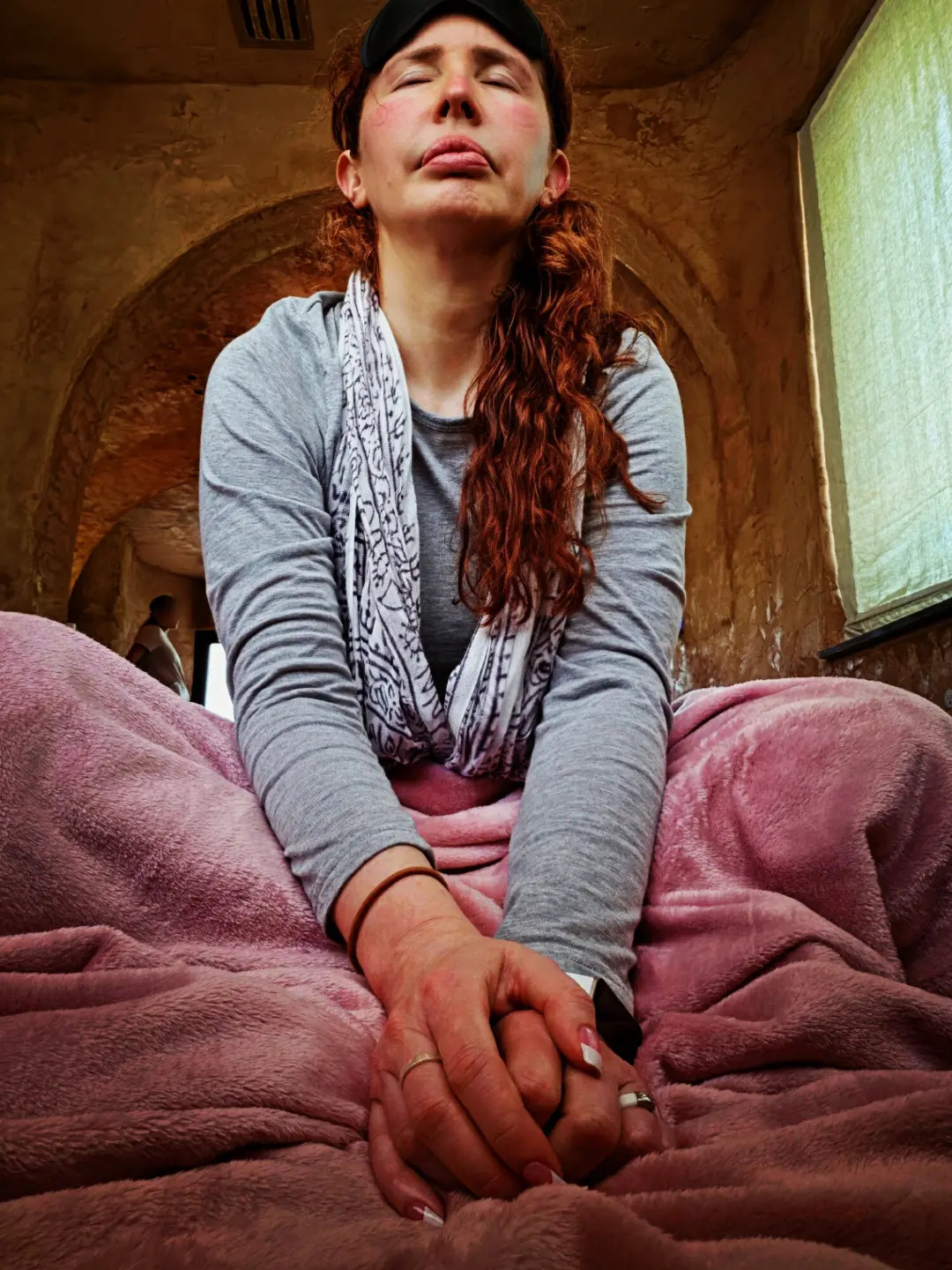
Breathwork can help people access emotions that may have been suppressed or avoided for years. Through conscious breathing and body awareness, people may experience emotional releases, insights, a sense of calm, and a deeper connection with themselves.
At the heart of my work, I’m simply helping people remember that their body has been communicating with them all along. Sometimes we just need the right space and tools to listen.
What were you like growing up?
Growing up, I was a kid from the South Winds apartments in Coconut Grove. It wasn’t always the easiest environment, but it shaped a lot of who I became. I grew up around real people, real struggles, and a community where you learned quickly about resilience, loyalty, and looking out for one another. We were poor but we survived.
Personality wise, I was always curious, creative, and full of energy. I had a big imagination and always found ways to express myself. A lot of that came through creativity. I loved photography, art, and capturing moments. Even as a kid, I think I was drawn to seeing things differently and noticing details that other people might overlook.
At the same time, growing up where I did taught me toughness. I learned how to adapt, how to read people, and how to navigate different personalities and situations. Those experiences probably played a big role in why I eventually became a police officer. I understood people, I understood struggle, and I wanted to be someone who could protect and serve my community.
Pricing:
- 1:1 sessions $250
Contact Info: