





Today we’d like to introduce you to Emma Terlizzi.
Emma, we appreciate you taking the time to share your story with us today. Where does your story begin?
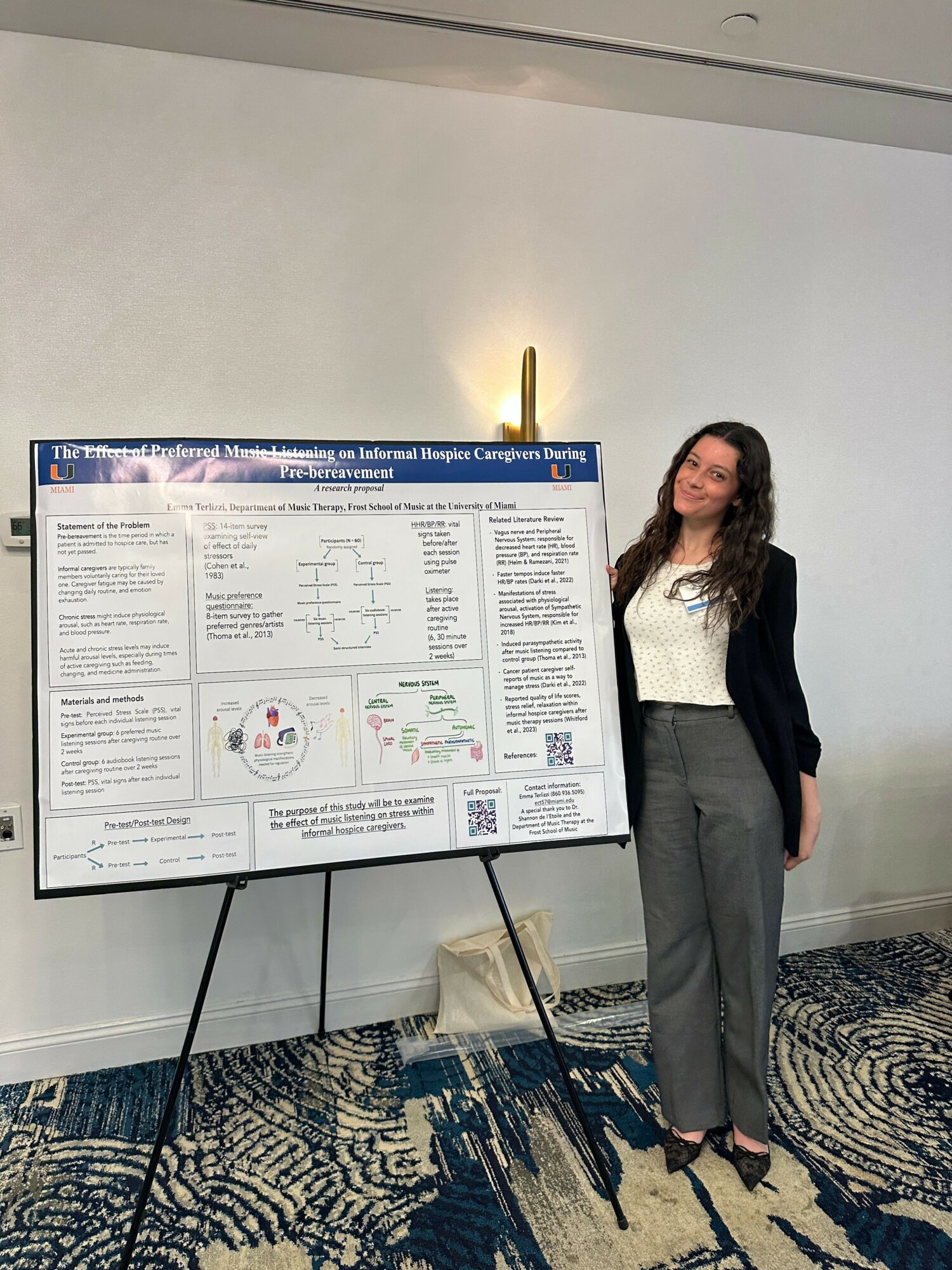
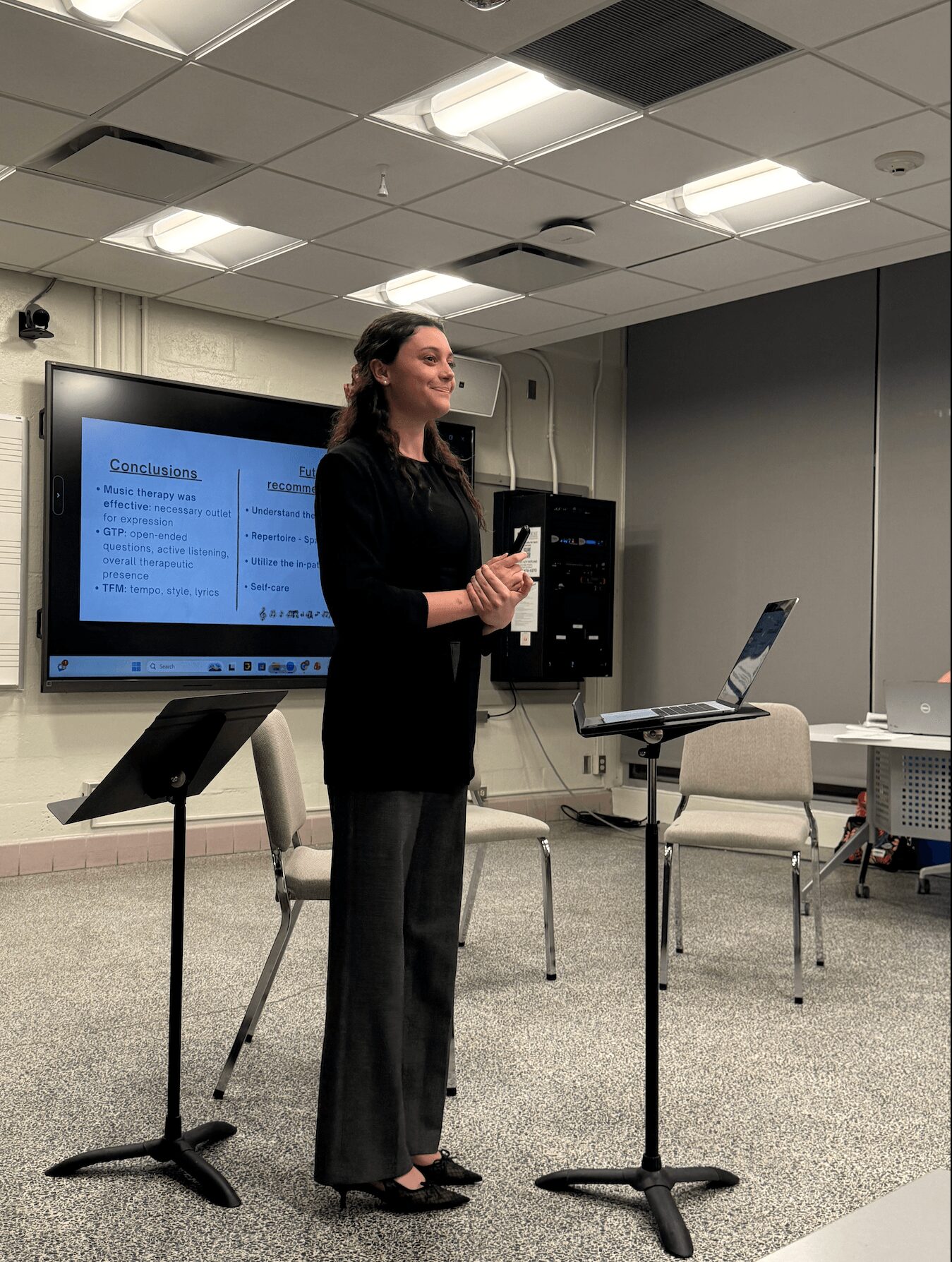
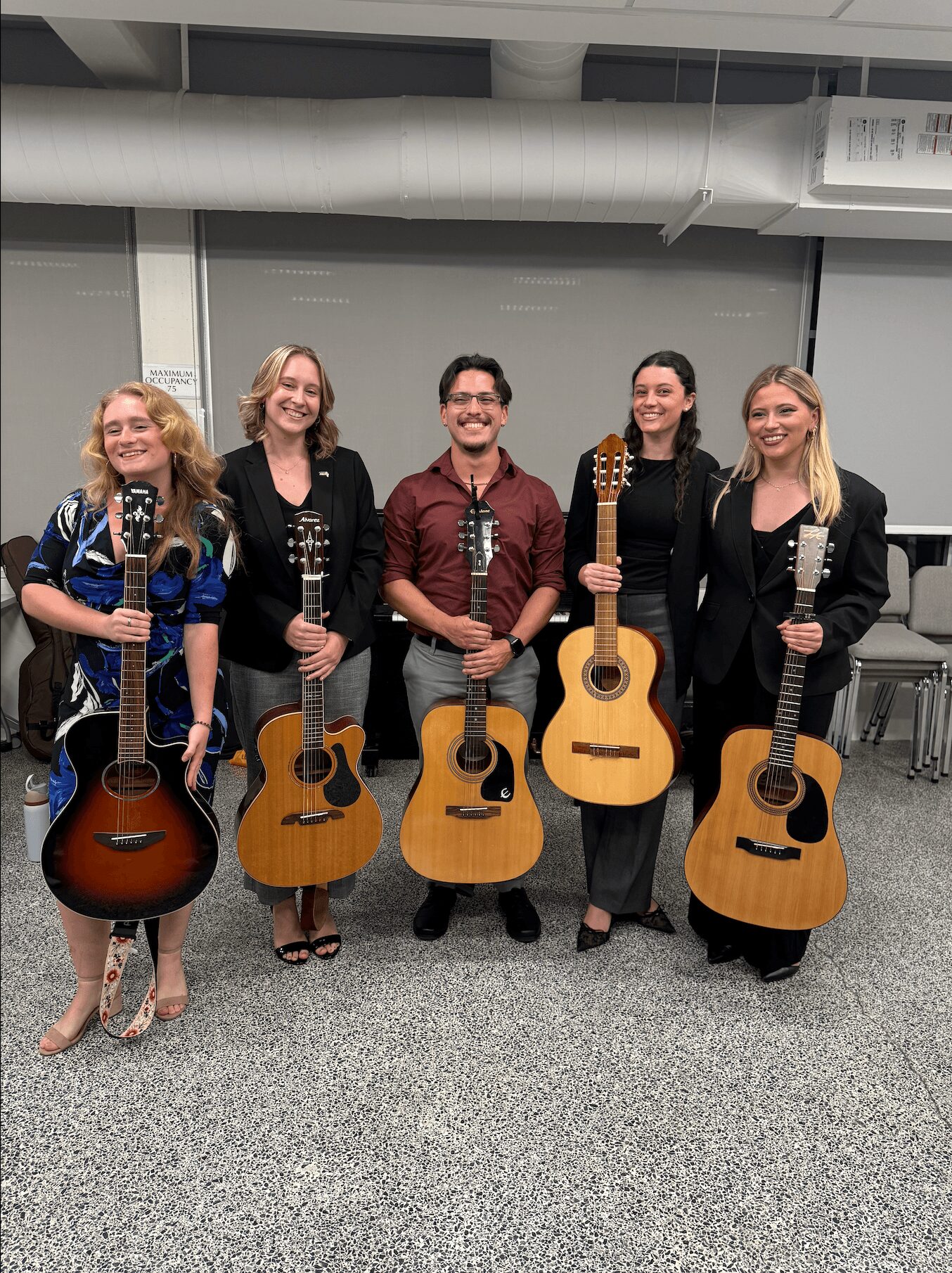
I am currently a music therapy intern working at Trustbridge Hospice at Empath Health. I always had a love for music. Growing up with my very non-musical, paving business-owner family members, I chose my own path when I picked the flute in fourth grade. Going through regional bands and state orchestras in Connecticut, I fell in love with performing and classical flute. I always imagined myself going into music performance or education. That all changed when Covid hit. I saw the fragility of the music industry, and the need for a more holistic approach to healthcare. That’s how I found music therapy. So I thought, “Great, I cannot wait to work with kids!” Alas, that all changed again when I experienced death within my own family, and I saw the need for music therapy services in hospice, not just for the patient, but for the family. My thoughts were affirmed by my practicum clinical rotations while studying at the Frost School of Music at the University of Miami, where I was placed in adult oncology at Sylvester Comprehensive Cancer Center, substance use patients at the Bruce W. Carter Veterans Affairs Medical Center, and an in-patient hospice unit at AccentCare. Although my path has taken many different turns, the direction has remained the same, and that is grounded in my passion for music and the effect it has on people. Music therapy is not just to “make people feel better,” but rather a medium to process the moments in life where words fail to speak. I could not be more passionate about this field, and I cannot wait to see where this beautiful career will take me next!
We all face challenges, but looking back would you describe it as a relatively smooth road?
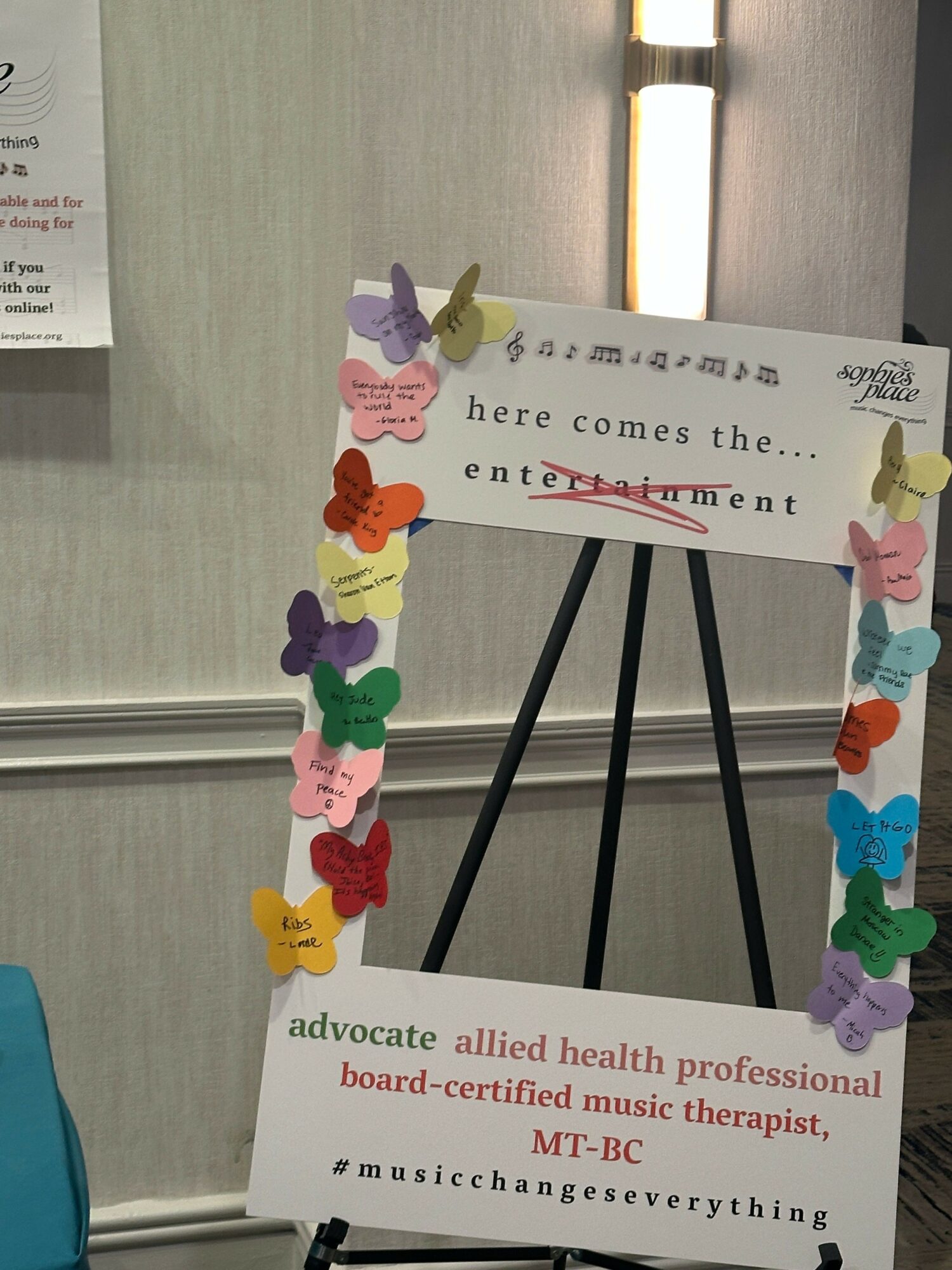
It has definitely not been a smooth road. Having to explain what I do at every family function, every party, and every encounter can become exhausting. I would be lying if I said I did not get sick of it, not because I have to explain it, but because people are still not aware what music therapy truly is. The music industry is honestly burnout central. It holds so much blood, sweat and tears that are often never recognized, nor appropriately financially compensated. The biggest obstacle I find myself facing is the constant advocacy, whether it be with my own friends and family, complete strangers, or patients and their families.
Alright, so let’s switch gears a bit and talk business. What should we know about your work?
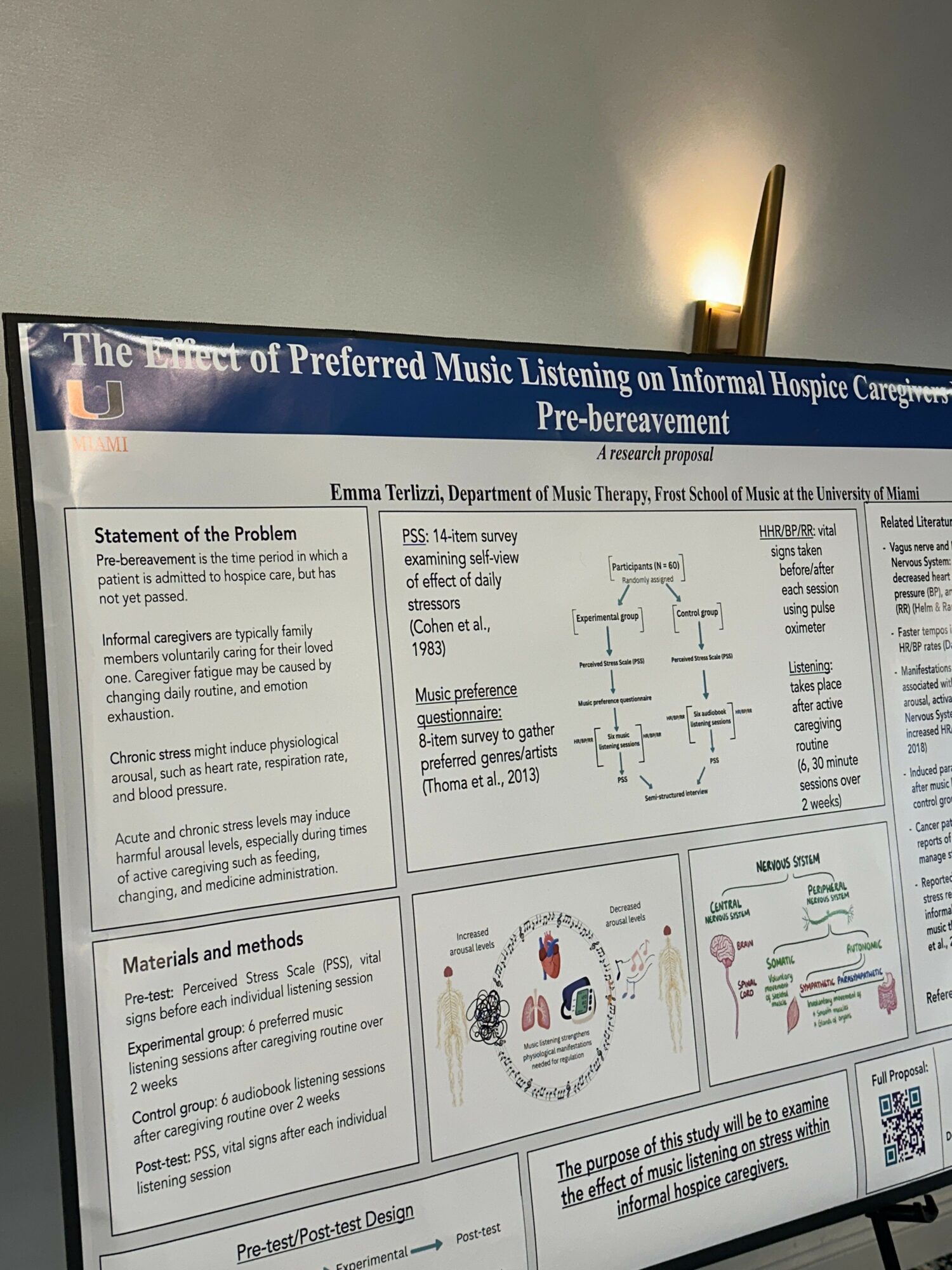
Specifically with hospice music therapy, I have led interventions with patients and family members that surround coping tool identification, emotion expression, emotion identification, and physiological regulation. Hospice patients may experience an elevated state of arousal through increased respiration rates, rib cage flaring, and increased blood pressure. I have witnessed the effects of using live music to entrain to a patient’s physiology, and use iso-principle elements to decrease these physiological symptoms. I am most proud of my ability to use music to facilitate conversation among family members to discuss hard topics surrounding death, promote positive memory recall, and build a sense of connection during a patient’s final days.
Can you share something surprising about yourself?
Something surprising may be that I am proficient in Spanish! Coming to Miami for college has encouraged me to keep using my AP Spanish skills, many of which I have implemented in music therapy sessions through Latin songs and conversation.
Contact Info:
- LinkedIn: emmaterlizzi