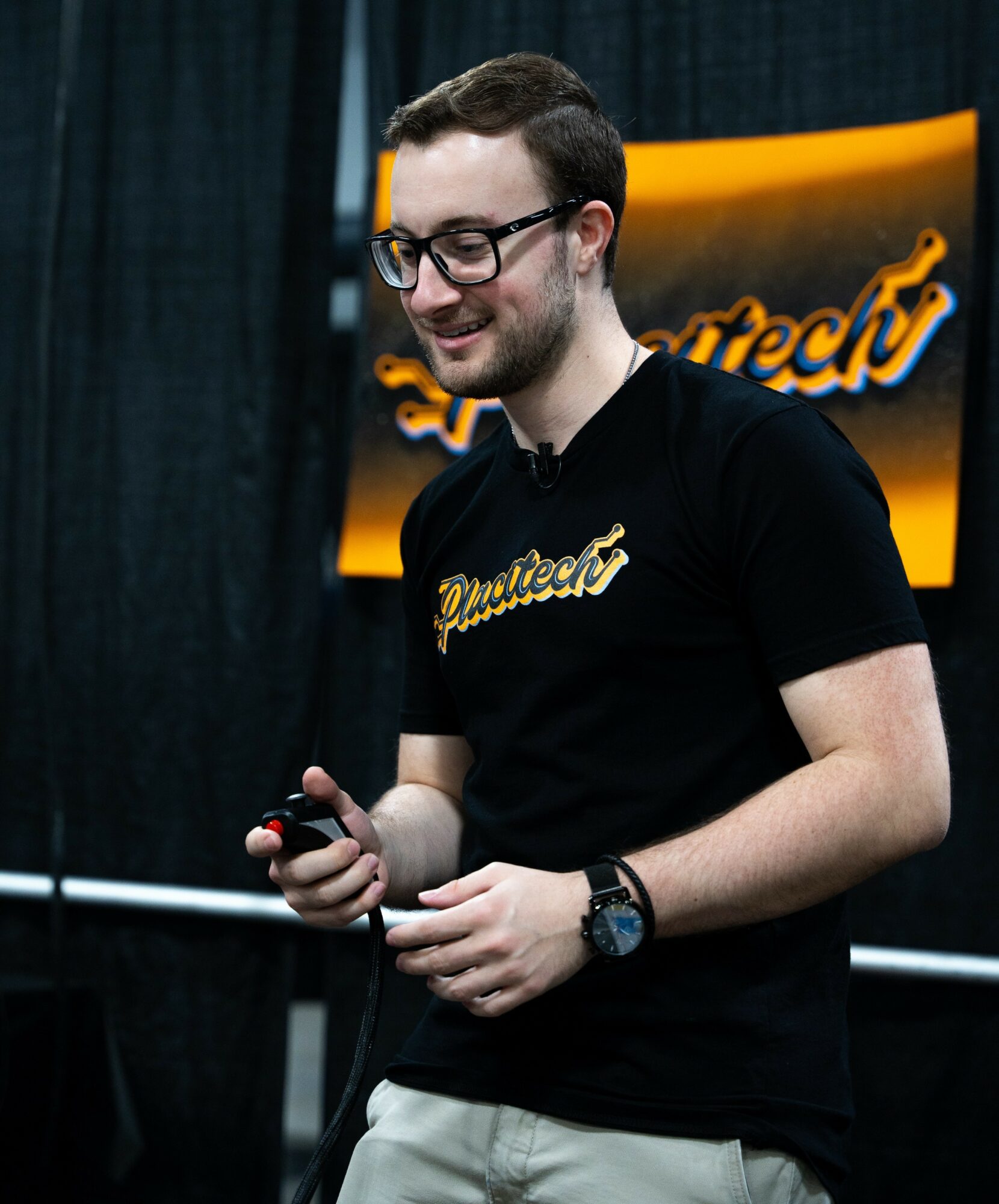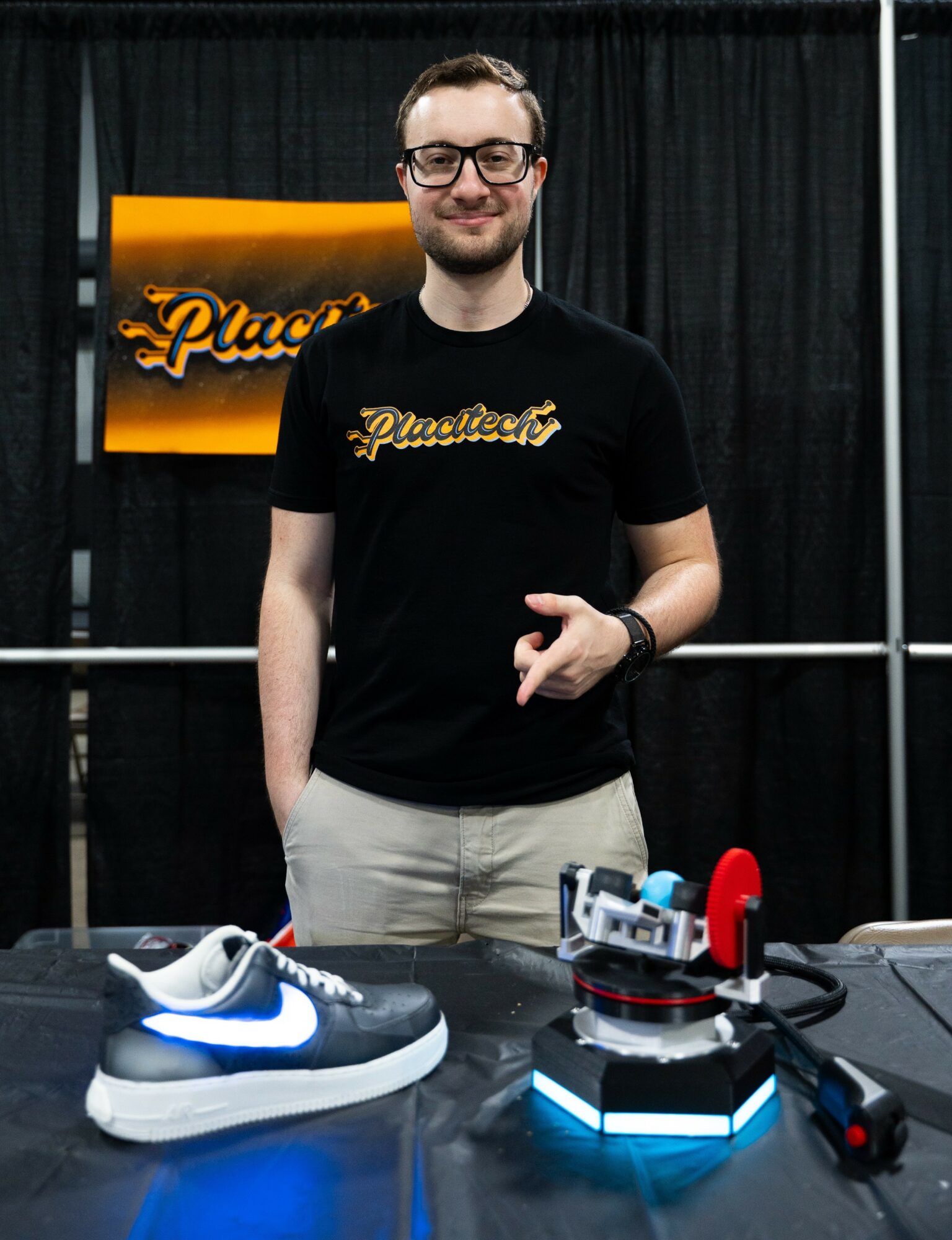



Today we’d like to introduce you to Alessandro Placitelli.
Hi Alessandro, thanks for joining us today. We’d love for you to start by introducing yourself.
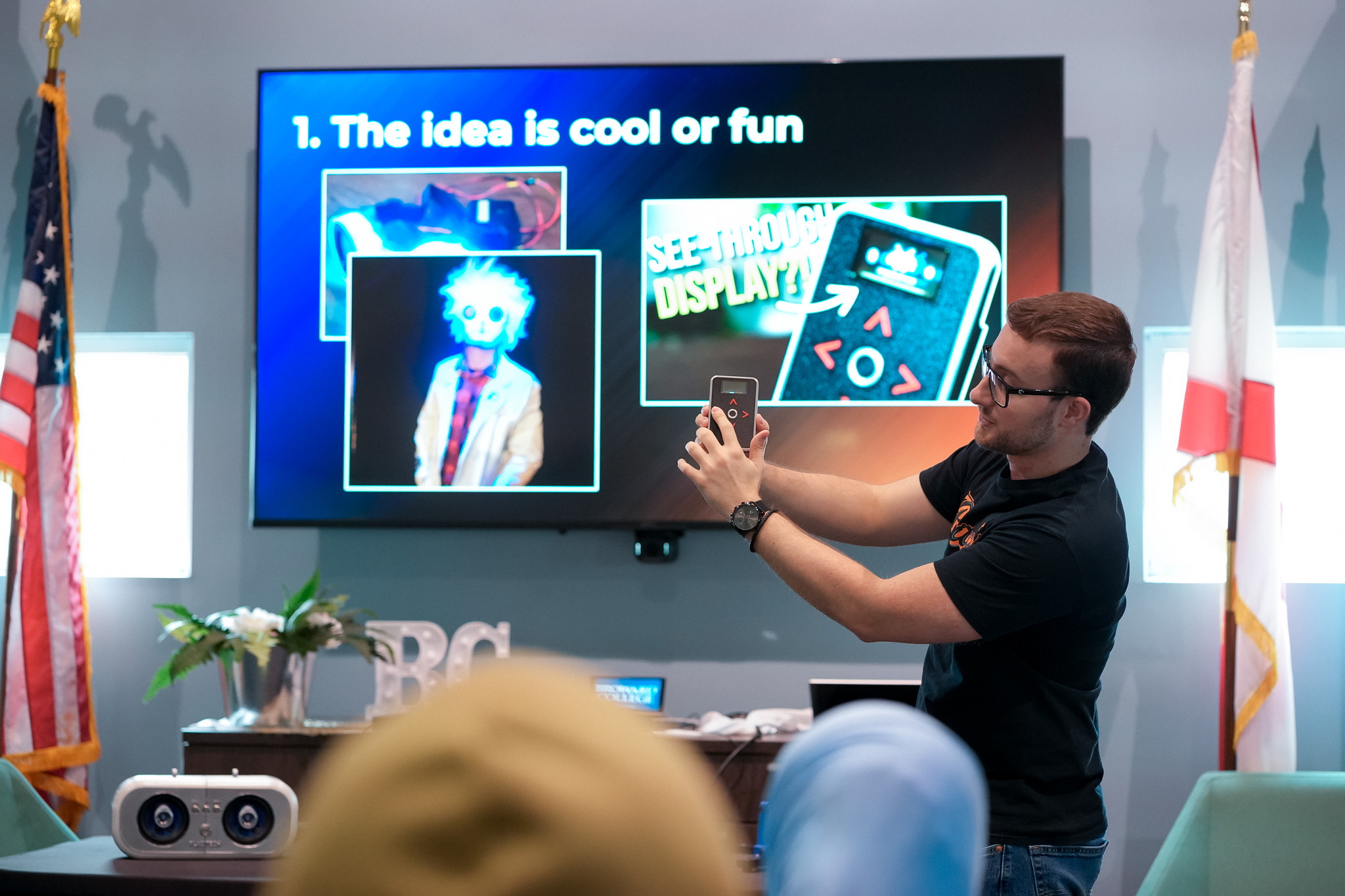
I was born and raised in Venezuela and moved to the U.S. to study Electrical Engineering at Penn State. During college, I started building electronics projects for fun and sharing them online, eventually creating PLACITECH, my engineering-focused content platform. What started as simple experiments slowly evolved into larger multidisciplinary builds involving electronics, software, and 3D printing.
Over the past few years, I’ve grown a large online community while refining my approach to engineering and content creation. More recently, I’ve been focusing heavily on long-form engineering videos, where I design and build original projects from scratch while documenting the full creative and technical process.
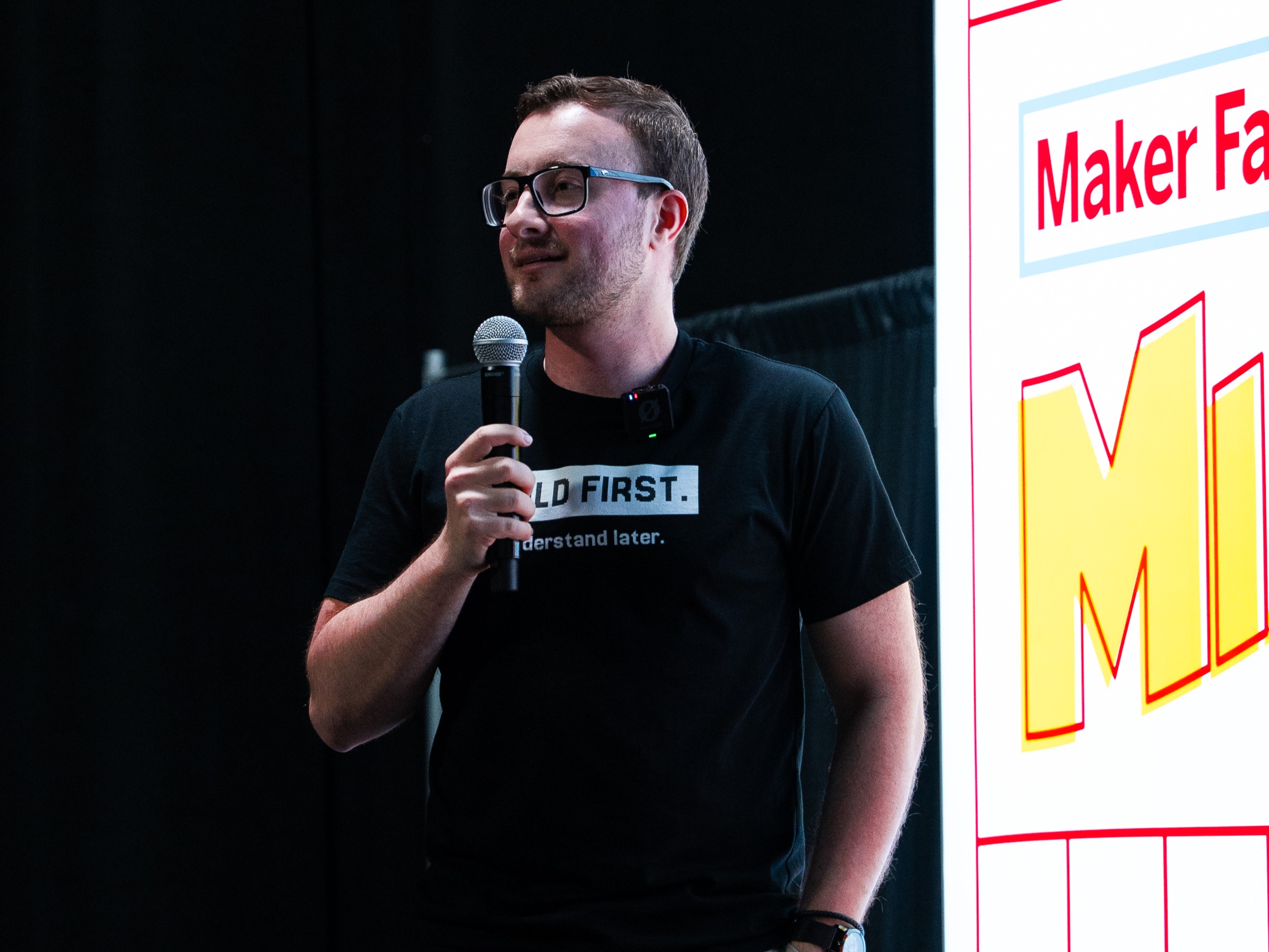
At the same time, my work has started expanding beyond social media into real-world spaces through university talks, maker events, publications, and collaborations within the engineering and creator ecosystem. Today, my goal is to continue growing PLACITECH into a platform that inspires people to build things, think creatively, and turn ideas into reality.
I’m sure it wasn’t obstacle-free, but would you say the journey has been fairly smooth so far?
It definitely has not been a smooth road. One of the biggest challenges was figuring out what kind of creator and engineer I actually wanted to become. In the early years, I experimented with many different types of content while trying to understand what resonated with people and what truly aligned with me creatively.
Another major challenge was consistency. Engineering projects take a lot of time, especially when you are designing, prototyping, filming, editing, and troubleshooting everything yourself. There were periods where growth slowed down significantly, which naturally creates a lot of self-doubt when you are building something independently.
Over time, I learned that success in creative and technical fields requires patience, adaptability, and a strong sense of identity. Some of the projects that taught me the most were the ones that pushed me out of my comfort zone or forced me to rethink my creative direction and long-term goals.
Alright, so let’s switch gears a bit and talk business. What should we know about your work?
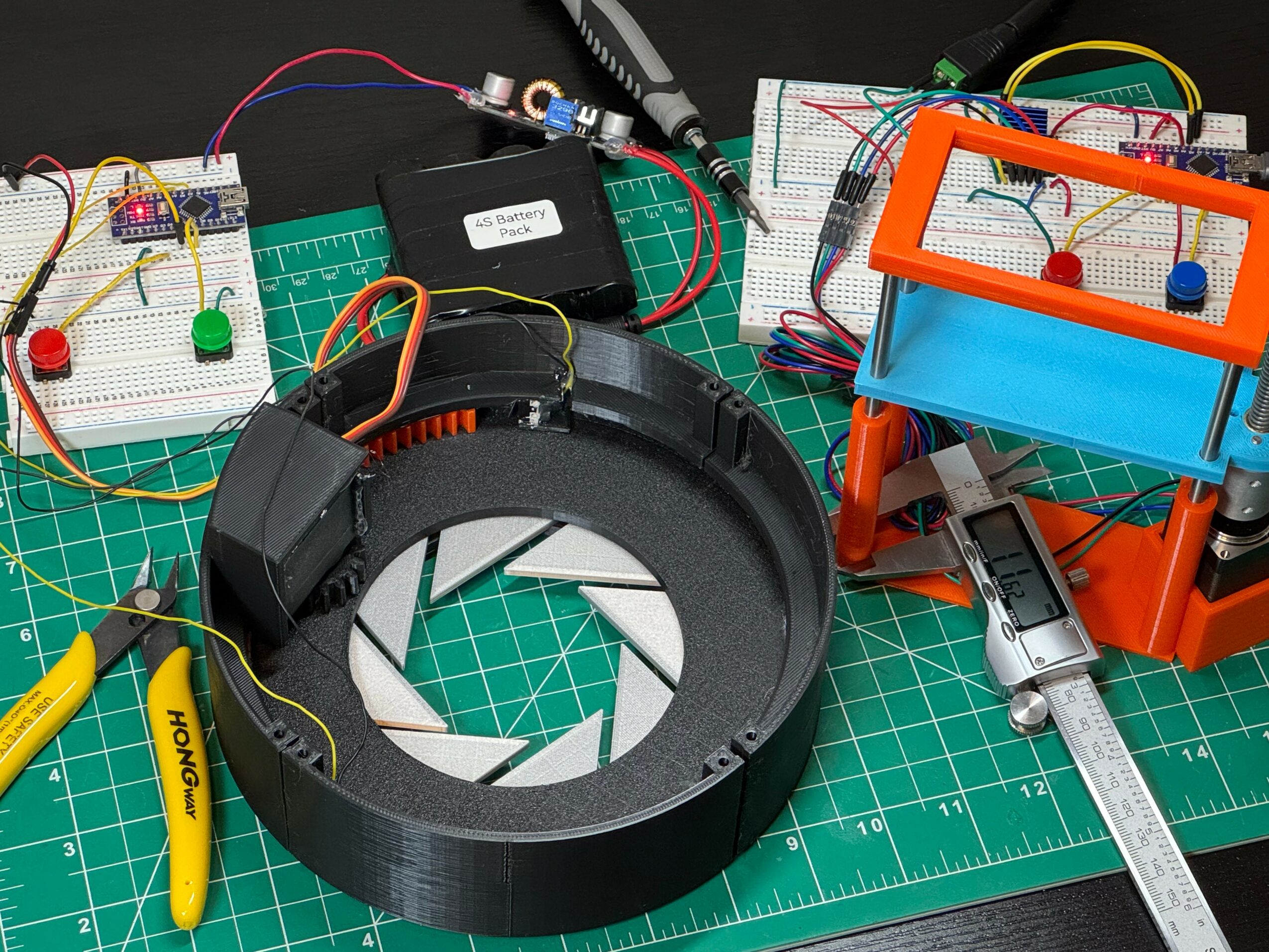
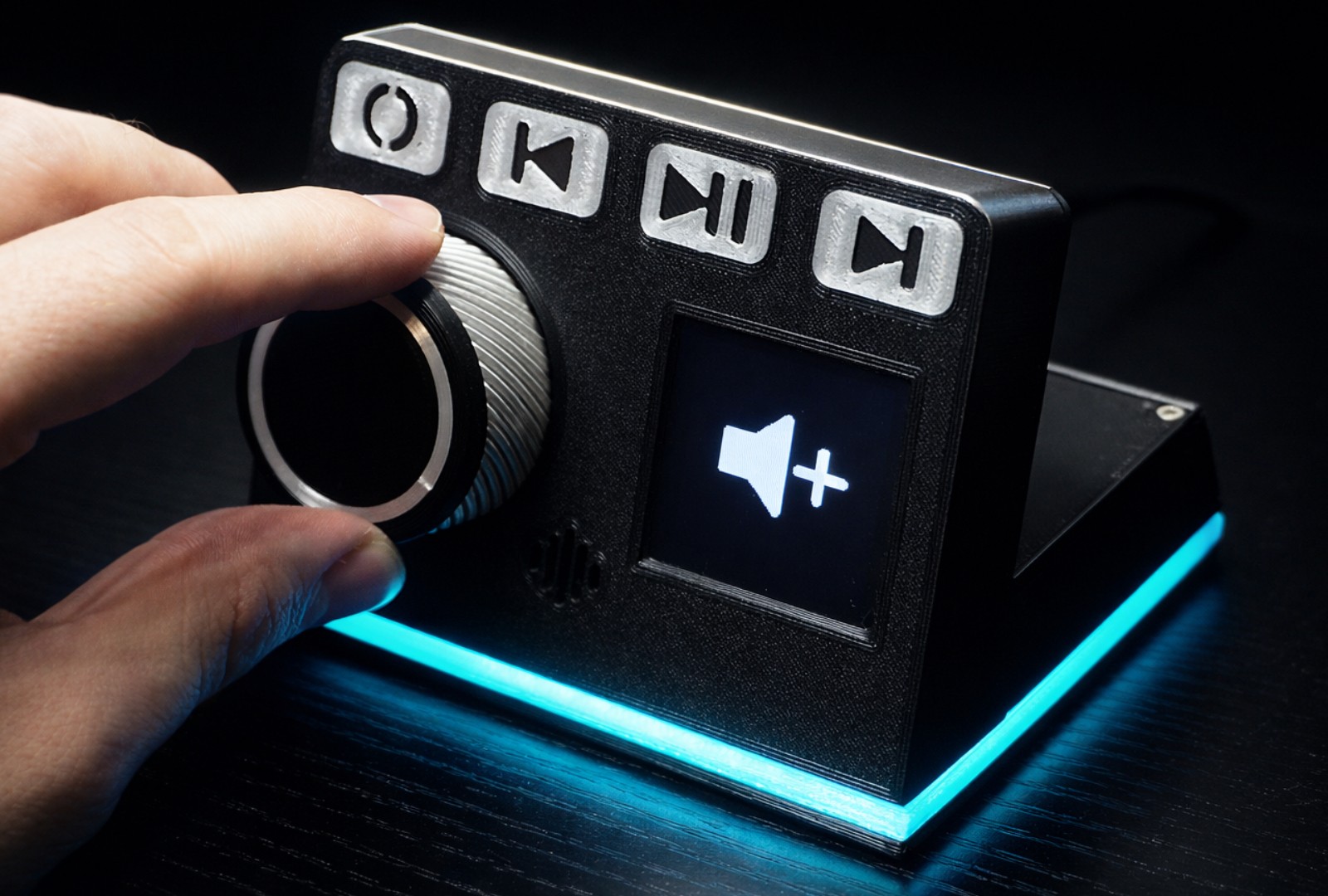
I create engineering-focused content centered around building original projects from scratch using electronics, software, and 3D printing. Most of my work involves taking an idea from concept to fully functional prototype while documenting the entire creative and technical process in a way that is accessible and entertaining to a broad audience.
I would say I specialize in combining engineering with storytelling. A lot of technical content online focuses either purely on education or purely on entertainment, and I’ve always tried to exist somewhere in the middle by making projects that are technically real while still being engaging and visually interesting.
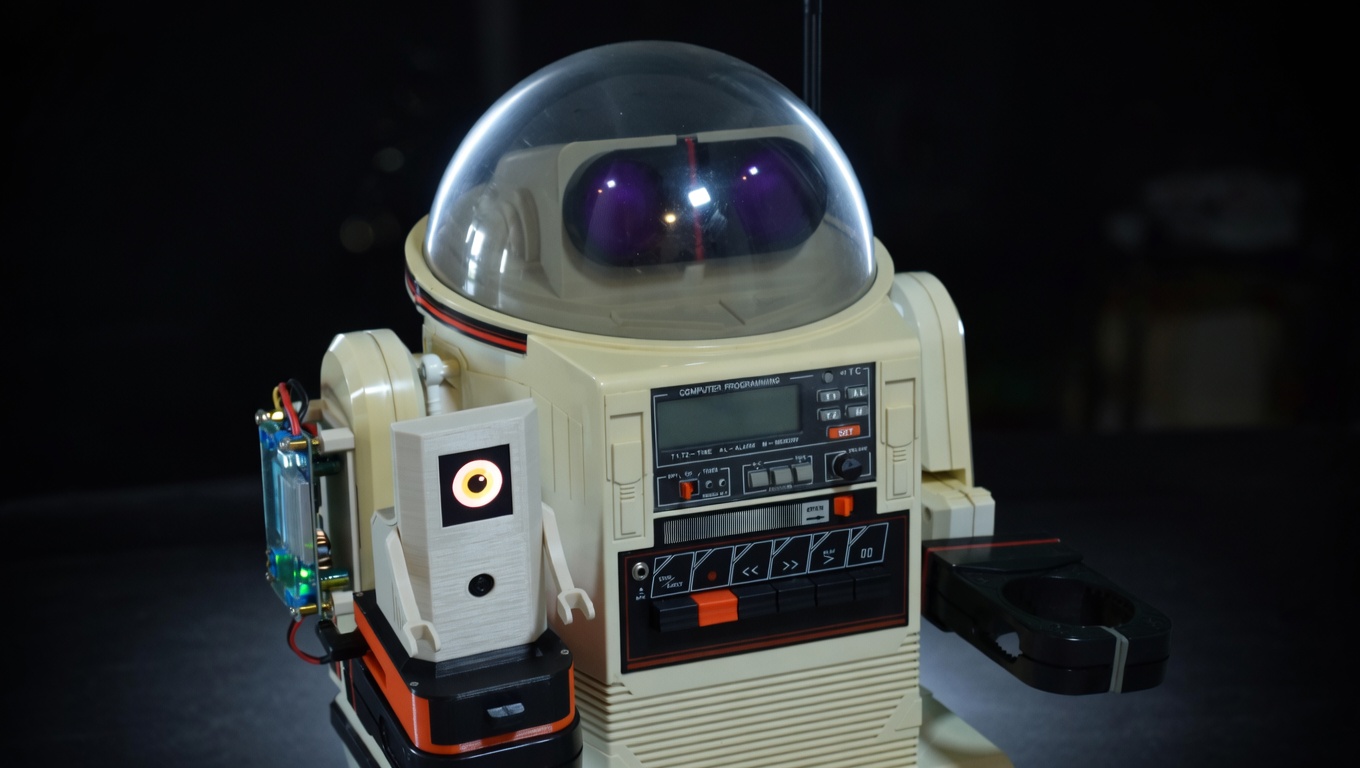
Some of the projects I am most proud of are the ones where I had to combine multiple disciplines at once, especially projects involving custom mechanisms, embedded systems, and interactive hardware. More recently, I’ve been very focused on long-form engineering videos that showcase not only the final result, but also the iteration process, failures, redesigns, and problem-solving behind the scenes.
What sets me apart is probably the balance between creativity and technical execution. I approach engineering with a very experimental mindset and try to make complex ideas feel approachable without removing the depth behind them. A big philosophy behind my work is “Build First. Understand Later,” which reflects the idea that building and experimentation are often the best ways to learn.
Do you have any advice for those just starting out?
My biggest advice is to start building before you feel fully ready. A lot of people spend too much time waiting for the perfect idea, the perfect skills, or the perfect moment to begin, but most learning happens during the process itself. Some of the things I understand best today only became clear after experimenting, troubleshooting problems, and making mistakes along the way.
I also think it is important to avoid comparing your beginning to someone else’s middle. Social media makes it easy to only see polished final results, but behind every successful project are countless hours of iteration, failed prototypes, redesigns, and learning.
Something I wish I understood earlier is how important consistency and long-term thinking are. Growth in creative and technical fields is rarely linear, and there will be periods where it feels like nothing is happening. Staying adaptable and continuing to improve your skills during those slower periods is often what makes the biggest difference in the long run.
Contact Info:
- Website: https://placitech.com/
- Instagram: https://www.instagram.com/placitech_/
- Youtube: https://www.youtube.com/@placitech
- Other: https://www.tiktok.com/@placitech