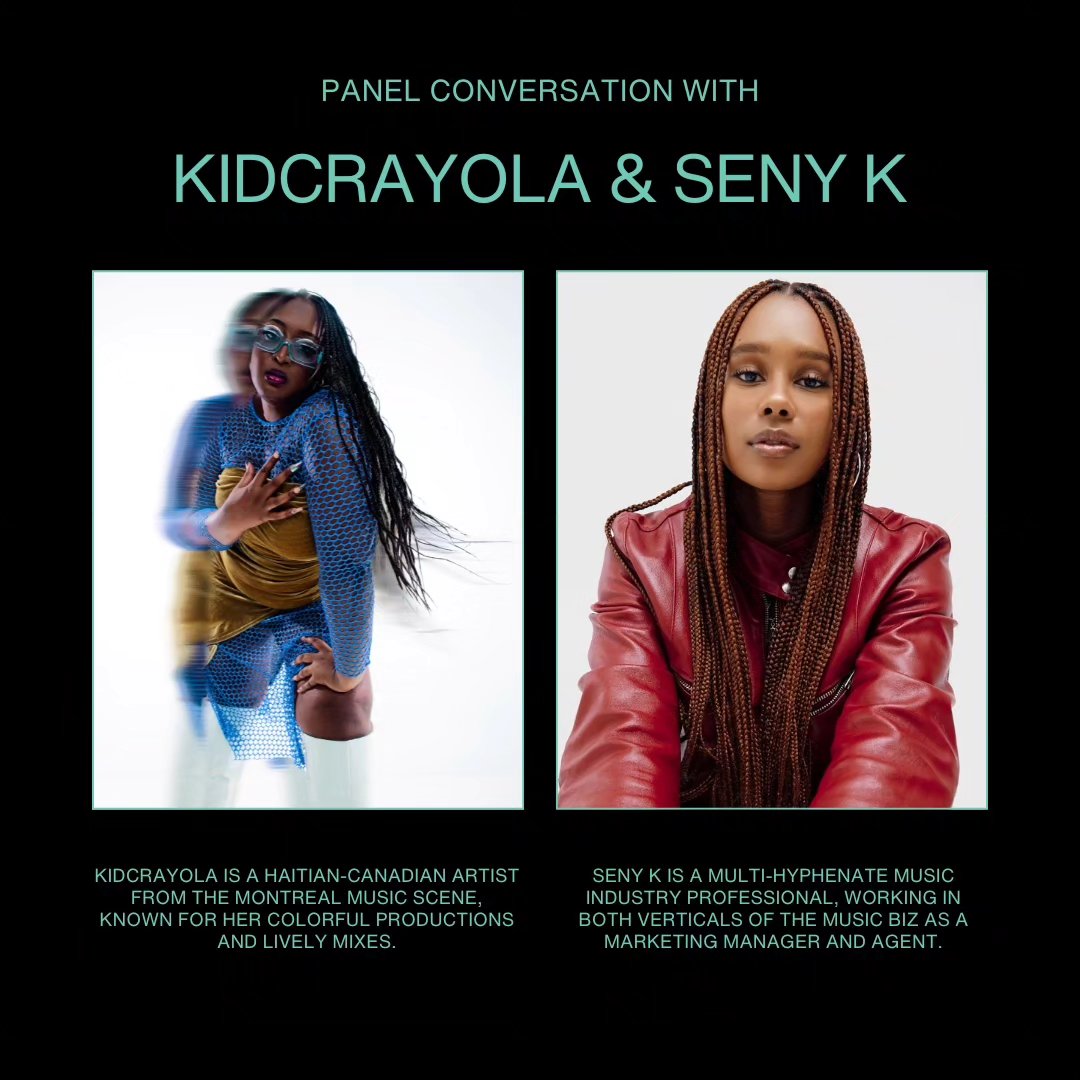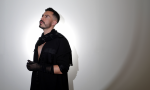


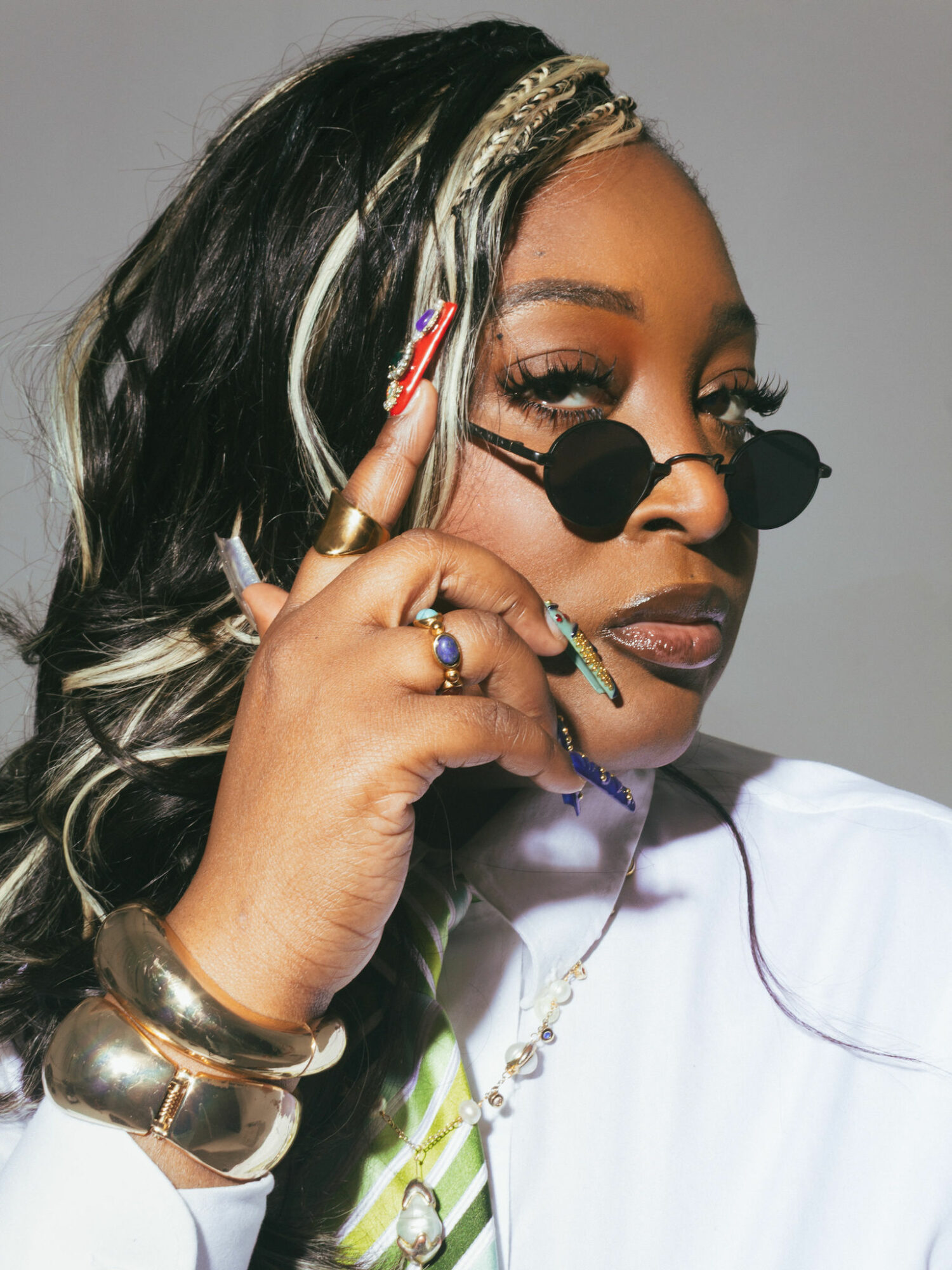
Today we’d like to introduce you to KidCrayola.
Hi KidCrayola, so excited to have you on the platform. So before we get into questions about your work-life, maybe you can bring our readers up to speed on your story and how you got to where you are today?
If I’m being honest, my story really starts with my voice and with always wanting to speak up for my community.
I’ve been in the public eye from a very young age. At four years old, I was already on stage with my brother, Don Karnage. Music was always around me. My uncle was part of a Haitian band, my dad played guitar and sang all the time, and I basically grew up in and out of studios. Between living in Canada and Haiti, music, culture, rhythm, and storytelling became part of who I was naturally.
But the first time I really used my own voice publicly was through YouTube. I started my YouTube channel, KidCrayola, and that’s really when people began discovering who I was. Around that same period, I also had a short chapter where I was making music with the R&B singer Shah Frank in a girl group. Even though it didn’t last forever, it was such an important creative experience for me.
After that, I slowly evolved into becoming more of a music curator and sound curator. Around 2018, I started creating playlists called “Music Mondays,” where every Monday I would share music discoveries, create playlists, and have people vote and engage with the music I was introducing them to. Those playlists are still available on Spotify, SoundCloud, and YouTube today. I stopped doing them after my brother passed away four years ago, but they were a huge part of my journey and of building a community through music before I even became a DJ.
What’s funny is that looking back now, there were signs my whole life that DJing was meant for me. In high school, students were allowed to play music during lunchtime, and when I started choosing the music, people got so hyped and danced so much that the school literally banned music during lunch. That probably should’ve been my first warning sign that I was going to become a DJ.
Eventually, my friends kept telling me, “Your music taste is too good, you need to DJ.” Even my godmother’s husband told me the same thing. One day, I decided to trust myself, save my money, and buy my first controller. I called one of my high school friends and told him, “I got a laptop and a controller. I’m finally going to learn how to DJ.” He told me he was proud of me… then immediately booked me for a gig three weeks later.
I told him, “I don’t even know how to DJ yet.” He basically said, “You’ll figure it out.”
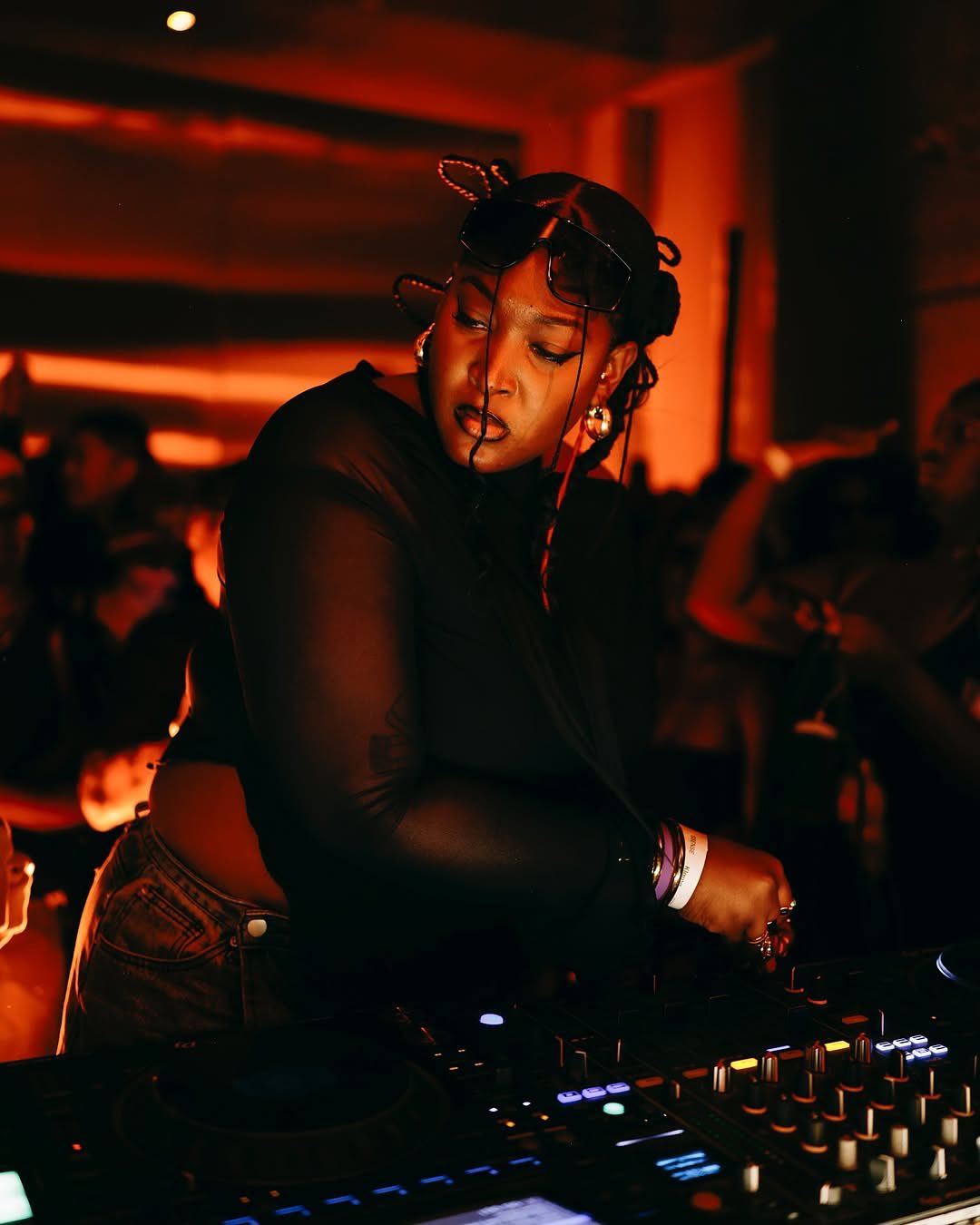
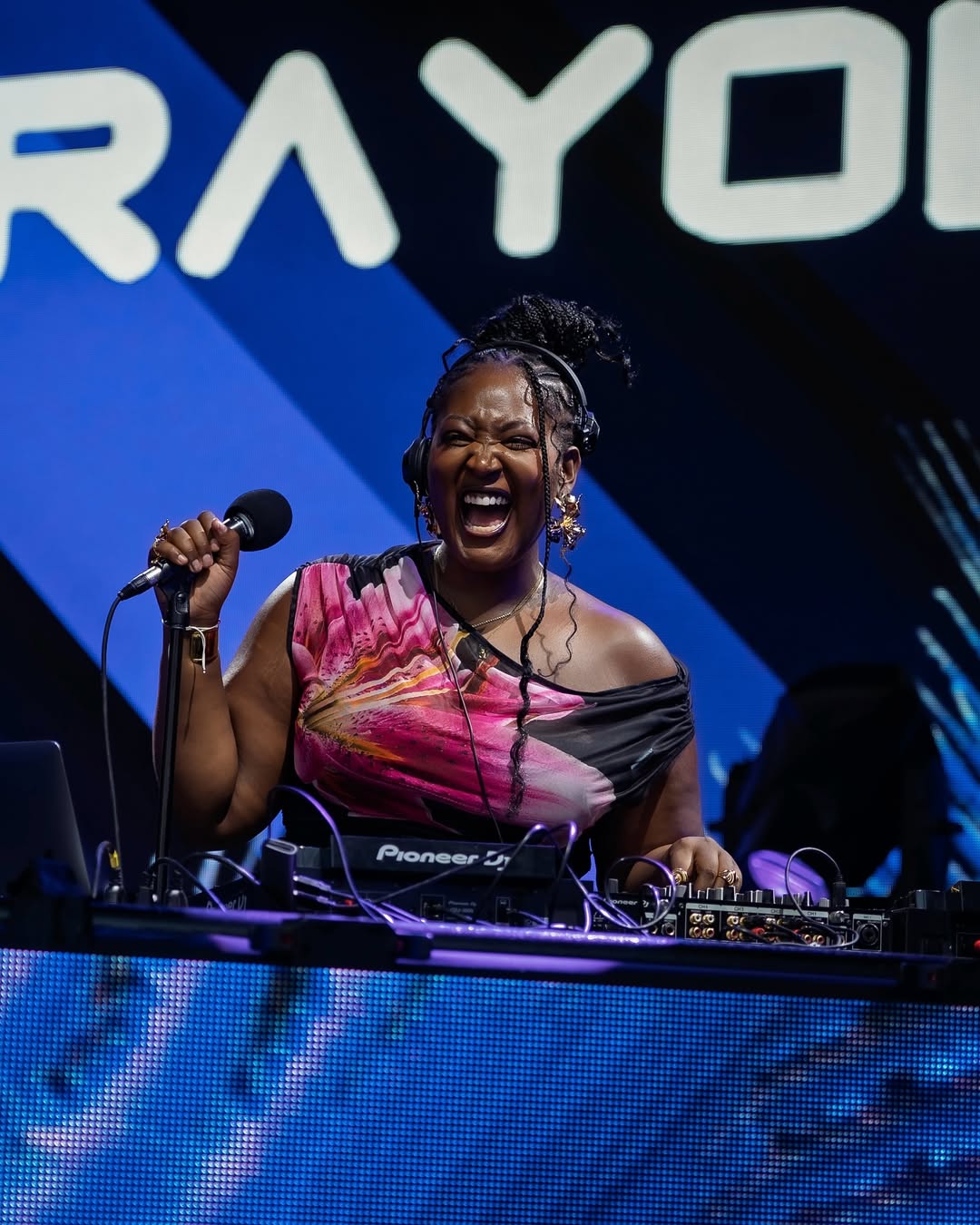
I officially started DJing on March 8th, 2019. That first gig happened at Blue Dog, which honestly feels legendary to me now because that venue became the birthplace of my DJ career. I wasn’t making much money at the time, but I was creating energy, community, and unforgettable moments. That’s where I truly fell in love with DJing.
Over time, though, I realized I didn’t just want to be “a DJ.” I wanted to build something bigger than myself something that represented the people around me, the diaspora, and the cultures that shaped me. That’s when I created Vibe Benders.
What a lot of people don’t know is that Vibe Benders was actually supposed to launch in 2020, before COVID happened. The pandemic forced me to postpone everything, and the movement officially came to life after COVID. In a way, that timing ended up making the mission even more meaningful because people were craving connection, freedom, culture, and community more than ever.
Today, whether it’s through DJing, storytelling, curation, or creating spaces for people to feel seen, my goal has always stayed the same: bringing people together through energy, culture, and music.
We all face challenges, but looking back would you describe it as a relatively smooth road?
Honestly, no, it definitely hasn’t been a smooth road.
When I was younger and making music, I was doing it mostly for fun and self-expression, while some of the people around me were taking it much more seriously. At the time, I didn’t fully know what I wanted yet. I was just a young female artist trying to figure herself out creatively.
Then when I transitioned into DJing, everything changed. I had to prove myself constantly. Nobody really knew who I was in that world yet, and while there were a few veteran female DJs in Montreal, women were still not very prominent or respected in the scene the way they should’ve been. The industry was extremely male-driven, and there was a lot of favoritism. On top of that, the pay was honestly terrible at times.
There were also moments where I had to deal with things that many women in entertainment unfortunately experience being underestimated, made uncomfortable, sexually harassed by promoters or people in nightlife environments, or having people try to take advantage of your kindness. Those experiences were difficult and definitely forced me to grow a thicker skin.
Another struggle is that in Montreal, a lot of artists and DJs undervalue themselves financially just to get opportunities, and unfortunately that affects everyone else in the culture who works hard and wants to be respected and paid fairly for their craft. So it becomes a constant battle of proving your value while also trying to protect the value of the culture itself.
And the reality is, especially in a city like Montreal, very few artists can truly survive only off their art. Most creatives are balancing multiple jobs, sacrifices, and responsibilities behind the scenes. When I realized that, I understood that I needed to create something bigger than just myself as a DJ. I wanted to build something that could not only elevate me, but also create opportunities for the people around me who contribute to the culture every day.
That’s a huge reason why I created Vibe Benders and the V.I.B.E. events which stands for “Visionary Individuals Behind Energy.” I wanted to create spaces that were truly “for us, by us.” Spaces where the culture is respected, where creatives are valued, where people feel safe, and where the community can genuinely connect.
I also can’t talk about struggles without talking about grief. Losing my brother took a massive toll on me emotionally. What’s wild is that it happened the same year Vibe Benders officially launched after COVID. From the outside, people saw me thriving, working nonstop, creating events, building momentum, and looking successful. But the truth is, I was burying myself in work because I was hurting deeply. I would smile in front of people, then go home and cry alone. I spent a lot of time isolated, trying to process that pain while still showing up for everybody else.
Grief also taught me difficult lessons about people. Sometimes loss reveals who truly cares about you and who doesn’t. A lot of masks fell around me during that period. I had to accept that not everybody had my best interests at heart, and that some people were only around for certain seasons. As painful as that realization was, it also made me stronger, wiser, and more intentional about the energy I allow around me.
One of my biggest dreams now is being able to access more funding and support so I can create even larger community-centered experiences while keeping them affordable and accessible. My end goal has always been bigger than parties or nightlife. I would love for Vibe Benders to eventually grow into a true community hub a place where people can connect, learn, create, and support one another. I think one of the biggest things missing in today’s world is a sense of real community.
But overall, I’d say the biggest struggles were people doubting me, not seeing my value right away, trying to underpay me, or making me feel like I had to constantly prove why I deserved to be there. Thankfully, through faith, resilience, and the support of a few genuine souls along the way, I’ve been able to keep moving forward.
Can you tell our readers more about what you do and what you think sets you apart from others?
I’m a multidisciplinary artist, but more than anything, I think my work is about creating emotion and creating moments. I create spaces where people can feel joy, freedom, nostalgia, healing, confidence whatever emotion the music needs to unlock in them.
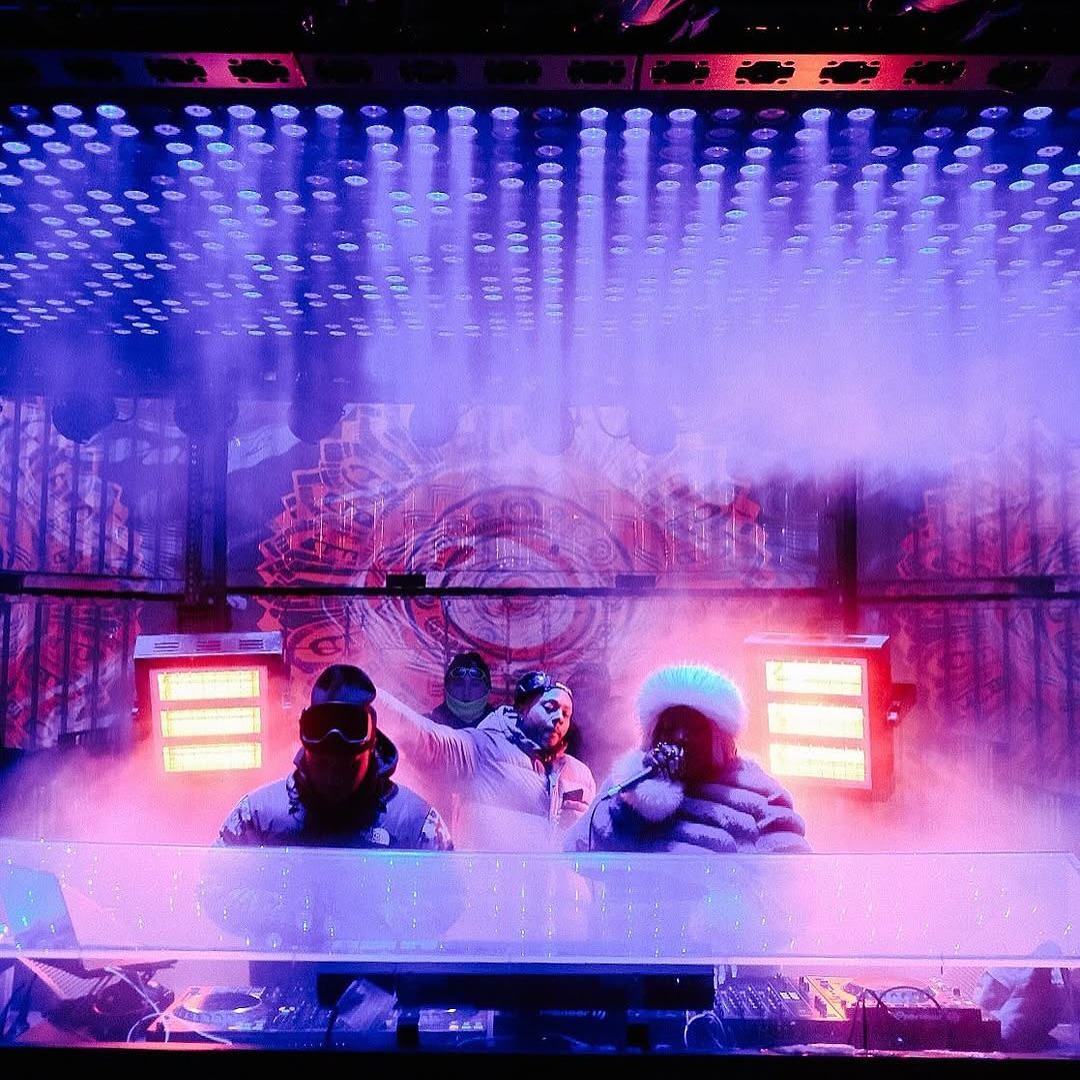
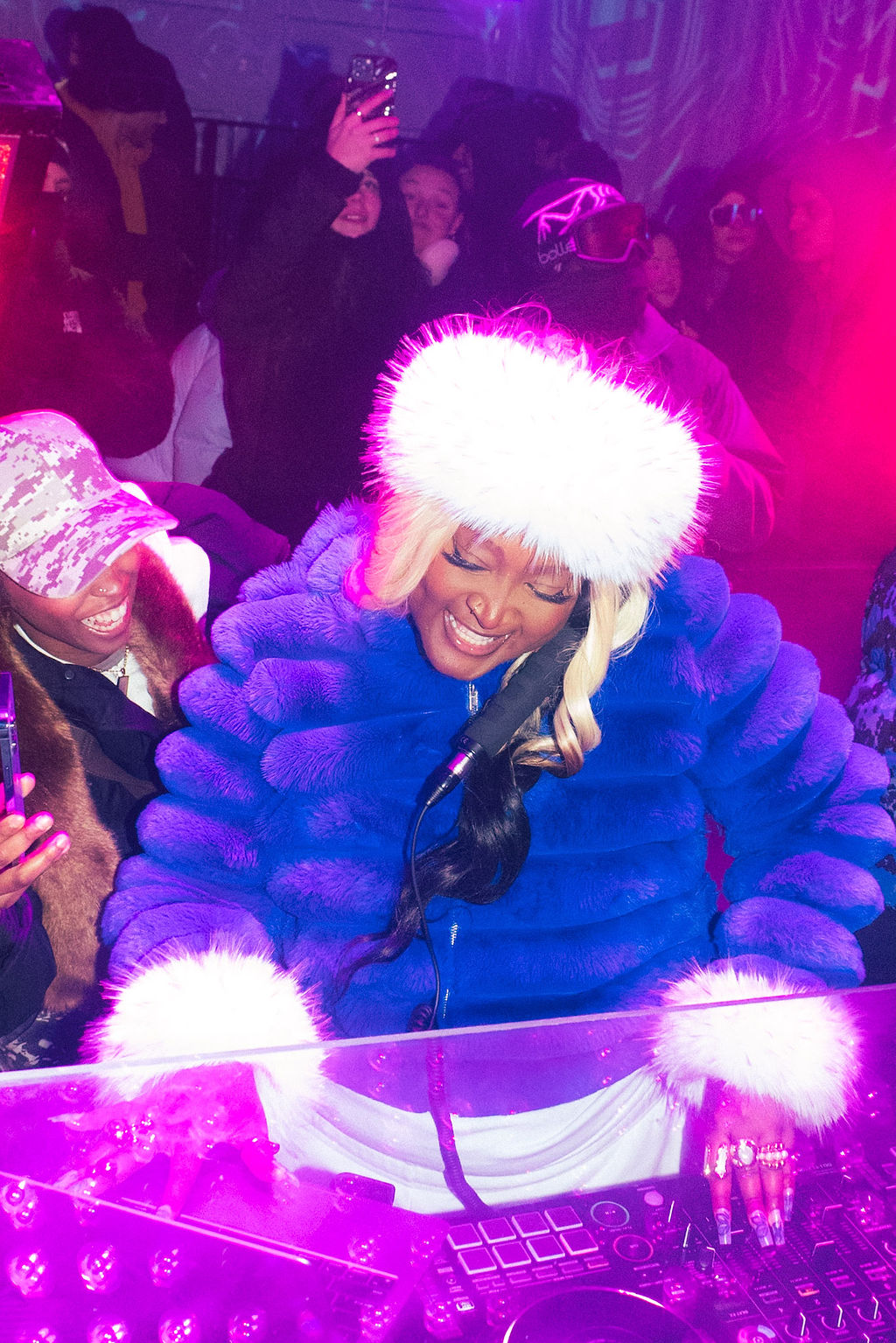
I specialize in music and cultural curation. Most people know me for my DJing and for being the original Vibe Bender. My sound is deeply rooted in Afro-Caribbean diasporic music. I mix everything from Afrobeats, Dancehall, Kompa, Amapiano, R&B, Soca, Hip-Hop, and more. I really pride myself on being able to blend sounds, cultures, and energies together in a way that feels natural and emotional rather than forced.
Right now, I’m also venturing more into songwriting and music production. One thing I’m especially passionate about is pushing sounds from my culture internationally, particularly Haitian genres and emerging sounds like Rara Tech. I think Haiti has so much musical innovation that deserves global visibility.
What I’m most proud of is honestly how far I’ve been able to go through resilience, faith, vision, and maybe a little bit of delusion too. I started DJing on March 8th, 2019, and since then I’ve had the opportunity to DJ across multiple provinces in Canada, as well as internationally in places like France and Switzerland. Last year was actually the first time I ever DJed outside of the country, and once I experienced that, I caught the itch immediately. It made me realize how much I want to continue expanding globally. I would love to DJ across Europe, throughout Africa, Asia, and honestly anywhere people are willing to connect through music. Music really is a universal language.
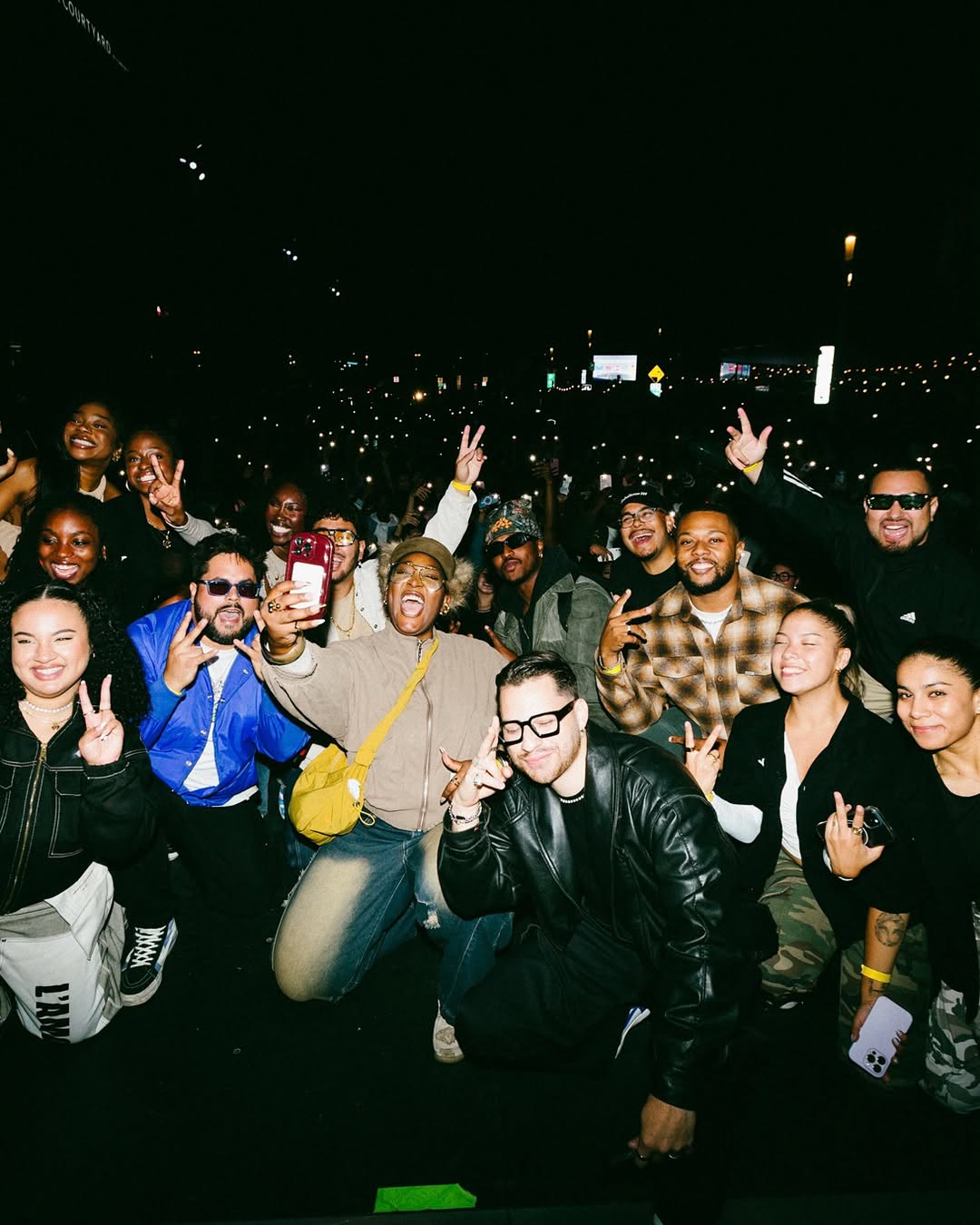
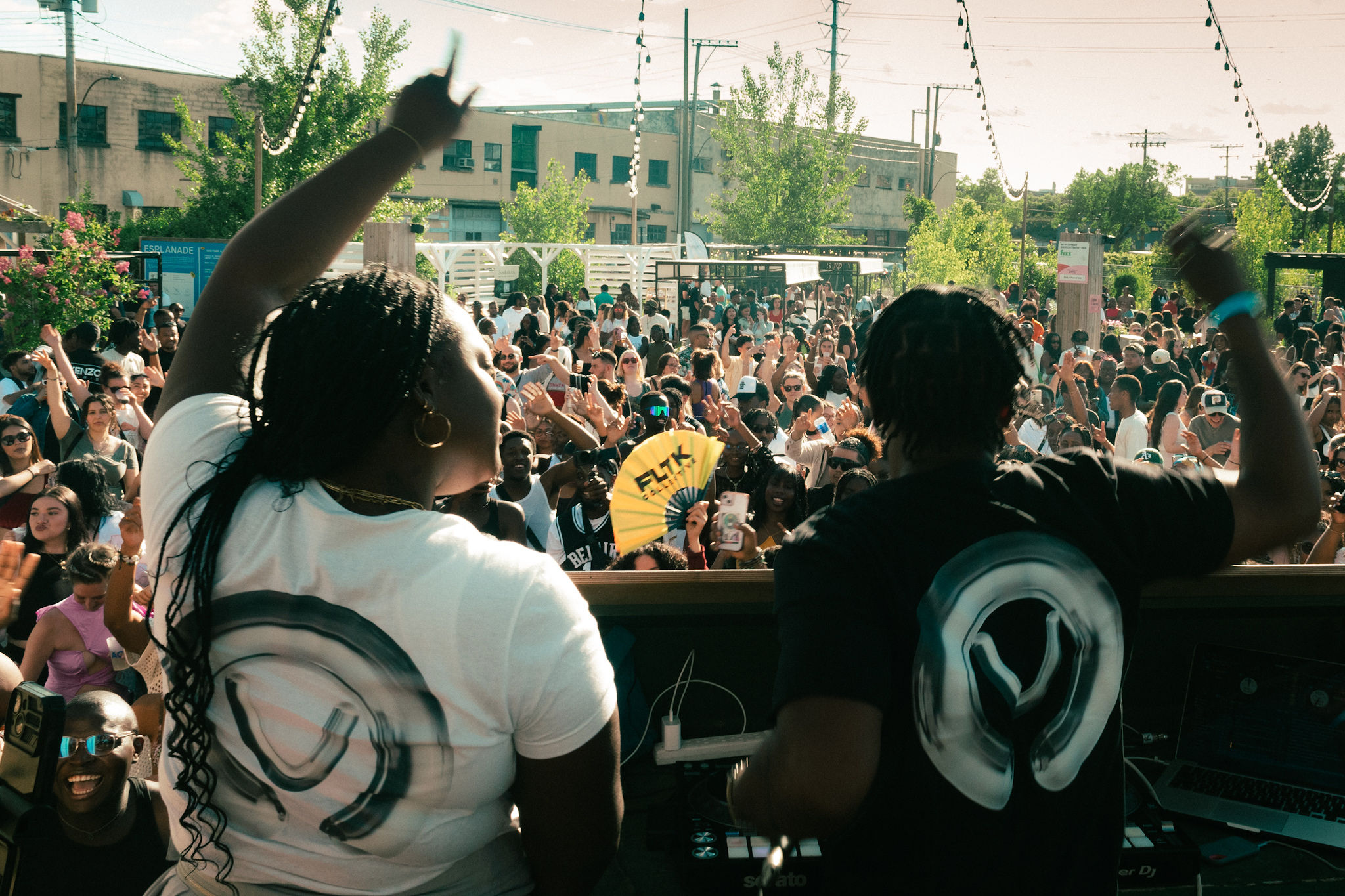
I’m also extremely proud of what Vibe Benders has become. At first, it was just an idea and a vision, but now it has evolved into a real movement. It’s no longer just about me. It’s about creating opportunities and visibility for other creatives around me too. Seeing people from my community thrive in spaces we once thought were inaccessible means everything to me. This year alone, we’re involved with major festivals and collaborations like the Montréal Jazz Festival, Francos de Montréal, and collaborations with Aire Commune, among many other projects that are still to come.
As for what sets me apart, I honestly think it’s my heart. I think it’s my willingness to constantly grow, experience ego deaths, reflect, and stay connected to people. I’ve never been someone who lives only for clout or validation. I genuinely love seeing other people shine. I don’t get intimidated by talented people I admire them. I think one of my strengths is creating environments where people feel empowered to take up space while also allowing myself to shine too.
I also think what sets me apart is that I’m not afraid to fail publicly. A lot of artists stop themselves because they want everything to look perfect before they start, but I’ve learned that the beauty of pursuing your dreams is actually in the journey itself. The mistakes, the lessons, the awkward stages, the growth that’s the most beautiful part. The destination is great, but the journey is what truly shapes you.
In terms of your work and the industry, what are some of the changes you are expecting to see over the next five to ten years?
Where do I see the industry going in the next 5 to 10 years? Honestly, I think we’re going to see a huge return to authenticity, community, and cultural roots.
For a while, especially with social media and fast consumption, a lot of the industry became very centered around virality, aesthetics, clout, and trends moving at lightning speed. Everything became very performative and algorithm-based. But I think people are starting to crave real experiences again. Real emotions. Real storytelling. Real connection.
I think audiences are becoming smarter too. People want to know where the music comes from. They want to understand the culture behind sounds, dances, genres, and movements instead of just consuming them on a surface level. So I definitely see more artists and DJs reconnecting with their roots and pushing sounds that are more intentional and culturally grounded.
I also think we’re going to continue seeing Afro-diasporic music grow globally in an even bigger way. We already saw the explosion of Afrobeats and Amapiano internationally, but I think this is only the beginning. I think more local and culturally specific sounds are going to emerge onto the world stage including sounds from Haiti, like Rara Tech and other experimental fusions coming from the Caribbean.
At the same time, I think the role of DJs is evolving too. DJs are no longer just “people who play music.” We’re becoming cultural curators, storytellers, experience builders, and community leaders. People don’t just come for songs anymore they come for energy, for identity, for connection, for a feeling.
I also think there’s going to be a stronger push for safer and more intentional nightlife spaces. People are becoming more aware of mental health, inclusivity, consent, and community care, especially after the pandemic. I think nightlife and music spaces will slowly become less about just partying and more about meaningful experiences and belonging.
Technology and AI are obviously going to change a lot too, especially in music production and content creation. But honestly, I think that’s going to make human emotion even more valuable. The artists who will stand out are the ones who have a real story, real heart, and real purpose behind what they create.
At the end of the day, I think the future belongs to artists who are willing to stay authentic, evolve, and build genuine communities around their art instead of just chasing visibility.
Contact Info:
- Website: https://www.vibebenders.com/
- Instagram: https://www.instagram.com/kidcrayola/
- Facebook: https://www.facebook.com/KidCrayolaTBKz
- Youtube: http://youtube.com/c/KidCrayola/
- Soundcloud: https://soundcloud.com/kidcrayola
- Other: https://new.express.adobe.com/webpage/ZbSgzr9qo6BJI