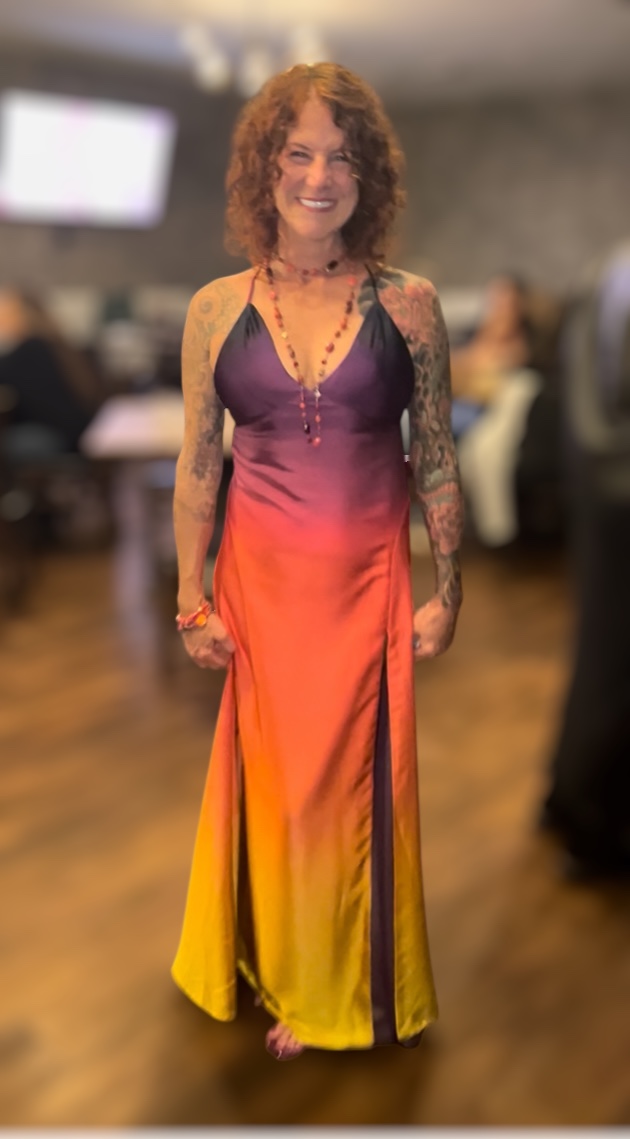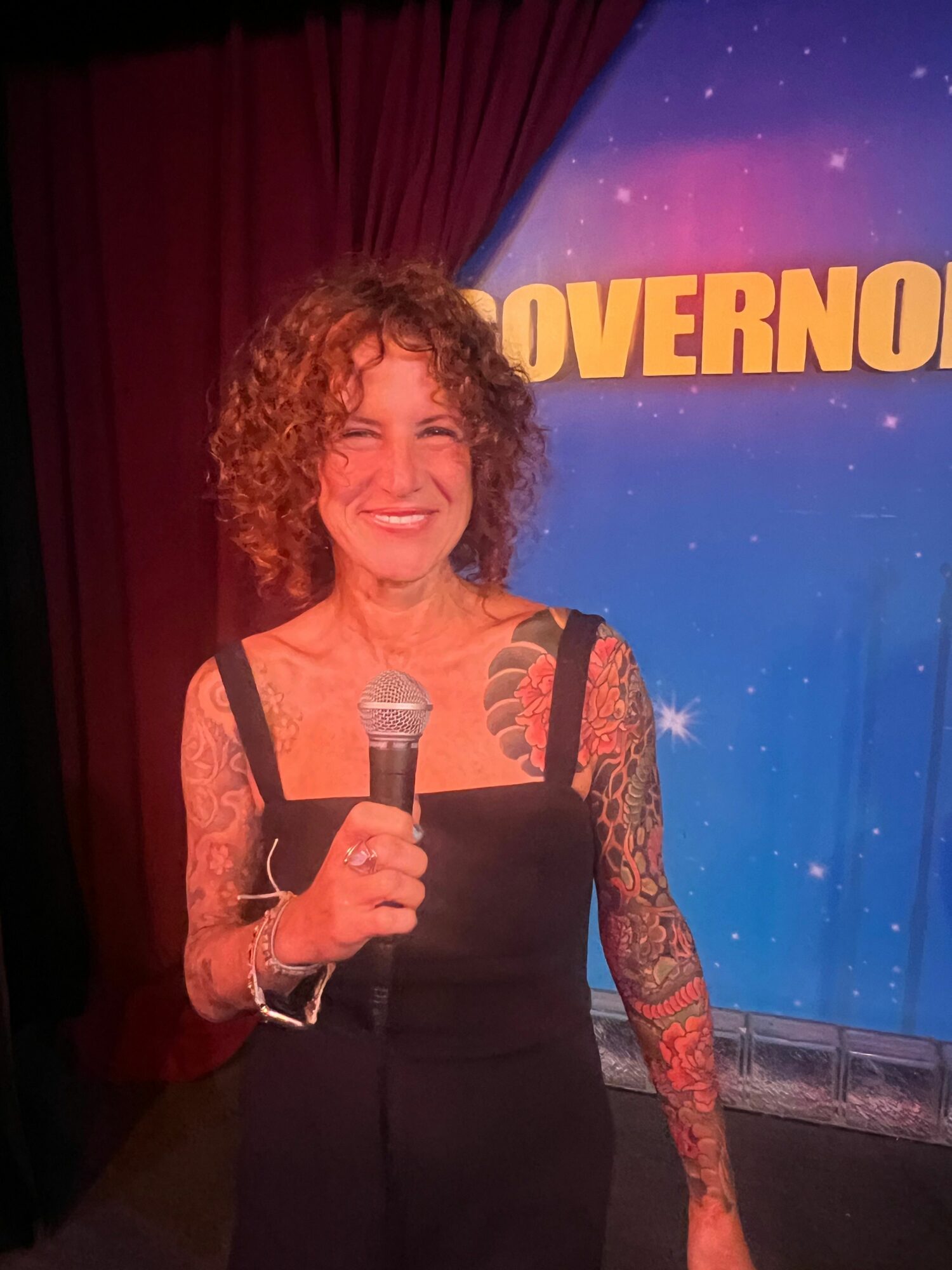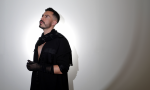


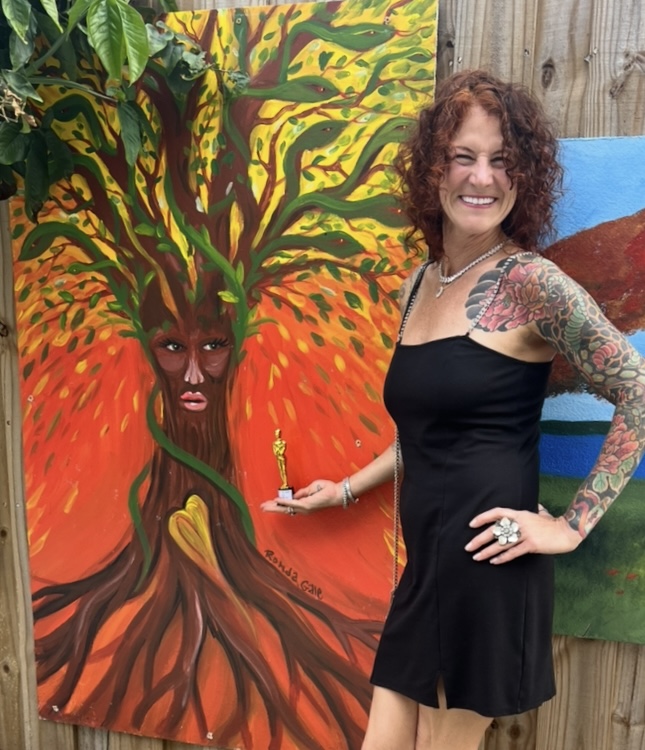
Today we’d like to introduce you to Ronda Gale.
Alright, so thank you so much for sharing your story and insight with our readers. To kick things off, can you tell us a bit about how you got started?
I’ve been creating art for as long as I can remember. I grew up in New York and studied Illustration at FIT, later studying painting in Florence, Italy, before traveling throughout Europe tattooing. While in college, I worked for Temptu designing temporary tattoos for film and editorial work, including Robert De Niro’s tattoos for Cape Fear. That experience pulled me into the tattoo world right as tattooing was still underground in NYC.
I began tattooing in the early ’90s and spent years working throughout New York and Europe alongside legendary artists and shops during a time when tattoo culture was far less accepted than it is today. Over the last 30+ years, I’ve tattooed high-profile clients across music, film, and entertainment, worked conventions internationally, painted murals, created fine art, and built a career rooted equally in art, experience, and creative evolution.
After experiencing profound personal loss and rebuilding my life in 2017–2018, my work began shifting in a different direction creatively and personally. In 2021, shortly before losing my studio and artwork in a fire, I created Hell Her®, a brand and philosophy centered around turning adversity into elevation. The fire ultimately became the moment that pushed me to fully step into that vision, and that mindset continues to shape the work I create today.
My focus has since expanded further into fine art, gallery work, professional insight for artists, and developing larger concepts around tattoo education, media, and creative culture. I’ve also reconnected with longtime interests in performance, comedy, and storytelling, which have always influenced the way I communicate and create.
Recently, surviving a severe boating accident that fractured my neck and shattered my right arm forced me into yet another period of rebuilding and reflection. In many ways, it pushed me even further toward creating work with greater meaning and purpose. Surviving it also deepened my sense that the people we lose never fully leave us, and that their presence continues shaping who we become.
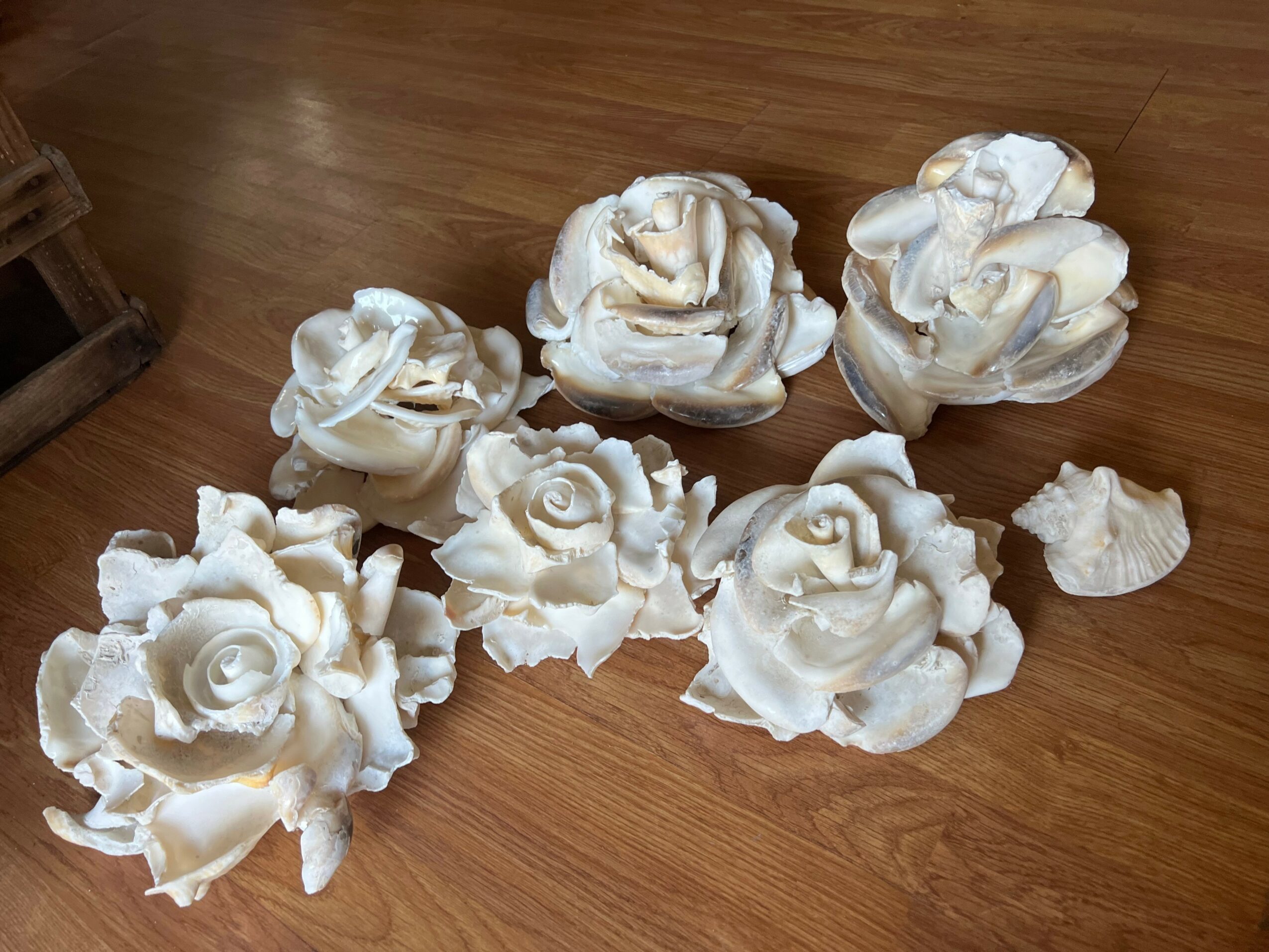
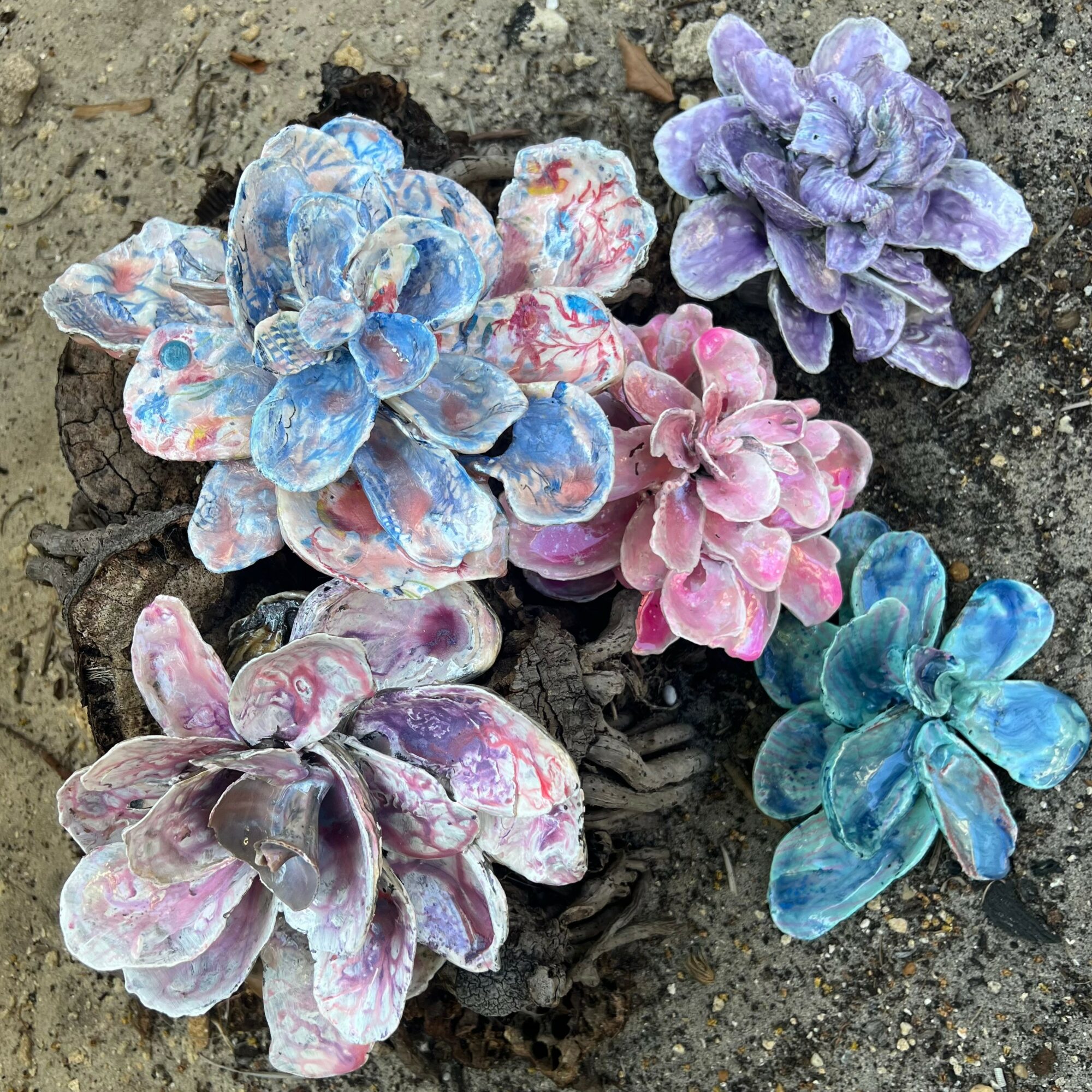
I now live in South Florida, where I continue painting and developing sculptural work inspired by transformation, reconstruction, and the idea of reshaping what’s been broken into something new.
At this point in my life and career, I’m focused on creating meaningful work across multiple mediums, continuing to evolve as both an artist and a person, and helping others do the same in their own way.
We all face challenges, but looking back would you describe it as a relatively smooth road?
Between 2017 and 2018, I lost most of my immediate family, including my mother, father, two brothers, and my best friend, while also going through the end of my marriage. Those losses left me with only one immediate family member, my brother. During that time, I was constantly traveling between New York and Florida trying to hold everything together while rebuilding my life.
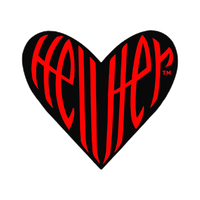
Not long after, I created Hell Her®, which became rooted in the idea of transformation, turning adversity into elevation. Shortly after creating it, I lost my studio, artwork, equipment, and years of collections in a devastating fire. Oddly enough, the only painting that survived was the Hell Her flaming heart logo, which felt symbolic of the direction I was supposed to move in.
More recently, I survived a serious boating accident that changed my life physically and emotionally, and ultimately forced me to completely shift my career path. As difficult as those experiences were, they deeply shaped my work, my perspective, and the way I connect with people through art.
Thanks – so what else should our readers know about your work and what you’re currently focused on?
I’m probably best known for my career in tattooing and the range of people and projects I’ve worked with throughout the years. I’ve tattooed high-profile clients across music, film, and entertainment, including Rod Stewart, Tim Roth, Sarah Michelle Gellar, David Blaine, and members of bands like Machine Head and Biohazard, along with many legendary NYHC bands. Earlier in my career, I also designed Robert De Niro’s tattoos for the film Cape Fear while working for Temptu.
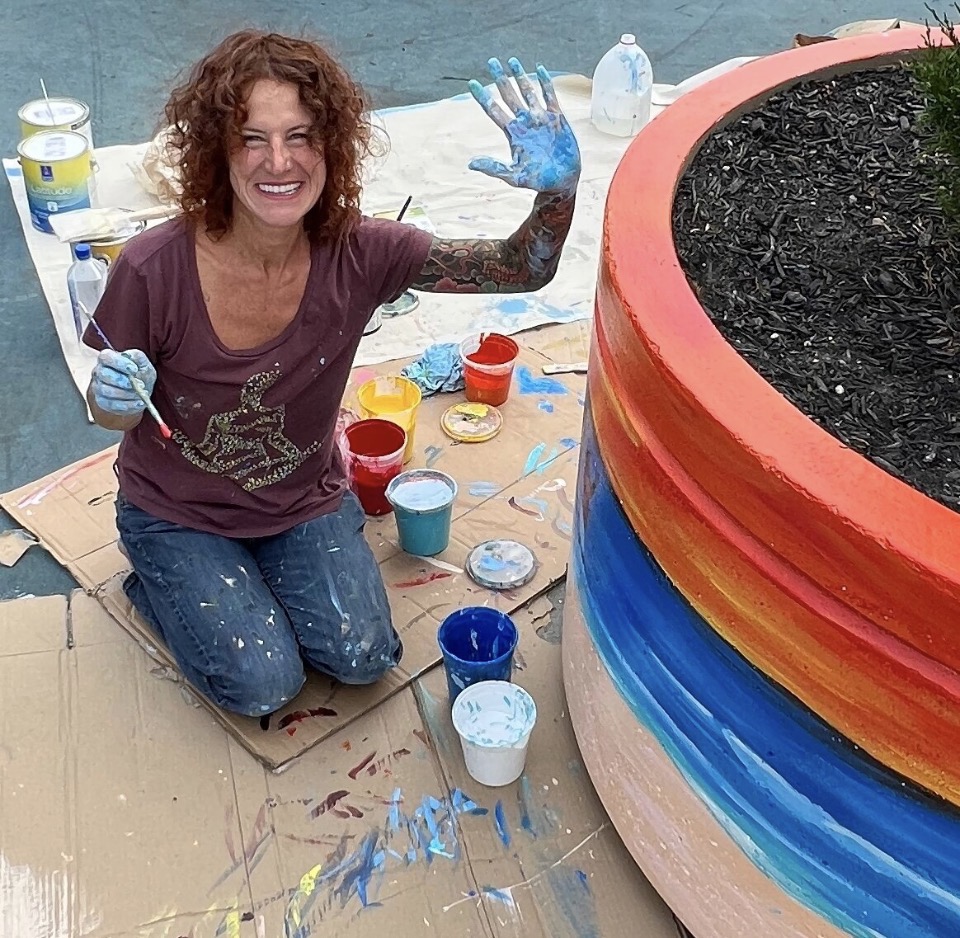
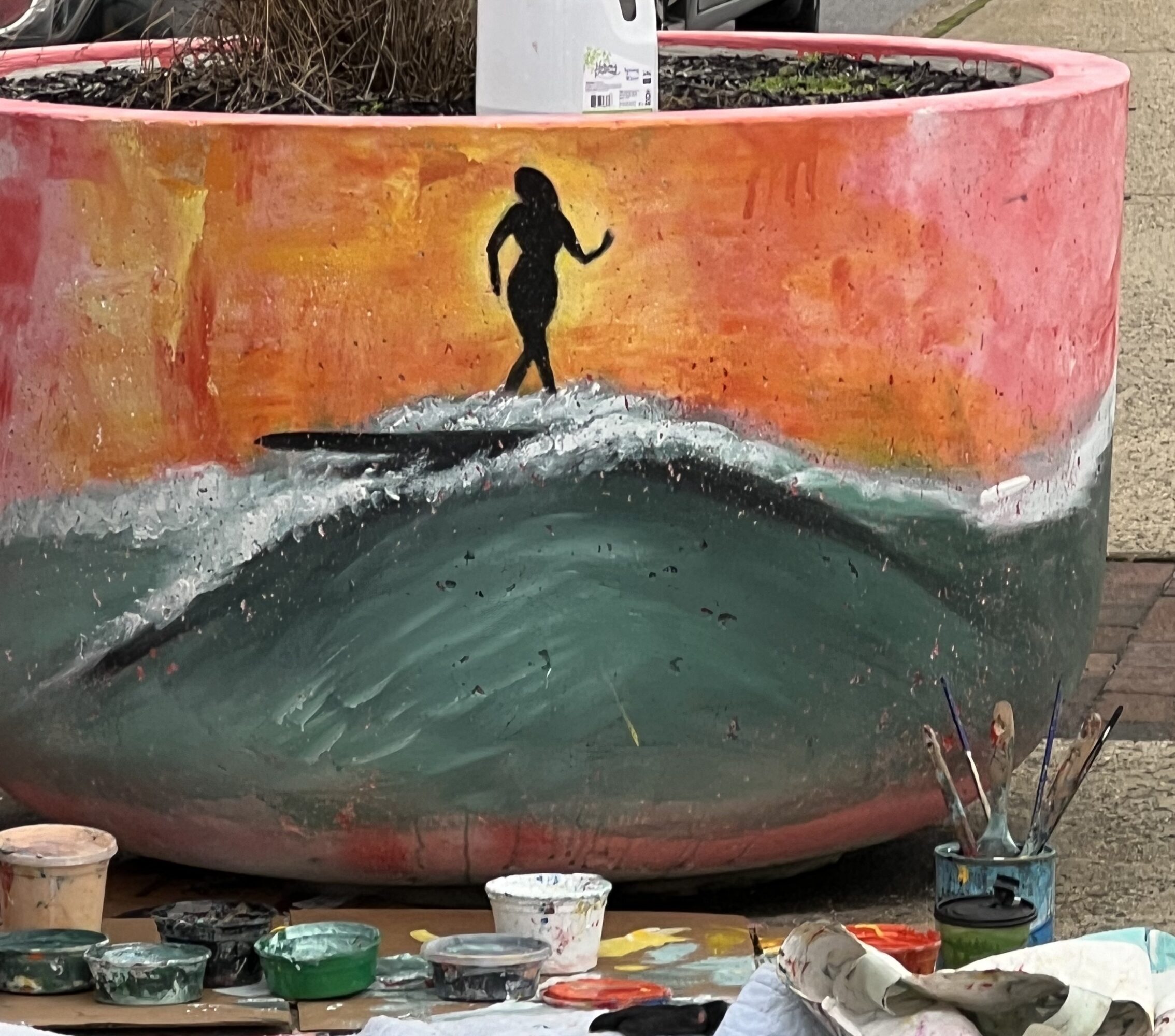
What I’m most proud of is building a career that crossed so many different creative worlds authentically. From underground tattoo culture to fine art, I’ve created public murals and beautification projects throughout my hometown of Long Beach, New York, received awards including Woman of the Arts, and exhibited and won awards in galleries and museum shows. More recently, I’ve expanded into sculptural work using broken shells and ocean materials, continuing my focus on transformation and rebuilding through art.
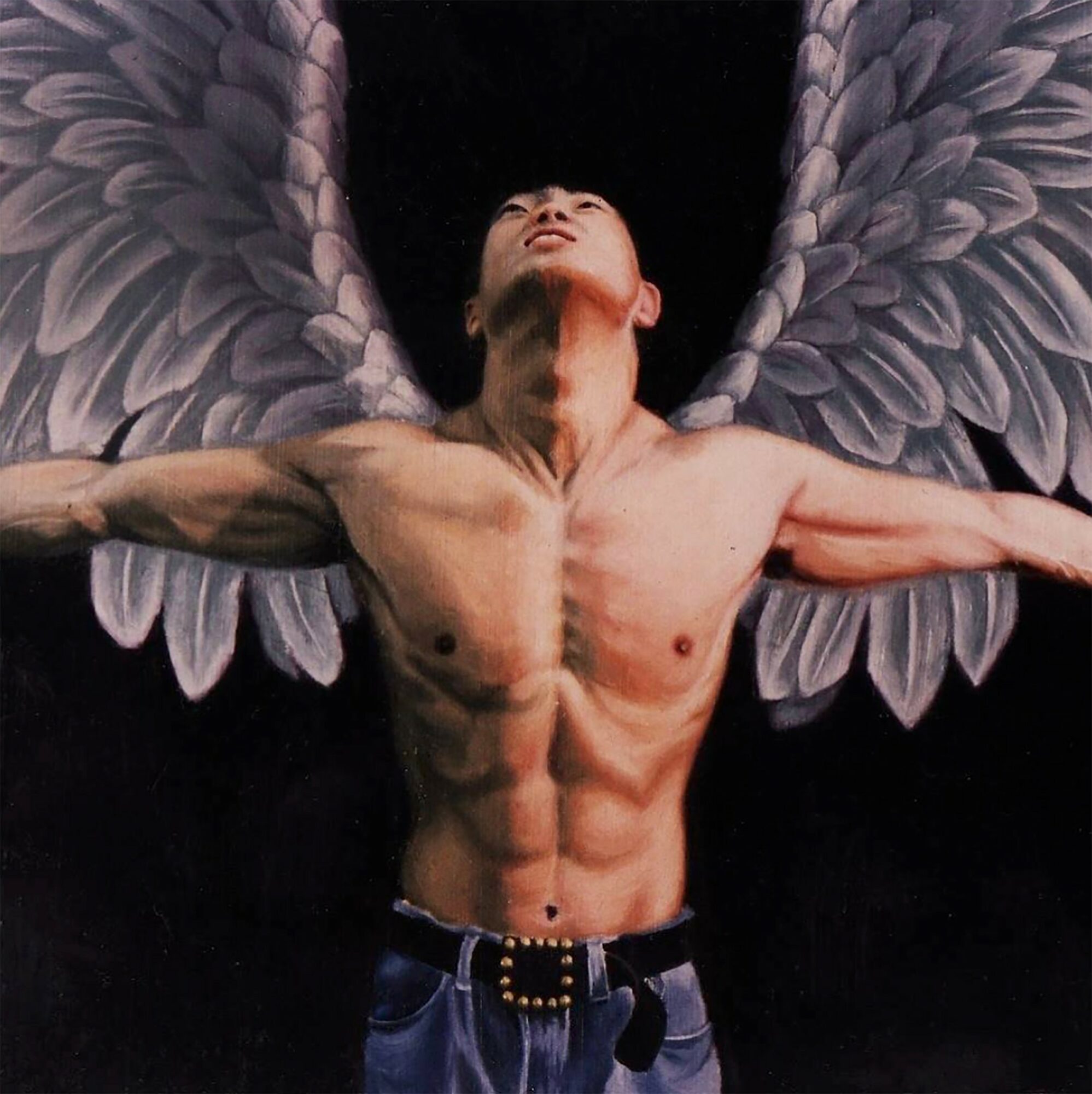
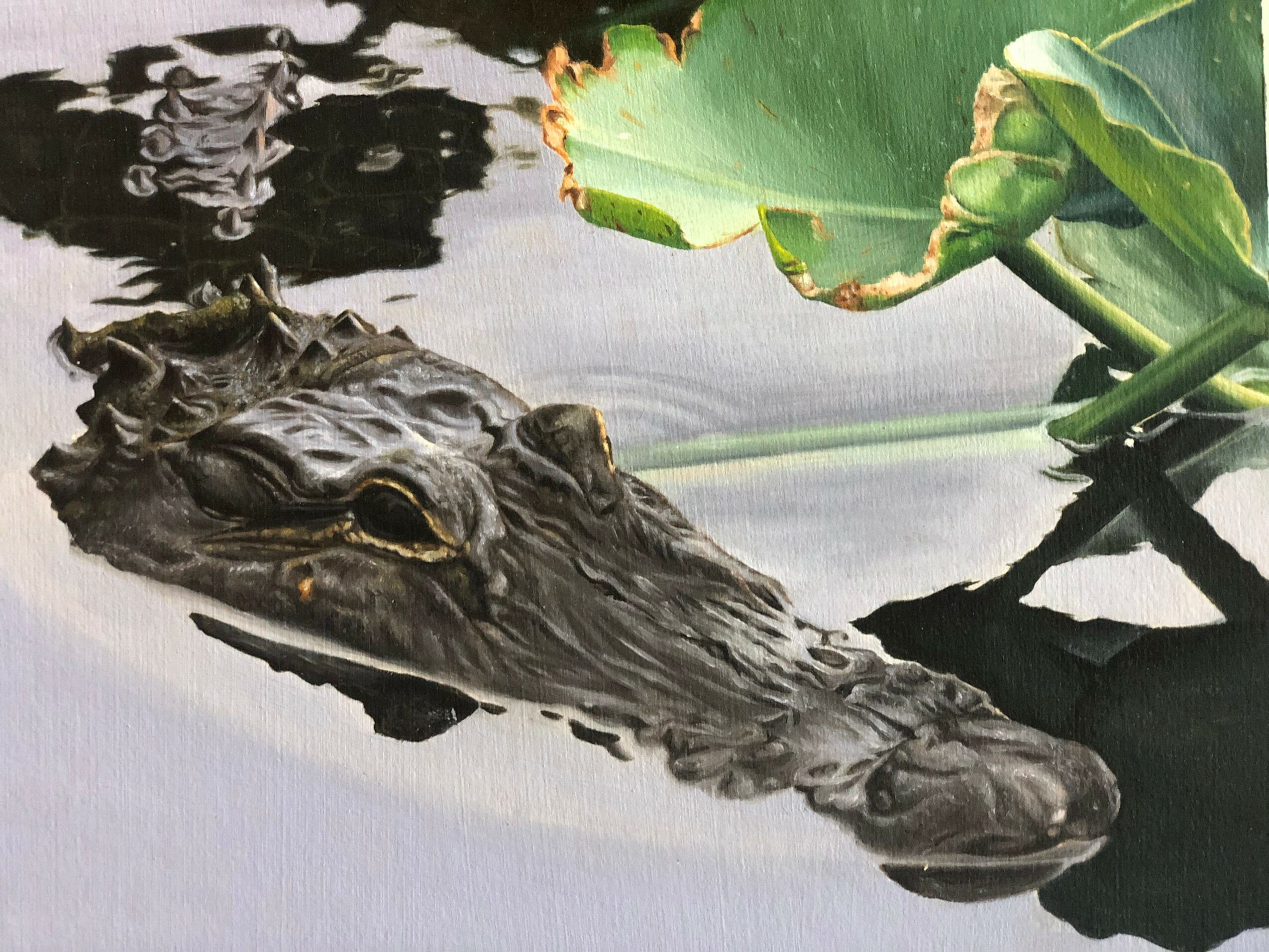
Across all of my work, whether it’s tattooing, painting, murals, or sculpture, I focus heavily on movement, flow, and working with the body, space, or surface the piece lives on. Ultimately, the most meaningful part is hearing that something I created transformed someone’s world in some way.
In terms of your work and the industry, what are some of the changes you are expecting to see over the next five to ten years?
I think both the tattoo and art worlds are going through a major evolution, but the artists who adapt, evolve, and keep a strong personal voice will continue to stand out.
Tattooing has changed tremendously from when I started. It used to be a much smaller, underground culture built around apprenticeship, experience, and earning your place. Now it’s become far more mainstream and commercialized. Social media, sponsorships, and instant visibility changed the landscape completely, and now almost every kid with an iPad wants to tattoo. There’s a lot more accessibility, but less foundation behind it.
At the same time, I think clients are becoming more educated and selective.
The fine art world is shifting too, especially with AI entering creative spaces. I don’t think AI replaces real artists, but I do think the artists who learn how to use it as a tool instead of fighting it will have an advantage. From AI to 3D printing, technology is making creativity faster and more accessible than ever before, but it still can’t replace lived experience, intuition, or personal vision.
For me personally, the fire and later the boating accident pushed me toward a new creative phase. While I’ll always be an artist, I’m moving more into professional insight, mentorship, writing, speaking, and media projects like my book and television concepts. After 30+ years in the industry, I’ve realized experience itself has value, especially when it comes to helping younger artists navigate their own path.
Pricing:
- Select commissions, collaborations, and speaking opportunities available upon request.
- Fine art, murals, and custom projects priced case-by-case
Contact Info:
- Website: https://Hellher.com
- Instagram: https://www.instagram.com/hellherink
- Facebook: https://www.facebook.com/share/1CaFowSdnf/?mibextid=wwXIfr