




Today we’d like to introduce you to Ruben Peralta Rigaud.
Hi Ruben, can you start by introducing yourself? We’d love to learn more about how you got to where you are today?
I’ve always lived between two worlds: medicine and cinema. Professionally, I’m a physician, but for the past two decades, I’ve also built a career as a film critic, journalist, and interviewer through my platform Cocalecas. What started as a pure obsession with movies slowly turned into something much bigger. I was the kid who didn’t just watch films, I wanted to understand why they made people feel the way they did.
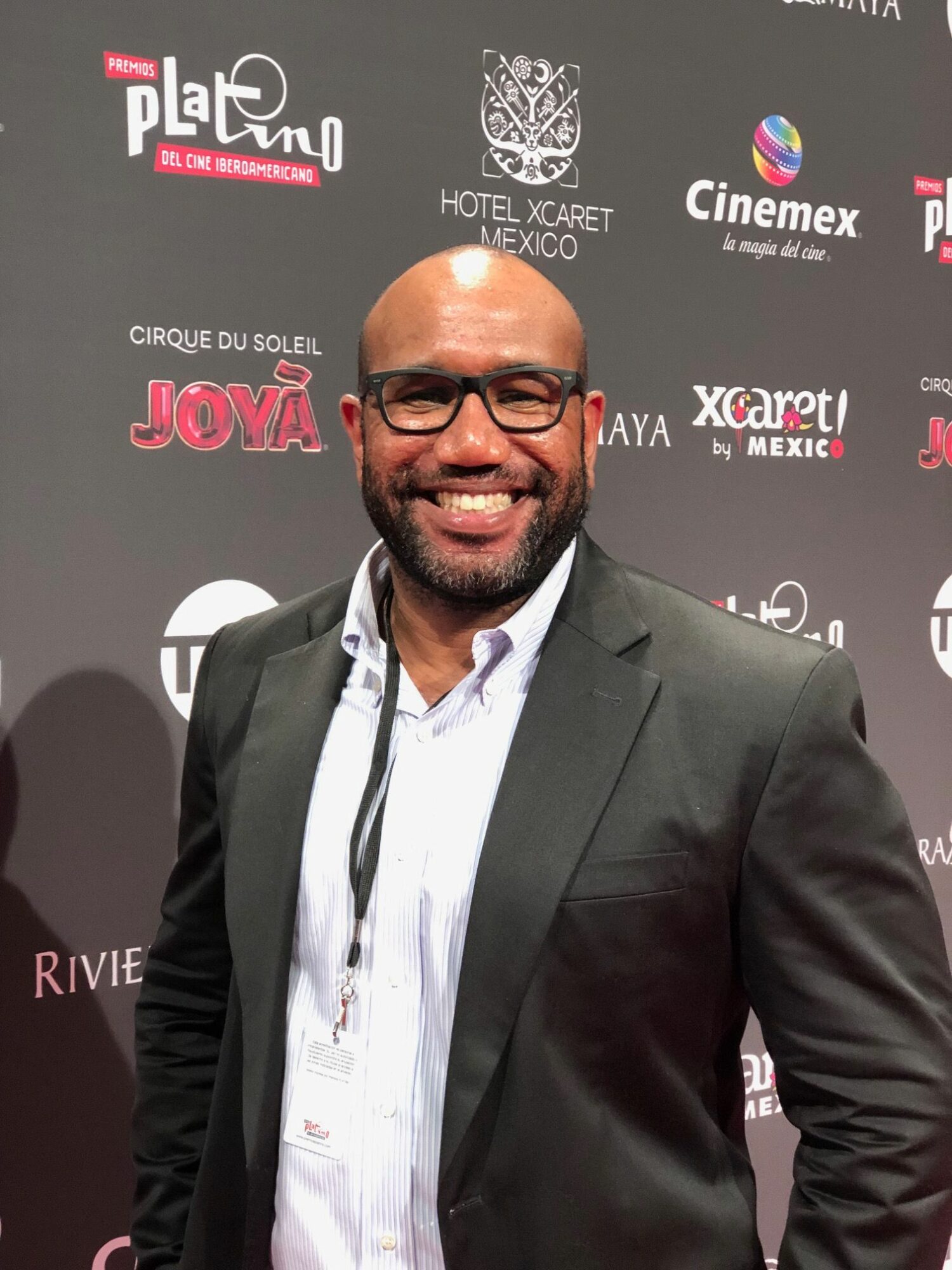
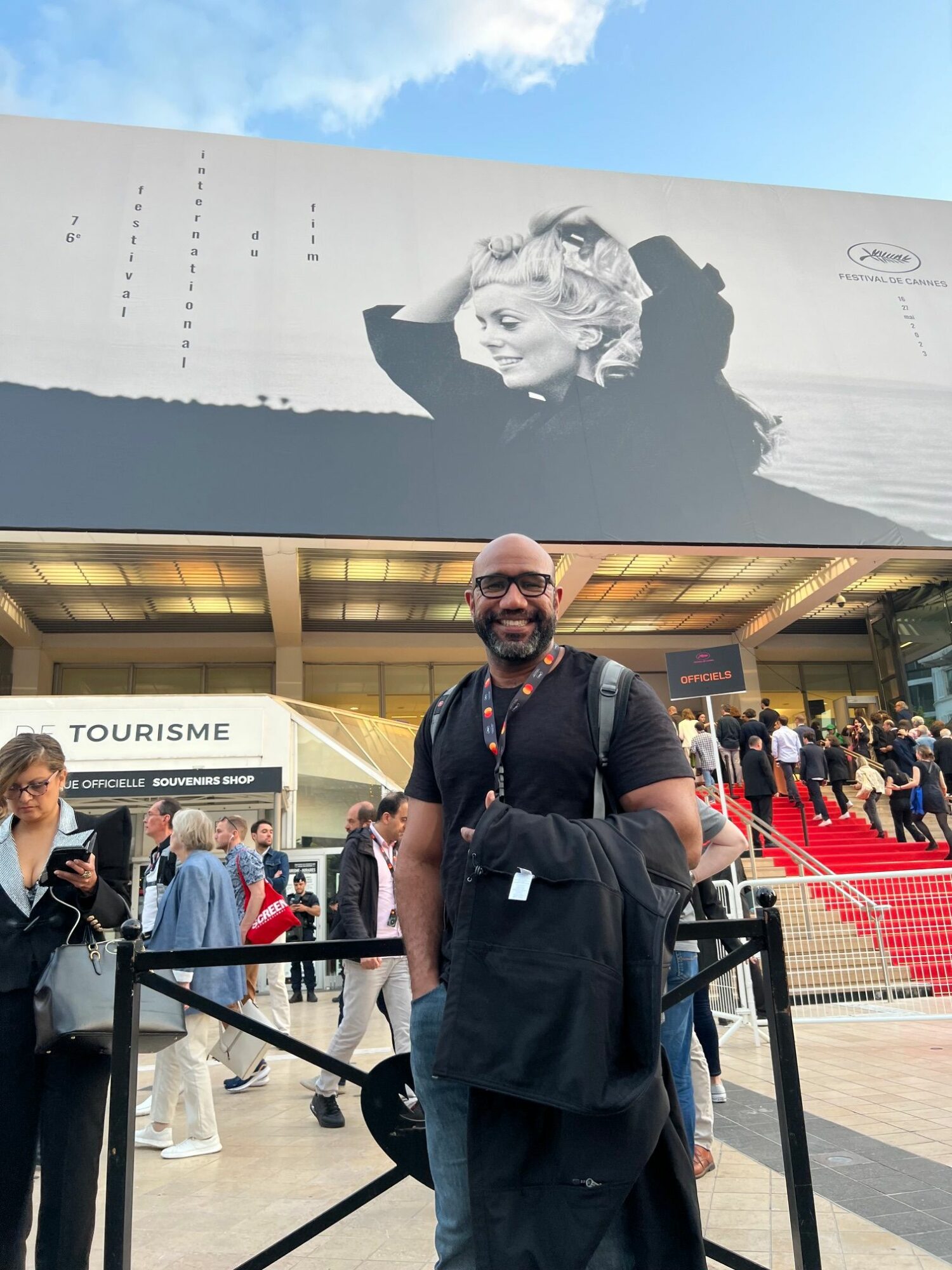
Over the years, that passion evolved into writing criticism, covering festivals, interviewing filmmakers and actors, and building relationships within the film industry. I’ve had the chance to cover major premieres, attend international festivals, serve on juries for events like the Platino Awards, and become part of organizations like FIPRESCI, AAFCA, and the Golden Globe Awards voting body through the HFPA. Somewhere along the way, the little project I started out of love for cinema became a recognized media platform with a growing audience across YouTube, Instagram, and digital journalism.
What’s funny is that none of it was really “planned” in the traditional sense. I never woke up one day thinking, “I’m going to interview actors for a living.” It happened because I kept showing up consistently, writing, traveling, watching films obsessively, and treating every interview like a real conversation instead of a press junket checkbox. I think people connected with that authenticity.
Being based in Miami also helped shape my perspective. It gave me access to both Hollywood and Latin American cinema, which became a huge part of my identity as a critic. I’ve always wanted to bridge those worlds and spotlight stories that deserve attention, whether it’s a massive studio production or a small independent film from a first-time filmmaker.
At the core of everything, though, I still feel like the same movie nerd who just genuinely loves cinema. The platform grew, the opportunities became bigger, but the excitement of sitting down with a director or discovering a great film honestly hasn’t changed. That’s probably the best part of the journey.
Alright, so let’s dig a little deeper into the story – has it been an easy path overall and if not, what were the challenges you’ve had to overcome?
Not at all. From the outside, people sometimes only see the premieres, interviews, festivals, or the glamorous side of the industry. Still, there’s a lot that happens behind the scenes that nobody talks about. Building something independently is exhausting at times, especially in media and journalism, where consistency matters more than almost anything else.
One of the biggest challenges was balancing two completely different careers. Medicine demands discipline, structure, and years of sacrifice. Film criticism and journalism demand creativity, networking, constant travel, and emotional presence. There were periods where I was barely sleeping because I was studying, working, writing reviews late at night, editing interviews, and trying to grow a platform at the same time. It sometimes felt like I was living two full lives simultaneously.
Another huge challenge was moving to the United States 11 years ago and basically starting from zero again. Back then, I was writing only in Spanish, which immediately limited access to certain spaces and opportunities in the entertainment industry. I had to rebuild contacts, adapt to a new country, understand how the American media system worked, and slowly earn credibility in a completely different environment. There’s a loneliness that comes with starting over that people don’t really talk about enough. You leave behind familiarity, connections, and comfort, and suddenly you’re trying to prove yourself all over again.
There were many ignored emails, rejections, festivals saying no, studios not responding, or moments where I genuinely questioned whether all the effort was worth it. The entertainment industry can be incredibly closed off until suddenly it isn’t.
Financially, there were sacrifices too. A lot of people think media coverage is glamorous, but independent film journalism often means investing your own money into travel, equipment, websites, editing, and content before seeing any return. There were definitely moments where I had to bet on myself without any guarantee that it would pay off. My bank account and my camera equipment were having their own separate horror movie at one point.
At the same time, those struggles shaped the way I approach interviews and criticism today. They made me more grounded and more appreciative of every opportunity. They also taught me resilience. In journalism, especially today, you hear “no” constantly. Sometimes you hear silence even more than “no.” You learn not to take it personally and just keep moving.
Ironically, some of the hardest moments became the most valuable. They forced me to find my own voice instead of trying to imitate what everyone else in entertainment media was doing. I stopped chasing the idea of looking “important” and focused more on having meaningful conversations about cinema. That shift changed everything for me.
Thanks – so what else should our readers know about your work and what you’re currently focused on?
I work as a film critic, entertainment journalist, and interviewer through my platform Cocalecas, where I cover everything from major Hollywood productions to independent and international cinema. A big part of my work involves interviewing actors, directors, writers, and filmmakers, but I also write criticism, essays, festival coverage, and cultural commentary. Over time, the project expanded into YouTube, social media, and digital journalism, which allowed me to connect with a much broader audience.
I think what I specialize in most is conversation-driven film journalism. I’ve never been interested in interviews that feel robotic or overly promotional. I try to approach filmmakers as artists and human beings first, which usually leads to more honest and thoughtful conversations. I’m especially drawn to cinema that says something about identity, culture, memory, or human behavior, so my work often leans into those deeper discussions instead of just “tell me about your character” type questions.
I’m also known for bridging different cinematic worlds. Being based in Miami and coming from a Dominican and Latin American perspective gave me a unique position between Hollywood and international cinema. I’ve always wanted to spotlight Latin American filmmakers while also engaging with mainstream global film culture. That balance became part of my identity as a critic.
What I’m most proud of, honestly, is building everything independently and seeing it grow organically over the years. There was no big company behind me, no traditional media machine, no shortcuts. Just consistency, passion, and a lot of persistence. To go from starting over in a new country, writing only in Spanish, to eventually interviewing major talent, serving on festival juries, becoming part of organizations like FIPRESCI, and participating as a voter for the Golden Globe Awards still feels surreal sometimes.
I’m also very proud of maintaining my own voice. In entertainment journalism, it’s easy to fall into trends or become overly manufactured. I’ve tried to keep things personal, curious, and authentic. I think audiences can sense when somebody genuinely loves cinema versus when they’re just chasing access or celebrity culture.
What probably sets me apart the most is that unusual combination of medicine and film criticism. I think being a physician shaped the way I observe people, listen, and communicate. Medicine teaches empathy, attention to detail, and patience, and surprisingly, those skills translate incredibly well into interviews and criticism. At the same time, cinema gave me a creative outlet and a way to connect emotionally with people across cultures.
At the end of the day, I still see myself as someone who simply loves movies and loves talking about them. Everything else grew from that obsession.
Networking and finding a mentor can have such a positive impact on one’s life and career. Any advice?
I think one of the biggest misconceptions about networking is that people imagine it as constantly “selling yourself” or trying to impress everyone in the room. In my experience, the best networking happens naturally through genuine curiosity, consistency, and relationships built over time.
For me, what worked best was showing up repeatedly and doing the work seriously, even before there were major opportunities attached to it. A lot of relationships in the film industry started because someone noticed I was consistently writing, covering festivals, asking thoughtful questions, or supporting cinema in a real way. People remember authenticity much more than perfectly polished self promotion.
I also learned that mentorship doesn’t always arrive in the traditional movie version where one person suddenly takes you under their wing and changes your life. Sometimes mentors are people you observe from a distance, people who give you one important piece of advice at the right moment, or professionals whose careers quietly teach you how to navigate your own path. Some of the most valuable lessons I’ve learned came from short conversations at festivals, press lines, or after interviews.
Another thing that helped me was understanding that relationships matter more than transactions. A lot of people only reach out when they need something, and people can feel that immediately. I’ve tried to approach networking more like building a long term community. Stay in touch, support other people’s work, congratulate them when something goes well, and don’t disappear the second there’s nothing to gain.
Moving to the United States and starting over also forced me out of my comfort zone. I had to introduce myself constantly, send emails that sometimes never got answered, attend events where I knew nobody, and slowly build credibility from scratch. It taught me that rejection is part of the process, not proof that you don’t belong there. Honestly, if unanswered emails burned calories, I’d probably have abs by now.
I’d also tell people not to underestimate the power of being prepared and being kind. The entertainment industry is surprisingly small. People remember professionalism. They remember if you respected their time, if you were easy to work with, and if your passion felt genuine instead of performative.
Most importantly, focus on becoming good at what you do before obsessing over “networking.” Relationships grow much more naturally when people can clearly see your work ethic, your voice, and your commitment. Opportunities usually come as a side effect of consistency, not the other way around.
Contact Info:
- Website: https://www.cocalecas.net
- Instagram: @cocalecas
- Facebook: https://www.facebook.com/cocalecas
- Twitter: https://www.x.com/cocalecas
- Youtube: https://www.youtube.com/@cocalecas