




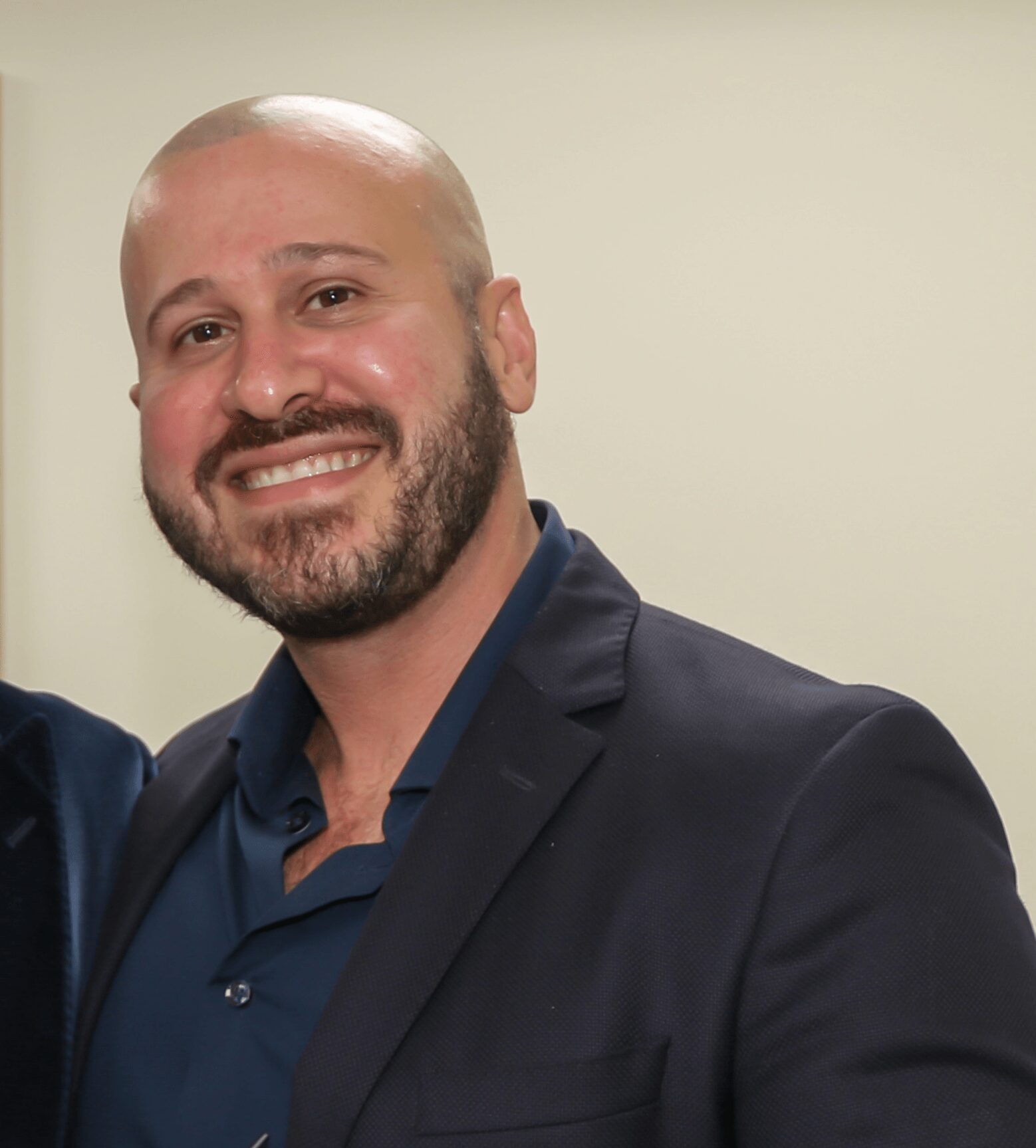
Today we’d like to introduce you to Hylan Elias.
Hi Hylan, we’d love for you to start by introducing yourself.
My path to opening Continuum Injury & Wellness Center wasn’t a straight line — it was built on two parallel worlds that eventually converged.
I grew up with an entrepreneurial mindset and went on to earn my BBA from the University of Miami in 2011. From there, I built a career in data strategy and product management, most recently working as a Product Owner and Data Strategy Lead at BNY, one of the world’s largest financial institutions. That work sharpened how I think about systems, operations, and building things that scale — but something always pulled me toward a different kind of impact.
Healthcare had always been close to me personally and through family, as my father is a physician of over 45 years and my mother has been a yoga therapist for 3o+ years. I watched how patients navigating injury — especially those involved in accidents — often fell through the cracks of a fragmented system. They needed coordinated, high-quality care under one roof, not a revolving door of disconnected providers. That gap became the opportunity.
So I made the leap. I founded Continuum Injury & Wellness Center in Fort Lauderdale, a multidisciplinary outpatient clinic bringing together chiropractic, physical therapy, interventional pain management, non-surgical orthopedics, podiatry, and regenerative medicine. Building it from the ground up meant learning an entirely new industry — healthcare licensing, regulatory compliance, credentialing, clinical operations — while simultaneously applying everything I knew from my corporate career about strategy, data, and process design.
Today, Continuum is open and serving the South Florida community, with a world-class clinical team and a mission to deliver patient-centered care that is both medically excellent and operationally seamless. We’re just getting started, and I couldn’t be more proud of what we’ve built.
I’m sure it wasn’t obstacle-free, but would you say the journey has been fairly smooth so far?
Smooth? Not even close — and I wouldn’t have it any other way.
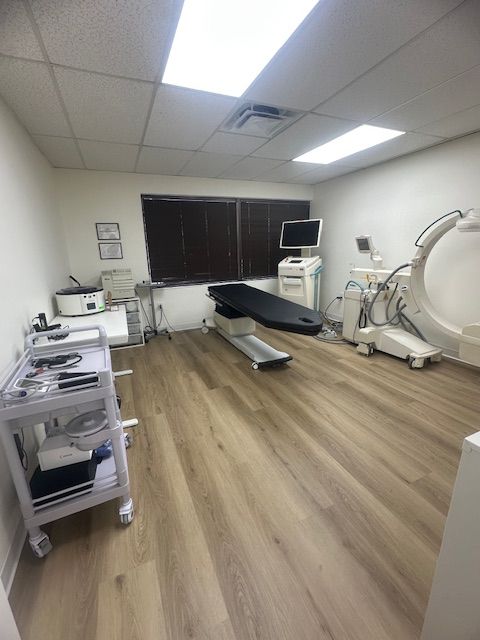
Launching a multidisciplinary healthcare clinic in Florida is one of the most regulatory-intensive business endeavors you can undertake. Before we ever saw a single patient, we had to navigate AHCA licensure, CLIA certification, DEA registration, biomedical waste permits, radiation safety compliance for our fluoroscopy equipment, and the credentialing requirements that come with operating under a Medical Director. Each one of those is its own project with its own timeline, its own paperwork, and its own consequences if you get it wrong.
And then there’s AAAHC accreditation. For those unfamiliar, the Accreditation Association for Ambulatory Health Care is the gold standard for outpatient clinic quality and safety — and pursuing it is a massive undertaking. We’re talking about a comprehensive Policies & Procedures Manual covering dozens of clinical and operational standards, a functioning Quality Assurance and Performance Improvement program with measurable KPIs, infection control protocols, an Emergency Operations Plan, governance documentation, clinical privilege frameworks, and much more. Every standard has to be not just written but lived — surveyors come in and verify that what’s on paper actually reflects how you operate. Building toward AAAHC from scratch, while simultaneously standing up a brand new clinic, tested every organizational muscle I have.
There were moments where I was simultaneously drafting compliance policies, negotiating physician contracts, building out our chargemaster, and trying to recruit the right clinical talent — all while still fulfilling my consulting obligations at BNY. Sleep became a luxury. Clarity became a discipline.
Staffing was another real challenge. Healthcare has a workforce complexity that most industries don’t. Scope-of-practice laws, licensure timelines, supervising physician requirements — the gap between finding a talented clinician and actually being able to deploy them in the right role can be months. We navigated that carefully, making sure every arrangement was legally sound and every provider was set up to succeed.
And then there’s the challenge that no one really prepares you for: being the person who has to hold the vision when everything feels unfinished. A clinic under construction doesn’t look like the thing you imagined. There are days where the distance between where you are and where you’re going feels enormous.
But I’ve learned that struggle is just the cost of building something real. Every hard-won compliance document, every negotiated agreement, every operational system we put in place — it’s all infrastructure for something that will genuinely help people. That keeps me going.
We’ve been impressed with Continuum Injury & Wellness Center, but for folks who might not be as familiar, what can you share with them about what you do and what sets you apart from others?
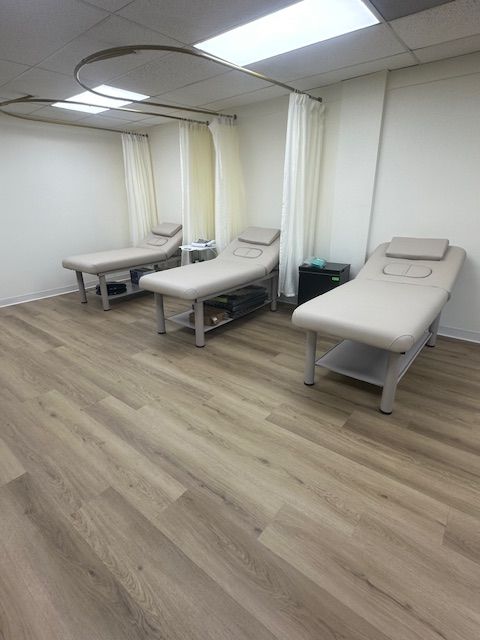
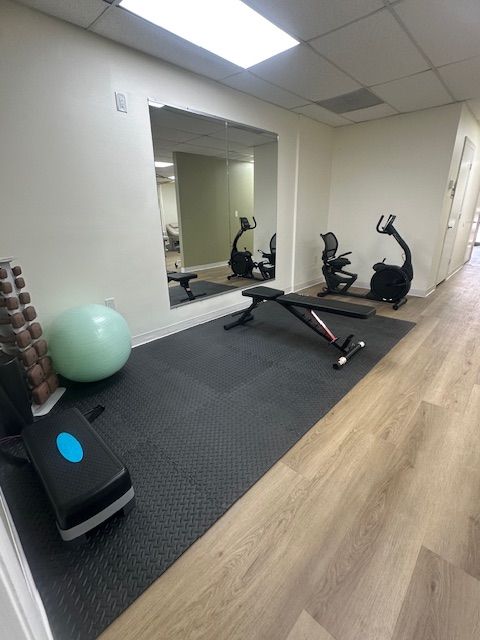
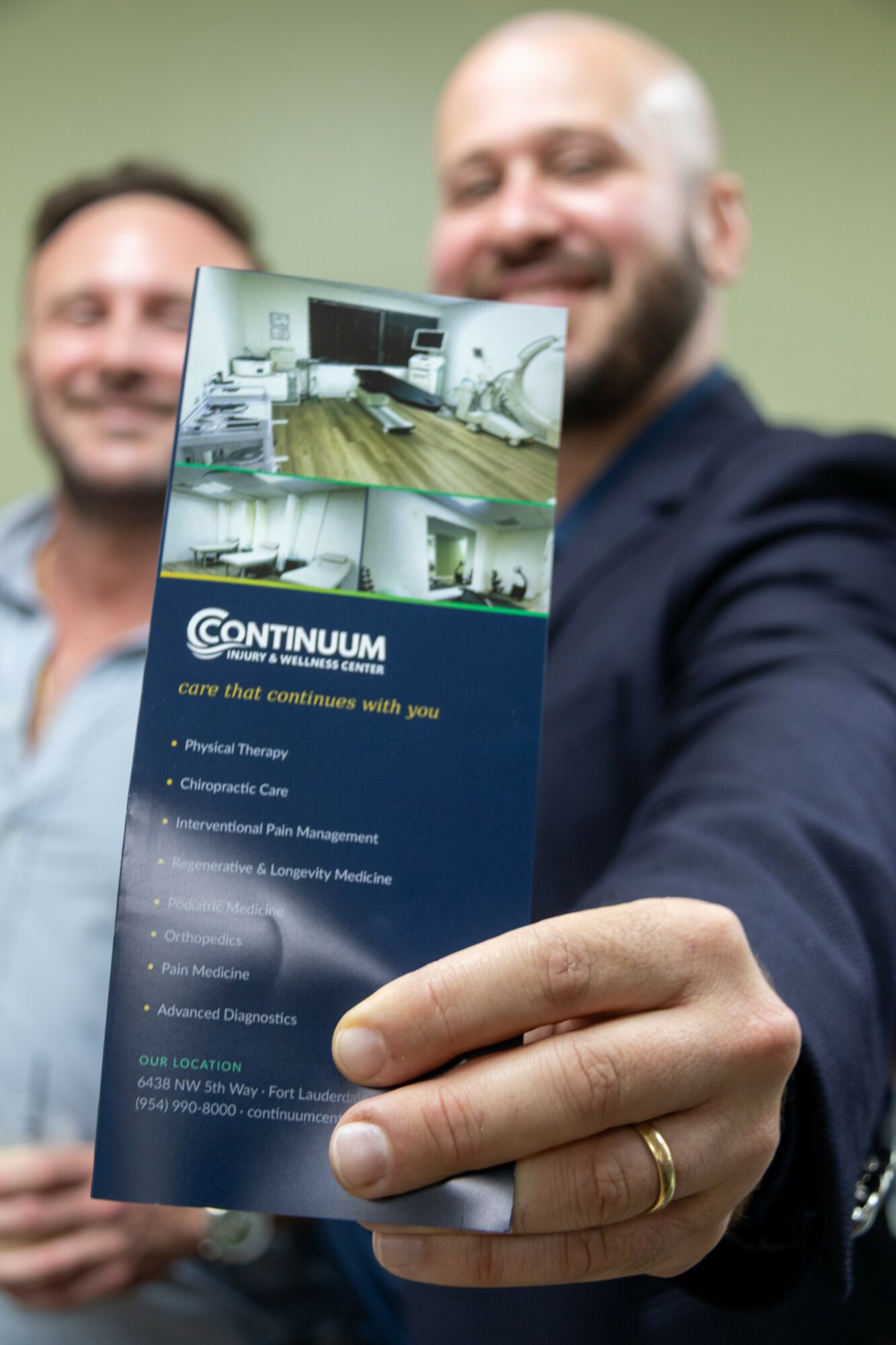
Continuum Injury & Wellness Center is a multidisciplinary outpatient clinic based in Fort Lauderdale, built specifically to serve patients recovering from auto accidents and personal injuries. We bring together chiropractic care, physical therapy, interventional pain management, non-surgical orthopedics, podiatry, and regenerative medicine — all under one roof, all coordinated around the patient.
The name Continuum was chosen deliberately. Recovery isn’t a single event — it’s a process that unfolds across time, across disciplines, and across the full spectrum of a patient’s needs. We designed this clinic to reflect that reality. Rather than sending patients from provider to provider across different offices, we’ve built an integrated care environment where the right clinician is always within reach and communication between disciplines is seamless.
What sets us apart starts with our clinical leadership. Our Medical Director, Dr. Tad DeWald, is a board-certified PM&R and Sports Medicine physician who also serves as our Radiation Safety Officer and CLIA Laboratory Director — a level of clinical oversight that most clinics our size simply don’t have. We invested in that rigor from day one because we believe the quality of care you deliver is only as strong as the foundation you build it on.
That same philosophy drove our decision to pursue AAAHC accreditation — a distinction held by fewer than 6,000 ambulatory care organizations in the country. AAAHC accreditation isn’t a checkbox. It means our policies, our clinical protocols, our quality improvement processes, and our patient safety standards have been built to withstand independent scrutiny. For patients and referring providers alike, it’s a signal that Continuum operates at a different level.
We also made a deliberate investment in advanced technology from the start — including portable ultrasound imaging and C-arm fluoroscopy for interventional procedures — because precise diagnostics and guided treatments lead to better outcomes. And our chargemaster spans over 270 procedure codes across all service lines, which reflects the genuine breadth of what we’re capable of delivering.
One area we’re particularly passionate about is a specialized care program we are actively building out for patients with Ehlers-Danlos Syndrome. EDS is a complex connective tissue disorder that is profoundly undertreated and widely misunderstood — patients often spend years, sometimes decades, bouncing between providers who dismiss their symptoms or simply don’t have the tools to address them comprehensively. Our multidisciplinary model is uniquely positioned to change that. EDS doesn’t fit neatly into any single specialty — it touches joints, muscles, the nervous system, and virtually every system in the body — which is exactly why a coordinated, integrated approach isn’t just preferable, it’s necessary. We’re developing protocols that bring together our pain management, physical therapy, chiropractic, and regenerative medicine capabilities into a cohesive, evidence-informed framework designed specifically for this population. For a community that has long felt invisible in the healthcare system, we want Continuum to be a place where they are finally seen, believed, and genuinely helped.
But honestly, what I’m most proud of isn’t any single credential or piece of equipment. It’s the culture of accountability we’ve built into this clinic’s DNA. In a market that has its share of low-quality, high-volume mills, Continuum was designed to be the alternative — a place where patients are treated with dignity, where documentation is airtight, where every clinical decision is defensible, and where outcomes actually matter.
We’re building a brand that referring providers, patients, and the legal community can trust completely. That trust is the most valuable thing we have, and we protect it every single day.
Where we are in life is often partly because of others. Who/what else deserves credit for how your story turned out?
Building Continuum has never been a solo endeavor. From the very beginning, I have been held up by an extraordinary circle of people — and most of them share my last name.
My mother is my biggest cheerleader, full stop. Every founder needs someone in their corner who believes in them unconditionally, who shows up on the hard days without being asked, and who reminds you why you started when the weight of it all gets heavy. That’s her. I genuinely don’t know how I would have gotten through some of the darker stretches of this build without her in my corner.
My father is a physician with over 45 years of practice — someone who walked a remarkably similar path long before I did, opening and managing his own practice from the ground up. Having a parent who has literally lived the version of what you’re trying to build is an irreplaceable gift. He understood my challenges not just as a father, but as someone who had navigated them himself. His perspective, his patience, and his quiet confidence in me shaped how I approached this more than he probably knows.
My brother Adan is a highly successful commercial real estate broker — the kind of professional who operates at a scale where a project like mine would barely register on his radar. And yet he showed up for me anyway, lending his expertise, his network, and his time to help us get our space right. The fact that someone at his level would pour energy into something this early-stage, purely out of love and belief in what I was building, meant everything.
My sister Alana is a branding and PR powerhouse, and her fingerprints are all over Continuum’s identity. The name, the logo, the brand positioning — the way Continuum presents itself to the world — that’s her work. She helped me articulate what this clinic stands for in a way I couldn’t have done alone. In healthcare, where so many clinics are visually and conceptually indistinguishable from one another, having a brand that actually means something and looks the part is a genuine competitive advantage. I owe that to her.
And then there’s my husband Abraham. While I was buried in compliance binders, physician contracts, regulatory filings, and back-to-back consulting calls for BNY Mellon — often simultaneously — he quietly held everything else together. The house, our dog, the thousand invisible details of daily life that don’t disappear just because you’re launching a business. He never made me feel guilty for being consumed by this. He just took care of it. That kind of steadfast, unglamorous support is the thing that actually makes ambitious things possible, and I will never stop being grateful for it.
Continuum has my name on the door. But it has all of them in its foundation.
Contact Info:
- Website: https://www.continuumcenters.com
- Instagram: https://www.instagram.com/continuumcenters
- Linkedin: https://www.linkedin.com/company/continuumcenters/
- Yelp: https://www.yelp.com/biz/continuum-injury-and-wellness-center-fort-lauderdale