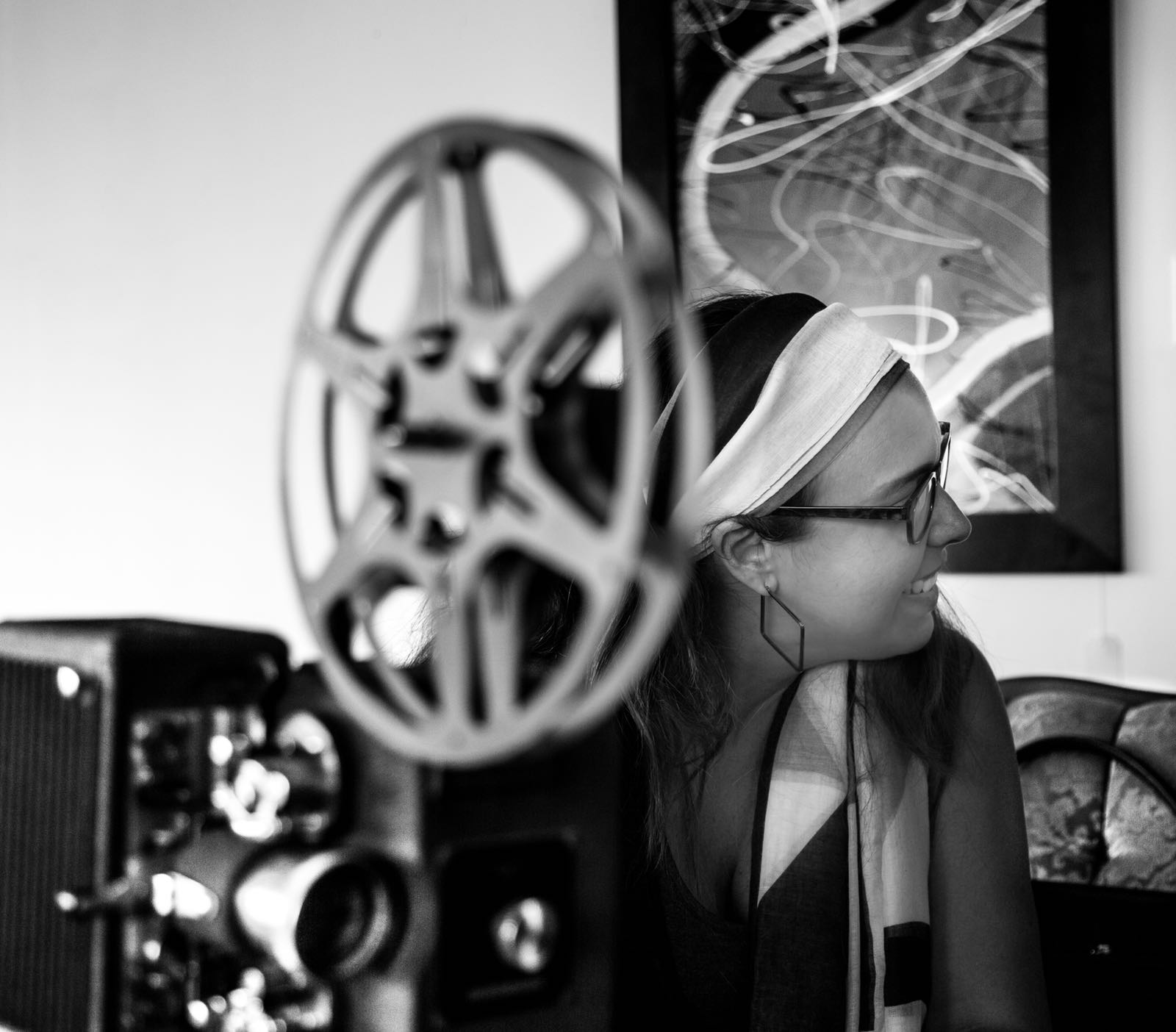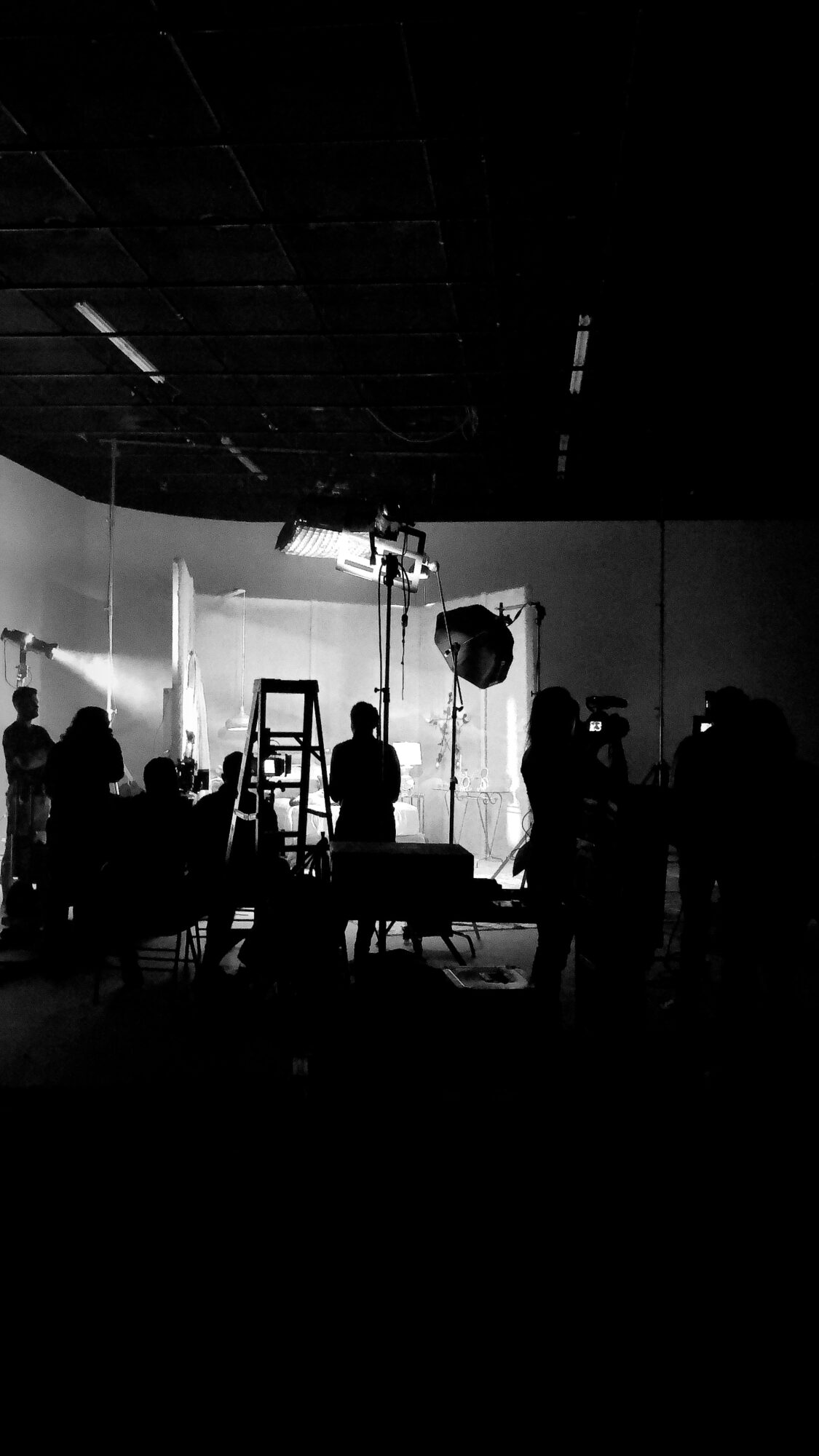


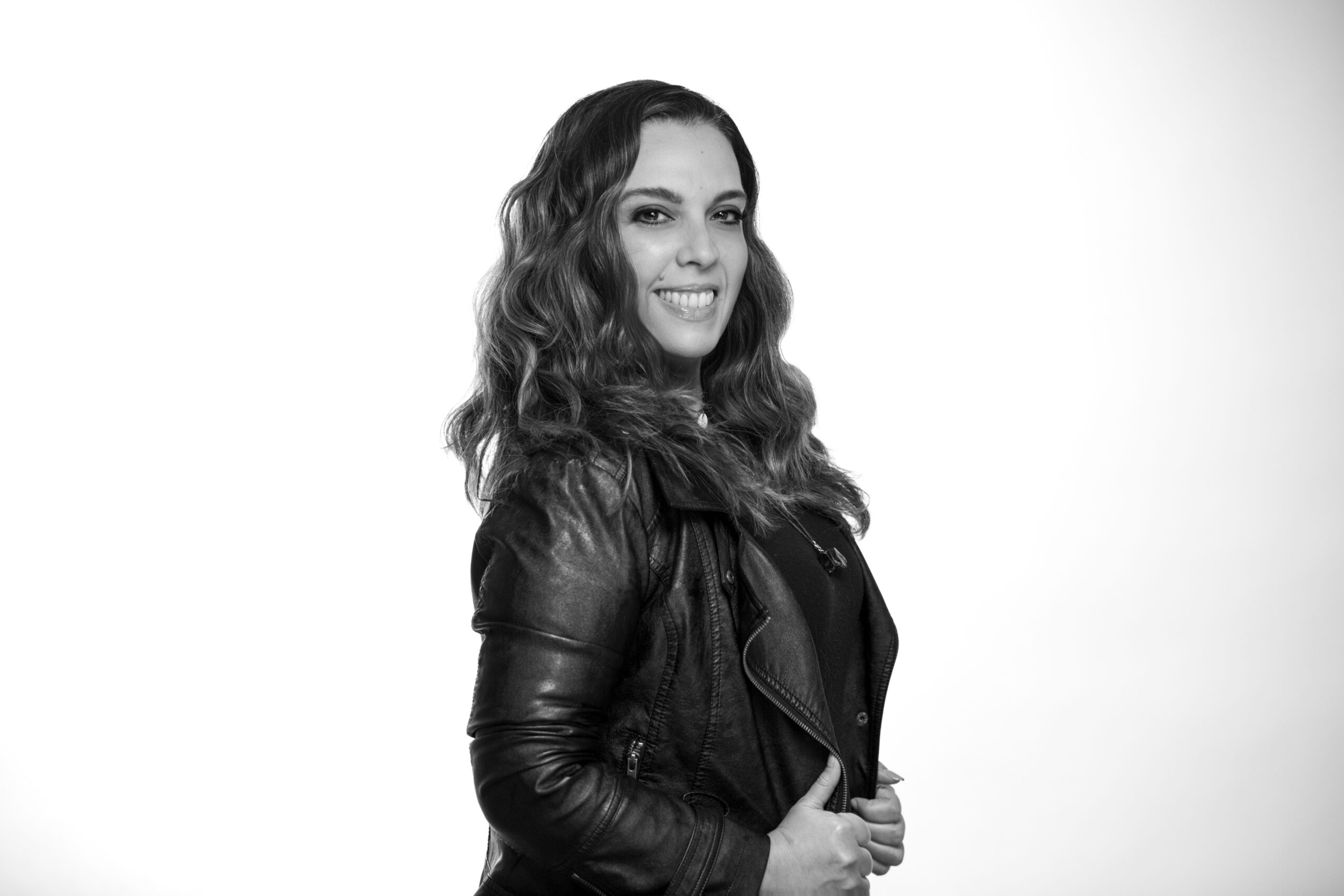
Today we’d like to introduce you to Paola Iragorry.
Paola, we appreciate you taking the time to share your story with us today. Where does your story begin?
I was born and raised in Maracaibo, Venezuela, and I’ve been living in Miami for over 20 years now — which honestly feels surreal to say out loud. Before moving to the U.S., I studied Mass Communication in Venezuela and started working in media pretty early on. I did some radio work back then, and even though I moved to Miami not too long after graduating, I think those early experiences really shaped the way I communicate and connect with people today.
When I arrived in Miami, I slowly started finding my way into the production world through friends and people I knew in the industry. Little by little, opportunity by opportunity, I started working in commercials and freelance production. And like many people in this business, I truly started from the bottom.
I spent years working as a PA (Production Assistant), learning from incredibly talented crews and professionals here in Miami. Back then, the industry looked very different from what it does today. There were far fewer Latinos, far fewer women on set, and honestly, I rarely heard Venezuelan accents around me during those early years. So it’s been really beautiful to witness how much the industry — especially in Miami — has evolved and become more diverse over time.
Over the years, I worked my way up into production management and producing, mostly within commercials, branded content, music videos, and live productions. What I love about production is that no two days are ever the same. It’s creativity mixed with logistics, psychology, problem-solving, teamwork, and sometimes a little bit of chaos management. You can be discussing creative concepts one minute and solving three unexpected disasters the next. It definitely keeps you humble.
I also really value collaboration and the sense of community that can exist within this industry. Freelance life can be intense, unpredictable, and exhausting at times, so having good people around you makes a huge difference. One of the things I appreciate most today is seeing more women, more Latinos, and more diverse voices finding space within production crews and creative leadership.
And after all these years — the long days, the crazy schedules, the weather problems, the last-minute changes, and all the production madness — I still genuinely love what I do. Which probably says a lot.
Would you say it’s been a smooth road, and if not what are some of the biggest challenges you’ve faced along the way?
Definitely not a smooth road — although I don’t think anyone working in freelance production would ever describe it that way. It’s an industry that can be incredibly exciting and rewarding, but also very unstable, demanding, and unpredictable. There’s really no “safe path” in it, especially when you’re building your career from scratch in a new country.
One of the biggest challenges early on was simply adapting — not only to a new culture, but also to the rhythm and reality of the industry here. I moved from Venezuela very young, and little by little started finding my place in Miami’s production world through people I knew, opportunities that came along, and honestly, a lot of persistence.
I started as a Production Assistant and spent years doing the kind of work people rarely talk about publicly: long hours, overnight shoots, carrying things, solving problems on the fly, running on very little sleep, and somehow still being expected to stay calm and professional through it all. Production definitely teaches you resilience very quickly.
What’s interesting is that within the production department itself, there have actually always been quite a few women, especially in coordination and production management roles. Even when I was starting out, I worked with many strong and talented women. Where you saw less representation back then was more in other departments like camera, grip, lighting, and technical crew positions. And even though Miami is such a multicultural city, I do think the industry has become much more diverse over the years, especially when it comes to Latino crews and voices.
Another challenge — and I think many freelancers will relate to this — is the uncertainty that comes with this lifestyle. One month you’re overwhelmed with work and barely sleeping, and another month you’re anxiously checking your phone waiting for the next call or project. It can be emotionally and financially exhausting at times, and people outside the industry don’t always realize that behind the final glamorous images there’s a lot of pressure, stress, logistics, and sacrifice happening behind the scenes.
I also think one of the hardest things over time has been learning how to truly value my own experience and advocate for myself professionally. When you spend years being the person who fixes everything and keeps productions moving, sometimes you forget to pause and recognize how much knowledge and experience you’ve actually built along the way.
But honestly, all of those struggles shaped me. They made me stronger, more adaptable, more empathetic, and definitely harder to panic under pressure. And in production, that’s basically a survival skill.
Alright, so let’s switch gears a bit and talk business. What should we know about your work?
I work primarily as a Production Manager and Production Coordinator within the freelance production world, mostly in commercials, branded content, music videos, and live projects. Producing is something I’ve also done and something I’d love to continue growing into more in this next stage of my career, especially through my own company, which has been part of my professional journey for many years now.
Most of my experience has really been on the production management side — which honestly teaches you everything. My work revolves around helping creative projects actually come to life. That means handling logistics, schedules, crews, staffing, budgets, communication, problem-solving, and all the moving parts that exist behind the scenes. A lot of people only see the final polished result, but there’s an entire invisible machine operating underneath every production.
I think what I specialize in most is the human side of production. Yes, organization is a huge part of the job — and I genuinely love that aspect of it — but after all these years, I’ve realized that productions run on people and energy just as much as they run on schedules and budgets.
One thing people have consistently told me over the years, surprisingly enough, is that I bring a calm and positive energy to set. I always laugh a little when people describe me as “sweet,” because internally I may actually be stressed, overthinking, and trying to solve ten problems at once. But I do make a conscious effort to keep environments harmonious, grounded, and respectful, especially in high-pressure situations.
Production sets can become very intense very quickly. Emotions are high, time is limited, everyone is under pressure, and there are constantly unexpected changes happening. So I try to approach things with calmness, communication, and perspective. I believe people work better when they feel respected, heard, and safe around each other.
I’ve also always been a huge film lover and cinephile outside of work. Cinema, storytelling, music, and visual culture have been part of my life for as long as I can remember, so for me production was never only about logistics or managing chaos. There’s also a real emotional connection to the creative side of the industry. I genuinely love watching ideas evolve from something abstract into something tangible and collaborative. That process still fascinates me.
And honestly, over time I’ve learned that while production is important, it’s still just one part of life. We’re helping bring someone’s creative vision into reality, which is beautiful, but at the same time, I think it’s important not to lose sight of the human side of things — people’s well-being, health, relationships, and the way we treat one another in the process. Sometimes in this industry, especially during stressful moments, that perspective can get lost.
What I’m probably most proud of is the fact that I’ve built a long career in an industry that is constantly changing and incredibly demanding, while still maintaining good relationships and a good reputation with people. In freelance production, people remember how you make them feel during the chaos. And I think that’s something that has stayed with me throughout the years.
What are your plans for the future?
I think my plans for the future are less about making one huge dramatic change overnight and more about evolving into a different stage of my career and life over time.
Professionally, I’d definitely love to continue growing more into producing through my own company and taking on projects where I can be more involved creatively and strategically, not only logistically. After spending so many years in production management and coordination, I think there’s a very natural desire to eventually step a little more into a leadership and supervisory role — helping shape projects from a broader perspective while still staying connected to the creative process.
At the same time, one thing that has become increasingly important to me is passing along knowledge and experience to younger generations coming into the industry. Not necessarily in a traditional classroom sense, but more through mentorship, collaboration, and real on-set experience. I learned so much from people who gave me opportunities and shared their knowledge with me throughout the years, and I think there’s something really valuable about continuing that cycle.
I also definitely want to keep learning myself. One of the reasons I’ve stayed in this industry for so long is because it constantly evolves. Technology changes, storytelling changes, crews change, the industry changes — and I think staying curious and adaptable is incredibly important creatively and personally.
And honestly, on a more personal level, I think the future for me is also about exploring different rhythms of life. I’ve lived in Miami for over two decades, and while the city has been deeply connected to my journey and career, I do think about change sometimes — new environments, new experiences, maybe even living somewhere different eventually. I’ve always been very drawn to Europe, cinema culture, history, slower ways of living… so who knows. I’m open to whatever the next chapter may look like.
But overall, I think what I’m most looking forward to is continuing to grow creatively, staying connected to meaningful collaborations, and hopefully building a life and career that feel even more aligned with who I am becoming now — not just who I was when I first started.
Contact Info:
- Instagram: https://www.instagram.com/palafito_productions/
- LinkedIn: https://www.linkedin.com/in/paolairagorri/
- Other: https://www.instagram.com/paolairagorri/