




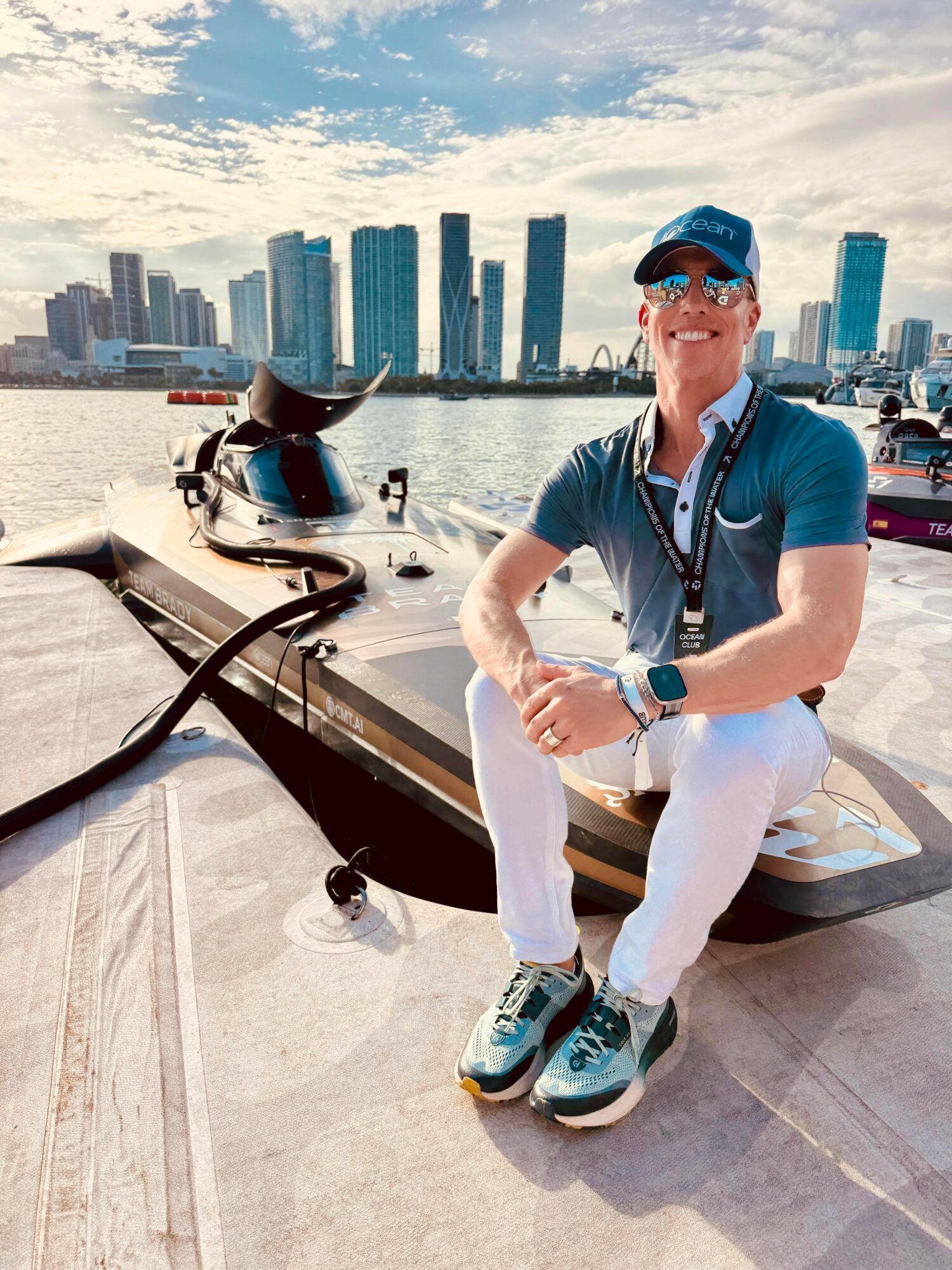
Today we’d like to introduce you to Jack Lighton.
Alright, so thank you so much for sharing your story and insight with our readers. To kick things off, can you tell us a bit about how you got started?
From an early age, my parents instilled in me a deep love for the natural world. Like many of my generation, I grew up captivated by Jacques Cousteau, who brought the wonder of the ocean into our living rooms and sparked my lifelong fascination with the underwater world.
Although my formal education was in international business and my early career was spent in management consulting, I always felt drawn back to nature—especially the ocean. In 2013, I took a leap of faith and transitioned from the for-profit sector to nonprofit leadership when I became CEO of Loggerhead Marinelife Center, a sea turtle hospital, conservation hub, and one of Florida’s most beloved institutions. Over nearly a decade, I had the privilege of working alongside an extraordinary team of staff, volunteers, and supporters to significantly expand the Center’s capacity to rehabilitate sea turtles and educate hundreds of thousands of visitors about ocean conservation and the importance of keeping our waters and coastlines clean.
Following my time at Loggerhead, I broadened my global conservation perspective as CEO of SeaLegacy, where I worked closely with Cristina Mittermeier—one of the most influential science-based photographers, storytellers, and policy advocates of our time. That experience deepened my belief in the power of storytelling, science, and collaboration to drive meaningful environmental change.
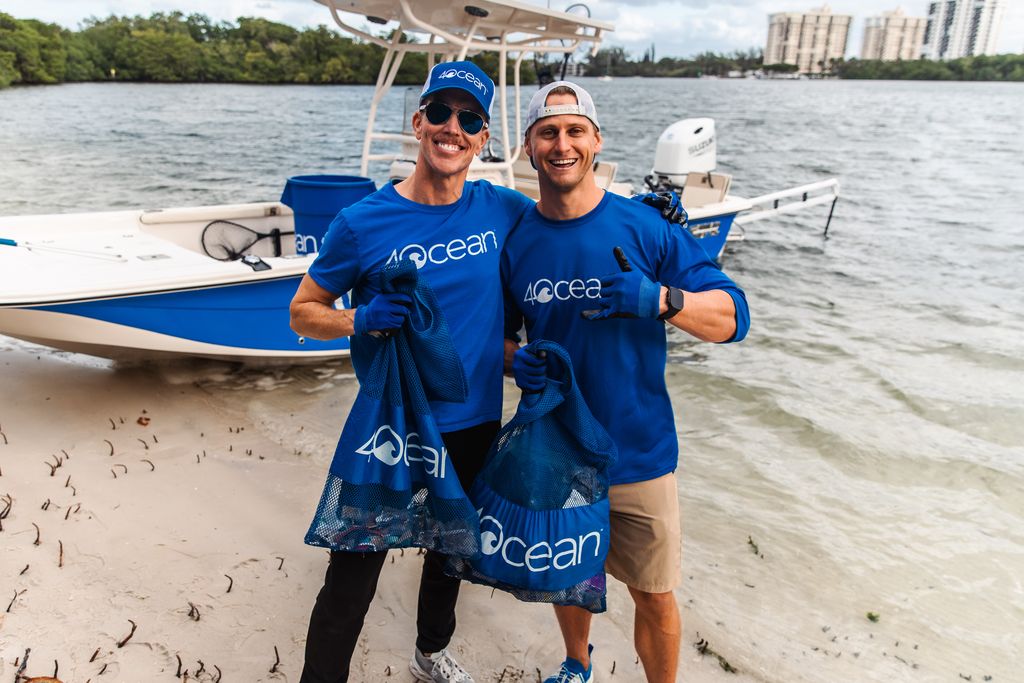
Today, I serve as Executive Director of the 4ocean Foundation, the nonprofit arm of South Florida’s globally recognized ocean cleanup organization. I have known 4ocean co-founder Alex Schulze for many years and share his conviction that plastic pollution is one of the defining environmental challenges of our lifetime. What drew me to 4ocean is its proven, scalable approach to removing plastic pollution from the ocean, rivers, and coastlines—both here in Florida and around the world.
I am deeply grateful to my parents for nurturing my love for nature, and equally grateful for how my professional path has aligned with my personal passion. It is a privilege to devote my work to protecting the ocean and advancing solutions that can create lasting impact for future generations.
Would you say it’s been a smooth road, and if not what are some of the biggest challenges you’ve faced along the way?
It definitely hasn’t been a smooth road. There’s a saying I’ve always come back to: nothing good is easy, and nothing easy is good. Conservation work is no exception.
Clean air and clean water are fundamental to all life, and for me the ocean has always been deeply personal. Being on, near, or in the water is where I feel most grounded, so protecting it isn’t abstract—it’s emotional. That passion creates drive, but it also has to be paired with discipline. Conservation is complex work, and real progress requires systems thinking, patience, and collaboration.
One of the greatest challenges has been navigating conservation policy, where meaningful “wins” often depend on aligning interests across local, county, state, and federal levels. That work is both delicate and essential, and it can’t be driven by emotion alone. The most effective conservation efforts are rooted in education and dialogue. Rather than starting with “no,” I’ve learned to start with curiosity—“Did you know…?” Asking questions, listening to rights holders, and building trust is how durable solutions take shape.
Perhaps the hardest lesson has been learning to accept the pace of change. Conservation policy moves slowly; progress can take years or even decades. But staying committed is non-negotiable. You have to keep showing up, keep building consensus, and keep pushing forward—because when it comes to protecting the ocean, failure simply isn’t an option.
Alright, so let’s switch gears a bit and talk business. What should we know?
4ocean Foundation is the 501(c)(3) nonprofit arm of 4ocean, a public benefit and Certified B Corporation known globally for turning ocean cleanup into action. Many people first encounter the 4ocean community through the brand’s iconic hand-woven bracelets—each representing the removal of one pound of trash from the ocean. While 4ocean approaches a decade of impact, the Foundation is the newest pillar of the brand, purpose-built to accelerate philanthropic investment and community-driven solutions to plastic pollution.
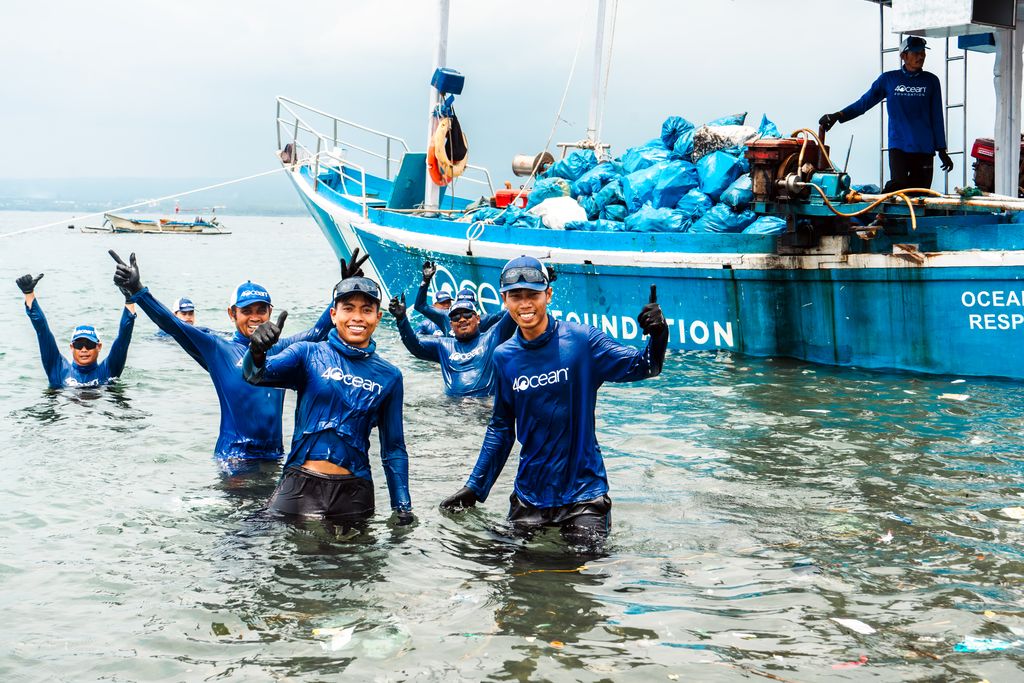
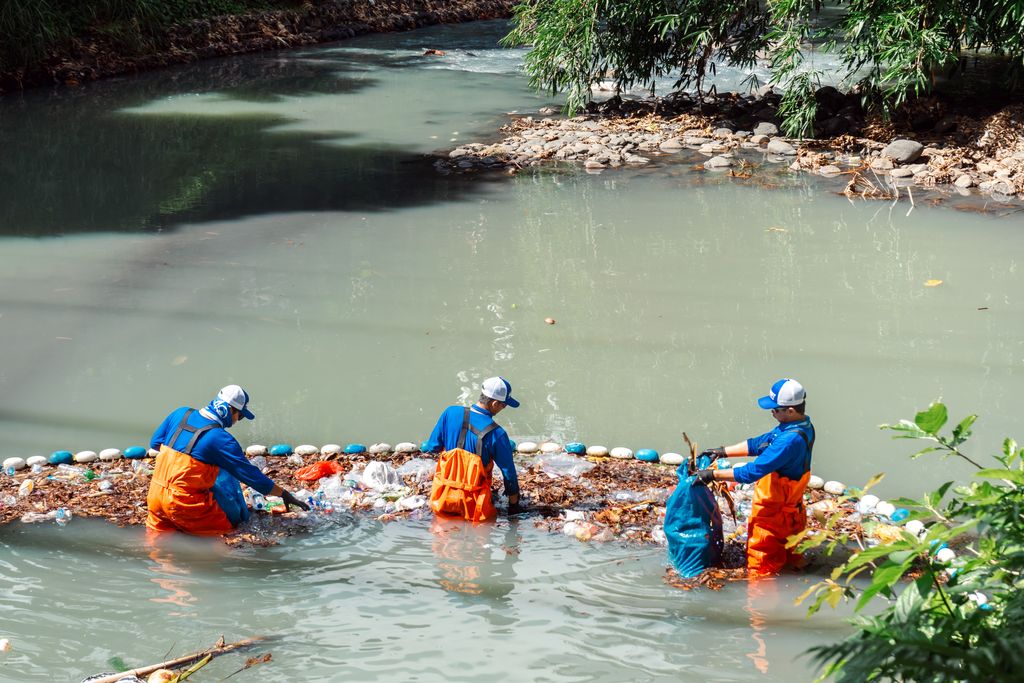
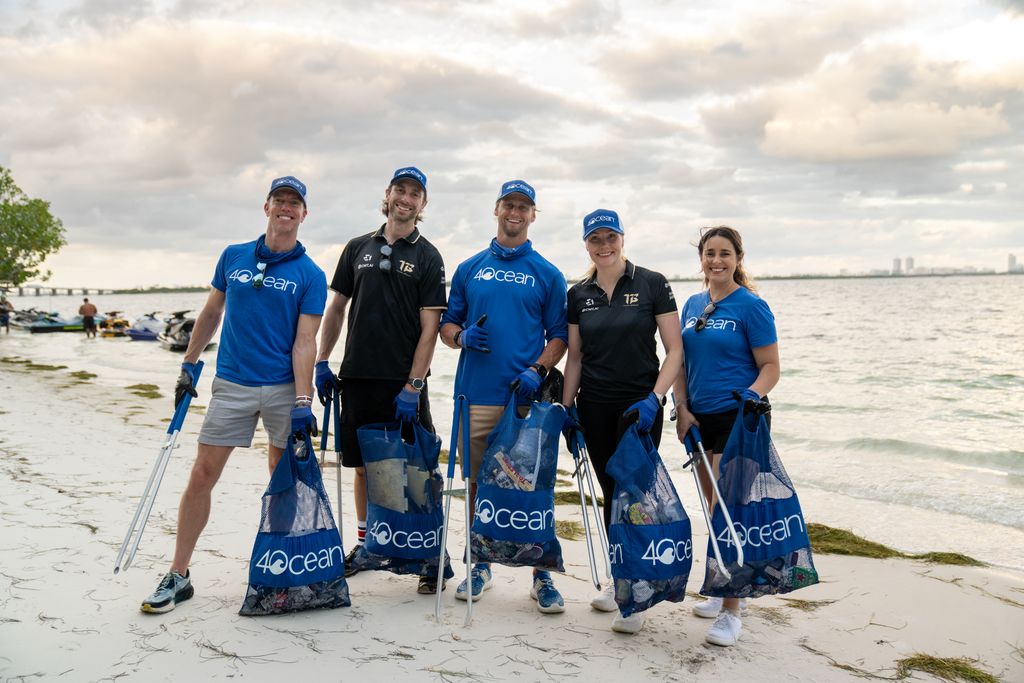
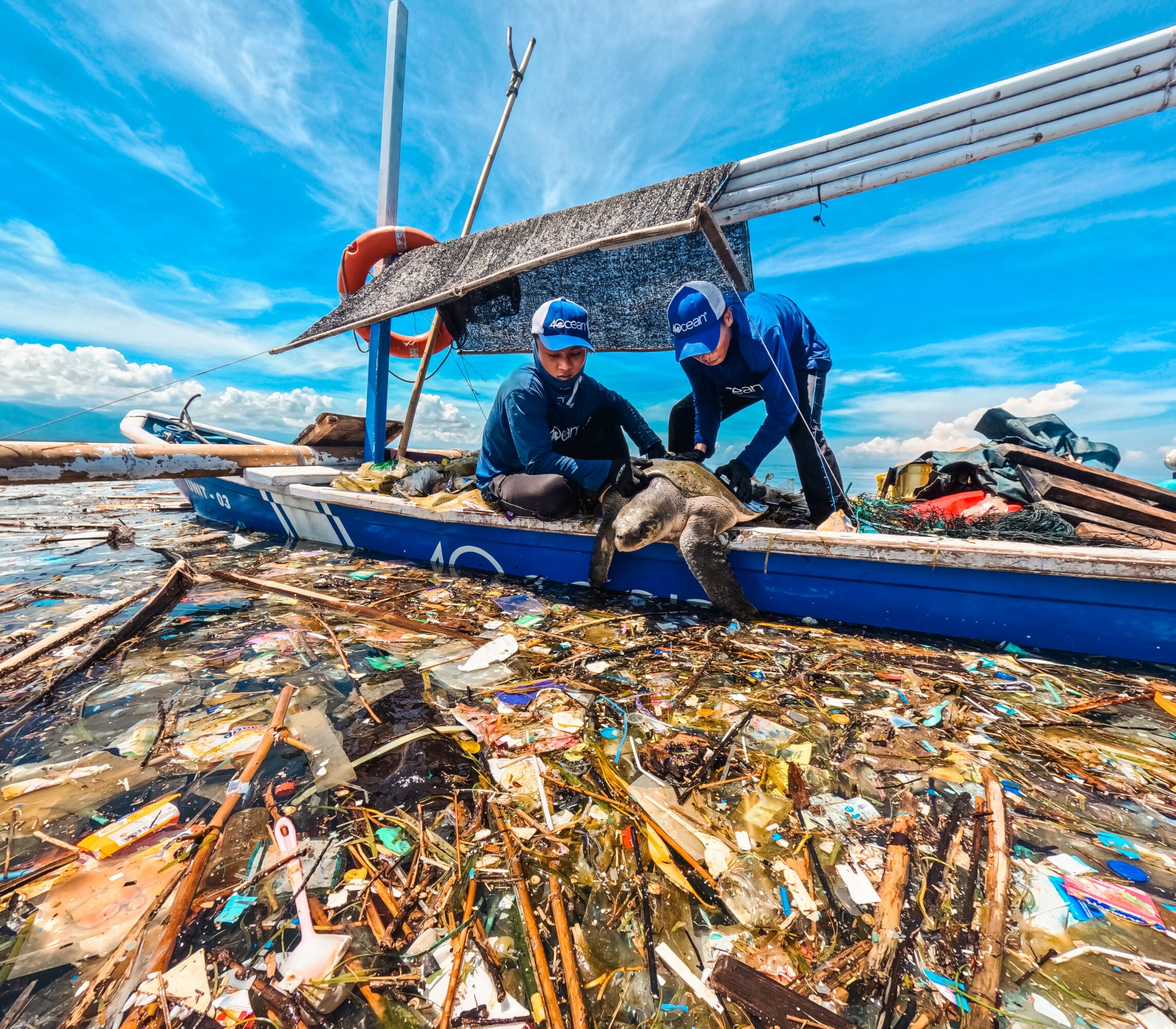
The Foundation’s role is to mobilize donors, philanthropists, foundations, and NGO partners to expand cleanup efforts and environmental impact worldwide. We specialize in large-scale, on-the-ground plastic removal through a diverse portfolio of cleanup solutions, including offshore ocean cleanups, beach and coastline cleanups, and the deployment of river booms that intercept plastic before it reaches the sea.
In 2025 alone, supporters empowered the 4ocean Foundation to remove more than 3.5 million pounds of marine debris, the vast majority of it plastic—equivalent to approximately 170 million single-use plastic water bottles. This measurable, tangible impact is at the core of everything we do.
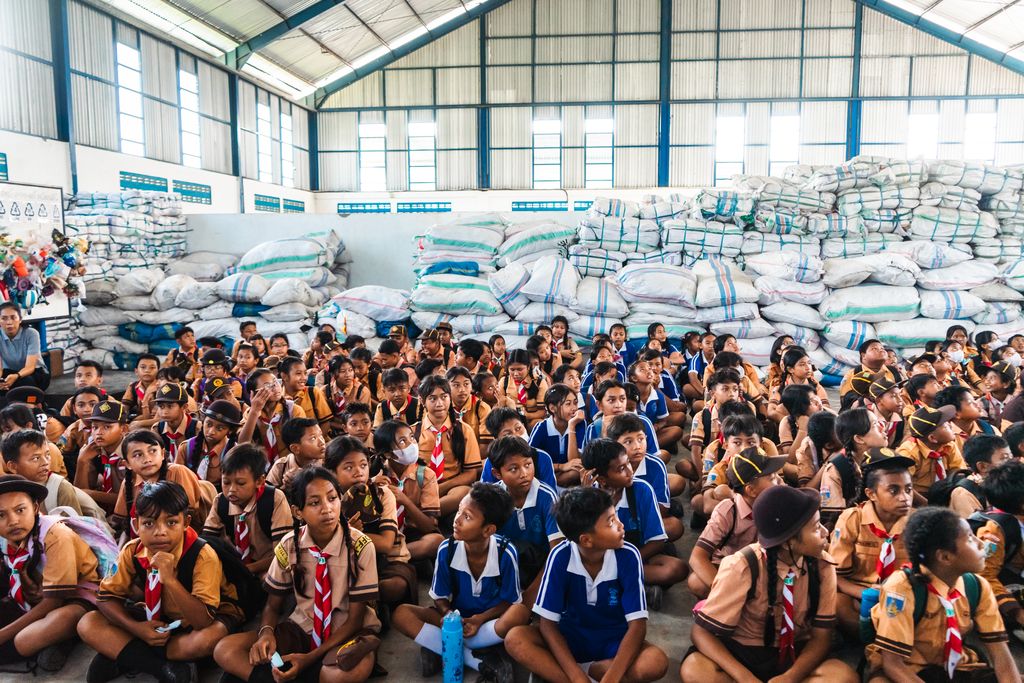
Beyond cleanups, education is a central pillar of our mission. The Foundation leads global education and awareness campaigns that help individuals, businesses, and organizations reduce their reliance on single-use plastics and better understand their role in addressing plastic pollution. Key initiatives align with moments such as Earth Day, World Ocean Day, and Giving Tuesday, amplifying awareness when global attention is highest.
What truly sets 4ocean Foundation apart is our proven, scalable global cleanup framework—one that has been refined over years of real-world execution. We are not experimenting; we are expanding a model that works, with a clear blueprint to dramatically increase impact in the years ahead.
What I am most proud of, above all else, is our people. The captains and crews on the front lines of our cleanup operations are extraordinary—working every day in challenging conditions to protect our ocean, rivers, and coastlines. Their commitment and resilience are the heart of our impact.
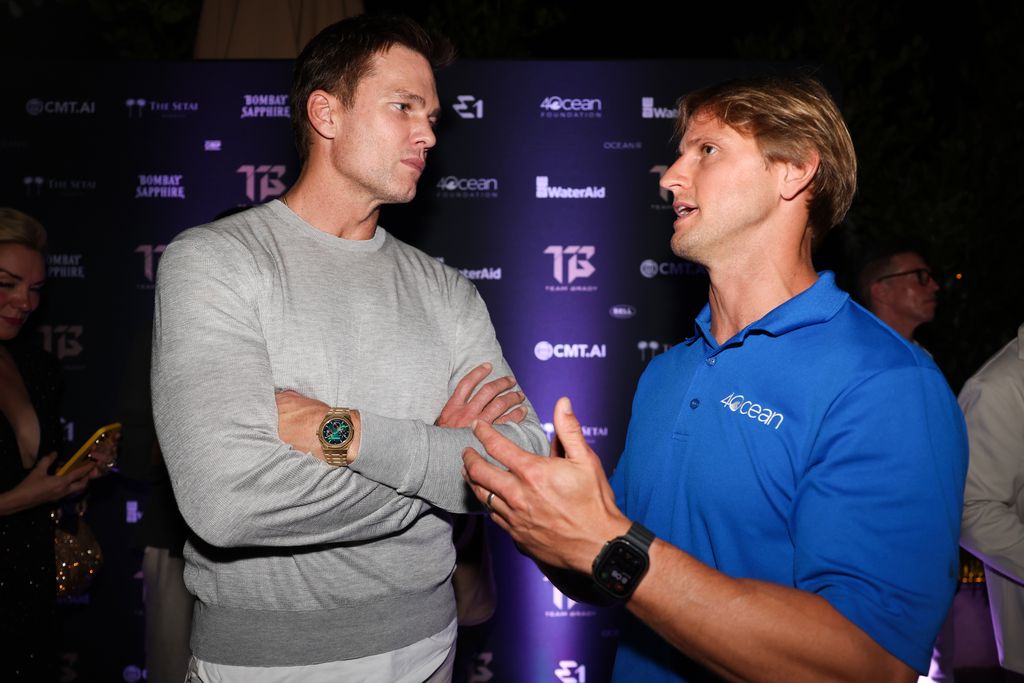
I am also incredibly proud of our partnership with Team Brady, Tom Brady’s E1 racing team. As a founding partner in their Race for Change program, 4ocean Foundation and Team Brady has helped remove more than 40,000 pounds of plastic pollution from the ocean—while bringing environmental action to one of the world’s most innovative new sports platforms.
For those who want to get involved, there are many ways to participate. Readers can sign up for updates or donate directly to support cleanups at 4oceanfoundation.org. And for those interested in the iconic bracelets that helped launch the movement, our partners at 4ocean.com offer hand-woven recycled bracelets that directly support ocean cleanup.
So maybe we end on discussing what matters most to you and why?
What matters most to me is leaving the world better than I found it.
My sense of purpose was shaped early by my parents, who lived by an ethos of reinvesting in their community and investing the next generation. They were deeply committed to giving back, and that example instilled in me a sense of responsibility that continues to guide my work. It’s what keeps me focused and driven in advancing solutions to plastic pollution.
Plastic pollution isn’t an abstract issue—it’s deeply personal and increasingly unavoidable. Scientists estimate that humans may consume up to a credit card’s worth of microplastics each month through the air we breathe, the water we drink, and the food we eat. When I’m in nature and see plastic pollution firsthand, it evokes a strong emotional response, but also a clear conviction: we can do better, we must, and I am all in on this.
I’m naturally drawn to systems that work—solutions that are practical, scalable, and grounded in reality. That’s why I’m so energized by the work of the 4ocean Foundation and by partnering with our co-founder, Alex. We have proven, battle-tested systems in place that are scaling right now, and we’ve never been better positioned to meaningfully address the global plastic pollution crisis.
The challenge is enormous, but I’m filled with hope—hope grounded in action, evidence, and a team that is deeply committed to making lasting change.
Contact Info:
- Website: https://www.4oceanfoundation.org
- Instagram: @4oceanfoundation
- Facebook: https://www.facebook.com/people/4ocean-Charitable-Foundation/61577896057381/
- LinkedIn: https://www.linkedin.com/company/4ocean-foundation/
- Other: https://www.linkedin.com/in/jacklighton/