




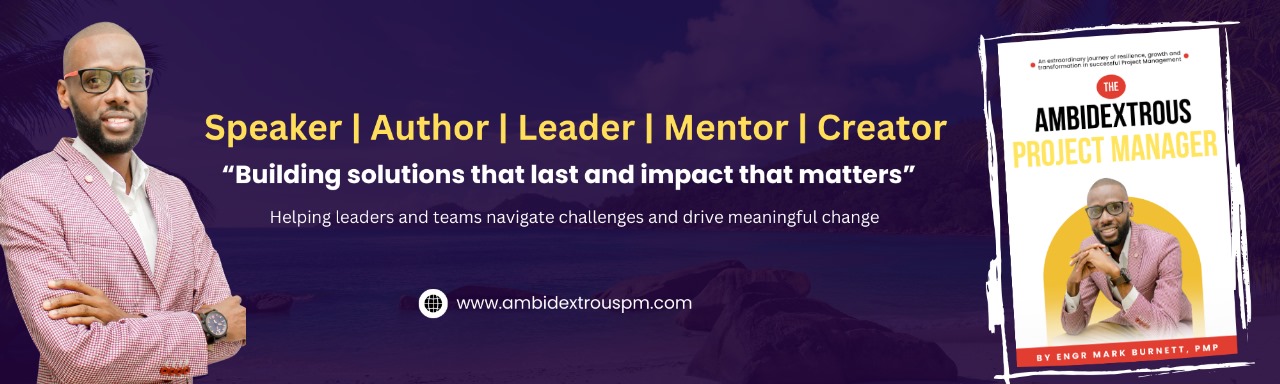
We recently had the chance to connect with Mark Burnett ATP PMP SMC CSAPM PEngrPE® and have shared our conversation below.
Good morning Mark, it’s such a great way to kick off the day – I think our readers will love hearing your stories, experiences and about how you think about life and work. Let’s jump right in? Would YOU hire you? Why or why not?
What often surprises people is that I don’t start with frameworks—I start with people.
Early in my career, I learned (sometimes the hard way) that no methodology saves a project if trust is broken, clarity is missing, or fear is left unspoken. Today, before I touch a plan, a backlog, or a roadmap, I spend time listening—deeply. I look for what’s *not* being said: where teams feel stuck, where leaders feel isolated, and where complexity is being oversimplified.
That approach has helped me lead transformations across more than 30 islands, recover failing initiatives, and guide teams through uncertainty—not by forcing change, but by creating safety, focus, and momentum. My thinking is simple: when people regain confidence and clarity, performance follows naturally.
Would YOU hire you? Why or why not?
Yes—but not in every situation.
I would hire me for moments that matter:
* when small and medium-size businesses are facing uncertainty, transition, or complexity
* when delivery matters, but so does trust, morale, and long-term capability
* when business leaders and project teams need both structure *and* humanity, discipline *and* adaptability
I’ve helped business leaders and project teams stabilize critical initiatives, shorten learning curves, and deliver outcomes under pressure—not by heroics, but by creating alignment, making smart trade-offs, and helping people think clearly when it’s hardest to do so.
That said, I wouldn’t hire myself for checkbox leadership or surface-level change. My work asks honest questions. It challenges assumptions. It requires courage from everyone involved, including me.
And that’s exactly why, in the right environment, I would hire me—because real impact doesn’t come from playing it safe, it comes from doing the right work, the right way, with the right people.
Can you briefly introduce yourself and share what makes you or your brand unique?
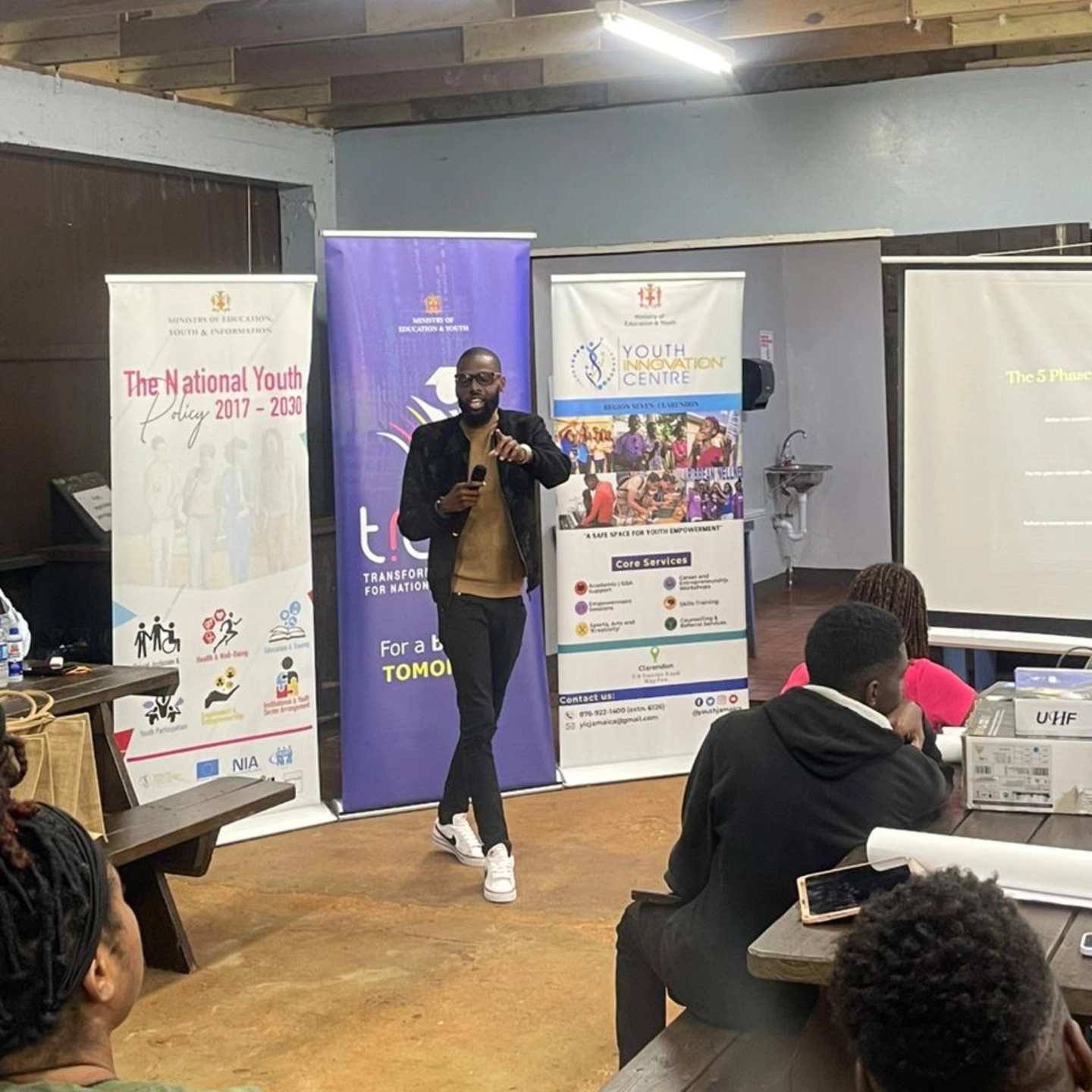
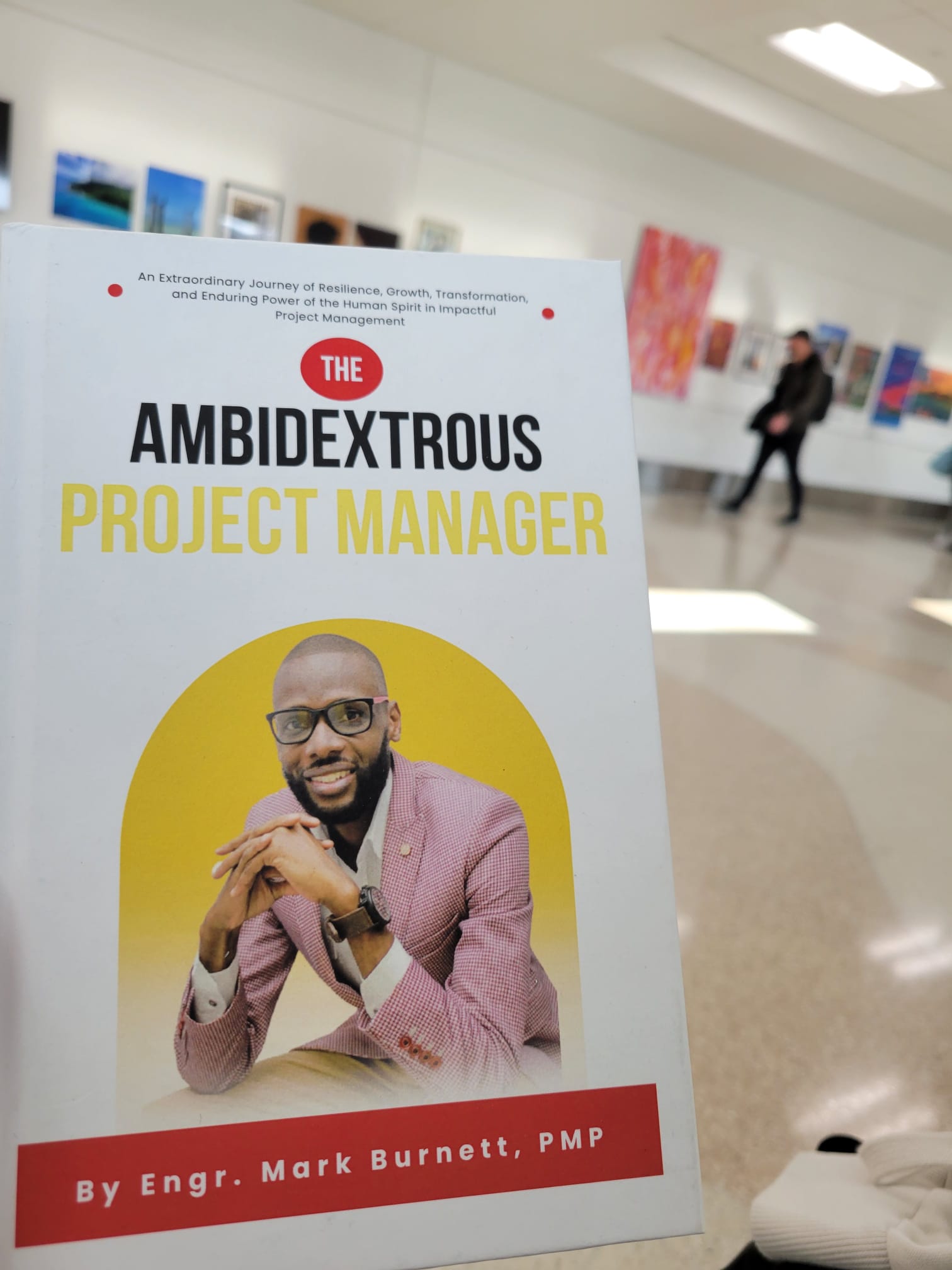
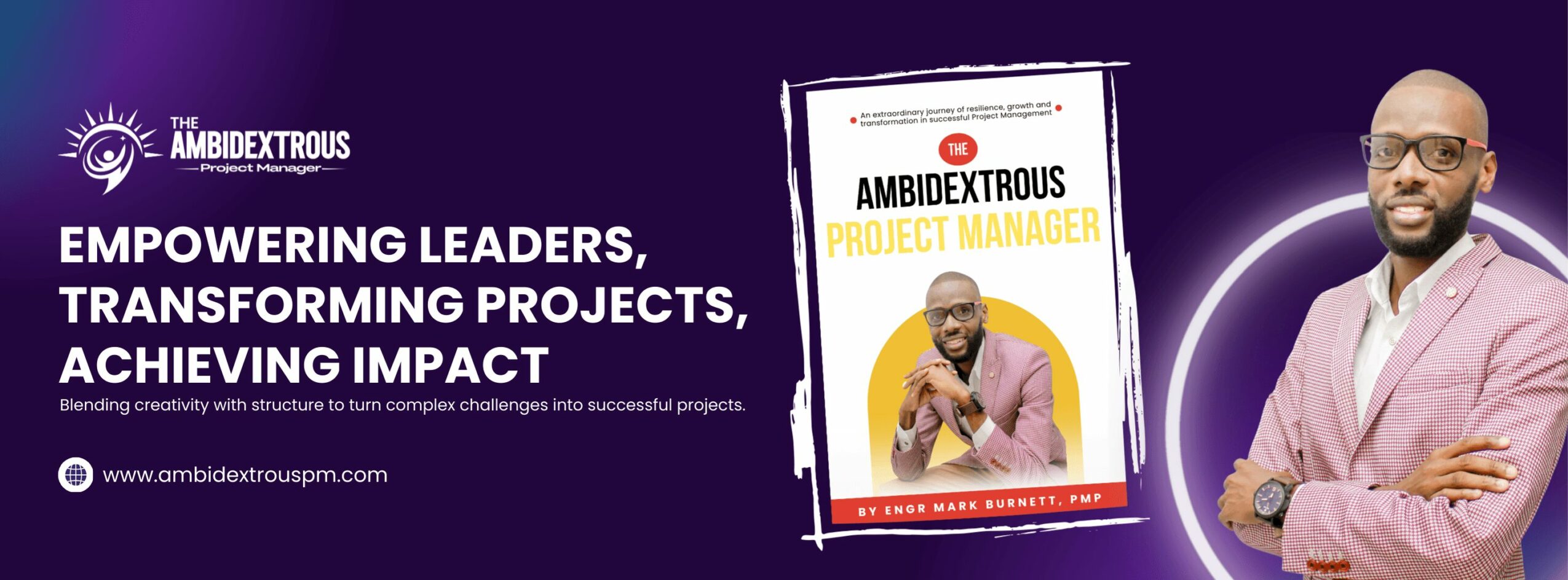
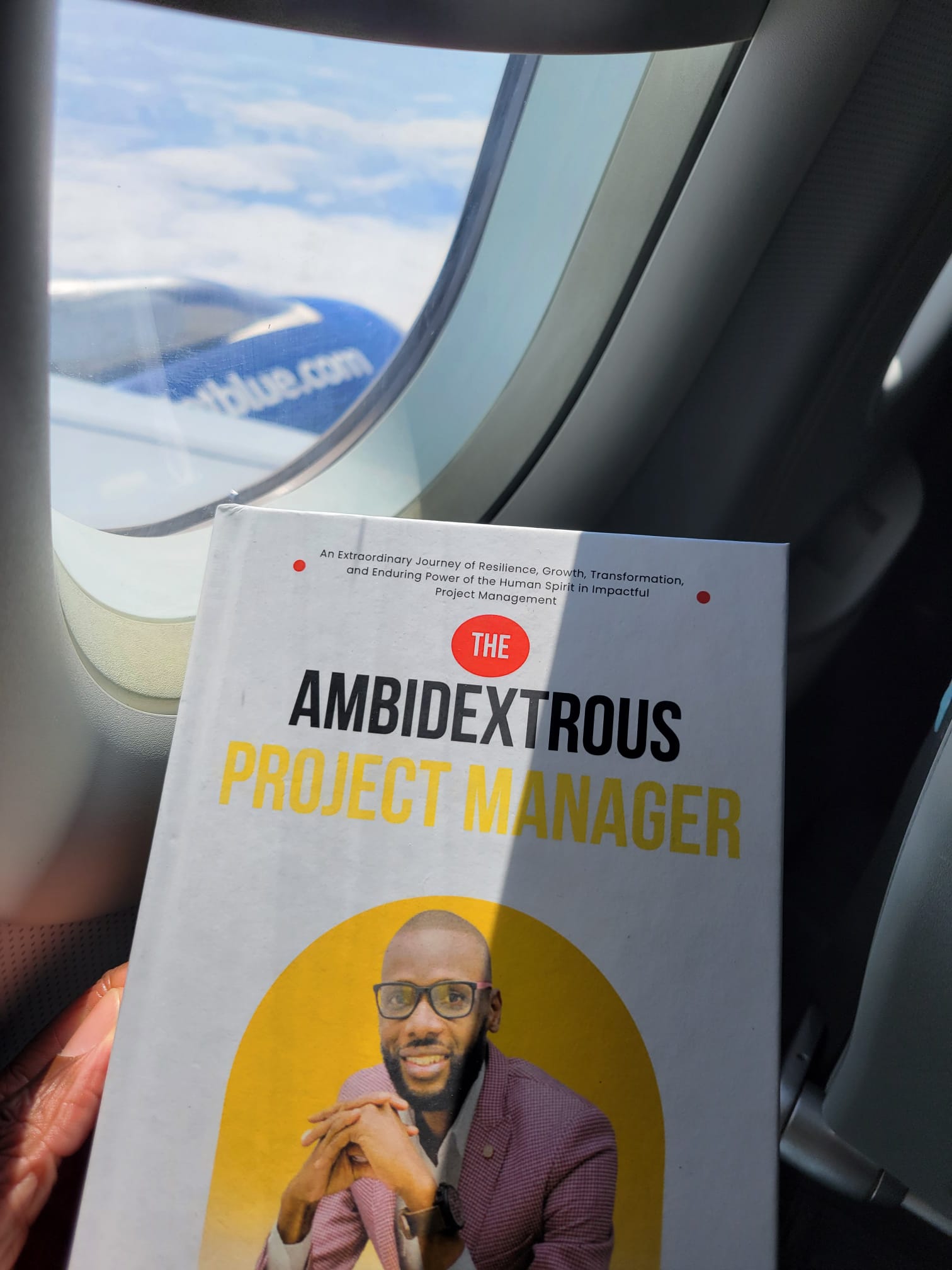
I’m Mark Burnett—an engineer by training, a project transformation leader by practice, and the author of *The Ambidextrous Project Manager*. I work with business leaders and project teams navigating uncertainty—helping them deliver meaningful outcomes without losing their people, purpose, or humanity along the way.
My work spans complex environments across more than 30 countries and island states, where rigid playbooks rarely survive first contact with reality. What I’m known for is helping business leaders and project teams balance structure with adaptability—knowing when discipline creates stability, and when flexibility creates momentum. That balance is the heart of ambidextrous leadership.
The philosophy behind my brand was shaped not only by professional experience, but by personal adversity. I’ve lived through moments where resilience wasn’t a leadership buzzword—it was survival. More recently, Hurricane Melissa devastated communities across Jamaica, reinforcing a truth I’ve seen repeatedly in projects and in life: sustainable performance is built on clarity, trust, and the ability to adapt under pressure.
Through *The Ambidextrous Project Manager*, I focus on helping organizations stabilize change, rebuild confidence, and move forward with intention—especially in moments when uncertainty feels overwhelming. I’m currently working on expanding this work through writing, teaching, and advisory engagements that prioritize impact over noise, and progress over perfection.
Amazing, so let’s take a moment to go back in time. What part of you has served its purpose and must now be released?
The part of me I’m consciously releasing is the belief that resilience means enduring everything in silence.
That mindset was shaped early—by responsibility, by complex environments, and by moments where showing vulnerability felt like a liability. It helped me survive high-pressure roles, deliver outcomes in uncertain conditions, and keep moving forward when the stakes were real.
But over time, I’ve learned that silent endurance doesn’t scale.
In leadership, projects, and life, the most sustainable results come when resilience is shared—when clarity replaces control, and trust replaces overextension. Letting go of the need to “hold it all together” has allowed me to build stronger systems, invite better thinking, and create space for others to lead alongside me.
This shift has directly influenced how I work today: focusing less on individual heroics and more on designing environments where people, teams, and communities can adapt, recover, and thrive together.
What once helped me push through now gives way to something more powerful—collective strength, honest dialogue, and impact that lasts.
When did you stop hiding your pain and start using it as power?
I stopped hiding my pain when I realized it was already influencing my leadership—just silently.
After a life-altering injury early in my career, I learned how to “perform resilience”: deliver results, stay composed, and keep moving forward without acknowledging the internal cost. That approach worked technically, but it limited depth—both in how I led and how teams showed up around me.
The turning point came when I began to treat pain as data, not a liability. By naming reality—whether in complex transformation programs, high-stakes delivery environments, or community-level disruption—I noticed a shift. Trust increased. Conversations became more honest. Teams stopped pretending and started adapting.
Using pain as power wasn’t about storytelling for sympathy. It was about converting lived experience into clarity, judgment, and better decisions under pressure. Today, that perspective shapes how I help business leaders and project teams navigate uncertainty: grounded, human, and capable of delivering results without breaking people in the process.
Pain became power when I stopped hiding it—and started learning from it.
Next, maybe we can discuss some of your foundational philosophies and views? What’s a belief or project you’re committed to, no matter how long it takes?
I’m committed to proving—through lived results—that projects can deliver world-class outcomes without breaking people or communities.
Early in my career, I led large, high-pressure initiatives across more than 30 islands, where success wasn’t just measured by schedules and budgets, but by whether systems worked *after* the consultants left. In one transformation, delivery was technically “on track,” yet teams were exhausted, misaligned, and disengaged. We paused, reframed success around value, resilience, and learning, and blended disciplined governance with adaptive ways of working. The result wasn’t just a delivered project—it was a capable, confident team that could sustain momentum long after go-live.
That experience became the foundation of *The Ambidextrous Project Manager*: a long-term commitment to helping business leaders and project teams hold structure and flexibility, control and creativity, performance and humanity at the same time.
This isn’t fast work. It requires patience, trust, and the courage to challenge outdated models of success. But no matter how long it takes, I’m committed to building a future where projects strengthen people, businesses, and communities—because that’s where real, lasting impact lives.
Okay, so before we go, let’s tackle one more area. If you retired tomorrow, what would your customers miss most?
They would miss having a partner who stays calm when complexity peaks—and helps them see clearly when everything feels urgent.
In one multi-country transformation, delivery had stalled despite strong plans and experienced teams. What was missing wasn’t expertise; it was perspective. We slowed the noise, reframed the work around value and people, and reconnected leaders and teams to “why” the project mattered. Momentum returned, decisions improved, and delivery followed—but more importantly, confidence did too.
What clients tell me they value most is that I don’t just manage projects; I “steady the system”. I translate chaos into clarity, pressure into purposeful action, and setbacks into learning. I leave teams stronger than I found them—able to lead, adapt, and deliver long after I’ve stepped away.
If I retired tomorrow, they’d miss that blend of rigor, humanity, and resilience—the reminder that results matter, but how you achieve them matters even more.
Contact Info:
- Website: https://ambidextrouspm.com/
- Linkedin: https://www.linkedin.com/in/mrkburnett/