



Today we’d like to introduce you to Anahi Munoz.
Alright, so thank you so much for sharing your story and insight with our readers. To kick things off, can you tell us a bit about how you got started?
Some people choose a career.
Others are called into one.
For me, healing was never just a profession. It was a destiny that began long before titles, credentials, or any form of success. It began with a little girl sitting quietly in the back of her mother’s Anatomy and Physiology class, eyes wide, heart open, captivated by a world she didn’t fully understand yet, but already felt deeply connected to.
My mother was a single mom, and she didn’t always have someone to watch me. So she took me with her to class. At the time, it may have seemed like a simple act of survival, just a mother doing what she had to do. But for me, it became something sacred. That classroom was my first window into science, the human body, and the mystery of how pain can turn into healing.
I was six years old when something in me awakened. I remember it clearly: a quiet certainty. I knew I wanted to dedicate my life to understanding the human body and helping people.
Still, my path was never built on luck.
It was built on grit, sacrifice, resilience, and a deep devotion to becoming the kind of provider people could trust with their most vulnerable moments.
I pursued nursing in Uruguay with passion and discipline. I earned a scholarship that covered my study materials and transportation to the university, support that mattered, because every step of my education was something I fought for. I graduated from the Universidad de la República in 2002, and in 2003, I moved to the United States carrying a dream that was bigger than my fear.
But starting over in a new country isn’t just about learning a new system; it’s about proving yourself again from the beginning.
In the U.S., I faced a long and difficult process to have my foreign education evaluated and officially recognized, especially in Florida. I had to gather documents, navigate complex requirements, and rebuild my professional foundation from the ground up. And I was doing it while still learning English, speaking what I called my “broken English,” trying to make myself understood while holding on to my vision.
It wasn’t easy. There were moments of exhaustion, uncertainty, and sacrifice that people don’t always see behind a success story. But I kept going. I restudied nursing in English, prepared relentlessly, and refused to let the barriers become my ending.
Finally, in 2006, things began to move forward. I became licensed, and I started working as an orthopedic bedside RN at Northridge Medical Center.
That’s where my true clinical training sharpened.
But even then, I realized something quickly: I didn’t just want to treat symptoms.
I wanted to guide people through life, through illness, through fear, through pain, through emotional storms that often lived underneath the physical diagnosis.
I wanted deeper knowledge, greater clinical authority, and the ability to create real transformation, not only within a healthcare system, but within people’s lives.
That desire led me to pursue my Master of Science in Nursing (MSN). This degree didn’t just advance my career; it expanded my purpose. It opened the door for me to become an educator and serve as nursing faculty for different colleges and universities, a role I truly loved. I believe the future of healthcare can be changed in the classroom because education shapes the next generation of providers and, in many ways, the future of patient care.
From there, I earned a post-master’s certification as a Family Nurse Practitioner (FNP). That experience gave me a broader, holistic lens. It taught me to treat the whole person across the lifespan and see how physical health, stress, environment, and lifestyle intertwine.
But it didn’t take long before I recognized something deeper:
So many people weren’t just fighting medical conditions.
They were silently carrying anxiety, trauma, burnout, insomnia, grief, depression, and emotional overwhelm—often unseen and untreated in traditional healthcare.
I wanted to bridge that gap.
So I stepped into my next evolution and became a Psychiatric Mental Health Nurse Practitioner (PMHNP).
Psychiatry wasn’t just another certification; it was a calling within my calling. It allowed me to combine medical expertise with psychological healing, giving me the tools to treat the most complex part of the human system: the mind.
And then came my highest academic rise: earning my Doctor of Nursing Practice (DNP).
The DNP wasn’t about collecting letters after my name. It was about becoming the highest version of the provider I was always meant to be, someone who could lead, build, innovate, and deliver care with depth, science, and excellence.
In 2020, in the middle of the COVID-19 pandemic, Florida passed legislation allowing nurse practitioners to practice independently. And in a time when the world was breaking, when frontline workers were exhausted, families were overwhelmed, and mental health was collapsing quietly behind closed doors, I built something I had carried in my heart for years:
My own boutique psychiatric practice.
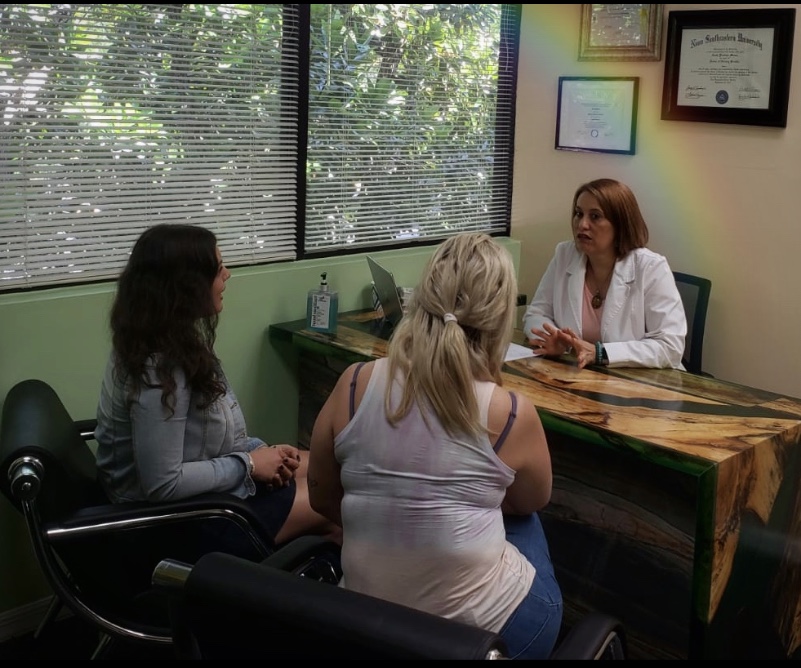
A space where high-achieving professionals, overwhelmed caregivers, burned-out frontline and essential workers, students under pressure, and emotionally exhausted families could finally feel seen, supported, and guided with precision.
Because I’ve always believed this:
Healing is not rushed.
Transformation is not generic.
And people deserve care that treats them like a whole human, not a quick diagnosis.
My journey has been one of reinvention, persistence, and purpose.
And I’m still becoming.
Can you talk to us a bit about the challenges and lessons you’ve learned along the way. Looking back would you say it’s been easy or smooth in retrospect?
Has it been a smooth road? Not at all.
My journey has been forged through challenges that tested me emotionally, financially, and spiritually, and they have shaped the strength behind everything I am today.
I studied nursing in Uruguay while living in poverty, and I carried the responsibilities of motherhood early. I wasn’t just working toward a degree; I was fighting for survival, stability, and a future that felt bigger than my circumstances. There were days when everything depended on sheer determination: showing up, studying, pushing forward, even when life offered very little comfort.
Later, I moved to the United States with my child, already a mother, already carrying the weight of providing. I arrived with a five-year-old and a dream, knowing I had to learn a new language, adapt to a completely different country, and navigate a healthcare system that did not automatically recognize my education or experience.
Starting over meant proving myself from the beginning, again.
It meant gathering endless documents, meeting requirements that felt overwhelming, and preparing for the NCLEX while studying in English, a language that at the time still felt like a barrier. I remember calling it my “broken English,” but the truth is: even then, I never stopped believing in myself.
One of the hardest parts wasn’t just the workload; it was the pressure of doing it while raising my son and trying to build a stable life. I wasn’t chasing success for myself alone. I was building a future for him. I wanted him to have more opportunities, more security, and a life shaped by choice, not survival.
And through it all, I learned what resilience really means.
I learned to stay focused even when tired. How to hold faith while uncertain. How to keep walking when the finish line feels invisible. I learned that reinvention isn’t glamorous, it’s lonely, demanding, and often misunderstood. But it is also where greatness is born.
Even later, as I advanced into higher education, MSN, FNP, PMHNP, and ultimately my DNP, the challenge didn’t disappear. Each level required more sacrifice, more discipline, and deeper commitment. But I kept moving forward because my calling was bigger than the obstacles.
Then came 2020, one of the most intense and uncertain times in modern history. During the COVID-19 pandemic, while the world was breaking in real time, I chose to build. Florida’s independent practice law gave nurse practitioners the ability to step forward in a new way, and I took that moment to create my boutique psychiatric practice, because I knew people needed more than quick appointments and surface-level care.
They needed depth. They needed precision. They needed someone who truly sees them.
Looking back, my challenges weren’t detours. They were the training ground.
They taught me to lead with empathy, to hold space for others, and to build a life of faith and courage.
Thanks for sharing that. So, maybe next you can tell us a bit more about your business?
My practice is now proudly known as Anahi Munoz, a personal commitment to excellence, integrity, and whole-human care.
Originally, my work developed through an integrated model that combined primary care and psychiatric-mental health services. It was built to provide patients with comprehensive support, mind and body, under one roof. But as the healthcare landscape continues to shift, I found that insurance reimbursement models often fail to reflect the true value and intensity of high-quality mental health care.
Rather than allowing external systems to dilute my standards or compromise the level of care my patients deserve, I chose to evolve.
Transitioning to a solely owned, provider-led boutique psychiatric practice under my own name was a strategic and values-based decision. It allowed me to protect the mission, streamline operations, and ensure sustainability, so I could continue serving my community with the depth and consistency that meaningful mental health treatment requires.
I’m especially proud that this evolution has been driven by leadership and responsibility. For me, it wasn’t just about keeping a business open; it was about protecting what we’ve built, honoring the people we serve, and maintaining stability for the team members who have helped bring this vision to life.
Today, Anahi Munoz stands for personalized, high-level psychiatric care with precision, warmth, and results. I specialize in treating anxiety disorders, depression, ADHD, trauma-related symptoms, insomnia, and emotional burnout, especially in high-achieving individuals, caregivers, professionals, students, and those navigating major life transitions.
What sets my practice apart is that I offer a true boutique experience: patients are not rushed, dismissed, or reduced to a diagnosis. Every treatment plan is thoughtful, individualized, and evidence-based, designed to support long-term transformation, not temporary relief.
At its core, my work is built on one belief:
Healing is not rushed. Transformation is not generic. And people deserve care that treats them as whole human beings.
Are there any books, apps, podcasts or blogs that help you do your best?
Favorite books, apps, or podcasts
A few resources consistently help me stay grounded, sharp, and inspired, both professionally and personally.
Books I return to often:
The Body Keeps the Score by Bessel van der Kolk is a powerful reminder of how trauma lives in the body and why compassionate, whole-person care matters.
Atomic Habits by James Clear, simple, effective strategies for building structure, consistency, and long-term transformation.
The Untethered Soul by Michael A. Singer is a deeply grounding book that supports inner peace, emotional freedom, and spiritual clarity.
Podcasts I enjoy:
The Huberman Lab Podcast: science-backed insights on mental performance, stress regulation, sleep, and behavior change.
The Mel Robbins Podcast: practical tools for confidence, mindset, and staying resilient through life’s challenges.
Apps that support my daily life:
Headspace or Calm: for nervous system regulation, meditation, and sleep support.
Notion (or Google Calendar): for staying organized, structured, and intentional as a clinician and business owner.
Overall, I’m drawn to resources that combine evidence-based science with real-world transformation, because healing isn’t just about information; it’s about integration.
Contact Info:
- Website: https://www.anahimunoz.com
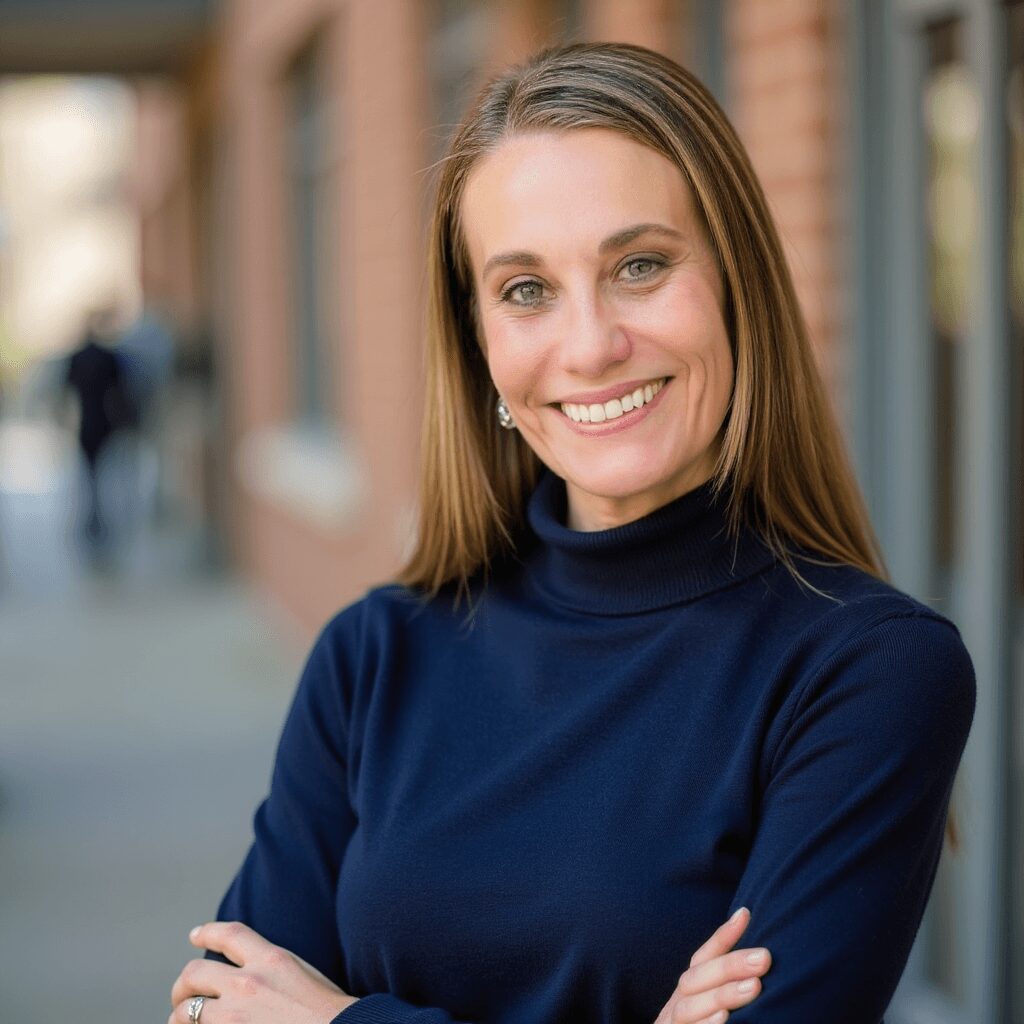
Image Credits
Agustin Rebola