





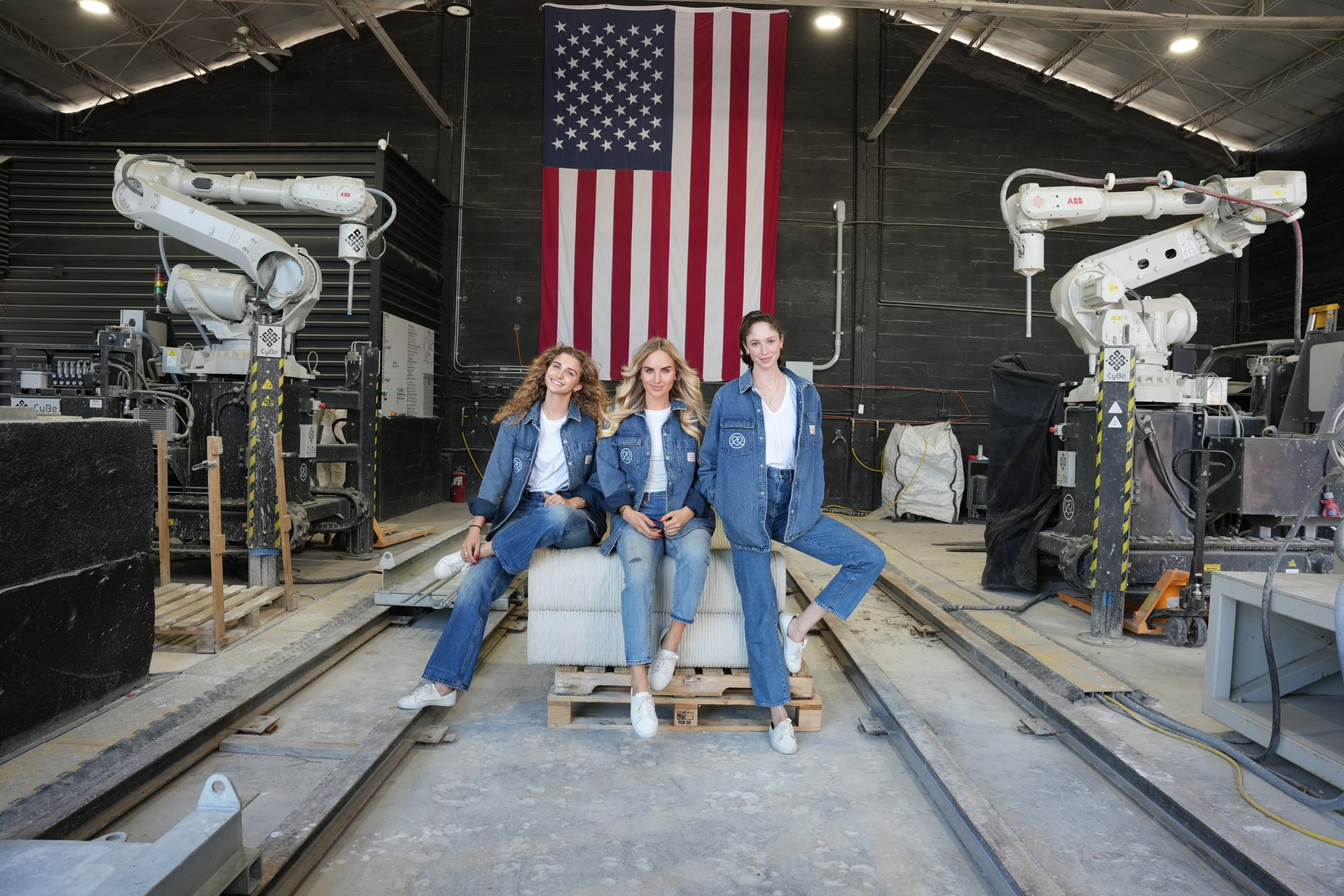
Today we’d like to introduce you to Anya Freeman.
Hi anya, so excited to have you on the platform. So before we get into questions about your work-life, maybe you can bring our readers up to speed on your story and how you got to where you are today?
I was born in Ukraine and grew up between Israel, South Africa, and China before landing in Miami to attend law school. Coming to the United States as a teenager without speaking English, settling first in Kennebunkport, Maine, my family and I felt incredibly blessed to receive the opportunity to become American citizens. I had a very typical soviet family. My father is. a rocket scientist and my mom is a gymnastics teacher. My parents had big dreams for my brother and I, and like any good immigrant child, I went to law school to fulfill that American Dream for them.
I graduated cum laude from the University of Miami School of Law and started working as a laywer. I worked for the U.S. Attorney’s Office, clerked at the United States District Court, volunteered with the ACLU and Innocence Project, and eventually opened my own law firm focused on litigation and environmental policy. I had a good job, I was in my 20s living in South Beach with my girlfriends, and honestly, I was enjoying life in Miami.
But something started gnawing at me. Living in South Beach for seven years, my friends and I began noticing the flooding getting progressively worse. What used to happen once a year became every six months, then almost monthly during storm surges. I became curious about this phenomenon and started researching rising sea levels and coastal protection. What frustrated me most was that while everyone was talking about the problem with a lot of fear-mongering, there was very little conversation around actual solutions or the application of technology to solve this existential crisis.
That’s when I discovered that seawalls have always been the first line of defense for coastal cities against flooding – but they had never been innovated. The first seawall that went into the water 100 years ago in Galveston, Texas, was essentially the same product we were still installing today. Even worse, traditional concrete seawalls actually destroy marine habitats, creating dead zones underwater.
So to my parents’ horror, I quit being a lawyer. I decided to build Kind Designs, a company that would protect my home city, save marine habitats, and set make Miami an example to the rest of the world of what’s possible in coastal infrastructure.
I’m sure it wasn’t obstacle-free, but would you say the journey has been fairly smooth so far?
Building a construction-tech startup is fundamentally different from launching an app or AI tool from your basement or a WeWork. This is a capital-intensive business that required massive upfront investment to build out our factory and robot fleet. We needed a 50,000SF factory on the Miami River, multipe robotic arms, track systems, telehandlers, forklifts, trucks, and all the infrastructure to manufacture massive concrete seawall panels. You can’t bootstrap this kind of operation—we needed investors who truly understood construction-tech and were comfortable with the capital requirements and longer timelines.
When I first started pitching, I went to all the traditional investors in Silicon Valley and New York City. The conversations were frustrating. Many of them had never personally experienced flooding or storm surges. Their backyards weren’t flooding. Some didn’t even know what a seawall was. They had no personal experience with the nightmare of actually getting a seawall—how expensive it is (average $300,000 for a residential projects), how permits take 1-2 years, how disruptive seawall installation is to water quality and marine life. Without that lived experience, it was hard for them to grasp both the urgency of the problem and the massive market opportunity.
The breakthrough came when I met Florida investors. Many of them first saw me speak at the eMerge Americas finals in Miami Beach. I didn’t have to explain the problem or convince them of the opportunity – they got it immediately. These were people who either owned waterfront property themselves or worked in sectors directly impacted by coastal flooding and aging seawall infrastructure.
As a result, my entire cap table became strategic investors from the construction industry or the government space in Florida. And this wasn’t just about the money, these investors have been game-changers for our business. They’ve put us into project plans. They’ve helped us pass legislation creating incentives for Living Seawalls in Florida. They’ve opened doors that led to what is now a $100 million pipeline of projects.
We closed our initial seed round of $5 million in late 2023, then raised an additional $5 million in our Seed-1 round in 2025 at a $30 million valuation, bringing our total funding to $11.5 million. Mark Cuban invested and has since doubled down. But it’s the strategic Florida investors—the ones who understand coastal construction, who sit on municipal boards, who know every contractor and engineer in South Florida—who have truly accelerated our growth. The lesson I learned is that for a capital-intensive, location-specific infrastructure business, having investors who deeply understand your market isn’t just helpful – it’s essential. The right cap table can be as valuable as the capital itself.
We’ve been impressed with Kind Designs, but for folks who might not be as familiar, what can you share with them about what you do and what sets you apart from others?
What We Do:
Kind Designs is a Miami-based climate-tech startup revolutionizing coastal infrastructure through advanced robotics and 3D-printing. We’re the first company in the world to 3D-Printing Living Seawalls. While traditional seawalls destroy marine habitats, Living Seawalls function like artificial reefs, dissipate waves, improve the quality of water. There is no “green premium”. With all the environmental benefits, the Living Seawalls are actually cheaper than conventional, toxic seawalls.
What We’re Most Proud Of:
Beyond the technology, I’m most proud that we’ve shifted the entire coastal construction industry. Toxic seawalls have been the only solution to flooding and storm surges since the 1900s. For the first time, homeowners and developers have another options that will not only save them money but will dramatically improve the quality of water and the health of marine habitats for the whole community (both human and marine ).
In July 2025, Miami-Dade County passed historic seawall legislation that was championed by Mayor Higgins (Commissioner Higgins at the time). The bill passed unanimously—Living Seawalls now provide cost savings through mitigation exemption, permits are expedited from 2 years to 90 days, and many government seawall projects are switching to Living Seawalls. This is proof that coastal infrastructure can be both protective and restorative. It can be both practical and beautiful. We’re very proud to put Miami on the map as the innovation hub for coastal construction!
What You Should Know
If you live on the water in Miami or any coastal community, you’re probably thinking about seawalls. You should know that the old way—traditional concrete seawalls—is both environmentally destructive and increasingly expensive. But there’s an alternative that protects your property while restoring the ocean that makes Miami special. We’re not asking you to choose between protecting your home and protecting your waters. With Living Seawalls, you don’t have to. You get both.
Any advice for finding a mentor or networking in general?
The sexiest mentors aren’t the ones giving you startup advice – they’re the ones who can put you into their plans and make a phone call that opens a door you didn’t even know existed. In construction, my most valuable mentors are men who’ve been in this business for generations: Glen Larson from Dock Marine, the Murphy brothers from Coastal Construction – they’re industry titans who understand permitting, contractors, municipalities, and government procurement on a level I could never learn from a book. They’ve taught me to respect the way things have always been done, but also to question why they have to stay that way. Being a female founder in construction-tech has actually been an advantage in this regard. I show up with reverence for their decades of expertise – I listen, I learn, I don’t pretend to know more than I d – —but I also come with a fresh lens. I can see problems they’ve accepted as inevitable. I can ask “why not?” without the baggage of “we’ve always done it this way.” When Glen took a chance on our first installation in Miami Beach, he wasn’t just betting on technology, he was trusting that a young female founder could respect the tradition of marine construction while innovating within it. My advice: find mentors who are already powerful in your industry, who have real relationships and real influence, and show them genuine respect for what they’ve built. Then bring your fresh perspective to the table. The combination of their institutional knowledge and your willingness to challenge the status quo is where real change happens.
Contact Info:
- Website: https://www.kinddesigns.com
- Instagram: https://www.instagram.com/kinddesignsofficial/
- LinkedIn: https://www.linkedin.com/in/anyafreeman/
- Youtube: https://www.youtube.com/@kinddesignsofficial
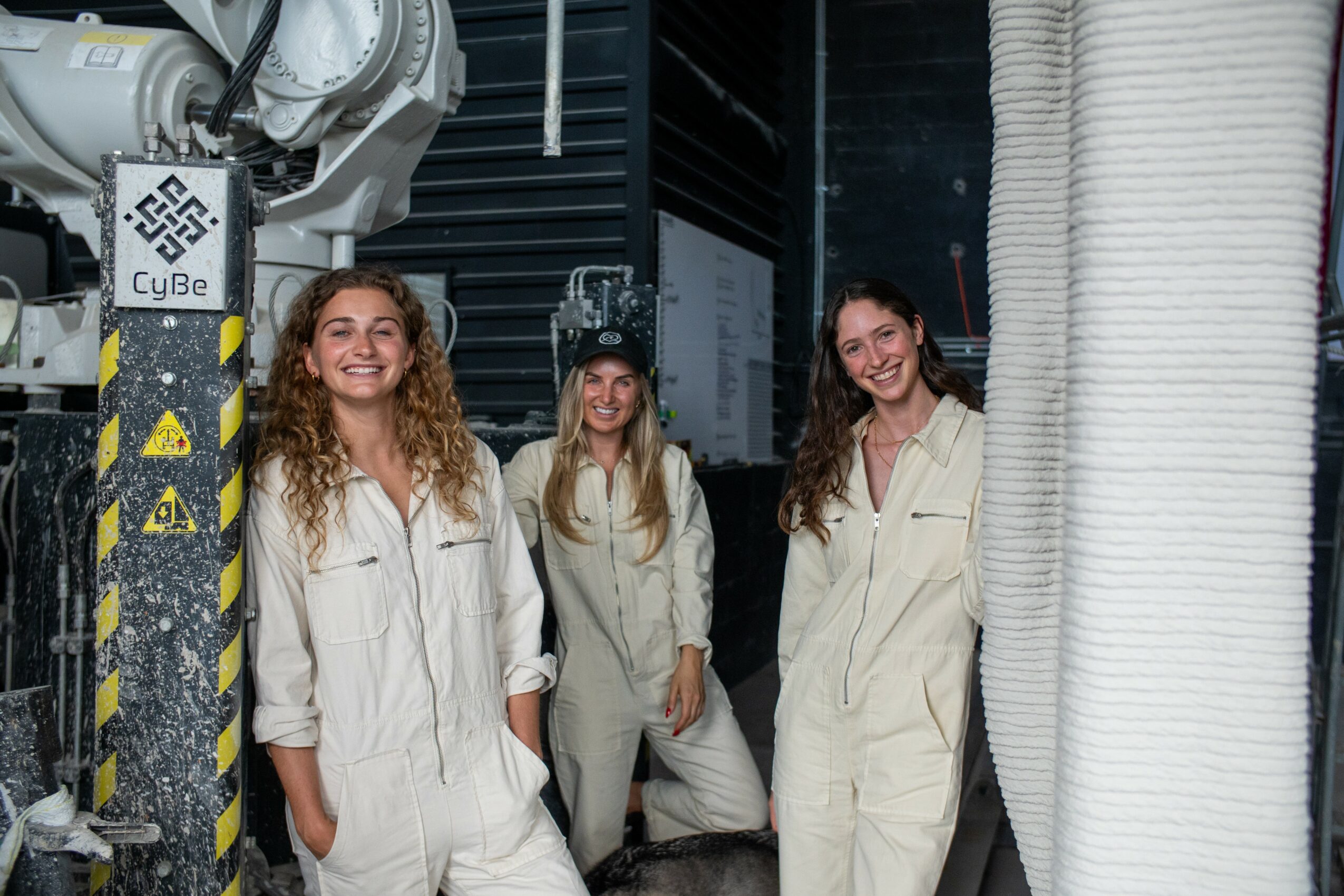
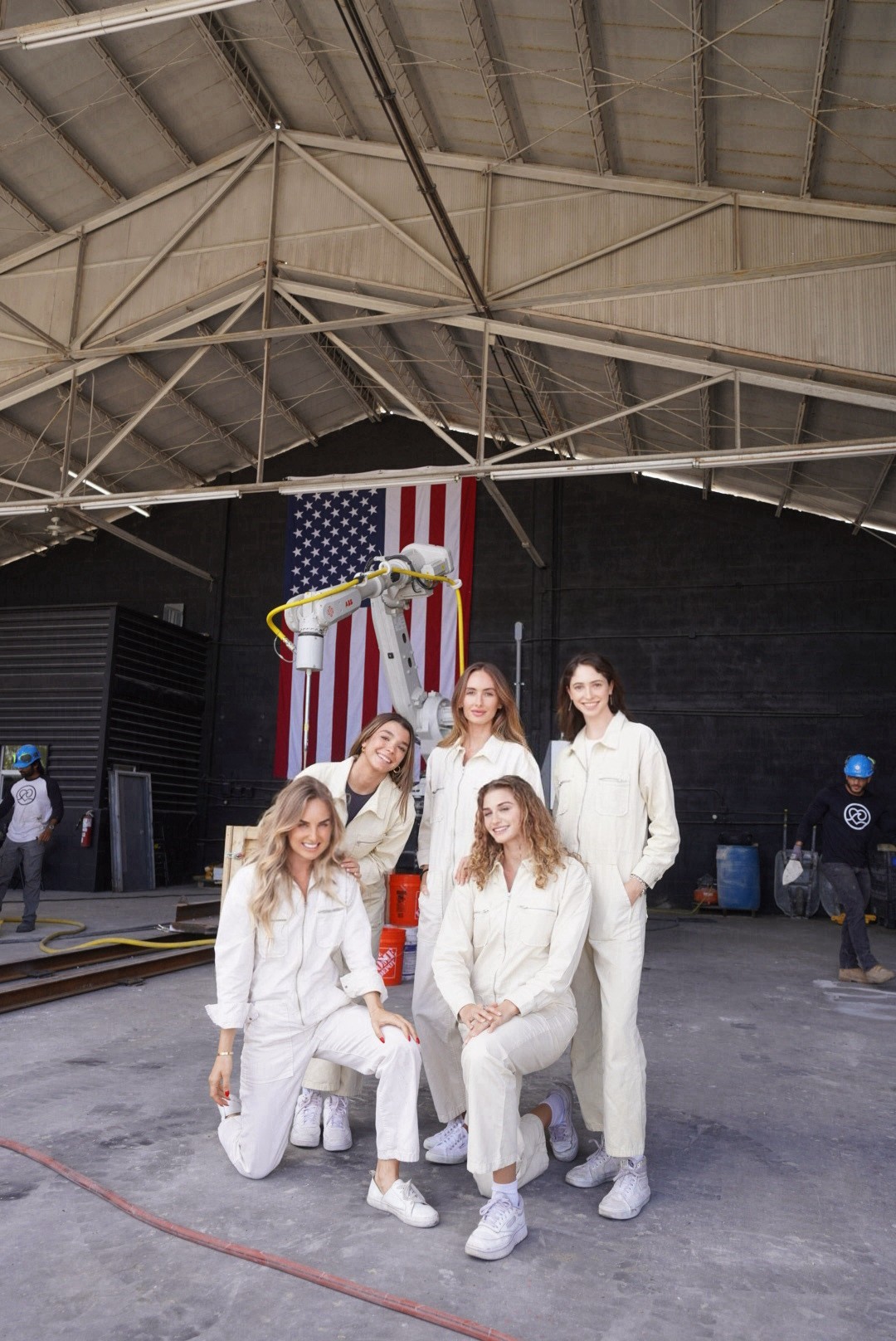
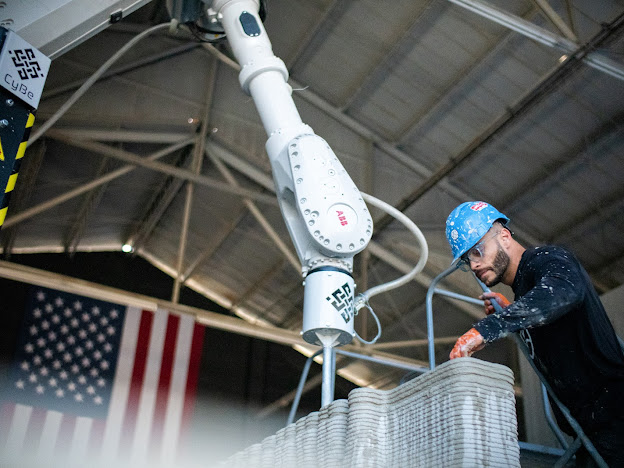
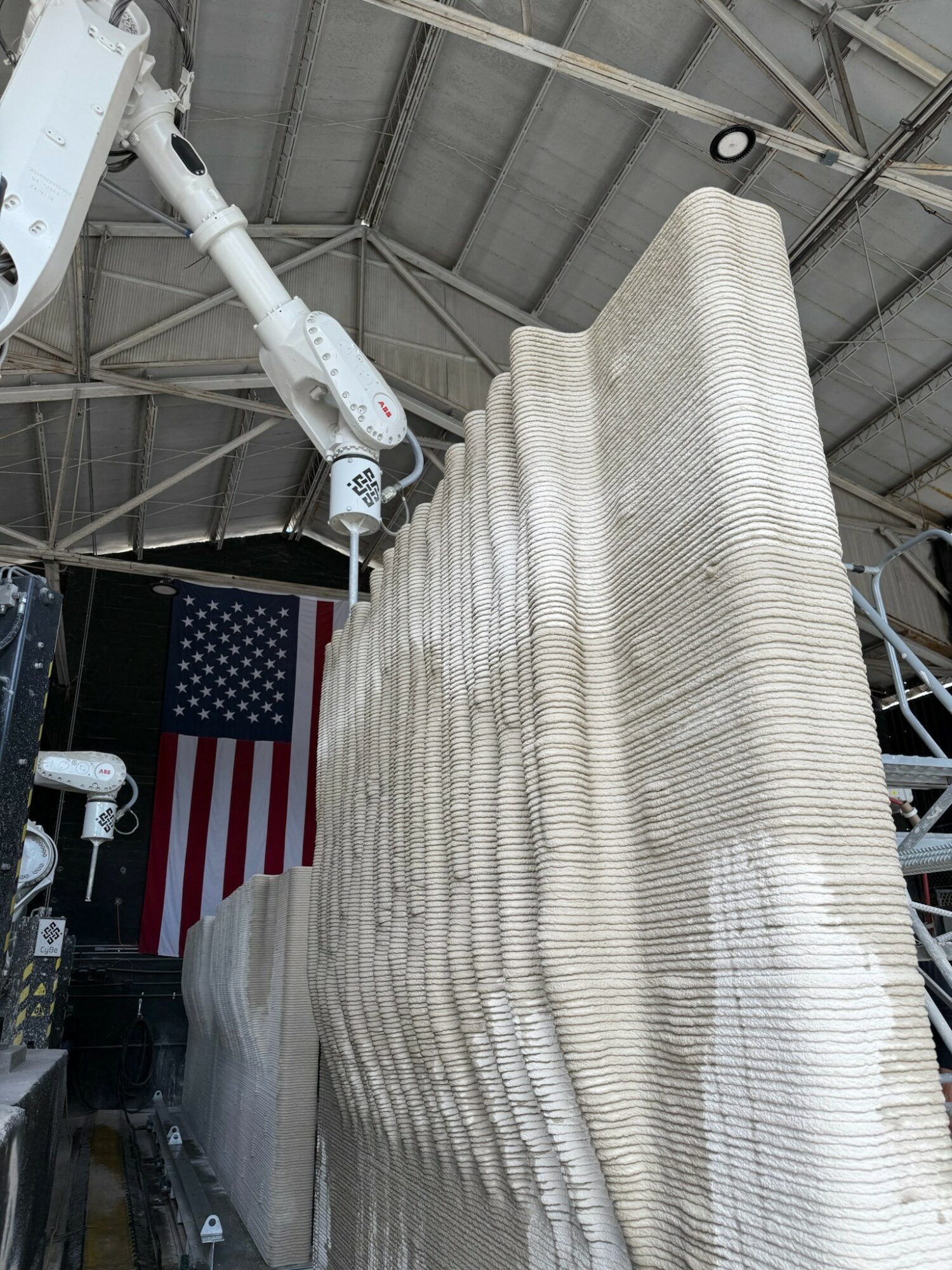
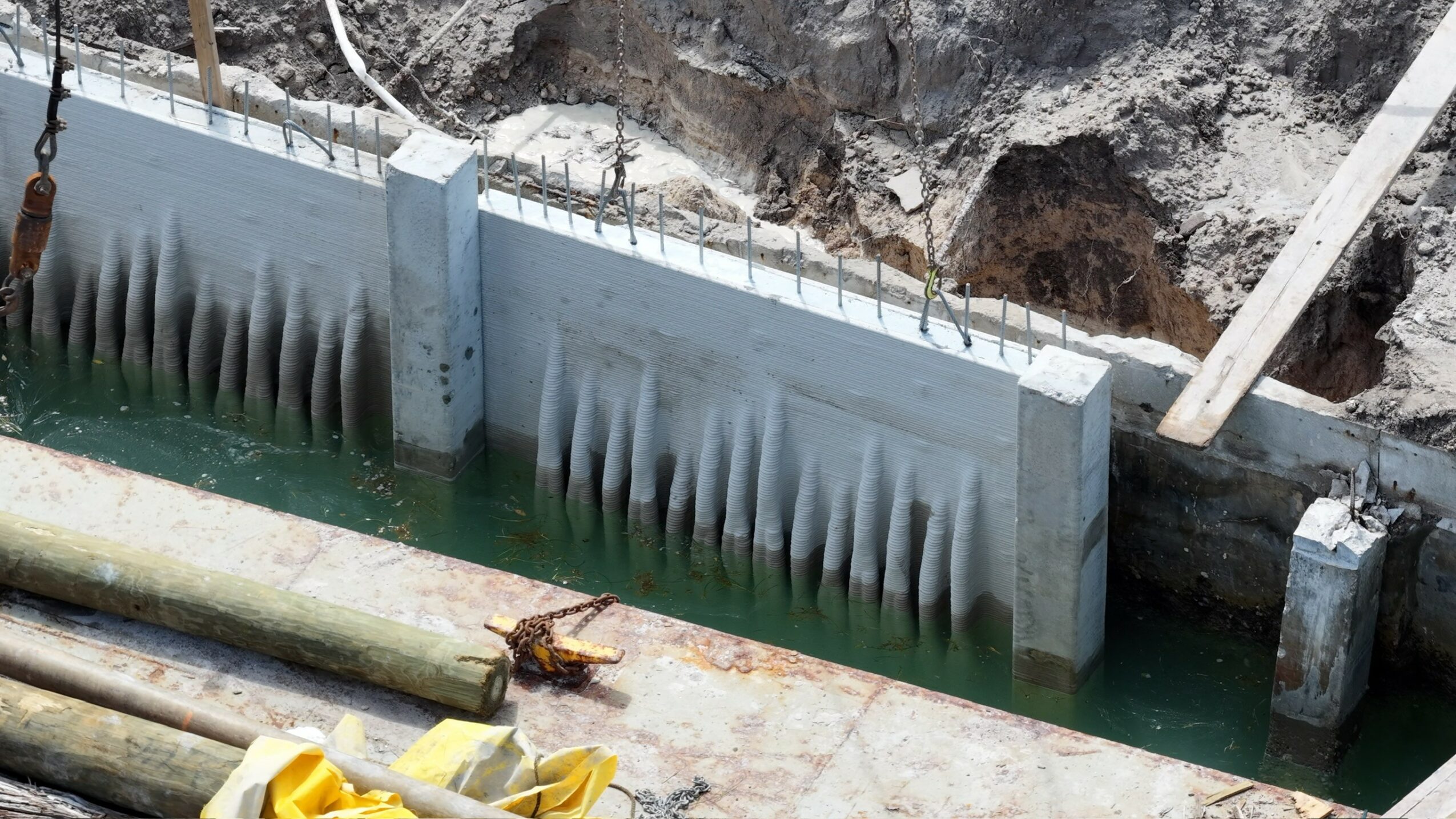
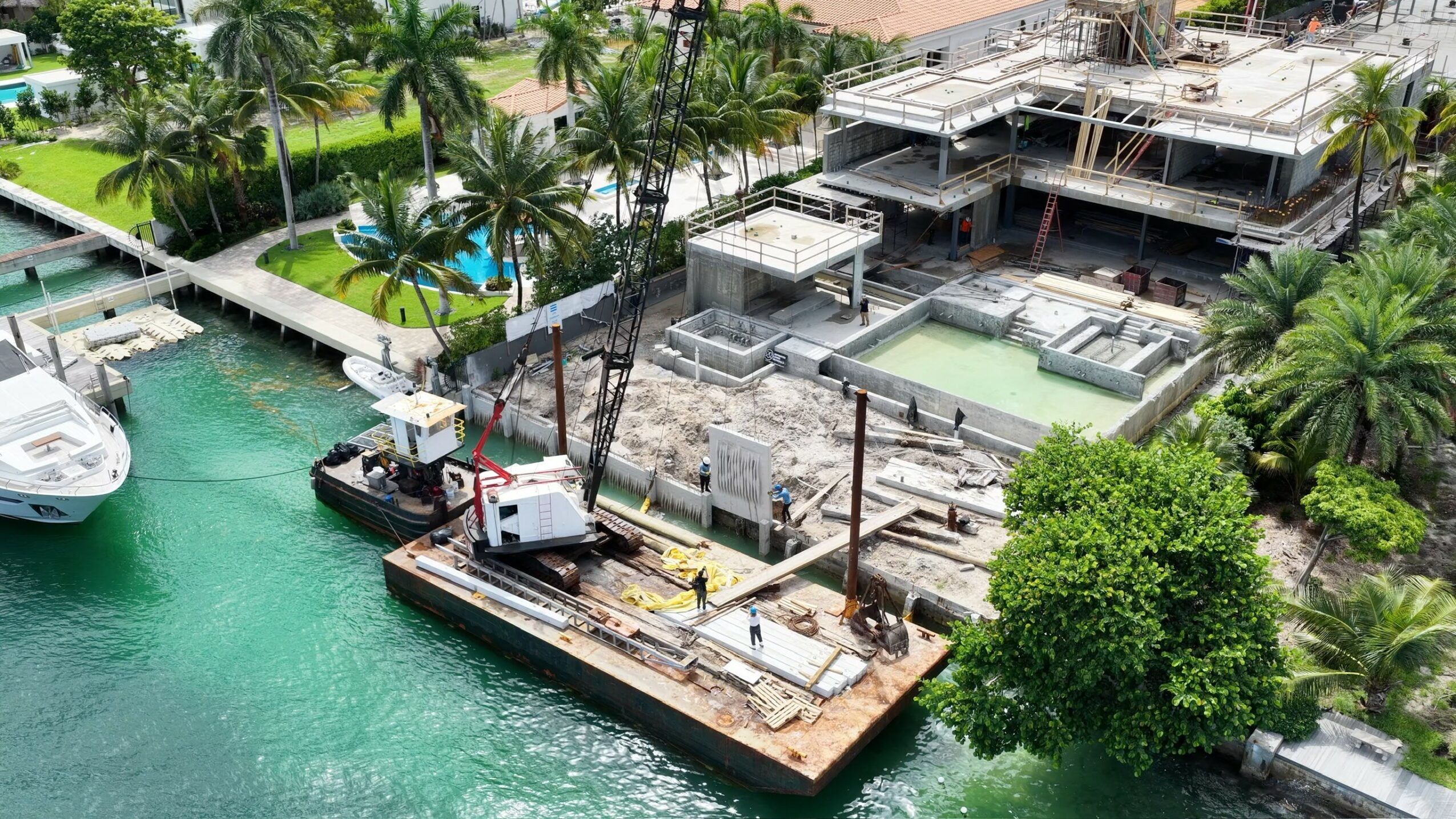
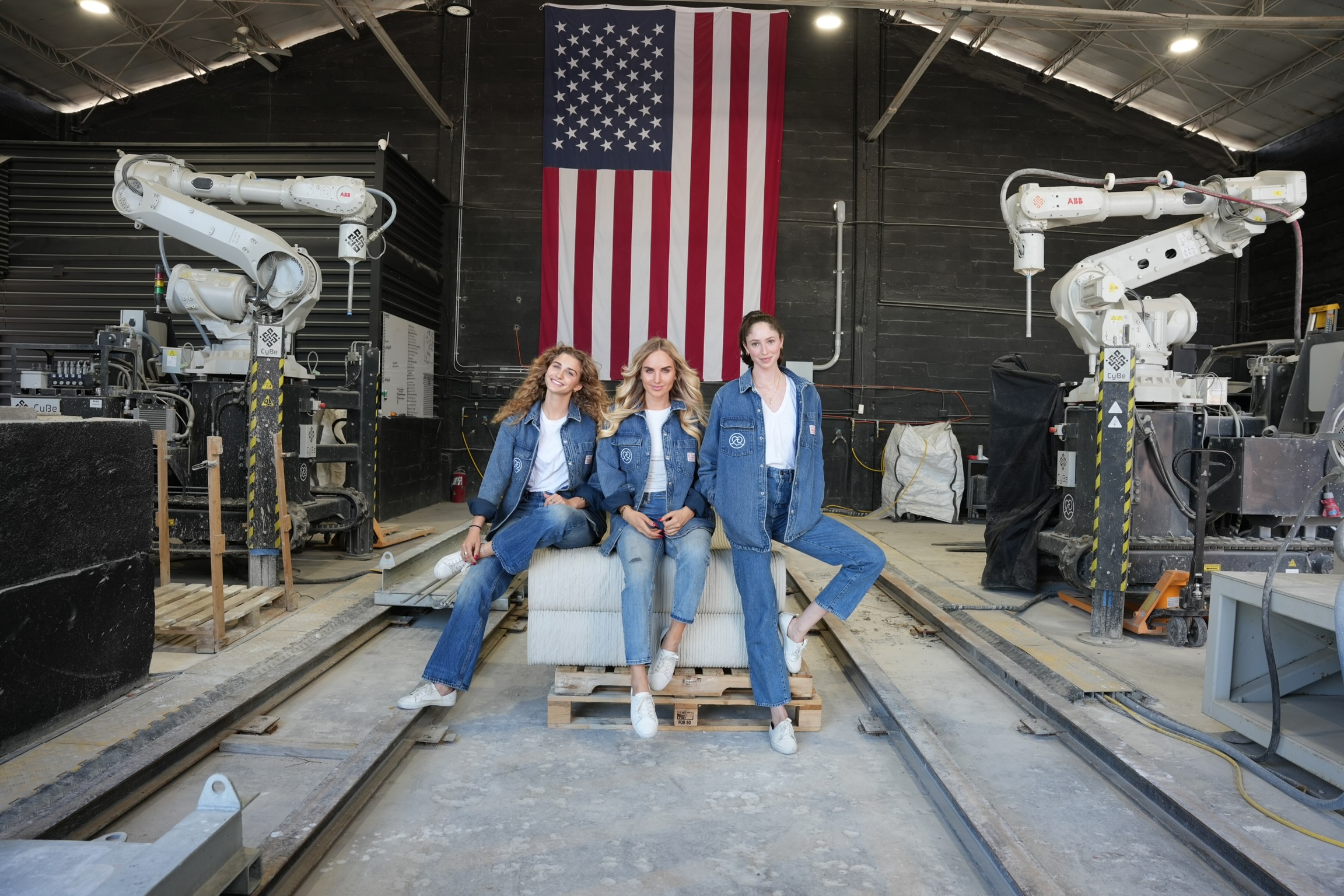
Image Credits
Kind Designs