





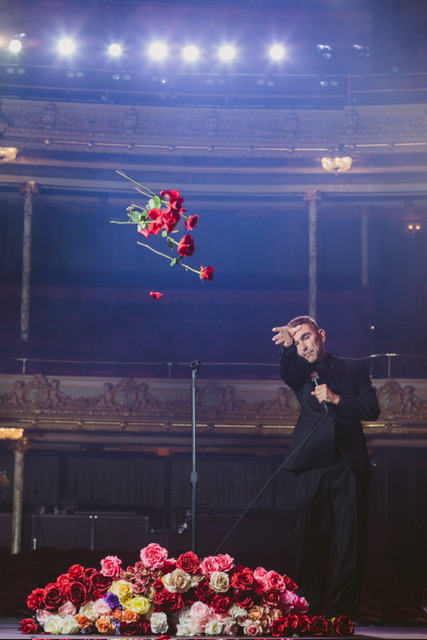
We recently had the chance to connect with Anthony Bambocci and have shared our conversation below.
Anthony, so good to connect and we’re excited to share your story and insights with our audience. There’s a ton to learn from your story, but let’s start with a warm up before we get into the heart of the interview. What is a normal day like for you right now?
Right now my days are pretty intentionally structured. Every morning starts with a workout – it’s non-negotiable and it’s how I get my brain online before I touch anything creative. After that, I spend time doing things that force me outside my comfort zone. I’ll usually put in about an hour trying to learn Spanish and another twenty minutes on the guitar. I’m not good at either yet, but that’s kind of the point. It keeps me humble and keeps my brain flexible.
Once that’s done, I shift into comedy mode. I spend a couple of hours writing jokes, developing new material, or refining bits for upcoming projects. After that, the rest of the day is focused on longer-form storytelling like working on whichever screenplay or reality show I’m developing at the moment. I try to protect that creative time as much as possible.
I also batch my distractions for later. I save return phone calls, emails, and admin-type tasks for the end of the day so they don’t interrupt the creative flow. It’s a balance of discipline and experimentation, but it’s working and it keeps me moving forward on multiple fronts without feeling scattered.
Can you briefly introduce yourself and share what makes you or your brand unique?
I am a comedian, writer, and producer who spends most of my time turning real-life discomfort into something entertaining and structured enough to survive development meetings. I come from stand-up, which means I am instinctively suspicious of anything that feels fake, over-polished, or emotionally dishonest. If something is not at least a little uncomfortable, then I usually think it is unrealistic.
My work lives at the intersection of comedy and storytelling, both scripted and unscripted. I am drawn to relationship dynamics, ambition, family, embarrassing situations, and the panic people feel when they realize adulthood did not come with instructions. Comedy is usually the entry point, but the goal is always something grounded in human emotion and relationships. I want projects that make people laugh first and then sit there for a second thinking, “Wait, that happened to someone I know.”
What makes my approach different is that I think like a producer while writing and like a writer while producing. I am not just chasing jokes or moments. I am focused on structure, longevity, and whether an idea can actually be executed without spending a lot of money or collapsing halfway through. I like building projects that feel realistic, not manufactured, and that audiences can recognize themselves in, even if they do not want to admit it out loud.
Right now, I am developing a slate of scripted and unscripted projects, writing new comedy material, and building series that balance humor with emotional honesty. In short, I spend my days trying to make things that are funny, watchable, and just uncomfortable enough to feel like it could actually happen.
Okay, so here’s a deep one: Who were you before the world told you who you had to be?
Before the world told me who I had to be, I was a kid who wanted to make people laugh through storytelling. That was it. No master plan. No backup spreadsheet. Just the belief that humor and observation were how I understood the world. I was also repeatedly told by well-meaning adults that this was not a career, would not pay the bills, and should probably remain a hobby unless I enjoyed living in my parents’ basement forever.
So, like a lot of people, I took a detour. I became an entrepreneur and ended up building software systems in the corrections space, which is about as far from open-mic night as you can get. I learned how institutions work, how large systems are designed, how corporate structure works, and how to operate in environments where creativity is not the priority, but results are. I built companies, created measurable impact, and learned how to turn ideas into products that generate real money and real outcomes. I did all the “responsible” stuff very well.
The irony is that once I proved I could succeed in those worlds, I came back to the thing I was told not to do. Now I apply that same discipline, structure, and understanding of people to comedy and storytelling. The difference is I am no longer guessing. I know how to build, how to sell, and how to execute, and that has made the creative work sharper, braver, and more intentional.
In a way, I am exactly who I was before the world got involved. The only difference is now I have the leverage, experience, and scars to do it on my own terms.
What did suffering teach you that success never could?
Suffering taught me humility in a way success never could. Success is loud and flattering. It convinces you that your instincts are always right and that momentum is proof of wisdom. You can become easily caught up in your own B.S. and start believing that everything you do is right. Suffering does the opposite. It strips away the noise and forces you to sit with what actually works, what doesn’t, and what part of the outcome was truly on you.
I failed many times before anything worked. Projects didn’t land. Ideas I believed in went nowhere. Doors stayed closed longer than I thought was reasonable. That kind of failure has a way of slowing you down and sharpening your judgment. You finally stop chasing validation and start paying attention to fundamentals – effort, consistency, and whether you are building something that people want.
Success rewards outcomes. Suffering teaches process. When things aren’t working, you learn how to listen, adapt, and keep moving without any applause. You learn patience, resilience, and how to separate your identity from your results. That is the polar opposite of success because when things are going well, very little gets questioned.
The irony is that once success finally shows up, it is suffering that makes it somehow feel so much better. Without those earlier failures, success would have felt accidental or fragile. Because of them, it feels earned, stable, and repeatable. And that is a lesson I could only have learned the hard way.
I think our readers would appreciate hearing more about your values and what you think matters in life and career, etc. So our next question is along those lines. What truths are so foundational in your life that you rarely articulate them?
There are a few truths in my life that are so foundational I rarely say them out loud, mostly because I live them every day and assume they speak for themselves.
Family is everything. Being a good father matters more to me than any professional accomplishment. My goal is to give my children what I didn’t have early on: perspective, honesty, and the benefit of hard-earned lessons so they don’t have to repeat my mistakes just to learn them. In the same way, I value being a good son. My parents are part of my inner circle, and showing up for them is not optional, it’s a responsibility.
I also believe deeply in keeping my inner circle small. Money, success, and ambition change people, sometimes subtly and sometimes overnight. I’ve learned that trust isn’t something you distribute widely; it’s something you earn over time. The people closest to me are the ones who were there before anything worked, and that hasn’t changed.
Finally, I believe a person’s word still matters. I’m old-school that way. If I say I’m going to do something, I do it. No contract, no audience, no upside required. Reputation is built slowly and quietly and destroyed quickly, and I’ve always believed that integrity is what allows everything else to last.
These aren’t ideas I talk about often, but they’re the framework I make decisions through, and they shape every part of my life, whether I’m working, creating, or raising my kids.
Okay, so let’s keep going with one more question that means a lot to us: What is the story you hope people tell about you when you’re gone?
There’s an old saying: you die twice – once when you stop breathing, and again when someone says your name for the last time. And the truth is, most of us are only remembered clearly for a few generations. So I’m not chasing immortality. I’m chasing impact that can travel through the people I love.
I hope the story people tell about me is simple.
That I showed up. That I was a great father who made his kids feel safe, seen, and prepared – and that I taught them what I learned, including the mistakes, so they didn’t have to earn every lesson the hard way. That I was a good son who stayed loyal to the people who made me.
I hope they say I had a mind that never stopped learning and building – businesses, stories, jokes, ideas – and that I used whatever success I had to create opportunities for other, not just attention to myself. That I made people laugh, but I also made them feel something real, because the best humor is honest and the best honesty usually has a punchline.
Most of all, I hope they say people were better for having known me. That I challenged them, encouraged them, and helped them see a stronger version of themselves, even when it was uncomfortable. That I didn’t just pass through their mental rooms, but left them better than I found them.
And if I’m lucky, I want the memories to get passed down the way the best family stories do – not as a resume, but as a presence. “He was intense, he was hilarious, he drove us crazy sometimes, but he loved us in a way you could feel.” The kind of love that becomes a standard. The kind that quietly teaches the next generation how to live.
If that’s what they say when I’m gone, then I did it right.
Contact Info:
- Website: https://www.stonemanproduction.com
- Instagram: @stonedmanproductions
- Linkedin: https://www.linkedin.com/in/anthony-bambocci-8826689?
- Twitter: @stonemanpro
- Facebook: https://www.facebook.com/share/1BgzQfHoJ4/?mibextid=wwXIfr
- Youtube: @stonemapro

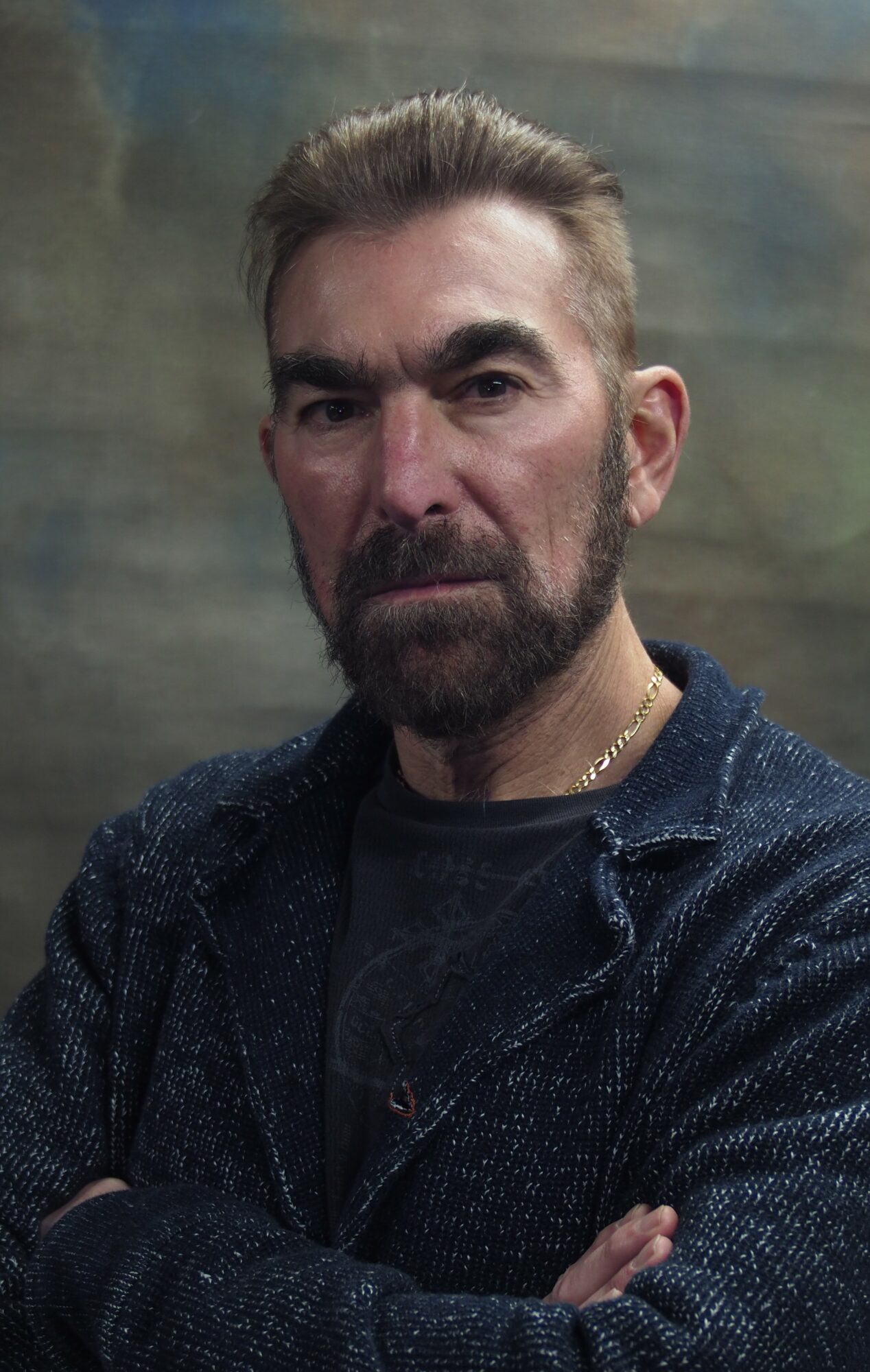
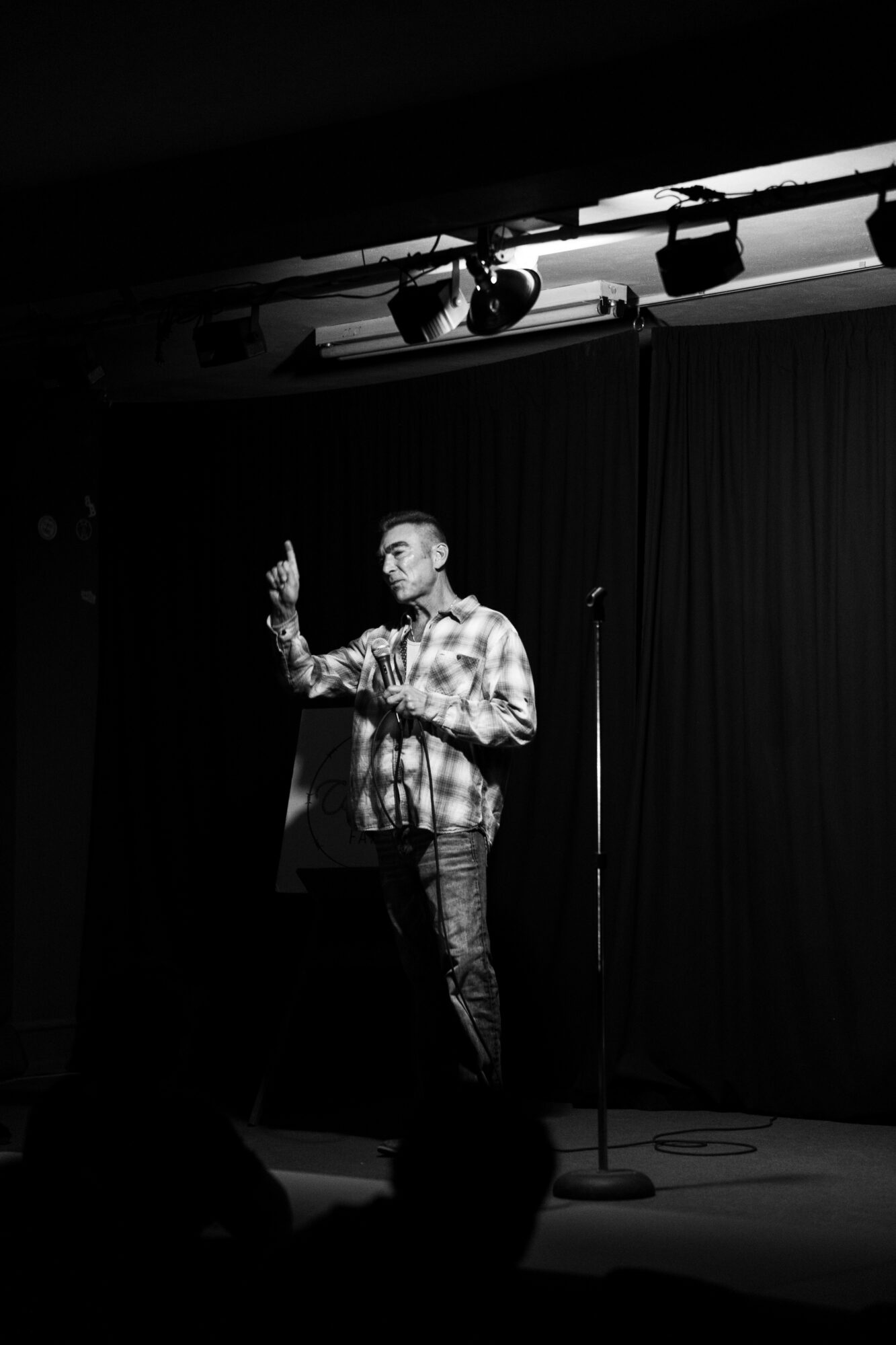
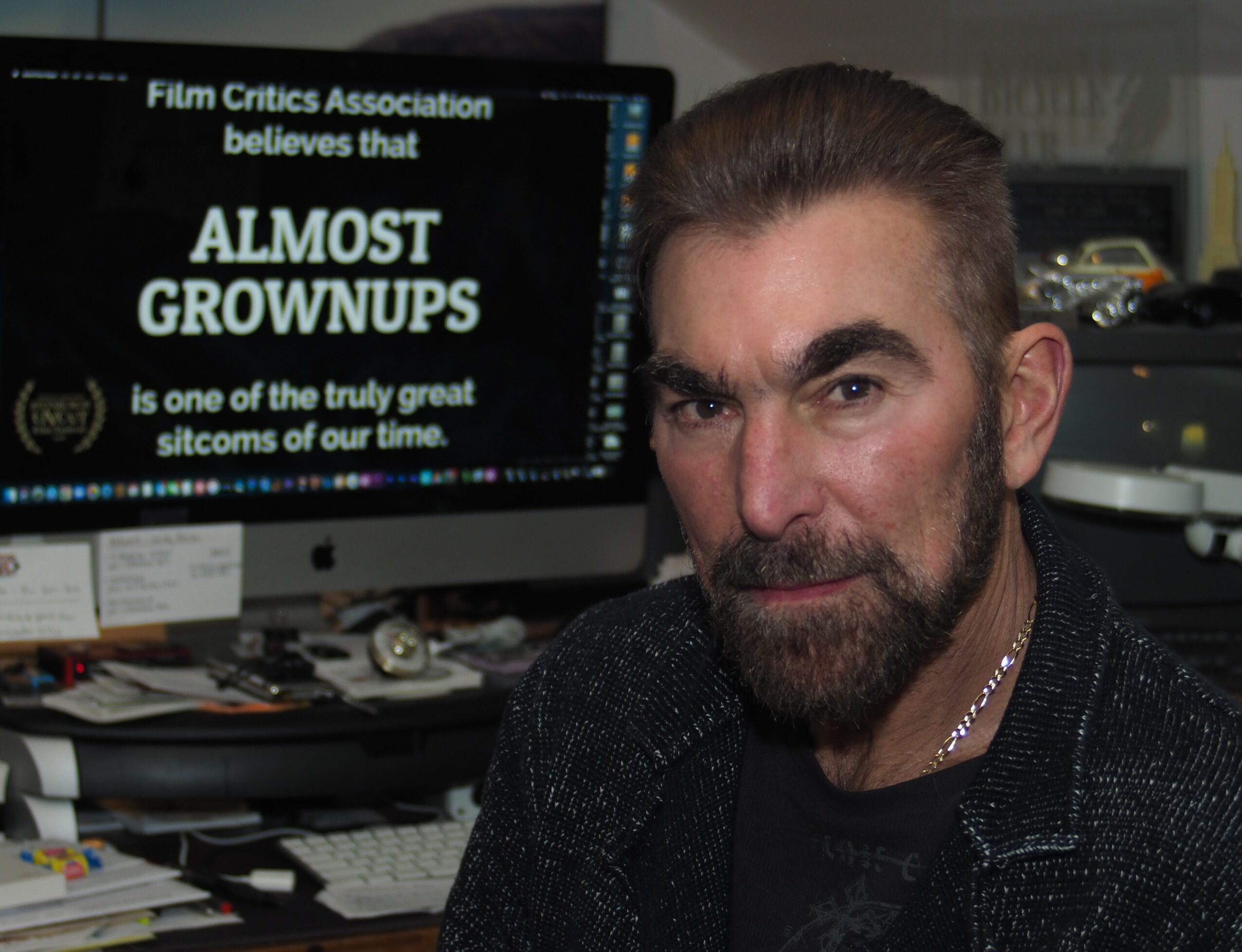

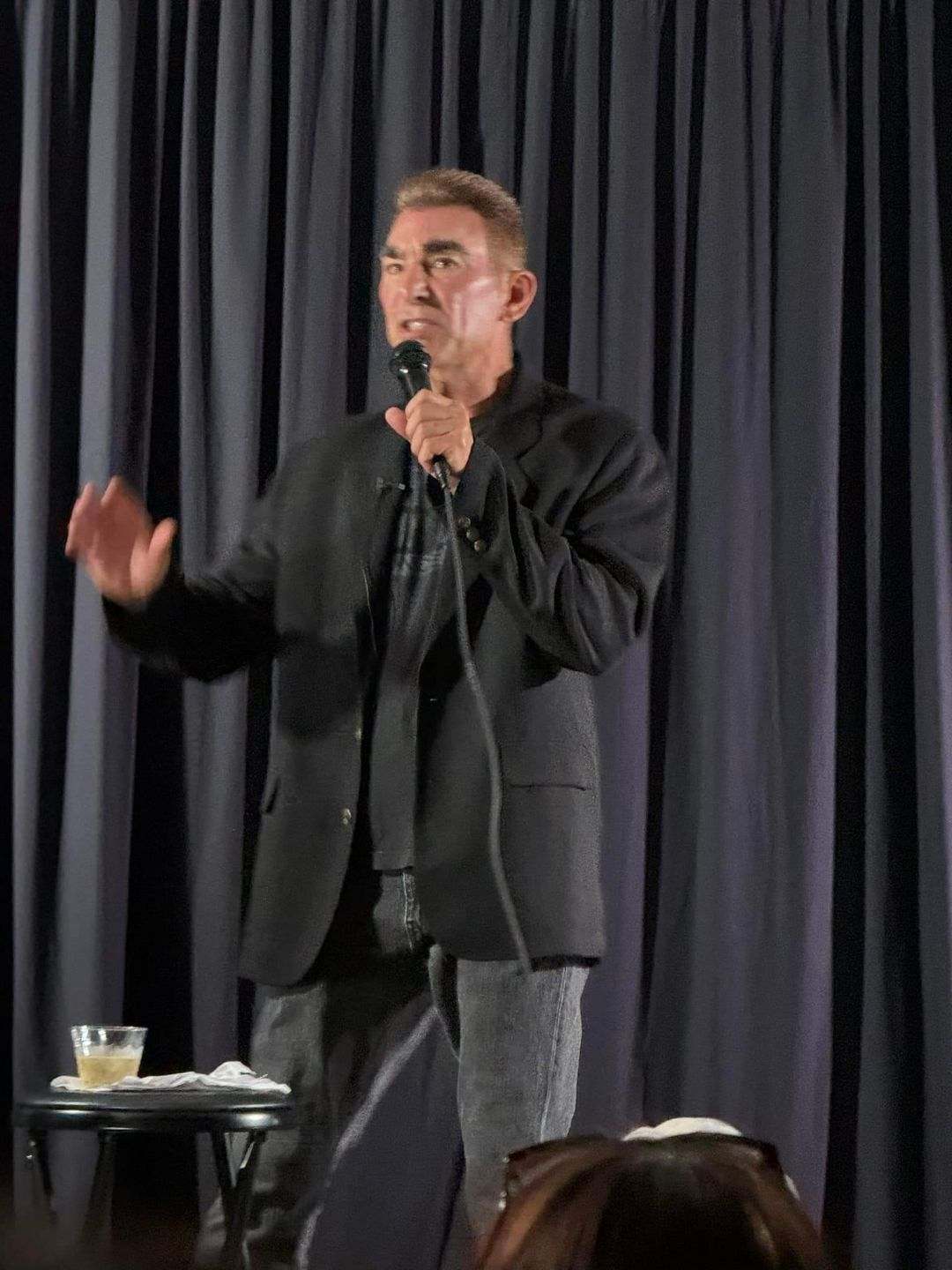
Image Credits
Marlaina Pacifico (Grin Gallery Photography)