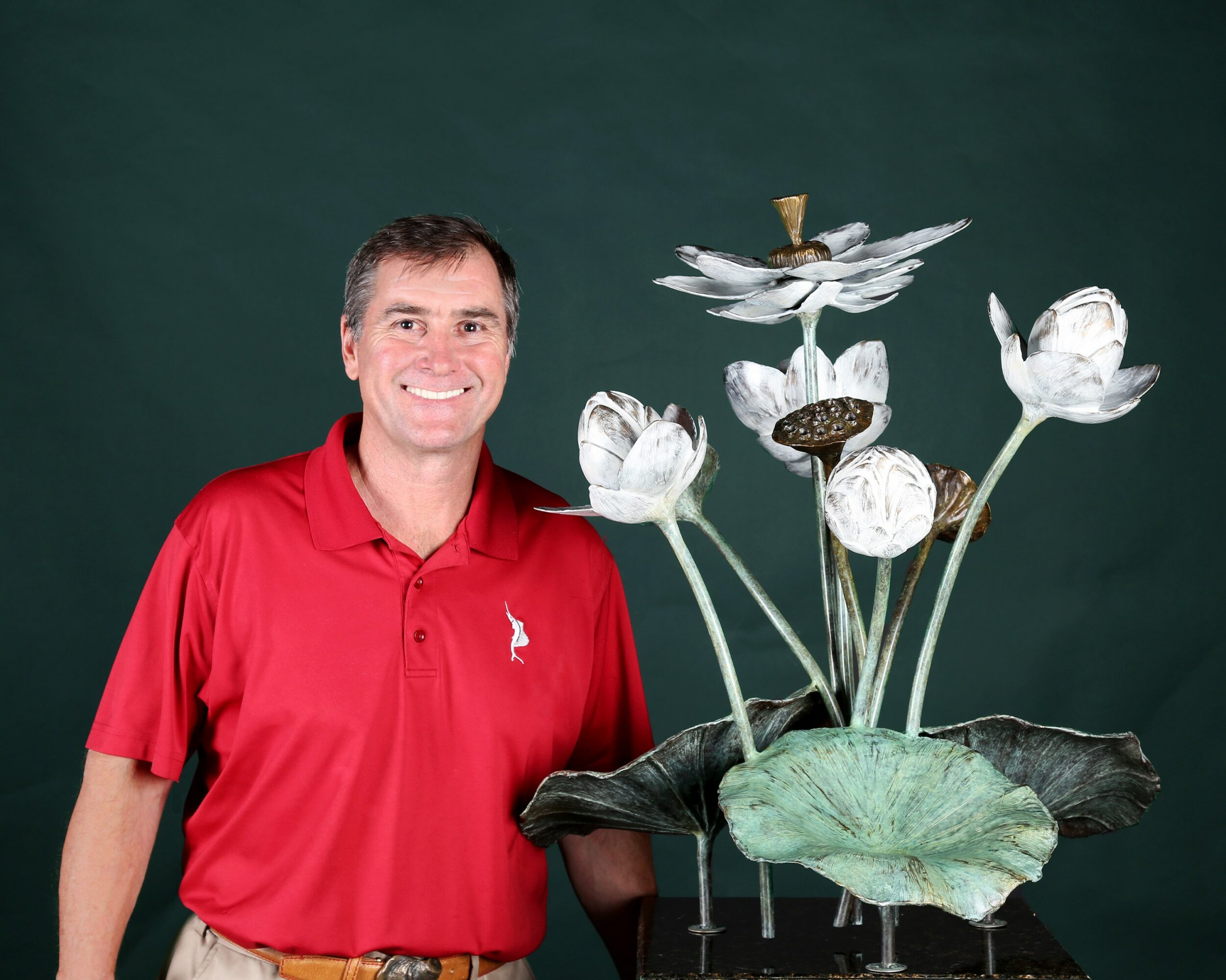


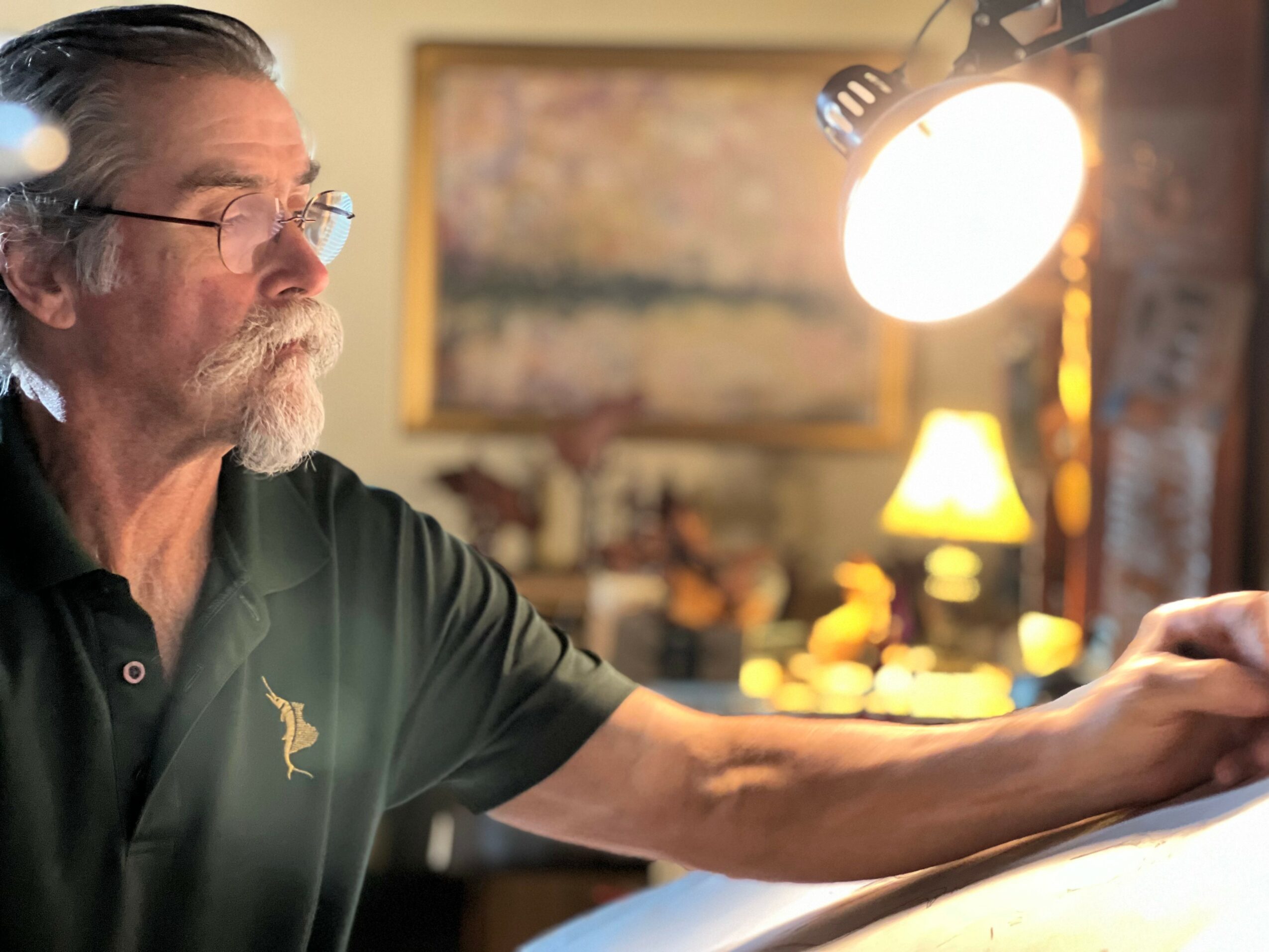
Today we’d like to introduce you to Geoffrey Smith.
Hi Geoffrey, we’d love for you to start by introducing yourself.
I began as a small child with a knife in my hand and a block of wood on the table, carving decorative duck decoys the old-fashioned way. Those early years were shaped as much by making as by place. Growing up around the wilds of Northern California, I learned to pay attention to light, movement, weather, and animals living on their own terms. That early exposure to the outdoors instilled a lifelong respect for the environment and a desire to honor it through craft.
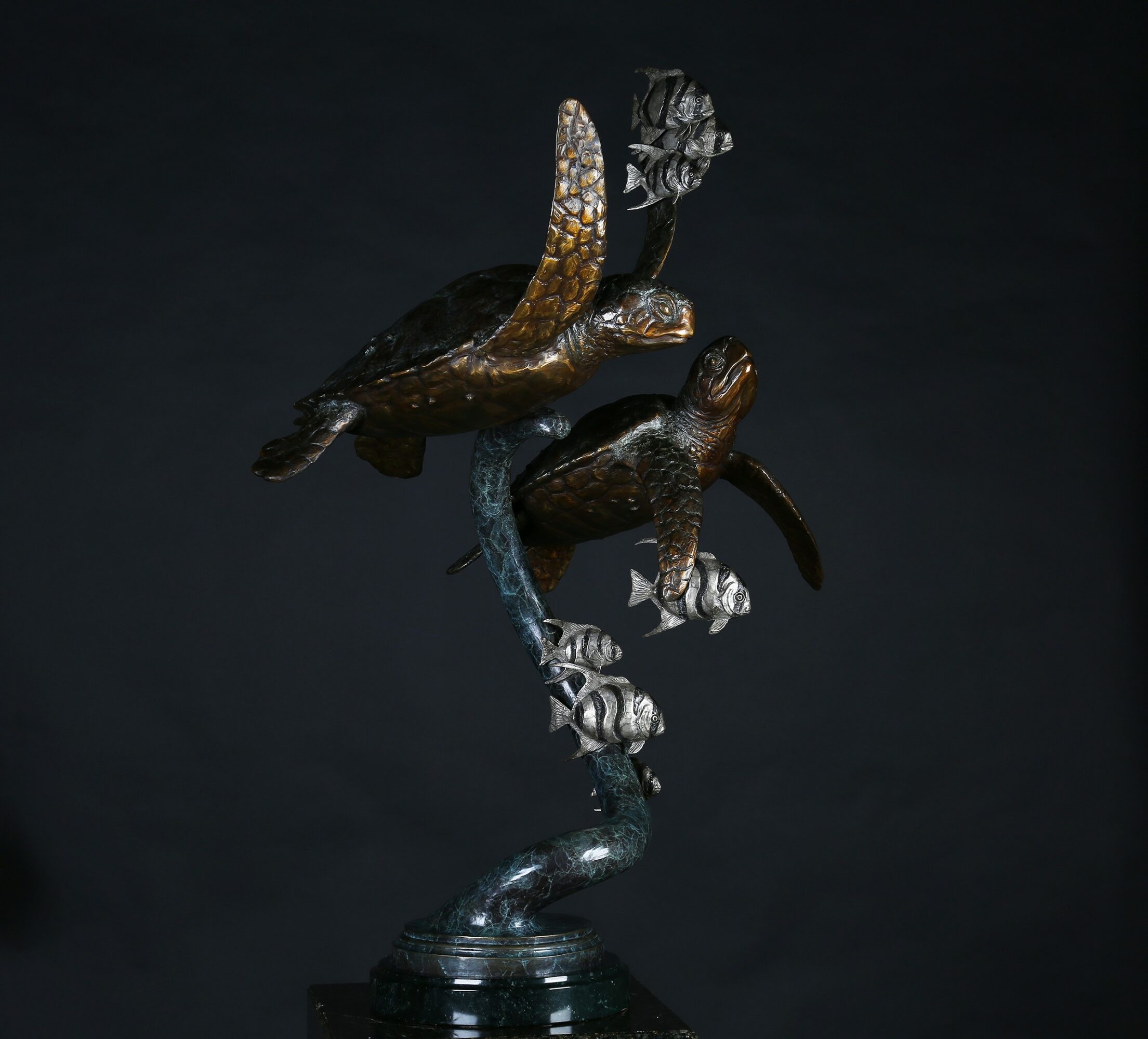
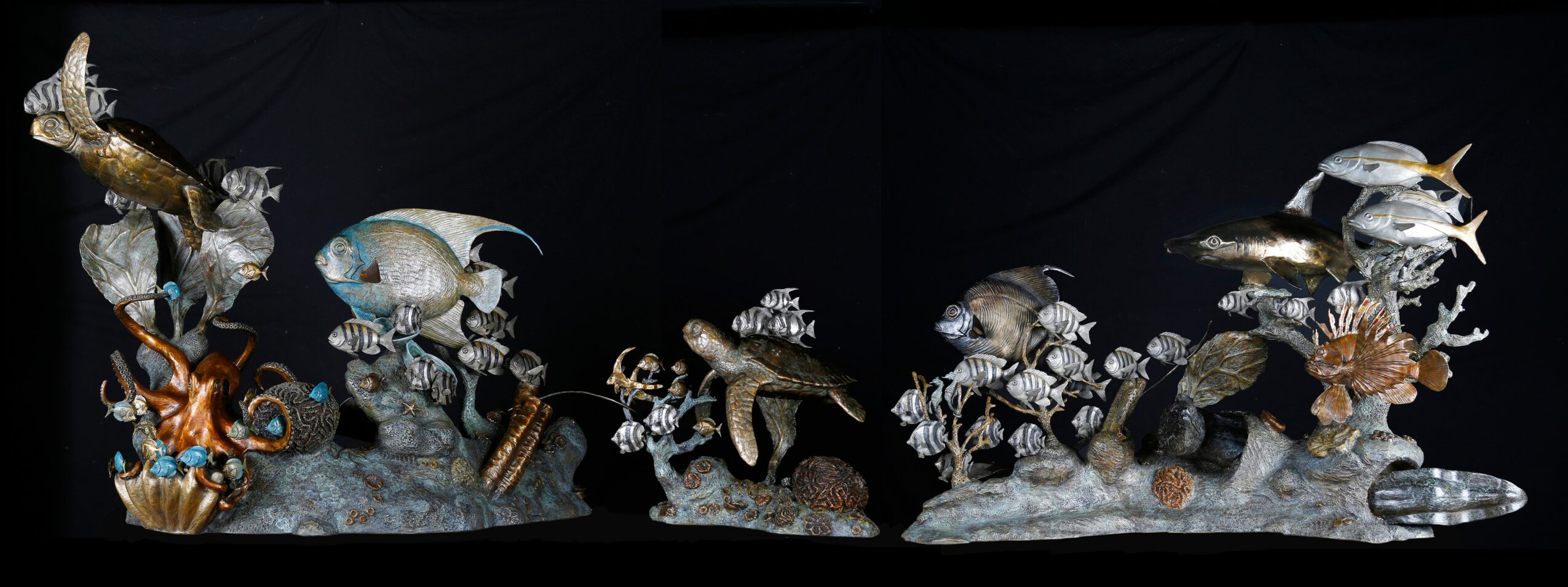
After high school, I followed that calling to Montana, where the wilderness expanded both my vision and my ambition. I continued carving, but the animals I encountered demanded something more permanent, more enduring. That is where my work evolved from wood into bronze, translating firsthand experiences in the wild into sculpture. I spent roughly two decades there, refining my voice, my technique, and my commitment to making work that carried weight and meaning.
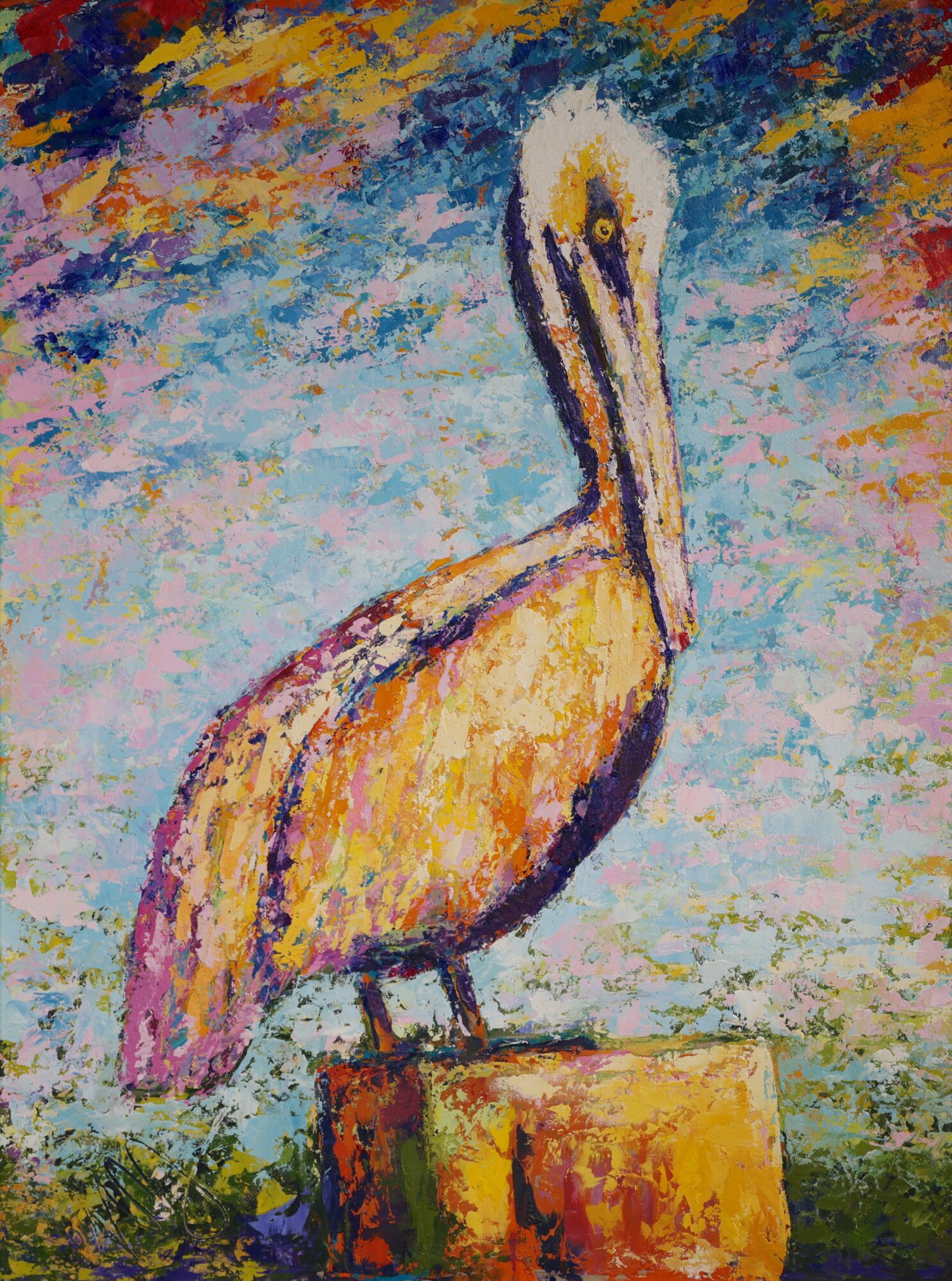
Eventually, that journey led me to Stuart, where I live and work today. Here, my practice has grown to include not only large-scale bronze sculptures placed in public spaces, but also oil paintings that explore color, movement, and atmosphere in a different way. Over time, the gallery and the work itself have become part of the fabric of the community, where they are rooted in place, shaped by nature, and grounded in a belief that art made with intention can last, connect, and matter.
Alright, so let’s dig a little deeper into the story – has it been an easy path overall and if not, what were the challenges you’ve had to overcome?
There’s an old saying I’ve found to be painfully true: hard decisions tend to lead to an easier life, while easy decisions often lead to a hard one. Any path worth taking has bumps in it, and art is no exception. In fact, every sculpture and every painting follows that same uneven road—struggle, uncertainty, failure, adjustment, and finally resolution. The work itself mirrors the journey.
There have been very real trials along the way. Here in Stuart, the hurricanes of 2004 wiped out my studio on Kanner Highway, tearing the roof clean off the building. Years later, during COVID, my foundry of more than 40 years did not survive. That loss cut especially deep. I didn’t just lose a working relationship built over decades—I lost the physical history of my career. More than 600 molds, representing nearly 40 years of sculpting, were gone. I was able to save only about 100 of them and start again at a new foundry, teaching them from scratch the idiosyncrasies, standards, and quality my work demands.
But struggle is not something I dwell on. I try to focus on the positive and let the rest fall away. Without struggle, there is no growth, and there are no artists worth their salt who haven’t struggled deeply and significantly. Being an artist requires a rare balance: you must be tough while at the same time remaining deeply sensitive. It’s a yin and yang existence, and knowing when to draw on strength and when to allow vulnerability comes only with time and experience.
Art, life, and making are profoundly human endeavors. They are difficult, imperfect, and demanding, but they are also essential. That tension, that effort, is not a flaw in the journey. It is one of the cornerstones of why the work matters at all.
Appreciate you sharing that. What else should we know about what you do?
My work has grown out of a lifetime of making, but it has always carried a single, steady theme: our connection to nature and the environment. I began with wood carvings, moved into bronze sculpture, created monuments for city centers and corporate headquarters, and later expanded into oil painting, but the subject has remained constant. I’m not interested in animals as decoration. I’m interested in what they represent, what they endure, and what they reveal about our own place in the natural world.
The animals I sculpt are never just likenesses. A peregrine falcon, for example, carries grace, speed, and power, but also vulnerability. Birds at the top of the food chain are especially susceptible to bioaccumulation. Toxins and pesticides build up as they move through smaller animals, eventually poisoning apex species. This has happened to bald eagles, pelicans, whales, and many of the creatures I’ve spent my life studying and sculpting. That quiet tension is always present in the work, whether consciously or not.
What I’m best known for is capturing movement and emotion, the spirit of an animal rather than a static pose. I want the viewer to feel reverence when they encounter the work, to sense that moment of awareness you feel in the wild when an animal truly sees you back. The goal is to bring that presence into people’s homes and public spaces, to create some sense of balance and harmony between humanity and nature, even though that balance is often difficult, and sometimes feels nearly impossible.
That desire to connect people more deeply to the natural world has also led to the creation of Art of Nature, a nonprofit effort focused on education, awareness, and fostering meaningful connections between people, art, and the environment.
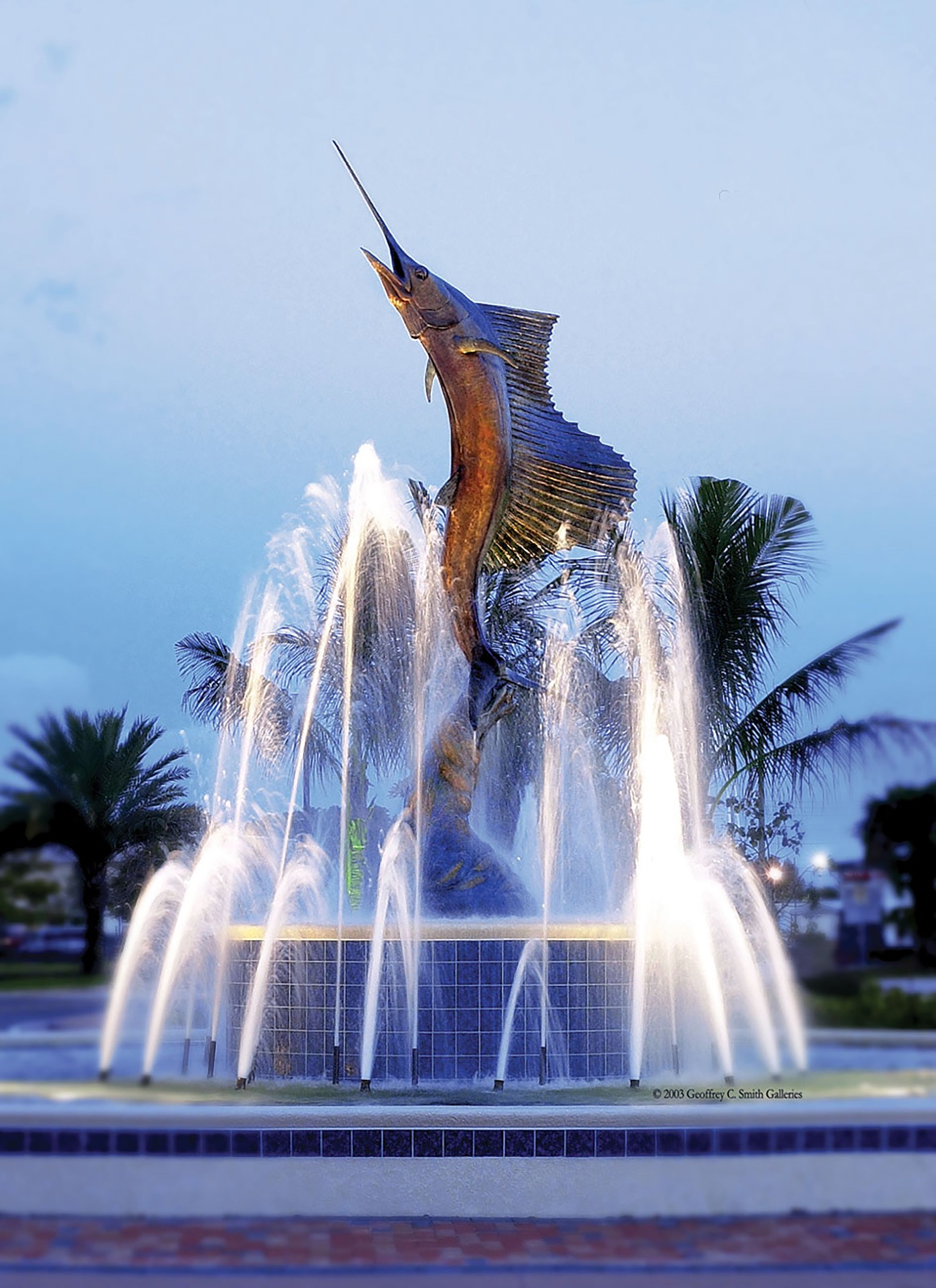
As for what I’m most proud of, that’s always a hard question. Often, it’s the piece I’m currently working on. But looking back, there are milestones that carry special weight. The Stuart Sailfish Monument has become known around the world and is deeply tied to the identity of the community. Other large-scale works have gone on to be placed in significant international collections, including the Vatican. There are very few living artists whose work resides there, and to be part of that historical continuum is something I hold with great pride.
What ultimately sets my work apart is that it comes from lived experience, time spent outdoors, paying attention, observing, and respecting the natural world. To have collectors, community leaders, and captains of industry connect with that work and choose to live with it has made this life deeply rewarding. At its core, everything I do is about the connection between people and nature, between past and present, and between art and the human spirit.
What quality or characteristic do you feel is most important to your success?
When I first set out on this path, success was never the goal. I simply wanted to be outside. I wanted to be immersed in the natural world and to understand it more deeply. Art became the language that allowed me to process those experiences. Not long after college, that work carried me far beyond anything I could have planned, from the wilds of Montana to Africa, and out onto open water chasing marlin, tuna, and sailfish, with each journey feeding the next sculpture, the next idea. At the time, I had no concept of where any of it would lead.
If there is one quality that has been central to whatever success I’ve had, it’s this: I never had a plan B. Giving up was never an option. I stayed optimistic even in the face of devastating setbacks, and I kept the self-confidence to move forward when it would have been easier to stop. Perseverance matters, but so does belief in the work, in the process, and in your own ability to grow.
Being an artist requires a rare balance. You have to be deeply sensitive to feel, observe, and translate experience into art, while also being emotionally tough. When your work is out in the world, everyone becomes a critic. Most don’t mean harm, but opinions come freely, and if you let them derail you, the work never survives. Many artists never make it past the stage of rejection, early failures, and the challenge of building a sustainable practice and finding the right people who truly resonate with the work.
The truth is, not everything I’ve made has been good. And that’s essential. You have to create bad art before you can make meaningful art. Struggle is part of the apprenticeship, and perseverance is what carries you through it. Experience, repetition, and resilience are the qualities that matter most. Without them, the journey ends long before the work ever has a chance to find its voice.
Contact Info:
- Website: https://geoffreysmith.com
- Instagram: https://www.instagram.com/geoffreysmithart/
- Facebook: https://www.facebook.com/GeoffreySmithArt
- Youtube: https://www.youtube.com/@GeoffreySmith