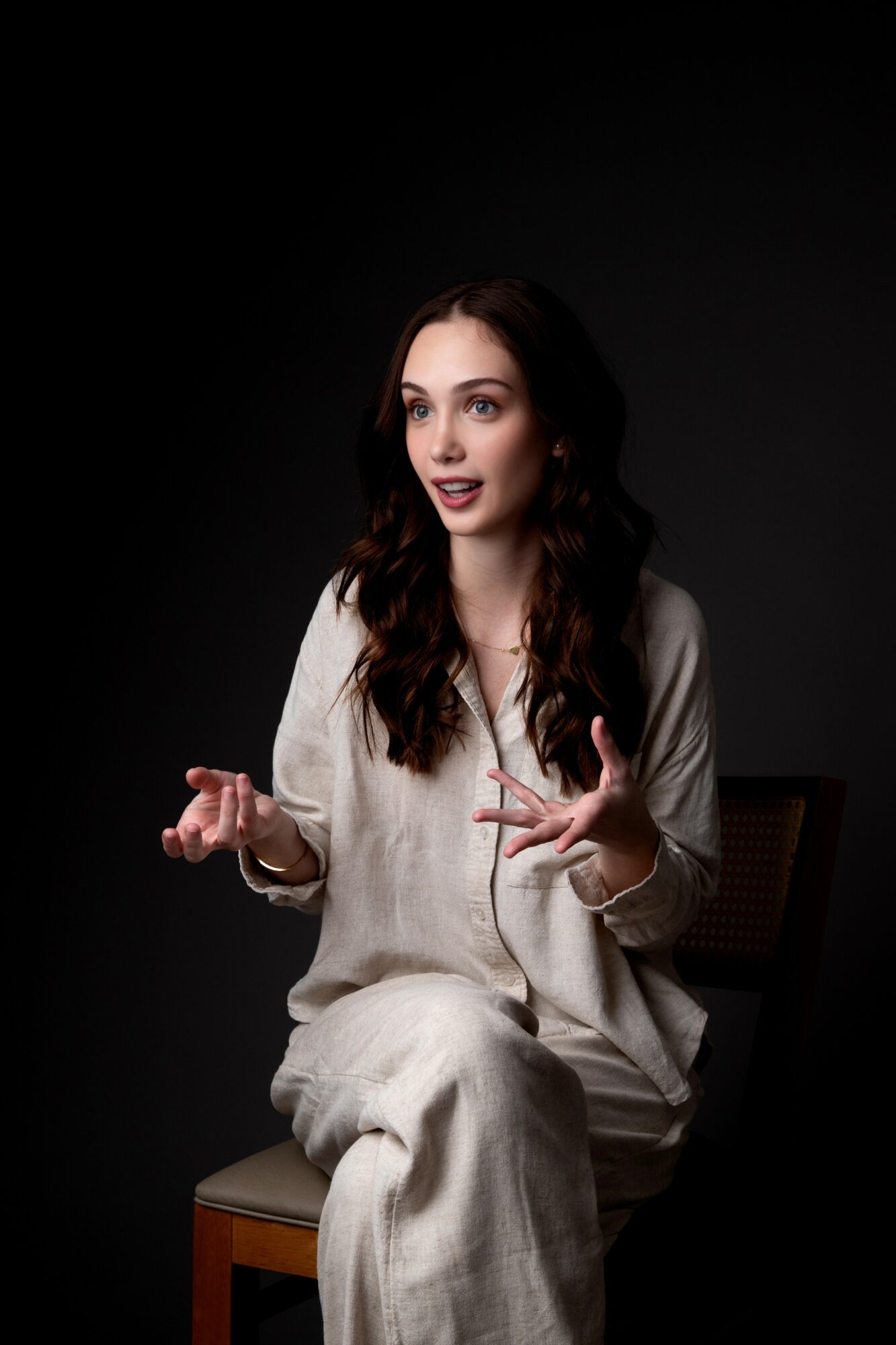


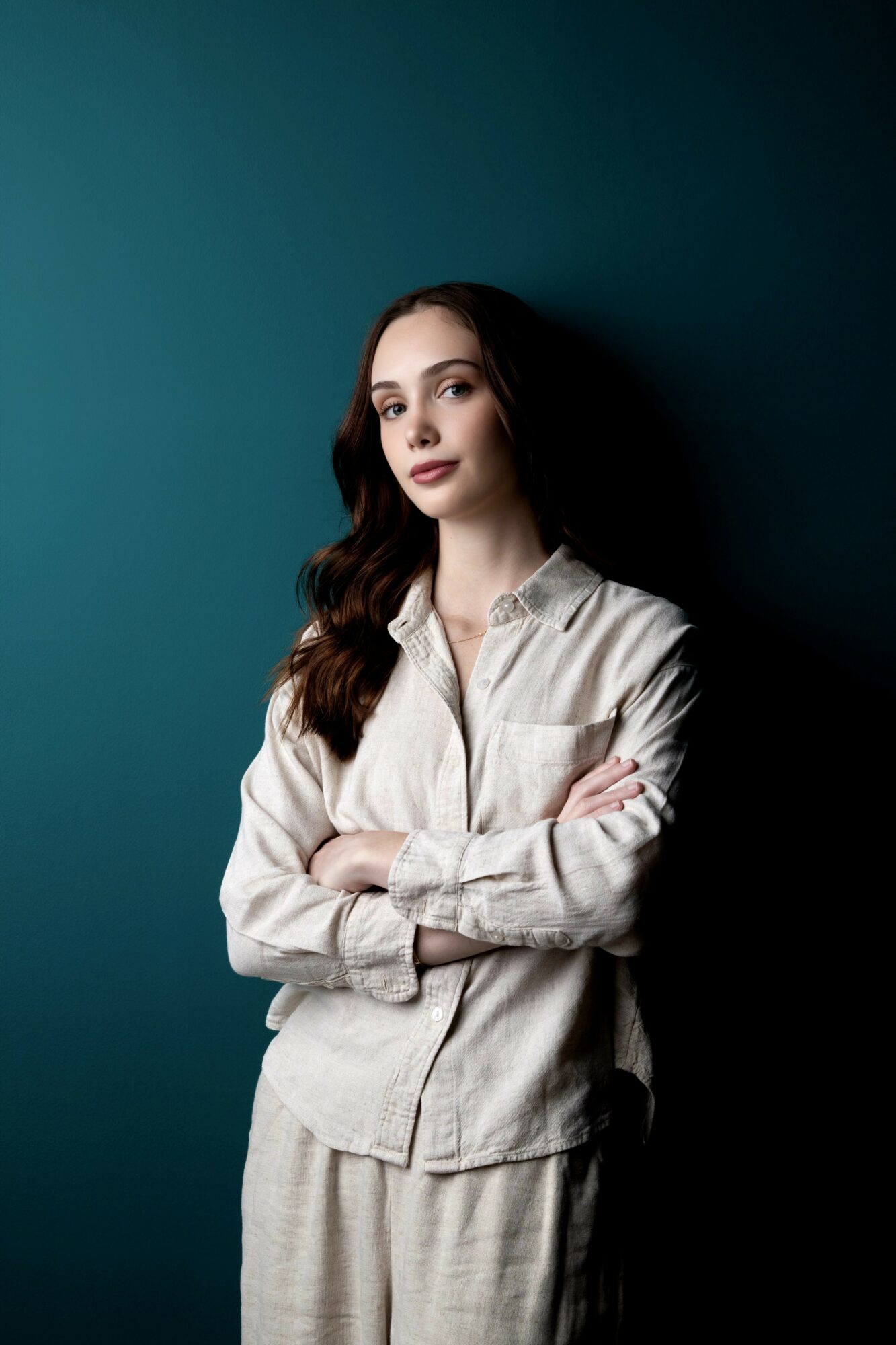
Today we’d like to introduce you to Mariana Lema.
Hi Mariana, thanks for joining us today. We’d love for you to start by introducing yourself.
I was searching for new hobbies to try at home and kept hearing the same refrain: “technology is the future.” So, out of curiosity, I taught myself computer programming and data science. What began as curiosity quickly became practice. I built websites, developed software, and created branding for anyone who needed it. Over time, that “anyone” became nonprofits, small businesses, public figures, museums, and even the local coffee shop where I spent too many hours working.
Along the way, I learned that side projects are often undervalued, even though they are where real growth happens. Some people say they have fifteen years of experience when what they really have is one year repeated fifteen times. Side projects are different, though. They’re small enough to experiment with, yet real enough to matter. And they push you to solve problems with limited resources and to grow into responsibilities you never set out to take on.
Designing a website for a nonprofit is very different from creating one for a boutique brand. A museum cares about education and heritage, while a coffee shop wants to feel cozy and local. Each project forced me to adapt quickly, not just by changing the code or the design, but by shifting strategy and thinking carefully about the story I wanted to tell for each client. Every project demanded more than one skill set: creativity alone wasn’t enough without strategy, strategy needed technology to reach people, and technology relied on storytelling to create real engagement.
That realization ultimately shaped my academic path. When I went to college to study Computer Science, I decided to also pursue Strategic Communication and Film. Balancing three majors, multiple internships, and my own personal projects within four years was demanding, but it showed me how naturally these fields intersect. I learned how to apply technology to communication and how to bring storytelling into data-driven strategies. What once felt like separate interests began working together in a way that felt intentional and sustainable.
Today, I don’t really see myself as someone who “wears many hats.” Instead, I see myself as someone who builds bridges: between strategy and creativity, emotion and logic, and people and technology. And I truly believe the future belongs to creatives who can do the same.
Can you talk to us a bit about the challenges and lessons you’ve learned along the way. Looking back would you say it’s been easy or smooth in retrospect?
Not exactly. We’re often told that careers follow a straight line: you choose a major, land an internship, and then slowly move up the ladder. But for me, that never quite fit. Film fascinated me just as much as coding, and staying in only one lane felt like silencing half of myself.
A few years ago I was working on a project where I developed software for an influencer marketing agency, and that was a huge turning point for me. It wasn’t just tech or just communications. It was both. That’s when I realized that instead of asking myself which path to choose, I needed to start asking how I could build a bridge between them.
Yes, it still feels messy at times, and “I code, I create, and I communicate” may not be the neatest LinkedIn headline. But that messiness is also what makes me adaptable, innovative, and prepared for a future where the best ideas come from the intersections.
Alright, so let’s switch gears a bit and talk business. What should we know about your work?
I work at the intersection of technology, communication, and storytelling across all of my projects. That can look like developing tools, designing platforms, or creating strategies for brands and organizations that want to connect more meaningfully with people. I like to say that I use technology to open doors and storytelling to invite people in. That means understanding user behavior, shaping a narrative, designing the experience, and knowing how to actually build and execute it.
A large part of what I am most proud of is my mission driven work. I have designed media and communication strategies for over a dozen organizations, helping people better understand issues of mental health, environmental responsibility, and social equity, and also feel them deeply so that action becomes a natural response.
Currently, I serve as Marketing Director at Save the Water™, a nonprofit based in Fort Lauderdale. When I stepped into the role, I rebuilt the organization’s communication strategy from the ground up. This included strengthening our digital presence, rethinking our messaging, and modernizing the brand through interactive media and educational storytelling. I also designed AI based tools that supported content creation, optimized campaign workflows, and transformed complex research into accessible social media content through a centralized knowledge base. Our founder shared that in his twenty years leading the organization, the department had never operated with such clarity, coordination, and innovation.
What was your favorite childhood memory?
I think I have always been interdisciplinary, even as a child. I was constantly involved in different activities growing up, partly because my mother made sure I was always busy after school. She signed me up for everything: dance, music, sports… But out of all those activities, theater was the one that truly sparked something in me.
The first time I stepped onto a stage, I was only three years old. From that moment on, it became a kind of safe haven for me. There was something incredibly freeing about being up there, and even now, I still believe it is one of the best feelings in the world. Drama played a key role in my self awareness and coming of age. It captured my interest in storytelling and narrative expression, and it trained me to observe human behavior, listen with intention, and build stories and experiences that resonate with real people. Stepping into and breaking down characters also helped me better understand the people around me, making me a better friend, sister, and colleague.
One of my favorite memories from that time is the tradition of opening night. Before stepping on stage, everyone would hold hands and recite, “I hold my hand in yours, join my heart to yours, so together we can do what alone I cannot.” In that moment, adrenaline and hard work bound us together, and it taught me more about the world than I realized at the time.
Looking back, I see how those experiences shaped the way I approach my work today.