




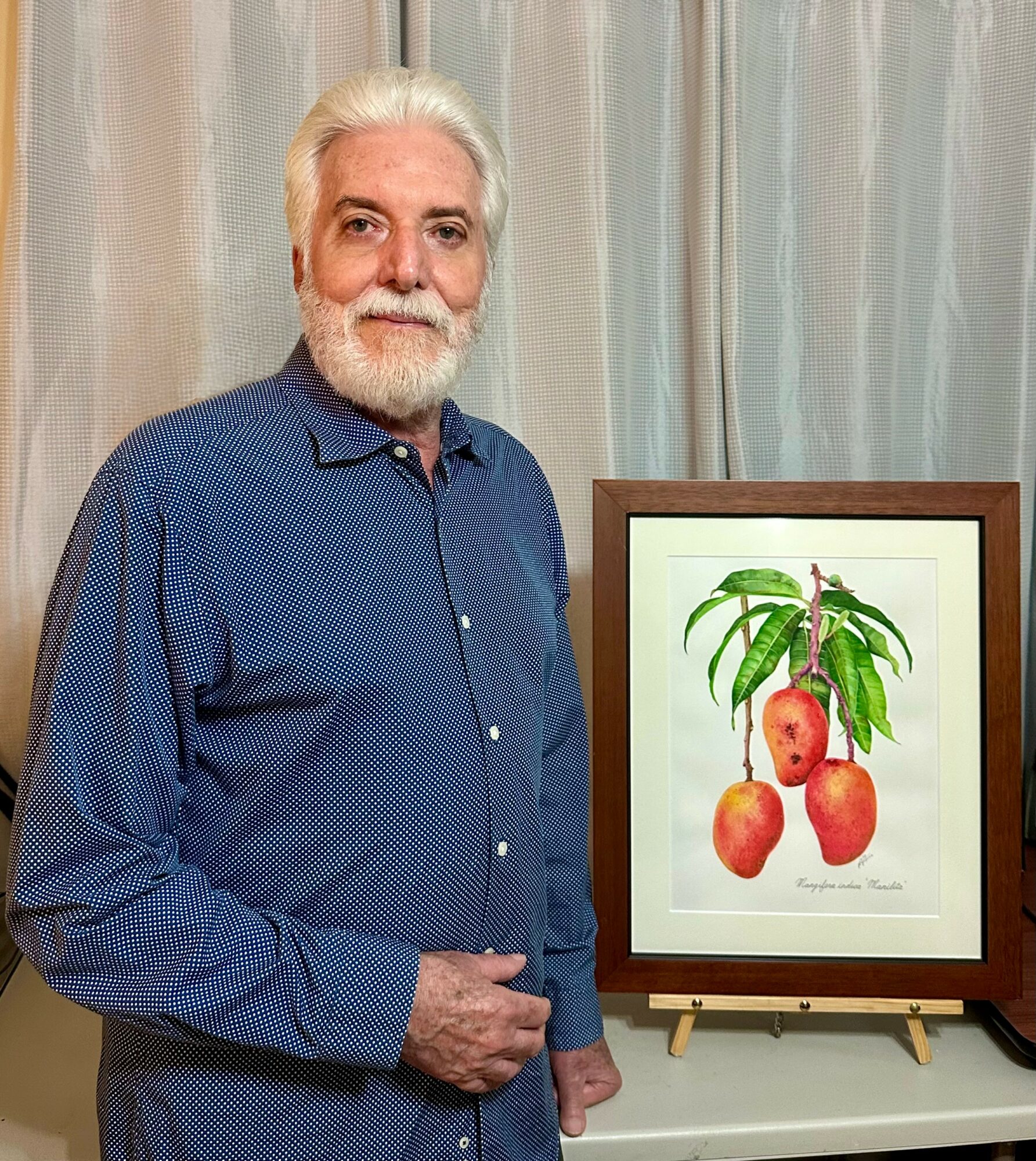
Today we’d like to introduce you to Julio J. Figueroa.
Julio J., we appreciate you taking the time to share your story with us today. Where does your story begin?
I am Julio J. Figueroa, a botanical illustrator born and raised in Havana, Cuba. I began my career as a scientific illustrator at the Faculty of Biology at the University of Havana, a role that laid the foundation for my lifelong dedication to botanical art. I later joined the National Botanical Garden of Cuba, where I continued refining my craft for several years before emigrating to the United States.
My early work in the U.S. included nine consecutive Mango Festivals at the Fairchild Tropical Botanic Garden, where each year I was invited to paint the signature mango representing the festival’s featured country. In recent years, I have collaborated with Florida International University, creating botanical illustrations for research studies, and with botanists from the Montgomery Botanical Center, illustrating articles published in a range of specialized scientific journals. I also create commissioned illustrations of fruits, plants, and botanical subjects of all kinds.
My artwork has appeared in numerous scientific publications and non-scientific books across Cuba, the United States, Germany, the United Kingdom, South Korea, and Spain, extending the reach of the plants I illustrate far beyond the places they grow
I’m sure it wasn’t obstacle-free, but would you say the journey has been fairly smooth so far?
It has not been an easy path. As an immigrant arriving in a country with a different language, I found myself starting almost entirely from scratch. Yet through perseverance, dedication, and personal sacrifice, I have been able to pursue and realize my dreams. Along the way, I have discovered new ways to create and share my art, and I have had the honor of collaborating with numerous institutions and projects through my botanical illustrations. All of this has been possible thanks to the opportunities this country offers, truly a land where new beginnings can flourish.
Thanks for sharing that. So, maybe next you can tell us a bit more about your work?
As a botanical illustrator, my work sits at the intersection of art and science. I devote myself to portraying plant species with accuracy, clarity, and a sense of quiet beauty. Each illustration is a way of observing a plant closely, its form, its color, and the subtle details that define its identity.
My botanical illustrations are created using watercolor on paper and ink on paper, techniques that allow me to capture both the delicacy and the precision of each plant.
I often collaborate with botanists and horticultural researchers, creating images that support their fieldwork and appear in journals, field guides, and plant inventories. In many cases, these drawings become an essential part of how a species is documented and understood.
What sets botanical illustration apart is its ability to reveal what the eye alone might miss. I work to convey the plant’s three-dimensional structure, the way stems branch, the way leaves are arranged, and how reproductive parts relate to one another. Through multiple perspectives, I can show several aspects of a plant at once, such as a bloom in full view alongside a fruit cut open to expose its interior, details a single photograph cannot fully capture.
There is also a long historical lineage behind this practice. Early botanical drawings served as guides to distinguish healing plants from harmful ones, and that sense of purpose still resonates with me. Botanical artists are, in many ways, scientific partners. By paying close attention to even the smallest structures, we help identify, clarify, and preserve the visual language of the plant world.
Are there any important lessons you’ve learned that you can share with us?
One of the most valuable lessons I’ve learned from many years of working alongside botanists and researchers is that perseverance and discipline form the true foundation of excellence. This field asks more of you than simple artistic talent; it requires patience, curiosity, and a deep respect for the natural world.
To depict a plant species with integrity, you must observe it with great care, its structure, its textures, its subtle variations in color and form. Every illustration becomes an exercise in precision, a quiet dialogue between science and art. It is through this meticulous attention to detail, paired with an unwavering pursuit of accuracy, that I feel able to honor not just the beauty of a plant, but its scientific significance as well.
Contact Info:
- Instagram: @juliojfigueroa
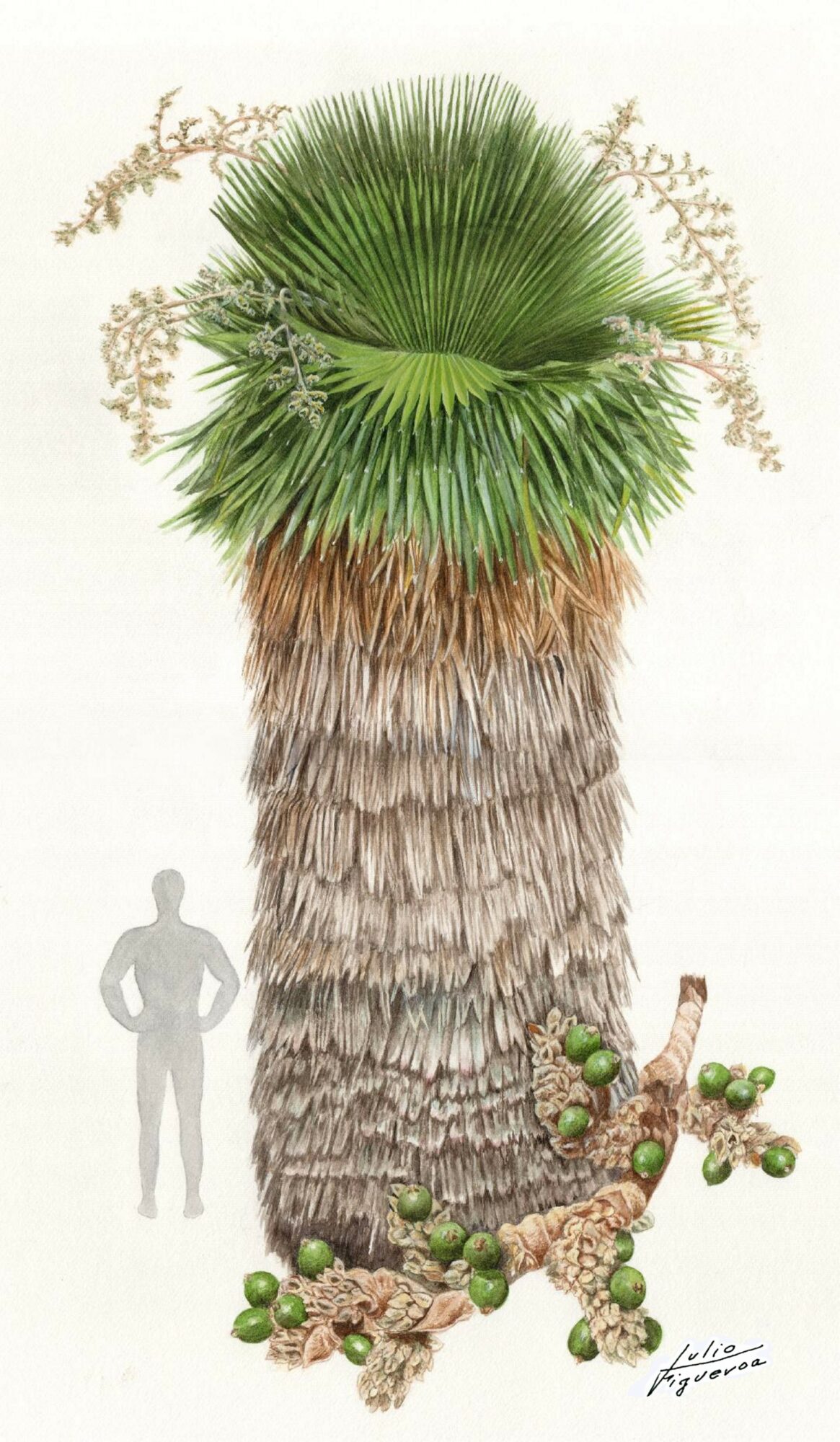
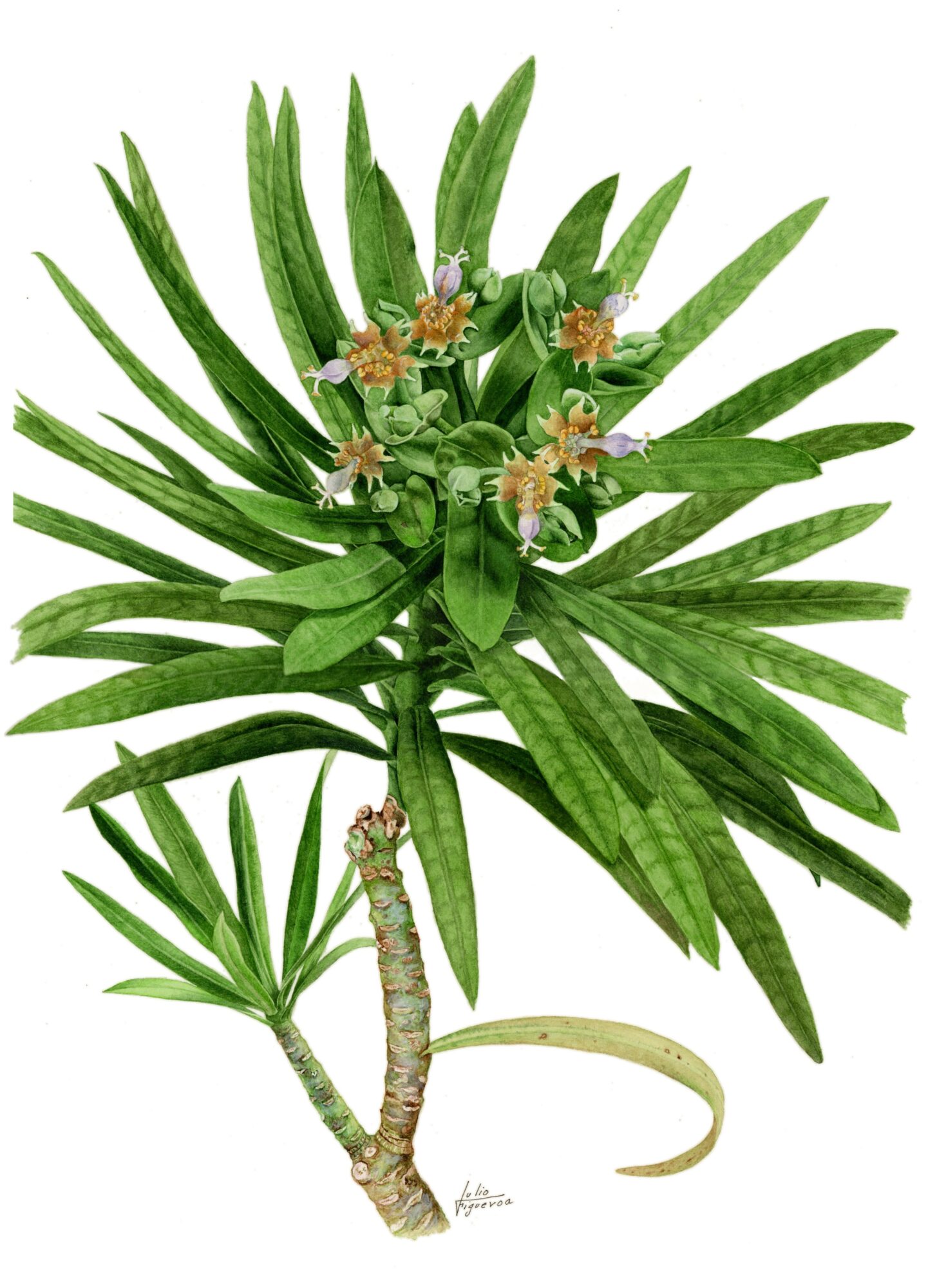
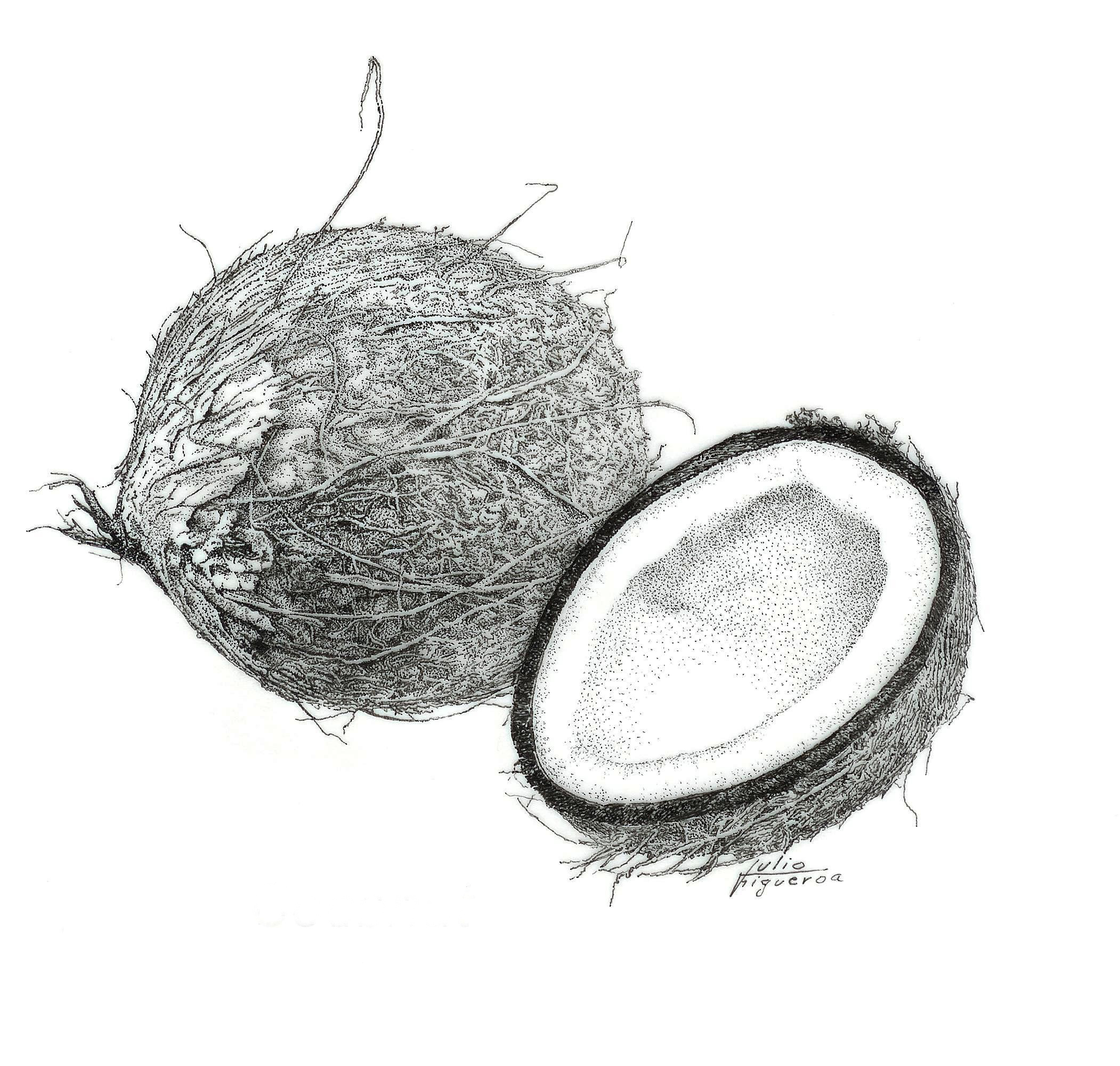
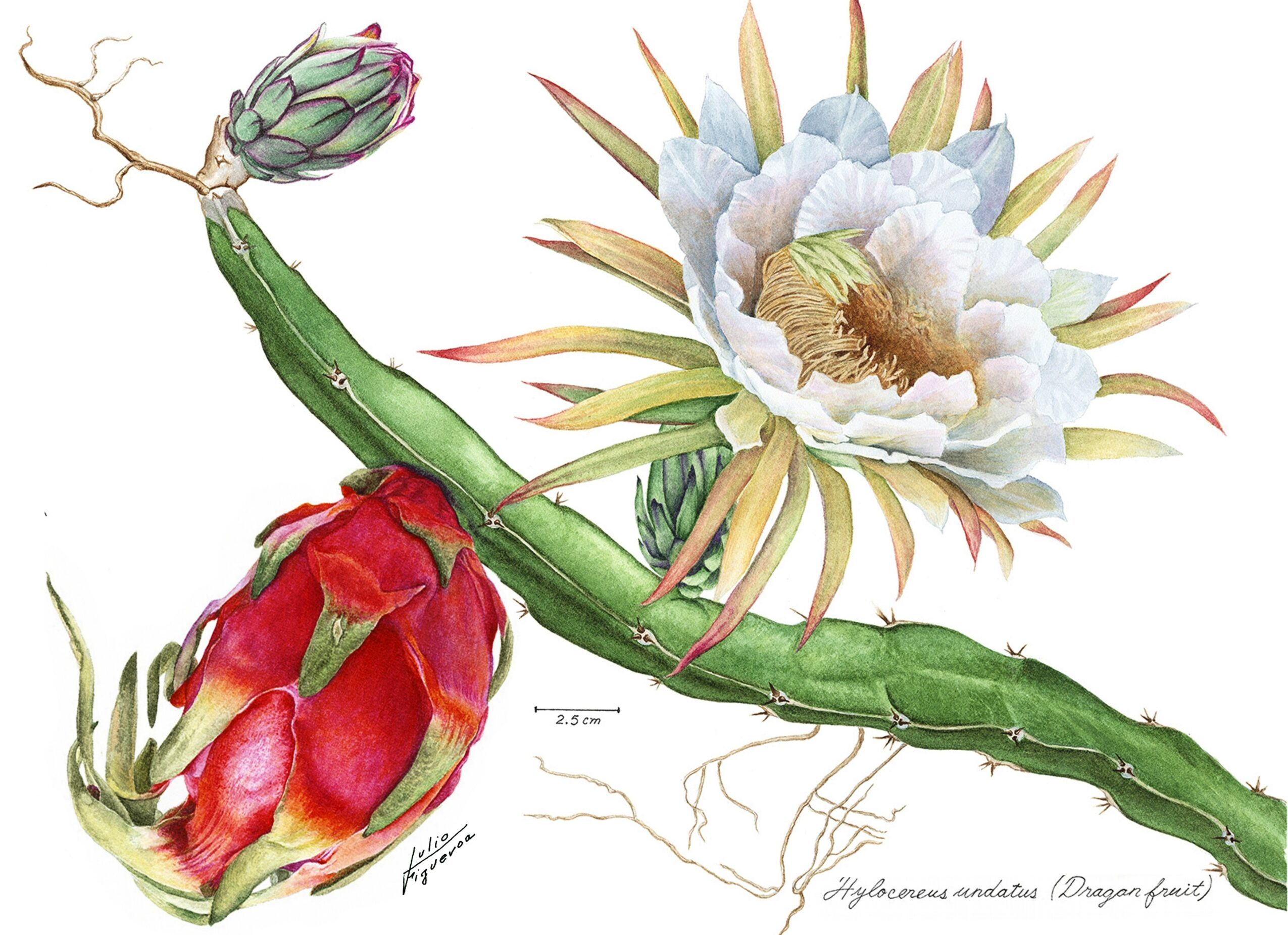
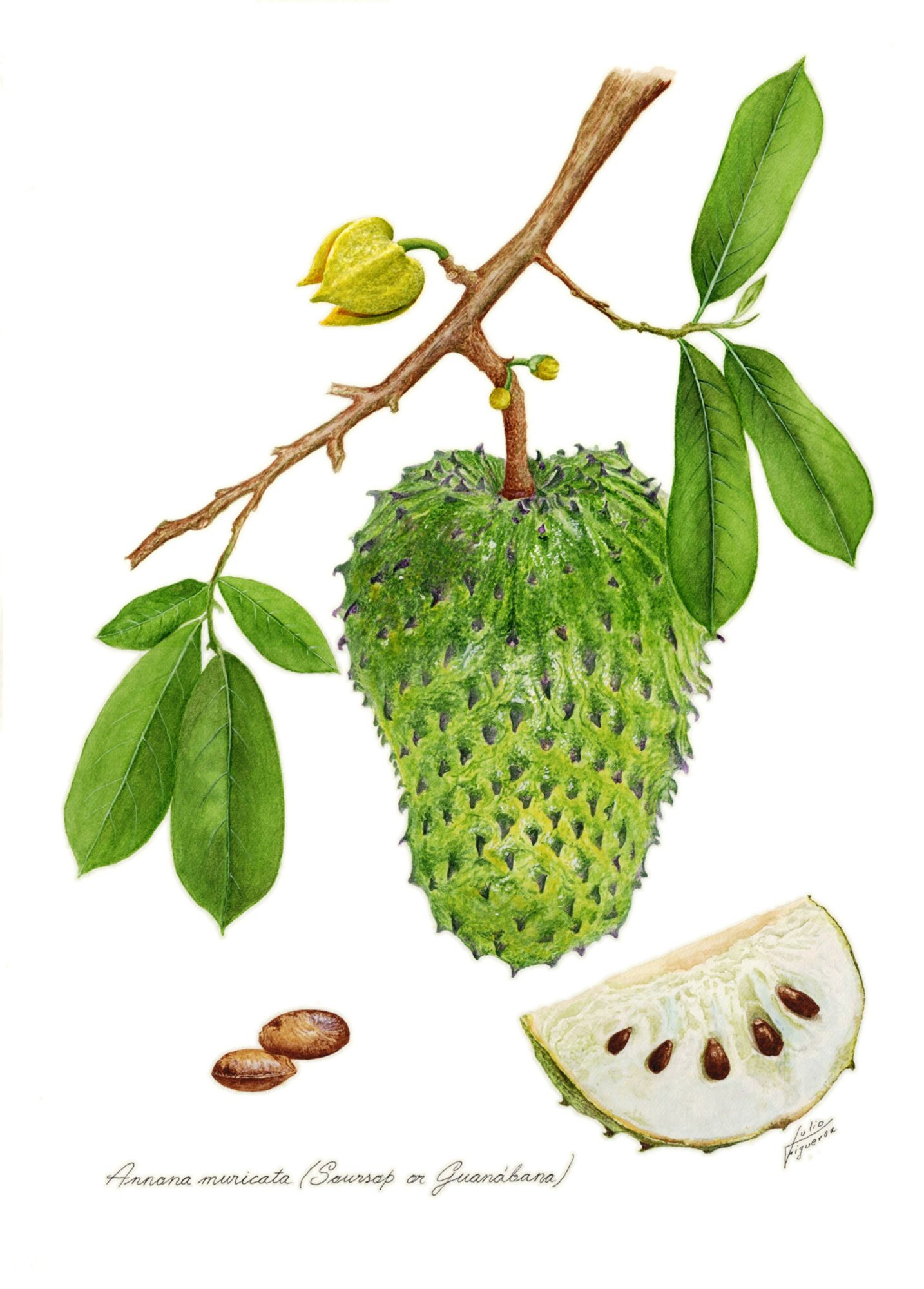
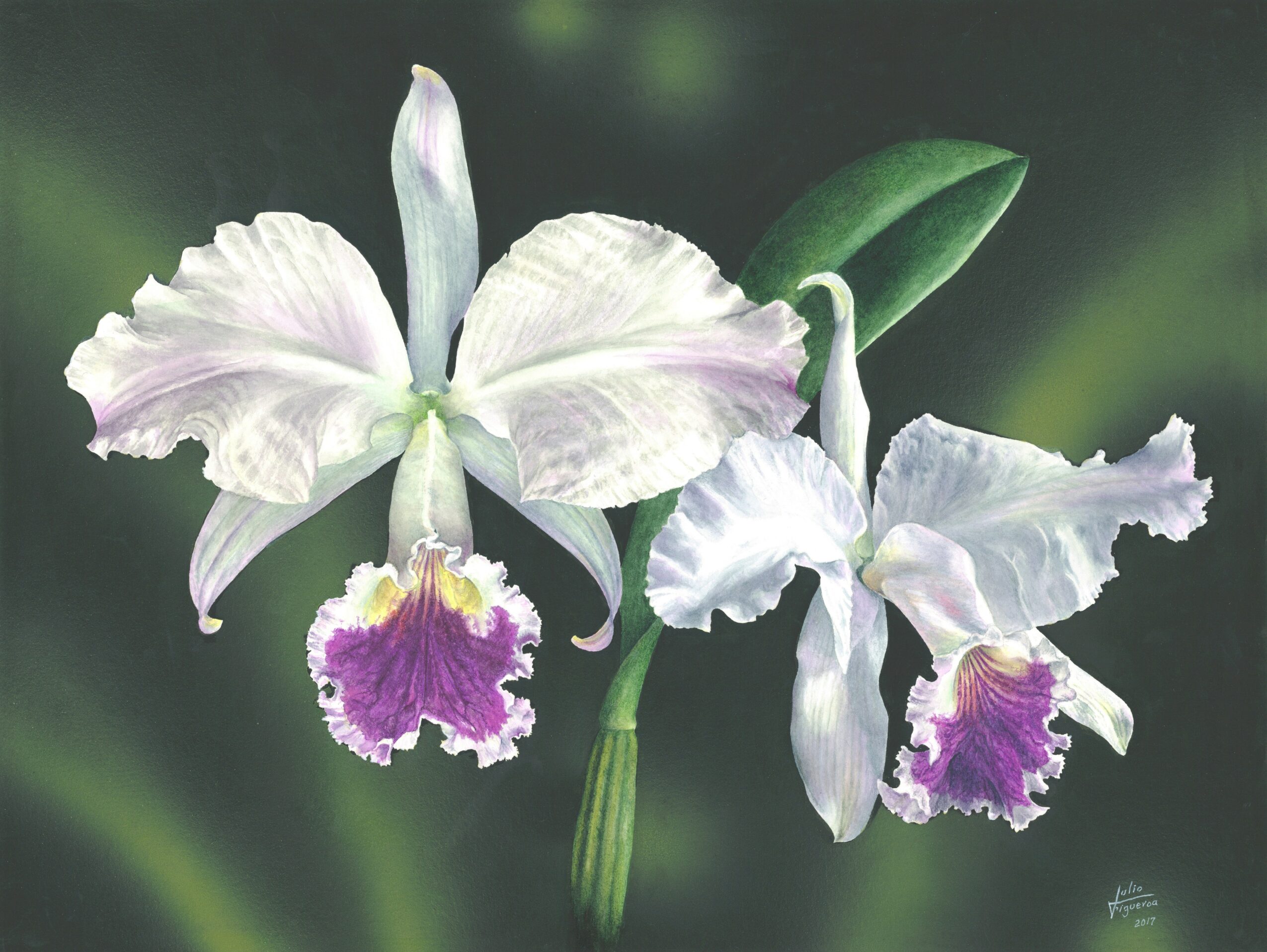
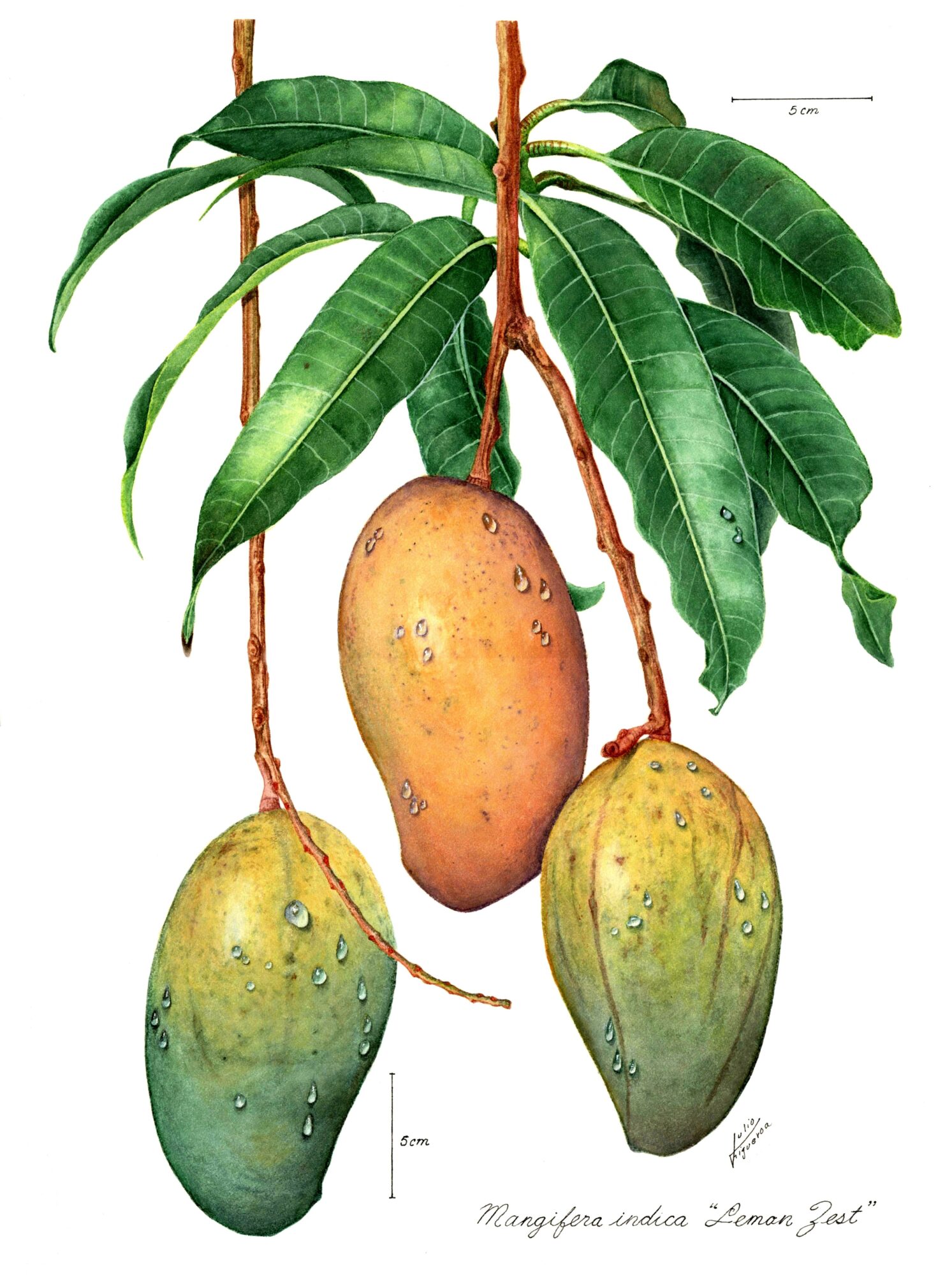
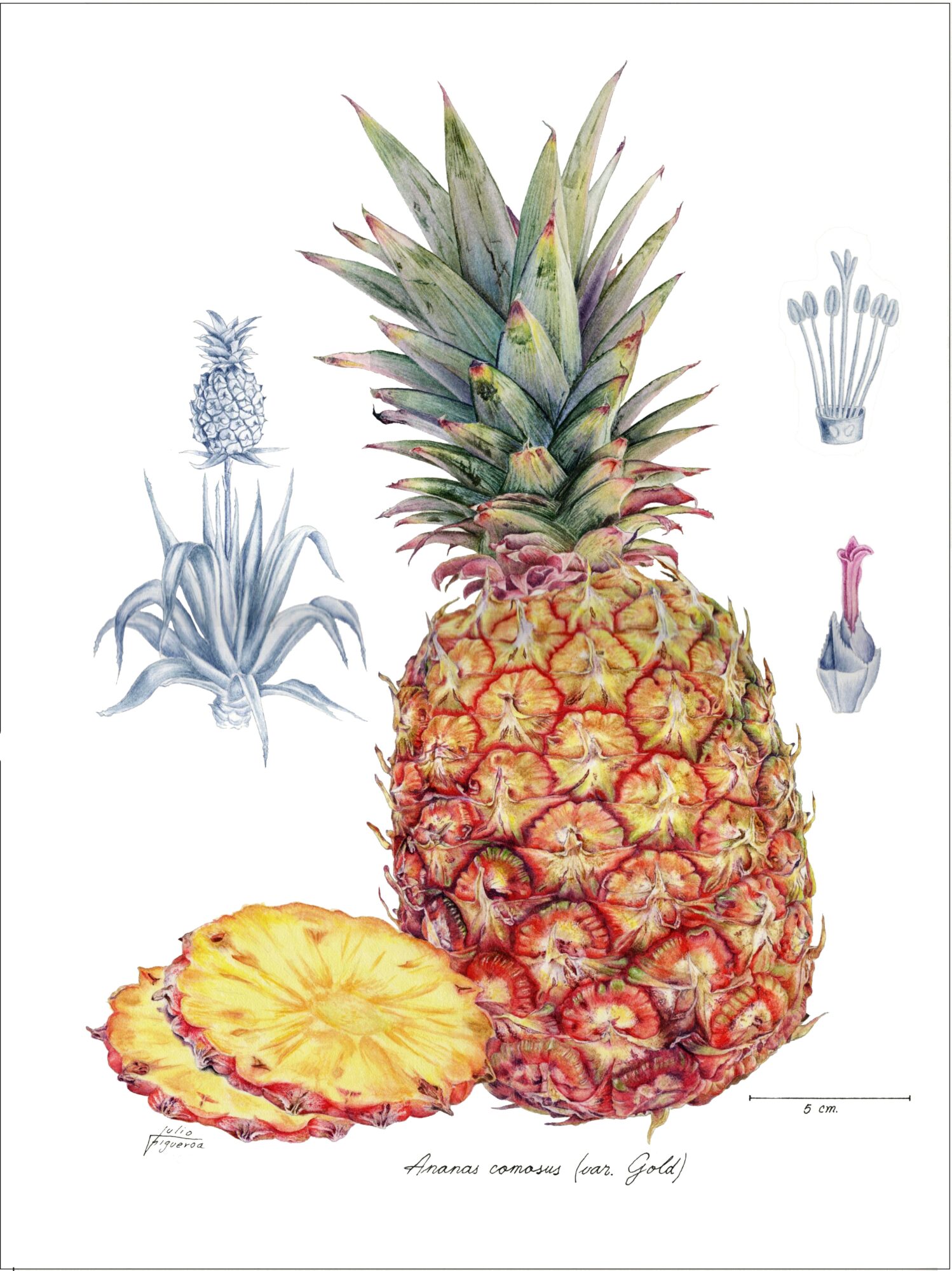
Image Credits
Photos courtesy of the artist