





Today we’d like to introduce you to Skoti Brendel.
Skoti, we appreciate you taking the time to share your story with us today. Where does your story begin?
💡 The Origin Story: From Pixels to Perspective
My story, like many designers, started with pixels, but always with a restlessness about the limitations of the screen,” says Skoti Brendel.
The Foundation (The 2D Decades)
Skoti spent the first two decades of his career immersed in the interactive design world—building complex web applications, designing mobile operating systems, and architecting traditional enterprise software. “I was an expert in the 2D world with a great background in comic book art, but I continually felt like I was stuffing a square peg into a round hole. Science fiction movies fueled my inspiration but there were no 3D Operating Systems in the real world, they were fake and only existed in cinema. Human beings interact with the physical world in three dimensions, yet we force them to communicate with sophisticated data through flat panes of glass.”
The Pivot (The Spatial Breakthrough)
Around the time AR and VR began to move out of the experimental stage, the opportunity became undeniable. I realized the core problem wasn’t making 3D look good; it was making 3D feel natural and intuitive. That was the gap.”
It wasn’t just about Gaming and Interaction design, It was about creating a new paradigm utility. He gathered a core team—not just coders, but experts in architecture and human psychology—and founded 3D Interface Design. The transition was demanding. We had to unlearn decades of 2D habits. We weren’t just changing tools; we were changing our entire perception of interaction.” Using just your brain waves to interact with Interfaces to select and manipulate objects.
Where We Are Today
“Today, we are laser-focused on leading the conversation around spatial computing in the enterprise sector. We’ve moved from theoretical concepts to solving high-stakes, real-world problems—like controlling multi-million dollar robotics with a simple hand gesture. Every successful project reinforces our mission: to break the glass pane and build a more accessible, context-aware digital future. That journey, from pushing pixels on a screen to architecting holographic space, is how we arrived here today.”
Every step of the way inspiring many companies to adopt a 3D interactive environment for their users.
Working with Award winning powerhouses and Ad Agencies in the early 2000’s NJ/NY.
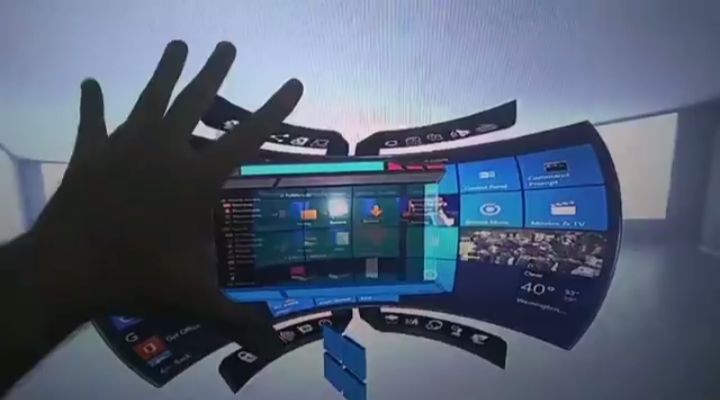
He created the first Rasterized 3D window interface in 1998 developing actual 3D buttons for the interface, preceding 3D window managers. He utilized MMX technology with the SSE2 instruction set. He is the inventor of and specializes in Custom 3D Operating Systems and Tactile3D systems, which were developed between 2003 and 2010.
Invented the first Interactive multi-directional home screen between 2005 and 2006 before the iPhone touch and smartphones. A Diagonal scrolling system that moved in every direction so the icon menu would move towards the user when the mouse moved in to access icons and out of the way when mouse moved away from the icons which represented true ubiquitous interactive computing. This is why smartphones continue to use this interface to this very day.
This new interface was the foundational home screen you will notice being used between the iPod and the iPhone touch. This was Brendel’s flash action script portfolio version 1 interface which displayed his artwork.
Developed Augmented Reality for an Education and Interactive learning company in 2016 and was invited to the NYU Edtech conference to attend the Sharktank funding rounds, acquired 1M Students in 8 months and became CTO of an Interactive Education company.
PhD, Epigenetics with his thesis on “Fighting death using code” the loss of bivalency.
Full Podcast about his history with Pod Caster Grace Collins:
Graces POI is Sponsored by 50/50 Global Muzik/Sony Music/Orchard/Amazon Music/Art19/BMG
Can you talk to us a bit about the challenges and lessons you’ve learned along the way. Looking back would you say it’s been easy or smooth in retrospect?
🚧 The Road Less Traveled: Education and Adoption
While the vision of 3D Interface Design is clear, the path to implementation has certainly not been without its considerable hurdles. For CEO Skoti Brendel, the most significant struggles arose not from the technology itself, but from the human element of adoption and education.
“The biggest challenge is always education and adoption,” Brendel admits. “We are often designing solutions for technologies that clients are just beginning to understand. You can have the best 3D interface in the world, but if you can’t articulate its value over a traditional 2D counterpart, it simply won’t be adopted.”
The company faced the difficulty of being ahead of the curve, requiring them to constantly play two roles: that of the innovative designer and the patient evangelist.
Overcoming Skepticism: Convincing clients to invest substantial resources in a concept—spatial computing—that fundamentally challenges decades of ingrained screen-based interaction is a continuous process.
The Lesson Learned: This struggle forged a core lesson for the company: “Innovation must be paired with clear, confident communication. We learned to become not just designers, but educators and evangelists for spatial UI/UX.”
In essence, the road has been smooth in terms of creative execution, but significantly challenging in terms of market readiness and client enlightenment. Their success is a testament to their persistence in translating a complex futuristic vision into immediate, tangible business utility.
Appreciate you sharing that. What should we know about 3d interface design company?
🚀 Breaking the Glass Pane: Skoti Brendel is Designing the Future of Interaction
How 3D Interface Design is using spatial computing to make technology finally feel intuitive.
The digital world has been defined by the **flat screen** for decades. From the desktop monitor to the smartphone, our entire interaction with data, commerce, and communication has been confined to a fixed, two-dimensional plane. But in a vibrant studio in Miami, **Skoti Brendel**, CEO of **3D Interface Design**, is not just challenging that convention—he’s shattering it.
“The foundation of our company came from a simple realization: flat screens limit human interaction,” Brendel says. “The digital world was ready to break the ‘glass pane.’ Our work is an evolution toward a more **natural, spatial computing future**.”
>The Architects of Digital Space.
3D Interface Design is not a generalist tech firm; they are specialized architects of the digital environment. Their core business is taking complex, cluttered, two-dimensional workflows and transforming them into **intuitive, three-dimensional, holographic spaces**.
Their niche is demanding: they are **The Pioneers of Contextual Interaction**, focused on high-stakes fields like industrial automation, medicine, and deep-level enterprise training.
> “Traditional UI/UX is about arranging elements on a fixed canvas. **3D Interface Design** is about designing *space* and *behavior*,” Brendel explains. “We factor in depth, perspective, and gesture control. We are designing *where* users are, *how* they move, and *what* they feel in that digital space.”
>Invisible Design, Measurable Impact.
This focus on spatial UX delivers tangible results. Brendel is quick to cite the company’s most telling accomplishment: a spatial control system designed for a leading robotics firm.
Engineers, who previously navigated complex machinery using dense 2D dashboards, were equipped with **Augmented Reality (AR) headsets**. They could then see controls and diagnostics projected **directly onto the physical robot** . They could literally walk around the machine, point, and manipulate holographic schematics with natural hand gestures.
The outcome was measurable: **dramatically reduced training time** and a **sharp decrease in operational errors**. The company’s brand pride rests on this reputation as **“The Translators”**—the agency that makes cutting-edge technology *usable*.
“Our philosophy is that the best interface is the one you barely notice,” Brendel notes. “We aim for **’zero-clutter’**—the interface should be seamlessly integrated into the physical world, only appearing when relevant to the user’s task.”
***
🧠 Rooted in Reality: A Miami Vibe
What makes 3D Interface Design different is their foundational approach, which they call **Human Behavior Driven Design**. Their solutions are rooted not in code libraries, but in **psychology, architecture, and ergonomics**.
The goal is to design interfaces that respect how the human body moves and how the brain processes three-dimensional space, ensuring high comfort and low cognitive load.
And where better to innovate in spatial design than in South Florida?
“Miami is a city of constant flux, brilliant color, and architectural innovation—it’s a very *spatial* city,” Brendel says. “That energy influences our philosophy. We strive to create digital environments that are vibrant and accessible, much like Miami itself. Being in this growing tech hub allows us to collaborate with diverse talent and stay internationally relevant.”
>The Future is Contextual.
Looking ahead, Brendel’s vision is focused on **contextual interfaces**—the next big wave where design adapts dynamically to user intent.
This involves systems that predict what information you need based on your physical location and the task at hand, moving beyond simply replicating 2D screens in 3D. The technology is rapidly moving toward **holographic and neuro-linked interactions**.
For aspiring designers and entrepreneurs looking to enter this thrilling space, Brendel offers a profound final thought:
> “Don’t just master the tools; **master human behavior.** Learn 3D art or Game engines & coding so you can transform your art and design into functional working models, but spend more time studying how people naturally navigate the physical world. Your 3D interface should feel as intuitive as picking up an object or opening a door. Be a student of reality first, and the virtual worlds you build will resonate more deeply.”
3D Interface Design isn’t just designing the future; they are designing a more natural, efficient present, one spatial interaction at a time. They are reminding us that the greatest innovations often feel the most familiar.
Interactive Media Designer of Notable Clients include:
NFL, Chick fil A, Coke, Disney cruise line, Dolly Parton, Dunkin Donuts, Floyd Mayweather, Fox Search light,
FoxNews, Franklin Institute Science Museum, IAP Exotic Cars, Jason Learning, Laird Apparel, MGM, Major League Baseball, McDonalds, New York Tourism, Nike, Scott’s Lawn care, Maybelline, KimK GQ, Michael’s arts and crafts, Sylvan edge, Taco bell, Toysrus, Travel & leisure and many more.
Where do you see things going in the next 5-10 years?
🔮 Industry Outlook: The Next Decade of Spatial Computing
The spatial computing industry is poised for an explosive transformation over the next 5-10 years, moving from niche enthusiasm to mainstream enterprise adoption. This shift will be driven by three major convergence points: Hardware Maturation, Seamless Integration, and The Rise of the Contextual OS.
1. Hardware Maturation and Commoditization
Within the next five years, the barriers to entry—cost, bulk, and required processing power—will drastically drop.
From Headsets to Eyewear: Heavy, expensive VR/AR headsets will evolve into lightweight, fashionable AR glasses that can be worn for entire workdays. This shift makes adoption in retail, manufacturing, and healthcare viable.
The “Spatial Phone”: Mobile phones will become primary input/output devices for AR eyewear, eliminating the need for standalone, heavy processing units. This creates a ubiquitous “Spatial Computing Layer” that is always available.
Holographic Display Adoption: Early adoption of true holographic display technology will begin in high-value B2B settings (e.g., medical imaging, engineering review), replacing multi-monitor setups with actual 3D data volumes.
2. The Rise of the Contextual OS
The biggest shift will be the death of the desktop metaphor, replaced by a true “Operating System of the World.”
Interfaces Disappear: Current 3D interfaces often still mimic 2D apps floating in space. The future is the “Contextual Interface”—an invisible UI that surfaces information only when relevant to the user’s focus, physical location, or task. For example, maintenance instructions appear on the machine you are looking at, not on a separate tablet.
AI-Driven Interaction: AI will be integrated into the core OS, predicting user intent. If you reach for a tool, the interface will automatically project the appropriate diagnostic data into your view before you even ask for it.
Multi-Modal Input: We will move far beyond controllers. The industry will standardize on natural language processing (NLP), hand gesture recognition, and nascent neuro-linked inputs (subtle brain/muscle signals) to control spatial interfaces, making interaction frictionless.
3. Enterprise Dominance & Niche Specialization
While consumer applications will grow, the real financial power will remain in the enterprise sector.
Digital Twins as Standard: Every major manufacturer, city planner, and logistics company will operate a Digital Twin—a real-time, 3D replica of their facility, city, or supply chain. Our interfaces will be the primary means of interacting with these complex 3D models.
Niche Specialization Explodes: The demand for highly specialized 3D UX will skyrocket, moving beyond generalist agencies. Companies will seek out firms like 3D Interface Design that understand the unique ergonomic and psychological requirements of specific fields (e.g., a spatial interface for a surgeon is vastly different from one for a warehouse manager).
Convergence with Web3/Blockchain: While early, the convergence of spatial design with blockchain (for digital asset ownership and secure identity within virtual worlds) will create new specialized roles, particularly in data visualization and security interfaces for decentralized finance and metaverse commerce.
In short, the next decade is about normalization. Spatial computing will cease to be a novelty and will simply become the expected, most efficient way to interact with data.
Pricing:
- Vision & Concept Sketch $5,000 – $15,000
- Spatial Blueprint (Detailed Design & Prototyping) $20,000 – $75,000+
- Immersive Experience (Visual Design & Production-Ready Assets) $60,000 – $180,000+
- Pilot Production & Integration (MVP Development Support) $150,000 – $500,000+
- Full Scale Production & Ecosystem Release (Long-Term Partnership) Custom Retainer / Long-Term Contract, $300,000+ annually
Contact Info:
- Website: https://3dinterfacedesign.com/
- Youtube: https://youtube.com/3dinterface
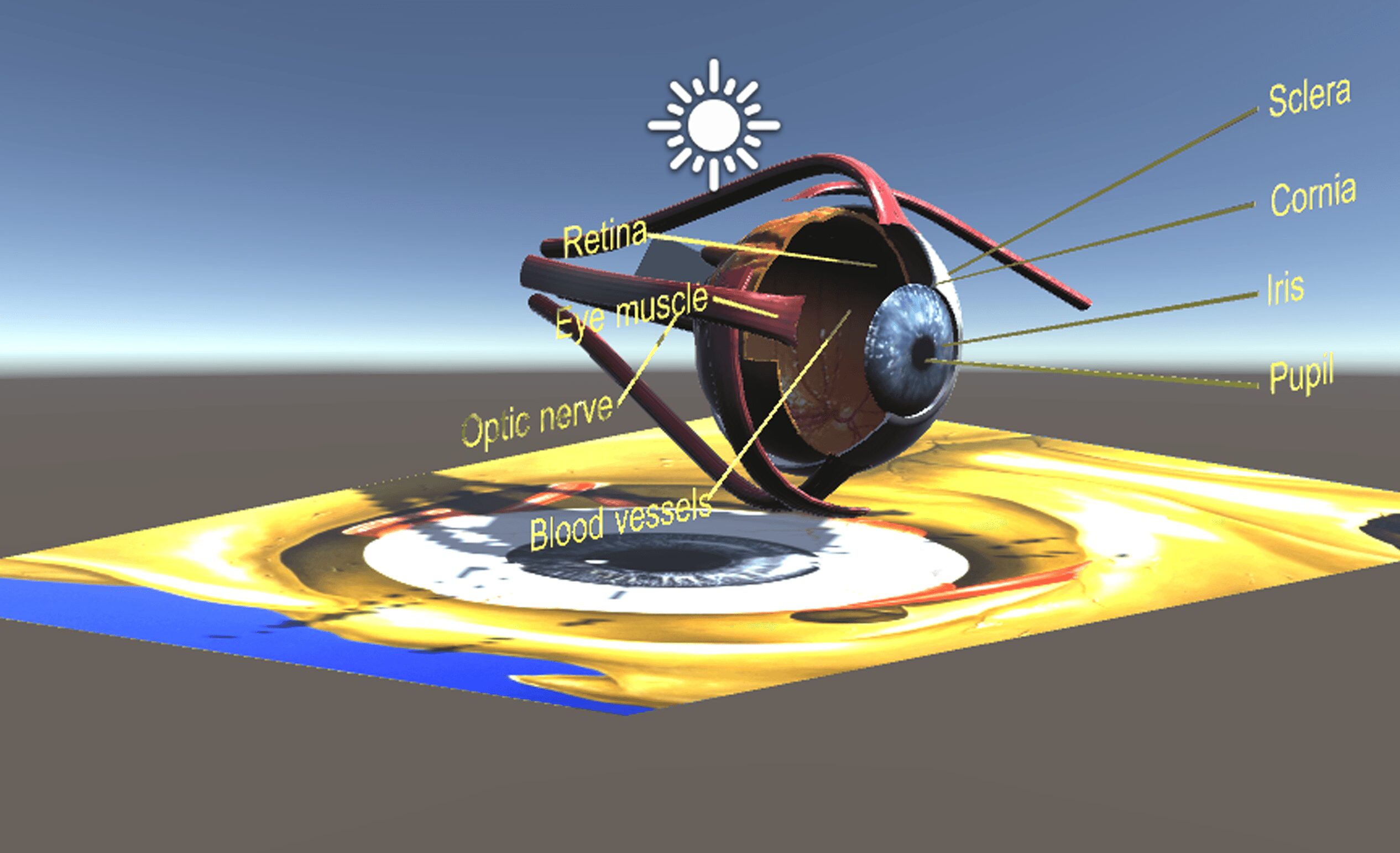
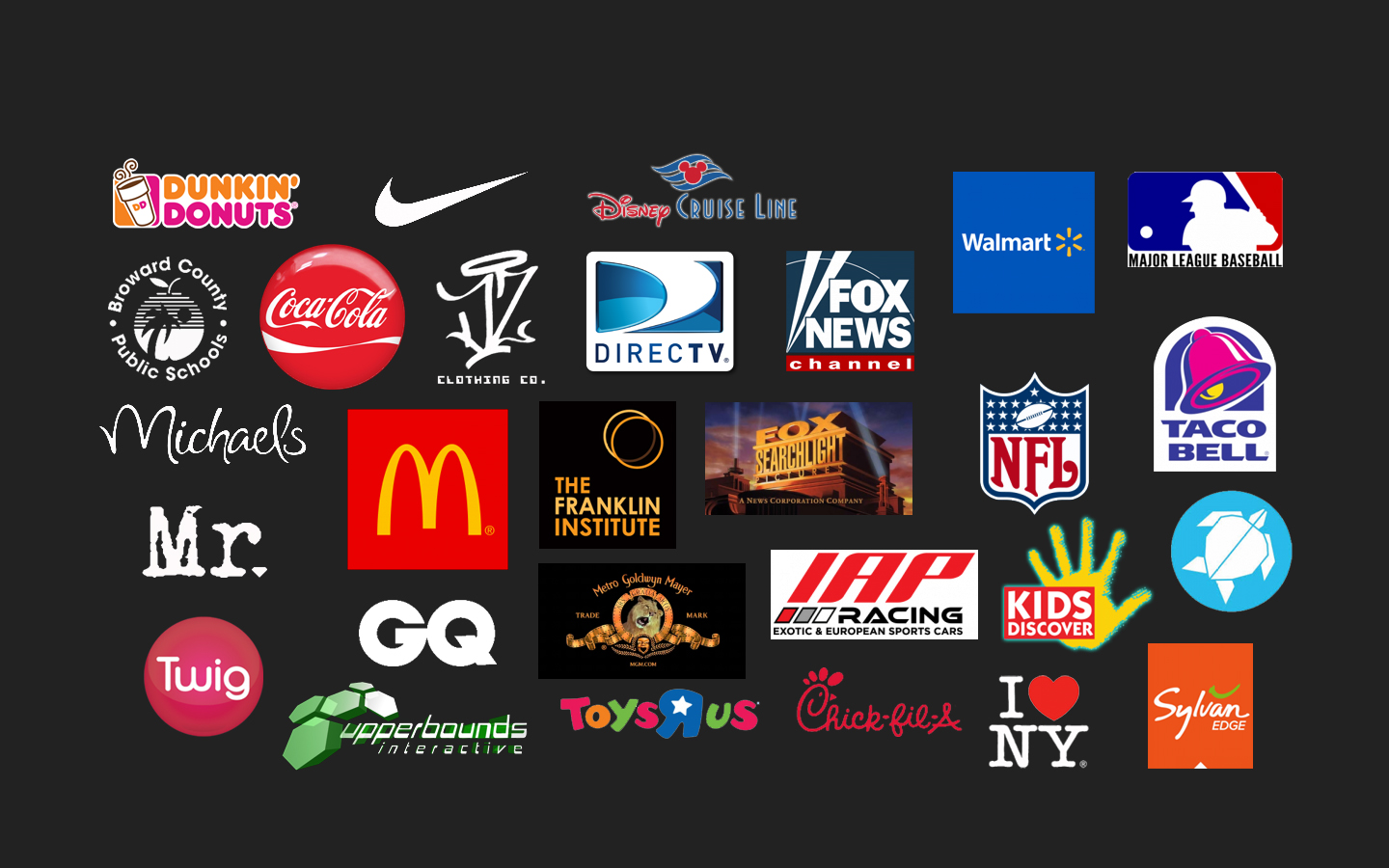
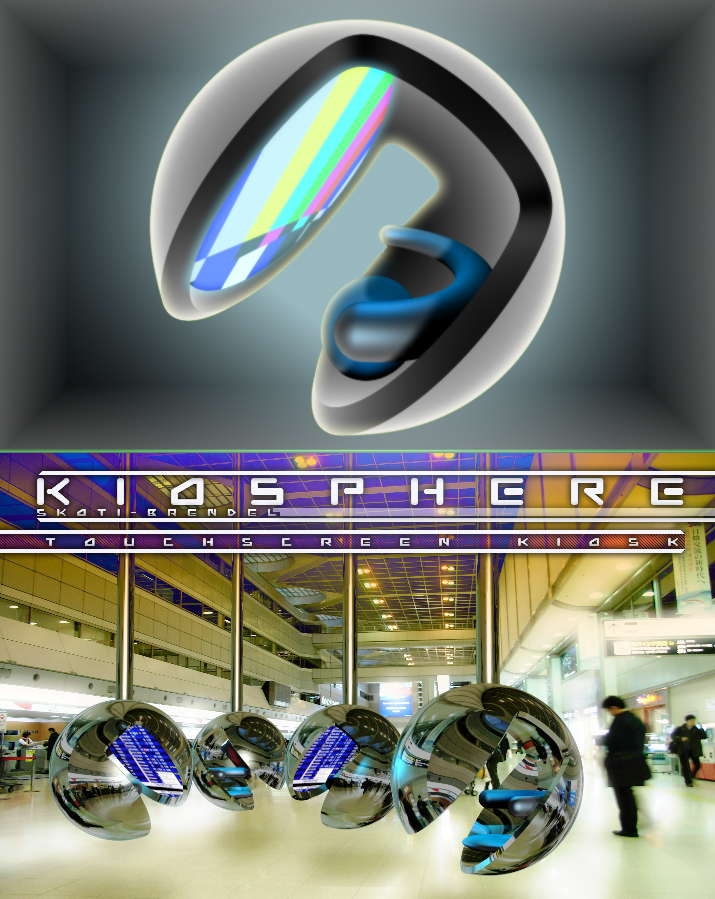
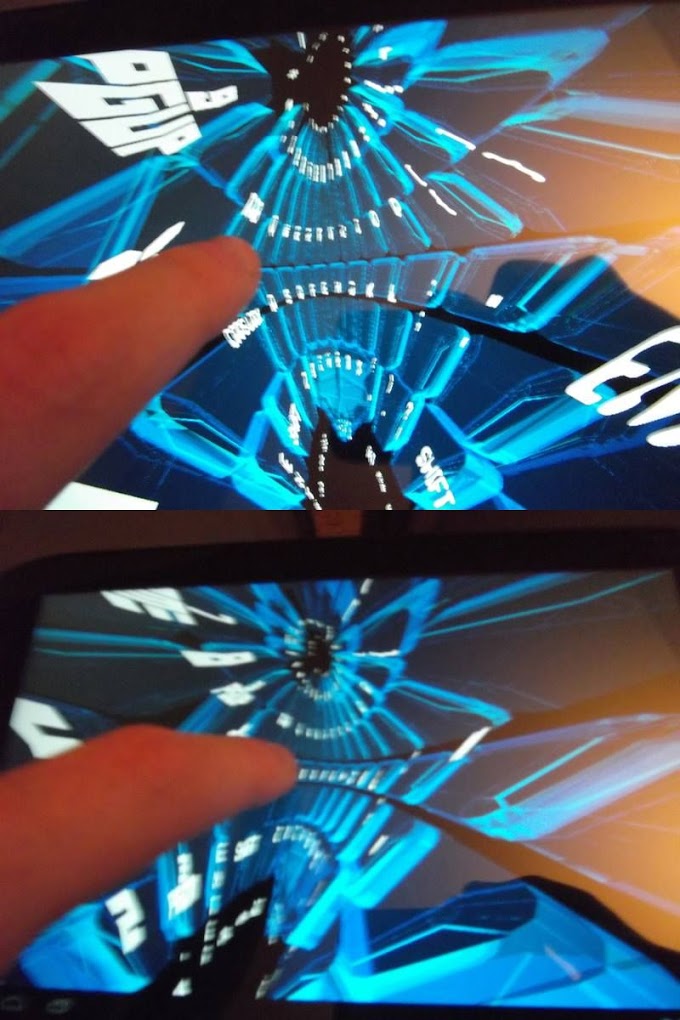


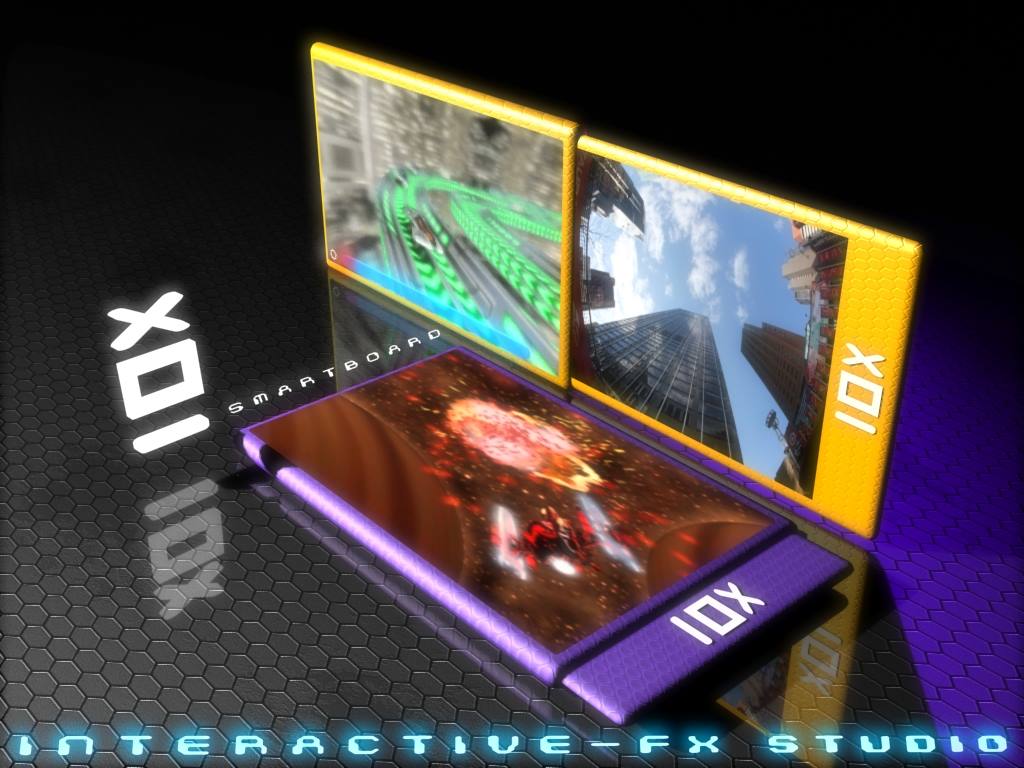
Image Credits
All artworks © Skoti Brendel – 3dinterfacedesign co. <br>