


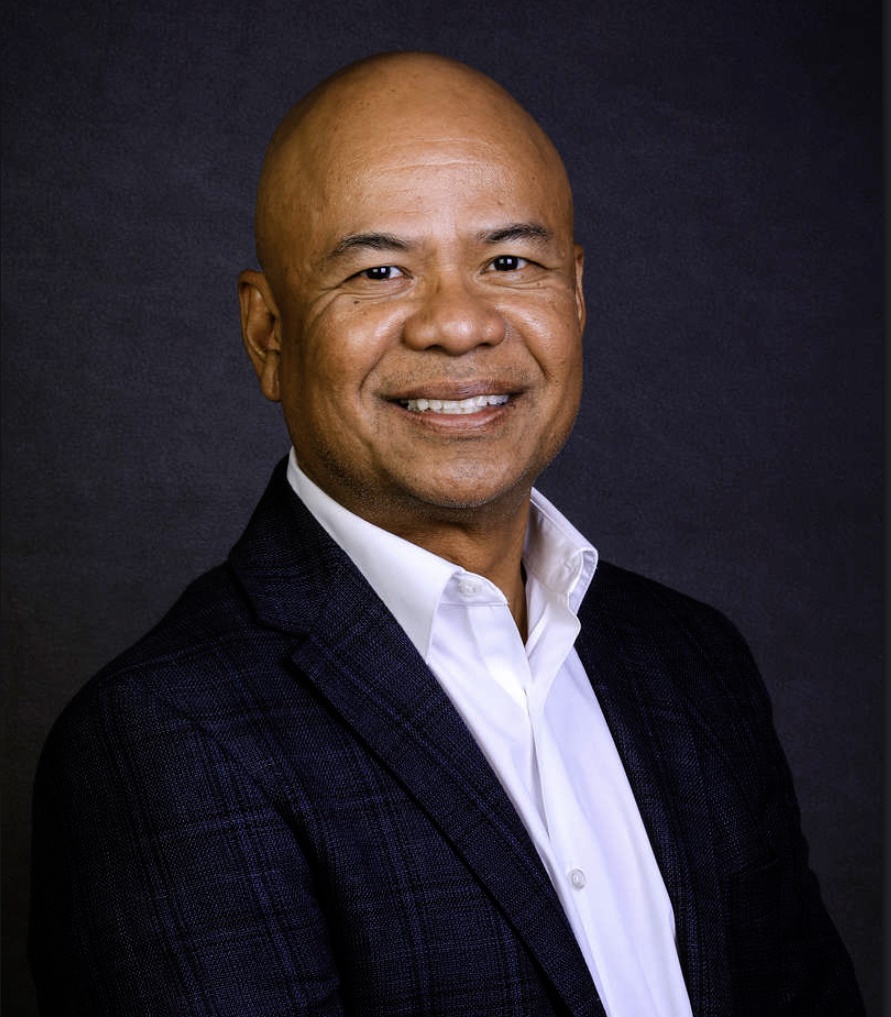
Today we’d like to introduce you to Fernando Kuehnel.
Hi Fernando, thanks for sharing your story with us. To start, maybe you can tell our readers some of your backstory.
When I reflect on my life, everything traces back to a moment in my childhood. Growing up in a Filipino orphanage in Manila, I made a quiet promise to God: if I ever found a way out of that situation and could make a difference, I would return and give back to children like me. That promise became the anchor of my life’s direction.
Immigrating to the United States was the beginning of that transformation. Carroll University marked the true start of my success. Professors and classmates supported me, but it was my adopted parents who became my greatest mentors. They guided me, challenged me, and provided the stability and encouragement that shaped the adult I became. Their influence created the foundation for every step forward in my life.
As I built my career in the pharmaceutical field, more people continued to help and believe in me. I have always been aware that my progress has never been a solo effort—my entire path has been shaped by the generosity, mentorship, and compassion of others.
Kabataan Charity is the fulfillment of the promise I made as a child. I created it to return to the Philippines and support children growing up in the same circumstances I once lived. Every visit reminds me of where I came from and why giving back matters. It is not simply philanthropy; it is a commitment rooted in gratitude, faith, and memory.
My memoir, My Third Parents, reflects this journey. It tells the story of a boy who survived on faith and the kindness of others, and an adult who now tries to turn that kindness outward. Writing it allowed me to honor the people—especially my adopted parents—who changed the direction of my life.
In everything I do, from my work to my charity efforts, my purpose remains the same: to honor the people who helped me by helping others in return, and to keep the promise I made long ago.
Can you talk to us a bit about the challenges and lessons you’ve learned along the way. Looking back would you say it’s been easy or smooth in retrospect?
No, it has not been a smooth road. My story began with instability, uncertainty, and an early awareness of what it means to grow up without a traditional family. I faced multiple rejections, and with that came low self-worth. Life in an orphanage brought challenges most children never encounter—loneliness in a crowded room, harassment and violence from other children and house parents, poor hygiene, and limited nutrition.
Immigrating to the United States opened new opportunities, but it also brought a different set of struggles. I had to adjust to a new culture, language, and daily expectations while trying to build a foundation with a foster family. I faced bullying in school and wrestled with anger and depression. Nothing came easily, and every step forward required discipline, resilience, and often starting from a place far behind my peers.
Even as I progressed in my education and career, moments of self-doubt and the pressure to prove that I belonged followed me. I had to learn quickly, work harder than many around me, and carry the quiet weight of a childhood that shaped both my strengths and my insecurities.
But through all of this, I was never truly alone. My adopted parents, mentors, and colleagues guided me, challenged me, and helped me grow. Their support did not remove the obstacles, but it gave me the strength and stability to face them.
Those hardships ultimately formed the core of who I am. They taught me perspective, discipline, and purpose—especially in my work with Kabataan Charity. The road was far from smooth, but it shaped my character, strengthened my faith, and reinforced the promise I made as a child: if I ever found a way out, I would return and help others do the same.
Alright, so let’s switch gears a bit and talk business. What should we know about your work?
In my professional life, I work in Medical Affairs within the biopharmaceutical industry, specializing in rare and serious diseases. My role centers on translating complex science into meaningful insights for clinicians, ensuring that patients and healthcare professionals have access to accurate, timely, and balanced information. I spend much of my time working with medical experts, reviewing emerging data, and helping bridge scientific discovery with real-world clinical practice.
I have always had a deep love for science. It was one of the first things that inspired me as a young adult—this idea that knowledge could change the trajectory of a person’s health, or even their life. That passion led me to complete my doctorate and an MBA. Those achievements mean a great deal to me, not because of the titles themselves, but because they represent discipline, perseverance, and the belief that education can elevate a person’s impact.
What I enjoy most about my work is collaborating with highly intelligent and mission-driven people—individuals who are constantly looking for ways to reduce the burden of disease, especially for patients who have limited treatment options. Being part of that ecosystem is both energizing and humbling.
I am particularly proud of contributing to the advancement and education of therapies for rare diseases—spaces where the need is high, the science is evolving, and every small progress can change a family’s story. That work aligns with my own values: service, resilience, and using whatever expertise I have to help others.
What sets me apart is the combination of my scientific commitment and my personal history. I come from a background where access, opportunity, and health were not guaranteed. That gives me a different lens—one grounded in empathy, urgency, and purpose. I see the human side of science as clearly as the data, and that perspective guides how I lead, how I educate, and how I collaborate across the medical community
What do you like and dislike about the city?
What I appreciate most about Miami is its diversity. The city is a true melting pot—cultures, languages, and backgrounds all coming together in a way that feels vibrant and dynamic. It’s also been inspiring to watch Miami grow into a major financial and innovation hub, emerging as the country’s next significant business district after New York. That energy creates opportunity, creativity, and a sense of possibility that is unique to this city.
What I like least is the traffic, but I see it as a side effect of growth. As more people recognize what Miami has to offer, the city becomes busier and more in demand. While congestion can be frustrating, it’s also a reflection of Miami’s momentum and the appeal it holds for people from around the world
Contact Info:
- Website: https://www.kcharity.com
- Facebook: https://www.facebook.com/Kcharity.hope/
- LinkedIn: https://www.linkedin.com/in/fernando-kuehnel-dnp-mba-b33bb111/
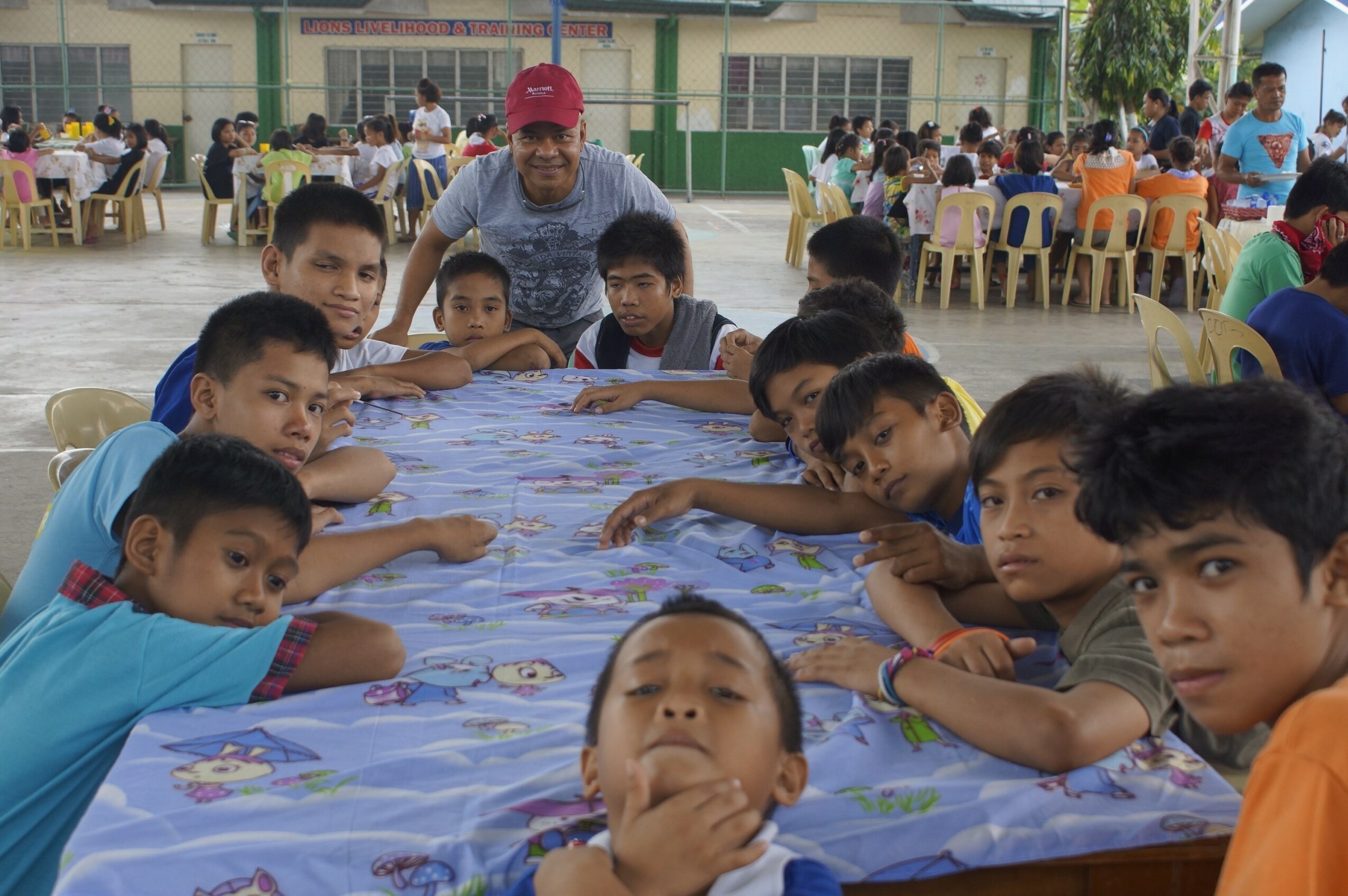
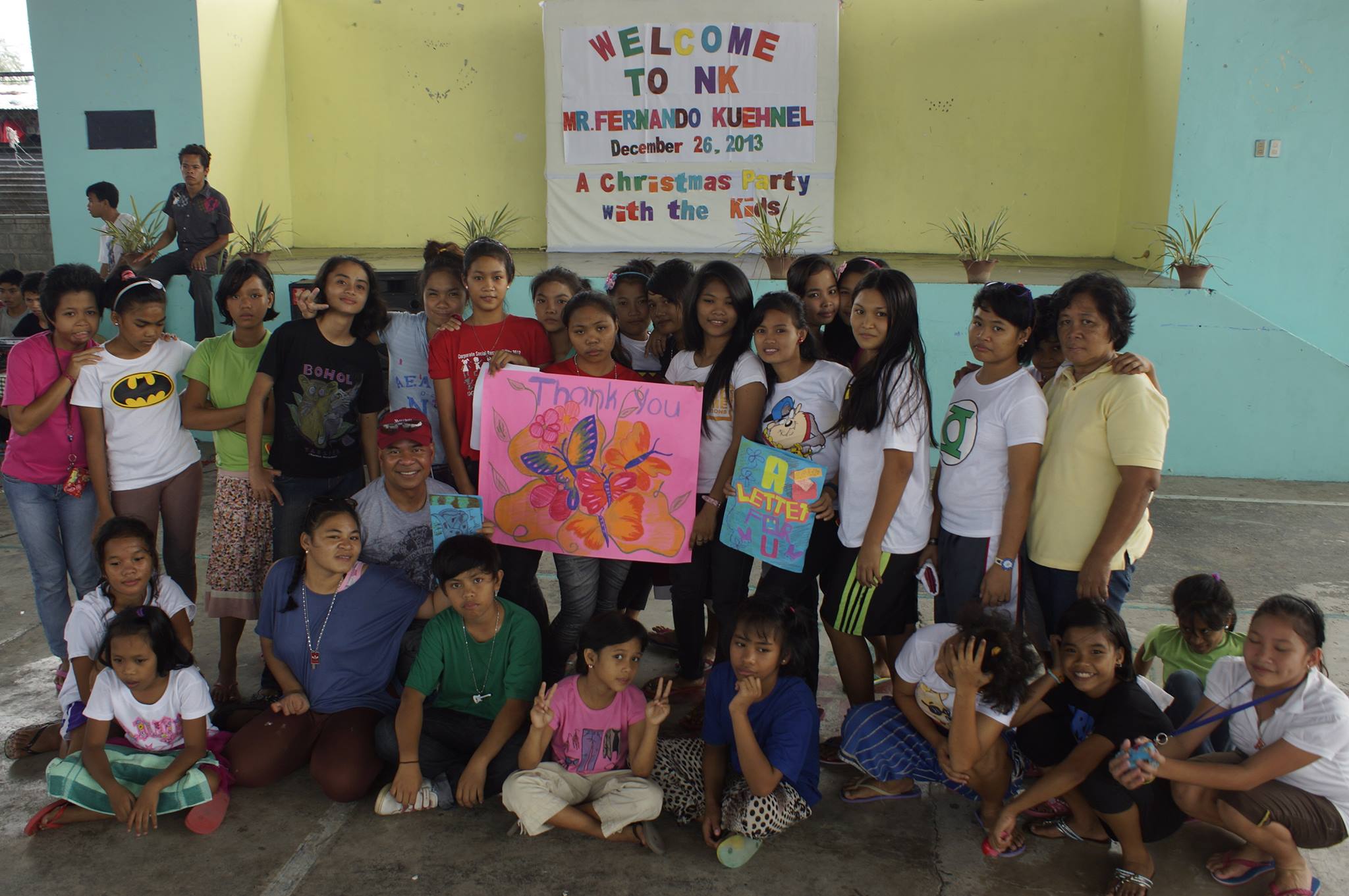
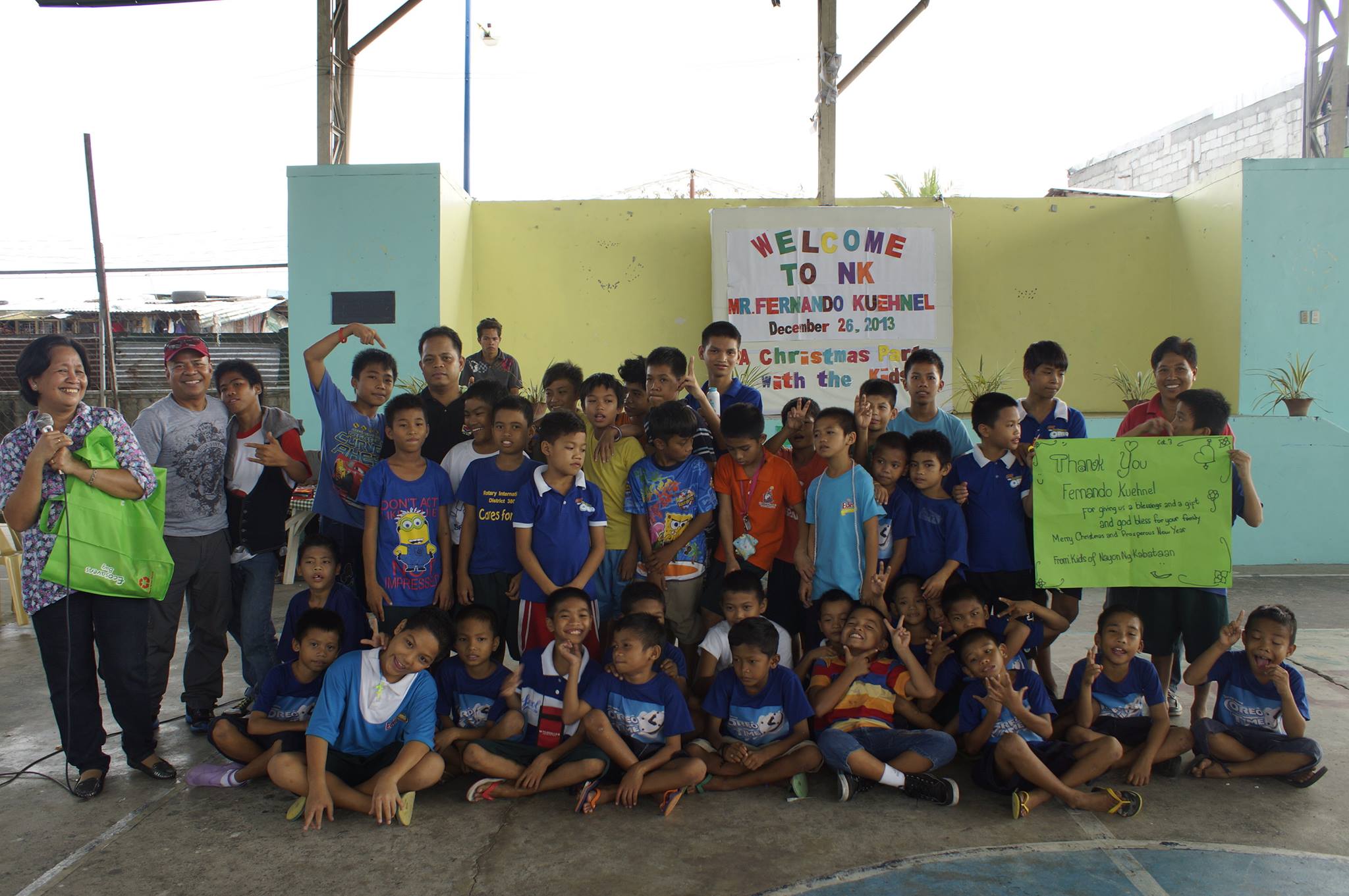
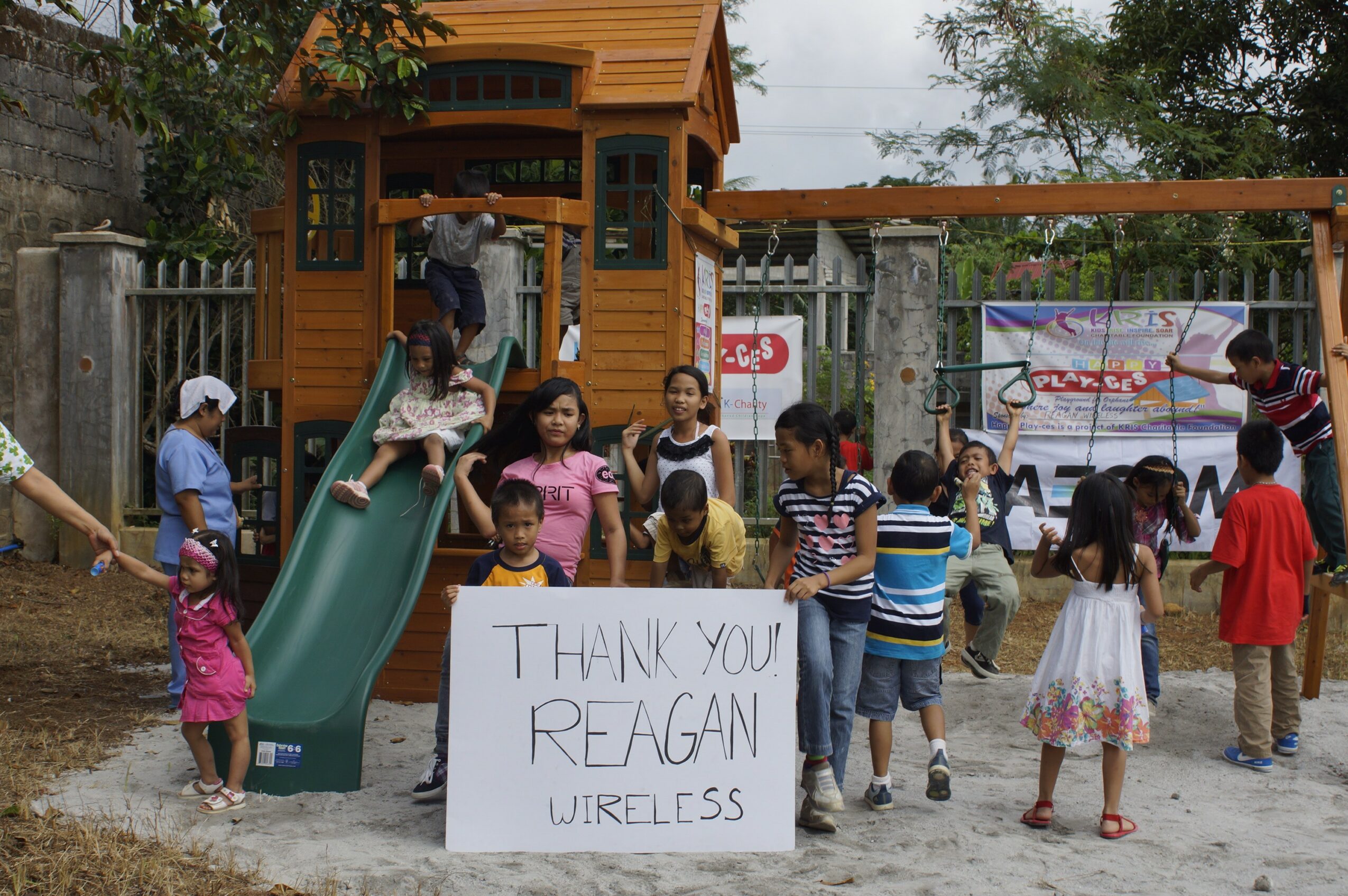
Image Credits
I want to thank Reagan Wireless, Tom Kuehnel, Novartis, and Insmed MSLs for their continued donation to the charity.