





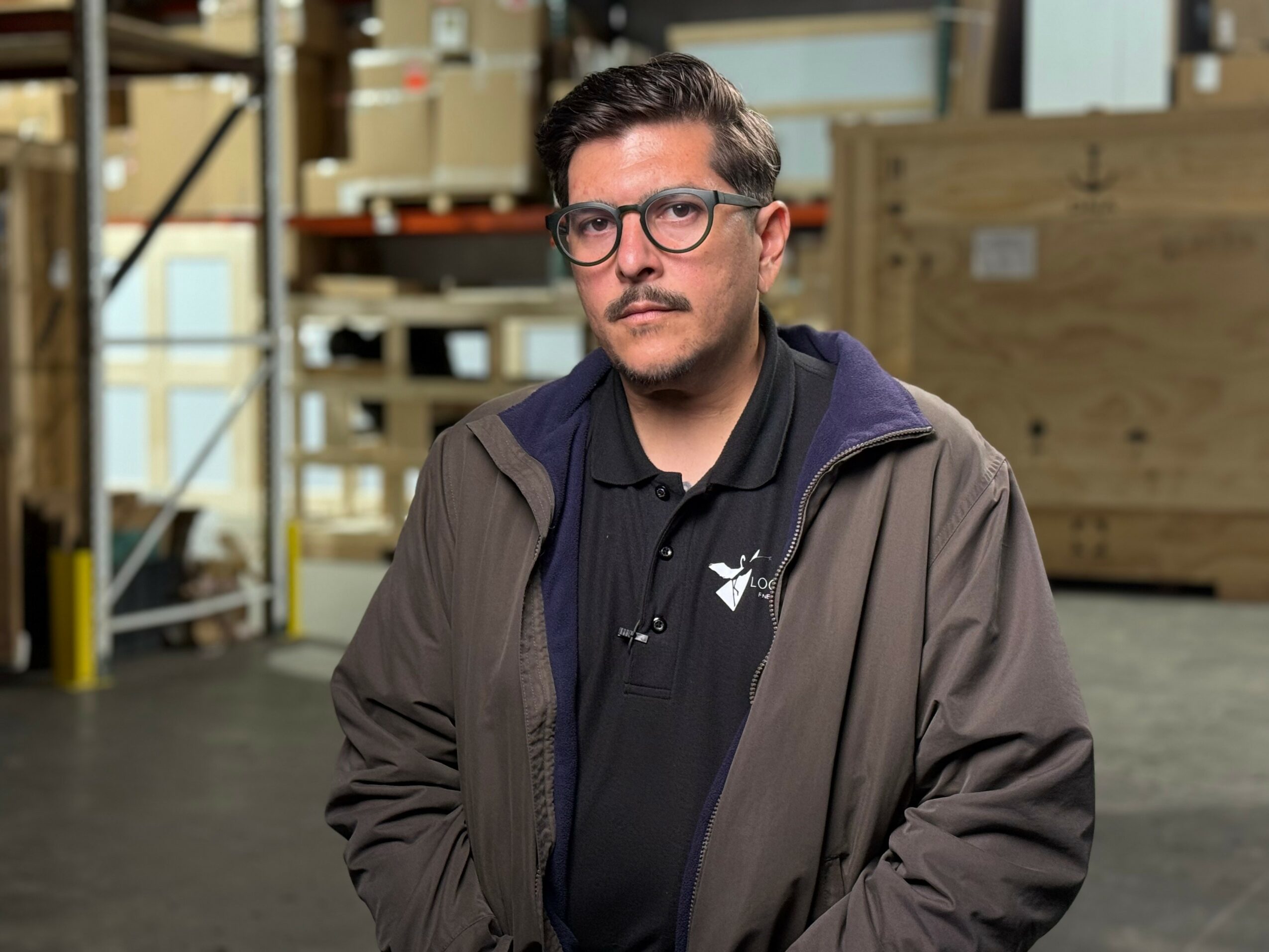
Today we’d like to introduce you to Leonardo Valencia.
Leonardo, we appreciate you taking the time to share your story with us today. Where does your story begin?
i’m a first-generation American who grew up in Hialeah, Florida, in a home where resources were limited but curiosity was unlimited. My parents always encouraged my love for art and music, even when we didn’t have much, and that passion shaped the course of my life.
In the early 2000s I was a touring indie-rock musician, crisscrossing the country with my band during the same moment Miami was transforming into a global art hub. When the first Art Basel arrived in 2001–2002, our guitar player, Jorge Gonzalez—who worked at the Miami Art Museum (now PAMM)—came to rehearsal and told us recruiters were looking for art handlers to work the fair. Back then, Art Basel even shared the convention center with the South Beach Food & Wine Festival.
We signed up, not knowing much about the field, and immediately loved the work. It was meaningful, fast-paced, and paid well—well enough that those December weeks at the fair subsidized our touring for months at a time. So every year we returned home to Miami, put our instruments down, and worked Basel. It became our annual tradition.
In 2005 I was offered a full-time position with Artex (now Crozier), which allowed me to sharpen my skills and deepen my knowledge of art handling, art history, and museum practice. Between gigs and tours, I built experience working with galleries and museums in New York, Miami, and Los Angeles.
In 2010, love took me to Paris. I worked freelance with several galleries before joining André Chenue, which led to what I considered a dream job: working at the Musée du Louvre. They offered to sponsor my permanent work visa, but I had to return to the U.S. to start the process. Once back stateside, the French bureaucracy moved slowly. While waiting for my visa approval, I returned to Artex—but my girlfriend at the time pushed me to consider working for myself.
That’s how LOGICART was born.
The early years were tough. I had no clients and zero name recognition. Out of respect for my former colleagues, I made a conscious choice not to poach or solicit clients from Artex or any of the companies I admired. I believed—and still believe—there’s enough work for everyone, and I wanted to build my client base honestly. Looking back, I’m grateful I took the longer, harder route; I still have strong mutual respect with many of those colleagues today.
Slowly but steadily, the work began to pick up. I reinvested every penny into better equipment, better systems, and eventually, my first employee. What began as one person with a van and a dream has grown into a respected art-handling company known for care, expertise, and integrity—rooted in that same love of art and music my parents nurtured in me all those years ago in Hialeah.
Alright, so let’s dig a little deeper into the story – has it been an easy path overall and if not, what were the challenges you’ve had to overcome?
One of my biggest early struggles was simply being unknown. In the art world, reputation is everything, and I was starting from zero. I wasn’t coming from one of the big-name art schools, I didn’t have family connections, and I didn’t have the pedigree that so many people in this industry lean on. I was just a kid from Hialeah who loved art, worked hard, and showed up.
On top of that, I had no money. Every piece of equipment, every truck, every crate—everything had to be bought slowly, one job at a time. There were months when every dollar went back into the business, and I was basically living off faith and momentum. It wasn’t glamorous, and there were moments where I genuinely questioned whether I could keep it afloat.
And then there was the cultural challenge: entering a world that often feels closed-off and gatekept. A lot of people in the art world inherit their access—through family, education, or social circles. That wasn’t my story. I had to build credibility through work, not by association. I had to prove myself over and over again just to get a foot in the door.
Those struggles were real, but they shaped me. They made me more resourceful, more committed, and more appreciative of every client who took a chance on me. They also pushed me to run LogicArt with the values I didn’t always see in the industry: humility, respect, accessibility, and treating every artist—emerging or established—with the same level of care.
Looking back, not having pedigree, money, or a name was actually a blessing. It forced me to create my own path—and that’s what makes this journey meaningful.
We’ve been impressed with Logicart Miami, but for folks who might not be as familiar, what can you share with them about what you do and what sets you apart from others?
LogicArt is a full-service art handling, installation, logistics, and storage company—but at our core, we’re Miamians first. We’re one of only a handful of full-service art-handling companies in Miami actually founded and run by locals. Most of the major players in this field come from New York, Europe, or Washington D.C. We grew up here, we understand the culture, the landscape, the institutions, the collectors, and the pulse of the city from the inside. That matters more than people realize.
What sets us apart is simple: we show up. Period. No excuses, no disappearing acts, no corporate runaround. If there’s a monumental sculpture being installed somewhere in Miami—and you drive by and wonder how on earth it got there—there’s a good chance our team put it up. We’re known for taking on the big, complex, technically demanding projects that others shy away from. Oversized public works, delicate museum pieces, impossible angles, tight timelines—we specialize in the “how are they going to pull this off?” moments.
Beyond installations, we also offer specialized art storage at rates far more competitive than the large corporate brands. We’ve invested in secure, climate-controlled storage designed specifically for fine art, without the inflated pricing structures that come with national chains. Because we’re local and independently owned, we can offer boutique-level service with transparent pricing.
Another thing that defines us is our team. Most of our handlers are working artists themselves—with thriving practices and formal training from top institutions like MICA, RISD, FIU, and Miami’s own New World School of the Arts. They don’t just move art—they understand it, respect it, and care about it on a deeper level. When an artist or collector hands us a piece, they know it’s being handled by someone who speaks the same creative language.
Finally, LogicArt is intentionally non-corporate. We operate with a boutique, concierge-style approach. Clients work directly with us—not through layers of departments or automated systems. We’re hands-on, personal, and deeply invested in the success of every project. Whether it’s a major museum installation or a single artwork delivered to someone’s home, we bring the same level of attention, problem-solving, and care.
What I want readers to know is this: LogicArt was built in Miami, by Miamians, for Miami. We’re proud of that. And we treat every project like it’s a part of our city’s cultural fabric—because it is.
We’d be interested to hear your thoughts on luck and what role, if any, you feel it’s played for you?
I once had a professor tell me that there’s no such thing as luck—that luck is simply the crossroads where opportunity meets preparation. That idea stuck with me, and over the years I’ve found it to be true.
There have absolutely been moments in my life that felt “lucky.” But when I look closer, each one was really an opportunity that appeared at the exact moment I had prepared myself—often without even realizing it.
When Art Basel first came to Miami and my bandmate told us the museum needed handlers, that felt like luck. But I had already been immersed in art and music for years, and I was ready to step into that world with curiosity and work ethic. When I moved to Paris and landed roles at André Chenue and eventually the Louvre, it felt like another stroke of good fortune—but it only happened because I had spent years learning the craft, studying art history, and building a reputation for reliability. And when the visa delay forced me to pivot back to Miami, the “luck” of starting my own company happened because I had quietly prepared myself with the skills, relationships, and experience needed to take that leap.
So yes, opportunities came my way—but I was able to capitalize on them because I had done the groundwork: the long hours, the hustle, the learning, the saying-yes, the showing-up, the willingness to start from the bottom. To me, that’s what luck really is. It’s not random. It’s preparation aligning with the right moment.
I’m grateful for the opportunities I’ve had, but I’m even more grateful that when they showed up, I was ready.
Pricing:
- Quotes are based on jobs and many factors are taken into consideration
Contact Info:
- Website: https://www.logicartmiami.com
- Instagram: https://www.instagram.com/logicartmiami/?hl=en
- LinkedIn: https://www.linkedin.com/in/leonardo-valencia-9702a926
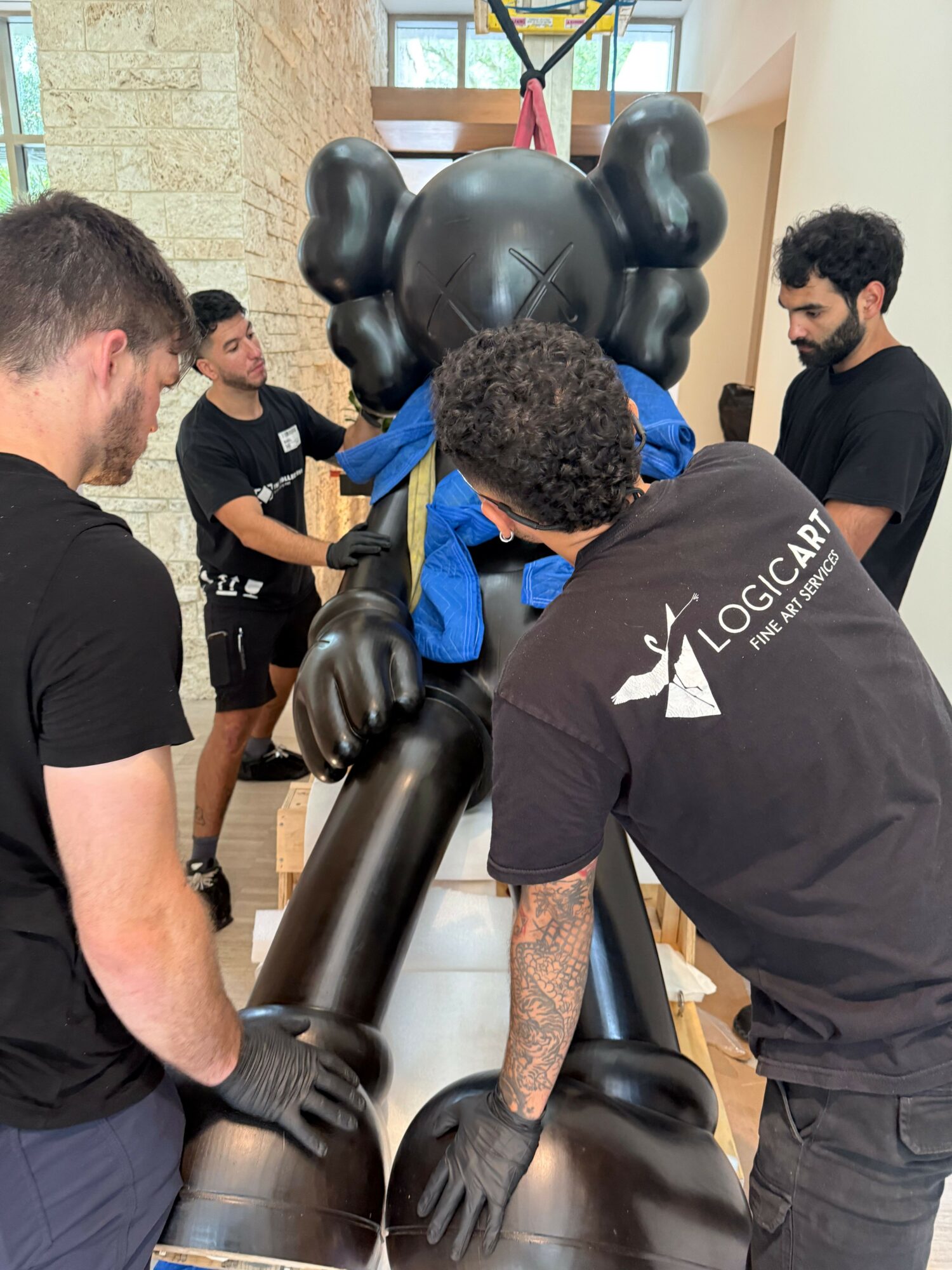
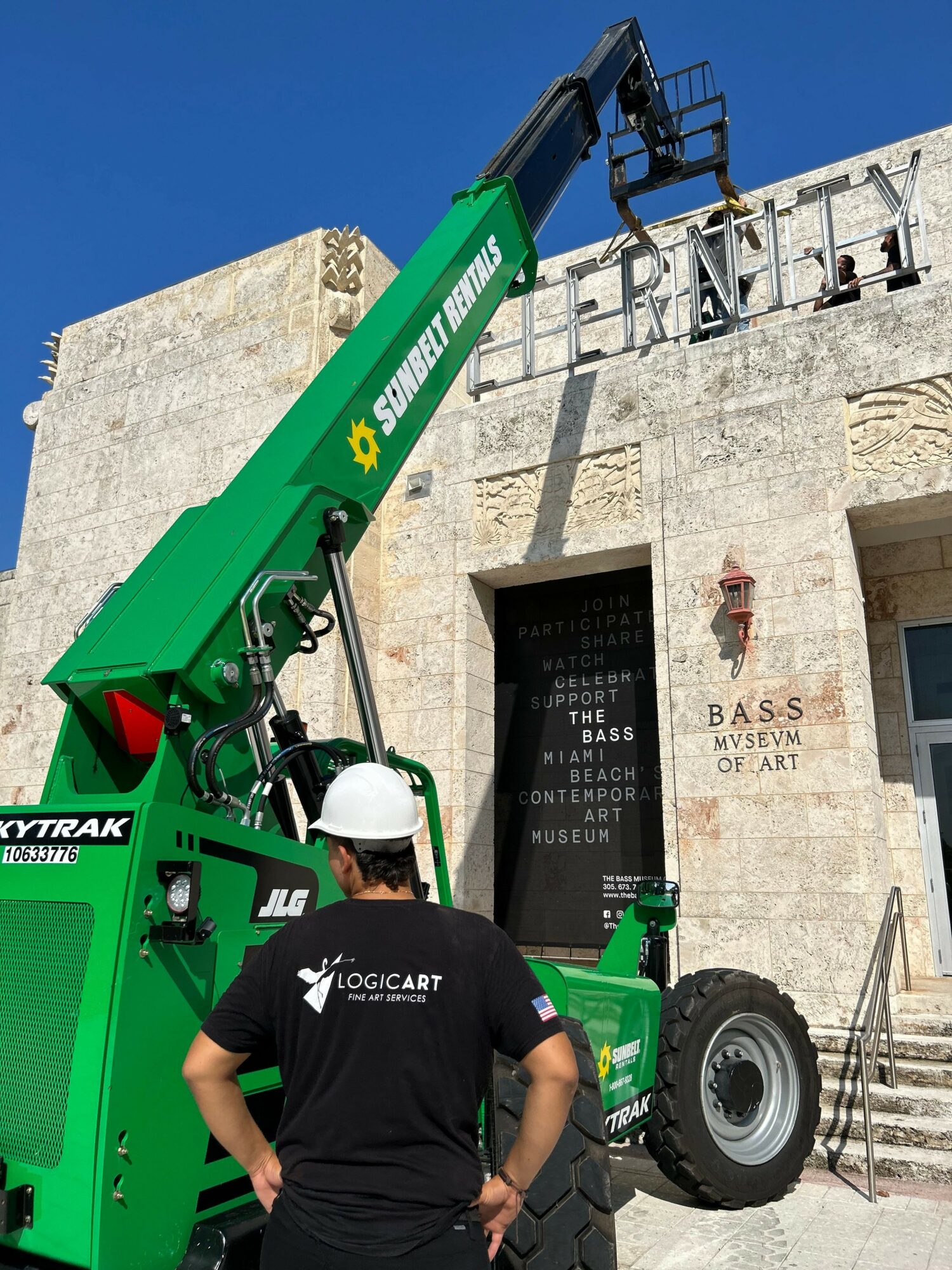
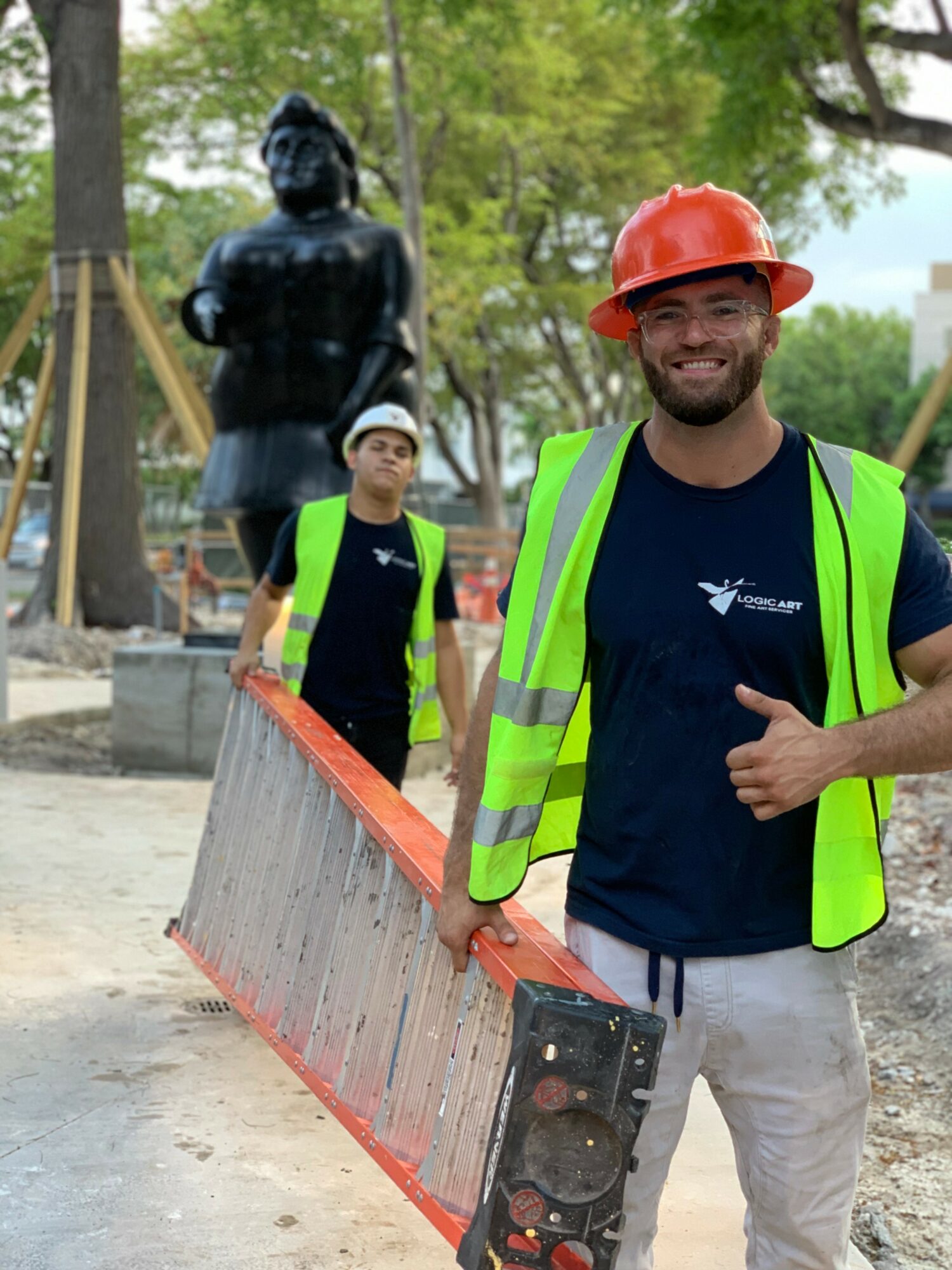
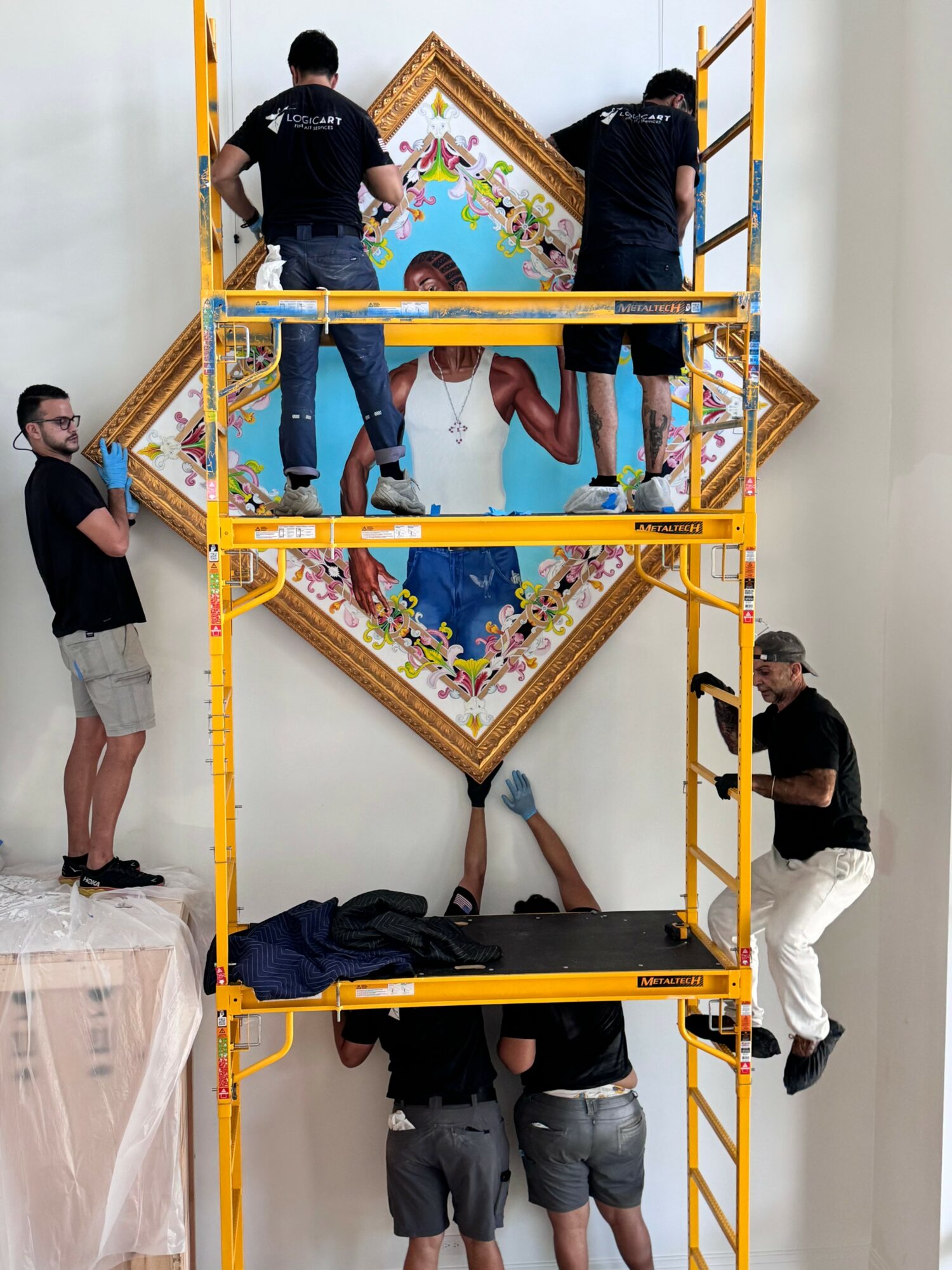
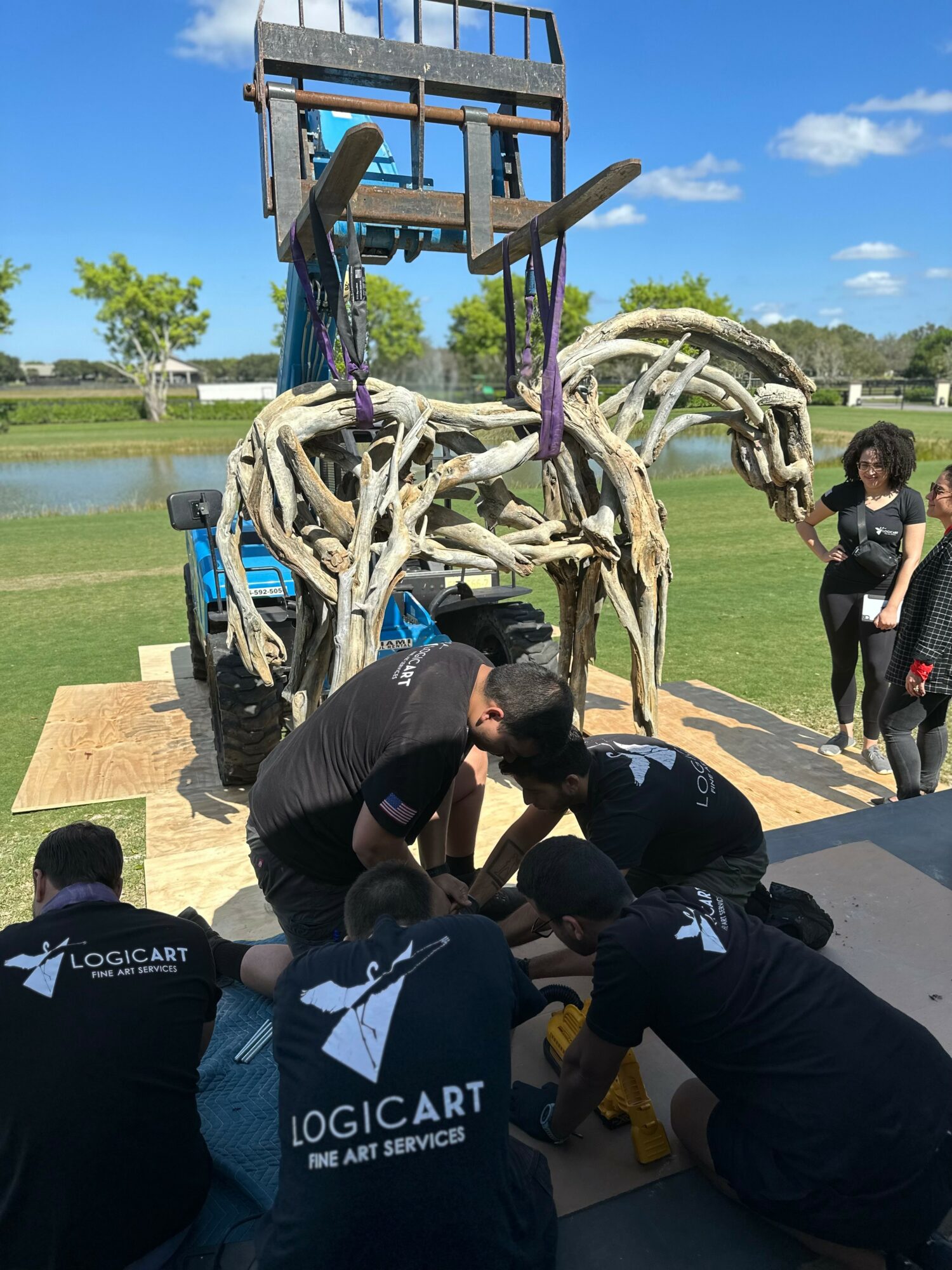
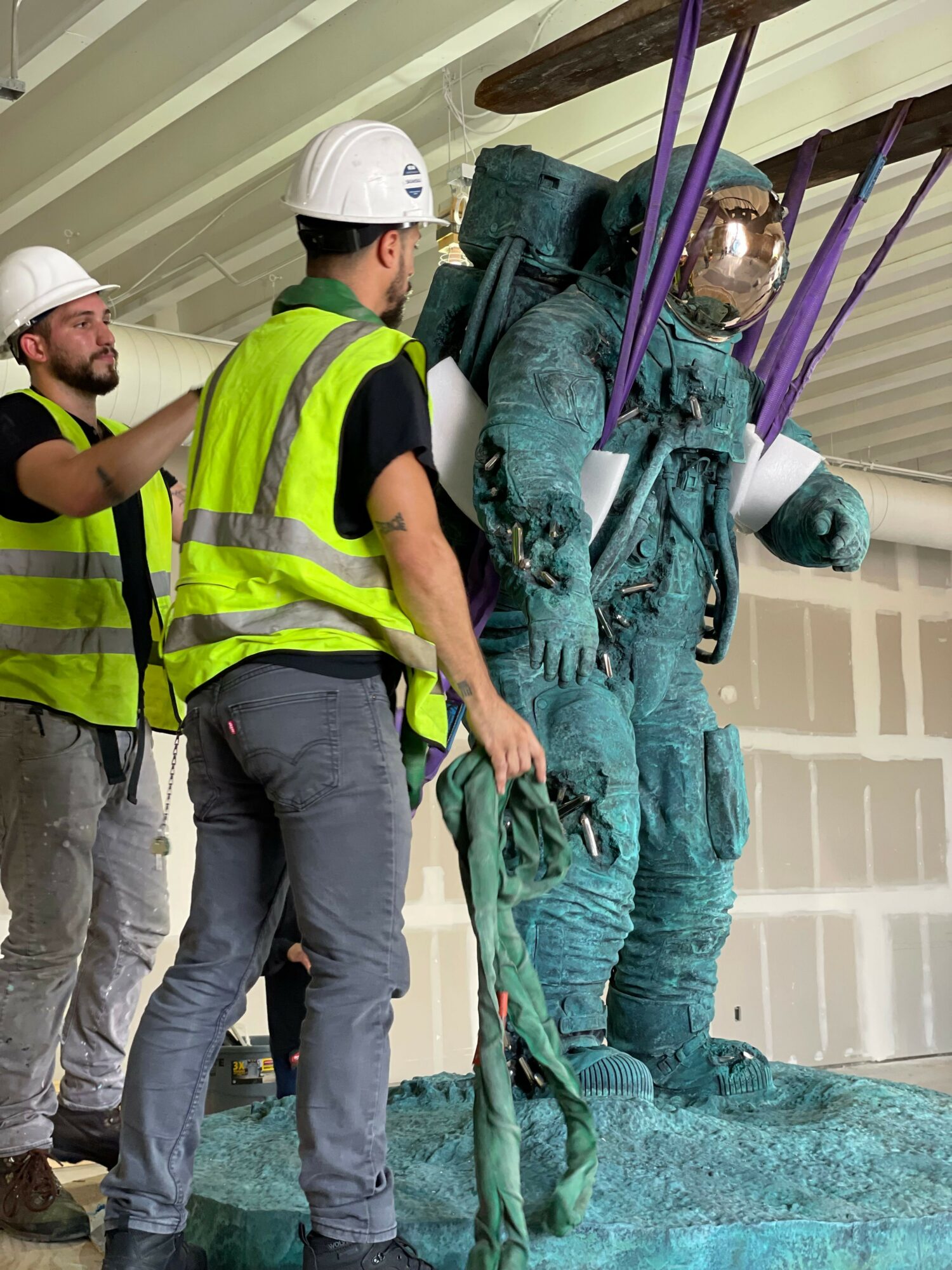
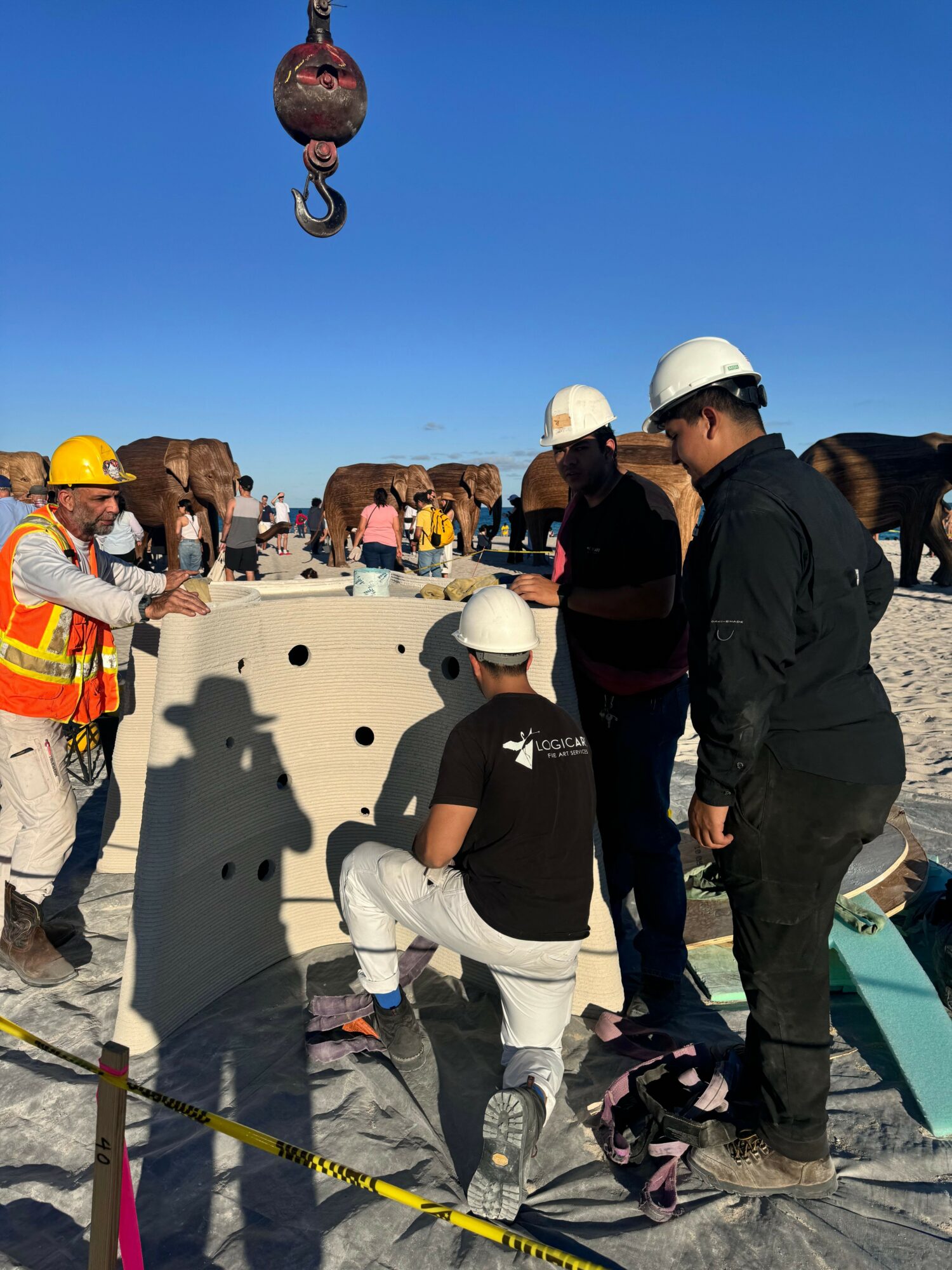
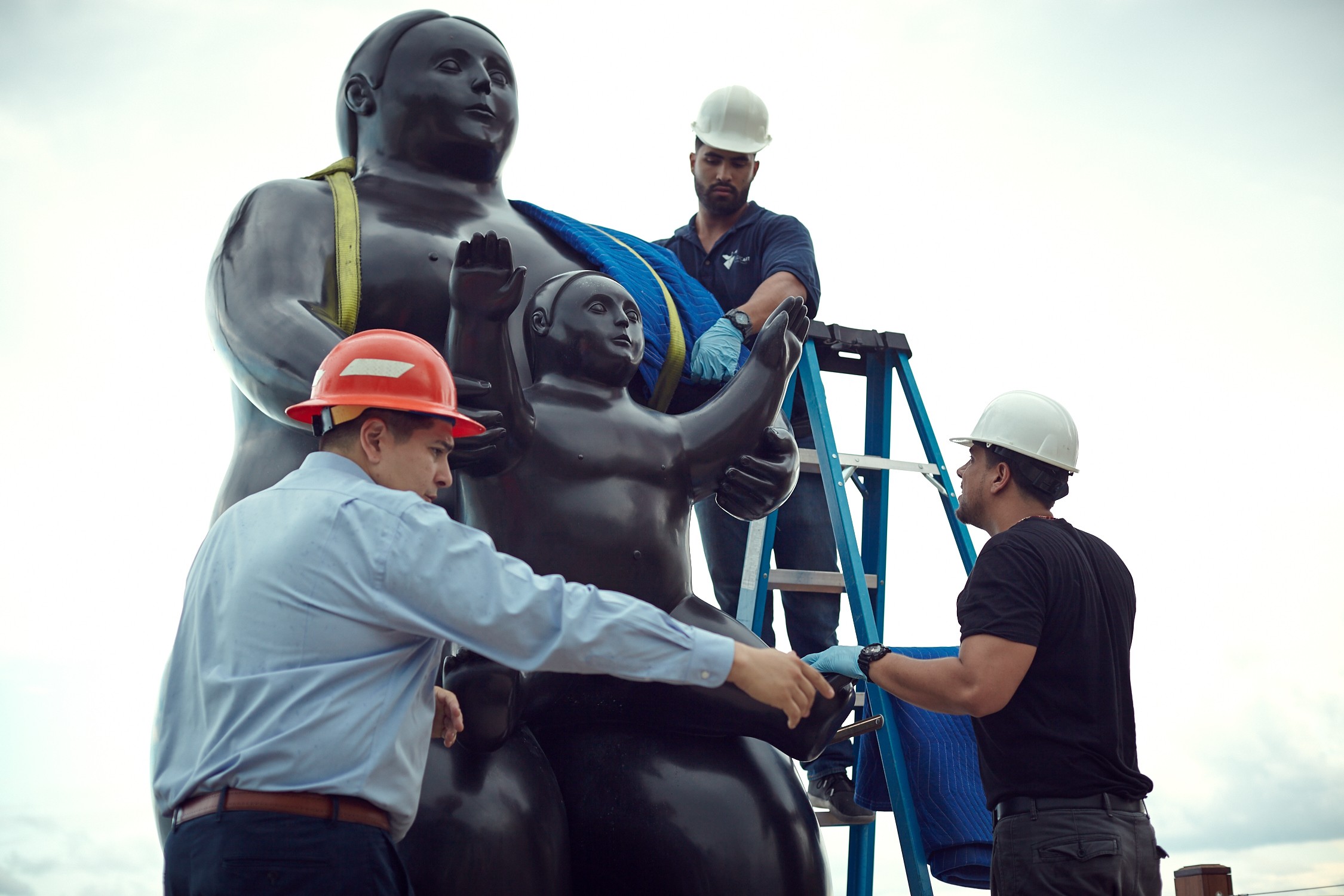
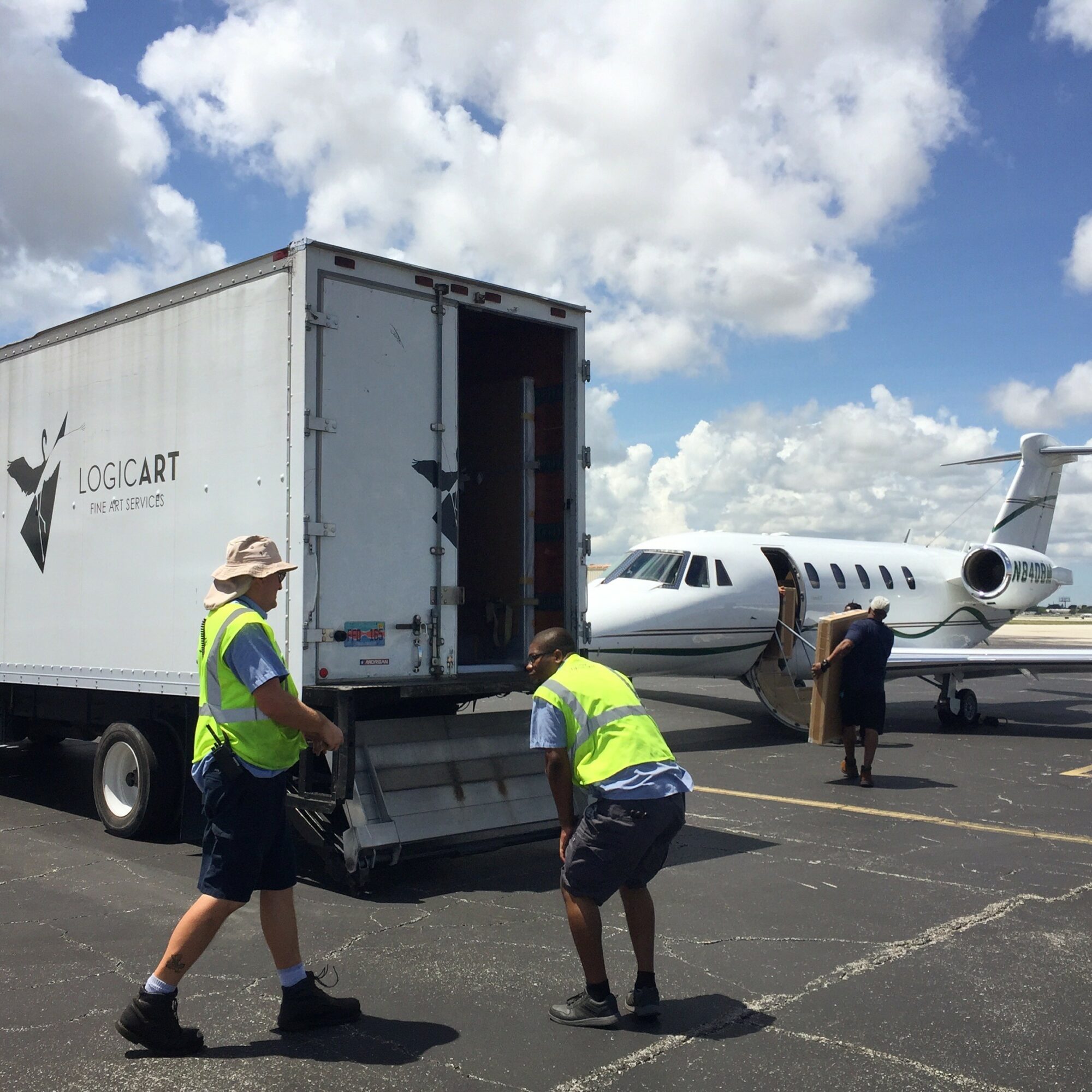
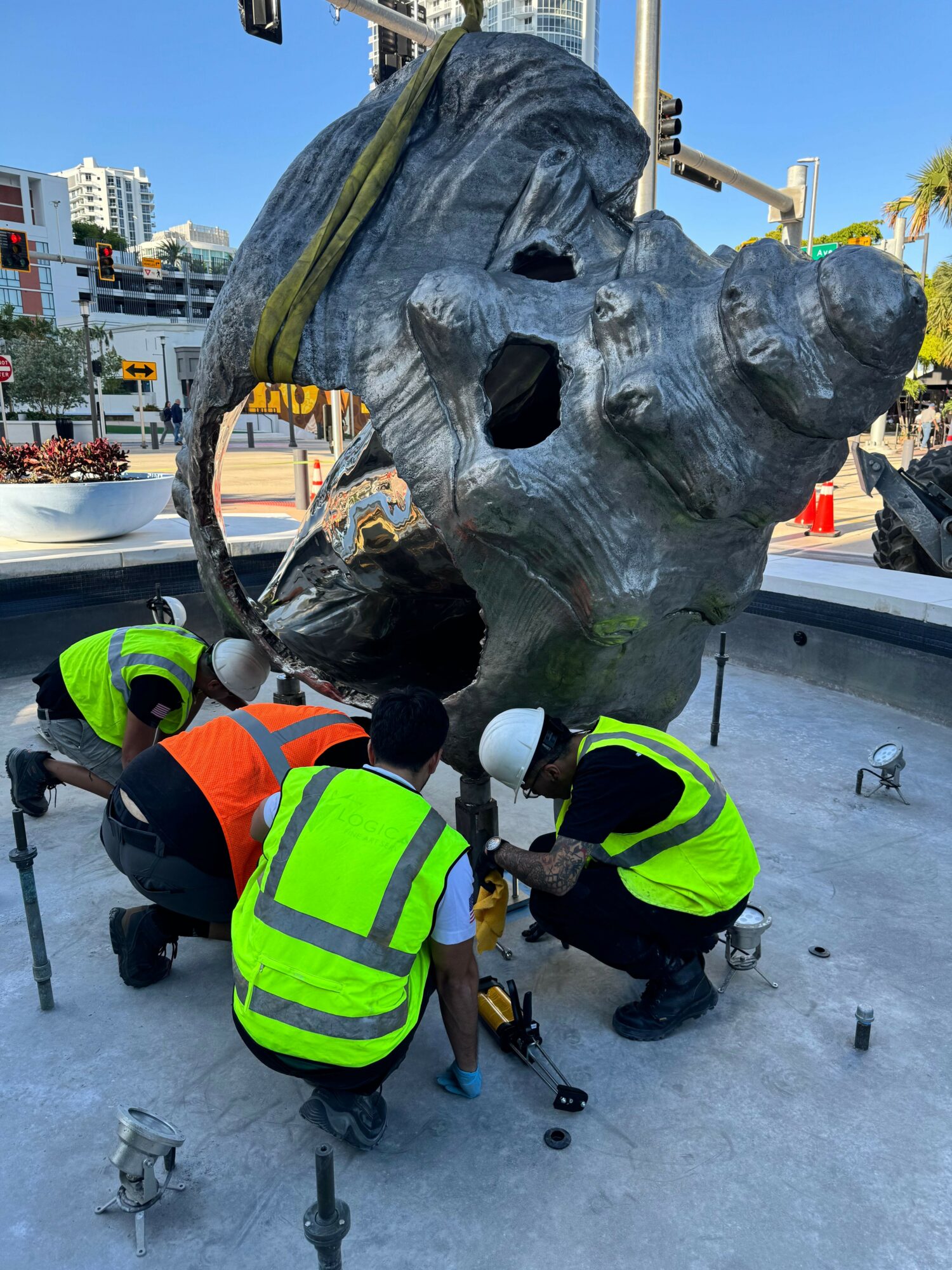
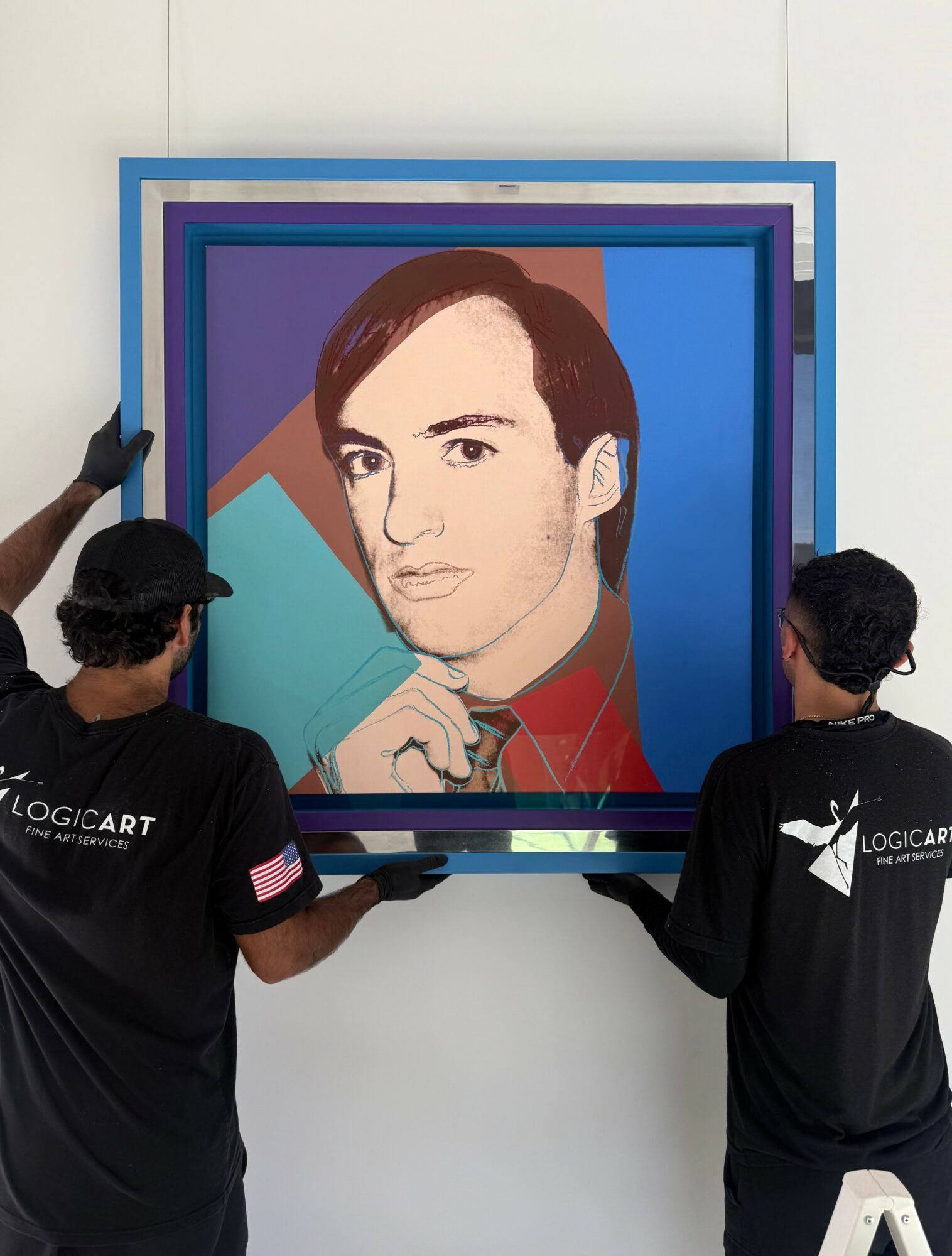
Image Credits
The only picture not taken by me (Leo Valencia) is the high rez image of the botero install taken by Mary Beth Koeth