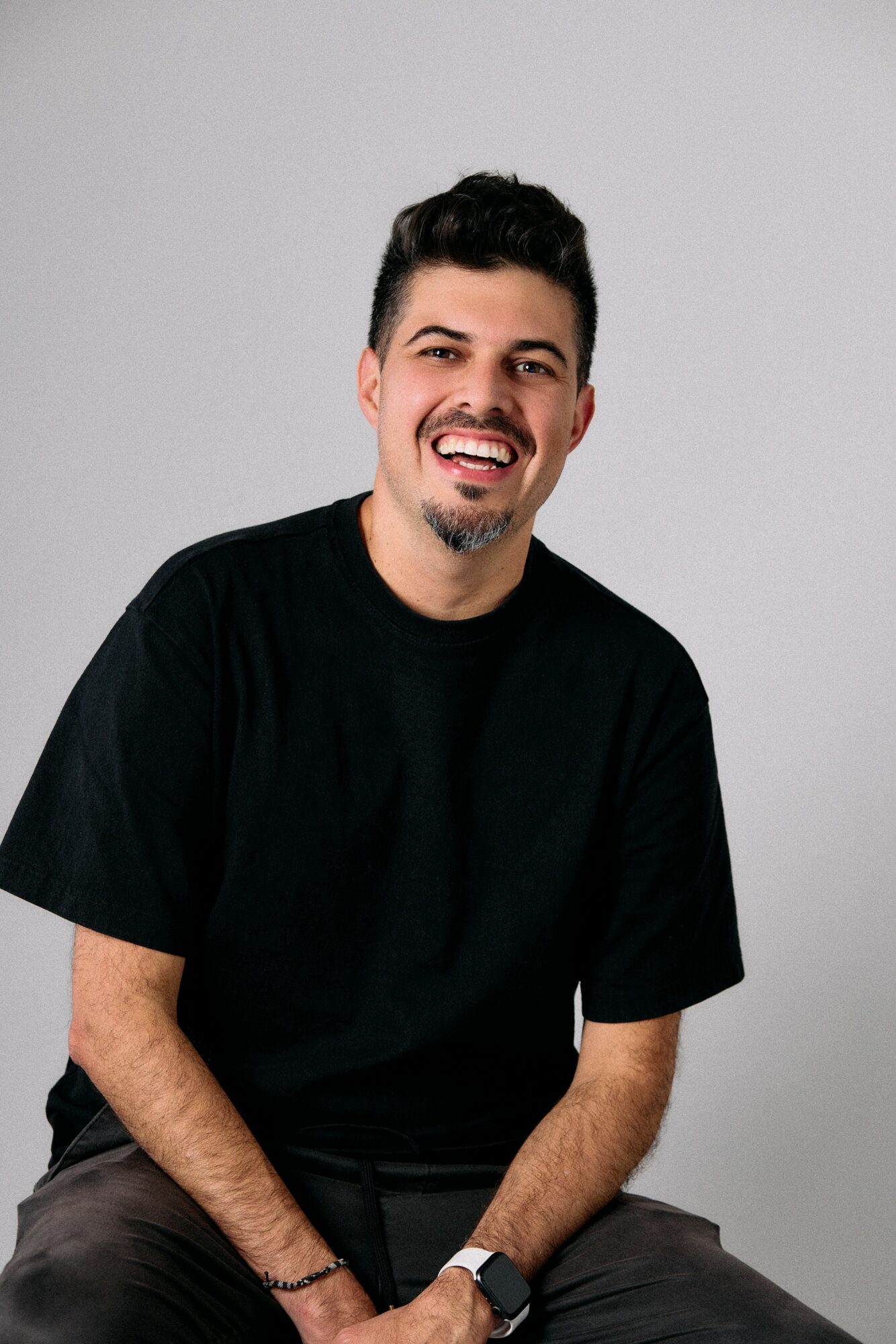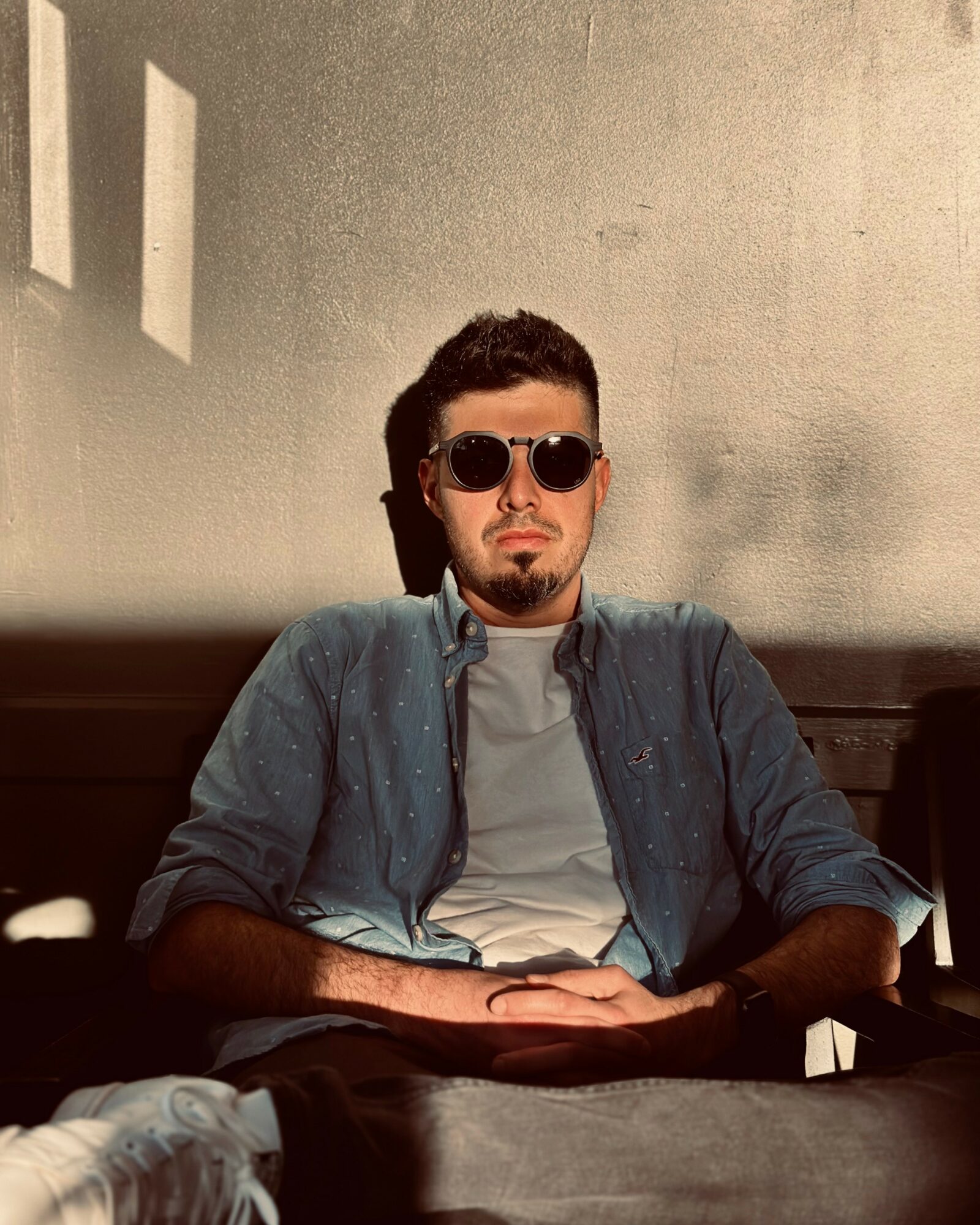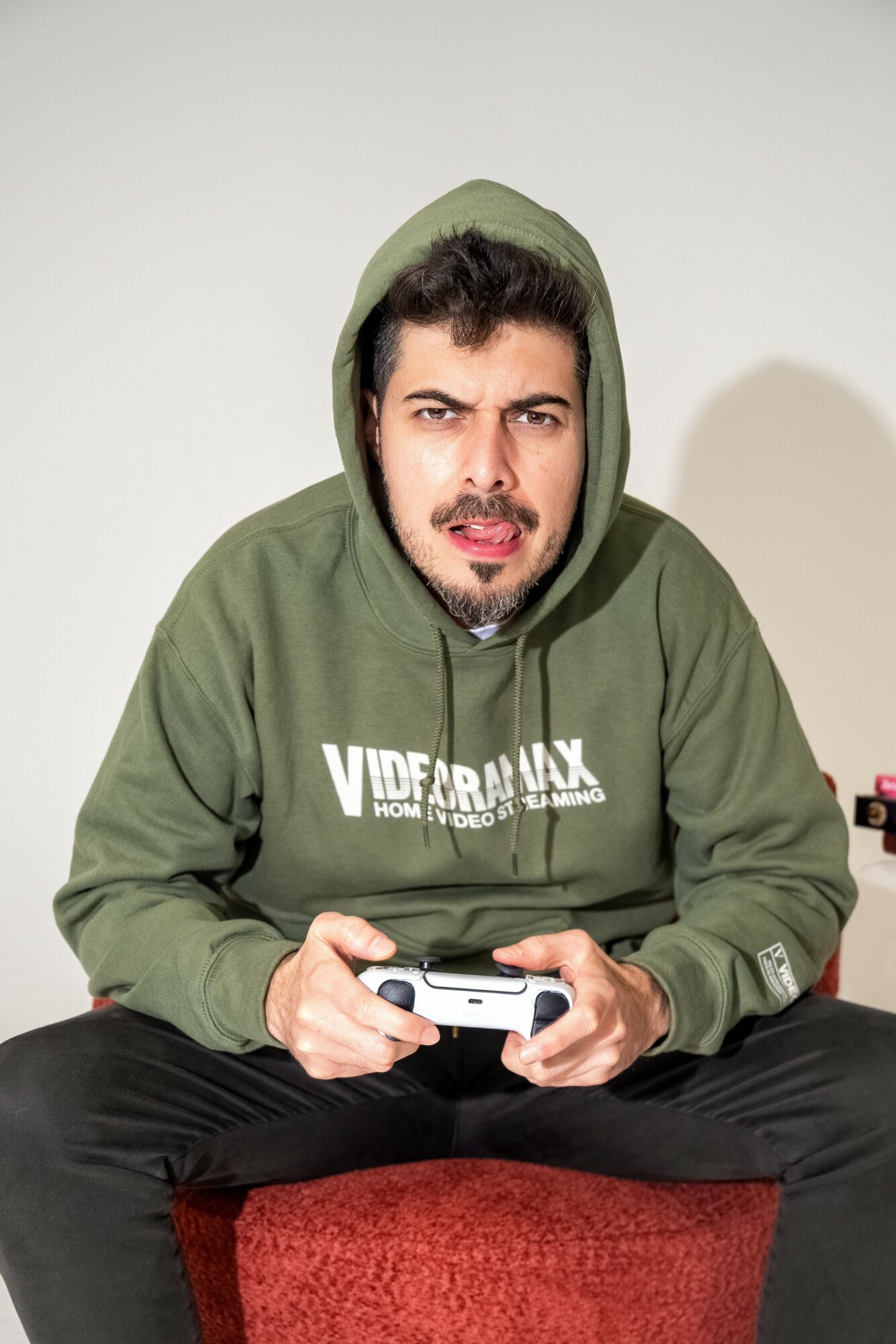



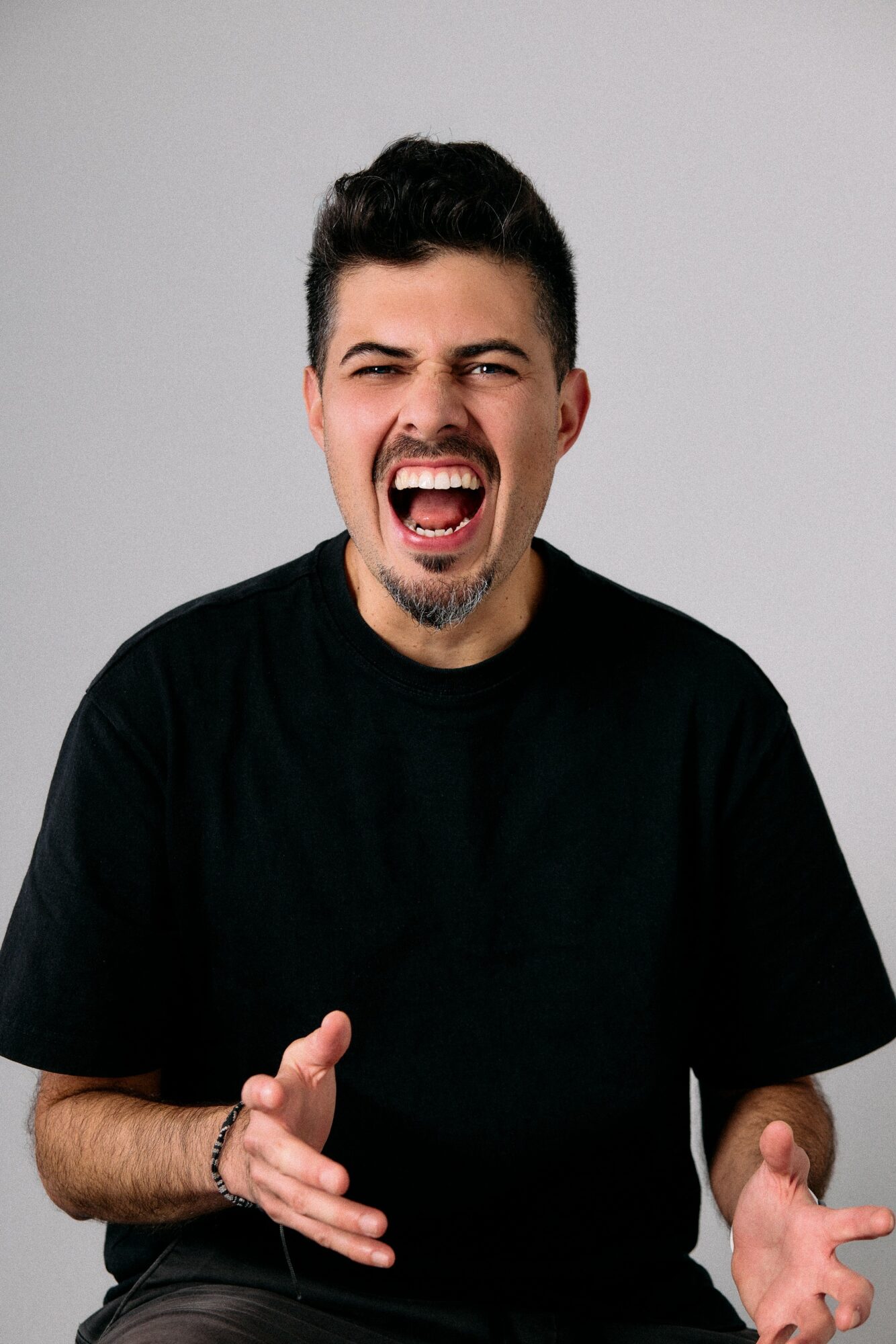
Today we’d like to introduce you to Cesar Cabrera.
Hi Cesar, please kick things off for us with an introduction to yourself and your story.
I’ve always been obsessed with ideas and how they can flip a narrative, shift culture, and genuinely move people. For over 17 years, I’ve worked in the creative industry helping brands like Pepsi, Flor de Caña, and DIAGEO stand out through disruptive thinking, bold storytelling, and strategic innovation. And it’s not just brands. I’ve also supported other agencies by strengthening their ideas and elevating the experiences they deliver to their clients.
I co-founded Spotdly, an interactive studio where design, tech, and strategy meet to build experiences that truly connect on an emotional level. I’m also the co-host of Dentro De La Caja, a podcast I share with my wife, Renée Tovar, an incredible creative director and my partner in crime when it comes to challenging how we approach creative processes. The show digs into unconventional creative tools and frameworks that help people think differently, all based on our own real-life experience. It’s basically the show I wish I had when I was starting out in this industry.
And outside of branding and strategy, I’m all about pop culture. I also co-host a webshow where we dive into films, series, music, and everything that keeps me curious, sharp, and creatively awake. Being involved in different creative spaces constantly fuels my perspective and strengthens everything I do. At the end of the day, it all comes back to one thing: helping people and brands evolve through creativity.
Would you say it’s been a smooth road, and if not what are some of the biggest challenges you’ve faced along the way?
It definitely hasn’t been a smooth road. I started creating at a time when the industry was shifting at an insane pace, and if you didn’t adapt fast, you were done. I had to learn how to fail without falling apart, how to lead teams with completely different personalities, and how to push back against the idea that creativity is some sort of “divine inspiration” when it’s actually discipline, structure, and consistency.
There were also phases where the big projects weren’t coming in, where I had to stand my ground with ideas clients thought were “too risky,” and where building a studio from scratch meant sleepless nights, tough decisions, and letting go of things that no longer served the vision.
But honestly, all of that sharpened my instincts. It taught me that innovation doesn’t show up when everything’s comfortable. It happens in the mess. And that’s where you really grow.
Appreciate you sharing that. What else should we know about what you do?
I work at the intersection of creativity, strategy, and innovation. My focus is helping brands and agencies get out of autopilot and create work that actually feels different. I specialize in disruptive thinking, brand storytelling, and building creative systems that make ideas scalable, not just pretty.
People usually know me for two things: the way I break ideas down until they actually make sense, and my obsession with pushing teams to go past the first obvious answer. I’m all about frameworks and processes that unlock creativity instead of suffocating it, and I love turning complex challenges into experiences that genuinely connect with people.
What I’m most proud of isn’t one big project. It’s being able to stay adaptable and keep evolving over the years. I’ve helped brands rethink how they communicate, supported agencies in elevating their work, and built teams that think boldly without losing strategic clarity.
What sets me apart is that I don’t treat creativity like a performance. For me, it’s a process. I blend intuition with method, innovation with practicality, and strategy with a very human understanding of how people actually behave. That mix is what keeps my work sharp and why clients trust me when they need to break patterns and try something new.
In terms of your work and the industry, what are some of the changes you are expecting to see over the next five to ten years?
The way I see it, the next decade is going to redefine our industry completely. AI is already changing everything, and the real shift will come from how intelligently we learn to use it. If we adapt well, AI can take over the repetitive parts of our workflow, help us automate processes, support our creative thinking, and make everything faster and smarter. And beyond that, it will become a product in itself, something we can offer clients as real, tangible solutions to help them hit their goals.
But here’s the part people don’t talk about enough. If we use AI the right way, we can actually reclaim something we’ve been losing for years: time. More free time to take care of our mental health, to disconnect, to breathe a little, to live like actual humans instead of running on creative autopilot.
Even with all the tech coming our way, the human side of creativity isn’t going anywhere. Art is human. Emotion is human. That instinct we have to tell stories and move people can’t be automated. And I think we’re going to start leaning into projects that feel more crafted, more personal, less cold and overly tech-driven.
So for me, the future is a hybrid. High tech working hand in hand with deeply human creativity. And honestly, that blend is where the most interesting work is going to come from.
Contact Info:
- Website: https://www.spotdly.com
- Instagram: https://www.instagram.com/elchezz
- LinkedIn: https://www.linkedin.com/in/hellocesar/
- Twitter: https://x.com/elchezz
- Youtube: https://youtube.com/@dentrodelacaja