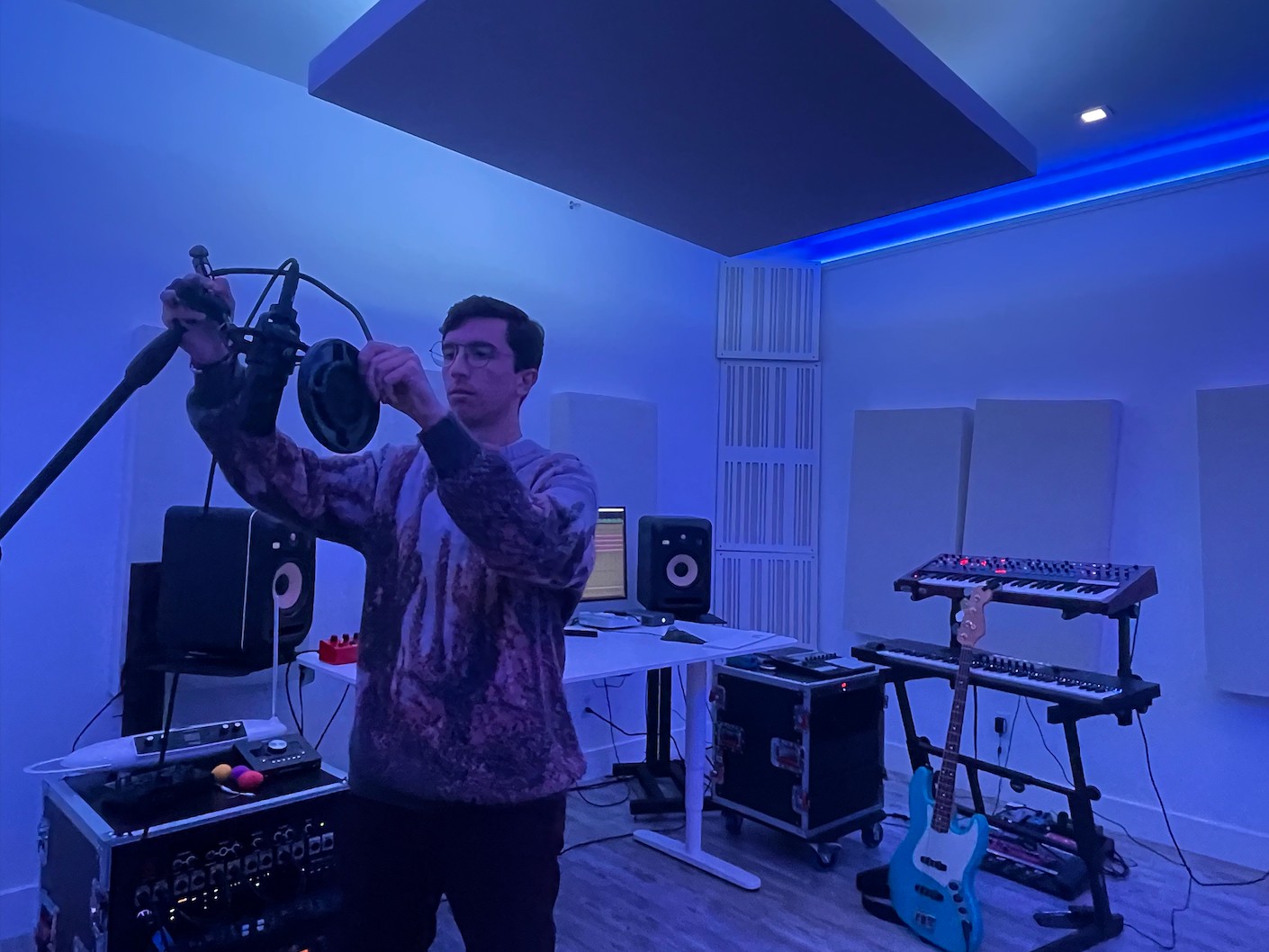





Today we’d like to introduce you to Gregorio Torres.
Hi Gregorio, so excited to have you with us today. What can you tell us about your story?
My story begins in Santo Domingo when I was 5 years old. My parents enrolled me in piano classes and gifted a toy piano to my sister and me. I didn’t see the small pianos in my room as toys, but rather as tools for creation. My parents remember giving me these instruments and how quickly I mastered them. Although we didn’t pay much attention to this at the time, I thoroughly enjoyed exploring the capabilities of each instrument.
A few years later, I joined the symphonic band at my school as a percussionist and remained part of it for seven years. During this time, I participated in and won several international competitions with my classmates. It was also during these years that I began to understand the intricacies of musical arrangements and the unique contribution of each instrument to the songs or pieces we performed. This experience sparked further curiosity in me.
What does a curious 13-year-old boy do? Naturally, I turned to YouTube. Having gained an understanding of classical music, I was eager to learn about the creation of the biggest pop songs. I downloaded FL Studio 10 from Pirate Bay (and later purchased the legitimate version). I probably watched every tutorial available on YouTube. The next five years were dedicated to making music after school, learning new techniques in sound design, and improving my music production skills.
In 2018, as high school graduation approached, I faced a critical decision. I was passionate about music production but also drawn to architecture. I had initially convinced myself that I would pursue architecture full-time and keep music production as a hobby. However, when I was ready to apply for architecture programs, my parents sat me down for a heartfelt discussion. They encouraged me to follow my passion and not choose architecture merely for its perceived safety. After weeks of contemplation, I decided to fully commit to music.
Ultimately, I attended Berklee College of Music, majoring in Music Recording & Production with a minor in Creative Entrepreneurship. After graduation, I moved to Miami and started working at Rebel Eleven Studios, one of the most prestigious recording studios. There, I contributed to the engineering side of projects involving artists like Timbaland, Nelly Furtado, Southside, Cardi B, Anuel, and Mora.
Leveraging this experience, I launched Unisound, a startup aimed at helping independent music creators expand their networks and earn a consistent income by selling sample packs and beats.
I’m sure it wasn’t obstacle-free, but would you say the journey has been fairly smooth so far?
Being a music producer involves significant challenges. One common struggle among creatives is the relentless cycle of creating, only to feel that the final product isn’t good enough for release, even when it is. Often, we burn ourselves out by spending countless hours on the same project, leading to a sense of disdain for it. Over time, I’ve learned that collaboration and delegation are crucial to avoid this pitfall. Additionally, it’s important to remember that while you might be tired of hearing the same song, the world hasn’t heard it yet, and it could potentially be your big break.
Another frustration I’ve faced in my career is related to the release of music. Working with numerous artists, I’ve observed that only about 5% of the music created is released. As music producers, we provide a service to artists and labels, but ultimately, they are the ones who decide what gets released and what doesn’t. This dynamic makes it challenging to grow as a producer, as your career progression depends not on your merit, but on the artists’ decisions regarding the release of the music.
On another note, the ability to collaborate and earn a consistent income as a music creator is incredibly challenging. Royalty payout rates are dismally low, and it’s becoming increasingly difficult to charge a reasonable production fee. Consequently, many music creators are compelled to seek additional sources of income to sustain themselves. Whether it’s bartending, DJing, or working in retail, it’s tough for a music creator to focus solely on making music when faced with the necessity of paying bills at the end of each month.
Thanks for sharing that. So, maybe next you can tell us a bit more about your work?
After 11 years of consistent music production, I believe it’s safe to say that my strength, and what I’m known for, is my ability to make complex genre fusions sound exceptionally digestible; almost Pop. When I take on projects where the artist aims to merge several genres into one, I engage not only in the production of the song but also in the songwriting.
This collaborative approach ensures that both the artist and I share a clear vision, working towards the specific sound we’re trying to achieve. I’m very proud of the consistency I’ve maintained in music, which has allowed me to transition into my new music tech venture, Unisound.
Can you talk to us a bit about happiness and what makes you happy?
Helping people bring their dreams to life brings me immense joy.
Whether it’s engaging in a deep conversation with an artist to transform their half-baked idea into a touching piece of music, or shining a light on new talent through Unisound, I am certain that my purpose is to assist others in making their dreams a reality.
Contact Info:
- Website: https://www.unisound.io/
- Instagram: instagram.com/bygregson
- Linkedin: https://www.linkedin.com/in/gregoriotorres/